Support

Kisoro

About

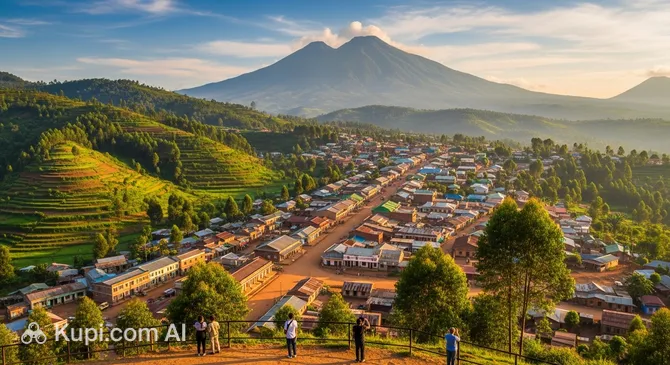
Nestled in the far southwestern corner of the country, Kisoro is a town of breathtaking beauty and adventure. It serves as the ultimate gateway to some of the most spectacular natural wonders in Uganda. With the majestic Virunga Volcanoes dominating the skyline, this charming town offers a cooler climate and a serene atmosphere that contrasts with the bustling energy of larger cities.

Kisoro. Source: Kupi.Binoculars

Geographically, Kisoro is situated in the Kigezi region, often referred to as the "Switzerland of Africa" due to its lush, terraced hills and mountainous terrain. The town is home to a modest population of approximately 17,500 people, creating a close-knit and welcoming community feel. Its high altitude ensures pleasant, refreshing weather year-round, making it a comfortable base for exploration. While the region is primarily celebrated for its natural splendor today, the history of Kisoro reveals a fascinating cultural tapestry shaped by its unique location near the borders of Rwanda and the Democratic Republic of the Congo.

Travelers flock here primarily for the proximity to Mgahinga Gorilla National Park, where they can embark on unforgettable treks to see endangered mountain gorillas and rare golden monkeys in their natural habitat. Another gem is the stunning Lake Mutanda, known for its emerald waters and scenic island-dotted expanse, which is perfect for canoeing and relaxation against a backdrop of volcanic peaks. Whether you are a hiking enthusiast eager to explore the outdoors or a nature lover seeking tranquility, Kisoro promises an unforgettable experience.

Weather Overview

Kisoro enjoys a mild, temperate climate throughout the year, largely influenced by its high elevation in the mountainous southwest. The temperatures are remarkably consistent, creating a comfortable atmosphere for outdoor activities regardless of the season. Generally, you can expect daily averages around 18°C, with daytime highs typically reaching 23°C and nights cooling down to a refreshing 13°C.

Rainfall is a common occurrence, though it varies significantly depending on the time of year. The region experiences two main rainy seasons, with the months of March through May and September through December seeing the highest frequency of precipitation; April and November can have up to 27 wet days. In contrast, June and July are notably drier, offering a brief window with significantly fewer rainy days. For more detailed information on when to visit, you can consult the guide to the weather in Kisoro to help plan your trek.

Interesting Facts

Beyond its reputation as a premier gorilla trekking destination, Kisoro holds a wealth of fascinating secrets rooted in its fiery geological past and rich cultural heritage. This town is not just a gateway to the wild; it is a land where ancient legends and unique natural phenomena create a tapestry of surprises for the curious traveler.
  • The Land of "Irish" Potatoes: While it might seem surprising for an African town, Kisoro is often hailed as the potato capital of Uganda. The region's mineral-rich volcanic soil is perfect for cultivating high-quality Irish potatoes, which are a staple food here. It is estimated that Kisoro and the neighboring districts produce a vast majority of the potatoes consumed across the entire country, making the humble tuber a symbol of local pride and economic vitality.

  • A Meeting Point of Three Nations: The jagged summit of Mount Sabyinyo offers a geographical quirk that exists in very few places on Earth. If you hike to its peak, you can stand in Uganda, Rwanda, and the Democratic Republic of the Congo simultaneously. The mountain's name, which translates to "Old Man's Teeth" in the local Rufumbira language, perfectly describes its serrated, tooth-like summit that marks this unique tri-border point.

  • Secrets of the Volcano Names: The majestic volcanoes dominating the skyline each carry a descriptive local name that tells a story. Mount Muhabura is known as "The Guide" because its towering height historically helped travelers find their way. Mount Gahinga, meaning "A Pile of Stones," gets its name from the volcanic rocks that local farmers clear from their fields and stack into piles, a practice visible throughout the countryside.

  • The Royal Batwa Cave: Hidden beneath the plateau near the mountains lies the Garama Cave, a 342-meter-long lava tube. Centuries ago, this natural tunnel served as a sacred council chamber and retreat for the Batwa kings. It was used as a strategic hiding place during times of conflict, and today, it stands as a poignant reminder of the ancient heritage of the Batwa people who once lived harmoniously within the dense forests.

  • The Five-Volcano Viewpoint: There is a specific spot on the winding road approaching the town known as the Kanaba Gap. It is one of the rare locations where you can capture a panoramic view of five different Virunga volcanoes in a single glance. This breathtaking vista includes the peaks of Muhabura, Gahinga, Sabyinyo, Mikeno, and Karisimbi, offering a visual summary of the region's explosive geology.

How to Get There

Reaching this remote corner of Uganda is part of the adventure, offering scenic journeys through the "Switzerland of Africa." Whether you prefer a quick domestic flight or an overland drive through lush hills, you can find more about how to get to Kisoro and choose the option that best fits your itinerary.

The most direct way to arrive is by flying into the local Kisoro airport (IATA: KXO). Located just 3.1 km from the town center, this small airfield primarily serves domestic flights and charters, offering spectacular views of the volcanoes upon approach. The short transfer to the town center typically takes about 25 minutes by taxi. It is a small facility with an annual passenger traffic of approximately 8,000 people, ensuring a quick and hassle-free arrival process.

For international travelers, a popular alternative is to fly into Kigali International Airport (IATA: KGL) in Kigali, Rwanda. Although it is located in a neighboring country, it is often closer to Kisoro than Uganda's main international hub in Entebbe. The airport is situated about 89.9 km away. The journey involves a scenic drive across the border, taking approximately 2 hours and 35 minutes by taxi or private transfer. This is a large international hub serving over a million passengers annually, offering a wide range of flight connections.

For clarity, here is a summary of the main airports:

Airport Name City Passenger Traffic Km from City
Kigali International AirportKigaliLarge89.9
Goma AirportGomaMedium66.1
Kasese AirportKaseseSmall168.5
KisoroKisoroSmall3.1
KihihiKihihiSmall62.4

There are no railway stations in Kisoro or the immediate vicinity. The region's mountainous terrain makes rail transport impractical, so the primary means of ground transportation is by road. Visitors typically arrive by bus or private vehicle from Kampala or other major towns, enjoying the winding roads that offer panoramic views of the terraced Kigezi highlands.

Main Attractions

Kisoro is a treasure trove of natural wonders and cultural experiences, offering visitors a chance to explore some of Uganda's most pristine landscapes. From mist-covered volcanoes to tranquil lakes, the area is packed with activities for adventure seekers and nature lovers alike. Here are the top attractions that define this unique destination.

Mgahinga Gorilla National Park is undoubtedly the region's crown jewel and a primary reason travelers visit this corner of the world. As Uganda's smallest national park, it offers an intimate and exclusive wilderness experience. It is famous for being one of the few places on Earth where you can trek to see the endangered mountain gorillas in their natural habitat. Beyond the gentle giants, the park is also the only place in the country where you can track golden monkeys, a rare and playful primate species endemic to the Virunga mountains. The park's biodiversity and the thrill of close encounters with these animals make it an unmissable stop.

Lake Mutanda offers a serene counterpoint to the rugged mountains, known for its stunning emerald waters and a backdrop of the majestic Virunga volcanoes. This lava-dammed lake is dotted with lush islands, each with its own story, making it a perfect spot for exploration by dugout canoe. Tourists love it for the peaceful atmosphere, excellent birdwatching opportunities, and the chance to swim in its bilharzia-free waters. Whether you are paddling at sunrise or simply relaxing at a lakeside lodge, the views here are often cited as some of the most beautiful in Africa.

The Virunga Volcanoes dominate the skyline and offer some of the most rewarding hiking experiences in East Africa. The three extinct cones—Mount Muhabura, Mount Gahinga, and Mount Sabyinyo—provide varying levels of difficulty for trekkers. Mount Sabyinyo is particularly fascinating because its jagged summit, known as "Old Man's Teeth," marks the intersection of the borders of Uganda, Rwanda, and the Democratic Republic of the Congo. Hiking to the top allows you to stand in three countries at once, a unique geographical feat that attracts adventurous climbers from around the globe.

The Batwa Cultural Trail is a moving and educational experience that takes visitors into the history of the forest's original inhabitants. Guided by members of the Batwa community, this trail leads you through the dense forest to the sacred Garama Cave, a massive lava tube that once served as a royal residence and council chamber. It is interesting to tourists not only for the cultural performance of song and dance within the echoing cave but also for the opportunity to learn about ancient survival skills, medicinal plants, and the rich heritage of a people who lived in harmony with the forest for centuries.

Echuya Forest Reserve is a hidden gem located between Kisoro and Lake Bunyonyi, often overlooked but deeply rewarding for eco-tourists. This montane rainforest and bamboo zone is a haven for birdwatchers, boasting over 150 bird species, including the elusive Grauer's swamp warbler. It serves as a vital ecological corridor and offers a quieter, off-the-beaten-path trekking experience compared to the national parks. For nature enthusiasts, the reserve provides a rare glimpse into a high-altitude swamp ecosystem and the chance to enjoy untouched wilderness in solitude.

Local Cuisine

The local cuisine in Kisoro is a direct reflection of its fertile volcanic soil and cool climate. Often referred to as the "potato basket" of Uganda, the region offers food that is fresh, organic, and hearty. While the dining scene is modest compared to the capital, the quality of the ingredients—harvested from the terraced hillsides surrounding the town—creates a farm-to-table experience that is both simple and deeply satisfying.

The undisputed star of the local diet is the Irish potato. Unlike in other parts of the country where matooke (steamed green bananas) reigns supreme, here the potato is king. You will find them prepared in various ways: boiled, fried, or mashed, often served alongside a rich stew of beans or peas. Another delicacy to look out for, especially if you are staying near the water, is fresh crayfish. Sourced directly from Lake Mutanda and Lake Bunyonyi, these crustaceans are often prepared with garlic and butter in tourist lodges, offering a gourmet touch to the rural setting.

For a taste of authentic Ugandan street food, you must try a Rolex. This popular snack consists of a savory omelet rolled inside a warm chapati (flatbread), often enhanced with tomatoes, onions, and cabbage. It is widely available at roadside stalls in Kisoro town and makes for a filling, inexpensive lunch. Another common sight is roasted maize, grilled over open charcoal fires on street corners, providing a smoky and chewy treat that is perfect for chilly evenings.

The region is also gaining a reputation for its high-quality Arabica coffee. Grown on the slopes of the volcanoes, the local beans have a distinct flavor profile, and enjoying a freshly brewed cup while overlooking the misty hills is a highlight for many visitors. For a more traditional beverage, adventurous travelers can try Bushera, a thick, porridge-like drink made from sorghum or millet. It can be consumed sweet and fresh or fermented into a mildly alcoholic version, playing a significant role in local social gatherings.

Dining in Kisoro is generally a relaxed affair. Most tourists choose to eat at their lodges or hotels, which typically offer a blend of Western dishes and local favorites adapted for international palates. However, venturing into the town center reveals small, family-run eateries where you can dine with the locals. The vibrant markets are also worth a visit, not necessarily for a sit-down meal, but to see the abundance of colorful fruits, vegetables, and the famous potatoes being traded in a lively atmosphere.

Travel Tips

Visiting Kisoro offers a unique adventure into the heart of the "Switzerland of Africa," but its remote location and high altitude require some specific preparation. To help you navigate the local customs and rugged terrain with ease, here are some practical tips for your journey.

  1. Dress for Four Seasons in One Day: Due to the high elevation, the weather in Uganda's southwest can change rapidly. Mornings are often chilly and misty, days can be warm, and evenings are cold. Pack distinct layers, including a warm fleece and a waterproof rain jacket. If you are tracking gorillas or golden monkeys, sturdy, broken-in hiking boots and long trousers are non-negotiable to protect against stinging nettles and mud. Pro tip: Bring a pair of thick gardening gloves to protect your hands when grabbing vegetation for support during treks.

  2. Navigating Local Transport: Within the town, the most common and affordable way to get around is by boda-boda (motorcycle taxi). They are convenient for short distances, but always agree on the fare before hopping on and ask for a helmet. For longer excursions to Lake Mutanda or the national park, it is safer and more comfortable to arrange a "special hire" (private taxi) through your hotel, as the roads can be rough and steep.

  3. Manage Your Cash Wisely: While some high-end lodges accept credit cards, cash is king in Kisoro town. The local currency is the Ugandan Shilling (UGX), which you will need for markets, small restaurants, and tips. There are a few ATMs in town, but they can occasionally be out of service, so it is wise to carry enough cash. If you bring US dollars for exchange or park fees, ensure the bills are printed in 2013 or later and are crisp, as older or damaged notes are often rejected.

  4. Health and Altitude Awareness: Kisoro sits at a significant altitude, so take it easy on your first day to acclimatize. Malaria is present in the region, so sleeping under a mosquito net and using insect repellent is essential. Pharmacies in town are basic, so bring a personal medical kit with any prescription meds, painkillers, and motion sickness pills if you plan on driving through the winding mountain roads.

  5. Communication and Connectivity: English is the official language and is widely spoken in hotels and by tour guides, though locals converse in Rufumbira or Kinyarwanda. To stay connected, you can purchase a local SIM card (MTN and Airtel have the best coverage here) in the town center; you will need your passport for registration. Wi-Fi is available in most tourist accommodations but can be slow or intermittent due to the remote location.

  6. Etiquette and Photography: The people of Kisoro are known for their warmth, but they are also conservative. Always ask for permission before taking photos of locals, especially children or people working in their gardens. A polite greeting of "Agandi?" (How are you?) goes a long way in breaking the ice. When visiting communities, dressing modestly is appreciated and shows respect for local norms.

  7. What to Avoid: Strictly avoid wearing camouflage clothing. In Uganda, this is reserved exclusively for the military and police, and wearing it can lead to uncomfortable questioning or confiscation of the items. Also, refrain from buying souvenirs made from wildlife products, as this is illegal and harms conservation efforts.

  8. Market Day Experience: If your schedule allows, try to be in town on a Monday or Thursday. These are typically the main market days when the town comes alive with traders from neighboring villages and even across the borders. It is a chaotic but colorful spectacle where you can buy fresh fruits, fabrics, and observe the true pulse of local life.

By keeping these practicalities in mind, you can focus less on logistics and more on the stunning landscapes and incredible wildlife encounters that await you. Kisoro is a place that rewards the prepared traveler with unforgettable memories and a deep connection to nature.

Entertainment & Nightlife

While Kisoro is primarily known as a quiet base for trekking adventures, the town comes alive in the evenings with a vibrant, albeit relaxed, nightlife scene. The atmosphere here is far removed from the high-energy chaos of big cities; instead, it is characterized by intimate gatherings, friendly conversations, and a welcoming community spirit. The nightlife is centered mainly along the Kabale-Kisoro Road and the town center, where locals and tourists mingle in open-air pubs and cozy hotel lounges to unwind after a day of hiking.

For those looking to experience the local vibe, The Meeting Point is a popular spot to start the evening. It serves as a social hub where you can enjoy cold local beers and upbeat music in a casual setting. If you are in the mood for dancing, Club Hills is one of the few places in town that offers a more club-like atmosphere, often playing a mix of Ugandan hits, Afrobeat, and international tracks late into the night. For a piece of history with your drink, the bar at the Travellers Rest Hotel is iconic; once a favorite of Dian Fossey, it offers a warm fireplace and a sophisticated yet rustic ambiance perfect for a quiet nightcap.

The dress code in Kisoro is universally casual and practical. Fleece jackets and sturdy shoes are more common than high heels, given the cool evening temperatures and unpaved sections of the roads. Prices are very affordable compared to Kampala, with beers and local spirits costing a fraction of what you would pay in the capital. The best time to head out is around 8:00 PM, as venues tend to fill up after dinner service.

Safety in Kisoro is generally good, and the town is peaceful at night. However, street lighting can be sporadic, making some areas quite dark. It is highly recommended to use a boda-boda (motorcycle taxi) to get between your accommodation and the town center, rather than walking alone on unlit roads. Drivers are readily available at night, but always agree on a price before hopping on. Most venues accept cash only, so ensure you have enough Ugandan Shillings on hand.

During the day, entertainment is less about theaters and museums and more about cultural immersion. The bustling Kisoro Market (best on Mondays and Thursdays) offers a sensory overload of sights and sounds, acting as the town's main commercial theater. For a lighter daytime activity, visitors often relax at the Coffee Pot Café, a charming spot to enjoy locally grown Arabica coffee and homemade cakes while watching the world go by.

Parks & Museums

While Kisoro is not defined by manicured city parks or traditional indoor museums, the entire region serves as a spectacular open-air gallery of nature and living history. The town's "green spaces" are its lush surrounding hills and water sources, while its cultural heritage is preserved not in glass cases, but through active community traditions and historic religious landmarks.

Chuho Water Source is a serene and scenic natural area located just a short distance from the town center. As the primary source of fresh water for the district, it is maintained with great care, featuring clear, bubbling springs surrounded by lush vegetation, bamboo stands, and papyrus reeds. It is a fantastic spot for a gentle afternoon walk or a picnic, offering a quiet respite where tourists can observe local birdlife and see the daily rhythm of residents collecting water in a peaceful environment.

Lake Chahafi serves as a tranquil, lesser-known alternative to the larger lakes in the region. Situated near the border with Rwanda, this small but picturesque body of water is surrounded by terraced hills and offers a more intimate nature experience. It is particularly interesting to birdwatchers, as the swampy margins are home to colonies of crested cranes and other waterfowl. The absence of heavy boat traffic makes it an ideal location for a silent canoe ride to soak in the reflection of the volcanoes on the water's surface.

In terms of museums, Kisoro does not boast conventional galleries; instead, it offers "living museums" where history is experienced firsthand. The Batwa Cultural Experience acts as a mobile preservation project, allowing visitors to step back in time. Rather than viewing artifacts behind glass, tourists interact with the Batwa community to see traditional fire-making, hunting techniques, and medicinal plant usage demonstrated in the open environment. This immersive approach provides a poignant understanding of the forest's original inhabitants and their ancient customs.

For architecture and history enthusiasts, St. Paul’s Mutolere Catholic Church is the most significant landmark in the vicinity. Built in the 1930s, this imposing red-brick cathedral sits atop a hill overlooking the town and the volcanic peaks beyond. Its sheer size and Romanesque-inspired design are a testament to the long-standing influence of missionary work in the region. Visitors are welcome to explore the interior, which features high ceilings and stained glass, or simply admire the panoramic views from the church grounds.

An authentic insider tip is to visit the Monday Market specifically to see the local craftsmanship on display. While not a formal gallery, the stalls featuring hand-woven baskets (agaseke) and intricate mats offer a glimpse into the region's artistic heritage. Watching the artisans at work provides a deeper connection to the local culture than any static exhibit could offer.

Getting Around

The public transport system in Kisoro is informal and decentralized, reflecting the town's modest size and rural setting. Unlike large metropolises, there are no metros, trams, or scheduled municipal bus networks operating within the city limits. Instead, the primary mode of transportation for locals and visitors alike is the boda-boda (motorcycle taxi). These are ubiquitous throughout the town and offer the fastest, most convenient way to navigate the hilly terrain and narrow streets. For travel between Kisoro and neighboring villages or the border, matatus (shared minibuses) are the standard option, typically found gathered at the central taxi park.

Payment for all forms of local transport is exclusively in cash using the local currency. There are no electronic travel cards, tap-to-pay systems, or mobile ticketing apps available for intra-city travel. Fares are not fixed and must be negotiated before you begin your journey. A short ride within the town center on a boda-boda is very inexpensive, while longer trips to the national park gates or lakes will cost significantly more. It is advisable to carry small denominations of notes and coins, as drivers often do not have change for large bills.

For tourists, navigating this system requires a bit of interaction and bargaining. When hailing a boda-boda, you can simply flag one down from the side of the road; they are virtually everywhere. Before hopping on, clearly state your destination and agree on a price to avoid disputes later. While the town is generally safe, it is highly recommended to ask the driver for a helmet, although availability can sometimes be hit-or-miss. Transport operates from early morning until late at night, but finding a ride becomes more difficult after 9:00 PM, and prices may increase during late hours or rainy weather.

If you prefer more comfort or are traveling with luggage and hiking gear, the best alternative to a motorcycle is a "Special Hire". These are private taxis, usually older sedan cars, that can be arranged through your hotel or found at the town center. They are the most reliable option for visiting attractions like Mgahinga Gorilla National Park, as they can handle the rough, unpaved mountain roads better than a motorcycle. While significantly more expensive than public options, they offer the safety and convenience of a private driver for the day.

Walking is also a viable and pleasant alternative for getting around the compact town center. Most shops, markets, and restaurants are within easy walking distance of each other. For the adventurous, some lodges and guesthouses offer bicycle rentals. Cycling can be a wonderful way to explore the scenic surroundings at your own pace, though visitors should be prepared for the steep hills and occasionally uneven road surfaces that characterize the region.

Accommodation

Kisoro offers a diverse array of accommodation options tailored to the needs of adventure travelers, ranging from basic backpacker hostels to luxurious eco-lodges. Given its status as a major trekking hub for southwestern Uganda, the hospitality scene is well-developed, with many establishments specifically designed to provide comfort and relaxation after a long day of hiking. Visitors can find simple guesthouses in the town center that offer great value, as well as high-end resorts situated on the outskirts that promise exclusivity and breathtaking views of the Virunga volcanoes.

When choosing where to stay, your location will largely depend on your budget and itinerary. The Town Center is the most convenient area for access to public transport, markets, and affordable dining. It is ideal for budget travelers and those who want to be close to the local community vibe. Alternatively, the shores of Lake Mutanda, located about 30 to 45 minutes from town, offer a more scenic and tranquil experience. Lodges here are perfect for those seeking luxury and stunning sunrise views over the water. Finally, for travelers prioritizing the gorilla trek, there are several lodges located near the Ntebeko Gate of Mgahinga Gorilla National Park, minimizing travel time on the morning of your adventure.

Among the well-known establishments, the Travellers Rest Hotel stands out as a historical landmark. Famous for being the preferred resting place of legendary primatologist Dian Fossey, it retains a unique "old world" charm that attracts history buffs and nature lovers alike. For those preferring a waterfront setting, the various resorts dotted around Lake Mutanda provide distinct cottages that blend comfort with nature, often featuring private verandas where guests can soak in the dramatic landscapes.

Prices in Kisoro cater to a wide spectrum of travelers. Budget accommodation in the town can be found for as little as $15 to $40 USD per night. Mid-range options, which often offer better amenities and views, typically range from $80 to $150 USD. Luxury eco-lodges, particularly those near the park or lake, can exceed $300 USD per night, often including full board. A crucial tip for visitors is to book accommodation well in advance, especially during the peak dry seasons (June to September and December to February). During these months, the best lodges are often fully booked by trekking groups, so securing your reservation early is essential.

Nearby Cities

For those looking to explore the surroundings, Kisoro serves as an excellent base for day trips to several interesting nearby locations:

Kabale is the closest major town and a popular destination for a short excursion. Located just a scenic drive away through the winding mountain roads, it is often referred to as the "Switzerland of Africa" due to its cool climate and terraced hillsides. It serves as the primary gateway to Lake Bunyonyi, one of the deepest and most beautiful lakes on the continent, where visitors can enjoy canoeing, swimming, and relaxing on the many islands.

Mbarara offers a different experience as the largest metropolitan hub in Western Uganda. Known as the "Land of Milk and Honey," it is famous for its long-horned Ankole cattle and rich cultural heritage. While it requires a longer drive, it provides an opportunity to visit the Igongo Cultural Centre, which showcases the history and traditions of the Ankole people, or to experience the amenities of a bustling city.

Kasese is another significant town in the region, best known as the gateway to the Rwenzori Mountains and Queen Elizabeth National Park. It is an industrial and commercial center that sits at the foot of the "Mountains of the Moon." For travelers interested in mining history or looking to access the savannah plains for a safari game drive, Kasese is a strategic point of interest in the wider region.

City Population Distance (km)
Mbarara 195013 129
Kasese 115400 166
Mpondwe 58600 146
Kabale 53200 33
Bushenyi 43700 99

These nearby destinations offer a glimpse into the diverse culture and landscapes of the region.

Shopping & Souvenirs

Shopping in Kisoro is an authentic and grounded experience that reflects the town's rural charm and agricultural heritage. Unlike major cities with sprawling complexes, the retail scene here is intimate, bustling, and centered around local needs. Visitors will not find high-end luxury boutiques or international fashion chains; instead, the town offers a vibrant mix of roadside stalls, small family-run shops, and lively open-air markets. It is the perfect place to engage with friendly locals and purchase essential supplies or unique handmade crafts that directly support the community.

The main commercial activity is concentrated along the Main Street (the Kabale-Kisoro Road) and the streets immediately branching off the central roundabout. This area serves as the town's economic heartbeat, lined with general stores, pharmacies, and hardware shops. A stroll down this strip allows tourists to find supermarkets stocked with snacks, beverages, and basic toiletries suitable for trekking. It is a functional and easy-to-navigate district where everything is within walking distance.

Travelers expecting large modern shopping malls will not find them here. Kisoro does not have Western-style shopping centers or department stores. The closest equivalents are small "plazas" or arcades—multi-story buildings housing various independent shops selling electronics, fabrics, and shoes. These are strictly utilitarian and geared toward residents, but they can be useful if you need to replace a phone charger or buy a warm sweater for the chilly evenings.

The true highlight of the shopping experience is the Kisoro Central Market. This is the soul of the town, particularly on the designated market days of Monday and Thursday. On these days, the market spills over with energy as traders from surrounding villages and even across the borders of Rwanda and the DRC arrive to sell their wares. It is a sensory delight where you can navigate through piles of fresh tropical fruits, vegetables, second-hand clothing, and vibrant kitenge fabrics. It offers a fascinating glimpse into the daily life of the region.

For those looking to take a piece of Uganda home, the souvenir options are distinct and culturally significant. The region is famous for its intricate hand-woven baskets, known locally as agaseke. These are crafted with great skill by local women and make for beautiful, lightweight gifts. Other popular items include locally produced honey and packs of organic Arabica coffee grown on the fertile volcanic slopes nearby. You can also find simple wood carvings and walking sticks, often sold near the tourism centers or hotel lobbies.

Shops in Kisoro typically open around 8:00 AM and close by 6:00 PM or 7:00 PM. The market is liveliest in the mornings and tends to wind down by late afternoon. When it comes to payment, cash is king. Very few, if any, market stalls or small shops accept credit cards. The Ugandan Shilling (UGX) is the standard currency, and while some larger hotels might take US dollars, you will need local cash for all your shopping in town. Bargaining is expected in the markets and with street vendors, so feel free to negotiate politely.

Tax-free shopping and refund schemes are not available in Kisoro. The town operates on a traditional retail model, and tourists should not expect VAT refunds on purchases made here. The prices are generally very low compared to international standards, making the lack of tax incentives negligible for most visitors.
Reached the end of the page?

That means the route is fully explored