Support

Uganda

Cities in the country

About the Country

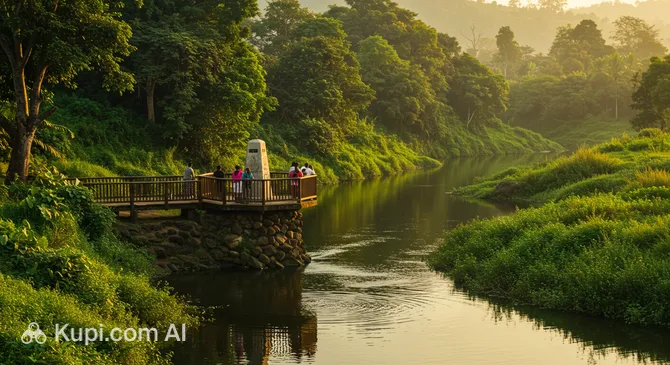
Uganda, often called the 'Pearl of Africa', is a country located in the heart of East Africa that captivates travellers with its amazing diversity of landscapes and rich culture. It is a place where equatorial forests meet savannas, and majestic mountains give way to sparkling lakes. Uganda offers a unique combination of outdoor adventures and immersion into authentic African life, leaving every visitor with unforgettable memories.
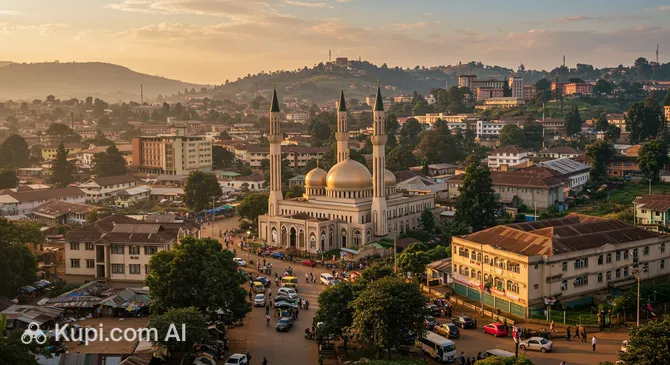
Kampala. Source: Kupi.com Binoculars

Uganda's natural treasures are truly impressive. The country is home to the source of the mighty Nile – the famous Source of the Nile in Jinja, which attracts adventure seekers from all over the world. Here you can see rare mountain gorillas in their natural habitat, observe the 'Big Five' in national parks, and enjoy a mild tropical climate all year round. Lakes such as Victoria, Albert, and Edward form a significant part of the country's territory, offering opportunities for water sports and fishing.

The country's capital, the vibrant Kampala, is spread across several hills and is the cultural and economic centre of Uganda. Here, you can get acquainted with local traditions, visit colourful markets, and see historical landmarks like the impressive Uganda National Mosque. Not far from the capital is the city of Entebbe, known for its international airport and botanical garden. For Muslim travellers, halal food is widely available in major cities, and you will find numerous mosques and prayer facilities. Ugandans are renowned for their hospitality and friendliness, which makes travelling through this amazing country even more pleasant and memorable.
Currency

Uganda's national currency is the Ugandan shilling (international code UGX). Banknotes of various denominations are in circulation, often featuring local wildlife, natural landmarks, or important national figures. Coins are also in use but are less common for larger purchases. It is recommended to exchange foreign currencies—such as US dollars, euros, British pounds, and UAE dirhams—for Ugandan shillings at official banks or licenced exchange bureaus. These can be found in the capital, Kampala, other major cities, and at the airport. For your safety, avoid exchanging money with street vendors, as this carries a risk of fraud and receiving counterfeit banknotes.

Credit cards, mainly Visa and MasterCard, are accepted in major hotels, some restaurants, and supermarkets in Kampala and key tourist hubs. However, for daily expenses, shopping at local markets, paying for transport, and in smaller towns, it is better to have Ugandan shillings in cash. ATMs are also available in cities, but it is wise to check with your bank beforehand about your card's compatibility and any potential fees for international withdrawals.

Visa Requirements

To visit Uganda, travellers from the UAE, including both citizens and residents, are required to obtain a visa. There is no visa-free access for UAE passport holders. The standard procedure is to apply for an e-Visa in advance through the official Uganda Electronic Visa/Permit Application System.

To enter the country, you will need a passport that is valid for at least six months from your date of arrival. It is also mandatory to have a Yellow Fever vaccination certificate. Other required documents may include proof of return or onward travel, hotel booking confirmations, and a recent passport-sized photograph. As visa regulations can change, it is strongly recommended to verify the latest information on the official website of the Directorate of Citizenship and Immigration Control of Uganda before your trip.

We'll tell you if you need a visa

Specify where you are going, or
Your citizenship
Destination

Time Zones

When planning a trip to Uganda, you will not have to worry about changing time zones within the country. The whole of Uganda is in a single time zone: East Africa Time (EAT), which is UTC+3. This means the time will be the same whether you are in the capital, Kampala, or exploring national parks in other regions of the country. For travellers from the UAE, it's useful to know that Uganda is one hour behind UAE time (which is UTC+4).

The absence of internal time differences makes it much simpler to plan transfers and activities during your trip around Uganda. Simply set your watch to the local time upon arrival and enjoy your journey without needing to adjust it again.

How to Get There

The easiest way to get to Uganda is by air. Several airlines, including Emirates, flydubai, and Uganda Airlines, offer direct and connecting flights from the UAE. The country's main international gateway is Entebbe International Airport (EBB), which receives the majority of these flights. It is located near the capital, Kampala, and serves as the primary hub for air travel.

For travellers who prefer overland routes, Uganda has land borders with several neighbouring countries, including Kenya, Tanzania, and Rwanda. Bus services connect Uganda with these nations; however, it is worth noting that such journeys can be long and may be less comfortable than travelling by air. International rail service in the country is not well-developed. As Uganda is a landlocked country, entry by sea is not possible.

When planning your trip to Uganda, it is advisable to book your flights in advance, especially if you are travelling during the peak tourist season. It is also essential to check the current visa requirements for your nationality and any recommended vaccinations beforehand. For instance, UAE residents require a visa to travel to Uganda, which can often be obtained online as an eVisa, and a yellow fever vaccination certificate is a mandatory document for entry.

For your reference, here is a summary of the main airports in Uganda:

Airport Name City Passenger Traffic
Entebbe International AirportEntebbeMajor
Kasese AirportKaseseMinor
Kisoro AirportKisoroMinor
Kihihi AirstripKihihiMinor

Uganda offers travellers a kaleidoscope of experiences, from vibrant urban centres to serene natural oases. The heart of the country and its main economic and cultural hub is Kampala. This dynamic metropolis, spread across several hills, is captivating with its bustling energy, colourful markets, historical monuments, and modern infrastructure. Here you can immerse yourself in the local culture, visit interesting museums and galleries, and enjoy a vibrant evening scene with a wide array of restaurants, many of which offer halal options. The Uganda National Mosque, also known as the Gaddafi Mosque, is a significant landmark open to visitors, offering panoramic city views from its minaret.

Kampala. Source: Kupi.com Binoculars

Besides the capital, Uganda boasts other notable cities and resort areas. Entebbe, nestled on the shores of the magnificent Lake Victoria, is known not only for its international airport but also for its beautiful Botanical Gardens and the Uganda Wildlife Education Centre. The latter is a fantastic family-friendly destination where children can learn about the country's diverse animal species in a safe and engaging environment. For adventure seekers and lovers of outdoor activities, a trip to Jinja is a must. Recognised as the source of the White Nile, it offers world-class rafting experiences. Meanwhile, the picturesque Fort Portal, surrounded by emerald tea plantations and crater lakes, serves as the gateway to famous national parks such as Kibale, home to chimpanzees.

Each of these cities provides a unique experience and reveals different facets of Uganda, whether you are interested in urban culture, relaxing in nature, or thrilling adventures.

Top Attractions

Uganda, often called the "Pearl of Africa," offers travellers an incredible variety of experiences. Among its greatest treasures are unique natural sites, rich wildlife, and significant cultural centres, each capable of providing unforgettable moments.

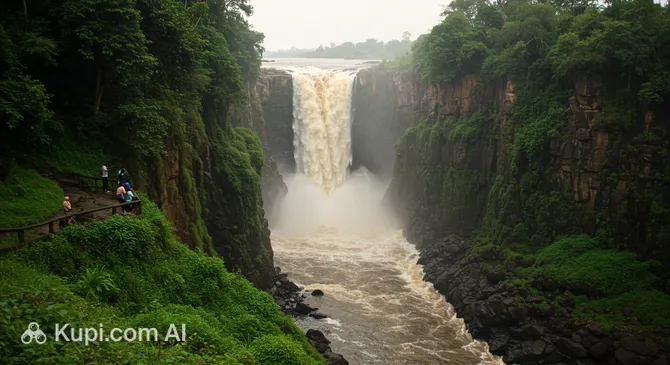
One of Uganda's most impressive natural attractions is the majestic Murchison Falls, also known as Kabalega Falls. Here, the mighty Nile River bursts with incredible force through a narrow gorge just a few metres wide, creating a breathtaking spectacle. The surrounding national park is famous for its rich animal life, and a safari here offers the chance to see elephants, lions, giraffes, and buffaloes in their natural habitat. Many tour operators and lodges in the area can arrange for halal meals upon request, ensuring a comfortable stay for Muslim visitors.

Murchison Falls. Source: Kupi.com Binoculars

An equally iconic site that attracts tourists from all over the world is the Source of the Nile, located near the town of Jinja. It is believed that it is from here, from the waters of Lake Victoria, that the great River Nile begins its journey. Visitors can take a boat trip to the symbolic source point, enjoy the tranquillity of the waters, and observe the numerous birds. The nearby town of Jinja has several mosques and a growing number of restaurants offering halal food options.

Source of the Nile. Source: Kupi.com Binoculars

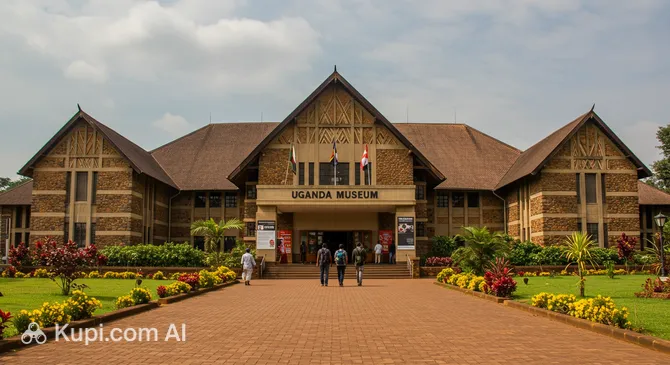
For those who wish to gain a deeper understanding of the culture and history of this amazing country, a visit to the Uganda Museum in the capital, Kampala, is highly recommended. Its exhibitions cover a wide range of topics: from archaeology and ethnography to natural history and traditional musical art. This is an excellent opportunity to get acquainted with the rich heritage of the Ugandan peoples. While the museum does not have a dedicated prayer room, Kampala is home to many mosques, including the National Mosque on Old Kampala hill, and numerous halal-certified restaurants are available throughout the city.

Uganda Museum. Source: Kupi.com Binoculars

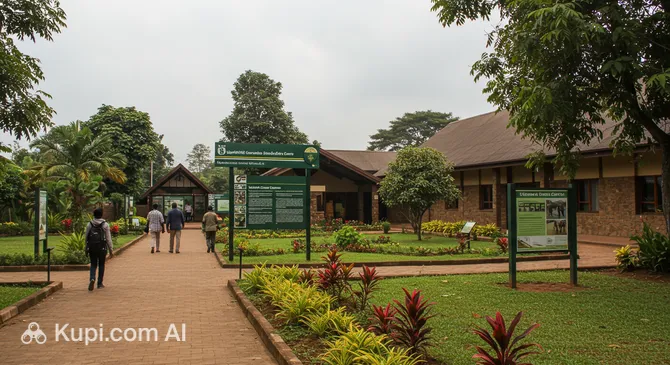
Wildlife enthusiasts and those passionate about conservation should definitely visit the Uganda Wildlife Conservation Education Centre in Entebbe. It is not just a zoo, but an important educational and rehabilitation centre where you can see many representatives of African fauna up close, including rescued animals, and learn about programmes for their protection and reintroduction into the wild. Located near Entebbe International Airport, the centre is easily accessible, and the city of Entebbe provides various halal dining choices and prayer facilities for Muslim travellers.

Uganda Wildlife Conservation Education Centre. Source: Kupi.com Binoculars

Best Time to Visit

When planning a trip to Uganda, it is essential to consider the country's climate to ensure your journey is as comfortable and rewarding as possible. The country experiences two dry and two wet seasons, which determine the high and low tourist periods. The best time to visit depends on your priorities, whether that's trekking to see gorillas, going on safari, or simply wishing to avoid the crowds.

The high season in Uganda typically runs from June to August and from December to February. These months coincide with the UAE's summer holidays and pleasant winter season, making them popular travel times. During this period, dry and sunny weather prevails, creating ideal conditions for wildlife viewing. It is the best time for trekking to see mountain gorillas in Bwindi Impenetrable and Mgahinga Gorilla National Parks, as the trails are more accessible. It is also perfect for safaris, as animals gather around water sources and are easier to spot in the less dense vegetation. The main advantages are the comfortable weather and the best opportunities for wildlife sightings. On the downside, you can expect more tourists and higher prices for accommodation and permits (especially for gorilla trekking, which should be booked many months in advance).

The low season, also known as the shoulder season, coincides with the rainy periods: from March to May (long rains) and from September to November (short rains). Rainfall is more frequent and intense during this time, which can make some roads impassable and trekking more challenging. However, travelling in the low season has its own unique advantages: there are significantly fewer tourists, accommodation prices can be lower, and the scenery is breathtakingly lush and green. For travellers from the UAE, this vibrant landscape offers a stunning contrast to the desert environment. This is also an excellent time for birdwatching, as many species are breeding and migratory birds arrive. Although Uganda is not a large country, its mountainous regions can be cooler and more humid, so it is always wise to check the weather forecast for the specific areas on your itinerary.

Traditions

Immersing yourself in the culture of Uganda is a fascinating journey full of discovery. Ugandans are known for their friendliness and hospitality. Greetings play an important role here: a handshake is common, often accompanied by sincere questions about your well-being and family. Eye contact is valued, but when speaking with elders, it may be less direct as a sign of respect. If you are invited to someone's home, a small gift, such as fruit or sweets, will be gratefully accepted, although it is not obligatory. Refusing an offer of food or drink may be seen as impolite, as hospitality is a key feature of the local mentality.

In daily life, and especially when visiting religious sites, it is important to pay attention to your clothing. In Uganda, particularly outside the capital, Kampala, a modest style of dress is preferred. Women are advised to cover their shoulders and knees, and men to wear long trousers, especially when visiting churches or mosques. Many mosques and public places provide facilities for prayer. At the dinner table, especially in traditional families, food is often served on a communal dish and is commonly eaten with the hands (primarily the right hand). For visitors, finding halal food options is straightforward, particularly in larger cities. Washing hands before a meal is customary. Among the important dates for Ugandans are Independence Day (9 October), which celebrates the country's sovereignty, and Martyrs' Day (3 June), which commemorates the Christian converts who died for their faith in the late 19th century. These holidays offer a deep insight into the nation's history and spirit.

To ensure your interactions with local people are as comfortable as possible, remember a few simple rules. Ask for permission before taking photographs of people. Public displays of strong emotion or affection are considered immodest. Try to use your right hand for passing items or food, as the left hand can be considered 'unclean' in some contexts, a custom that may be familiar to visitors from the UAE. Avoid loud arguments or public criticism. Showing patience and respect for local customs, even if they differ from your own, will open the hearts of Ugandans and make your trip truly unforgettable.

Entertainment

Known as the "Pearl of Africa", Uganda offers unforgettable experiences for lovers of the great outdoors and nature. The main attraction is undoubtedly the national parks, where you can go on a safari to see wild animals, including the famous mountain gorillas and the "big five". Popular activities include trekking along scenic routes, white-water rafting and kayaking on the River Nile, especially around Jinja, near the Source of the Nile, as well as tranquil boat trips on its many lakes, such as Lake Victoria.

Uganda's cultural life is equally diverse, offering an immersion into local traditions. In the capital, Kampala, and other cities, you can visit museums like the Uganda Museum to learn about the country's rich history and ethnography, as well as galleries showcasing the work of contemporary Ugandan artists. In the evenings, you can often find vibrant performances with traditional music and energetic dances that reflect the region's cultural diversity. For those who enjoy shopping, Uganda has colourful local markets selling handmade crafts, from woven baskets and wooden sculptures to unique jewellery and bright fabrics. It is also worth looking out for the famous Ugandan coffee and tea, which make excellent souvenirs. When visiting markets and local communities, dressing modestly is recommended to respect cultural norms. Modern shopping centres, such as the Acacia Mall in Kampala or the Victoria Mall in Entebbe, offer a more familiar shopping experience with a wide selection of goods and dedicated prayer facilities.

As darkness falls, major cities, especially Kampala, come alive. Here you can find a multitude of restaurants offering both local cuisine and international delicacies, with many providing halal options. There are also plenty of cosy cafes, lounges, and lively evening entertainment venues with a variety of music. For a family holiday, Uganda provides unique opportunities to experience wildlife in a safe and educational way. For example, a visit to the Uganda Wildlife Conservation Education Centre in Entebbe or the Kavumba Recreation Centre Zoo allows children and adults to see many African animals up close and learn more about their behaviour and habitat.

Currency rates

Planning a trip? Excellent! To ensure the financial aspects of your journey don't come as a surprise, it's important to remember that currency exchange rates are constantly changing. The official currency of Uganda is the Ugandan Shilling (UGX). Therefore, we strongly advise you to monitor the current rates for the UAE Dirham (AED) to the Ugandan Shilling (UGX) both before you depart and throughout your trip. For this, you can use the data provided below—we monitor currency exchange rates 24/7 and strive to provide the most up-to-date information.

Reached the end of the page?

That means the route is fully explored