Djibouti is a small but remarkably diverse state, situated in the strategically important Horn of Africa region on the coast of the Bab-el-Mandeb Strait, which connects the Red Sea to the Gulf of Aden. This country offers tourists a unique combination of harsh volcanic landscapes, salt lakes, coral reefs, and a distinctive culture, making it an attractive destination for adventure seekers and connoisseurs of untouched nature.
Djibouti's cultural heritage has been shaped by the age-old traditions of the nomadic Afar and Issa peoples, as well as the noticeable influence of the French colonial period. The official languages are French and Arabic, but Afar and Somali are also widely spoken. The heart of the country and its main economic centre is the capital, Djibouti City, a bustling port where modernity meets tradition.
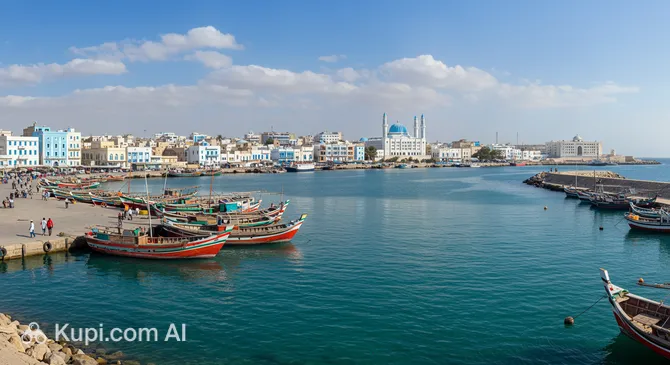
The natural attractions of Djibouti are truly impressive. The country is known for its geological wonders, such as Lake Assal—the lowest point in Africa and one of the most saline lakes in the world, surrounded by surreal landscapes. Diving and snorkelling enthusiasts will appreciate the rich underwater world of the Red Sea, especially around the Seven Brothers archipelago. Besides the capital, the ancient city of Tadjoura is also an interesting place to visit, known for its characteristic architecture and as a starting point for exploring the Gulf of Tadjoura. Djibouti leaves the impression of a land of contrasts, where desert expanses give way to oases of life, and ancient customs coexist harmoniously with the modern world.