Support

Rwanda

Cities in the country

About the Country

Poetically known as the "Land of a Thousand Hills", Rwanda is a jewel of East Africa that, despite its modest size, impresses with its diverse landscapes and profound culture. It is a land of emerald valleys, majestic volcanoes, and crystal-clear lakes, offering travellers a unique combination of natural beauty and distinct traditions. Its capital, Kigali, is a dynamic, growing city and a symbol of the nation's revival and progress.
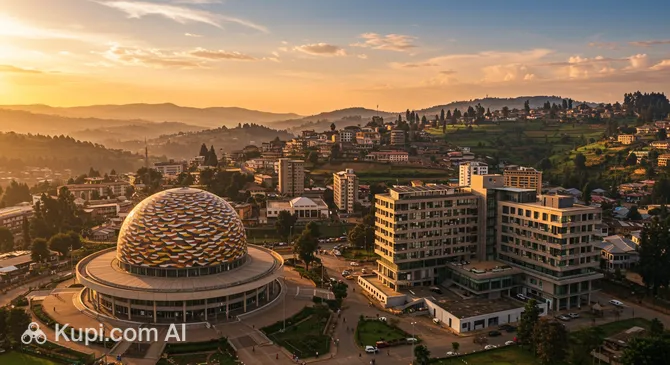
Kigali. Source: Kupi.com Binoculars

Rwanda's greatest treasure, attracting travellers from all over the world, is its unique natural environment. The country is famous for its national parks, such as Volcanoes National Park, where you can encounter rare mountain gorillas in their natural habitat. Other natural gems include the primate-filled Nyungwe Forest and Lake Kivu with its picturesque shores, which are ideal for relaxation. A visit to the city of Musanze often serves as the starting point for expeditions to the volcanoes. Rwanda's climate is predominantly mild and pleasant year-round, making it an attractive destination at any time.

Beyond its breathtaking nature, Rwanda offers a deep immersion into its culture and history. Rwandans are known for their hospitality and resilience. Travellers can experience traditional dance, music, and crafts by visiting cultural venues like the Inema Arts Centre in Kigali or by exploring historical sites. For visitors from the UAE, halal food options can be found, particularly in cities like Kigali, and mosques are available for prayer. Cities such as Rubavu on the shores of Lake Kivu offer a tranquil atmosphere and beautiful views. Today, Rwanda is a safe, clean, and inspiring country that leaves its guests with unforgettable memories and a desire to return.
Currency

The national currency of Rwanda is the Rwandan franc (RWF). Banknotes and coins in circulation are available in various denominations and are often decorated with images reflecting the country's rich culture, history, and natural diversity, such as local wildlife like mountain gorillas, or traditional patterns. It is advisable to carry a variety of denominations for convenience when making small purchases and paying for services.

It is best to exchange foreign currency for Rwandan francs at official banks or licensed exchange offices (forex bureaus), which can be found in the capital, Kigali, and other major cities. For travellers from the UAE, it is worth noting that while the UAE Dirham (AED) may be exchangeable, US Dollars (USD) and Euros (EUR) are more widely accepted and generally offer the best exchange rates. Ensure any USD banknotes are from 2006 or later, as older notes may be rejected. Exchange rates at the airport can be less favourable. It is strongly advised against using street money changers due to the risk of fraud. Regarding cashless payments, credit cards (mainly Visa and Mastercard) are accepted in large hotels, restaurants, and some supermarkets in tourist areas. However, in smaller towns, at local markets, and for paying for taxis, it is preferable to have a sufficient amount of cash on hand.

Visa Requirements

When planning a trip to Rwanda, it is important to familiarise yourself with the visa requirements in advance. For citizens of the United Arab Emirates, the process is straightforward. UAE citizens holding regular passports are granted a visa upon arrival in Rwanda. This arrangement is part of a bilateral agreement, meaning you do not need to apply for a visa online or at an embassy before you travel.

To enter Rwanda, you will need a valid passport with at least six months' validity beyond your intended period of stay. You may also be asked to show proof of onward or return travel. While UAE nationals with regular passports receive a visa on arrival, there is a fee of 50 US dollars to be paid at the port of entry. As visa regulations can change, it is highly recommended to check the latest information on the official website of the Rwanda Directorate General of Immigration and Emigration before your journey.

We'll tell you if you need a visa

Specify where you are going, or
Your citizenship
Destination

Time Zones

When planning a trip to Rwanda, you will not need to worry about changing time zones within the country. The entire territory of Rwanda is in a single time zone: Central Africa Time (CAT), which is UTC+2. For travellers from the UAE, this means Rwanda is two hours behind Gulf Standard Time (GST, UTC+4).

This means the time will be the same whether you are in the capital, Kigali, or in other regions of the country. As a result, you will not need to adjust your watch when travelling around Rwanda.

How to Get There

The primary way to reach Rwanda is by air. The country's main international gateway is the Kigali International Airport, located in the capital city, Kigali. For travellers from the UAE, several major airlines offer convenient flights. RwandAir, the national carrier of Rwanda, operates direct flights from Dubai to Kigali. Other popular options include one-stop flights with carriers such as Qatar Airways via Doha, Ethiopian Airlines via Addis Ababa, and Etihad Airways, often in partnership with other airlines. These airlines provide excellent connectivity from Dubai and Abu Dhabi, and passengers can expect services like halal meal options on board.

Rwanda shares land borders with its neighbours: Uganda, Tanzania, Burundi, and the Democratic Republic of Congo. This provides an opportunity to travel to the country overland. The most common method is by international bus routes that connect Kigali and other Rwandan cities with towns in these neighbouring countries. While this type of journey may take longer, it offers a closer experience of the region. Regardless of your chosen mode of transport, it is highly recommended to book your tickets well in advance, especially if your trip is planned during the peak tourist season. This will help you secure the best prices and guarantee availability.

For clarity, here is a summary of the main airports in Rwanda:

Airport Name City Passenger Traffic
Kigali International AirportKigaliMajor
KamembeKamembeMedium

Rwanda, the Land of a Thousand Hills, offers travellers a diverse range of experiences, from bustling urban centres to serene lakeside resorts and places steeped in history. The main attraction for tourists is undoubtedly the capital, Kigali. This dynamic city is the country's economic and cultural heart, offering modern amenities, art galleries, vibrant markets, and poignant memorials. For Muslim travellers, halal food is readily available in Kigali, particularly in the Nyamirambo district, which has a significant Muslim population and several trusted restaurants. The city also has welcoming mosques, such as the Nyamirambo Islamic Cultural Center and the Al-Qudsi Mosque in Kacyiru.

Kigali. Source: Kupi.com Binoculars

For those seeking a waterside retreat, Rubavu, situated on the shores of the picturesque Lake Kivu, is an excellent choice. This resort town is famous for its beaches and opportunities for water sports. Nature and adventure lovers will appreciate Musanze, which serves as the starting point for trekking to see mountain gorillas in the Volcanoes National Park—a unique and unforgettable experience. To connect with the country's history, a visit to Nyanza, the former royal capital, is a must. Here, you can see the reconstructed King's Palace and learn more about the traditional Rwandan way of life. When visiting cultural and historical sites like the palace, it is advisable to dress modestly out of respect for local customs.

Each of these cities and resorts offers its own unique character and opportunities for exploration, making a journey through Rwanda rich and interesting. Discover the amazing corners of this African gem!

Top Attractions

Known as the "land of a thousand hills", Rwanda captivates travellers not only with its scenic landscapes but also with the opportunity to connect with its unique culture and history. Among its many interesting places, a few key attractions offer a deeper understanding of this amazing country.

One of the most important sites to visit in the capital is the Kigali Genocide Memorial. This is a place of remembrance and education dedicated to the tragic events of 1994. The memorial's exhibits explain the causes and consequences of the genocide, as well as Rwanda's path to reconciliation and recovery. A visit to the memorial leaves a profound impression and helps to better understand modern Rwanda. As this is a place of mass burial, visitors are kindly asked to dress and behave respectfully.

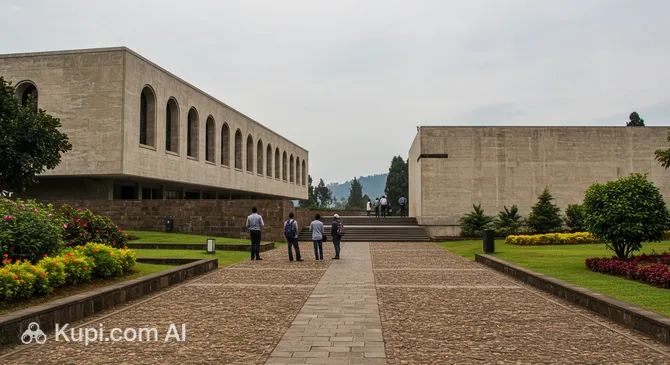
Kigali Genocide Memorial. Source: Kupi.com Binoculars

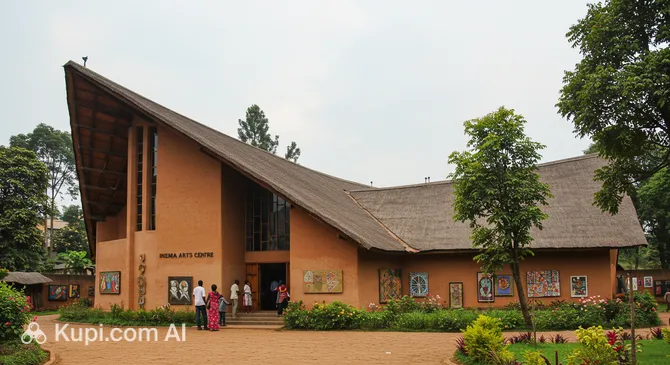
For lovers of art and culture, a mandatory stop is the Inema Arts Centre. Founded by two artist brothers, this vibrant and dynamic space combines a gallery, studios, and creative workshops. Here, you can see works by contemporary Rwandan artists, learn about traditional crafts, and even take part in workshops.

Inema Arts Centre. Source: Kupi.com Binoculars

To get a real taste of Rwanda, head to the Biryogo Car-Free Food Street. This colourful spot in Kigali is where you can try a variety of local dishes straight from street stalls. In the evening, the street comes alive, filled with the aromas of grilled meats like beef and goat, fish, and vegetables, creating a unique atmosphere. Many vendors in this area, which is known as the city's Muslim quarter, offer halal food options.

Biryogo Car-Free Food Street. Source: Kupi.com Binoculars

Coffee enthusiasts should visit the Question Coffee Gishushu café. Rwanda is famous for its high-quality coffee, and this is one of the best places to try it. Here, you can not only enjoy a fragrant cup but also learn more about the process of growing and roasting coffee beans, all while supporting local women farmers through this social enterprise.

Question Coffee Gishushu. Source: Kupi.com Binoculars

Best Time to Visit

When planning a trip to Rwanda, it is important to consider its equatorial climate, which features two main seasons: dry and rainy. The best time for your visit will largely depend on your preferences and planned activities, whether it is gorilla trekking, cultural tours, or birdwatching.

The high season in Rwanda falls during two dry periods: the long dry season from June to mid-September, and a shorter one from December to February. This time is characterised by sunny and pleasant weather with minimal rainfall, creating ideal conditions for wildlife viewing. Gorilla trekking in the national parks around Musanze is especially popular, as the trails are dry and easier to navigate. September also often hosts the famous Kwita Izina festival, a naming ceremony for newborn gorillas that attracts many visitors. The disadvantages of this period can be a higher number of tourists and generally higher prices for accommodation and park permits.

The low season, or rainy season, covers the periods from March to May (long rains) and from October to November (short rains). During this time, rainfall is more frequent and intense, which can make travelling on some roads difficult and trekking more challenging due to mud. Nevertheless, visiting during the low season has its advantages: there are significantly fewer tourists, allowing for a more secluded experience with nature, and the landscapes become exceptionally lush and green. This is also an excellent time for birdwatching, as migratory birds arrive, and accommodation prices may be lower. Although Rwanda's climate is generally stable due to its high altitude, higher regions, such as the areas around Musanze, can be cooler and wetter than the capital, Kigali.

Traditions

Rwanda's culture is rich with tradition, and showing respect for local customs will make your journey more pleasant and memorable. Greetings play an important role here: a handshake is common, often accompanied by a light touch on the other person's forearm as a sign of special respect, particularly towards elders. Eye contact is important, but it may be less direct when speaking with older people. Learning a couple of phrases in Kinyarwanda, such as "Muraho" (hello), is sure to bring a smile. Rwandans are very hospitable, and being invited into a home is a great honour. A small gift for the hosts, such as fruit, sweets, or something for the children, would be appropriate. Refusing an offer of refreshment may be seen as impolite, so you should try to at least have a taste.

In daily life, especially outside the capital Kigali, modesty in clothing is appreciated. When visiting religious sites (such as churches) or official buildings, choose outfits that cover your shoulders and knees. At the table, if cutlery is not being used, it is customary to eat with your right hand; the left hand is traditionally considered unclean for eating. Show patience and tact in your interactions, and avoid public displays of frustration or loud arguments. You should only take photographs of people after getting their permission. It is important to remember that discussing the 1994 genocide is an extremely sensitive topic; approach any mention of it with deep respect and tact. Among the significant holidays that reflect the country's spirit are Liberation Day (4 July), dedicated to remembrance and national unity, and Umuganura (the first Friday of August) – a revived traditional harvest festival that symbolises gratitude and community.

Entertainment

Rwanda offers travellers a variety of recreational activities to suit a wide range of interests. Fans of active pastimes will appreciate the opportunities for hiking through picturesque hills and tropical forests, as well as trekking to see mountain gorillas in the national parks – a unique experience that will leave a lasting impression. Although the country is landlocked, Lake Kivu provides opportunities for boat trips and relaxing on its shores.

The cultural life of Rwanda is mainly centred in the capital, Kigali. Here, you can visit museums dedicated to the country's history and culture, as well as art galleries showcasing the work of local artists. For example, the Inema Arts Center is a hub for contemporary art. Shopping in Rwanda is primarily about buying handmade crafts: traditional "agaseke" baskets, pottery, wooden sculptures, and vibrant textiles. Local markets and craft shops offer a wide selection of authentic souvenirs.

Evening entertainment can be found in Kigali, which has restaurants with diverse cuisine, cosy cafes, and lounges, some of which offer live music. Many establishments provide halal food options, particularly in areas like Nyamirambo. Although there are few dedicated theme parks in the country, families with children can enjoy nature walks, visits to cultural villages to learn about traditional life, or relaxing by the lake. The calm and safe environment makes Rwanda an attractive destination for family tourism focused on exploring nature and culture.

Currency rates

Planning a trip? Excellent! To ensure the financial aspects of your journey do not come as a surprise, it is important to remember that currency exchange rates are constantly changing. Therefore, we strongly advise you to monitor the latest rates both before your departure and throughout your trip. To help with this, you can use the data provided below—we monitor exchange rates 24/7 and strive to provide the most up-to-date information.

Reached the end of the page?

That means the route is fully explored