Support

Djibouti City

About

Welcome to Djibouti City, the vibrant capital and the beating heart of the nation. As a melting pot of cultures, this bustling metropolis offers a unique atmosphere where African traditions seamlessly blend with French colonial influences and Arab heritage. Strategically located on the Horn of Africa along the coast of the Gulf of Tadjoura, the city serves as a crucial gateway to the Red Sea and acts as the primary economic and logistics hub for Djibouti.

Home to approximately 603,900 residents, the city accounts for the majority of the country's population, creating a lively and energetic urban environment. The climate here is generally warm and arid, making the coastal breeze a welcome companion for travelers exploring the waterfront. To truly appreciate how this settlement evolved from a modest port into a key regional player, exploring the history of Djibouti City offers fascinating insights into its development and architectural transformation over the decades.
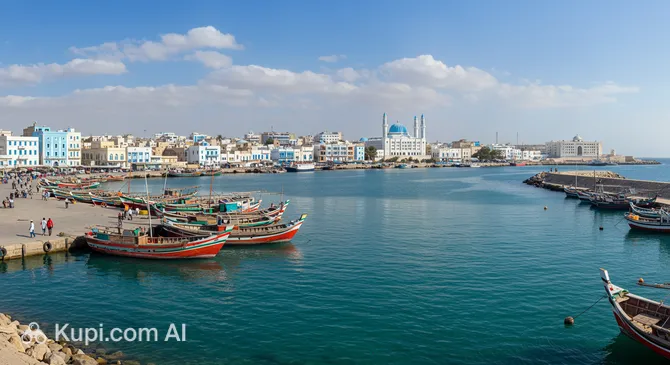
Djibouti City. Source: Kupi.Binoculars

Visitors are often drawn to the city's distinct layout, which features the historic European Quarter and the spirited African Quarter. One of the main highlights is Place Menelik, the city's central square, surrounded by whitewashed colonial buildings and inviting cafes. For a taste of local life, the Central Market (Les Caisses) is an unmissable sensory experience, teeming with colorful spices, textiles, and fresh produce. Additionally, the city serves as a perfect base for day trips to nearby pristine beaches like Khor Ambado, where the turquoise waters provide a relaxing escape.

Whether you are transiting through or planning a dedicated stay, Djibouti City promises an unforgettable introduction to the region. Its mix of sandy streets, diverse cuisine, and warm hospitality invites you to discover a side of East Africa that is both authentic and surprising.

Weather Overview

Djibouti City is defined by an arid climate that ensures sunny skies and warm temperatures throughout the year. The weather is generally dry, making it a reliable destination for sun-seekers, though the heat can be quite intense depending on the season. To plan the best time for your visit, it is helpful to review the detailed weather in Djibouti City, especially if you are sensitive to high temperatures.

The winter months, particularly from December to February, offer the most pleasant conditions with average temperatures hovering around 24°C, making this the ideal time for walking tours and sightseeing. In contrast, the summer period from June to September brings significant heat, with July often seeing average highs peak at 38.4°C. Rainfall is extremely scarce year-round, typically amounting to just 0-2mm per month, so you can generally expect scorching summers and pleasantly warm, dry winters.

Interesting Facts

Beyond the main attractions, Djibouti City holds many fascinating secrets that reveal its unique position at the crossroads of the world. This capital is not just a transit point but a place of distinct cultural rhythms and surprising global significance for Djibouti.

  • International Crossroads: The city is one of the few places on Earth where major global powers coexist in such close proximity. Due to its strategic location near the Red Sea, it hosts diverse international communities and personnel from France, the United States, Japan, China, and Italy, creating a uniquely cosmopolitan atmosphere in local restaurants and supermarkets.

  • The Afternoon Shift: The daily pulse of the city changes noticeably around 1:00 PM, marking the arrival of fresh khat from Ethiopia. This mild plant stimulant is a deep-rooted part of the local culture, and afternoons often slow down significantly as residents gather for long, social chewing sessions.

  • Gateway to Giants: Despite being a bustling urban center, the city serves as the immediate launchpad for swimming with whale sharks. During the peak season, these massive, gentle creatures congregate in the Gulf of Tadjoura, allowing visitors to encounter them just a short boat ride away from the capital's docks.

  • A Culinary Mosaic: The city's dining scene is a surprising fusion of its colonial past and regional heritage. It is common to find authentic French baguettes baked in clay ovens and sold alongside traditional Yemeni fish dishes, offering a gastronomic experience that perfectly blends European and African flavors.

How to Get There

Reaching this strategic port city is relatively straightforward, with air travel being the most common method for international visitors. For a complete overview of travel options and routes, you can read more about how to get to Djibouti City.

The primary gateway is Djibouti-Ambouli International Airport (JIB), conveniently located within the city limits. Situated just 4.8 km from the city center, it offers quick access to downtown hotels and attractions. The transfer typically takes about 30 minutes by taxi or shuttle, depending on traffic conditions. As a key transport hub with an annual passenger traffic of approximately 500,000, it receives flights from major regional and international locations. While other airports like Semera Airport (SZE) and Hargeisa Airport (HGA) appear in regional listings, they are located in neighboring Ethiopia and Somalia respectively, over 200 km away and across international borders, making them impractical for direct arrival into Djibouti City.

For clarity, here is a summary of the main airports:

Airport Name City Passenger Traffic Km from City
Aden International Airport Aden Large 246.7
Djibouti-Ambouli International Airport Djibouti City Medium 4.8
Hargeisa Airport Hargeisa Medium 251.4
Semera Airport Semera Small 207.9
Jijiga Airport Jijiga 251.0

Main Attractions

While the capital is often viewed as a transit hub, it boasts several landmarks and nearby excursions that are well worth exploring. The city's architecture and atmosphere provide a window into the diverse heritage of Djibouti, ranging from historic religious sites to natural wonders located just a short distance from the urban center.

One of the most iconic structures in the city is the Hamoudi Mosque. Constructed in 1906, this historic building is instantly recognizable by its distinct polygonal minaret and bright white facade. It stands as a focal point for the local community and is situated near the bustling market area, making it an excellent stop for those interested in the architectural history and spiritual traditions of the region.

For wildlife enthusiasts, the Decan Refuge (Découverte et Aide à la Nature) is a highly recommended destination located just outside the city limits. This sanctuary is dedicated to the conservation of endangered species, most notably cheetahs rescued from illegal trade. A visit here offers a unique opportunity to observe these majestic big cats in a protected environment, alongside other native fauna such as gazelles, ostriches, and tortoises.

The city also serves as the primary gateway to Moucha Island and the smaller Maskali Island. Accessible via a short boat ride from the port, these coral islands in the Gulf of Tadjoura are famous for their mangroves and pristine waters. They provide exceptional opportunities for snorkeling and diving, allowing visitors to explore vibrant coral reefs and marine life away from the busy streets of the capital.

Local Cuisine

The culinary landscape of Djibouti City is a delightful reflection of its multicultural heritage, offering a fusion of Somali, Afar, Yemeni, and French flavors. As a coastal capital, seafood plays a starring role in the local diet. One of the absolute must-try experiences is Poisson à la Yéménite (Yemeni-style fish). This dish features fresh fish, typically seasoned with a spicy red paste and roasted to perfection in a clay oven, often served with flatbread and a side of hot sauce.

For a taste of the national comfort food, look for Skoudehkaris. This hearty one-pot meal consists of rice generously spiced with cardamom and cloves, cooked slowly with chunks of lamb or fish. It is a staple at family gatherings and local eateries alike. Another common sight on breakfast tables is Lahoh, a spongy, pancake-like flatbread. It is versatile enough to be eaten sweet with honey and butter or savory with a meat stew, making it an essential part of the daily diet.

When it comes to beverages, the city runs on Shaah, a sweet, milky tea infused with aromatic spices like cinnamon, cardamom, and ginger. It is widely available and serves as a symbol of hospitality. Due to the warm climate, fresh fruit juices are also popular, with mango, guava, and watermelon being refreshing choices. While Djibouti is a predominantly Muslim country, alcohol is available in the city, primarily in hotels, expatriate clubs, and specific restaurants, where you can find French wines and imported beers.

The dining culture in Djibouti City is as diverse as its population. In the city center, particularly around the European Quarter, you can find varying establishments ranging from French-style bistros serving baguettes and pastries to upscale restaurants. However, for a more authentic atmosphere, adventurous foodies should head towards the local "maquis" or street-side eateries. Here, dining is often a communal affair where meals are traditionally eaten with the right hand, allowing you to fully immerse yourself in the warm, social spirit of Djiboutian hospitality.

Travel Tips

Planning a trip to Djibouti City requires a bit of foresight to navigate its unique blend of intense heat, cultural conservatism, and bustling energy. These practical tips will help you settle in quickly and enjoy the capital's distinctive rhythm with confidence.

  1. Clothing and Gear: Due to the arid climate, lightweight, loose-fitting cotton or linen clothing is essential. As Djibouti is a Muslim-majority country, modest dress is expected; women should cover their shoulders and knees, and men should avoid wearing short shorts in public. A hat, high-SPF sunscreen, and comfortable walking shoes are mandatory for handling the sun and sandy streets.

  2. Transportation: While there are green public buses, they are often crowded and difficult for visitors to navigate. The most practical option is to use the green-and-white taxis. Be sure to negotiate and agree on the fare before getting into the car, as meters are rarely used. Ride-hailing apps are not widely established, so having a trusted taxi driver's number can be very helpful.

  3. Finances: The local currency is the Djiboutian Franc (DJF). Cash is king here; while major hotels and upscale restaurants accept credit cards, smaller shops, markets, and taxis deal strictly in cash. ATMs are available but can be unreliable with international cards, so it is wise to bring USD or EUR to exchange at official bureaus.

  4. Health and Safety: The city is generally safe for tourists, but petty theft can occur, so keep valuables secure. Tap water is not potable; always stick to sealed bottled water. Pharmacies are generally well-stocked and often follow French standards, but bring a basic first-aid kit and any personal prescription medications you might need.

  5. Communication: French and Arabic are the official languages, with Somali and Afar also widely spoken. English is not widely understood outside of major hotels and military bases, so learning a few basic phrases in French or Arabic will be greatly appreciated. Buying a local SIM card from Djibouti Telecom is recommended for reliable internet access.

  6. Local Etiquette: Greetings are taken seriously; a handshake is common among men, but it is polite to wait for a woman to extend her hand first. Always use your right hand for eating, greeting, or passing money, as the left hand is considered unclean. Public displays of affection are frowned upon and should be avoided.

  7. What to Avoid: Strictly avoid taking photographs of government buildings, military installations, police personnel, the port, or the airport. This is a sensitive issue, and doing so can lead to the confiscation of your camera or even detention. Always ask for explicit permission before photographing local people.

  8. The Afternoon Lull: Be aware that the city effectively shuts down in the early afternoon, typically between 1:00 PM and 4:00 PM. This is due to the intense heat and the cultural practice of chewing khat. Plan your shopping and banking for the morning, as many businesses only reopen in the late afternoon or evening.

With these essentials in mind, you are ready to navigate the vibrant streets and markets of the capital. Embrace the slower pace, respect the local customs, and you will find the city to be a welcoming and fascinating gateway to the Horn of Africa.

Entertainment & Nightlife

As the sun sets over the Gulf of Tadjoura, Djibouti City transforms from a bustling trade hub into a lively center of evening entertainment. The nightlife here is surprisingly vibrant and cosmopolitan, driven largely by the diverse community of expatriates, international military personnel, and locals. While the city maintains a conservative atmosphere during the day, the evening scene offers a relaxed environment where different cultures mingle freely.

The heart of the action is undoubtedly the European Quarter, particularly the area surrounding the historic Place Menelik. This district is walkable and lined with restaurants, cafes, and bars that stay open late. Another key area is the Heron district, which hosts more upscale venues and hotels, offering a sophisticated setting for cocktails and dancing. The atmosphere in these zones is generally casual but lively, with venues playing a mix of international hits, French pop, and African rhythms.

For those looking to experience the local social scene, La Chaumière is a legendary institution at Place Menelik. It serves as a restaurant by day and a buzzing gathering spot by night, popular for its terrace where visitors can enjoy a cold drink while watching the city life pass by. If you prefer a more upscale environment, the bars within the Djibouti Palace Kempinski offer a luxurious escape with premium beverages and often feature a club-like atmosphere on weekends. For a mix of dining and socializing, The Melting Pot in the Heron district is a favorite among the expat community, known for its fusion cuisine and welcoming outdoor garden setting.

Practicality is key when enjoying a night out in Djibouti City. The "weekend" typically begins on Thursday night, as Friday is the day of rest. Be prepared for prices that can rival European or American cities, especially for alcohol, which is heavily taxed. Most nightlife venues do not get busy until after 10:00 PM, so there is no need to rush dinner. Dress codes are generally smart-casual; while shorts are acceptable in some open-air bars, long trousers are recommended for clubs and hotel lounges.

Safety is a priority for night owls. While the main entertainment districts like Place Menelik and Heron are generally safe, it is strictly advised to avoid walking between neighborhoods at night. The streets can be poorly lit, and the African Quarter is best explored during daylight hours. Always use a taxi to move between venues; the green-and-white taxis are plentiful, but it is wise to have a hotel call one for you or to keep the number of a trusted driver.

During the daylight hours, entertainment shifts towards cultural and relaxing pursuits. The Institut Français de Djibouti is a hub for arts, frequently hosting cinema screenings, theater performances, and art exhibitions that provide a cool respite from the heat. For a deeper dive into the country's heritage, the grand National Museum (if open, as schedules vary) offers insights into the region's history. Alternatively, families often enjoy the Tropikal Aquarium, located in the historic port area, which showcases the rich marine life of the Red Sea without getting wet.

Parks & Museums

While Djibouti City is known for its arid landscape and bustling port activity, it offers distinct pockets of greenery and cultural institutions that provide a deeper understanding of the nation's heritage. The city's public spaces are often centered around social squares rather than vast botanical gardens, while its museums serve as vital custodians of the region's rich history and diverse ethnic traditions.

Place Menelik stands as the green heart of the city center and a primary gathering spot for locals and visitors alike. Lined with mature trees that offer much-needed shade from the midday sun, this historic square is surrounded by colonial-era architecture, cafes, and souvenir shops. It is an excellent place to observe the relaxed pace of Djiboutian life, enjoy a cup of tea, and appreciate the fusion of Moorish and European architectural styles that define the capital's character.

For a refreshing escape by the water, the Corniche (often referred to as the Escale or Venice Road) serves as the city's premier promenade. Although not a traditional park, this waterfront stretch is where the city comes to breathe, offering expansive views of the Gulf of Tadjoura and the traditional dhows bobbing in the harbor. In the late afternoon, it transforms into a lively social venue where families walk and joggers enjoy the cooling sea breeze, making it the perfect spot to witness the connection between the city and the sea.

Culture enthusiasts should prioritize a visit to the Djibouti National Museum. Though modest in size, this institution plays a crucial role in preserving the country's memory. The exhibits guide visitors through the history of the Afar and Somali peoples, displaying traditional artifacts, pottery, coins, and musical instruments. It provides valuable context on the nomadic lifestyles that have shaped the region for centuries, offering a quiet and educational retreat from the busy streets.

The Institut Français de Djibouti (French Institute) is another key cultural venue, acting as a vibrant hub for contemporary art and expression. It frequently hosts rotating art exhibitions, photography galleries, and theater performances that showcase both local and international talent. For tourists, this is often the best place to engage with the modern cultural scene and see how Djiboutian artists interpret their heritage in a rapidly changing world.

Architectural history buffs will find the Old Railway Station to be a significant landmark. Once the terminus of the vital Ethio-Djibouti Railway, this structure symbolizes the city's historical importance as a trade gateway to the Horn of Africa. While access to the interior can sometimes be restricted, the building's exterior remains a poignant monument to the golden age of rail travel in the region.

For a truly authentic experience, take a stroll through Place Rimbaud in the evening. Named after the famous French poet Arthur Rimbaud, who lived in the city in the late 19th century, the square is less commercial than Place Menelik but equally atmospheric. It offers a glimpse into the quieter, more residential side of the city's history, where the echoes of the past seem to linger among the old stone buildings.

Getting Around

Navigating Djibouti City requires a bit of adaptability, as the public transport system is functional but informal compared to European or North American standards. There is no metro, tram, or light rail network in the city. Instead, the transportation backbone consists of a web of buses, minibuses, and an abundance of taxis that keep the capital moving.

The most common form of public transit for locals is the minibus. These vehicles, often painted green, operate on specific routes connecting the city center (particularly around Place Menelik and the Central Market) to the outlying suburbs such as Balbala. While they are an authentic and extremely affordable way to travel, they are not always tourist-friendly. There are no fixed schedules, and buses typically depart only when they are completely full. Stops are not always clearly marked, so passengers often have to ask the driver or conductor if the bus is heading to their desired destination.

For the vast majority of visitors, taxis are the most practical and comfortable alternative. You can easily recognize them by their distinct green and white color scheme. They are ubiquitous in the city center, near hotels, and at the airport. It is important to note that these taxis generally do not use meters. You must negotiate and agree on the fare with the driver before entering the vehicle. Prices are relatively standard for common routes, but as a tourist, knowing the approximate rate beforehand (by asking hotel staff) can help you bargain effectively.

Regarding payment, the system is entirely cash-based. There are no travel cards, passes, or mobile ticketing apps for public transport or taxis. You will need to pay the driver directly in local currency (Djiboutian Franc). It is highly recommended to carry small notes and coins, as drivers often struggle to provide change for large bills. For buses, you pay upon boarding or disembarking, while taxi fares are settled at the end of the trip.

A unique feature of the city's transport network is its maritime connection. Ferries serve as a vital link between the capital and the towns across the Gulf of Tadjoura, such as Tadjoura and Obock. These ferries depart from the port and offer a scenic, albeit slower, alternative to driving around the gulf. They are a reliable mode of transport for day trips, though schedules can change, so it is wise to check departure times at the port ticket office a day in advance.

For those preferring more independence, car rentals are available, primarily from international agencies located at the airport or major hotels. However, driving can be challenging due to variable road conditions and aggressive local driving habits. Walking is a viable option within the compact European Quarter and the market areas, but given the intense heat, especially in the afternoon, combining short walks with taxi rides is usually the best strategy for exploring the city comfortably.

Accommodation

Accommodation in Djibouti City caters largely to international business travelers, diplomats, and military personnel, which is reflected in the pricing and style of the available options. The city offers a distinct split between high-end luxury establishments and more modest, budget-friendly guesthouses. Visitors will find that mid-range options can be somewhat limited and are often priced higher than in neighboring countries due to the significant demand and local operating costs.

For those seeking comfort and modern amenities, the Heron district is the most popular area. Located on a peninsula jutting into the sea, this neighborhood is home to the city's premier luxury hotels and resorts. Here, you can expect international standards, swimming pools, and extensive security, making it the preferred choice for expatriates and families. Establishments like the Djibouti Palace Kempinski define this area, often serving as a "city within a city" with private beaches and conference facilities.

Travelers looking for more character and a central location often prefer the European Quarter and the streets surrounding Place Menelik. Staying here places you in the heart of the action, within walking distance of the Central Market, restaurants, and the historic Hamoudi Mosque. The hotels in this zone tend to be older colonial-style buildings or simpler guesthouses. While they may lack the polished luxury of the Heron district, they offer a more authentic experience of the city's daily rhythm and are generally more affordable.

When planning your stay, it is crucial to book in advance, especially during the cooler winter months (November to February) when the city hosts numerous conferences and international delegations. Be prepared for the price range; accommodation in Djibouti City is generally expensive, with basic rooms costing significantly more than equivalent options elsewhere in East Africa. While major hotels accept credit cards and online bookings, smaller guesthouses in the city center may prefer cash payment in Djiboutian Francs or US Dollars.

Nearby Cities

For those looking to explore the surroundings, Djibouti City serves as an excellent base for day trips to several interesting nearby locations. The region offers a mix of cooler mountain retreats, historic coastal towns, and desert landscapes, all within reach for a memorable excursion.

One of the most popular destinations is Arta, located just a short drive from the capital. Perched in the mountains overlooking the Gulf of Tadjoura, it is famous for its mild, breezy climate, which offers a refreshing escape from the coastal heat. The town provides stunning panoramic views and serves as a gateway to the nearby beaches where whale sharks are often spotted during the season.

Across the gulf lies Tadjoura, known as the "White City" for its distinctive whitewashed buildings and palm-lined streets. As one of the oldest towns in the country, it boasts a rich history and a relaxed atmosphere. Visitors can reach it via a scenic ferry ride or a longer road trip, making it a perfect spot to experience traditional culture and access the lush Goda Mountains.

For a different experience, heading south brings you to Ali Sabieh. This town is surrounded by a dramatic red desert landscape and rugged mountains. It is a great destination for those interested in the famous Ethio-Djibouti Railway history and exploring the unique geological formations of the Grand Bara desert.

City Population Distance (km)
Arta 75654 34
Ali Sabieh 37939 68
Dikhil 35000 100
Tadjoura 22700 36
Obock 21200 44

These nearby destinations offer a glimpse into the diverse culture and landscapes of the region, providing travelers with a deeper appreciation of the country beyond the capital.

Shopping & Souvenirs

Shopping in Djibouti City offers a vivid contrast between the traditional and the modern, reflecting the unique position of Djibouti as a cultural crossroads. While it is not known as a high-end luxury retail destination, the city provides a fascinating array of goods that range from authentic local crafts to imported electronics. For tourists, the experience is less about browsing international chain stores and more about immersing oneself in the bustling atmosphere of local trading, where bargaining is an art form and the items on sale tell the story of the region's diverse heritage.

The primary shopping zones are concentrated in the city center, particularly around the European Quarter and the streets radiating from Place Menelik. This area is walkable and lined with small boutiques, souvenir shops, and pharmacies. Here, visitors can find a mix of French fashion, books, and postcards alongside local artifacts. It is a relatively relaxed environment compared to the markets, making it a good starting point for those looking to browse without the intensity of the larger crowds.

For a modern retail experience, the city features several well-stocked supermarkets and commercial centers that cater to international tastes. The Casino Supermarket is a primary destination for expats and visitors, offering a wide range of imported groceries, toiletries, and household goods in a clean, air-conditioned environment. Along with other establishments like the Al Gamil hypermarket, these spots provide a comfortable escape from the heat and are the best places to find familiar brands and high-quality products.

The true soul of Djiboutian commerce, however, is found in its markets. The Central Market, often referred to as Les Caisses, is an unmissable landmark. It is a sensory explosion of colors and scents, where vendors sell everything from fresh produce and spices to vibrant textiles. Wandering through its narrow alleys, you will see piles of fruit, sacks of grain, and lively negotiations. It is the best place to observe daily life and purchase goods at local prices, provided you are willing to haggle respectfully.

When looking for souvenirs to take home, Djibouti City offers several unique options. Frankincense and myrrh are top choices, reflecting the region's ancient trading history. Colorful textiles, such as the traditional boubou or bright sarongs (futa), make for lightweight and beautiful gifts. Local artisans also craft intricate basketry and wood carvings. Additionally, due to the proximity to Ethiopia, high-quality coffee beans are widely available and are a popular purchase for visitors.

Business hours in the city are heavily influenced by the climate and local customs. Most shops open early, around 8:00 AM, and close for a long midday break from approximately 1:00 PM to 4:00 PM. They reopen in the late afternoon and stay open until 8:00 PM or later. Friday is the main day of rest, and many businesses remain closed or have reduced hours. Regarding payment, cash (Djiboutian Franc) is essential for almost all transactions outside of major hotels and the largest supermarkets. Credit cards are rarely accepted in smaller shops and markets.

Tourists should be aware that a formal tax-free or VAT refund system for visitors is not widely established or easily accessible. It is best to assume that the price you pay is final, inclusive of any local taxes. Focus on the value obtained through negotiation in the markets rather than expecting a refund at the airport.

Reached the end of the page?

That means the route is fully explored