Support

Aden

About

Aden is a historic port city that serves as a vital gateway to the Indian Ocean, celebrated for its strategic importance and natural beauty. Located in the coastal region of Yemen, Republic Of, this captivating metropolis is uniquely situated within the crater of a dormant volcano, creating a dramatic and distinctive landscape that sets it apart from other cities in the region.

Home to a population of over 500,000 people, the city is a bustling center of activity. The climate is generally hot and humid, typical for its location, offering sun-filled days throughout the year. Those interested in the past will find the history of Aden fascinating, as it has served as a crucial trading hub connecting the East and West for millennia, leaving behind a rich legacy of maritime culture.

Aden. Source: Kupi.Binoculars

Travelers are often drawn to the Cisterns of Tawila, an impressive system of ancient water tanks carved directly into the volcanic rock, which stands as a testament to early engineering ingenuity. The Sira Fortress is another must-see landmark, perched on a rocky island connected to the mainland, offering commanding views of the harbor and the city. For a more relaxing experience, the shores of Gold Mohur Beach provide golden sands and clear waters perfect for unwinding.

Aden offers a unique blend of geological wonders and historical depth. Whether you are exploring its ancient fortifications or enjoying the sea breeze along its coast, the city welcomes visitors to experience its enduring charm and hospitality.

Weather Overview

The climate in this coastal city is characterized by consistently high temperatures and arid conditions. For travelers planning a visit, checking the detailed weather in Aden is recommended to prepare for the heat. The city experiences very little rainfall, with precipitation levels remaining at or near zero millimeters for most of the year.

The hottest period occurs between June and September, where average temperatures hover around 33°C and daily highs can reach up to 37.4°C. In contrast, the winter months of December through February offer slightly milder conditions, with average temperatures ranging from 24.4°C to 25.1°C. Expect sweltering summers and warm, dry winters with almost no rainfall throughout the year.

Interesting Facts

Beyond its scenic harbor and volcanic hills, Aden conceals layers of history and legend that intrigue visitors. Here are a few lesser-known insights into this ancient port city.
Al-Sahareej Water Tanks. Source: Kupi.Binoculars
  • The city's oldest district is aptly named Crater because it sits entirely within the caldera of a dormant volcano, offering a rare opportunity to live and walk inside a geological giant.

  • One of the city's most famous former residents was the renowned French poet Arthur Rimbaud, who lived here in the late 19th century working as a coffee merchant, leaving behind a legacy that still fascinates literary historians.

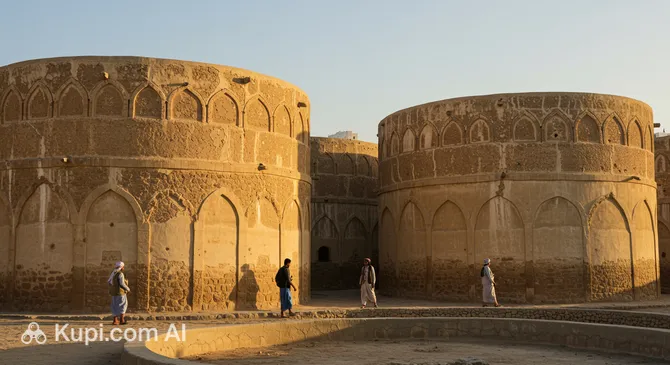
  • The Al-Sahareej Water Tanks are a marvel of ancient engineering carved directly into the rock to catch rainwater, with some estimates suggesting the original system could date back to the Himyarite Kingdom or even earlier.

  • Standing guard over the harbor, Sira Castle successfully withstood a siege by the Portuguese navy in the early 16th century, proving its strategic value as a military fortification.

  • Local folklore often associates the city with ancient legends, with some stories claiming that the port is one of the oldest in the world, referencing it as a major trading hub since biblical times.

How to Get There

Planning a trip to this historic port city involves considering the most convenient transport connections. As a major hub in the region, the city is primarily accessible by air, serving as a key entry point for travelers visiting the southern coast of the country. For those looking for detailed routes and logistics, you can read more about how to get to Aden to ensure a smooth journey.

The most direct way to arrive is via Aden International Airport (ADE), which is conveniently located within the city limits. Situated just 4.5 km from the city center, it is the main aviation hub for the area. The short distance makes the commute into town quick and easy; a taxi ride typically takes approximately 30 minutes, allowing visitors to start their exploration almost immediately upon landing. With a passenger volume that classifies it as a medium-sized regional hub, the airport handles a significant portion of the country's international and domestic traffic.

Another option for regional connectivity is Djibouti-Ambouli International Airport (JIB), located in Djibouti City. Although it is situated about 245 km away across the Gulf of Aden, it serves as an important alternative transit point for travelers in the wider Horn of Africa region. While direct ground transport is not possible due to the sea separation, this airport remains a relevant hub for connecting flights in the area.

For clarity, here is a summary of the main airports:

Airport Name City Passenger Traffic Km from City
Aden International Airport Aden Medium 4.5
Djibouti-Ambouli International Airport Djibouti City Small 244.6

Main Attractions

Aden is a city where history is etched into the volcanic landscape and the coastline offers a refreshing escape. From ancient fortifications to unique architectural landmarks, the city provides a variety of sites that reflect its rich heritage as a major port and its vibrant local culture. Visitors can explore centuries-old engineering marvels or simply relax by the sea.

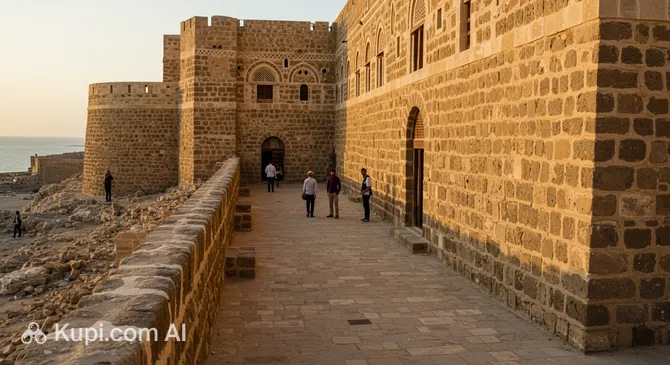
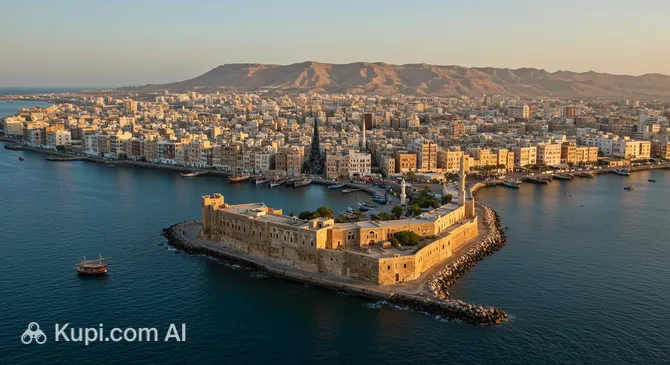
One of the most prominent landmarks in the city is Sira Castle. Perched atop a rocky volcanic outcrop that guards the harbor, this historic fortress has served as a defensive stronghold for centuries. Tourists are drawn here not only for its historical significance but also for the panoramic views it offers. A climb to the top rewards visitors with a breathtaking outlook over the city and the Gulf of Aden, making it a perfect spot for photography and sightseeing.

Sira Castle. Source: Kupi.Binoculars

For those interested in ancient ingenuity, the Al-Sahareej Water Tanks are an absolute must-visit. These impressive cisterns were carved directly into the rock of the Tawila Valley to capture and store rainwater from the mountains. The scale and precision of this system, which dates back to antiquity, fascinate travelers and historians alike. Walking through the complex offers a glimpse into how early civilizations managed water resources in this arid region.

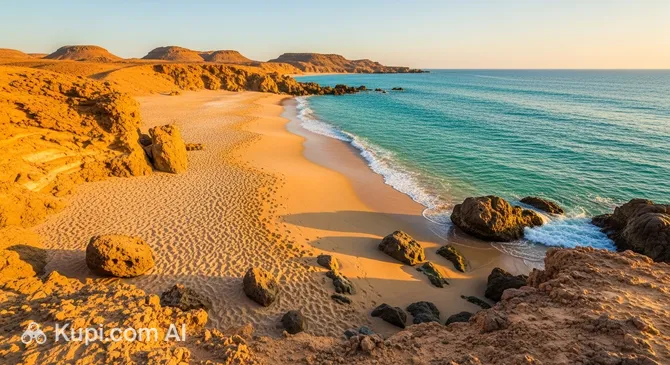
If you are looking for a place to unwind, the Golden Coast offers a serene atmosphere by the water. Known for its inviting stretch of sand and the soothing sound of the waves, it is a popular destination for both locals and tourists seeking relaxation. Whether you want to take a peaceful stroll along the shore or simply enjoy the sea breeze, this coastal area provides a pleasant break from the bustling city streets.

Golden Coast. Source: Kupi.Binoculars

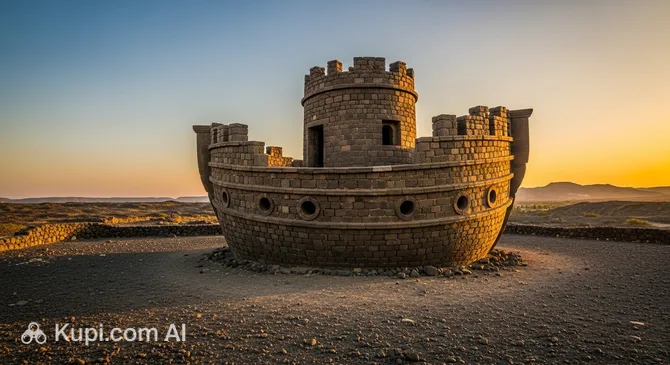
A unique architectural curiosity in the Crater district is Al-Ful Tour (The Ship - Crater). As its name suggests, this building is designed to resemble a ship, standing out amidst the traditional urban landscape. It serves as an interesting landmark for visitors exploring the historic Crater area, showcasing the city's eclectic mix of styles and its enduring connection to the maritime world.

Al-Ful Tour (The Ship - Crater). Source: Kupi.Binoculars

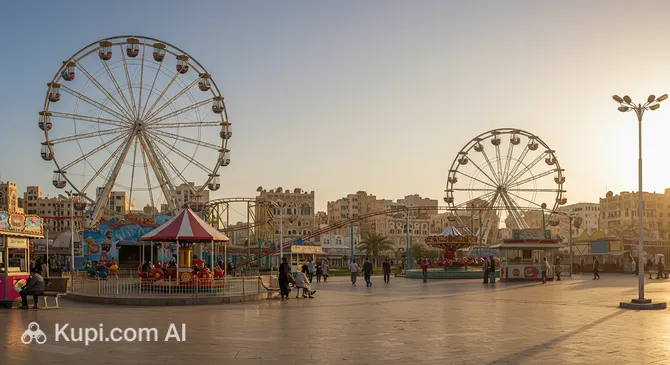
Families and those young at heart might enjoy a visit to Fun City Park. This amusement park serves as a lively recreational space where visitors can enjoy various rides and entertainment options. It is a great place to experience the local social life and enjoy a fun-filled evening in a friendly environment.

Local Cuisine

The culinary scene in Aden is a delightful reflection of its history as a major port city, blending traditional Yemeni flavors with Indian and African influences. Gastronomy here is characterized by rich spices, fresh seafood from the nearby coast, and generous portions that emphasize hospitality. For food lovers, the city offers a unique palate of aromatic rice dishes and hearty stews that are distinct from other regions in the country.

One dish that stands out as a true signature of the city is Zurbian. This fragrant meal consists of tender lamb or chicken cooked with rice, potatoes, and a special blend of spices including cardamom, cinnamon, and saffron, often garnished with fried onions and raisins. Given the city's coastal location, seafood is also a staple; Sayadiah is a must-try fish dish served with browned rice and seasoned with a robust mix of spices. For a hearty lunch, locals often enjoy Mandi, a tandoor-cooked meat and rice dish that is incredibly tender and flavorful.

When it comes to beverages, the city is famous for its tea culture. Adeni Tea (Shahi Adeni) is iconic—a rich, sweet milk tea brewed with cardamom, cloves, and sometimes ginger or nutmeg, perfect for sipping in the late afternoon. As for cold drinks, fresh fruit juices like mango and lime are widely available and refreshing in the heat. Travelers should be aware that alcohol is not part of the local dining culture and is generally not available; instead, the focus is on high-quality coffee, tea, and natural juices.

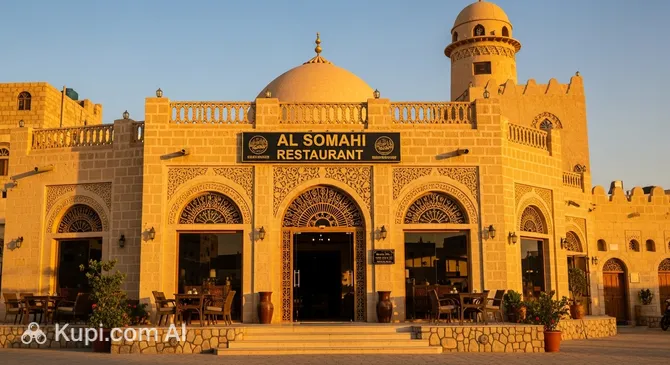
Dining out in Aden ranges from casual street food stalls serving fried snacks like sambusa to established sit-down venues. For a taste of authentic local cuisine in a welcoming setting, you might visit Al Somahi Restaurant, which is well-regarded for its traditional preparation of Yemeni staples. Another excellent option for grilled dishes is Al Baraka Restaurant and Grill, where visitors can enjoy the vibrant atmosphere and delicious local barbecue.

Al Somahi Restaurant. Source: Kupi.Binoculars

Whether you are eating at a bustling market stall or a comfortable restaurant, the food in Aden is communal and inviting. It is common to see large groups sharing platters, eating with their hands in the traditional style, which adds a layer of warmth and connection to the dining experience.

Travel Tips

Welcome to Aden, a city where ancient history meets the vibrant life of a bustling port. To help you navigate the unique local culture and climate with ease, here are some practical tips to ensure your visit is both comfortable and respectful.

  1. Clothing and Gear: Given the hot and humid climate, lightweight and breathable fabrics like cotton or linen are your best friends. However, Aden is conservative, so modesty is essential. Men should wear long trousers and shirts that cover the shoulders, while women are advised to wear loose-fitting clothing that covers the arms and legs; carrying a lightweight scarf is highly recommended for visiting religious sites or crowded public areas. Comfortable, sturdy walking shoes are a must if you plan to explore the rocky terrain around the Tanks of Tawila or Sira Castle.

  2. Transportation: The most convenient way for tourists to get around is by taxi. Taxis are plentiful, but they rarely use meters, so it is crucial to negotiate and agree on the fare before starting your journey. Public minibuses and vans are available and very cheap, but routes can be confusing for newcomers. For a stress-free experience, consider hiring a private car with a driver for the day through your hotel or a reputable travel agency. Ride-hailing apps are not widely established here.

  3. Finances: The local currency is the Yemeni Rial (YER). Aden is very much a cash-based economy. Credit and debit cards are rarely accepted outside of a few top-tier hotels. It is best to bring hard currency (such as USD or EUR) in cash and exchange it at authorized exchange bureaus, which often offer better rates than hotels. ATMs that accept international cards can be unreliable, so do not depend on them as your primary source of funds.

  4. Health and Safety: Pharmacies are widely available in the city center, and many stay open late. Due to the intense heat, the most important health precaution is to stay hydrated; strictly avoid tap water and drink only bottled water. In terms of safety, it is always wise to stick to well-lit, populated areas and avoid walking alone late at night. Consult with your hotel concierge or local host for the most up-to-date advice on which neighborhoods are best for strolling.

  5. Communication: The primary language is Arabic. While some people in the hospitality industry speak English, it is not widely spoken on the street. Learning a few basic Arabic phrases like "As-salamu alaykum" (Peace be upon you) and "Shukran" (Thank you) will go a long way in breaking the ice. For connectivity, purchasing a local SIM card (e.g., from Yemen Mobile or Sabafon) is highly recommended for accessing maps and translation apps, as public Wi-Fi is scarce.

  6. Local Etiquette: Yemenis are known for their hospitality. When greeting locals, a handshake is common among men, but wait for a woman to extend her hand first. If you are invited to share a meal, remember to always eat with your right hand, as the left is considered unclean. It is also polite to remove your shoes before entering a home or a mosque.

  7. What to Avoid: Strictly avoid public displays of affection, as this is culturally inappropriate and can cause offense. Additionally, never take photographs of people—especially women—without their explicit permission. It is also advisable to avoid photographing government buildings or military installations to prevent any misunderstandings.

  8. Afternoon Schedule: Be aware of the local daily rhythm. Many shops and businesses close for a few hours in the afternoon, typically between 1:00 PM and 4:00 PM, for lunch and rest. Plan your shopping and errands for the morning or the cooler evening hours when the city comes back to life.

By keeping these practical tips in mind, you will be well-prepared to enjoy the warm hospitality and historical wonders of Aden. A little cultural awareness and planning will allow you to focus on the breathtaking views and rich heritage this remarkable city has to offer.

Entertainment & Nightlife

Entertainment in Aden takes on a distinct cultural flavor that differs significantly from Western concepts of nightlife. As the sun sets and the daytime heat dissipates, the city truly comes alive, transforming into a bustling hub of social activity. Visitors should be aware that Aden is a conservative city where alcohol is prohibited, so you will not find nightclubs, discos, or bars. Instead, the "nightlife" revolves around vibrant street markets, seaside promenades, and the spirited atmosphere of local tea houses where conversations flow late into the night.

The heart of evening activity is often found in the historic Crater district. Here, the souqs (markets) remain open until late, filled with locals shopping for spices, clothes, and perfumes. The atmosphere is lively and chaotic in a charming way, with the scent of incense wafting through the air. Another popular area for night owls is the coastal road along the Khormaksar and Tawahi districts. The corniche becomes a social runway where families and friends gather to walk, enjoy the sea breeze, and snack on street food under the glow of streetlights.

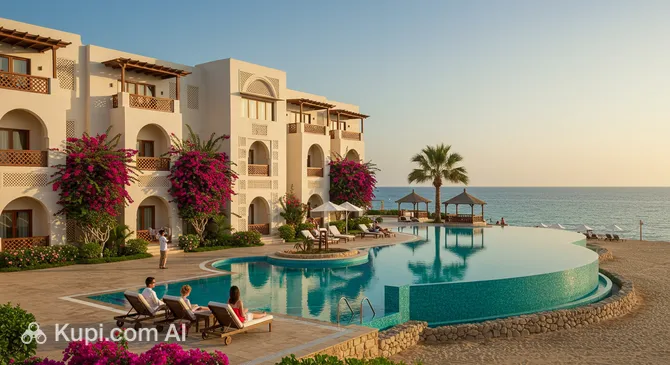
For a more organized evening experience, many visitors head to the Elephant Bay Resort. This venue offers a relaxed environment where you can enjoy dinner with a view of the ocean. It is a favorite spot for those looking to unwind in a comfortable setting, listening to the sound of waves while enjoying fresh seafood or traditional dishes. The resort often attracts a mix of locals and travelers seeking a peaceful retreat from the city's hustle.

Elephant Bay Resort. Source: Kupi.Binoculars

Families and those looking for lighthearted fun often visit Fun City Park. As temperatures drop in the evening, this amusement park fills with laughter and energy. It features various rides and games that appeal to all ages, making it a perfect destination for a night out with children or for anyone wanting to experience the joyful side of local community life.

Fun City Park. Source: Kupi.Binoculars

While the nights are for socializing, daytime entertainment in Aden is generally focused on cultural and historical exploration. Visitors can spend their mornings visiting local museums or exploring the architecture of the old city before the midday heat sets in. However, due to the high temperatures, most outdoor recreational activities, including amusement parks and busy market shopping, are best enjoyed after dusk.

Practical Advice for Nighttime:

  • Timing: The city stays awake late. Shops and restaurants often remain open well past midnight, especially during weekends and holidays. The best time to head out is after 8:00 PM.
  • Safety: Aden is generally safe for walking in busy, well-lit areas like the corniche or main market streets. However, it is advisable to avoid unlit backstreets and isolated beaches at night. Always take a taxi rather than walking long distances between districts.
  • Transport: Taxis are the most reliable way to get around at night. They are plentiful, but ensure you agree on a fare before getting in.
  • Dress Code: The dress code remains conservative in the evening. Modest clothing is expected for both men and women, even when strolling by the beach or dining out.

Parks & Museums

While Aden is primarily recognized for its dramatic volcanic topography and bustling port, the city also possesses a distinct cultural landscape. Rather than traditional green spaces, the city itself functions as an open-air museum, where history is written in the architecture and the geology serves as a natural playground. Visitors looking for recreational areas often find that the coastline and historic districts offer the best opportunities for exploration and leisure.

The National Museum of Aden is a landmark of great architectural and historical importance. Housed in the majestic Qasr Al-Abdali (Sultan's Palace) in the Crater district, the building itself is a testament to the region's rich heritage. While access to specific interior collections may vary, the structure stands as a significant symbol of the city's past, reflecting the grandeur of the sultanates that once ruled this strategic trade hub. Admiring the palace's exterior offers a glimpse into the traditional design and enduring legacy of Southern Yemen.

Similarly, the Military Museum is notable for its historical setting. Located in a building that dates back to the British colonial era, it serves as a reminder of Aden's long-standing status as a fortified outpost and a key maritime crossroads. The architecture and the site's presence in the city underscore the strategic military role Aden has played for centuries, offering history enthusiasts a tangible connection to the events that shaped the modern identity of the port.

Given the arid climate, the concept of a "park" in Aden often translates to the breezy and scenic waterfronts. The Golden Coast is the city's premier natural recreational area. Here, the beach replaces the lawn, providing a refreshing escape where locals and tourists gather to swim, walk along the sand, or simply enjoy the cooling winds from the Gulf of Aden. It is a vital social space that offers a relaxed contrast to the busy city streets.

For a more constructed leisure experience, Fun City Park in the Crater district remains a popular destination, particularly for families. As one of the few dedicated amusement parks in the area, it provides a lively atmosphere with rides and games. It becomes especially vibrant in the evenings, serving as a community hub where families enjoy their leisure time under the cooler night sky.

Beyond specific institutions, the city offers unique spots that blend sightseeing with relaxation. The area around the Big Ben of Aden in the Tawahi district provides a scenic lookout with views of the harbor and the hills. Additionally, the ancient Al-Sahareej Water Tanks act as a magnificent open-air historical site; walking through these colossal stone cisterns allows visitors to marvel at ancient engineering while surrounded by the raw beauty of the volcanic valley.

Getting Around

Navigating Aden requires a bit of a sense of adventure, as the city does not possess a formal public transportation network like a metro, tram, or rail system. Instead, the backbone of local mobility is a vast, decentralized fleet of minibuses and vans. These vehicles serve as the primary link between the city's distinct districts, such as Crater, Ma'alla, Tawahi, and Khormaksar. They are ubiquitous, frequent, and offer a truly authentic way to see the city, often traversing the scenic coastal roads and mountain passes that separate the different neighborhoods.

The payment system is straightforward and entirely cash-based. There are no travel passes, smart cards, or mobile ticketing apps available. Passengers simply pay the driver or the conductor directly, usually upon reaching their destination or sometimes when boarding. Fares are incredibly low, making this the most budget-friendly way to get around. It is essential to carry small denominations of the local currency, as drivers may not always have change for large bills.

For tourists wishing to use these minibuses, practical knowledge is key. There are no fixed bus stops with timetables; instead, you can flag down a bus from the side of the road or head to major intersections where they congregate. Destinations are typically shouted out by the driver's assistant or displayed on a sign in the windshield, almost exclusively in Arabic. If you do not speak the language, it is helpful to have your destination written down to show the driver. Operating hours are generally from early morning until late evening, though frequency drops significantly after dark.

Taxis are the most popular and convenient alternative for visitors. They are widely available and can be identified by their distinctive yellow color or taxi markings. Unlike the minibuses, taxis offer door-to-door service and air-conditioned comfort, which is a relief in the heat. However, meters are rarely used or nonexistent. It is standard practice to negotiate and agree upon the fare before getting into the vehicle to avoid misunderstandings later.

For those seeking more autonomy or comfort, hiring a private car with a driver is often the best recommendation. While car rental agencies exist, navigating the local driving style and road conditions can be challenging for newcomers. A private driver not only handles the logistics but often acts as an informal guide. Ride-sharing apps and bike rentals are not currently a standard part of the city's transport infrastructure, so relying on arranged private transport or traditional taxis remains the most reliable option.

Accommodation

Finding accommodation in Aden offers travelers a chance to experience local hospitality, though the options differ significantly from typical international tourist hubs. The city primarily features a range of locally owned hotels, furnished apartments, and seaside resorts. While you will not find many global luxury hotel chains, there are comfortable mid-range and budget-friendly establishments that cater to visitors, business travelers, and returning expatriates.

The choice of location largely depends on the purpose of your visit. For those interested in history and the bustling local atmosphere, staying in the Crater district places you right in the heart of the old city, close to markets and historical sites. Alternatively, the Khormaksar district is a convenient choice for business travelers due to its proximity to the airport and diplomatic missions. For a more scenic and relaxing stay, the coastal areas around Gold Mohur and Tawahi are popular, offering hotels with sea views and cooler breezes.

One notable option for those seeking a retreat by the water is the Elephant Bay Resort. Located along the coast, it provides a resort-style experience where guests can enjoy direct access to the sea and dining facilities on-site. It is a favored spot for both locals and visitors looking to unwind in a secure and pleasant environment away from the city center's noise.

Booking Tip: Unlike in many other destinations, relying solely on major international booking websites may not yield many results for Aden. It is highly recommended to book your accommodation in advance through a local travel agent or by contacting the hotel directly via phone or WhatsApp. This ensures your reservation is confirmed and allows you to ask important questions about amenities.

When planning your stay, be aware that the price range is generally affordable to moderate. Payment is almost exclusively expected in cash (USD or Yemeni Rial), as credit card facilities are rare. Additionally, given the local infrastructure, it is wise to confirm that your chosen hotel has a reliable backup generator to ensure 24-hour air conditioning and electricity, which is essential for a comfortable stay in the hot climate.

Nearby Cities

Aden's strategic location on the southern coast makes it an excellent starting point for exploring the wider region. The surrounding governorates offer a diverse mix of landscapes, from the immediate coastal districts to the mountainous highlands of the interior. Whether you are looking for short local excursions or planning a journey further inland, several key cities are accessible from this historic port.

The closest neighbor to the city center is Al Mansurah. Located just 8 km away, it is practically an extension of the metropolitan area, bustling with local life and commerce. For those willing to travel further, the city of Taiz lies approximately 139 km to the northwest. Known as the cultural capital of the nation, Taiz is situated in the highlands and offers a cooler climate and rich history. Another notable destination is Ibb, about 160 km away, which is famous for its remarkably green scenery and agricultural terraces, a stark contrast to the coastal aridity.

Travelers interested in regional connectivity will also find Al Bayda and Dhamar within reachable distances. These cities serve as important hubs in the central highlands, offering insight into the traditional architecture and lifestyle of the country's interior regions.

Here is a summary of the nearby cities, their populations, and their distances from Aden:

City Name Population Distance (km)
Al Mansurah 114,931 8
Taiz 615,467 139
Al Bayda 200,000 146
Ibb 350,864 160
Dhamar 160,114 205

Shopping & Souvenirs

Shopping

General Overview: Shopping in Aden is less about high-end international fashion brands and more about discovering the rich textures, scents, and flavors of Southern Arabia. As a historic port city, trade is in its DNA, offering a mix of traditional souqs and modern retail spaces. Visitors will find that the shopping experience here is deeply connected to local culture, where bargaining is often part of the process and the goods reflect the region's heritage, from aromatic spices to intricate textiles.

Main Shopping Areas/Streets: The beating heart of the city's commercial life is undoubtedly the Crater District (Seera). Its narrow streets are lined with countless small shops selling everything from electronics and gold to clothing and household goods. Walking through Crater offers an authentic glimpse into daily life. Another key area is the main street in Ma'alla, known as the "Long Street," which features a row of modern apartment blocks with shops on the ground floor, offering a variety of consumer goods, pharmacies, and bookstores.

Shopping Malls: For a more modern and air-conditioned experience, the Aden Mall is the city's premier shopping complex. Located in the Crater district overlooking the sea, it stands as a distinctive architectural landmark with its domed roof and glass frontage. Inside, visitors can find a range of clothing stores, supermarkets, and cafes. It serves not just as a place to buy goods but as a popular social hub where families gather, especially in the evenings.

Markets: The traditional markets, or souqs, are where the true spirit of Adeni commerce resides. The Crater Souq is the most famous, a labyrinth of alleys where the air is thick with the scent of spices and perfumes. Here, you can wander past stalls piled high with sacks of turmeric, cumin, and cardamom. There is also a dedicated fish market near Sira, which, while pungent, offers a fascinating look at the local maritime bounty, though it is more for sightseeing than for typical tourist shopping.

Souvenirs: When looking for gifts to take home, Yemeni honey is the gold standard; specifically, Sidr honey is world-renowned for its quality and taste. Another excellent choice is Yemeni coffee, celebrating the country's history as the origin of the coffee trade. For non-consumables, look for Bakhoor (traditional incense) and the clay burners used to scent homes. Silver jewelry and traditional patterned fabrics (such as the ma'awis worn by men) also make for unique and culturally significant keepsakes.

Opening Hours and Payment: Business hours in Aden follow a split schedule to accommodate the afternoon heat. Shops typically open from around 8:00 AM to 1:00 PM, close for a long break, and then reopen from 4:00 PM until 10:00 PM or even later. Friday is the weekly holiday, so many shops may be closed in the morning but open in the evening. Cash is the primary method of payment. While the Yemeni Rial is the local currency, US Dollars are often accepted for larger purchases. Credit cards are rarely used outside of major hotels or the largest supermarkets.

Tax-Free: There is currently no formal tax-free or VAT refund system established for tourists in Aden. Visitors should expect the price they negotiate or see on the tag to be the final price, without the option for a tax rebate at the airport.
Nearby cities

Reached the end of the page?

That means the route is fully explored