Support

Hargeisa

About

Hargeisa is a dynamic and rapidly evolving metropolis that serves as a vital cultural and economic hub in the Horn of Africa. Functioning as the capital of the Somaliland region, the city is known for its bustling markets, friendly atmosphere, and unique blend of tradition and modernity. It offers a distinct experience for travelers seeking to explore off-the-beaten-path destinations, providing a safe and welcoming environment that has become a surprising highlight for many adventurers.

Geographically, the city is situated in the Ogo Highlands, an elevation that blesses it with a much milder and more pleasant climate compared to the hot coastal areas. With a population of approximately 1.2 million people, it stands as a significant urban center and a focal point for trade and commerce in the region.
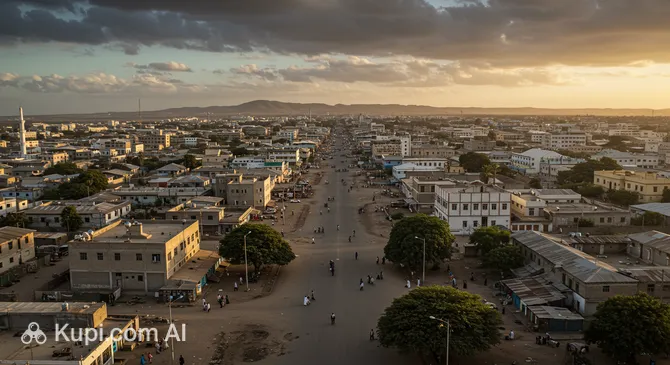
Hargeisa. Source: Kupi.Binoculars

The city has a rich past that reflects the complex narrative of the area, evolving from a watering place for nomads into a bustling city. To truly understand the spirit of its people and the development the city has undergone, one can delve into the history of Hargeisa. Today, it stands as a testament to the enduring spirit of its community and their dedication to progress.

Visitors are often drawn to Hargeisa to access the spectacular Laas Geel cave paintings, located nearby, which are considered some of the most significant Neolithic rock art sites in Africa. Within the city itself, the central market offers a vibrant immersion into local life. Here, travelers can explore a maze of stalls selling everything from fresh produce and camel livestock to intricate gold jewelry, showcasing the area's commercial vitality.

Whether you are passing through on your way to the ancient rock art sites or staying to soak up the local culture, Hargeisa offers a warm welcome and a fascinating glimpse into a resilient and hopeful society.
Weather Overview

Due to its high elevation in the Ogo Highlands, the city enjoys a semi-arid climate that is significantly milder than the sweltering coastal regions of the Horn of Africa. Travelers looking for detailed forecasts can consult the weather in Hargeisa page to help plan their activities. Generally, the weather is warm and pleasant throughout the year, avoiding extreme heat or cold.

Temperatures are relatively stable, with the warmest months being June and September, where average highs reach approximately 31.5°C. In contrast, the coolest period occurs during December and January, offering refreshing nights with minimum temperatures dropping to around 13°C. Rainfall is seasonal and generally light; expect wetter conditions in April and October, which can see up to 10 rainy days, while the winter months remain largely dry and sunny.

Interesting Facts

Beyond its bustling markets and dusty streets, Hargeisa holds a treasure trove of cultural curiosities and historical symbols that often astonish travelers. The city is a place of stark contrasts, where deep-rooted traditions seamlessly blend with unique modern adaptations.
  • The "Money Wall" Phenomenon: One of the most surreal sights in the city is the open-air money exchange market. Due to the valuation of the local currency, money changers stack massive bricks of cash directly on the street. Despite the lack of guards or safes, theft is virtually unheard of, serving as a testament to the city's incredible safety and social trust.

  • A Fighter Jet Memorial: In the heart of the city stands a monument unlike any other—a real MiG fighter jet. This aircraft, which crashed during the civil war, has been mounted on a plinth to symbolize the resilience and hard-won peace of the region, turning a weapon of destruction into an emblem of hope.

  • A Literary Hub: Despite its modest size, the city hosts the International Book Fair, which has grown to become one of the largest and most significant literary festivals in East Africa. This annual event attracts authors, poets, and artists from around the world, earning the city the nickname "The Home of Poetry."

  • The Cashless Society: While physical cash is stacked in the streets, the city is simultaneously a pioneer in digital payments. Mobile money is so integrated into daily life that even small street vendors and beggars often prefer digital transfers over cash, making it one of the most cashless societies on the continent.

How to Get There

Reaching the city is relatively straightforward, with air travel being the most convenient method for international visitors, supplemented by overland routes from neighboring regions. For a detailed breakdown of routes and travel tips, you can read more about how to get to Hargeisa.

The primary entry point is Hargeisa Airport (IATA: HGA), which is conveniently located just 5.5 km from the city center. This facility handles the majority of international traffic to the area. Once you land, a taxi ride to the downtown area is quick, typically taking about 30 minutes. It is a regional hub with connections to major cities in East Africa and the Middle East.

Alternatively, travelers can fly into airports in nearby cities and continue their journey by road. Jijiga Airport (IATA: JIJ) is located in the city of Jijiga, approximately 130 km from Hargeisa. The overland trip from there involves a border crossing and generally takes around 3.5 hours. Another significant option is the Djibouti-Ambouli International Airport (IATA: JIB) in Djibouti City, situated about 241 km away. This is a larger international hub, but the journey to Hargeisa requires a longer drive of approximately 6 to 7 hours.

For clarity, here is a summary of the main airports:

Airport Name City Passenger Traffic Km from City
Djibouti-Ambouli International Airport Djibouti City Medium 241.1
Aba Tenna D Yilma Airport Dire Dawa Medium 243.0
Hargeisa Airport Hargeisa Medium 5.5
Jijiga Airport Jijiga 129.5

The city does not have a railway station, and there are no train services currently operating in this part of the region. Transportation is primarily road-based, with buses, shared taxis, and private vehicles connecting Hargeisa to the port of Berbera and border towns like Wajaale.

Main Attractions

While Hargeisa is often viewed as a gateway to ancient rock art in the surrounding countryside, the city itself possesses a unique charm and several sites that offer deep insights into the local culture and history. From bustling trade hubs to centers of art and remembrance, the capital provides an authentic look at life in the Horn of Africa.

For those interested in the region's recent past and struggle for stability, the Saryan Museum is an essential stop. As the first private museum in the country, it houses a compelling collection of photographs, newspapers, and artifacts that document the path to independence and reconstruction. The exhibits provide a moving narrative of the city's resilience, making it a poignant educational experience for international visitors.

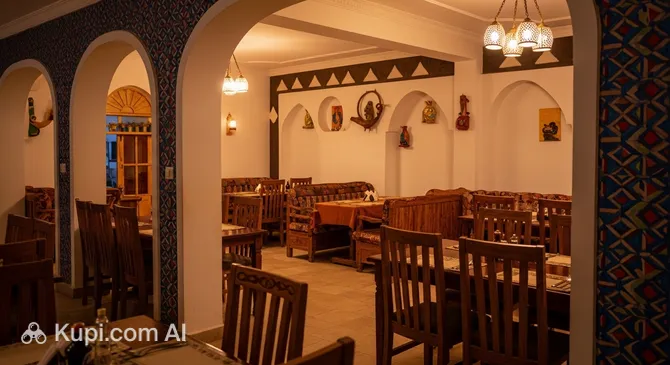
To experience the local flavors and social atmosphere, a visit to Damal Restaurant is highly recommended. Located in one of the city's prominent buildings, this establishment is more than just a place to eat; it is a culinary landmark where travelers can sample traditional dishes. It is particularly famous for serving camel meat, a local delicacy, and offers a welcoming environment to observe the daily rhythm of the city.

Damal Restaurant. Source: Kupi.Binoculars

Art and literature enthusiasts should not miss the Hargeisa Cultural Centre. This vibrant hub is the beating heart of the city's intellectual life, hosting an impressive library, an art gallery, and a theater. It plays a pivotal role in the famous International Book Fair and serves as a gathering space for artists, musicians, and youth, offering a modern contrast to the traditional markets.

Finally, no trip to the city is complete without witnessing the spectacle of the Hargeisa Livestock Market. Best visited in the early morning, this vast open-air market is one of the largest of its kind in the region. Hundreds of camels, goats, and sheep are traded daily in a lively, dusty, and chaotic display of commerce. It offers a raw and fascinating photographic opportunity, showcasing the economic backbone of the local nomadic culture.

Local Cuisine

The culinary landscape of Hargeisa is a flavorful reflection of its position as a trade crossroads, blending indigenous traditions with influences from the Middle East, India, and Italy. The local food culture is strictly halal, and travelers should note that alcohol is prohibited throughout the city. Instead, social life revolves around lively cafes and tea shops, where conversation flows as freely as the beverages.

Meat is the cornerstone of the local diet, with camel meat being a prized delicacy that every visitor should try. It is often served roasted or as a steak, celebrated for its unique texture and rich flavor. This is typically accompanied by bariis, a fragrant rice dish cooked with a mix of spices like cumin, cardamom, and cloves, often garnished with raisins and vegetables. Another common main course is baasto (pasta), a legacy of Italian influence, which is served with a spicy meat sauce and a banana on the side—a distinct local custom.

For breakfast, the sponge-like flatbread known as laxoox (or canjeero) is a staple. It is traditionally drizzled with honey and sesame oil or used to scoop up savory liver or meat stews. In the bustling markets, you can easily find sambusas, crispy triangular pastries filled with spiced ground meat or vegetables, which serve as the perfect on-the-go snack.

No meal is complete without shaah, the beloved local spiced tea. Brewed with milk, generous amounts of sugar, and aromatic spices such as ginger and cardamom, it is more than just a drink; it is a cultural institution. For a cooling alternative, fresh fruit juices—particularly mango, papaya, and guava—are widely available and offer a refreshing escape from the warm highland climate.

Travel Tips

Visiting Hargeisa is a unique adventure that rewards travelers with warm hospitality and a fascinating cultural experience, provided you come prepared for the local customs and infrastructure. To ensure your trip is smooth and respectful of the local way of life, here are some essential practical tips to keep in mind.

  1. Clothing and Gear: Modesty is paramount in this conservative society. Women should wear loose-fitting clothes that cover the arms and legs, and carrying a headscarf is essential for public spaces. Men should avoid shorts and opt for long trousers. Since the streets can be unpaved and dusty, bring sturdy, comfortable closed-toe shoes. A universal travel adapter is also recommended, though British-style (Type G) plugs are the most common.

  2. Transportation: The city does not have a formal metro or large bus system. The most convenient way to get around is by using taxis, which are plentiful and inexpensive. For a more modern experience, download the Dhaweeye app, which functions like Uber and allows you to book rides with transparent pricing. Walking is safe in the central areas, but be prepared for uneven terrain.

  3. Finances: The local currency is the Somaliland Shilling, but US Dollars are widely accepted and even preferred for larger purchases. Credit cards are virtually useless here; you will not find international ATMs that work reliably. It is critical to bring enough cash in US Dollars (clean, post-2009 bills) for your entire trip. For daily spending, locals use mobile money services like Zaad; if you stay long enough, registering for this service can make transactions seamless.

  4. Health and Safety: Hargeisa is widely considered one of the safest cities in the Horn of Africa, with very low crime rates against tourists. However, standard precautions apply: avoid walking alone late at night in unlit areas. Pharmacies are available for basic needs, but you should bring any specific prescription medications with you. Always drink bottled water and avoid tap water to prevent stomach issues.

  5. Communication: The main language is Somali, but English is surprisingly widespread, especially among the younger generation and the many diaspora returnees who run businesses and hotels. To stay connected, buy a local SIM card from providers like Telesom or Somtel upon arrival; data is cheap and fast, and it opens up access to mobile money payments.

  6. Local Etiquette: Greetings are important; a simple "Salam Alaykum" goes a long way. When greeting someone of the opposite gender, wait for them to extend their hand first; if they don't, a polite nod and a smile are appropriate. Always use your right hand for eating, shaking hands, or handing money to someone, as the left hand is considered unclean.

  7. What to Avoid: Strictly avoid alcohol; it is illegal and completely prohibited, and trying to bring it in or find it can lead to serious legal trouble. Additionally, do not take photographs of government buildings, military personnel, police officers, or the airport infrastructure, as this is viewed with suspicion and can result in confiscation of your camera or detention.

  8. Travel Outside the City: If you plan to visit attractions outside the city limits, such as the Laas Geel cave paintings, be aware that you may be required to hire a Special Protection Unit (SPU) guard. This is a mandatory government regulation for foreign tourists traveling inter-city for safety, so arrange this through your hotel or tour operator at least a day in advance.

By respecting these local norms and preparing for the cash-based economy, you will find Hargeisa to be an incredibly welcoming destination. The locals are generally curious and happy to see visitors, so don't hesitate to engage in conversation and enjoy the relaxed pace of life in this highland city.

Entertainment & Nightlife

Nightlife in Hargeisa offers a distinct and culturally immersive experience that differs significantly from Western capitals. Since alcohol is strictly prohibited throughout the country, you will not find traditional bars, nightclubs, or discos here. Instead, the evening entertainment scene revolves around lively social gatherings, late-night dining, and vibrant cultural events. As the sun sets and the desert heat fades, the city comes alive with locals enjoying the cool breeze, making it the perfect time to explore the bustling streets and engage in spirited conversations over spiced tea.

The heart of the city's nightlife is undoubtedly its tea culture. The downtown area and the streets surrounding the central market remain active well into the night. Here, open-air cafes and tea stalls serve as the primary social hubs where people gather to discuss news, poetry, and daily life. The atmosphere is welcoming and safe, with a constant buzz of activity. For a quintessential local experience, head to the terrace of the historic Oriental Hotel in the city center. It is a popular spot to sip shaah (Somali tea) while watching the lively street scenes below.

For those seeking music and traditional entertainment, the Hiddo Dhawr cultural center is the premier destination. Often described as a "cultural village," this venue hosts regular evenings featuring live bands playing traditional Somali music, often accompanied by the oud (a stringed instrument) and folk dancing. It is one of the few places where you can experience a concert-like atmosphere, enjoy authentic Somali cuisine in traditional huts, and witness the rich artistic heritage of the region. Shows typically start late, around 9:00 PM or 10:00 PM, and it is a favorite among both locals and the expatriate community.

Dining out is a major part of the evening ritual. Restaurants often stay open late, providing a relaxed environment for long dinners. Damal Restaurant is a top choice for an evening meal, offering a mix of local and international dishes with a view of the city. The dress code for evening outings remains modest; men usually wear long trousers and shirts, while women should continue to dress conservatively with headscarves, even in restaurants.

Practicalities for a night out in Hargeisa are straightforward. The city center is generally safe for walking in the early evening, especially on main roads like Independence Road. However, as the night deepens, it is advisable to use a taxi to get back to your accommodation. The ride-hailing app Dhaweeye is the most reliable way to secure a ride at night, ensuring a fixed price and safety. Average taxi fares within the city are very affordable, typically ranging from $2 to $5 USD depending on the distance.

During the daytime, entertainment shifts towards exploration and history. Visitors can spend their afternoons browsing the endless stalls of the Suuq (central market) or visiting cultural institutions. The Hargeisa Cultural Centre is a hub for daytime artistic activities, offering a library, art gallery, and occasional theater performances or film screenings. It is an excellent place to visit before the evening sets in to gain a deeper understanding of the contemporary arts scene in the Horn of Africa.

Parks & Museums

While Hargeisa is not characterized by expansive botanical gardens due to its semi-arid climate, the city offers a compelling selection of cultural institutions and recreational spaces. Visitors looking to understand the soul of the region will find that the local museums and public squares serve as vital custodians of history and community life.

One of the most significant institutions is the Saryan Museum. Dedicated to preserving the collective memory of the people, this facility houses an extensive collection of photographs, newspaper clippings, and historical artifacts. It provides a chronological narrative of the region's path to stability, making it an essential stop for anyone interested in the political and social evolution of the Horn of Africa.

For a deep dive into the arts, the Hargeisa Cultural Centre stands out as a beacon of creativity and learning. This vibrant hub is home to a well-stocked library, an art gallery, and a theater space. It is the driving force behind the renowned International Book Fair and regularly hosts exhibitions, poetry readings, and workshops that celebrate the rich oral and literary traditions of the local community.

Although not a traditional museum, the MiG Jet Memorial in the city center functions as a powerful open-air monument. The fighter jet, mounted on a plinth decorated with colorful murals, has become an iconic symbol of resilience and peace. It is a popular spot for photography and offers a tangible connection to the city's turbulent yet hopeful history.

Travelers seeking a break from the bustling streets can visit Peace Park (Beerta Nabada). As one of the few designated green spaces in the city, it provides a welcome respite with its shaded areas and sports facilities. It is a favorite gathering place for local families, especially on weekends, offering a relaxed atmosphere where visitors can observe the daily leisure activities of Hargeisa's residents.

Getting Around

The public transport system in Hargeisa is distinct from what many international travelers might expect. There is no metro, tram, or formal large-scale bus network operating in the city. Instead, the transportation infrastructure relies almost entirely on an informal yet highly efficient web of privately owned vehicles. The system is road-based and dynamic, adapting quickly to the needs of the population, which gives the city a lively and chaotic rhythm.

The most common form of public transport is the minibus, locally referred to simply as a "bus." These vehicles, typically white vans, ply set routes along the city's main arteries. They are the lifeline of local commuters, connecting neighborhoods to the central business district and the main market. There are no designated bus stops in the Western sense; passengers simply flag a bus down from the side of the road and shout "stop" or tap on the roof when they wish to alight. While affordable and frequent, they can be crowded and confusing for first-time visitors who are unfamiliar with the route landmarks.

For tourists, taxis are the most practical and comfortable alternative. Traditional taxis are easily identifiable and can be hailed on the street, but negotiation is often required before starting the journey. A significant development in recent years has been the introduction of ride-hailing apps, with Dhaweeye being the most popular. Functioning similarly to Uber, this service allows users to book rides with clear, fixed pricing, eliminating the need to haggle and overcoming language barriers. It is widely considered the safest and most convenient option for getting around the city.

The payment system in Hargeisa is unique and reflects the city's broader economic habits. While cash in the form of Somaliland Shillings is accepted for small bus fares, the society is rapidly moving towards a cashless model. Mobile money platforms, particularly Zaad, are ubiquitous. Even bus conductors and taxi drivers often prefer receiving payments via mobile transfer. Fares are incredibly low by international standards; a bus ride typically costs the equivalent of a few cents, while taxi rides within the city center rarely exceed a few dollars.

Travelers planning to use public transport should be aware of local etiquette and operating hours. Minibuses generally run from early morning, around 6:00 AM, until late evening, though service frequency drops significantly after dark. In terms of seating, it is culturally customary for men and women to sit separately when possible; if a woman enters a crowded bus, a man will often move to give her a seat or ensure she is not squeezed between men. For a hassle-free experience, it is advisable to carry small denominations of local currency or set up a mobile money account upon arrival.

Accommodation

Accommodation in Hargeisa has improved significantly in recent years, catering to a growing mix of business travelers, returning diaspora, and adventurous tourists. While you will not find major international hotel chains, the city offers a decent selection of locally owned establishments. These range from basic budget guesthouses to comfortable, modern hotels that provide amenities comparable to mid-range Western standards, such as Wi-Fi, air conditioning, and on-site dining.

The most convenient area to stay is the city center (downtown). Choosing a hotel near Independence Road places you within walking distance of the central market, tea stalls, and key landmarks. This area is not only lively and atmospheric but also generally safe for walking during the day and early evening. Some newer, more upscale hotels are located slightly further out in quieter neighborhoods, offering gated security and a more tranquil environment, though you will likely need a taxi to get to the main attractions.

Booking Tips: It is highly advisable to book your accommodation in advance, especially if you plan to visit during the summer months (June to August) or during the Hargeisa International Book Fair. During these peak times, the city fills up with visitors from the diaspora, and the best rooms are snapped up quickly. While some hotels are listed on major international booking platforms, many rely on direct communication via email or WhatsApp for reservations.

Prices and Payment: Accommodation prices are generally reasonable, with budget rooms starting around $15–$30 USD per night and mid-range to upper-tier hotels ranging from $40 to $100 USD. It is crucial to remember that credit cards are rarely accepted at hotels. You should be prepared to pay the full amount in US Dollars cash upon arrival. Ensure your bills are clean and dated 2009 or later. Some establishments may accept mobile money transfers, but cash remains the most reliable method.

Nearby Cities

For those looking to explore the surroundings, Hargeisa serves as an excellent base for day trips to several interesting nearby locations:

Berbera is the most popular destination for a getaway from the capital. Located on the coast of the Gulf of Aden, this historic port city offers a dramatic change in scenery and climate. Visitors are drawn to its pristine, undeveloped beaches, which are perfect for swimming and snorkeling. The city also features fascinating remnants of Ottoman and British architecture, providing a glimpse into its rich maritime history as a key trade hub.

Burao, situated to the east, is the second-largest city in the region and serves as a vital commercial center. It provides a more authentic and raw experience of local life, particularly known for its massive livestock market. A trip here offers travelers a chance to observe the deep-rooted pastoral traditions that underpin the economy of the area, making it a worthwhile visit for those interested in culture and trade.

City Population Distance (km)
Galkayo 950,000 482
Burao 750,211 161
Cadaado 534,023 472
Berbera 478,000 142
Garowe 385,000 503

These nearby destinations offer a glimpse into the diverse culture and landscapes of the region.

Shopping & Souvenirs

Shopping in Hargeisa is a vibrant and immersive experience that reflects the city's status as a major trade hub in the Horn of Africa. Unlike destinations known for high-end luxury boutiques, the retail scene here is dominated by bustling open-air markets, lively street stalls, and a growing number of modern shopping centers. Visitors will find a commercial atmosphere that is raw, energetic, and deeply integrated into the daily life of the locals, offering everything from traditional handicrafts to imported electronics.

The primary shopping district is concentrated in the City Center (Downtown), particularly along and around Independence Road. This area is a hive of activity where pedestrians, cars, and street vendors share the space. Walking through these streets offers a sensory overload of sights and sounds, with shops selling textiles, shoes, and housewares lining the main arteries. It is the best place to soak up the commercial spirit of the city and find a wide variety of goods in one location.

While traditional trade dominates, the city has seen the emergence of modern shopping facilities. Dahabshiil Business Centre and Nuura Mall are examples of this modernization, offering a more structured shopping environment with air-conditioned stores, supermarkets, and cafes. These malls are popular among the youth and the diaspora, providing a contrast to the chaotic charm of the outdoor markets.

The true heart of Hargeisa's shopping culture lies in its markets. The Suuq Dhexe (Central Market) is an expansive maze of stalls where one can find virtually anything. It is particularly famous for its textile section, where colorful fabrics are stacked high. Another must-visit area is the Gold Market. Somali gold is renowned for its purity and quality, and walking through this section reveals glittering displays of intricate jewelry. Even if you are not looking to buy, the craftsmanship and the sheer volume of gold on display are impressive sights.

For travelers looking to bring back a piece of the region, there are several distinct souvenirs to consider. Frankincense and Myrrh are top choices; sourced locally from the highlands, they are of exceptional quality and fill the air with a distinct, aromatic scent. Textiles are also popular, particularly the dirac (a lightweight, colorful dress worn by women) and the macawis (a sarong-like garment for men). Additionally, locally produced honey and pure sesame oil are prized for their flavor and make for excellent, consumable gifts.

Business hours generally follow a split schedule due to the afternoon heat. Shops typically open around 8:00 AM and close for a break around 1:00 PM, reopening from 4:00 PM until late in the evening, often around 9:00 PM or 10:00 PM. Friday is the main day of prayer and rest, so most shops remain closed until the late afternoon.

When it comes to payment, Hargeisa is unique. While US Dollars and Somaliland Shillings are accepted cash currencies, the economy is overwhelmingly digital. Mobile money (specifically Zaad or e-Dahab) is the preferred method for everything from expensive jewelry to a single banana. Credit cards are rarely accepted in shops or markets, so tourists should rely on cash or try to set up a local mobile money account if staying for a longer period. There is no tax-free refund scheme for tourists.

Reached the end of the page?

That means the route is fully explored