Support

Jijiga

About

Jijiga is a bustling and culturally rich city serving as the capital of the Somali Region in eastern Ethiopia. Known for its strategic importance and vibrant commercial activity, the city offers a unique atmosphere that blends the traditions of the highlands with the distinct heritage of the eastern lowlands. It is a place where travelers can experience a different side of the country, characterized by lively streets and a warm, welcoming community.

Geographically, the city is situated on a high plateau, providing a gateway to the arid plains of the Ogaden. With a population of approximately 159,300 people, it serves as a major hub for trade and transportation in the region. The climate is generally semi-arid, resulting in warm days that are perfect for exploring the local surroundings.
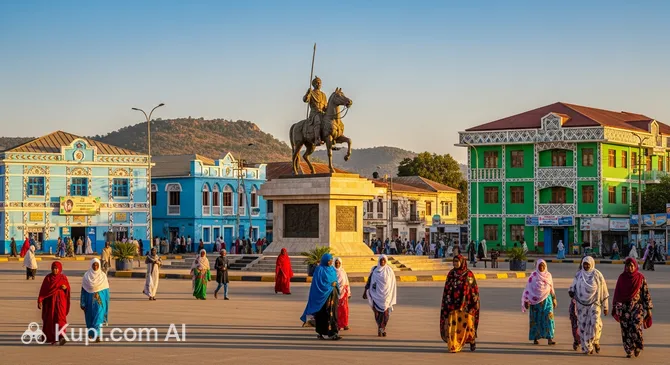
Jijiga. Source: Kupi.Binoculars

The history of Jijiga has long been defined by its position on ancient trade routes connecting the interior of the Horn of Africa with the coast. This legacy as a crossroads has fostered a diverse and dynamic society, where commerce and culture have flourished side by side for generations.

One of the city's most notable features is its proximity to the majestic Karamara Mountains, which offer scenic landscapes and serve as a prominent local landmark. Within the city itself, the local markets are a must-see attraction; the bustling livestock market, famous for its camel trade, provides a fascinating glimpse into the daily life and economic heartbeat of the region.

Whether you are interested in cultural immersion or simply passing through on an adventure across the region, Jijiga is a destination worth discovering. Its unique charm, combined with the hospitality of its residents, ensures an authentic and memorable travel experience.

Weather Overview

Jijiga generally experiences a mild and pleasant climate, avoiding extreme heat or cold for most of the year. The city's location on a plateau contributes to its relatively stable conditions, where travelers can typically expect warm days and cooler nights regardless of the season.

Temperatures remain consistent, with average monthly values ranging from approximately 18.1°C in December to 21.6°C in March. During the warmest period around February and March, daytime highs often reach 27.7°C, while the coolest nights in December and January can dip to around 11.2°C. This makes for a comfortable atmosphere for outdoor activities, provided you bring a light jacket for the evenings.

Rainfall patterns are distinct, with clear dry and wet seasons. The months of December through February are very dry, often seeing zero wet days. Conversely, the weather in Jijiga becomes wetter in April and again from July to September, where you might encounter rain on up to 15 days in a month. Despite the frequency of rain during these periods, the total precipitation volume often remains moderate.

Interesting Facts

Beyond its bustling markets and main streets, Jijiga holds several fascinating characteristics that reveal its unique position in the Horn of Africa. This city is not merely a transit point but a destination with distinct features that often surprise visitors.

  • A Cool Highland Oasis: Contrary to the common perception of the arid Somali Region, Jijiga sits at a surprisingly high altitude of over 1,600 meters. This elevation grants the city a mild, temperate climate that is significantly cooler and greener than the surrounding lowlands, effectively making it a refreshing island in a generally hot region.

  • A Hub for Camels: The city is famous for hosting one of the largest and most active camel markets in East Africa. This is not just a commercial center but a vibrant cultural spectacle where pastoralists from across the region gather, offering a unique window into the traditional nomadic lifestyle that has sustained the local economy for centuries.

  • The Karamara Gateway: Jijiga is located right at the foot of the dramatic Karamara Mountains. This mountain range is more than just a scenic backdrop; it serves as a significant geographical landmark that marks the natural transition between the Ethiopian highlands and the vast plains of the Ogaden.

  • An Ancient Trade Crossroads: Long before modern highways were constructed, Jijiga was a crucial stop on the ancient caravan routes leading to the coast. Its strategic location facilitated the movement of goods like frankincense, coffee, and livestock between the interior of Ethiopia and the ports on the Gulf of Aden.

How to Get There

Reaching Jijiga is relatively straightforward, with air travel being the most convenient option for international and domestic visitors alike. The city is well-connected to the rest of the country, serving as a vital transport hub in the region. For a detailed breakdown of routes and transport modes, you can consult the detailed guide on how to get to Jijiga.

The most direct way to arrive is via Jijiga Airport (IATA: JIJ), which is conveniently located within the city limits. It handles domestic flights and serves as the primary gateway for travelers heading to the Somali Region. The airport is situated approximately 12.4 km from the city center, and a taxi ride to the downtown area typically takes around 40 minutes.

Another common option is to fly into Aba Tenna D Yilma Airport (IATA: DIR) in the neighboring city of Dire Dawa. Although this airport is not in Jijiga itself, it is a significant regional hub located about 108 km away. Travelers arriving here can continue their journey to Jijiga by road, with the trip taking approximately 3 hours by taxi or bus. This airport sees a moderate volume of passenger traffic and offers an alternative connection point for those exploring eastern Ethiopia.

For clarity, here is a summary of the main airports serving the region:

Airport Name City Passenger Traffic Km from City
Djibouti-Ambouli International AirportDjibouti CityHigh246.1
Aba Tenna D Yilma AirportDire DawaMedium108.2
Hargeisa AirportHargeisaMedium142.2
Semera AirportSemeraLow296.6
Jijiga AirportJijiga12.4

While air travel is the fastest method, many visitors also arrive by road. Since Jijiga does not have a railway station, buses and minibuses are the main forms of ground transport. Regular services connect the city with Dire Dawa and Harar, offering a scenic, albeit longer, journey through the landscapes of eastern Ethiopia.

Main Attractions

Jijiga offers a fascinating mix of cultural heritage, historical landmarks, and natural beauty. While it serves as a busy commercial hub, the city and its surroundings possess a unique charm that attracts visitors looking to explore the Somali Region's distinct identity. From bustling markets to scenic mountains, there are several key places that define the tourist experience here.

One of the most iconic sites is the Karamara Mountains, located just to the west of the city. This dramatic mountain range is not only a stunning natural backdrop but also a place of great historical significance. Travelers are drawn here for the panoramic views of the surrounding plains and the opportunity to hike in a rugged, scenic environment. The mountains serve as a natural gateway to the region and offer a peaceful escape from the busy city streets, making them a favorite spot for photography and nature walks.

For a truly authentic cultural experience, the Jijiga Camel Market is an unmissable destination. As one of the largest livestock markets in the Horn of Africa, it provides a vivid window into the pastoralist way of life that dominates the region. The market is a chaotic yet captivating scene where hundreds of camels, along with goats and sheep, are traded daily. It is a place of high energy and commerce, offering visitors a chance to observe local traditions and the economic heartbeat of the Somali Region up close.

In the heart of the city stands the Statue of Sayid Mohamed Abdullah Hassan, a prominent landmark dedicated to the famous Somali leader and poet. Standing tall in a central square, this monument honors a figure who played a crucial role in the region's history during the early 20th century. It serves as a major orientation point in Jijiga and is a significant site for those interested in learning about the local heritage and the historical narratives that have shaped the identity of the people living here.

Another important institution is the Somali Region Cultural Museum. This facility is dedicated to preserving and showcasing the rich traditions of the Somali people. Visitors can explore exhibits featuring traditional clothing, tools, handicrafts, and historical artifacts that tell the story of the region's ancestors. It provides valuable context for understanding the customs and lifestyle of the local community, making it an educational stop for any traveler.

Finally, the Jijiga Central Mosque (Masjid Jaamac) stands as a testament to the city's spiritual life. With its distinct architecture and central location, it is a focal point for the community. While access to the interior may be restricted during prayer times for non-worshippers, the exterior architecture and the vibrant atmosphere of the surrounding area offer a glimpse into the daily religious and social rhythm of the city.

Local Cuisine

The culinary landscape of Jijiga offers a distinct and flavorful departure from the cuisine found in the Ethiopian highlands. While you can still find the national staple injera, the food scene here is heavily influenced by Somali culture, resulting in a gastronomy rich in aromatic spices, rice dishes, and tender meats. The city's position on ancient trade routes has introduced flavors from the Middle East and beyond, creating a unique fusion that delights adventurous foodies.

Rice, locally known as Bariis, is the undisputed king of the table in Jijiga. It is typically fragrant, colorful, and cooked with a blend of spices like cardamom, cloves, and cinnamon. This dish is almost always served with a generous portion of meat, with goat (hilib ari) and camel meat being the local favorites. Camel meat, in particular, is a signature delicacy of the region; it is lean, rich in flavor, and often enjoyed roasted or stewed. Another surprise for many visitors is the popularity of pasta, or Baasto, a legacy of historical Italian influence, which is widely available and served with rich, spiced meat sauces.

For breakfast or a lighter meal, locals often turn to Laxoox (also known as Canjeero), a thin, pancake-like flatbread that is slightly sweeter and lighter than the sour injera. It is traditionally eaten with honey and sesame oil or dipped into a savory stew. If you are looking for a quick snack while exploring the streets, look for Sambusas. These triangular fried pastries are filled with spiced minced meat, lentils, or vegetables and are a staple of local street food culture, perfect for eating on the go.

The beverage culture in Jijiga is centered around Shaah, a spiced Somali tea that is much more than just a drink—it is a social ritual. Brewed with milk, plenty of sugar, and spices like ginger and cardamom, it is served hot in small glasses and can be found on nearly every corner. For a truly authentic experience, adventurous travelers should try fresh camel milk, a nutritious and revered drink among the pastoralist communities. It is important to note that Jijiga is a predominantly Muslim city, so alcohol is not widely served in local eateries and is generally limited to specific hotel bars or private venues.

Dining in Jijiga is a communal and welcoming affair. You will find that many restaurants are informal, with a focus on hospitality and generous portions. It is common to eat with your right hand, sharing large platters with others, which fosters a sense of community. Whether you are sitting in a bustling local eatery or a quiet hotel restaurant, the food here provides a delicious window into the daily life and traditions of the Somali Region.

Travel Tips

To ensure a smooth and respectful visit to Jijiga, it is helpful to understand the local customs and logistical realities of this unique regional capital. The following practical tips will help you navigate the city with confidence and connect more deeply with its residents.

  1. Clothing and Gear: As Jijiga is a conservative city with a predominantly Muslim population, modest dress is essential; both men and women should wear clothing that covers shoulders and knees, and a headscarf is recommended for women. Since the city sits on a high plateau, evenings can be surprisingly cool, so pack a warm jacket or sweater alongside your lighter daytime clothes.

  2. Transportation: The most popular and efficient way to get around town is by Bajaj (three-wheeled auto-rickshaw). They are inexpensive and ubiquitous, but you should always negotiate the fare before hopping in. Regular taxis are available but less common, and walking is a pleasant option for exploring the central market areas during the day.

  3. Finances: The local currency is the Ethiopian Birr (ETB), and cash is king for almost all daily transactions, including dining and shopping in markets. While you can find ATMs at branches of the Commercial Bank of Ethiopia and major hotels, they can occasionally be out of service, so carrying a sufficient reserve of cash is highly advisable.

  4. Health and Safety: Pharmacies are available in the city center, but it is smart to bring a personal kit with basic painkillers, stomach relief medicine, and any prescription drugs you need. Stick strictly to bottled water for drinking and brushing your teeth, and ensure the seal is intact when purchasing it.

  5. Communication: The main language spoken is Somali, and while Amharic is widely understood, English proficiency is generally limited to hotels and educational institutions. Learning a few basic Somali phrases like "Assalamu Alaikum" (Peace be upon you) will be warmly received; for internet access, purchase a local SIM card from Ethio Telecom, as public Wi-Fi can be slow or intermittent.

  6. Local Etiquette: Respect for elders and religious customs is paramount; always use your right hand for eating, greeting, or passing money, as the left hand is considered unclean. When greeting someone of the opposite gender, wait to see if they extend their hand first; often, a verbal greeting with a nod is the polite norm.

  7. What to Avoid: Strictly avoid taking photographs of government buildings, military personnel, police stations, or the airport, as this is prohibited and can cause serious legal issues. Additionally, refrain from public displays of affection and public consumption of alcohol, as these behaviors are culturally inappropriate in this region.

  8. Socializing over Tea: Do not rush your interactions; business and social life here often revolve around Shaah (spiced tea). Accepting an invitation to drink tea is a great way to bond with locals, and these tea stalls are often the best places to hear local stories and get advice.

By keeping these simple guidelines in mind, you will find it much easier to immerse yourself in the daily life of the city. The people of Jijiga are known for their hospitality, and a little cultural awareness goes a long way in ensuring a memorable and positive experience.

Entertainment & Nightlife

Nightlife in Jijiga is a vibrant and evolving scene that offers a unique blend of modern entertainment and traditional social culture. While the city is generally conservative, the evenings come alive with a distinct energy, particularly in the city center and around major hotels. The nightlife here is less about rowdy pub crawls and more about lively gatherings, music, and enjoying the cool evening air after a hot day.

For those looking to experience the more energetic side of the city, Dream Night Club is a popular destination. It is known as one of the premier spots for dancing and music, attracting a mix of locals and visitors. The atmosphere is energetic, often featuring a blend of international hits and popular Ethiopian and Somali beats. It typically gets busy late in the evening, making it the go-to place for night owls who want to socialize and move to the rhythm.

If you prefer a more relaxed and upscale environment, the Duule Hotel offers a fantastic alternative. Its rooftop bar and lounge provide a sophisticated setting where you can enjoy handcrafted cocktails and a variety of beverages while taking in panoramic views of the city lights. It is an ideal spot for a quieter evening, allowing for conversation and relaxation in a comfortable, modern setting. Another excellent option for a late evening meal or a laid-back vibe is Heebaan Garden Restaurant, which offers a pleasant outdoor atmosphere perfect for dining under the stars.

Beyond the specific venues, a significant part of Jijiga's nightlife revolves around the bustling tea culture. The streets, particularly in the downtown area, remain active well into the night with people gathering at small cafes and tea stalls. Here, you can enjoy spiced Shaah (tea) and engage in lively discussions, which is the authentic heartbeat of the city's social life. The dress code is generally smart-casual; while clubs might be more westernized, it is respectful to dress modestly when moving through the streets or visiting open-air establishments.

Practicality and safety are key for a good night out. The best way to get around is by using a Bajaj (auto-rickshaw), which are plentiful and affordable; always agree on a price before starting your journey. While Jijiga is welcoming, it is advisable to stick to well-lit, populated areas and avoid walking alone in the outskirts late at night. Most venues do not have strict entry fees, but carrying cash is essential as card payments can be unreliable.

During the day, the entertainment options shift towards community and outdoor activities. Sports enthusiasts can catch a local football match at the Jijiga Stadium, which often draws passionate crowds. For a more leisurely afternoon, the city's parks offer green spaces for families and friends to relax. While the city is not packed with traditional amusement parks, the vibrant atmosphere of the daily markets provides its own form of entertainment for those keen on observing local life.

Parks & Museums

Jijiga offers a fascinating blend of rugged natural beauty and deep-rooted cultural heritage, serving as a gateway to the unique landscapes of the Somali Region. While the city itself is bustling and urban, it is surrounded by dramatic geographical features and is home to institutions that preserve the rich traditions of its people.

For nature enthusiasts, the Karamara Mountains are the most significant natural landmark in the area. Rising dramatically from the plains just west of the city, this mountain range provides a stunning backdrop and a refreshing escape from the urban heat. The area is perfect for hiking and photography, offering panoramic views of the vast lowlands stretching towards the horizon. The mountains are not only a geological wonder but also a place of historical importance, often visited by locals and tourists alike for picnics and sightseeing.

Another captivating natural area nearby is the Fafan Valley. This scenic valley is known for its striking rock formations and, during the rainy season, its surprising lushness compared to the surrounding semi-arid landscape. It is an excellent spot for birdwatching and experiencing the raw, untouched beauty of eastern Ethiopia. The drive through the valley offers a glimpse into the rural life of the region, where camel herders and small villages dot the landscape, creating a picturesque setting for an adventurous day trip.

When it comes to understanding the local history and way of life, the Somali Region Cultural Museum is the city's premier institution. Located in the heart of Jijiga, this museum is dedicated to preserving the artifacts and heritage of the Somali people. Visitors can explore a wide collection of traditional items, including hand-woven mats, intricate wood carvings, and the distinct milk vessels used by nomadic pastoralists. The exhibits provide a comprehensive overview of the region's social structure, traditional dwellings, and the daily tools that have been used for centuries.

The Jijiga Cultural Center serves as another vital hub for artistic and community expression. Often hosting events, workshops, and exhibitions, this center plays a key role in keeping local traditions alive among the younger generation. It is a place where tourists might catch a performance of traditional Somali dance or poetry, which are central elements of the region's oral storytelling culture. The center acts as a living museum, showcasing the dynamic and evolving nature of the city's artistic identity.

In terms of historical landmarks, the Statue of Sayid Mohamed Abdullah Hassan stands as a powerful symbol in the city center. This imposing monument honors the legendary leader and poet who is a central figure in the history of the Horn of Africa. The square surrounding the statue is a popular gathering point and offers a great opportunity to observe the local social life. Additionally, the city features unique architectural elements that reflect its past as a trade hub, including the Old Airport area, which, while no longer a primary aviation center, holds historical value for the city's development.

For a truly authentic experience, take a walk to the foothills of the Karamara range at sunset. The changing colors of the sky over the rocky peaks create a magical atmosphere that is completely different from the busy city center. Another insider tip is to visit the small, informal gardens often found within the courtyards of older hotels and restaurants; these hidden green spots offer a quiet respite where you can enjoy a cup of spiced tea away from the dusty streets.

Getting Around

The public transport system in Jijiga is straightforward, informal, and heavily reliant on road-based vehicles. Unlike larger global capitals, the city does not possess complex infrastructure like a metro, tram, or trolleybus network. Instead, the streets are dominated by smaller, agile vehicles that navigate the bustling urban environment with ease. For a tourist, getting around is relatively simple once you understand the two main modes of transport: the three-wheeled auto-rickshaw and the shared minibus.

The undisputed king of local transport is the Bajaj (auto-rickshaw). These three-wheeled vehicles are ubiquitous and serve as the primary means of moving short to medium distances within the city. They function essentially as private taxis but are much more affordable. You can hail one from almost any street corner. They are perfect for navigating the city's lively markets and narrow side streets where larger vehicles might struggle. While they can technically carry up to three passengers, many travelers prefer to hire the entire vehicle for a private ride to ensure comfort and direct service to their destination.

For longer distances across town or to reach the outer suburbs, minibuses are the standard option. Often referred to locally as "taxis," these vans operate on generally fixed routes, picking up and dropping off passengers along main roads. They are the most economical way to travel, though they can be crowded and often wait to fill up completely before departing. There are no official bus stops marked with signs; instead, locals know the customary stopping points, or you can simply flag one down as it approaches. A conductor usually hangs out the side window shouting the destination, helping you identify the right van.

The payment system in Jijiga is entirely cash-based. There are no travel cards, passes, or mobile apps for public transport. You must carry small denominations of the local currency, as drivers often struggle to make change for large bills. For minibuses, the fare is fixed and very low; you pay the assistant (conductor) inside the van. For a Bajaj, the price is not fixed and must be negotiated before you get in. It is highly recommended to ask a local or hotel staff member for the approximate going rate for your specific destination to avoid being overcharged.

Operating hours are generally from early morning, around 6:00 AM, until the evening. Transport availability drops significantly after dark, and finding a Bajaj late at night can be difficult and more expensive. For tourists, it is advisable to complete major movements during daylight hours. If you need to travel at night, arranging a private taxi through your hotel or a trusted contact is a safer and more reliable alternative than trying to flag down public transport on the street.

Walking is a viable and pleasant alternative for exploring the city center, particularly around the main market areas and government buildings where distances are short. Conventional four-door taxi cabs are less common than in other cities and are usually found parked near the airport or major hotels rather than cruising the streets. Ride-sharing apps and bike rental schemes are not currently part of the city's transport landscape, so relying on the plentiful Bajajs or your own two feet remains the most practical strategy for a visitor.

Accommodation

Jijiga offers a range of accommodation options that cater primarily to business travelers, NGO workers, and visitors exploring the Somali Region. While the city does not yet boast ultra-luxury international chains, the hospitality sector is steadily developing. Most properties are practical and comfortable, designed to meet the basic needs of travelers passing through this busy trade hub.

The most popular choice for international visitors is the mid-range hotel category. These establishments are usually located near the city center or along the main road leading to the airport. They typically offer spacious rooms with private bathrooms, satellite television, and on-site restaurants serving a mix of local Somali dishes and international cuisine. Many of these hotels also provide Wi-Fi, though connection speeds can vary. Crucially, the better hotels in this category are equipped with backup generators and water tanks, ensuring a reliable supply of utilities—a significant consideration in the region.

For budget-conscious travelers, there are numerous guesthouses and smaller local hotels scattered throughout the city. These offer a no-frills experience, often with shared facilities or simpler room amenities. They are a good option for those looking to immerse themselves in the local atmosphere, but it is advisable to inspect the room before checking in to ensure it meets your cleanliness and comfort standards.

When planning your stay in Ethiopia's eastern hub, it is important to manage expectations regarding amenities. Air conditioning is a valuable feature given the warm daytime temperatures, so it is worth confirming this when booking. Additionally, payment is almost exclusively in cash (Ethiopian Birr). Credit card facilities are rare, even in the top hotels, so ensure you have sufficient local currency on hand to cover your accommodation costs.

Nearby Cities

Jijiga is strategically positioned in the eastern part of the country, acting as a vital gateway between the Ethiopian highlands and the vast plains of the Somali Region. Its location makes it an excellent starting point for travelers wishing to explore the rich history, diverse cultures, and unique natural landscapes of eastern Ethiopia. From ancient walled cities to bustling trade hubs and natural sanctuaries, the surrounding area offers a variety of destinations within a relatively short distance.

The following table lists some of the most notable cities and towns located near Jijiga, along with their population and distance from the city center:

City Name Population Distance (km)
Babile 100,000 54
Harar 174,994 75
Dire Dawa 277,000 107
Aware 132,149 192
Kebri Dahar 300,000 332

Located just a short drive west of Jijiga, Babile is a must-visit for nature enthusiasts. It is famous for the Babile Elephant Sanctuary, which is home to a distinct subspecies of elephant. Additionally, the area is renowned for the "Valley of Marvels" (Dakata Valley), a landscape defined by precarious rock formations and balancing stones that create a surreal and photogenic environment.

Further west lies the historic city of Harar, a UNESCO World Heritage site and one of the most culturally significant cities in the Horn of Africa. Known for its ancient defensive walls, vibrant markets, and 368 alleyways squeezed into just one square kilometer, Harar offers a completely different atmosphere. Visitors often flock here to witness the nightly tradition of feeding wild hyenas, a practice that highlights the unique relationship between the city's residents and the local wildlife.

Dire Dawa, the second-largest city in the country outside the capital, serves as the primary commercial and transport hub for the east. Unlike the ancient winding streets of Harar, Dire Dawa is known for its planned streets, railway history, and colonial-era architecture. It offers a more cosmopolitan vibe with tree-lined avenues and is a key transit point for those traveling by air or rail.

Traveling deeper into the Somali Region, Kebri Dahar acts as a significant urban center in the southern part of the Ogaden. While it is further away, it serves as an important commercial link for the pastoralist communities of the area. Similarly, Aware is another key town to the east, situated closer to the border, reflecting the deep cultural and trade ties that span across the region.

Shopping & Souvenirs

Shopping in Jijiga offers a vibrant and authentic experience that reflects its status as a major commercial hub in eastern Ethiopia. As a city located on key trade routes, it is bustling with activity, offering a mix of traditional Ethiopian and Somali products alongside a surprising variety of imported goods. While you will not find high-end luxury boutiques or massive international department stores, the city provides a fascinating opportunity to explore local commerce, where bargaining is an art form and the atmosphere is always energetic.

The main shopping activity is concentrated in the City Center, particularly along the primary thoroughfares that cut through the town. These streets are lined with small shops, kiosks, and wholesalers selling everything from electronics and household items to clothing and textiles. Walking down these busy roads, visitors can find a dense collection of retailers offering imported goods at competitive prices, a testament to the city's proximity to international borders and ports.

While Western-style shopping malls are not a prominent feature of the cityscape, Jijiga has seen the development of several modern commercial centers and plazas in recent years. These multi-story buildings house dozens of independent stalls and boutiques under one roof. They offer a slightly more organized and cooler environment compared to the open streets, making them a good place to browse for fashion, mobile phones, and accessories.

The heart of the local shopping scene is undoubtedly the Central Market (Suuq). This sprawling marketplace is a sensory overload of colors, smells, and sounds. Here, you can wander through narrow alleys stacked high with goods. It is the best place to find local food staples, aromatic spices, and everyday items used by the residents. The market is divided into sections, with specific areas dedicated to fresh produce, grains, and textiles, allowing for a deep dive into the daily life of the Somali Region.

For travelers looking to take a piece of Jijiga home, there are several unique souvenirs to look out for. The region is famous for its high-quality frankincense and myrrh, which are often sold in their raw resin form or as essential oils. Another popular purchase is the traditional Somali fabric; colorful Diraac (for women) and checkered Macawis (sarongs for men) make for beautiful and practical gifts. Additionally, look for traditional handicrafts such as Dhiil (woven milk vessels) or intricate wooden incense burners, which are central to local hospitality customs.

Opening hours in Jijiga are generally from around 8:00 AM to 6:00 PM, though many smaller shops and market stalls stay open later into the evening. It is important to note that Friday is the main day of prayer, so many businesses may close for a few hours in the afternoon or have reduced operating hours. Cash is king here; credit cards are rarely accepted outside of major hotels, so ensure you are carrying enough Ethiopian Birr (ETB). Bargaining is expected in markets and smaller shops, so do not hesitate to negotiate the price politely.

Regarding tax-free shopping, there is no refund system available for tourists in Jijiga. The price you agree upon is the final price, and VAT refunds are not applicable for purchases made in the local markets or city shops.

Reached the end of the page?

That means the route is fully explored