Support

Kakamega

About

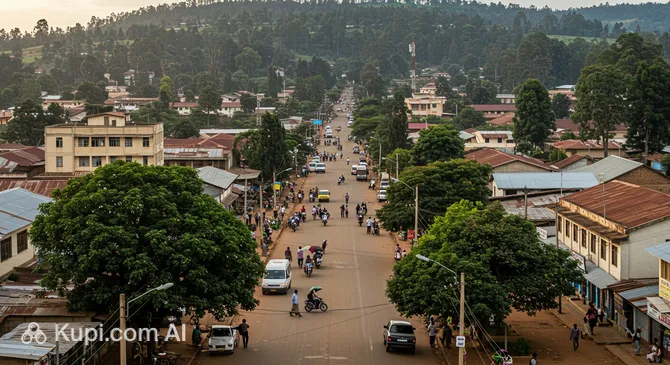
Welcome to Kakamega, a bustling town located in the western part of the country. Known for its lush greenery and vibrant local culture, this destination serves as the administrative headquarters of Kakamega County. It is a place where urban life meets the serenity of nature, making it a unique stop for travelers exploring Kenya.

Geographically, the town is situated just north of the Equator, enjoying a pleasant climate with abundant rainfall throughout the year, largely influenced by the nearby rainforest. With a population of approximately 92,000 residents, it is a significant commercial hub in the region. The town has evolved significantly over the decades, and visitors interested in its development can delve deeper into the history of Kakamega to understand its heritage.

Kakamega. Source: Kupi.Binoculars

The crown jewel of the area is undoubtedly the Kakamega Forest, the last remnant of the ancient Guineo-Congolian rainforest in the country. This biodiversity hotspot is a paradise for birdwatchers, hikers, and nature enthusiasts hoping to spot Colobus monkeys and rare butterflies. Another fascinating landmark is the Crying Stone of Ilesi, a massive rock formation resembling a human figure that is steeped in local folklore. For a relaxing afternoon within the town itself, Muliro Gardens offers a peaceful green space perfect for picnics and leisure walks.

Whether you are drawn by the allure of the ancient rainforest or the unique cultural traditions of the local community, Kakamega promises an unforgettable experience. It is a captivating destination that invites you to discover the greener side of Western Kenya and enjoy its warm hospitality.

Weather Overview

The climate in this region is generally warm and temperate, offering comfortable conditions for exploration throughout the year. Visitors interested in the detailed weather in Kakamega will find that temperatures remain relatively consistent, typically fluctuating between mild lows and warm highs. Due to the influence of the nearby forest, the area experiences a significant amount of rainfall, keeping the landscape lush and green.

February is usually the warmest month, with average temperatures around 22.8°C and highs reaching up to 29.2°C, while July tends to be the coolest, with average temperatures dropping to 19.8°C. Rainfall is most frequent during the months of April and May, which can see up to 26 wet days, so packing a raincoat is essential. Even in the drier months like January, you can expect occasional showers, with around 10 wet days recorded on average.

Interesting Facts

Beyond the main attractions, Kakamega holds many fascinating secrets and urban legends that surprise even frequent visitors. From its curious name origin to its golden history, the town offers a rich tapestry of stories waiting to be uncovered.

  • The name "Kakamega" is widely believed to stem from a humorous misunderstanding between locals and early European settlers. Legend has it that when the settlers tried to eat ugali, the local maize staple, they awkwardly pinched the food in small pieces rather than molding it into a scoop. The locals described this action as "khakhameka" (to pinch), which eventually evolved into the town's modern name.

  • In the early 1930s, the town was the center of a massive Gold Rush that drew thousands of prospectors from around the world, comparable in excitement to the famous Klondike rush. The Rosterman Gold Mine was one of the most productive sites of that era, and remnants of the old mining tunnels and infrastructure can still be found in the area today.

  • Kakamega is one of the few places in Kenya where traditional bullfighting is a celebrated cultural sport. Unlike the Spanish version, this practice does not involve matadors or bloodshed; instead, two bulls lock horns in a test of strength, surrounded by cheering crowds and the rhythmic beating of Isukuti drums.

  • The local forest is a true biodiversity hotspot, home to over 400 species of butterflies, including the stunning African Mocker Swallowtail and the Forest Mother of Pearl. This ecosystem is actually a remnant of the Guineo-Congolian rainforest, meaning the flora and fauna here are genetically linked to the forests of West Africa, making it the only place in the country where you can find certain species typical of the Congo Basin.

How to Get There

Reaching this vibrant town in Western Kenya is relatively straightforward, primarily involving a flight to a neighboring city followed by a scenic drive. While the town itself is tucked away in a lush landscape, it is well-connected by road to major regional hubs. For a complete guide on planning your journey, you can read more about how to get to Kakamega on our detailed transport page.

The city of Kakamega does not have its own airport, but you can fly into Kisumu Airport (KIS) in the city of Kisumu, which is the most convenient option. Located approximately 41 km from Kakamega, this airport serves as a major gateway to the region with significant passenger traffic. Upon arrival, a taxi or shuttle transfer to Kakamega typically takes about 1 hour and 20 minutes, offering travelers a quick and comfortable link to their final destination.

Another viable option is Eldoret Airport (EDL), situated in the city of Eldoret. This facility is about 56 km away from Kakamega. Although slightly further than Kisumu, it is a key transport hub for the North Rift region. The journey from Eldoret to Kakamega by road usually takes around 1 hour and 45 minutes. Both airports are well-serviced by domestic carriers connecting from Nairobi and other parts of the country.

For clarity, here is a summary of the main airports and airstrips in the wider region:

Airport Name City Passenger Traffic Km from City
Kisumu Airport Kisumu High 40.9
Eldoret Airport Eldoret Medium 55.9
Kichwa Tembo Masai Mara Low 173.7
Maasai Mara (Mara North) Masai Mara Low 163.3
Maasai Mara (Olare) Masai Mara Low 186.2

Main Attractions

There is no better place to start your exploration than the Kakamega Forest National Reserve. As the only remnant of the tropical rainforest that once stretched across central Africa, this site is a biological treasure trove. Nature lovers and birdwatchers flock here to walk beneath the canopy of ancient trees, hoping to spot the Great Blue Turaco or the playful Black-and-white Colobus monkeys. The forest offers numerous hiking trails, including a popular trek to Buyangu Hill, which rewards visitors with a breathtaking panoramic view of the lush canopy and the surrounding countryside.

For a touch of local legend and geological wonder, the Crying Stone of Ilesi is a must-visit landmark located just outside the town along the highway to Kisumu. This impressive rock formation consists of a large column with a smaller boulder perched precariously on top, resembling a human figure. It earns its name from the water that often flows down the "face" of the rock, looking like tears. The site holds deep cultural significance for the local Luhya community and is a fascinating spot for photography and learning about regional folklore.

If you are looking for a peaceful escape within the town center, Muliro Gardens offers a perfect green sanctuary. This public park is known for its tall bamboo trees and well-maintained lawns, making it a favorite spot for locals to relax, read, or enjoy a picnic. It serves as the green lung of the city and provides a cool, shaded environment where tourists can take a leisurely stroll and observe the daily rhythm of local life away from the busy streets.

Another gem hidden within the forest is the Rondo Retreat Centre. Originally the home of a sawmiller in the 1920s, this colonial-style property has been transformed into a serene guesthouse and garden. Even if you are not staying overnight, the manicured grounds and the tranquil atmosphere make it a delightful stop. It captures the charm of a bygone era and offers a quiet space to enjoy tea while listening to the sounds of the surrounding rainforest.

Local Cuisine

The culinary landscape of Kakamega is deeply rooted in the traditions of the Luhya community, offering a hearty and organic "farm-to-table" experience. The region is known for its fertile soil, meaning that most of the food served here is fresh, locally sourced, and bursting with natural flavors. For food lovers, dining here is not just about sustenance; it is an immersion into a culture that values generosity and communal feasting.

The absolute star of the local table is Ingoho, a celebrated chicken dish that holds significant cultural value. Traditionally prepared for esteemed guests and special ceremonies, the chicken is typically roasted over an open fire to give it a smoky aroma before being stewed with onions, tomatoes, and traditional spices. It is almost always served with Ugali, a dense maize meal staple. In Kakamega, you should try the "brown" version of Ugali, made from a nutritious blend of sorghum and millet flour, which offers a nuttier taste and is considered a delicacy.

To accompany the main meal, diners are treated to a variety of indigenous leafy vegetables known collectively as Mboga Kienyeji. The most distinctive among them is Mrenda (Jute Mallow), known for its smooth, okra-like texture, often prepared with milk or cream. Other popular greens include Managu (African Nightshade) and Kunde (Cowpea leaves). These vegetables are not only rich in iron and vitamins but are also cooked with traditional methods that preserve their unique, slightly bitter but savory profiles.

When it comes to beverages, tea (Chai) is the lifeblood of social interaction. It is usually brewed strong, mixed with plenty of fresh milk and sugar, and served piping hot at any time of day. For those interested in traditional alcohol, the region is famous for Busaa, a fermented grain beer made from maize, millet, or sorghum. It is traditionally drunk from a communal pot using long straws, though tourists are more likely to encounter it in cultural demonstrations or local social gatherings.

The food culture in Kakamega is unpretentious and welcoming. While there are standard restaurants in town, the most authentic experiences are often found in Kibandas—small, semi-permanent open-air stalls. Here, you can enjoy generous portions of local favorites at very affordable prices, rubbing shoulders with residents on their lunch breaks. For a quick snack, the streets and markets are filled with vendors selling roasted maize, sweet potatoes, and arrowroots (Nduma), perfect for fueling your exploration of the town.

Travel Tips

Planning a trip to Kakamega is an exciting prospect, offering a chance to experience the warmth of Western Kenya and the wonders of its ancient rainforest. To help you navigate the town smoothly and make the most of your visit, here are some practical tips designed to keep your journey comfortable and hassle-free.

  1. Clothing and Gear: Given the region's proximity to the rainforest, the weather can be unpredictable. It is highly advisable to pack a lightweight raincoat or umbrella, as showers can occur even during drier months. For forest walks, bring sturdy, comfortable hiking boots and long trousers to protect against insects and nettles. While the town is casual, dressing modestly is appreciated; avoid overly revealing clothing when walking in public areas or visiting religious sites.
  2. Transportation: The most common and convenient way to get around Kakamega town is by boda-boda (motorcycle taxi). They are affordable and agile, but always ensure there is a helmet available and agree on the fare before hopping on. For longer distances or trips to neighboring towns, matatus (minibuses) are the standard option. Regular taxis are available but are best booked through your hotel rather than hailed on the street.
  3. Finances: The local currency is the Kenyan Shilling (KES). While major hotels and large supermarkets accept credit cards (Visa and Mastercard), cash is king for local markets, small eateries, and transport. ATMs are readily available in the town center. Tipping is not mandatory but is a kind gesture; rounding up the bill or leaving a small amount for good service is appreciated.
  4. Health and Safety: Western Kenya is a malaria zone, so carry insect repellent and consider taking prophylaxis after consulting your doctor. Stick to bottled or filtered water for drinking and brushing your teeth. Pharmacies, known locally as "chemists," are plentiful in the town center for basic supplies. In terms of safety, Kakamega is generally peaceful, but it is wise to avoid walking alone in poorly lit areas at night.
  5. Communication: English is widely spoken and understood, making communication easy for most travelers. Swahili is the national language, and learning a few phrases like "Jambo" (Hello) or "Asante" (Thank you) will go a long way in building rapport with locals. SIM cards from providers like Safaricom or Airtel can be easily purchased with a passport; Safaricom generally offers the best coverage if you plan to venture deep into the forest.
  6. Local Etiquette: Greetings are an essential part of the culture here. A handshake is the standard greeting, often accompanied by a friendly inquiry about your well-being. When interacting with elders, showing respect is paramount. If you wish to take photos of locals or their stalls, always ask for permission first—most people are friendly, but courtesy is key.
  7. What to Avoid: Avoid exploring the Kakamega Forest without an official guide. The trails can be intricate, and a guide is not only necessary for safety but also invaluable for spotting camouflaged wildlife and explaining the medicinal uses of local plants. Additionally, avoid public displays of affection, as rural Kenya tends to be socially conservative.
  8. Market Day Tip: If your schedule allows, try to visit the town on a designated market day. The main market becomes a hive of activity, offering the freshest fruits, vegetables, and local crafts. It is a fantastic opportunity to try local snacks like roasted maize or sweet potatoes straight from the vendor, giving you a true taste of daily life in the county.

With these tips in hand, you are well-prepared to embrace the vibrant atmosphere and natural beauty of this unique Kenyan destination. Enjoy the lush landscapes, the friendly smiles, and the unforgettable adventures that await you in Kakamega!

Entertainment & Nightlife

While Kakamega is often celebrated for its serene rainforest and daytime adventures, the town transforms as the sun sets, offering a nightlife scene that is surprisingly vibrant and welcoming. The entertainment culture here is less about high-end glitz and more about authentic connection, where locals and visitors mingle freely. The atmosphere is generally laid-back but energetic, fueled by the rhythmic beats of Benga, Ohangla, and contemporary Afro-pop that spill out from the various establishments in the town center.

The heart of the action is primarily found within the central business district and along the main arteries like the Kakamega-Kisumu Road. For those seeking a lively night out with dancing and a high-energy crowd, Signature Club is a well-known local favorite. It is the place to be if you want to experience the true pulse of the town's party scene, often staying open late into the night. Another popular spot is Bombaz Club, which strikes a balance between a pub and a lounge. It is widely appreciated for its diverse drink selection and friendly vibe, making it an excellent venue to strike up a conversation with residents or catch a live football match on the big screens.

If you prefer a more relaxed and upscale evening, the Golf Hotel Kakamega offers a sophisticated alternative. Its bar provides a quiet sanctuary where you can enjoy a cold Tusker or a glass of wine in a comfortable setting, perfect for winding down after a day of hiking. The crowd here tends to be a mix of business travelers and tourists, and the dress code is slightly more smart-casual compared to the downtown clubs. Most venues in the town operate informally, with peak hours kicking off around 9:00 PM, especially on Fridays and Saturdays.

Practicality is key when navigating the night. Prices for drinks and cover charges are generally very affordable compared to Nairobi. Getting around is relatively easy, but safety should always be a priority. While boda-bodas (motorcycle taxis) are ubiquitous, it is safer for tourists to use a private taxi at night, which can be arranged by your hotel or the venue's security. Avoid walking alone in poorly lit areas or on the outskirts of town after dark; sticking to the busy, well-lit streets of the town center is the best practice.

Before the night begins, the town offers plenty of daytime entertainment to fill your schedule. Sports enthusiasts often flock to Bukhungu Stadium to catch a local football match, which is a spirited community event. For a quieter afternoon, you can visit the Kakamega Forest visitor center for an educational tour or relax in the lush, green expanse of Muliro Gardens right in the town center. Whether you are cheering in the stadium or dancing the night away, Kakamega ensures your itinerary is packed with memorable experiences.

Parks & Museums

Kakamega is often celebrated as the "Green Jewel" of Western Kenya, offering a refreshing blend of dense rainforests and well-maintained urban recreational spaces. While the city is more famous for its living landscapes than for traditional indoor exhibition halls, it serves as a gateway to some of the most significant cultural and natural heritage sites in the region.

Kakamega Forest remains the definitive natural attraction, but beyond the general hiking trails, it houses specific sites of wonder like the Isiukhu Falls. This serene spot, where the sound of cascading water complements the forest's symphony, is perfect for those seeking solitude. Nearby lies the site of the legendary Mama Mutere tree. For centuries, this massive tree was a standing icon of the forest; although it fell in 2014, its colossal trunk remains on the forest floor as a preserved historical site, allowing visitors to witness the scale of the ancient giants that once dominated the canopy.

In the heart of the town, Muliro Gardens stands as a testament to the city's commitment to public leisure. Named after the legendary politician Masinde Muliro, this park is more than just a picnic spot; it is a historical landmark. Recently rehabilitated to restore its glory, the gardens feature paved walkways and indigenous trees, serving as a vital social hub where residents gather for discussions and relaxation, reflecting the community-oriented spirit of the Luhya people.

For a deep dive into the region's rich history, the Nabongo Cultural Centre is the premier destination. Although located a short drive from Kakamega in nearby Mumias, it is the cultural heartbeat of the area, preserving the heritage of the Wanga Kingdom—the only recognized traditional kingdom in Kenya. Visitors can explore a museum housing royal regalia, traditional weapons, and artifacts of the great King Mumia. The center also features a traditional homestead, offering an immersive look into the architectural and social structures of the Wanga people.

Within the forest itself, the Kakamega Environmental Education Centre functions as a specialized museum for nature enthusiasts. It provides detailed exhibits on the unique flora and fauna of the Guineo-Congolian rainforest ecosystem. This facility is particularly interesting for tourists who want to understand the scientific importance of the species they encounter on their treks, featuring displays of rare butterflies, snakes, and botanical specimens found nowhere else in the country.

For a truly authentic experience, consider visiting the Rosterman Gold Mines area. While not a formal museum, this site offers a glimpse into the city's 1930s gold rush era. You can see the remnants of old mining activities and interact with artisanal miners who still work in the area, keeping the century-old trade alive. It provides a raw, unfiltered look at the industrial history that shaped the town's early economic development.

Getting Around

The public transport system in Kakamega is informal, road-based, and distinctively energetic, differing significantly from the structured networks found in European or North American cities. There is no metro, tram, or train service for local commuting. Instead, the town relies heavily on a network of minibuses and motorcycle taxis that provide comprehensive coverage across the region. For a visitor, navigating this system offers an authentic glimpse into local life, where travel is often communal and interactive.

The most iconic form of transport is the Matatu, a vibrant minibus that serves as the backbone of movement for longer distances within the county and to neighboring towns. These vehicles, typically 14-seaters, are often decorated with colorful art and slogans. They operate on specific routes and pick up passengers at designated terminals known as "stages." While they do not have fixed timetables, they depart once they are full, which ensures a steady stream of departures during peak hours. For shorter trips within the town center and its immediate suburbs, Tuk-tuks (three-wheeled auto-rickshaws) are a popular and affordable alternative, offering a roof over your head and a slightly slower pace.

For speed and door-to-door convenience, the Boda-boda (motorcycle taxi) is the undisputed king of Kakamega's streets. They are ubiquitous and can navigate traffic jams or narrow paths that larger vehicles cannot reach. They are particularly useful for short hops to hotels or attractions located slightly off the main roads, such as the edge of the forest. However, safety is paramount; always ensure the rider provides a helmet and that you feel comfortable with their riding style before hopping on.

Payment in Kakamega is almost exclusively cash-based or via mobile money. There are no travel cards, magnetic passes, or tap-to-pay systems for public transit. Fares are generally low, often ranging from 50 to 100 Kenyan Shillings for local trips. It is essential to carry small denominations of coins and notes, as conductors or riders may struggle to find change for large bills. Kenya's mobile money system, M-Pesa, is widely accepted even by individual boda-boda riders, offering a convenient digital alternative if you have a local SIM card set up.

Tourists should be aware that fares are rarely fixed for boda-bodas and taxis, so negotiation is a standard part of the transaction. It is advisable to agree on the price before the journey begins to avoid misunderstandings upon arrival. For matatus, fares are usually standard for a specific route, but they can fluctuate depending on the time of day or weather conditions; simply ask a fellow passenger what the standard rate is if you are unsure. Transport generally operates from early morning (around 5:00 AM) until late evening, but availability drops significantly after 9:00 PM.

If you prefer a more private mode of travel, standard taxis are available, though they do not typically roam the streets looking for fares like in major capitals. They are usually found parked at specific taxi ranks near major hotels or supermarkets. Ride-hailing apps are not as prevalent here as in Nairobi, so it is often more reliable to ask your hotel reception to call a trusted local driver for you. Walking is also a viable and pleasant option for exploring the compact town center, allowing you to soak in the atmosphere at your own pace.

Accommodation

Accommodation in Kakamega caters to a diverse range of travelers, from academics and business professionals to eco-tourists coming to explore the rainforest. The options are generally modest yet comfortable, spanning from budget-friendly guesthouses and backpacker hostels to mid-range hotels and serene nature retreats. While the town does not host ultra-luxury international hotel chains, visitors can expect warm local hospitality and facilities that provide a restful base for their adventures.

When choosing where to stay, the decision largely depends on your itinerary. The **Town Center** is the most practical choice for those who prioritize convenience. Staying here places you within walking distance of supermarkets, banks, and the main transport stages, making it easy to navigate the region. It is also the best area if you wish to experience the local nightlife. Conversely, nature lovers often prefer the outskirts or the areas bordering the **Kakamega Forest**. These locations offer a tranquil atmosphere, fresh air, and the unique experience of waking up to the sounds of birds and monkeys, though they may require a taxi or private vehicle for access.

Among the well-known establishments, the Golf Hotel Kakamega stands out as a historic landmark in the town. Located just a short distance from the central business district, it is often the preferred choice for conferences and business travelers, offering spacious grounds and a swimming pool. For a more immersive nature experience, the Rondo Retreat Centre is a highly recommended option located within the forest itself. Set in charming colonial-era buildings surrounded by manicured gardens, it offers a peaceful sanctuary that feels worlds away from the bustle of urban life.

Booking Tip: While finding a room is usually straightforward, the town can get surprisingly busy during major events. It is highly advisable to book your accommodation in advance if your trip coincides with graduation ceremonies at Masinde Muliro University or during regional agricultural shows, as hotels tend to reach full capacity during these periods.

Financially, staying in Kakamega is quite affordable compared to Kenya's major tourist hubs. Most accommodation falls into the budget to mid-range price bracket. While the larger hotels and popular forest retreats can be booked via major online travel platforms, many smaller guesthouses and budget lodgings still operate primarily through direct phone bookings or walk-ins. Carrying some cash is recommended, as smaller establishments may not always have card payment facilities.

Nearby Cities

For those looking to explore the surroundings, Kakamega serves as an excellent base for day trips to several interesting nearby locations:

Just a short drive away lies Kisumu, a vibrant port city located on the shores of Lake Victoria. It is a favorite destination for those wanting to enjoy fresh tilapia at Dunga Beach or take a relaxing boat ride to spot hippos and birds. The city also houses the Kisumu Museum, which offers deep insights into the culture of the Luo people and the natural history of the region.

To the east, you will find Eldoret, famously known as the "City of Champions." Situated at a higher altitude, this town is the training ground for many of the world's elite long-distance runners. Visitors are often drawn by its cool climate and the chance to see the agricultural heart of the North Rift region, which contrasts beautifully with the tropical lushness of Kakamega.

For history enthusiasts, the nearby town of Mumias offers a significant cultural experience. As the historical seat of the Wanga Kingdom, it provides a unique window into traditional leadership structures in Western Kenya. A visit here pairs perfectly with a tour of the Nabongo Cultural Centre, allowing travelers to connect with the area's royal heritage.

City Population Distance (km)
Kisumu 409,928 41
Eldoret 193,830 63
Siaya 119,190 57
Vihiga 118,696 28
Mumias 99,987 30

These nearby destinations offer a glimpse into the diverse culture and landscapes of the region.

Shopping & Souvenirs

Shopping in Kakamega offers a functional and authentic experience rather than a high-end luxury spree. The town serves as a commercial hub for the surrounding county, meaning you will find a mix of well-stocked modern supermarkets and vibrant open-air markets. While it lacks the sprawling mega-malls of Nairobi, it provides everything a traveler needs, from camping gear for forest excursions to fresh organic fruits and unique local handicrafts.

The main commercial activity is concentrated in the Town Center, particularly along the busy Canon Awori Street and the Kisumu-Kakamega Highway. This area is a hive of activity where hardware stores, banks, pharmacies, and clothing boutiques line the streets. It is the best place to take a casual walk, browse through small shops, and soak in the energetic atmosphere of the central business district.

For a more modern shopping experience, the town hosts a few shopping centers that cater to urban needs. Mega Mall, located on the outskirts along the road to Kisumu, is one of the largest retail spaces in the area. It houses a major supermarket chain, cafes, and several specialty shops, offering a convenient "one-stop" location for groceries and travel supplies. Another notable building is Ambwere Plaza in the town center, which is a landmark hosting various businesses and smaller retail outlets.

The true heart of Kakamega's commerce, however, lies in its traditional markets. The Kakamega Main Market is a must-visit for anyone wanting to see local life in action. Here, vendors display colorful pyramids of tomatoes, leafy indigenous vegetables, and grains. It is also a prime spot for "Mitumba" (second-hand clothes), where patient shoppers can find high-quality vintage items at bargain prices. If you are adventurous, a trip to the nearby Lubao Market on a Thursday offers a fascinating glimpse into a traditional weekly market, famous regionally for its trade and lively crowds.

When looking for souvenirs, the region offers distinct items that reflect the local culture. Look for Isukuti drums, which are central to the Luhya people's musical heritage; you can often find small, decorative versions perfect for carrying home. Traditional pottery and woven baskets are also popular. Additionally, due to the town's proximity to Kisii, you will frequently find beautifully carved soapstone sculptures depicting African wildlife and abstract family figures.

Most shops in the town generally open around 8:00 AM and close by 6:00 PM or 7:00 PM. However, major supermarkets and shopping centers often stay open until 8:30 PM or later. In terms of payment, Cash is the most widely accepted method, especially in markets and smaller stalls. The mobile money service M-Pesa is virtually ubiquitous and is often preferred over cash for its convenience and safety. Credit cards (Visa and Mastercard) are typically accepted only in large supermarkets, hotels, and established restaurants.

Regarding tax refunds, Kakamega does not have specialized tax-free shopping facilities or refund counters for tourists. The VAT refund system in Kenya is generally centralized at international departure points like Jomo Kenyatta International Airport, and it applies primarily to goods purchased from specific duty-free registered retailers, which are not common in this regional town.

Reached the end of the page?

That means the route is fully explored