Support

Masai Mara

About

The Masai Mara National Reserve is widely regarded as the jewel of Kenya's wildlife viewing areas. Renowned globally for its exceptional population of lions, leopards, and cheetahs, this destination offers an authentic African safari experience set against a backdrop of endless rolling plains. It is not just a wildlife sanctuary but a place where the rhythm of nature dictates the pace of life.

Located in the Great Rift Valley within Narok County, the reserve covers a vast area of open savannahs watered by the meandering Mara River. The climate is generally pleasant, characterized by warm days and cool nights, which allows for comfortable exploration throughout the year. To fully appreciate the region's significance, delving into the history of Masai Mara reveals the deep, enduring bond between the land and the indigenous Maasai people, who have grazed their cattle alongside wild animals for centuries.
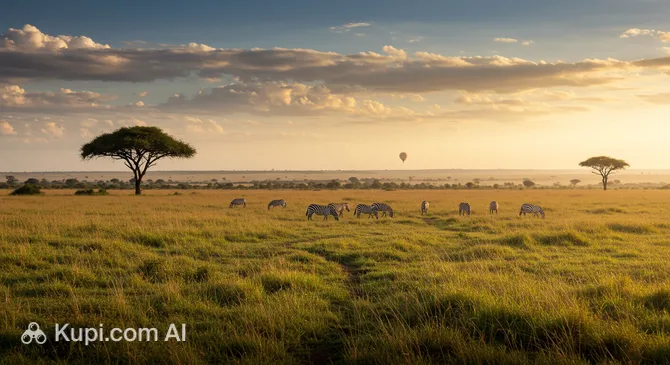
Masai Mara. Source: Kupi.Binoculars

Travelers are drawn to this magnificent landscape primarily to witness the spectacular Great Migration, an annual event where millions of wildebeest and zebras traverse the ecosystem in search of fresh grazing. Beyond this natural wonder, the reserve is one of the best places on the continent to spot the famous Big Five—lion, leopard, elephant, buffalo, and rhinoceros—often within a single game drive.

Whether you are an avid photographer, a nature enthusiast, or an adventurer seeking the thrill of the wild, the Masai Mara promises an unforgettable journey. Its unique combination of abundant wildlife, stunning scenery, and rich cultural heritage makes it a must-visit destination for anyone planning a trip to East Africa.
Weather Overview

The climate in this region is generally mild and agreeable, making it a comfortable destination for wildlife viewing throughout the year. Temperatures remain relatively consistent, with average daytime highs ranging from 25°C to 28°C, while nights can be refreshing with minimums dropping to around 14°C.

For travelers planning their safari, understanding the weather in Masai Mara is helpful for packing appropriate clothing. The region experiences distinct variations in rainfall frequency; April is typically the wettest month with up to 19 wet days, while the period from June to August is significantly drier, often seeing as few as 5 to 6 days with rain. Overall, you can expect warm days with occasional rain showers during the wet seasons and drier conditions during the migration months.

Interesting Facts

Beyond the sweeping savannahs and the famous migration, this legendary wilderness holds fascinating secrets that deepen the appreciation of its natural splendor. Here are some intriguing details that make this destination truly unique.

  • The name "Mara" literally translates to "spotted" in the local Maa language. This poetic description refers to the landscape itself, which appears dotted from a distance due to the scattered acacia trees, scrub bushes, and the shadows of passing clouds cast upon the plains.

  • The Maasai Mara National Reserve is not a fenced-in park but part of a massive, contiguous ecosystem. It serves as the northern extension of the Serengeti, and with no barriers between the two, millions of animals roam freely across the international border in an ancient rhythm of survival.

  • This region boasts one of the highest densities of lions in the world. Its open plains and abundant prey make it such a prime location for big cats that it served as the filming location for the renowned BBC documentary series "Big Cat Diary," which followed the lives of the reserve's resident feline families.

  • While often overshadowed by the larger mammals, the area is an incredible haven for ornithologists, hosting over 450 recorded bird species. This includes a staggering variety of 57 different species of birds of prey, making it one of the best places in Africa to observe raptors in action.

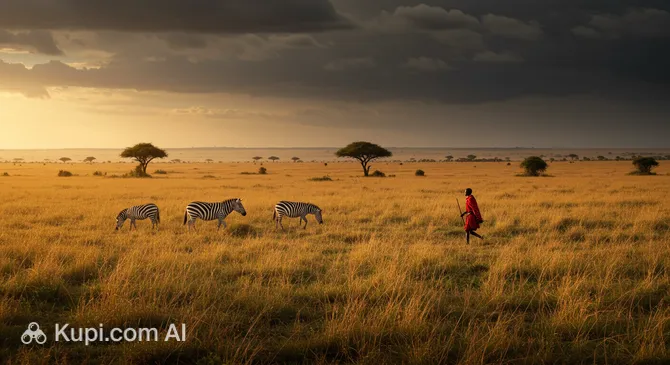
Maasai Mara National Reserve. Source: Kupi.Binoculars

How to Get There

Reaching this iconic wildlife reserve is part of the adventure, with most visitors opting for a short flight from Nairobi or a scenic drive through the Great Rift Valley. You can find all ways to reach the city and the reserve on our detailed transportation page. The area is well-serviced by a network of airstrips that cater to tourists staying at various lodges and camps.

The most significant hub for arrivals is Maasai Mara (Olkiombo) (IATA: OLX). It acts as a primary gateway for many travelers, handling a considerable volume of visitors annually. Located just 8.4 km from the central area of Masai Mara, it offers convenient access to nearby camps. Another key entry point is Kelly Bar (IATA: KEU), situated approximately 18.2 km from the center. Travelers also frequently use Mara Lodges Airport (IATA: MRE), which is located 15.8 km away, serving as another vital link to the main safari areas.

For clarity, here is a summary of the main airports servicing the reserve:

Airport Name City Passenger Traffic Km from City
Maasai Mara (Olkiombo)Masai MaraHigh8.4
Kelly BarMasai MaraHigh18.2
Mara Lodges AirportMasai MaraMedium15.8
Kichwa TemboMasai MaraMedium26.9
Maasai Mara (Olare)Masai MaraLow21.9

There are no railway stations servicing Masai Mara directly. The reserve is a remote wilderness area, and train travel is not a viable option for reaching the destination. Most visitors who do not fly choose to travel by road, often hiring 4x4 safari vehicles for the journey from Nairobi or other major towns to navigate the terrain effectively.

Main Attractions

The Masai Mara is a destination defined by its raw natural beauty and teeming wildlife. While the entire ecosystem is spectacular, specific sites within and around the reserve offer unique experiences, from dramatic river crossings to cultural encounters. Here are the main attractions that make this region a world-class safari destination.

At the heart of the experience is the Maasai Mara National Reserve. This vast protected area is the primary stage for the region's incredible biodiversity. It offers arguably the finest game viewing in Africa, where visitors can spot the Big Five and witness the sheer scale of the savannah. The reserve is renowned not just for its predators, but for the sense of boundless space that captivates every traveler who enters its gates.

Running through the reserve like a lifeline is the legendary Mara River. This waterway is the dramatic focal point of the Great Migration, where thousands of wildebeest and zebras face the perilous waters teeming with massive Nile crocodiles. Even outside the migration season, the river is a fascinating spot to observe large pods of hippos wallowing in the water and elephants coming down to drink along the banks.

To the west of the river lies the Mara Triangle, a pristine sector of the ecosystem managed by the Mara Conservancy. Bounded by the Oloololo Escarpment, this area is often less crowded than the main reserve, offering a more exclusive safari experience. It is famous for its healthy population of black rhinos and grassy plains that attract vast herds of grazers, making it a favorite among photographers seeking unobstructed views.

For a break from wildlife viewing, a visit to a Maasai Cultural Village (Manyatta) offers deep insight into the human history of the land. These visits allow tourists to learn about the traditions, dances, and daily life of the Maasai people, who have lived in harmony with the wildlife for centuries. It is a colorful and educational experience that adds a rich cultural dimension to the safari adventure.

Finally, the Musiara Swamp is a lush wetland area popular for its high concentration of lions, particularly the famous "Marsh Pride" featured in nature documentaries. The swamp remains green year-round, attracting elephants and buffaloes, while the surrounding area is one of the best places to spot cheetahs scanning the plains for prey from the tops of termite mounds.

Local Cuisine

To explore the culinary scene in Masai Mara is to embark on a journey that blends authentic Kenyan flavors with the sophisticated dining experiences offered by safari lodges. Since this destination is primarily a wildlife reserve rather than a bustling metropolis, the "restaurants" are often the dining tents of luxury camps or open-air settings under the vast African sky. However, the influence of local culture ensures that traditional dishes are a staple of the experience.

The most iconic dish you must try while in the region is Nyama Choma, which translates to "roasted meat" in Swahili. Usually consisting of goat or beef slow-roasted over an open fire, it is a celebration of the local cattle-herding culture. The meat is typically served with Ugali, a dense maize porridge that serves as the country's dietary staple, and Kachumbari, a refreshing salad made from diced tomatoes, onions, coriander, and chili. This trio offers a hearty and flavorful meal that perfectly represents the local palate.

Another common feature on menus, especially in the camps surrounding the Maasai Mara National Reserve, is Sukuma Wiki. These are collard greens sautéed with onions and spices. The name literally means "to push the week," referring to its affordability and role in stretching resources, but for visitors, it is a delicious and healthy side dish that complements rich meat stews and grilled dishes.

When it comes to beverages, the safari experience has its own signature drink known as the Dawa. Meaning "medicine" in Swahili, this famous cocktail is made with vodka, honey, lime, and crushed ice, often stirred with a sugar cane stick. It is the perfect refreshment after a dusty game drive. For beer lovers, a cold bottle of Tusker, Kenya’s most famous lager, is the standard accompaniment to a sunset view.

The dining culture here is unique because it is inextricably linked to the wilderness. One of the most memorable gastronomic experiences is the "Bush Dinner" or "Bush Breakfast." Lodges often set up tables right on the savannah, allowing guests to enjoy their meals surrounded by nature. Additionally, the tradition of the Sundowner—drinks and biting (snacks) served at dusk while watching the sun dip below the horizon—is an essential part of the social life in Masai Mara.

For those venturing near the park gates or into small trading centers like Talek, you might find simple local eateries known as "hoteli." These spots offer a more rustic experience where you can taste freshly made Chapati (flatbread) served with beans or beef stew, providing a genuine taste of the everyday diet of the locals living on the edge of the reserve.

Travel Tips

Preparing for a safari in the Masai Mara is an exhilarating experience, but a little planning goes a long way in ensuring a smooth adventure. These practical tips will help you pack the right gear and navigate the unique environment of this world-renowned wilderness with ease.

  1. Clothing and Gear: Pack neutral colors like khaki, beige, or green to blend into the savannah; bright colors can distract animals, and dark blue or black attracts tsetse flies. Since the weather fluctuates, dress in layers: mornings are chilly, while afternoons can be quite hot. Essential accessories include a wide-brimmed hat, sunglasses, a good pair of binoculars, and a universal power adapter (Type G) for charging your camera.

  2. Transportation: Unlike a typical city, there is no public transport like buses or metros within the reserve. Movement is exclusively by 4x4 safari vehicles (Land Cruisers or Land Rovers) capable of handling the rough terrain. Most visitors fly into local airstrips and use lodge vehicles, or hire a private driver-guide from Nairobi for the duration of the trip.

  3. Finances: The local currency is the Kenyan Shilling (KES), though US Dollars (bills printed after 2009) are widely accepted at lodges and for park fees. It is best to carry sufficient cash for tips and purchasing souvenirs at Maasai villages, as ATMs are non-existent in the bush. Major credit cards are accepted at most luxury camps, but network connectivity can be spotty.

  4. Health and Safety: The Mara is a malaria zone, so consult your doctor about prophylactics before traveling and carry strong insect repellent. Pharmacies are not available within the reserve, so bring a personal medical kit with all necessary prescriptions. For emergencies, ensure your travel insurance covers air evacuation, such as the service provided by the AMREF Flying Doctors.

  5. Communication: English is an official language in Kenya and is spoken fluently by guides and lodge staff. Swahili is the national language; learning a friendly greeting like "Jambo" (Hello) is always appreciated. Wi-Fi is usually available in the main lounge areas of lodges but is rare in tents or out on game drives. Mobile coverage with a local SIM (like Safaricom) is available but can be intermittent.

  6. Local Etiquette: The Maasai people are deeply proud of their culture. Always ask for permission before taking photographs of locals, as it is considered disrespectful to snap pictures without consent, and a small fee is often expected. When on a game drive, keep your voice low to avoid stressing the wildlife and to allow other visitors to enjoy the sounds of nature.

  7. What to Avoid: Never step out of your safari vehicle unless your guide explicitly says it is safe; predators are masters of camouflage and can be closer than they appear. Additionally, avoid wearing military-style camouflage clothing, as it is generally reserved for the armed forces and can cause confusion or issues with authorities.

  8. The "African Massage": Be prepared for bumpy roads! Locals jokingly refer to the rough terrain as an "African Massage." If you suffer from back problems or motion sickness, inform your driver beforehand so they can adjust their speed and route to make the drive as comfortable as possible.

Armed with these tips, you are ready to embrace the wild beauty of the Mara with confidence and respect. Enjoy the breathtaking landscapes, the incredible wildlife, and the warm hospitality that make this destination truly unforgettable.

Entertainment & Nightlife

Entertainment and nightlife in Masai Mara offer a stark and magical contrast to the neon lights and bustling clubs of a typical city. Here, the "nightlife" is dictated by the sounds of the African bush and the rhythms of nature. Instead of crowded dance floors, the evening entertainment centers around intimate gatherings, cultural experiences, and the age-old tradition of storytelling under a canopy of stars.

The concept of a "night out" usually begins with the iconic Sundowner. This is a safari tradition where guests are driven to a scenic viewpoint at dusk to enjoy cocktails and snacks while watching the sun dip below the horizon. It serves as the region's version of "happy hour," transitioning seamlessly into the evening's social activities. The atmosphere is relaxed and exclusive, with the dress code being casual safari wear—warm fleece jackets are recommended as temperatures drop quickly after sunset.

The main "venues" for evening entertainment are the lodges and tented camps located within and around the Maasai Mara National Reserve. Most camps feature a central mess tent or an open-air lounge bar where guests gather before and after dinner. These bars are well-stocked with international wines, spirits, and local beers like Tusker. The vibe is communal and friendly, allowing travelers from around the world to swap stories of the day's wildlife sightings.

A highlight of the evening in many camps is the "Bush TV"—a roaring campfire (boma) where guests sit in a circle. This is often accompanied by traditional dances and songs performed by local Maasai warriors. These rhythmic, high-energy performances, characterized by the famous jumping dance (adumu), provide a captivating cultural immersion that far outweighs any nightclub experience.

For those seeking adventure after dark, night game drives are a thrilling option, though they are generally restricted to the private conservancies bordering the main reserve rather than the reserve itself. These drives offer a chance to spot nocturnal creatures like aardvarks, bushbabies, and hunting lions. Practical advice for the night includes always using a flashlight when walking between tents and strictly following the rule of being escorted by a Maasai guard (askari), as wild animals often roam through the camps at night.

During the daylight hours, the entertainment focus shifts entirely to exploration. The primary activity is, of course, game driving to witness the spectacular wildlife. However, visitors can also engage in hot air balloon safaris, which offer a breathtaking aerial view of the plains at sunrise, often capped with a champagne breakfast in the bush. Cultural visits to local Maasai villages also provide a fascinating daytime diversion, offering insight into the daily lives of the region's inhabitants.

Parks & Museums

For travelers visiting Masai Mara, the definition of a "park" is rewritten on a magnificent scale. There are no manicured lawns or enclosed city spaces here; the entire region is a vast, protected wilderness that functions as a living sanctuary. The area is essentially one continuous ecosystem, comprised of the official government-managed reserve and a surrounding ring of private conservancies that together sustain one of the world's most famous wildlife habitats.

The crown jewel of this network is the Maasai Mara National Reserve. Covering over 1,500 square kilometers, it is not a national park in the strict legislative sense but a national reserve, managed by the local authorities of Narok County. This distinction is vital as it allows for the integration of community interests with wildlife conservation. It is within these boundaries that the most intense wildlife viewing occurs, offering a front-row seat to the drama of the African savannah.

Complementing the main reserve are the neighboring wildlife conservancies, such as Mara North and Olare Motorogi. These community-owned lands have transformed the region by expanding the protected habitat. They offer a distinct experience from the main reserve, often characterized by lower tourist density and the freedom to engage in specialized activities. Here, visitors can often enjoy night drives and guided nature walks, which are generally restricted within the national reserve proper, providing a deeper understanding of the "park's" ecology.

As for museums, the landscape lacks brick-and-mortar institutions, but it is rich in cultural heritage. The "museums" of the Mara are the active Maasai villages (Manyattas). These settlements invite visitors to step into a world of enduring traditions. Through interactions with the villagers, guests gain insight into the history, social structure, and survival skills of the Maasai people, offering a historical education that is as dynamic and vibrant as the savannah itself.

Getting Around

Public transport in Masai Mara differs significantly from the urban systems found in major metropolises. As this is primarily a vast wildlife reserve and not a conventional city, there are no subways, trams, trains, or municipal bus networks operating within the protected area. The infrastructure is designed for wildlife conservation rather than mass transit, meaning that movement is strictly regulated and relies heavily on specialized private vehicles rather than public options.

The closest equivalent to a public bus system is the Matatu, the vibrant and ubiquitous minibuses that connect the region's outlying towns and trading centers. These vehicles typically run from larger transport hubs to the settlements near the reserve gates, such as Talek, Sekenani, or Aitong. While they are an authentic and inexpensive way to travel to the boundary of the reserve, they are not permitted to enter the park for game drives and are primarily used by the local community for daily commuting.

Regarding payment, the system is entirely cash-based. There are no electronic travel passes, smart cards, or mobile apps for ticketing on these minibuses. Fares are collected by a conductor during the journey, and prices are generally low but can fluctuate depending on the distance, weather, and road conditions. It is essential to carry small denominations of the local currency, as getting change for large bills can sometimes be difficult.

For tourists attempting to use local transport to reach the destination's outskirts, practical timing is crucial. Matatus generally operate from dawn until dusk, with no fixed schedule; they depart only when full. It is highly advisable to start journeys early in the morning to avoid being stranded after dark, as public transport services cease completely at night due to safety concerns regarding wildlife and poor visibility on unlit rural roads.

Once at the destination, the concept of a "taxi" shifts to two distinct forms. Outside the reserve gates, Boda-bodas (motorcycle taxis) are a popular and affordable way to travel short distances between camps and trading centers. However, for entering the reserve and viewing wildlife, the only viable alternative to a private tour is hiring a dedicated 4x4 safari vehicle with a driver-guide. Standard car-sharing apps and conventional taxi services do not operate in this remote wilderness.

A unique feature of transport here is the vehicle design itself. While there is no historic metro or cable car, the safari Land Cruiser or Land Rover is the iconic mode of travel. These vehicles are specially modified with pop-up roofs or open sides to maximize visibility for photography and wildlife viewing. Additionally, small light aircraft often function as "air taxis," hopping between the various airstrips scattered across the savannah, offering a scenic and rapid alternative to the bumpy roads.

Accommodation

Accommodation in Masai Mara is an integral part of the safari experience, offering a range of options that blend comfort with the thrill of the wilderness. Unlike typical city hotels, the region is famous for its "tented camps" and "safari lodges." Options span from budget-friendly public campsites and simple guesthouses located just outside the reserve gates to ultra-luxury camps situated deep within the bush, where canvas walls are all that separate you from the sounds of nature.

When choosing where to stay, location is key. Staying inside the reserve puts you right in the heart of the action, allowing for immediate access to game drives at dawn. Alternatively, the private conservancies bordering the main reserve offer a more exclusive experience with fewer vehicles and the ability to enjoy night drives and walking safaris. For budget-conscious travelers, the areas near the main gates, such as Talek and Sekenani, offer more affordable lodges and campsites with easy access to the park entrance.

Booking accommodation in this region requires some strategic planning. The Great Migration season (typically July to October) is the peak tourist period, and the best camps often sell out months, sometimes even a year, in advance. It is highly recommended to secure your reservation as early as possible if you plan to visit during this spectacular natural event to ensure you get your preferred location.

Prices vary significantly depending on the level of luxury and the season. Budget options and campsites are available for those looking to save, while mid-range lodges offer comfortable amenities like swimming pools and buffet dining. The high-end luxury market features exclusive tented suites with private butlers and plunge pools, commanding premium prices. Most bookings can be made through online travel platforms or via tour operators who can package accommodation with transport and park fees.

Nearby Cities

For those looking to explore the surroundings, Masai Mara serves as an excellent base for day trips to several interesting nearby locations. While the reserve itself is the main attraction, the neighboring towns offer a different perspective on life in the region.

Nakuru is one of the most popular destinations within reach of the reserve. Famous for the Lake Nakuru National Park, it offers a distinct safari experience compared to the Mara. Visitors are often drawn here to see the shimmering alkaline lake, known for attracting flocks of flamingos, and to visit the rhino sanctuary, which hosts both black and white rhinoceroses. The city itself is vibrant and serves as a major agricultural hub in the Rift Valley.

Another fascinating option is Kisumu, located on the shores of Lake Victoria. As the third-largest city in the country, it offers a rich cultural immersion into the Luo community and a chance to see the largest tropical freshwater lake in the world. Travelers can enjoy fresh tilapia at the lakeside, visit the Kisumu Impala Sanctuary, or explore the local markets, making it a refreshing change of pace from the open savannah.

City Population Distance (km)
Kisumu409928159
Kikuyu323881174
Nakuru307990168
Ongata Rongai172570180
Molo156732152

These nearby destinations offer a glimpse into the diverse culture and landscapes of the region, providing travelers with a broader understanding of the area beyond the wildlife reserve.

Shopping & Souvenirs

Shopping in Masai Mara is a distinct experience that contrasts sharply with the commercialized retail therapy of modern cities. Instead of high-end fashion boutiques and sprawling department stores, visitors will find a treasure trove of authentic African craftsmanship. The shopping scene here is intimately tied to the local culture, offering a chance to purchase handmade items that directly support the indigenous communities living on the fringes of the wilderness.

Since the region is primarily a protected wildlife area, there are no conventional shopping streets or pedestrian zones. However, the areas surrounding the main entry gates to the Maasai Mara National Reserve serve as commercial hubs. The Sekenani Gate and Talek Gate areas are lined with numerous curio shops and stalls. Here, tourists can browse through a vibrant array of local goods before or after their game drives.

Travelers looking for large shopping malls will not find them in this remote savannah. The retail infrastructure is rustic and functional. For a more curated and comfortable shopping experience, most luxury lodges and tented camps feature their own gift shops or boutiques. These outlets offer high-quality souvenirs, safari clothing, toiletries, and books about African wildlife, often at fixed prices and in a relaxed atmosphere.

The most authentic "market" experience is found during a visit to a Maasai Village (Manyatta). While not a market in the traditional sense, these cultural visits often conclude with an opportunity to buy directly from the artisans. Additionally, small trading centers like Talek host weekly market days where locals trade livestock and household goods. While these are less tourist-oriented, they offer a fascinating glimpse into the local economy.

When it comes to souvenirs, the region is famous for its intricate beadwork. Maasai women are renowned for creating colorful necklaces, bracelets, and belts, each pattern often holding cultural significance. Another must-buy item is the Maasai Shuka, a durable, plaid blanket usually found in bright red and blue hues, which serves as a versatile and warm memento. Wooden carvings, soapstone sculptures, and woven baskets (kiondos) are also popular choices to bring back home.

Most curio shops and village stalls operate during daylight hours, typically from 8:00 AM to 6:00 PM. Cash is the preferred method of payment, and carrying smaller denominations of Kenyan Shillings or US Dollars is highly recommended, as change can be scarce. While prices in lodge shops are fixed, bargaining is a standard and expected practice at roadside stalls and village markets; it is part of the social interaction and trade culture.

Tax-free shopping is generally not available within the reserve or at local stalls. Visitors interested in reclaiming VAT on significant purchases should look for specialized duty-free shops at the international airport in Nairobi upon their departure from the country, as the remote nature of the Mara does not support such administrative facilities.

Reached the end of the page?

That means the route is fully explored