Support

Musoma

About

Nestled on the eastern shores of the majestic Lake Victoria, Musoma is a charming and lively town that serves as the administrative capital of the Mara Region. As a significant urban center in Tanzania, it offers a unique blend of coastal tranquility and bustling local culture, making it a refreshing stop for travelers exploring the northern circuit.

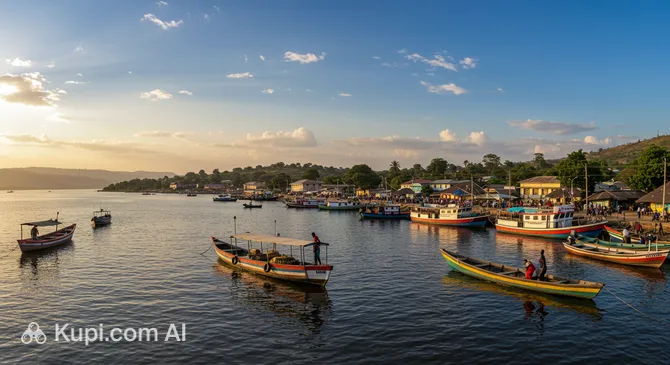
Musoma. Source: Kupi.Binoculars

Geographically, the city sits on a small peninsula jutting into the vast lake, providing stunning waterfront views and a pleasant climate that is often cooled by the lake breeze. With a population of over 100,000 residents, Musoma maintains a friendly, community-oriented atmosphere while serving as a vital commercial hub for the surrounding area.

Travelers interested in the past will find the history of Musoma fascinating, reflecting a rich tapestry of indigenous heritage and colonial influences. The town is particularly notable for its proximity to Butiama, the birthplace of the nation's founding father, Julius Nyerere, which adds a layer of historical significance to the region.

For visitors, the city offers several delightful experiences. You can hike up Mukendo Hill to enjoy panoramic views of the town and the shimmering lake waters, or relax at Tembo Beach to watch traditional fishing boats glide by at sunset. Additionally, Musoma serves as a convenient gateway for those heading to the western corridor of the world-famous Serengeti National Park.

Whether you are passing through on a safari adventure or looking for a peaceful lakeside retreat, Musoma welcomes you with warm hospitality and scenic beauty.

Weather Overview

Musoma enjoys a pleasant and stable climate year-round, largely influenced by its location on the shores of Lake Victoria. The weather is typically warm and inviting, though travelers should be prepared for regular rainfall depending on the season. Before heading out, it is a good idea to consult the detailed forecast for the weather in Musoma to plan your activities.

The city maintains remarkably consistent conditions, with average daily temperatures generally hovering between 23°C and 24°C. February is typically the warmest month, reaching an average of 23.9°C, while December is slightly cooler at 22.8°C. Evenings remain mild, with minimum temperatures rarely dropping below 20°C, ensuring comfortable nights for visitors.

Rainfall is a frequent occurrence, with distinct wet patterns throughout the year. The months of April and December are particularly notable for their precipitation, experiencing up to 24 wet days each. Conversely, the middle of the year offers a drier respite; July sees the fewest rainy days, with approximately 8 wet days. Overall, visitors can expect warm conditions with occasional rain showers, especially from November through May.

Interesting Facts

Beyond the shimmering waters of Lake Victoria, Musoma hides a treasure trove of stories that define its unique identity. From its descriptive name to its role in the life of a national hero, there are several intriguing details that often go unnoticed by the casual visitor.
  • The name of the city is deeply rooted in its geography; it is derived from the local word Omusoma, which translates to "a spit" or "a piece of land sticking into the water." This perfectly describes the peninsula upon which the town is built, jutting out into the lake.

  • While his birthplace is in nearby Butiama, the founding father of Tanzania, Julius Nyerere, actually began his formal education right here. He attended Mwisenge Primary School, a historic institution within the municipality that stands as a testament to his early years.

  • Mukendo Hill is more than just a scenic viewpoint; historically, it served as a strategic observation post during the colonial era. Its elevation provided a commanding view of the lake, allowing for the monitoring of approaching boats long before they reached the shore.

  • Musoma acts as a vibrant cultural melting pot for the Mara Region, serving as a home for approximately 12 different ethnic groups. This convergence creates a rich tapestry of traditions where the customs of tribes like the Kwaya, Jita, and Kuria blend into a unique urban community.

How to Get There

Reaching this lakeside town is an adventure that typically involves a combination of air and road travel, offering a chance to see the diverse landscapes of the Mara Region. While the town itself is a quieter administrative center, it is well-connected to larger regional hubs. For a detailed guide on all transport options, including bus schedules and driving directions, you can read more about how to get to Musoma.

The city of Musoma does not have a major international airport of its own; most travelers arrive via the Mwanza Airport (MWZ), which is located in the city of Mwanza. Situated approximately 141.5 km from Musoma, this is the most significant regional hub for commercial flights. From Mwanza, the journey by taxi or bus takes about 4 hours, offering scenic views of Lake Victoria along the way. This airport handles a significant volume of passengers annually, connecting the lake zone to Dar es Salaam and other major cities.

Another option, primarily for those on a safari circuit, is to fly into the airstrips of the Maasai Mara ecosystem. For instance, the Mara Lodges Airport (MRE) is located in Masai Mara, roughly 135 km from Musoma. The drive from there would theoretically take around 3 hours and 40 minutes, though travel times can vary significantly depending on road conditions and border crossings. Similarly, the Kichwa Tembo airstrip (KTJ) serves the same area and is about 139 km away.

For clarity, here is a summary of the main airports and airstrips in the vicinity:

Airport Name City Passenger Traffic Km from City
Mwanza Airport Mwanza Large 141.5
Maasai Mara (Olkiombo) Masai Mara Small 146.0
Mara Lodges Airport Masai Mara Small 134.9
Kichwa Tembo Masai Mara Small 138.6
Maasai Mara (Mara North) Masai Mara Small 153.0

Regarding rail transport, Musoma is not directly connected to the national railway network. The closest major railhead is in Mwanza, which serves as the terminus for the Central Line from Dar es Salaam and Dodoma. Travelers wishing to use the train would need to disembark in Mwanza and complete the remaining journey to Musoma by road. Buses and private taxis are readily available for this leg of the trip.

Main Attractions

Although Musoma is often viewed as a transit point, it possesses a quiet charm and several landmarks worth exploring. The town's layout, defined by the peninsula and the lake, creates natural attractions that offer both relaxation and a glimpse into the region's heritage.

One of the most prominent features of the city is Mukendo Hill. Standing as a sentinel over the town, this rocky outcrop offers the best vantage point in the area. A hike to the top is relatively easy and rewards visitors with breathtaking 360-degree views of the urban landscape meeting the vast expanse of Lake Victoria. It is an ideal spot for photography enthusiasts or anyone wishing to watch the sunset paint the sky over the water.

For those looking to unwind, Tembo Beach is the heartbeat of Musoma's social life. Located right on the shores of Lake Victoria, this area is perfect for a leisurely afternoon. Visitors can enjoy fresh tilapia at local eateries, watch traditional fishing dhows return with their catch, or simply relax by the water. The beach often hosts local events and music, providing a lively atmosphere where tourists can mingle with residents.

History enthusiasts should not miss the opportunity to visit the Mwalimu Julius K. Nyerere Museum Centre. While technically located in the nearby village of Butiama, a short drive from Musoma, it is the region's most significant cultural attraction. The museum is dedicated to the life and work of Tanzania’s founding father, Julius Nyerere. Visitors can tour his mausoleum, see his personal effects, and learn about the history of the nation's independence movement in a serene setting.

Nature lovers seeking a secluded escape can take a boat trip to Lukuba Island, situated just off the coast. This island sanctuary is known for its large granite boulders, lush vegetation, and abundant birdlife. It offers a stark contrast to the bustling town center and is a prime location for spot fishing or simply enjoying the tranquility of Lake Victoria's ecosystem.

Local Cuisine

Located on the shores of Lake Victoria, Musoma offers a culinary experience that is heavily influenced by the abundance of fresh water. The local gastronomy is simple, hearty, and revolves primarily around the daily catch brought in by the fishermen. For seafood lovers, this is a true paradise where the journey from the net to the plate is incredibly short, ensuring maximum freshness and flavor.

The undisputed king of the table in Musoma is Tilapia, locally known as Sato. It is widely regarded as the tastiest fish from the lake and is typically served deep-fried or stewed in a rich tomato and onion sauce. Another staple is the Nile Perch, or Sangara, which is often prepared as a fillet or in savory chunks. These fish dishes are almost always accompanied by Ugali, a stiff maize porridge that is the national staple of Tanzania. Eating with your hands is the norm here, using the ugali to scoop up the fish and sauce.

Beyond the large catch, visitors should try Dagaa, small sardine-like fish that are sun-dried and then cooked into a flavorful stew with spices and vegetables. This dish is nutrient-rich and deeply embedded in the local diet. For a quick and popular street food option, look for Chipsi Mayai, a comfort food classic consisting of french fries fried into an omelet, often served with a side of kachumbari (a fresh tomato and onion salad).

When it comes to beverages, the culture is laid-back and refreshing. Mornings usually start with a hot cup of Chai, tea often spiced with ginger or cardamom and sweetened generously. As the day heats up, locals and tourists alike gravitate towards cold sodas or local Tanzanian beers like Safari or Kilimanjaro, which are best enjoyed at a lakeside establishment while watching the sunset over the water.

The dining scene in Musoma ranges from casual street stalls, known as "Mama Ntilie," to relaxed open-air restaurants along the lakefront. The street stalls are the best places to interact with locals and find affordable, authentic meals like grilled meat skewers (Mishkaki) or roasted maize. Meanwhile, the beachside eateries offer a more tranquil atmosphere where you can savor your meal with a cooling lake breeze, making dining here as much about the setting as it is about the food.

Travel Tips

Preparing for a trip to Musoma means getting ready for a laid-back lakeside experience where local culture and natural beauty intertwine. To ensure your visit to this charming capital of the Mara Region is as smooth and enjoyable as possible, keep these practical tips in mind.

  1. Clothing and Gear: Musoma is generally warm and humid due to its proximity to Lake Victoria, so pack light, breathable fabrics like cotton or linen. However, modesty is highly valued in Tanzanian culture; avoid short skirts or revealing tops, especially when walking in town. Bring comfortable walking shoes for exploring Mukendo Hill and a light jacket for breezy evenings by the lake. A universal power adapter (Type G) is also essential for your electronics.
  2. Transportation: The most common and affordable way to get around the city is by Bajaji (auto-rickshaw) or Bodaboda (motorcycle taxi). They are plentiful and can navigate the smaller streets easily. Standard taxis are available but less common; you will usually find them at the bus station or major hotels. Always agree on the fare before starting your journey, as meters are rarely used.
  3. Finances: The currency is the Tanzanian Shilling (TZS). While some larger hotels may accept credit cards (Visa/Mastercard), cash is king in Musoma for restaurants, markets, and transport. There are several ATMs in the town center (look for banks like CRDB or NMB) where you can withdraw local currency. It is wise to carry smaller denominations for small purchases and tips.
  4. Health and Safety: Musoma is located in a malaria-endemic zone, so carrying strong insect repellent and sleeping under a treated mosquito net is crucial. Stick to drinking bottled water and avoid tap water or ice cubes in smaller establishments. Pharmacies, locally known as Duka la Dawa, are available in the town center for basic supplies, but for serious issues, the regional hospital is the main facility.
  5. Communication: Swahili is the primary language of daily life. While staff at hotels and tourist sites will speak English, it is less widely spoken in local markets and by transport drivers. Learning a few basic phrases like Habari (Hello) and Asante (Thank you) will go a long way. Buying a local SIM card (Vodacom, Airtel, or Tigo) is recommended for reliable internet access and navigation.
  6. Local Etiquette: Greetings are a vital part of social interaction here; it is considered rude to ask a question without first exchanging pleasantries. When greeting elders, using the respectful term Shikamoo is appreciated. Always use your right hand for eating, shaking hands, or passing items to others, as the left hand is traditionally considered unclean.
  7. What to Avoid: refrain from taking photographs of government buildings, police stations, or military personnel, as this is strictly prohibited. Additionally, avoid public displays of affection, which are culturally frowned upon. When photographing locals, always ask for permission first to show respect.
  8. Local Tip: For the freshest dinner in town, head to the beach areas in the late afternoon. You can often see the fishermen bringing in their catch of Tilapia and Nile Perch. Many local eateries near the water will grill the fish fresh for you—a simple yet unforgettable culinary experience that costs a fraction of what you would pay in a high-end restaurant.

By following these simple guidelines, you will find it easy to connect with the friendly residents of Musoma and immerse yourself in the relaxed rhythm of life on Lake Victoria. Enjoy your adventure in this welcoming corner of Tanzania!

Entertainment & Nightlife

Entertainment in Musoma reflects the town's laid-back, lakeside character. While you will not find the high-energy, neon-lit nightclubs typical of major metropolises like Dar es Salaam, the nightlife here is vibrant in its own authentic way. The evening scene revolves primarily around socializing, music, and enjoying the cooling breeze from Lake Victoria. As the sun sets, the atmosphere shifts from the bustle of commerce to a relaxed rhythm, often accompanied by the sounds of Bongo Flava and Rhumba music drifting from local speakers.

The heart of the action is undoubtedly along the lakefront. This is where locals and visitors congregate to unwind after a long day. The vibe is casual and welcoming, with no strict dress codes—smart casual or comfortable travel wear is perfectly acceptable everywhere. The most popular time to go out is Friday and Saturday night, though the beachside venues remain active throughout the week, particularly around sunset.

For a lively evening, the area around Tembo Beach transforms into a social hub. Here, you can find open-air bars and eateries where the drinks are cold and the fish is fresh. It is a fantastic place to mingle with residents. Another notable spot is Matvilla Beach, which often hosts events and offers a spacious setting for enjoying drinks by the water. For a slightly more quiet and upscale atmosphere, the bar at the Afrilux Hotel or the Orange Tree Hotel provides a comfortable environment to enjoy a cocktail or a cold Safari beer while chatting with fellow travelers.

When planning a night out, safety and logistics are straightforward but important. Musoma is generally safe, but it is advisable to avoid walking alone in poorly lit areas or on the outskirts of town after dark. The best way to get around at night is by using a Bajaji (auto-rickshaw) or a taxi. Drivers are usually easy to find near major hotels and the beach area, but it is wise to have your hotel arrange a trusted driver for your return trip. Prices are affordable, but always agree on the fare before hopping in.

Before the sun goes down, Musoma offers modest but enjoyable daytime entertainment. Apart from the popular hike up Mukendo Hill for panoramic views, visitors can explore the local markets which are bustling with activity. For a dose of culture and history, a trip to the nearby Mwalimu Nyerere Museum Centre in Butiama is the primary daytime excursion, offering deep insight into the nation's heritage before you return to town for an evening by the lake.

Parks & Museums

While Musoma may not boast an abundance of manicured botanical gardens or vast museum complexes, its charm lies in its raw natural beauty and deep historical significance. The city's "parks" are defined by the sweeping shoreline of Lake Victoria, and its cultural heritage is inextricably linked to the founding history of the nation, offering visitors a unique blend of open-air recreation and poignant historical education.

For those seeking relaxation and a connection with nature, Tembo Beach serves as the city's premier recreational space. Far more than just a sandy stretch, this area functions as a community park where locals and tourists alike gather to enjoy the cooling lake breeze. The beach is lined with trees and open spaces perfect for a leisurely stroll or a picnic while watching traditional dhows navigate the waters. It is a vibrant spot that captures the laid-back essence of the town, offering a front-row seat to some of the most spectacular sunsets in the region.

Another significant natural landmark is Mukendo Hill, which acts as a towering green sentinel over the municipality. Although it is a rugged natural formation rather than a landscaped garden, it is a favorite spot for hikers and nature enthusiasts. The climb to the top is rewarding, offering a peaceful escape from the town's bustle and providing a panoramic view of the peninsula jutting into the vastness of Lake Victoria. It is an excellent location for birdwatching and appreciating the diverse geography of the Mara Region.

In terms of cultural heritage, the most important institution for any visitor is the Mwalimu Julius K. Nyerere Museum Centre. Located just a short drive away in the village of Butiama, this museum is dedicated to the life and legacy of Tanzania's founding father, Julius Nyerere. The site includes his mausoleum, his personal residence, and a gallery displaying personal artifacts, gifts from world leaders, and documents that trace the country's path to independence. It provides a deeply moving and educational insight into the history of the nation.

Within Musoma town itself, Mwisenge Primary School stands as a historical monument of great importance. As one of the schools where Julius Nyerere studied, it is regarded with a sense of reverence similar to a living museum. The colonial-era architecture and the preservation of its history allow visitors to step back in time. While it is a functioning school, its significance to the local culture makes it a noteworthy stop for history buffs interested in the early life of the country's most revered figure.

For a truly authentic experience, consider taking a boat trip to Lukuba Island. This small island sanctuary offers a pristine natural environment featuring massive granite boulders and lush vegetation. It is a hidden gem for those looking to explore the lake's ecosystem up close, offering a quiet contrast to the mainland and a chance to spot monitor lizards and a variety of water birds in their natural habitat.

Getting Around

Navigating Musoma is a straightforward and authentic experience, as the city does not rely on complex heavy rail systems like metros, trams, or trolleybuses. Instead, the public transport network is informal, road-based, and deeply integrated into the daily rhythm of local life. The system is designed to be functional and affordable, connecting the town center with residential suburbs and nearby villages through a network of minibuses and smaller vehicles.

The backbone of public transportation here is the Daladala. These are minibuses that operate on set routes, typically starting and ending at the main bus terminal in the center of town. They are the most economical way to travel, often painted with colorful designs or slogans. While they do not have fixed timetables, they depart when full, which ensures a frequent stream of vehicles during peak hours. Destinations are usually displayed in the front window or shouted out by the conductor.

For a more direct and flexible mode of transport, Bajajis (auto-rickshaws) and Bodabodas (motorcycle taxis) are ubiquitous. Bajajis are three-wheeled vehicles that offer a bit more comfort and shade than motorcycles, making them ideal for short trips or carrying small amounts of luggage. Bodabodas are the fastest way to get around, capable of weaving through traffic and reaching areas where larger vehicles cannot go. They are found at almost every street corner.

The payment system in Musoma is entirely cash-based; there are no electronic travel cards, passes, or mobile apps for ticketing. For Daladalas, the fare is fixed and very low, usually collected by a conductor (known locally as a "konda") during the journey. It is essential to carry small denominations of the local currency, as conductors may struggle to change large notes. For Bajajis and Bodabodas, there are no meters. The fare must be negotiated and agreed upon with the driver before you start your journey.

Regular taxis (saloon cars) are available but are less visible on the streets compared to the smaller options. They do not cruise for passengers; instead, they park at specific designated stands, often near the central market, major hotels, or the bus station. They are significantly more expensive than other forms of transport and are best reserved for airport transfers, moving heavy luggage, or traveling at night when other options might be scarce.

Tourists should keep a few practical tips in mind to ensure a smooth journey. Public transport operates primarily from dawn until early evening. While Bodabodas run late into the night, Daladala services reduce significantly after sunset. If you choose to ride a motorcycle taxi, always insist on a helmet for your safety. Additionally, the town center is quite compact and flat, making walking a viable and pleasant alternative for exploring the main commercial areas and the lakefront.

Accommodation

Accommodation in Musoma is characterized by its modest charm and functional comfort, reflecting the town's status as a regional administrative center rather than a mass tourism hub. Visitors will not find sprawling all-inclusive luxury resorts or international 5-star chains here. Instead, the city offers a range of locally owned establishments, including budget guesthouses, comfortable mid-range hotels, and lodges that cater primarily to business travelers, government officials, and safari-goers passing through the region.

The available options can generally be divided into two main categories based on location and price. For those on a tight budget, the Town Center is dotted with numerous small guesthouses and lodges. These provide basic amenities and are incredibly convenient for accessing the bus station, local markets, and banks. However, they can be bustling and noisy during the day due to the commercial activity nearby.

For a more relaxed and scenic experience, the Lakefront area is the preferred choice for most tourists. Hotels situated along the shores of Lake Victoria offer a tranquil atmosphere, often featuring gardens, open-air restaurants, and balconies with sweeping views of the water. These establishments typically fall into the mid-range category and provide higher standards of comfort, including air conditioning, Wi-Fi, and secure parking. Staying by the lake allows you to enjoy the cooling breeze and watch the spectacular sunsets that Musoma is famous for.

Booking Tip: While accommodation is generally easy to find, the best hotels can fill up quickly during regional conferences, government events, or public holidays. If you have a specific lakefront hotel in mind, it is wise to book a few weeks in advance to secure a room with a view.

In terms of pricing, Musoma is very affordable compared to Tanzania's major tourist destinations. Most stays range from budget-friendly to moderate prices. While a few of the larger hotels are listed on major online booking platforms, many smaller establishments rely on direct bookings via phone or walk-ins. It is highly recommended to carry sufficient cash in Tanzanian Shillings, as credit card machines can be unreliable or unavailable in many lodgings.

Nearby Cities

While Musoma is a destination in its own right, its location in the Mara Region places it within a reasonable distance of several other key Tanzanian urban centers. These neighboring cities offer a mix of commercial bustle, cultural heritage, and distinct landscapes, ranging from the rocky outcrops of the "Rock City" to the agricultural heartlands of the interior. Exploring these towns provides a broader understanding of the Lake Zone's economic and social diversity.

Below is a list of the closest major cities, along with their distances and population estimates, to help you understand the regional geography:

City Name Distance (km) Population
Bariadi 145 155,620
Mwanza 149 706,453
Bukoba 223 128,796
Geita 232 99,795
Shinyanga 244 107,362

The most significant neighbor is undoubtedly Mwanza, located approximately 149 km away. Known affectionately as "Rock City" due to its massive granite boulders, it is the second-largest city in the country and the economic capital of the Lake Victoria region. For travelers in Musoma, it serves as the primary gateway for international transport, shopping, and entertainment. The drive between the two cities is scenic, skirting the edge of the Serengeti and passing through vibrant rural communities.

Heading inland, Bariadi serves as the capital of the Simiyu Region and is an important agricultural hub, particularly for cotton farming. Further afield lie the towns of Geita and Shinyanga, both renowned for their rich mineral resources. Geita is famous for its gold mines, while Shinyanga is historically associated with diamond mining and acts as a transit point to central Tanzania. Bukoba, situated on the western shore of the lake, offers a lush, tropical climate and a rich cultural history of the Haya people, though it is typically reached via a longer journey around the lake or by boat.

Shopping & Souvenirs

Shopping in Musoma offers an authentic glimpse into the daily life of the Mara Region, far removed from the glitz of high-end commercial centers. While you will not find sprawling luxury malls or international designer boutiques here, the town provides a genuine local trading atmosphere. Visitors can expect to find all the necessary essentials for their trip, along with vibrant markets that are perfect for picking up fresh produce, local textiles, and unique cultural items.

The commercial heartbeat of the city is concentrated in the Town Center, particularly along the streets radiating from the main bus station and the central market. This area is a bustling hive of activity where small shops, known locally as dukas, line the roads. These general stores sell everything from electronics and hardware to clothing and household goods. A stroll through this district allows travelers to experience the energetic commerce of a typical Tanzanian town.

Regarding shopping malls, travelers should adjust their expectations. Musoma does not feature large, Western-style shopping complexes. Instead, the retail landscape is dotted with several well-stocked supermarkets and small shopping plazas. These establishments are ideal for tourists looking to restock on toiletries, bottled water, snacks, and other travel necessities. They offer a more modern shopping environment compared to the street stalls and are usually air-conditioned.

The true highlight of the shopping scene is undoubtedly the Musoma Central Market. This sprawling marketplace is a sensory experience filled with the colors and scents of fresh fruits, vegetables, and spices. It is the best place to interact with friendly locals and observe the region's trade. Additionally, given the city's lakeside location, the Fish Market near the shore is a must-visit. Here, you can watch fishermen auctioning off the fresh catch of the day, including the famous Nile Perch and Tilapia, providing a fascinating look at the local economy.

For those seeking souvenirs, the best buys in Musoma are textiles. The region is a great place to purchase Kanga and Kitenge, the colorful patterned fabrics worn by women across East Africa. These cloths make excellent gifts or can be tailored into custom clothing. While Musoma is less tourist-centric than Arusha, you may also find locally crafted baskets, pottery, and simple wood carvings in the market stalls, reflecting the artistic traditions of the local ethnic groups.

Opening hours for most shops in the town center are generally from 8:00 AM to 6:00 PM, Monday through Saturday. Supermarkets may stay open a bit later. On Sundays, many smaller shops close, though the markets remain active, albeit at a slower pace. Payment is almost exclusively in cash (Tanzanian Shillings). While a few larger supermarkets might accept credit cards, it is essential to carry cash for markets and small stores. Mobile money services like M-Pesa are also widely used and accepted.

Visitors should note that Tax-Free shopping or VAT refund schemes are not available in Musoma. The prices you see are final, though bargaining is expected and welcomed in the open-air markets and smaller stalls. Engaging in a friendly negotiation is part of the culture and can often lead to a better price and a warm exchange with the shopkeeper.
Reached the end of the page?

That means the route is fully explored