Support

Pemba

About

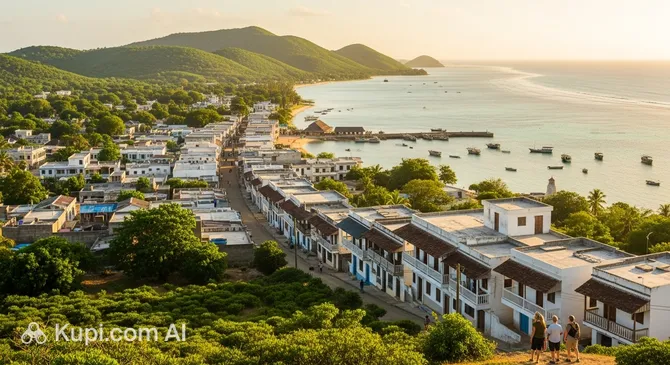
Pemba, often referred to as the "Green Island" or Al Jazeera Al Khadra, is a lush and hilly destination that offers a serene escape from the more commercialized tourist hubs. Unlike its famous neighbor Unguja (Zanzibar), this island preserves a laid-back atmosphere and deeply authentic Swahili culture. It is a captivating part of the Zanzibar Archipelago in Tanzania, renowned for its fertile soils and rolling landscapes.

Pemba. Source: Kupi.Binoculars

Geographically, the island is situated about 50 kilometers north of Zanzibar and features a coastline indented with mangroves and lagoons. With a population of approximately 84,000 in its main urban centers, the area maintains a close-knit community feel. The history of Pemba is inextricably linked to the spice trade; for centuries, the island has been a leading producer of cloves, and the scent of drying spices often fills the air, telling the story of its agricultural heritage.

Travelers are drawn to Pemba for its exceptional natural beauty and biodiversity. The waters surrounding Misali Island offer some of the most spectacular diving and snorkeling experiences in East Africa, boasting untouched coral reefs and abundant marine life. On land, the Ngezi Forest Reserve provides a glimpse into the indigenous rainforests that once covered the region. Whether you are looking for underwater adventures or a peaceful retreat amidst emerald hills, Pemba invites you to discover its hidden treasures.

Weather Overview

Pemba generally enjoys a warm, tropical climate that makes it an inviting destination throughout the year. The island experiences consistent heat with very little fluctuation, ensuring that the waters remain pleasant for swimming and diving at almost any time. For travelers wanting to pack appropriately for specific months, checking the detailed weather in Pemba is highly recommended.

The temperatures on the island are remarkably stable, typically ranging from 24°C to 28°C. The beginning of the year is usually the warmest period, with March reaching an average high of 27.9°C. In contrast, the coolest time of year falls around August, when the average temperature drops slightly to a comfortable 24.8°C.

Precipitation patterns are quite distinct, with specific months bringing significantly more rain than others. April is historically the wettest month in terms of frequency, seeing rain on up to 27 days, followed closely by May. Conversely, February is often the driest month, recording as few as 4 wet days, making it an excellent time for uninterrupted beach activities.

Interesting Facts

Beyond the main attractions, Pemba holds many fascinating secrets that distinguish it from the rest of the archipelago. The island is a treasure trove of unique traditions and rare wildlife, offering stories that go far beyond its reputation as a diving destination.

  • The Center of Traditional Medicine: Pemba is famously known throughout East Africa as a major hub for traditional healing and "white magic." For centuries, people have traveled here from the mainland and neighboring islands specifically to consult with local healers, earning it the nickname "The Magic Island."

  • A Unique Form of Bullfighting: A legacy of the 17th-century Portuguese presence, the island hosts its own version of bullfighting. Unlike the Spanish tradition, the Pemban sport is strictly a test of skill and agility; the bulls are revered, never killed or injured, and the event is treated as a festive community game.

  • Home of the Flying Fox: The island is the exclusive habitat of the Pemba Flying Fox, a large fruit bat with a wingspan that can reach up to 1.6 meters. Once critically endangered, these impressive creatures have made a comeback and can often be seen roosting in large colonies in the Tanzania forest reserves.

  • The True Spice Capital: While the entire region is famous for spices, Pemba is actually the primary producer of cloves in the archipelago. It yields a significantly larger harvest than its more famous neighbor, Unguja, with millions of clove trees shaping the island's lush, rolling landscape.

How to Get There

Reaching the serene shores of Pemba is an exciting start to your journey, with options typically involving a connection through major regional hubs. Most visitors arrive by air or sea, enjoying scenic views of the Indian Ocean along the way. For a detailed guide on all available transport methods and routes, you can read more about how to get to Pemba.

The most direct entry point for air travelers is Wawi Airport (PMA), which is conveniently located on the island itself in the city of Pemba. This regional hub handles domestic flights and is the primary gateway for those flying directly to the destination. It is situated approximately 25 km from the main areas of the city. A trip by taxi or shuttle bus from the airport to the city center usually takes about 60 minutes, depending on road conditions.

International travelers often land first at Zanzibar International Airport (ZNZ) (IATA: ZNZ), located in Zanzibar City. This is a major international airport situated about 145 km from Pemba. Since it is located on a neighboring island, you cannot reach Pemba directly by taxi; instead, you can take a short connecting flight or a ferry to complete your journey. This airport serves a large volume of passengers annually and offers a wide range of international connections.

For clarity, here is a summary of the main airports:

Airport Name City Passenger Traffic Km from City
Zanzibar International Airport Zanzibar City Large 145.1
Moi International Airport Mombasa Large 112.1
Ukunda Airport Ukunda Medium 84.8
Wawi Airport Pemba Medium 25.2
Tanga Airport Tanga Small 78.3

The city of Pemba does not have a railway station, and there is no train network on the island. Visitors rely on flights and ferries to reach the destination. Once you arrive, local taxis, hired cars, and daladalas (minibuses) are the most common ways to navigate the island's roads.

Main Attractions

Pemba offers a distinct array of attractions that cater primarily to nature enthusiasts, divers, and those intrigued by Swahili history. Unlike the bustling tourist spots of nearby islands, the landmarks here are serene, untouched, and deeply connected to the natural environment. From ancient ruins hidden in lush vegetation to pristine marine parks, the island invites you to explore its unique heritage and biodiversity.

Misali Island is arguably the jewel of Pemba's tourism, located just off the west coast. Part of the Pemba Channel Conservation Area, this uninhabited island is surrounded by some of the finest coral reefs in East Africa. It is a paradise for snorkelers and divers, offering crystal-clear waters teeming with vibrant marine life and sea turtles. Beyond the water, the island has nesting sites for turtles and a history intertwined with pirate legends, making it a perfect day-trip destination for adventure and relaxation.

For a journey into the island's lush interior, the Ngezi Forest Reserve is a must-visit. Located on the northwestern tip of Pemba, this double-canopy forest is a remnant of the indigenous rainforest that once covered the island. It provides a sanctuary for rare species, including the endemic Pemba Scops Owl and the playful Pemba Vervet Monkey. Nature trails wind through towering trees and dense ferns, offering visitors a chance to experience the "Green Island" in its most primal form.

History buffs will find the Mkama Ndume Ruins at Pujini fascinating. These are the remains of a fortified citadel built in the 15th century by a local ruler known as Mkama Ndume. The site is unique in Swahili architecture due to its massive ramparts and defensive trenches. Visiting these atmospheric ruins offers a glimpse into the island's past power struggles and the mysterious life of the "Lonely King" who once ruled from this fortress.

Another captivating natural site is the Kidike Flying Fox Sanctuary near the village of Kangagani. This sanctuary is dedicated to the protection of the Pemba Flying Fox, a bat species endemic to the island with an impressive wingspan. A specially constructed viewing platform allows visitors to observe thousands of these bats roosting in the trees. It is a rare opportunity to see such a large concentration of these creatures in their natural habitat, highlighting Pemba's success in wildlife conservation.

Local Cuisine

The culinary landscape of Pemba is a delightful reflection of its nickname, the "Green Island," and its history as a spice hub. The local cuisine is deeply rooted in Swahili traditions, blending African, Arabian, and Indian influences with the abundance of fresh produce harvested from the island's fertile soil and surrounding ocean. Unlike the more commercialized dining scene in Zanzibar's Stone Town, food here is authentic, home-cooked, and bursting with natural flavors.

Seafood is the undisputed star of the Pemban table. The daily catch often includes kingfish, tuna, lobster, and octopus, which are typically prepared with rich aromatic spices. A must-try dish is Octopus Curry (Mchuzi wa Pweza), simmered gently in thick, creamy coconut milk and flavored with turmeric and coriander. Another staple is Pilau, a fragrant rice dish cooked with a mixture of cloves, cardamom, cinnamon, and black pepper—spices that are often grown right on the island.

Due to the island's lush vegetation, fruit lovers will find themselves in paradise. Pemba produces some of the sweetest tropical fruits in the archipelago, including jackfruit, durian, and countless varieties of mangoes and bananas. Visitors should also look out for Pemba Honey, which is harvested from the wild mangroves and forests; it has a distinct, rich flavor and is often served with breakfast or used as a natural sweetener.

When it comes to beverages, Madafu (fresh coconut water) is the ultimate thirst quencher, available almost everywhere along the roadsides. For a warm drink, locals enjoy Kahawa, a strong spiced coffee traditionally served in small cups and accompanied by Halua, a gelatinous sweet treat made from sugar and sesame. While alcohol is served in tourist resorts and hotels, it is less common in local eateries due to the predominantly Muslim culture, where fresh juices and sodas are the norm.

The food culture in Pemba is laid-back and communal. While there are few standalone restaurants outside of the hotels, the best way to experience local life is to visit the small market stalls and street food vendors in towns like Chake Chake. Here, you can sample freshly grilled cassava, skewers of meat (Mishkaki), and fried breads like Chapati or Mandazi, offering a genuine taste of the island's daily rhythm.

Travel Tips

Welcome to Pemba! Visiting this lush, untouched island is a unique adventure that differs significantly from the more developed tourist trails of nearby Zanzibar. To help you navigate the "Green Island" with ease and respect for its authentic culture, here are some practical tips for your journey.

  1. Clothing and Cultural Modesty: Pemba has a conservative Muslim culture, so it is important to dress respectfully when venturing outside your resort. While swimwear is fine at the hotel beach, you should wear loose-fitting clothes that cover your shoulders and knees when visiting towns like Chake Chake or local villages. Lightweight, breathable fabrics like cotton or linen are ideal for the tropical heat.

  2. Transportation Options: Public transport consists mainly of daladalas (minibuses), which are cheap and authentic but can be crowded and slow. For comfort and flexibility, it is best to hire a taxi or arrange transfers through your hotel. If you are adventurous, you can rent a car, but be aware that some roads are unpaved and rough, so a 4x4 is recommended.

  3. Managing Finances: Cash is king on the island. The local currency is the Tanzanian Shilling (TZS). ATMs are scarce and primarily located in Chake Chake, so it is crucial to withdraw enough cash before heading to remote lodges. While major hotels accept credit cards, smaller shops and local restaurants usually do not. It is also wise to carry small bills for tips and minor purchases.

  4. Health and Safety: Pemba is generally very safe, but standard precautions apply. Malaria is present in Tanzania, so bring strong insect repellent and consider sleeping under mosquito nets. Pharmacies are basic and mostly found in the main towns, so pack a personal medical kit with essentials like painkillers, antiseptics, and any prescription medications you need. Always drink bottled or filtered water.

  5. Communication and Connectivity: Swahili is the main language. While staff at tourist lodges speak English, it is less widely spoken in rural areas. Learning a few basic phrases like Jambo (Hello) and Asante (Thank you) will go a long way with the friendly locals. For mobile data, purchasing a local SIM card (Zantel often has the best island coverage) is recommended, as Wi-Fi can be intermittent.

  6. Local Etiquette: Greetings are an essential part of the culture; it is polite to greet people before asking a question. Always ask for permission before taking photos of residents, especially women. Public displays of affection should be avoided, as they are considered inappropriate in the local culture.

  7. What to Avoid: Do not consume alcohol in public spaces outside of tourist resorts, as this is offensive to local norms. Also, avoid walking on the reef without protective footwear, as sea urchins are common and can cause painful injuries.

  8. Watch the Tides: This is a crucial tip for beach lovers. The tides in the archipelago vary dramatically, and at low tide, the water can recede by hundreds of meters, making swimming impossible in some areas. Check the local tide charts daily to plan your snorkeling and swimming activities accordingly.

By keeping these tips in mind, you will be well-prepared to embrace the slow pace and genuine hospitality that define this beautiful island. Enjoy the pristine nature and the warm welcome that awaits you in Pemba!

Entertainment & Nightlife

Travelers seeking the vibrant, thumping nightlife found in Stone Town or Nungwi on the main island of Zanzibar might find Pemba surprisingly quiet. This island is renowned for its tranquility, and its evening entertainment reflects that laid-back atmosphere. "Nightlife" here is less about neon lights and DJs, and more about spectacular sunsets, stargazing, and intimate gatherings. The rhythm of the night is dictated by the ocean tides and the rustling palm trees rather than the beat of music, making it a perfect destination for those looking to disconnect and unwind.

The primary hubs for evening entertainment are the hotels and resorts, particularly those located along the western and northern coasts. Since the local culture is predominantly Muslim and conservative, alcohol is generally not sold in stand-alone bars or shops in the towns. Instead, visitors tend to congregate at resort bars such as the jetty bar at Fundu Lagoon, which is accessible by boat and offers a stunning setting for sundowners. Another popular spot for a relaxed evening drink is the lounge area at The Manta Resort, where guests can share stories of their underwater adventures. These venues usually operate with a "resort casual" dress code and close relatively early, often around 10:00 PM or 11:00 PM.

For a taste of local culture, the towns of Chake Chake and Wete offer a different kind of evening buzz. While you won't find nightclubs here, the streets come alive after dusk with residents enjoying the cooler air. The area around the main market in Chake Chake is a good place to experience this. You can join locals for a cup of spiced coffee (kahawa) and sweet halua, or sample street food like grilled cassava and fresh juices. It is a sober, friendly atmosphere where the entertainment lies in people-watching and soaking in the authentic Swahili island life.

Practical planning is essential for nights out in Pemba. Public transport stops running after sunset, and street lighting is minimal to non-existent outside the main towns. If you plan to leave your hotel for dinner or a visit to another lodge, you must pre-arrange a taxi with your reception desk to ensure you have a ride back. Walking between villages at night is not recommended due to the lack of visibility and the risk of getting lost on unlit paths. Generally, the island is very safe, but sticking to hotel grounds or designated transport is the wisest choice for tourists.

During the daylight hours, entertainment options shift towards cultural and historical exploration. Before the sun goes down, visitors can explore the Pemba Museum in Chake Chake, which is housed in an old Omani fort and offers fascinating insights into the island's history, from Portuguese occupation to the spice trade. Bustling daytime markets and visits to clove plantations also provide lively alternatives to the quiet evenings, rounding out the travel experience on this serene green island.

Parks & Museums

Parks & Museums:

Pemba is a destination where "parks" are defined by untamed rainforests and marine conservation areas rather than manicured city gardens, and "museums" are often ancient ruins standing under the open sky. The island's cultural and natural heritage is incredibly rich, offering visitors a chance to explore protected wilderness and historical sites that date back over a thousand years.

Ngezi Forest Reserve is the most significant protected area on the island, located in the northwest. It represents one of the last remaining areas of indigenous forest that once covered much of East Africa. While it is a primary attraction for nature lovers, it functions as a vital park for the island, featuring well-marked nature trails like the Joshi Trail. Walking here immerses you in a verdant world of giant mahogany trees, rare orchids, and ferns, offering a cool, shaded retreat from the tropical heat.

Another crucial natural sanctuary is the Misali Island Marine Conservation Area. Although separated from the main island by a short boat ride, it acts as a protected marine park. It is strictly a non-fishing zone, which allows the coral gardens to flourish undisturbed. For tourists, this is the ultimate spot for eco-tourism, providing a pristine environment for snorkeling and diving where the underwater biodiversity is the main exhibit.

For those seeking insight into the island's past, the Pemba Museum in Chake Chake is the central institution for cultural history. Housed within an 18th-century Omani fort, the museum is small but packed with significance. Its collection includes artifacts from the Portuguese era, traditional Swahili household items, and displays detailing the history of the spice trade. It provides excellent context for understanding the diverse influences that have shaped the archipelago.

The island acts as an open-air museum through its numerous archaeological sites, most notably the Ras Mkumbuu Ruins located on the tip of the long peninsula west of Chake Chake. These ruins are believed to be the remains of the ancient settlement of Qanbalu, dating back to the 10th century or earlier. Visitors can explore the remnants of a large mosque and pillar tombs, which serve as silent testaments to the island's early role in Indian Ocean trade networks.

Among the architectural landmarks, the Ras Kigomasha Lighthouse stands out on the northernmost tip of the island. Built by the British in 1900, this iron structure is still operational today. Unlike many historical monuments that are purely decorative, this rugged lighthouse continues to guide ships. Adventurous visitors can often climb to the top for a panoramic view of the coastline and the vast ocean beyond.

For a truly authentic experience, seek out the Mkame Ndume Ruins near Pujini. While often listed as an attraction, the site feels like a hidden secret. It is the only known fortification on the Swahili coast, built by a local tyrant in the 15th century. The atmosphere here is thick with legends of cruelty and power, and the surrounding ramparts offer a hauntingly beautiful glimpse into a forgotten chapter of Tanzania history.

Insider Tip: If you are interested in the "Green Island's" agricultural heritage, visit the Zanzibar State Trading Corporation (ZSTC) clove oil distillery in Chake Chake. While not a traditional museum, it offers a fascinating industrial tour where you can see how cloves are processed into essential oils, a trade that has been the economic backbone of Pemba for generations.

Getting Around

Navigating Pemba requires a shift in expectations from the structured public transport systems found in major global metropolises. The "city" area, primarily centered around Chake Chake and Wete, does not possess a metro, tram, or railway network. Instead, the public transport system is informal, colorful, and deeply integrated into the local way of life. The backbone of getting around is the ubiquitous daladala. These are typically minibuses or, in more rural areas, open-backed trucks fitted with wooden benches and a canvas roof. They serve as the primary link between the main towns and outlying villages.

For travelers accustomed to strict timetables and digital ticketing, the system here operates on a more organic schedule. Daladalas generally do not have fixed departure times; instead, they leave the terminal only when they are full. This can sometimes mean a wait of fifteen minutes or over an hour, depending on the route and time of day. The main terminals are bustling hubs of activity where you can find vehicles heading to almost any corner of the area. Destinations are usually displayed in the front window or shouted out by the conductor.

The payment system is entirely cash-based. There are no travel cards, passes, or mobile apps for public transport. Fares are remarkably low and are collected by the konda (conductor) during the journey. Prices are fixed for specific routes, but it is highly recommended to carry small denominations of the local currency, as conductors often struggle to change large bills. It is polite to pay the exact amount if possible. Tourists are generally charged the same as locals, provided they know the approximate fare, so observing what others pay is a good strategy.

For those seeking more comfort or privacy, taxis are a viable alternative. They are readily available in the main urban centers and at the airport. unlike the public buses, taxis do not have meters, so the fare must be negotiated and agreed upon before getting into the car. It is advisable to ask your hotel or a local shopkeeper for a ballpark figure for your destination to ensure you negotiate a fair price. Taxis can be hired for a single trip or for a full day of sightseeing, offering the flexibility to stop whenever you please.

Another popular and agile option for short distances is the boda-boda, or motorcycle taxi. These are perfect for navigating narrow streets or making quick trips within the town. While they are the fastest way to get around, safety standards vary. If you choose this mode of transport, always insist on a helmet and ensure the driver does not speed. It is a thrilling way to see the surroundings, with the wind in your face and an unobstructed view of the scenery.

Tourists should be aware that public transport operating hours are limited. Daladalas and most rural transport options stop running shortly after sunset, typically around 6:00 PM to 7:00 PM. If you plan to be out for dinner or exploring late, you must arrange a private taxi for your return journey in advance. Additionally, renting a car or a scooter is an option for independent travelers, though you will need a temporary driving permit, which can usually be arranged by the rental agency.

Accommodation

Accommodation in Pemba offers a refreshing contrast to the large-scale tourism developments found elsewhere in the archipelago. The options here are defined by their intimacy and connection to nature, ranging from exclusive eco-lodges and luxury diving resorts hidden along the coastline to basic guesthouses situated in the bustling towns. The atmosphere is generally quiet and secluded, catering to honeymooners, divers, and travelers seeking a peaceful retreat rather than a party scene.

When choosing where to stay, the location will largely dictate your experience. The North and West Coasts, particularly around the Kigomasha Peninsula, are the most popular areas for leisure travelers. These locations offer stunning sunsets, pristine beaches, and immediate access to the best diving spots. In contrast, the town of Chake Chake serves as the island's central hub. It is the most convenient area for budget travelers and those relying on public transport, offering simple lodgings that place you right in the heart of local Swahili life.

For those seeking world-class experiences, the island is home to several iconic properties. The Manta Resort is globally renowned for its unique underwater room, offering guests the rare opportunity to sleep surrounded by the ocean's marine life. Another standout is Fundu Lagoon, a remote sanctuary accessible only by boat. This resort features tented safari-style rooms that blend seamlessly into the surrounding mangroves and hills, providing the ultimate "castaway" luxury experience.

Booking Tip: Due to the boutique nature of Pemba's resorts, many have a limited number of rooms. It is highly advisable to book well in advance, especially if you plan to visit during the peak dry seasons (July to October and December to March). Furthermore, since many lodges are located in remote areas, you should always arrange your airport or ferry transfer with the hotel prior to your arrival.

The cost of accommodation varies significantly depending on the level of comfort. Budget options, primarily found in towns like Chake Chake and Wete, typically range from $20 to $50 USD per night and are often best paid for in cash. Mid-range to luxury resorts can range from $150 to over $600 USD per night. These higher-end establishments usually operate on an all-inclusive basis due to their isolation and can be easily booked through major online travel platforms or direct websites.

Nearby Cities

For those looking to explore the surroundings, Pemba serves as an excellent base for day trips to several interesting nearby locations:

One of the most accessible and historically rich destinations is Tanga, located on the mainland coast directly west of Pemba. As the closest major city, it offers a fascinating mix of German colonial history and natural wonders. Visitors are often drawn to the nearby Amboni Caves, the most extensive limestone cave system in East Africa, and the ancient Tongoni Ruins, which feature 15th-century mosques and tombs. It provides a quieter, more cultural experience compared to the busier tourist hubs.

For a complete change of pace, a short flight or ferry ride south brings you to Zanzibar City on Unguja Island. The heart of this city is the world-famous Stone Town, a UNESCO World Heritage site known for its winding alleys, carved wooden doors, and vibrant spice markets. While Pemba is celebrated for its nature and solitude, Zanzibar City offers a bustling atmosphere filled with history, shopping, and diverse culinary experiences, making it perfect for a lively excursion.

Although a bit further, the bustling metropolis of Dar es Salaam is reachable for those willing to take a quick flight. As the commercial capital of the country, it presents a sharp contrast to the island life of Pemba. Here, travelers can explore the National Museum, shop at the chaotic yet colorful Kariakoo Market, or enjoy the modern amenities and restaurants of the Masaki peninsula.

City Population Distance (km)
Dar es Salaam 7962000 205
Tanga 243580 75
Morogoro 207000 307
Zanzibar City 205870 141
Kibaha 128488 242

These nearby destinations offer a glimpse into the diverse culture and landscapes of the region.

Shopping & Souvenirs

Shopping in Pemba offers a delightfully authentic experience that stands in stark contrast to the commercialized retail scenes found in many global tourist destinations. You will not find sprawling shopping malls, high-end fashion boutiques, or international chain stores here. Instead, the "Green Island" invites you to explore modest local shops and bustling open-air markets where the focus is on fresh produce, daily necessities, and the island's famous agricultural products. It is an opportunity to engage directly with local traders and immerse yourself in the slow, rhythmic pace of Swahili life.

The main commercial hubs are located in the island's two largest towns: Chake Chake and Wete. Chake Chake, located in the center of the island, serves as the primary business district. Its main streets are lined with small shops, known locally as dukas, which sell everything from textiles and electronics to household goods. A stroll through the town center reveals a vibrant atmosphere where locals conduct their daily business, offering travelers a genuine glimpse into the island's culture.

There are no Western-style shopping malls in Pemba. Visitors looking for imported luxury goods or extensive department stores will not find them here. The retail landscape is dominated by small, family-run businesses and roadside stalls. If you require specific toiletries, medications, or specialized equipment, it is highly advisable to bring them with you from the mainland or Zanzibar City, as availability on the island can be limited.

The heart of the shopping scene lies in the local markets. The central market in Chake Chake is a sensory adventure, filled with the vibrant colors of tropical fruits like mangoes, jackfruit, and bananas, alongside piles of fresh vegetables. The fish markets are equally fascinating, especially in the mornings when fishermen bring in their daily catch of tuna, kingfish, and octopus. These markets are not designed for tourists but are functional spaces for the community, making a visit there a truly immersive cultural experience.

When it comes to souvenirs, Pemba is best known for its spices. As the "Clove Island," it produces the majority of Tanzania's cloves. You can buy high-quality dried cloves, cinnamon, cardamom, and black pepper directly from the markets at a fraction of the price you would pay elsewhere. Another unique buy is essential oils, particularly clove and lemongrass oil, often available near the distillery in Chake Chake. For a taste of the island's wild side, look for jars of rich, dark Pemba honey, harvested from the local forests.

Colorful textiles are another popular purchase. You can find beautiful Kangas and Kitenges—traditional East African fabrics featuring bold patterns and Swahili proverbs—in the fabric shops of Wete and Chake Chake. These make for excellent, lightweight gifts or can be used as sarongs during your beach holiday. Handwoven mats and baskets made from palm fronds are also available, showcasing the craftsmanship of local artisans.

Store hours are generally from around 8:00 AM to 6:00 PM, though many smaller shops may close for a few hours in the afternoon during the hottest part of the day or for Friday prayers, given the island's predominantly Muslim culture. Cash is the only accepted payment method in markets and almost all shops. Credit cards are virtually useless outside of major hotels, so ensure you withdraw enough Tanzanian Shillings (TZS) from the ATMs in Chake Chake before heading out to shop.

Tax-free shopping and VAT refunds are not applicable for the types of goods and markets found on Pemba. Prices are usually fixed in shops, but polite bargaining is common and expected in the open markets. Approach it with a smile and a friendly attitude, and you will likely find the vendors happy to engage with you.
Reached the end of the page?

That means the route is fully explored