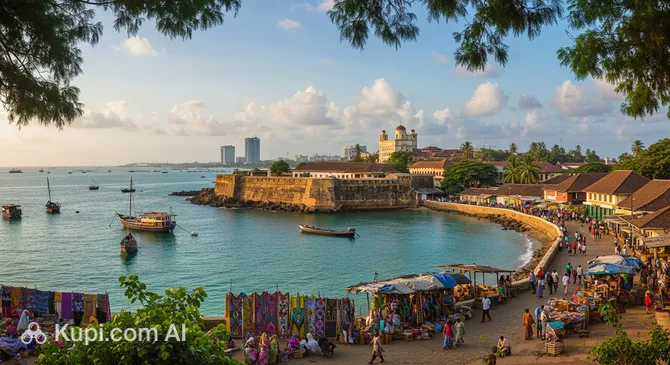
Welcome to Mombasa, a captivating coastal metropolis that serves as a vibrant tourism hub for the region. As the second-largest city in Kenya, it offers a unique blend of ancient traditions and modern life. With a population exceeding 1.2 million residents, this bustling port city is renowned for its exotic atmosphere, where African, Arab, and European influences merge seamlessly along the warm shores of the Indian Ocean.
Mombasa. Illustration.
Source: Kupi.com AI
Geographically, the heart of the city is located on an island connected to the mainland by bridges and ferries, enjoying a humid tropical climate that makes it a popular destination for sun-seekers throughout the year. Those interested in the history of Mombasa will discover a fascinating timeline of maritime trade and cultural exchange that has deeply shaped the local Swahili identity. A walk through the narrow, winding streets of the Old Town reveals beautifully carved doors and the lingering scent of spices, transporting visitors back in time.
The city is home to several must-see attractions, including the iconic Fort Jesus, a UNESCO World Heritage site that stands guard over the harbor. Beyond its historical heritage, Mombasa is the gateway to pristine white-sand beaches like Nyali and Bamburi, which are perfect for relaxation and water sports. Whether you are looking to explore rich cultural landmarks or simply unwind by the turquoise waters, this coastal gem invites you to experience its unparalleled charm.
Weather Overview
Mombasa enjoys a tropical climate with warm temperatures throughout the year, making it a popular destination for beach lovers and sun-seekers. The weather in Mombasa remains consistently inviting, with average monthly temperatures generally ranging from 24°C to 29°C. The heat peaks early in the year, particularly from January to March, when daily maximums can reach nearly 33°C, creating a hot and humid atmosphere perfect for swimming.
Travelers should plan around the region's rainfall patterns to make the most of their trip. The months of April and May are typically the wettest in terms of frequency, seeing rain on up to 26 days, while November also experiences a high number of wet days. In contrast, February is usually the driest month, offering the most consistent sunshine with only about 5 days of rain. Even during the cooler season in July and August, minimum temperatures rarely drop below 22°C, ensuring comfortable conditions for exploring the city day or night.
Average monthly temperature
Average monthly precipitation
Interesting Facts
Beyond the main attractions, Mombasa holds many fascinating secrets and historical curiosities that surprise even seasoned travelers. This coastal city is not just a beach destination but a place where architectural marvels and unique wildlife stories come to life.
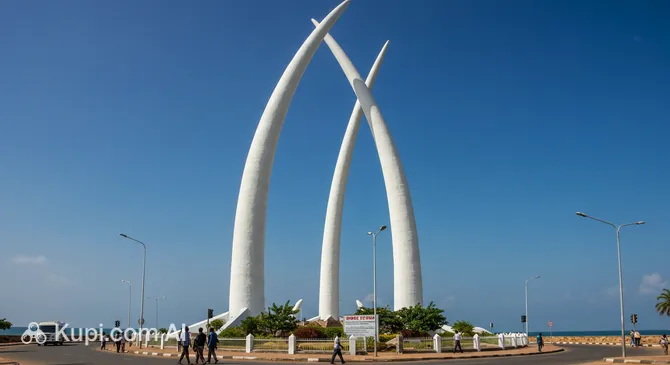
The iconic Mombasa Tusks on Moi Avenue were originally constructed in 1952 to commemorate a visit by Princess Elizabeth. Interestingly, these aluminum structures are not just decorative arches; they form the letter "M" for Mombasa and mark the symbolic entrance to the heart of the city.
The Fort Jesus Museum is an architectural masterpiece designed by Giovanni Battista Cairati. Viewed from the air, the fortress was intentionally built in the shape of a human body, reflecting the Renaissance ideal that the human form represents perfect architectural proportions.
For wildlife enthusiasts, Mamba Village is known as East Africa's largest crocodile farm. It is home to "Big Daddy," a legendary crocodile who is over 100 years old and notorious for his immense size and aggressive history before being brought to the sanctuary.
The Bombolulu Workshop and Cultural Centre offers more than just handicrafts; it features traditional homesteads representing Kenya's diverse ethnic groups. This allows visitors to experience the architectural styles and village life of different tribes all in one location.
Mombasa Tusks. Illustration.
Source: Kupi.com AI
Traveler photos:
How to Get There
Reaching this coastal metropolis is straightforward, with several convenient options depending on your starting point and travel preferences. For a detailed overview of all routes, you can read more about how to get to Mombasa to help plan your journey. The region is well-served by air, making it easily accessible for both domestic and international travelers.
The most direct way to arrive is via Moi International Airport (MBA), which is located within the city itself. As a major hub handling significant passenger traffic, it welcomes flights from around the world. The airport is situated approximately 8.3 km from the city center, and a taxi or transfer typically takes about 35 minutes, depending on traffic conditions.
Alternatively, travelers can fly into Ukunda Airport (UKA), located in the nearby town of Ukunda. While this airport is smaller, it is a popular choice for those heading to the southern coast. It is about 30 km from Mombasa, and the journey by road generally takes around 1 hour and 5 minutes. Another option is Malindi Airport (MYD) in Malindi, though it is further away at approximately 102 km. The drive from Malindi to Mombasa takes roughly 2 hours and 50 minutes.
For clarity, here is a summary of the main airports:
Mombasa offers a diverse array of sights that cater to history buffs, beach lovers, and culture seekers alike. From ancient fortifications to pristine coastlines, the city's landmarks tell the story of its rich heritage and vibrant modern life. Exploring these key locations provides a deeper understanding of the coastal spirit that defines this unique Kenyan destination.
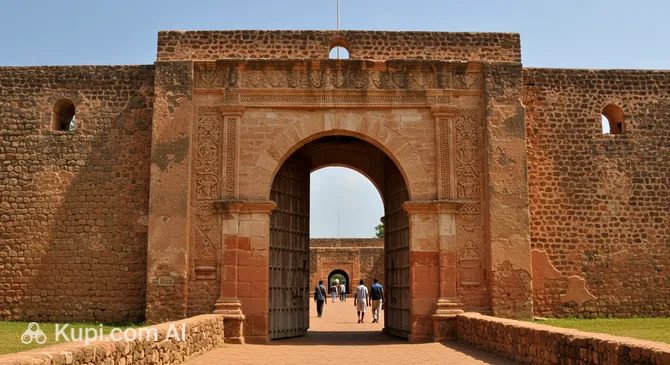
Undoubtedly the most famous historical site in the city is the Fort Jesus Museum. Built by the Portuguese in 1593 to protect the port of Mombasa, this UNESCO World Heritage site is a stunning example of 16th-century military architecture. Today, it stands as a museum housing a vast collection of ceramics and pottery reflecting the various cultures that have traded along the coast. Walking through its ancient walls offers a glimpse into the battles and alliances that shaped the region's history.
Fort Jesus Museum. Illustration.
Source: Kupi.com AI
Traveler photos:
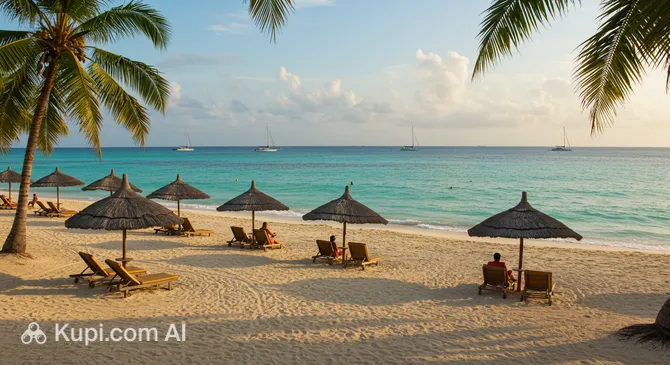
For those looking to relax by the ocean, Nyali Beach is a top choice. Renowned for its powdery white sands and calm turquoise waters, it is less crowded than some of the other public beaches, offering a serene environment for sunbathing and swimming. The beach is bordered by lush gardens and high-end hotels, making it a picturesque spot for a morning jog or a leisurely evening stroll along the Indian Ocean.
Nyali Beach. Illustration.
Source: Kupi.com AI
Traveler photos:
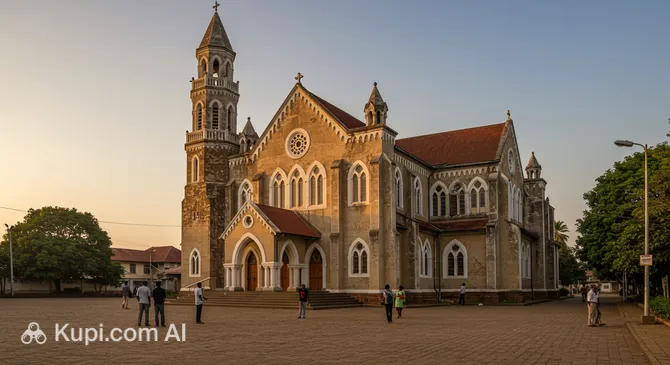
A significant landmark representing the city's religious diversity is the Holy Ghost Cathedral. This architectural gem, with its distinct Romanesque style, has served the local Catholic community for roughly a century. Its painted ceilings, stained glass windows, and imposing structure make it a fascinating stop for visitors interested in historical buildings and spiritual heritage in the heart of the city.
Holy Ghost Cathedral. Illustration.
Source: Kupi.com AI
Traveler photos:
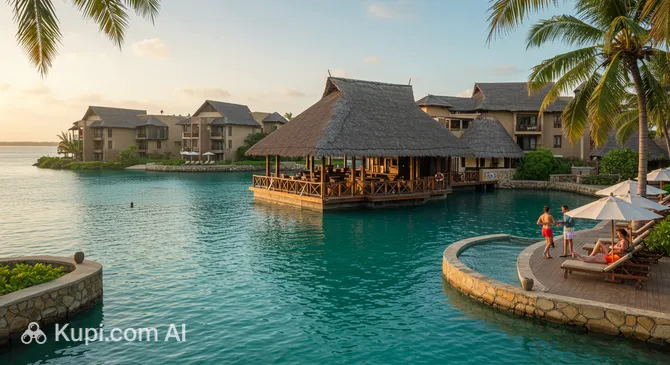
To experience the modern face of Mombasa, a visit to the English Point Marina is highly recommended. This contemporary development offers spectacular views of the Old Town and the harbor across the creek. It is a fantastic place to enjoy a meal at one of the waterfront restaurants, watch the sunset, or simply admire the luxury yachts docked at the pier, contrasting beautifully with the traditional dhows sailing nearby.
English Point Marina. Illustration.
Source: Kupi.com AI
Traveler photos:
Local Cuisine
The culinary scene in Mombasa is a tantalizing fusion of African, Arab, and Indian influences, creating a unique Swahili flavor profile that is renowned across East Africa. The city is famous for its rich, spice-laden dishes, with Biryani and Pilau being the undisputed stars of the local menu. These fragrant rice dishes, often cooked with marinated meat and a blend of cardamom, cloves, and cinnamon, are a staple at celebrations and local eateries alike. Seafood lovers will also find themselves in paradise, as fresh catches like grilled tilapia, lobster, and prawns are prepared with coconut milk and tamarind to create mouthwatering curries.
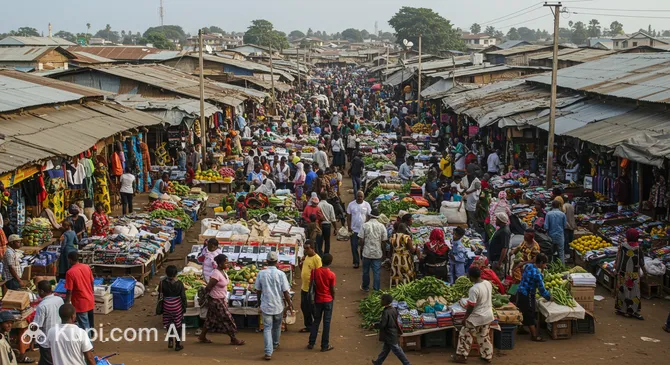
Street food is an integral part of the city's food culture, offering a delicious and affordable way to explore local tastes. As you wander through the streets, the aroma of Mishkaki (marinated meat skewers grilled over charcoal) and Viazi Karai (battered and fried potatoes) is impossible to ignore. For those interested in the source of these fresh ingredients, a visit to Kongowea Market provides a vibrant glimpse into the daily life of locals, where mountains of fresh fruits, vegetables, and spices are traded daily.
Kongowea Market. Illustration.
Source: Kupi.com AI
Traveler photos:
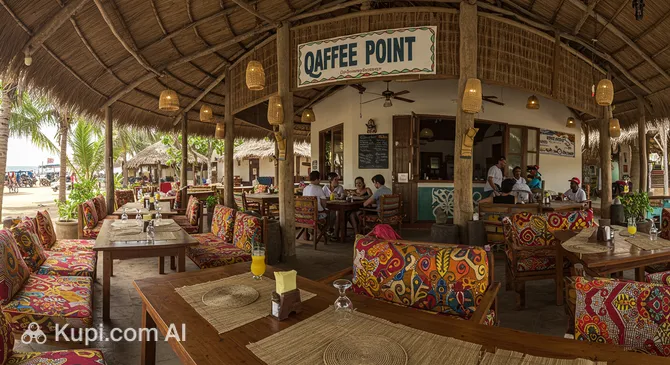
When it comes to beverages, the city offers refreshing options to beat the coastal heat. Madafu, fresh coconut water drunk directly from the shell, is a ubiquitous sight on street corners. For a caffeine kick, locals favor Kahawa Chungu, a concentrated, bitter brass-pot coffee often spiced with ginger and served with sweet Mahamri doughnuts. If you prefer a more modern setting to enjoy your brew and light bites, places like Qaffee Point offer a comfortable atmosphere to relax and savor the local coffee culture.
Qaffee Point. Illustration.
Source: Kupi.com AI
Traveler photos:
The dining atmosphere in Mombasa ranges from casual street-side stalls to lively establishments where food and social life blend seamlessly. In the evenings, the city comes alive with locals gathering to eat and socialize. For a mix of hearty meals and a vibrant evening ambiance, spots like AJ's Bar & Grill are popular among those looking to enjoy grilled specialties accompanied by cold drinks. Whether you are sipping on Mnazi (local coconut wine) or enjoying a feast of Nyama Choma, the gastronomic experience here is warm, welcoming, and full of flavor.
Travel Tips
Planning a trip to Mombasa is the start of an exciting adventure, but a little preparation goes a long way in ensuring your coastal getaway is smooth and enjoyable. To help you navigate the city’s unique blend of tropical relaxation and bustling urban energy, here are some essential practical tips for your journey.
Clothing and Gear: Due to the hot and humid tropical climate, pack lightweight, breathable fabrics like cotton and linen. While beachwear is fine at resorts, Mombasa has a significant Muslim population and a conservative culture, especially in the Old Town. It is respectful to dress modestly by covering your shoulders and knees when walking in public areas or visiting religious sites. Comfortable walking shoes are a must for exploring the streets, and high-SPF sunscreen, sunglasses, and a hat are essential protection against the equatorial sun.
Transportation: Getting around is an experience in itself. Tuk-tuks (three-wheeled auto-rickshaws) are the most popular and convenient way to navigate the city for short distances; always negotiate the price before hopping in. For longer trips or more comfort, ride-hailing apps like Uber and Bolt are reliable and widely used. Matatus (minibuses) are the local public transport; they are cheap and vibrant but can be chaotic and crowded. If you need to cross from the island to the south coast beaches, you will likely use the Likoni Ferry—keep your belongings close as it gets very busy.
Finances: The local currency is the Kenyan Shilling (KES). While major hotels, malls, and supermarkets accept credit cards (Visa and Mastercard are most common), cash is king in local markets, small restaurants, and for paying tuk-tuk drivers. ATMs are widely available across the city. Tipping is appreciated in the service industry; a tip of around 10% or rounding up the bill is a kind gesture.
Health and Safety: Mombasa is generally safe for tourists, but standard precautions apply. Avoid walking in isolated areas or on empty beaches after dark. Malaria is a risk along the coast, so carry effective insect repellent and consider sleeping under a mosquito net. Pharmacies are easy to find in shopping centers like City Mall or Nyali Centre. Always drink bottled or filtered water and avoid tap water to prevent stomach issues.
Communication:English is an official language and is widely spoken, especially in the tourism sector, so you will have no trouble communicating. Swahili is the national language; learning a few phrases like "Jambo" (Hello), "Asante" (Thank you), and "Karibu" (Welcome) will earn you warm smiles from locals. Wi-Fi is available in most hotels and cafes, but for constant connectivity, buying a local SIM card (Safaricom or Airtel) is cheap and easy upon arrival with your passport.
Local Etiquette: The coastal culture is known for being laid-back and polite. Greetings are very important; take a moment to say hello and ask how someone is doing before asking a question or starting a transaction. The pace of life here is "pole pole" (slowly, slowly), so patience is a virtue. Public displays of affection should be kept to a minimum out of respect for local norms.
What to Avoid: Kenya has a strict ban on single-use plastic bags. Do not bring them into the country or use them in the city, as you could face heavy fines. Also, avoid taking photographs of government buildings, military personnel, police officers, or infrastructure like the ferry and bridges, as this is prohibited.
Additional Tip: If you plan to shop for souvenirs or spices in the Old Town or markets, the best time to go is in the late afternoon. The heat is less intense, and the streets come alive with evening energy. Don't be afraid to bargain politely—it is part of the shopping culture here!
By keeping these practical tips in mind, you will be well-equipped to embrace the rhythm of life in Mombasa. Whether you are bargaining for spices, riding a tuk-tuk through the vibrant streets, or relaxing by the ocean, respecting local customs and staying prepared will ensure your visit is as memorable as it is comfortable.
Entertainment & Nightlife
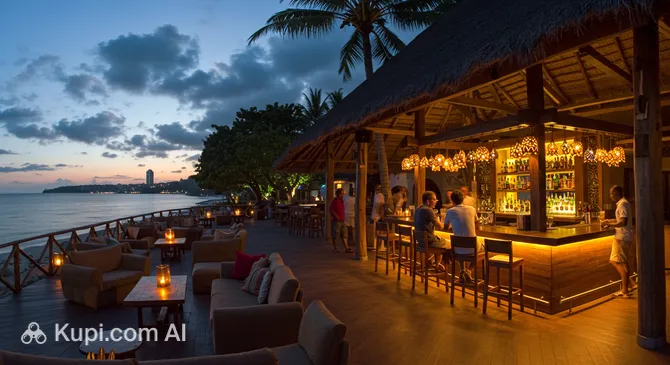
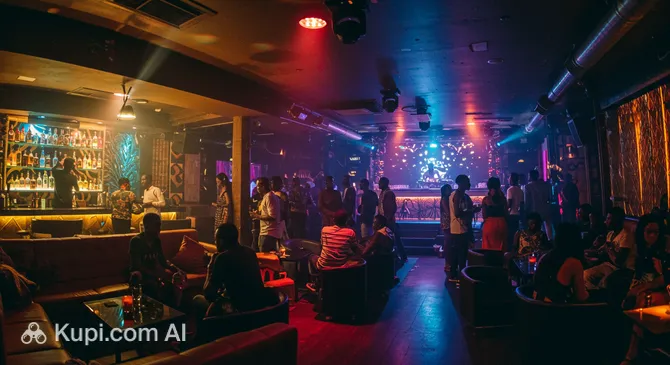
When the sun sets over the Indian Ocean, Mombasa transforms from a laid-back coastal city into a vibrant hub of entertainment and music. The nightlife here is legendary along the East African coast, characterized by a welcoming and energetic spirit. The atmosphere is generally relaxed, with a mix of locals, expatriates, and tourists mingling in open-air bars and air-conditioned lounges. The cool ocean breeze makes the evenings the perfect time to socialize, whether you prefer a quiet drink by the water or dancing until dawn.
The epicenter of the city's nightlife is undoubtedly the North Coast, particularly the neighborhoods of Nyali and Bamburi. These areas are packed with a high concentration of clubs, pubs, and restaurants that stay open late. For those seeking a lively night out, Zero 4 on Moi Avenue is a popular choice. It is well-regarded for its energetic vibe, making it a great place to experience the local party scene, enjoy music, and meet new people in the heart of the city.
Zero 4. Illustration.
Source: Kupi.com AI
Traveler photos:
Another fantastic option for night owls is MNKafé, which offers a modern setting for entertainment. The nightlife culture in Mombasa typically starts late; most venues begin to fill up after 10:00 PM and keep going until the early hours of the morning. The dress code is usually "smart casual"—while beachwear is acceptable at beach bars during the day, most clubs and lounges expect patrons to dress up a bit for the evening. Prices for drinks and entry fees are generally reasonable compared to Western standards, though high-end establishments will charge a premium.
MNKafé. Illustration.
Source: Kupi.com AI
Traveler photos:
Safety is an important consideration when enjoying the nightlife. It is highly recommended to use ride-hailing apps like Uber or Bolt, or reputable taxi services, rather than walking between venues at night. While the main entertainment districts are generally safe and bustling with activity, wandering into unlit or isolated streets should be avoided. Always keep an eye on your drinks and belongings, as you would in any major city.
Beyond the nightlife, Mombasa offers plenty of daytime entertainment for families and thrill-seekers. Wild Waters is a premier family entertainment park featuring a variety of water slides, lazy rivers, and rain dance arenas. It is an excellent way to beat the coastal heat and provides fun for all ages. Additionally, the city has modern cinemas and cultural centers where you can catch the latest movies or enjoy local theater productions, offering a balanced mix of leisure activities around the clock.
Parks & Museums
Parks & Museums:
Beyond its sun-drenched beaches, Mombasa offers a wealth of green spaces and cultural institutions that preserve the region's natural beauty and rich heritage. From educational nature parks to centres dedicated to traditional arts, the city provides diverse experiences for travelers looking to explore its environment and history.
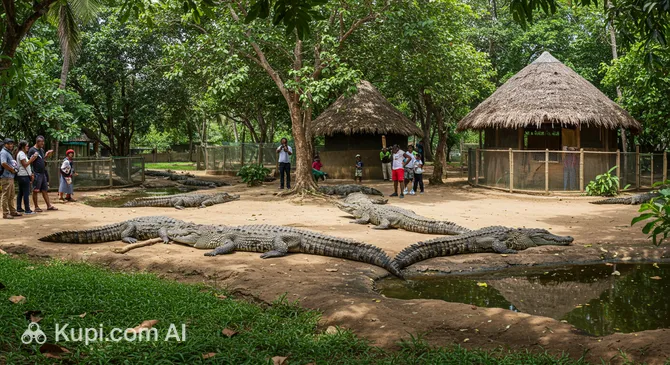
One of the most prominent attractions for nature enthusiasts is Mamba Village, situated in the leafy suburb of Nyali. Recognized as East Africa's largest crocodile farm, this facility is fascinating for visitors of all ages. Beyond the thrill of watching the crocodiles during feeding time, the village features lush botanical gardens and an aquarium. It serves as a serene escape where you can admire rare orchids and aquatic plants in a beautifully landscaped setting.
Mamba Village. Illustration.
Source: Kupi.com AI
Traveler photos:
Another significant ecological landmark in the area is Haller Park. Although it began as a barren limestone quarry, it has been remarkably transformed into a thriving ecosystem. Today, it is a sanctuary for a variety of wildlife, including giraffes, hippos, and giant tortoises. Walking along its shaded nature trails offers a peaceful retreat from the bustling city and a chance to witness successful environmental reclamation in action.
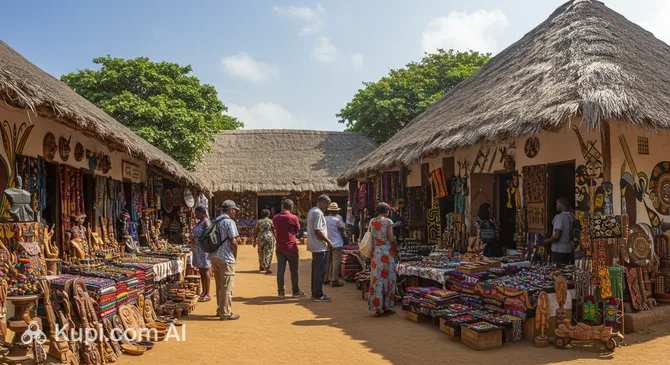
For those interested in the human story of the coast, the Bombolulu Workshop and Cultural Centre is an inspiring destination. This project, which supports local artisans with different abilities, allows visitors to immerse themselves in Kenya's tribal diversity. The centre features recreated traditional homesteads, offering a glimpse into rural life, alongside vibrant dance performances and craft workshops where you can see intricate jewelry and textiles being made.
Bombolulu Workshop and Cultural Centre. Illustration.
Source: Kupi.com AI
Traveler photos:
The city's commitment to arts and heritage is further exemplified by the SwahiliPot Hub. Located near the waterfront, this community space is a center for creativity, often hosting events that celebrate Swahili culture through modern art and technology. It stands in the vicinity of the historic Fort Jesus Museum, which remains the custodian of the city's past. Inside the museum, history buffs can examine an extensive collection of ceramics, pottery, and artifacts that trace the maritime trade routes which defined Mombasa for centuries.
Getting Around
Navigating Mombasa is an adventure in itself, characterized by a vibrant and somewhat chaotic mix of options that reflect the city's energetic spirit. The most common form of public transport is the matatu, a colorful minibus that serves as the backbone of local commuting. These vehicles are known for their flamboyant artistic designs and loud music. They ply specific routes, and while they are an affordable way to get around, they can be crowded. Destination placards are usually displayed in the windshield, and conductors call out the stops to attract passengers.
For shorter distances and navigating the narrow streets, especially around the city center, tuk-tuks (three-wheeled auto-rickshaws) are the preferred choice. Mombasa has thousands of these weaving through traffic, offering a breezy and convenient way to travel door-to-door. They are more expensive than matatus but significantly cheaper than private taxis. Another option is the boda-boda (motorcycle taxi), which is the fastest way to beat traffic jams. However, tourists should exercise caution with boda-bodas due to safety concerns; always ask for a helmet and ensure the rider appears responsible.
A unique and vital component of the city's transport network is the Likoni Ferry. Since the city center is situated on an island, crossing the Kilindini Harbour to reach the southern mainland (and beaches like Diani) often requires this ferry service. It operates 24 hours a day and is free for pedestrians, while vehicles must pay a toll. The crossing takes only a few minutes, but queues can be long during peak hours. It is a fascinating local experience, but visitors should remain vigilant with their belongings in the dense crowds.
When it comes to payment, cash is king in the public transport system. There are no integrated travel cards or digital passes for matatus or tuk-tuks. You should carry small denominations of the local currency, as conductors often struggle to change large notes. For tuk-tuks and boda-bodas, the fare is not fixed, so it is essential to negotiate and agree on the price before starting your journey to avoid disputes later.
For those seeking a more comfortable and secure alternative, ride-hailing apps are widely available and popular. Services like Uber and Bolt, as well as the local option Little Cab, operate effectively in the city. These apps offer the advantage of fixed pricing, air-conditioned vehicles, and the safety of tracked journeys, making them an excellent choice for tourists unfamiliar with the local geography or those travelling at night.
Accommodation
Accommodation in Mombasa caters to every type of traveler, ranging from budget-friendly backpacker hostels in the city center to opulent beachfront resorts along the coast. The choice of where to stay largely depends on the purpose of your visit. For business travelers and those interested in history, staying on Mombasa Island provides easy access to the Central Business District and the Old Town. However, the majority of tourists prefer the North Coast suburbs, such as Nyali and Bamburi, which are famous for their pristine white sands, vibrant nightlife, and concentration of holiday resorts.
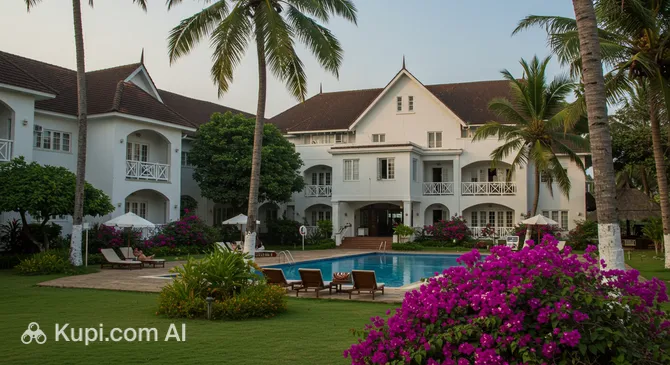
For visitors seeking a blend of leisure and sport, the Nyali Golf & Country Club offers a serene environment. Situated in the upscale Nyali area, it provides a classic resort experience with access to sporting facilities and lush green surroundings, making it a distinct alternative to standard beach hotels. It is an excellent base for those who wish to combine relaxation with activities like golf or tennis in a prestigious setting.
Nyali Golf & Country Club. Illustration.
Source: Kupi.com AI
Traveler photos:
Those looking for modern luxury with spectacular ocean views might consider the English Point Marina. This contemporary complex is not just a sightseeing spot but also features high-end accommodation options. Located across the creek from the Old Town, it offers world-class amenities and is ideal for travelers who appreciate modern architecture and direct access to the water, all while being a short distance from the city's main attractions.
When planning your trip, it is advisable to book accommodation well in advance, especially if you are traveling during the peak tourist seasons of December, August, or the Easter holidays, when demand is high. Prices vary significantly, with budget guesthouses offering affordable rates and luxury resorts charging premium prices. Most hotels and rentals can be easily booked through major online platforms, though contacting smaller establishments directly can sometimes yield better deals.
Nearby Cities
For those looking to explore the surroundings, Mombasa serves as an excellent base for day trips to several interesting nearby locations. The coastal region of Kenya offers a mix of serene creeks, historic towns, and lush hills that provide a refreshing contrast to the bustling city life.
Just a short drive north lies Kilifi, a town celebrated for its stunning creek and laid-back atmosphere. It is a perfect escape for travelers seeking tranquility away from the crowds. Visitors can explore the ancient Mnarani Ruins, which date back to the 14th century, or simply enjoy the breathtaking views of the azure waters from the bridge. The town is also known for its vibrant artistic community and beautiful, quiet beaches like Bofa Beach.
Further along the coast is Malindi, a historic town with a rich maritime heritage. Famous for the Vasco da Gama Pillar, which marks the Portuguese explorer's arrival in 1498, Malindi offers a unique blend of Swahili and Italian cultural influences. Nature lovers will appreciate the Malindi Marine National Park, an ideal spot for snorkeling and diving amidst colorful coral reefs. The town's golden sands and excellent seafood restaurants make it a worthwhile destination for a full-day excursion.
For a quick getaway closer to the city center, Bamburi offers immediate access to leisure and nature. Located just north of Mombasa Island, it is home to popular public beaches and a range of hotels and restaurants. It serves as a convenient spot for those who want to enjoy the ocean breeze without venturing too far, while also hosting key attractions like the nature trails mentioned earlier.
These nearby destinations offer a glimpse into the diverse culture and landscapes of the region, allowing travelers to experience the broader beauty of the Kenyan coast beyond the city limits.
Shopping & Souvenirs
Shopping in Mombasa is a vibrant experience that mirrors the city's role as a historical trading hub. Visitors can explore a fascinating mix of worlds, from modern, air-conditioned shopping complexes to chaotic, colorful open-air markets that have existed for centuries. The city is particularly famous for its high-quality textiles, intricate wood carvings, and aromatic spices, offering a treasure trove for those looking to take a piece of the Swahili Coast home with them.
For a traditional street shopping experience, Biashara Street (literally "Business Street") is the place to go. Located near the city center, this bustling avenue is renowned for its textile shops selling colorful Khangas and Kikoys—traditional cotton fabrics that make for excellent sarongs, scarves, or home decor. It is also a great spot to find reputable tailors who can whip up a custom garment in a day or two. Nearby, Moi Avenue offers a selection of curio shops and boutiques where you can browse for souvenirs in a slightly more organized setting.
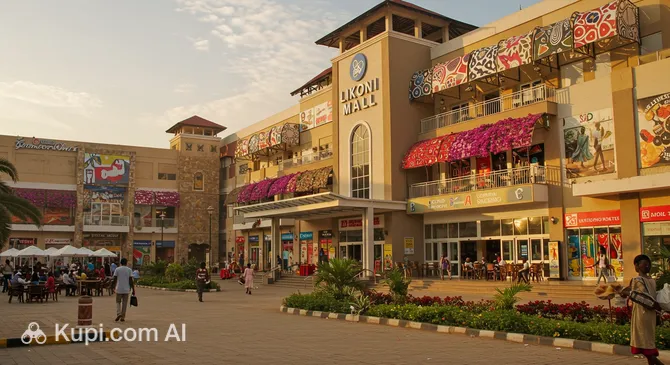
Travelers seeking a modern retail environment will find several well-equipped malls. On the southern mainland, Likoni Mall serves as a key shopping destination, offering a variety of supermarkets, fashion outlets, and eateries. It provides a convenient stop for essentials or a quick bite before heading to the southern beaches. On the North Coast, City Mall and Nyali Centre are the premier upscale locations, featuring international brands, cinemas, and large grocery stores, making them perfect for families and those looking for Western-style amenities.
Likoni Mall. Illustration.
Source: Kupi.com AI
Traveler photos:
To truly immerse yourself in local life, a visit to the city's markets is essential. Kongowea Market is the largest wholesale market in the region and a hive of activity. While it can be overwhelming due to its size and crowds, it offers an authentic glimpse into local commerce, selling everything from mounds of fresh produce to "mitumba" (second-hand clothes). For a more sensory experience, the markets in the Old Town are unmatched for buying fresh spices like cloves, cardamom, and cinnamon, often sold directly from burlap sacks.
When hunting for souvenirs, look beyond the standard trinkets. Authentic Makonde wood carvings, soapstone sculptures, and hand-beaded Maasai jewelry are popular choices. For a meaningful purchase, consider visiting the Bombolulu Workshop and Cultural Centre. Here, you can buy high-quality handcrafted jewelry, textiles, and woodworks directly from artisans with different abilities, ensuring your money supports a noble local cause while you acquire a unique keepsake.
Most shops and malls in Mombasa typically open around 9:00 AM and close by 6:00 PM or 7:00 PM, although major supermarkets and malls often stay open until 8:00 PM or later. While shopping malls and larger establishments accept major credit cards and mobile payments like M-Pesa, cash is king in the local markets and small stalls. Bargaining is expected and encouraged in street markets and curio shops; start by offering about half the quoted price and negotiate with a smile to reach a fair deal.