Support

Dar es Salaam

About

Dar es Salaam. Source: Kupi.Binoculars

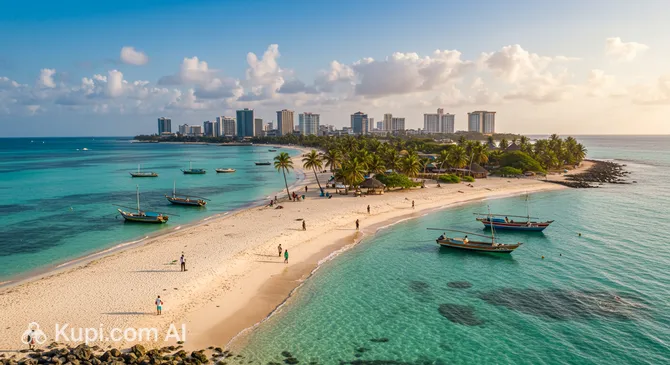
Welcome to Dar es Salaam, a vibrant metropolis that serves as the economic and cultural heartbeat of Tanzania. Often translated as the "Haven of Peace," this bustling city offers a fascinating blend of Swahili tradition and modern development. As the country's largest city and former capital, it presents a unique atmosphere where skyscrapers stand alongside historical architecture, creating a dynamic urban landscape on the edge of the Indian Ocean.

Geographically, the city is situated on the Swahili Coast, enjoying a tropical climate with warm, sunny weather throughout much of the year. With a rapidly growing population of approximately 8 million people, it is one of the most populous and important urban centers in East Africa. The city's natural harbor is a vital gateway for trade and tourism, connecting the mainland to the rest of the world and serving as a jumping-off point for the nearby islands.

Exploring the history of Dar es Salaam reveals its remarkable transformation from a humble fishing village known as Mzizima into a major commercial hub. Visitors can witness this rich heritage in the city's diverse architecture, which reflects a captivating mix of African, Arab, Indian, and European influences. The National Museum and House of Culture is a must-visit for those interested in delving deeper into the region's past, showcasing everything from ancient fossils to ethnographic collections.

Travelers are often drawn to the city's lively energy, best experienced at the colorful Kariakoo Market, where the sights and sounds of local life come alive. For those seeking relaxation, the pristine beaches of nearby islands like Mbudya and Bongoyo offer a serene escape just a short boat ride away. Whether you are looking to enjoy fresh seafood, explore vibrant street life, or simply relax by the azure waters, Dar es Salaam is an essential stop on your journey. We invite you to discover the warmth and vitality of this incredible coastal city.
Weather Overview

Due to its proximity to the equator and the warm Indian Ocean, the city experiences a tropical climatic zone characterized by humid and warm conditions year-round. Travelers planning a trip should check the detailed weather in Dar es Salaam to pack appropriately, as the heat and humidity can be significant depending on the season. Generally, the weather patterns are defined by two main rainy seasons and a slightly cooler, drier period.

The beginning of the year is typically the hottest time, with average temperatures in January and February hovering around 28°C and daily highs often exceeding 30°C. This period is accompanied by frequent rainfall, with January seeing about 17 wet days. As the season transitions into April, the frequency of rain peaks dramatically, with data recording up to 28 wet days during the month, while average temperatures moderate slightly to around 26.4°C.

For those seeking more comfortable conditions, the months from June to September offer a respite from the intense heat. During this time, average temperatures drop to approximately 25°C, with pleasant lows around 22°C at night. This period is also the driest, with the number of wet days falling to between 9 and 12 per month. By November and December, the city warms up again, and the frequency of rain increases, signaling the return of the hotter season.

Interesting Facts

Beyond the bustling markets and sandy beaches, Dar es Salaam holds many fascinating stories that shape its unique character. Here are some intriguing facts about this coastal metropolis that often go unnoticed by the casual visitor:

  • Although Dodoma was designated as the official capital of Tanzania in the 1970s, Dar es Salaam remains the country's true "commercial capital." It continues to host most permanent government ministries, diplomatic missions, and the majority of the nation's industrial activity, creating an unusual dual-capital dynamic.

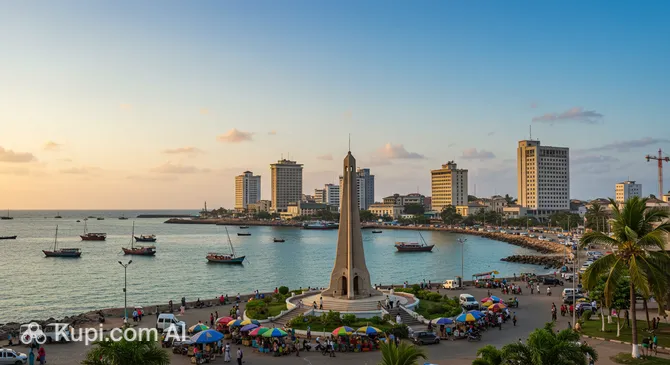
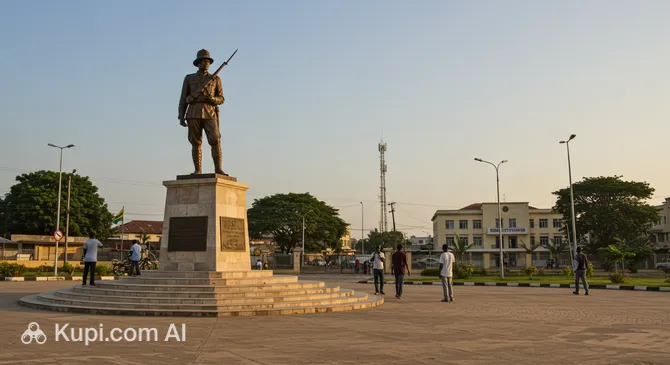
  • The iconic Askari Monument, located at a prominent roundabout, serves as a memorial to the African troops who fought in World War I. A notable feature of this bronze statue is the inscription on its pedestal, which includes a dedication written by the famous British author Rudyard Kipling.

  • Dar es Salaam is the birthplace of the world-renowned Tingatinga painting style. This vibrant and whimsical art form, characterized by brilliant colors and surreal animal figures, originated in the Oyster Bay area in the 1960s and has since become a defining symbol of Tanzanian artistic heritage.

  • Unlike traditional indoor galleries, the Village Museum offers a rare open-air experience where you can walk through authentic, full-sized traditional dwellings from Tanzania's diverse ethnic groups. It stands as a living archive of the country's architectural history, complete with live tribal dance performances.

  • The city skyline features the striking St. Joseph's Cathedral, a Gothic-style Roman Catholic church built by German missionaries at the turn of the 20th century. Its unique shingled spire and original stained-glass windows remain distinct historical landmarks overlooking the harbor.

Askari Monument. Source: Kupi.Binoculars

How to Get There

Reaching this major coastal hub is relatively straightforward, as it serves as a primary entry point for international travelers visiting the country. Whether you are arriving from overseas or neighboring regions, there are several convenient options to consider. You can find more details about how to get to Dar es Salaam on our dedicated page.

The primary gateway for most visitors is Julius Nyerere International Airport (DAR), located directly in Dar es Salaam. It is the largest airport in the country and handles a significant volume of international and regional flights. Situated approximately 12 km from the city center, the journey by taxi or shuttle is quite convenient, typically taking around 40 minutes depending on traffic conditions. As a major international hub, it offers a wide range of services and connections.

Another significant option nearby is Zanzibar International Airport (ZNZ). However, please note that this airport is located in Zanzibar City, not in Dar es Salaam itself. It is situated approximately 66 km away, across the channel. Travelers arriving here usually take a short connecting flight or a high-speed ferry to reach the mainland. This airport is a popular choice for those planning to combine a beach holiday in the archipelago with a visit to the metropolis.

For clarity, here is a summary of the main airports in the region:

Airport Name City Passenger Traffic Km from City
Julius Nyerere International Airport Dar es Salaam Large 11.7
Zanzibar International Airport Zanzibar City Large 66.1
Mafia Mafia Island Small 128.2
Wawi Airport Pemba Small 181.9
Tanga Airport Tanga Small 192.1

Regarding rail travel, Dar es Salaam is a key terminus for Tanzania's railway network. The city is served by the Central Line, which connects to the western and northern parts of the country, and the TAZARA Railway, which links Tanzania with Zambia. These trains offer a scenic and adventurous way to arrive, passing through diverse landscapes before reaching the coast. The main stations are located within the city, providing access to local transport for your final transfer to your accommodation.

Main Attractions

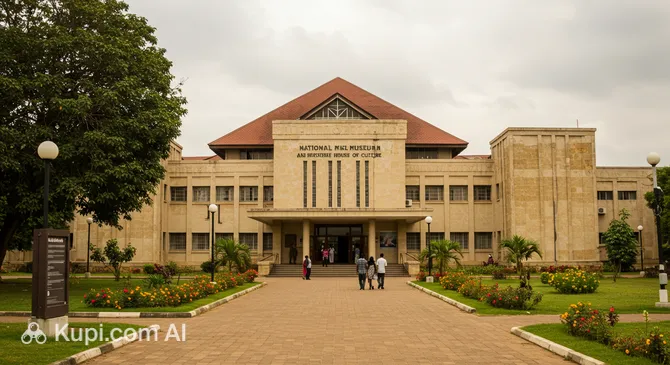
There is no better place to start your exploration of the city's rich heritage than at the National Museum and House of Culture. Located near the botanical gardens, this institution offers a comprehensive journey through Tanzania's history, from prehistoric times to the present day. Tourists are particularly fascinated by the Hall of Man, which houses significant fossil discoveries including the famous Zinjanthropus skull, as well as the collection of vintage cars that once belonged to the nation's first president. It is an essential stop for anyone wanting to understand the cultural fabric of the region.

National Museum and House of Culture. Source: Kupi.Binoculars

For a taste of local life and vibrant seaside energy, a visit to Coco Beach is highly recommended. Often referred to as Oyster Bay, this stretch of public coastline is a favorite gathering spot for locals and visitors alike, especially on weekends. It is not just about the ocean views; the area is famous for its lively street food scene where you can try fresh mishkaki (skewered meat) and fried cassava while enjoying the cool Indian Ocean breeze and occasional live music performances.

Coco Beach. Source: Kupi.Binoculars

A symbol of the city's modernization is the impressive Nyerere Bridge, which spans the creek to connect the main city with the district of Kigamboni. As East Africa's first cable-stayed bridge, it is an architectural marvel that offers stunning panoramic views of the harbor and the skyline. Driving or walking across this landmark provides a unique perspective of the metropolis, and it is particularly photogenic during sunset when the lights begin to reflect off the water.

If you are looking for a modern shopping experience or a comfortable escape from the tropical heat, Mlimani City Shopping Mall is the premier destination. As one of the largest malls in the country, it features a wide array of international and local retail stores, banking services, and restaurants. It is also a hub for entertainment, housing a modern cinema complex, making it a perfect spot for families or travelers looking to relax in a contemporary setting after a day of sightseeing.

Local Cuisine

The culinary landscape of Dar es Salaam is a tantalizing reflection of its multicultural heritage, blending African, Arab, and Indian influences into a unique Swahili flavor profile. Situated on the coast, the city is a paradise for seafood lovers, where fresh catches from the Indian Ocean are a daily staple. The aroma of spices like cloves, cardamom, and cinnamon often fills the air, signaling the rich, aromatic curries and rice dishes such as Pilau and Biryani that are central to festive and everyday meals.

For a truly authentic taste of the city, you must explore its vibrant street food culture. The undisputed king of local fast food is Chipsi Mayai, a simple yet beloved dish consisting of French fries fried into an omelet, often served with a side of kachumbari (fresh tomato and onion salad). Another favorite is Mishkaki, skewered cubes of marinated meat grilled over open charcoal fires, which can be found on street corners throughout the city, particularly in the evenings.

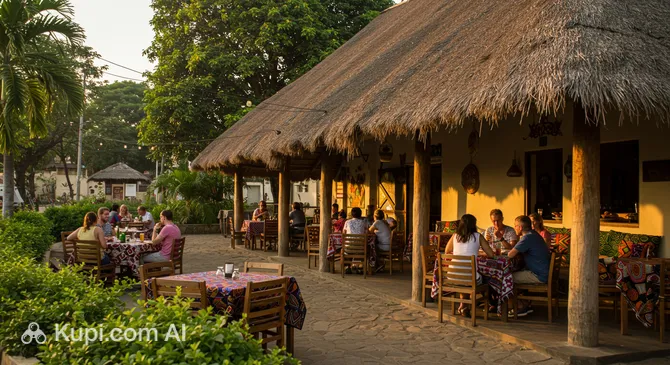
If you are looking to dive deeper into the local seafood scene in a lively atmosphere, Samaki Samaki is a popular dining destination. This restaurant chain is famous for its extensive menu of fish and shellfish dishes, offering a modern twist on traditional flavors. It is a fantastic place to enjoy a communal meal, with platters designed for sharing and a vibrant ambiance that captures the energetic spirit of the city.

Samaki Samaki. Source: Kupi.Binoculars

To quench your thirst, nothing beats the refreshing taste of Madafu, fresh coconut water drunk straight from the shell, which is widely available from street vendors. For those preferring hot beverages, Swahili Chai—tea brewed with milk, ginger, and spices—is a comforting staple often enjoyed with breakfast or evening snacks. On the alcoholic side, local beers like Kilimanjaro and Safari are ubiquitous, as is Konyagi, a popular local spirit often mixed with tonic.

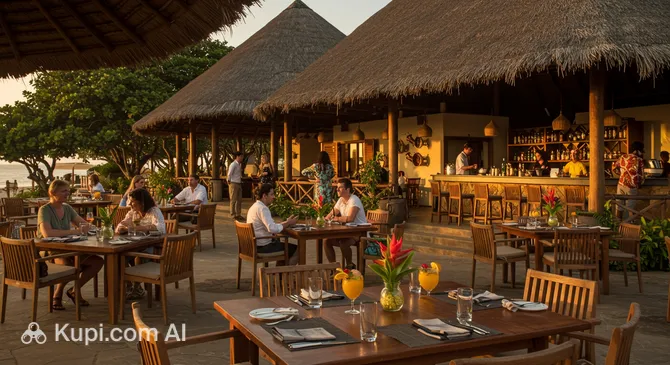
For a dining experience that combines exquisite food with breathtaking scenery, Karambezi Cafe offers one of the best views in town. Perched on a cliff overlooking the ocean, it is the perfect spot to enjoy fresh lobster or prawns while watching the sunset. Whether you are eating at a plastic table on the roadside or in an upscale restaurant with sea breezes, the food culture here is defined by freshness, spice, and a welcoming hospitality.

Karambezi Cafe. Source: Kupi.Binoculars

Travel Tips

Visiting Dar es Salaam is an exciting immersion into the sights, sounds, and rhythms of East Africa, but navigating this bustling metropolis requires a bit of local know-how. To help you make the most of your stay and travel with confidence, we have compiled a list of essential practical tips for your journey.

  1. Clothing and Gear: Due to the tropical climate, the heat and humidity can be intense, so pack lightweight, breathable fabrics like cotton or linen. While beachwear is fine at the resorts, the city is conservative; it is respectful to dress modestly by covering your shoulders and knees, especially when visiting markets or the city center. Comfortable, closed-toe shoes are a must for walking, and do not forget a universal power adapter and high-SPF sunscreen.
  2. Transportation: Traffic in the city can be heavy, so plan accordingly. For tourists, ride-hailing apps like Uber and Bolt are the safest and most convenient way to get around, offering transparent pricing. For short distances, you can use a bajaji (auto-rickshaw), which is faster in traffic than a car. Public minibuses known as dala-dalas are extremely cheap but often overcrowded and confusing for first-time visitors.
  3. Finances: The local currency is the Tanzanian Shilling (TZS). While major hotels, supermarkets, and upscale restaurants accept credit cards, cash is king for street food, local markets, and taxis. ATMs are widely available in the city center and shopping malls. Tipping is not mandatory but is highly appreciated; leaving around 5-10% in restaurants is a kind gesture.
  4. Health and Safety: Malaria is present in Tanzania, so bringing strong mosquito repellent and wearing long sleeves in the evening is crucial. Always drink bottled water and avoid tap water, even for brushing teeth if possible. Pharmacies are common in urban areas, but for serious issues, private hospitals offer better standards of care. As in any big city, avoid walking alone at night, particularly on empty beaches or poorly lit streets, and keep your valuables secure.
  5. Communication: Swahili is the national language, but English is widely spoken in business, tourism, and by younger generations. Learning a few local greetings like "Jambo" (Hello) or "Asante" (Thank you) will go a long way with the friendly locals. It is highly recommended to buy a local SIM card (Vodacom, Airtel, or Tigo) upon arrival for reliable internet access, as public Wi-Fi can be spotty.
  6. Local Etiquette: Tanzanians are known for their politeness and hospitality. Greetings are very important; take the time to exchange pleasantries before asking a question. Always use your right hand for eating, greeting, or passing items, as the left hand is culturally considered unclean. Public displays of affection, such as kissing, are frowned upon and should be avoided.
  7. What to Avoid: Do not take photos of government buildings, military personnel, or police officers, as this is strictly prohibited. Also, avoid buying ferry tickets from street touts who may approach you outside the terminal; always purchase tickets directly from the official booking offices inside.
  8. Market Tip: If you plan to shop at local markets like Kariakoo, be prepared to bargain. It is a standard part of the purchasing process for souvenirs and clothes. Start by offering about half the quoted price and negotiate with a smile—it is meant to be a friendly interaction rather than a conflict.

By keeping these practical tips in mind, you will be well-prepared to embrace the vibrant energy of Dar es Salaam safely and respectfully. The city's warmth lies not just in its weather, but in its people, so approach your adventure with an open mind and enjoy every moment of your Tanzanian experience.

Entertainment & Nightlife

When the sun sets over the Indian Ocean, Dar es Salaam transforms into a buzzing hub of nightlife and leisure. The city offers a diverse array of entertainment options, ranging from sophisticated lounges and energetic nightclubs to family-friendly amusement parks. Whether you are looking to dance until dawn, try your luck at the tables, or enjoy a fun-filled day with the kids, the metropolis has something to suit every mood.

For those seeking a vibrant party atmosphere, the Masaki peninsula is the place to be. Havoc Nightspot stands out as one of the premier destinations for nightlife lovers. Known for its modern design, impressive lighting systems, and top-tier DJs spinning international and local hits, it attracts a stylish crowd ready to dance the night away. It offers a spectacular view of the ocean, adding to the allure of the evening experience.

If you prefer a more laid-back setting to catch up with friends or watch a sports match, The Slow Leopard is a favorite local haunt. This bar is celebrated for its relaxed "chilled" vibe, excellent burgers, and wide selection of cold drinks, making it a perfect spot for a casual night out. Alternatively, music enthusiasts can head to O'Donovan's Reggae Bar, where the rhythmic beats create a unique and welcoming environment. For a taste of the local lounge culture, Uncle's Lounge offers a comfortable space to unwind after a busy day.

The city also boasts a lively gaming scene for those feeling lucky. Le Grande Casino, located centrally in the Harbour View Towers, provides a sophisticated gaming environment with a variety of tables and slot machines. It is a popular venue for evening entertainment, offering excellent service and a vibrant atmosphere. Another notable spot is the Las Vegas Casino, which brings a touch of glitz to the city's entertainment offerings.

For families and adrenaline seekers, the excitement continues during the day at Fun City Kigamboni. As East Africa's largest amusement and water park, it is a sprawling complex dedicated to fun. Visitors can enjoy thrilling roller coasters, splash around in the water slides, or engage in various arcade games. It is the perfect destination for a full day of family bonding and outdoor activity.

Those who enjoy combining beach relaxation with social entertainment should visit Jangwani Sea Breeze Resort. Located on the Mbezi Beach strip, this resort is famous for its lively weekends, often featuring live music performances, DJ sets, and pool parties. It serves as a dynamic social hub where tourists and locals mingle while enjoying the cool ocean breeze and festive spirit.

Parks & Museums

Beyond its reputation as a busy commercial center, the city offers several serene green spaces where visitors can reconnect with nature. The Dar es Salaam Botanical Gardens, located in the city center, provide a refreshing, shady retreat from the tropical heat. Established during the German colonial era, these gardens are home to a fascinating mix of indigenous and exotic plants, including the rare coco-de-mer palm and vibrant flame trees. For a more rugged outdoor experience, the nearby Pugu Hills Nature Reserve preserves one of the oldest coastal forests in the world, offering hiking trails, birdwatching opportunities, and a chance to see unique endemic species.

The city's architectural landscape serves as a living museum, reflecting its diverse cultural influences. A standout example is the KSIJ Mosque Dar es Salaam. This magnificent multi-story structure is a testament to the vibrant Asian community in the city. Its impressive façade and intricate details make it one of the most photogenic landmarks in the urban center, symbolizing the peaceful coexistence of different faiths and cultures.

Another significant religious monument is St. Joseph's Cathedral, which dominates the harbor front with its Gothic-style architecture. Built by missionaries in the early 20th century, its shingled spire and stained-glass windows offer a glimpse into the colonial past. While the Village Museum and the National Museum are the primary destinations for traditional history, these architectural gems provide an immediate sense of the city's layered heritage right on the streets.

History enthusiasts exploring the city center will also find the Clocktower Shopping Centre area of interest. This location marks the site of the original Independence Monument and serves as a historical reference point in the bustling downtown. For an unfiltered look at local coastal culture, a morning trip to the Kivukoni Fish Market offers a vibrant spectacle of dhow boats and fish auctions, acting as a dynamic, open-air exhibition of daily Swahili life.

Getting Around

Navigating Dar es Salaam is an adventure in itself, offering a mix of modern infrastructure and traditional methods that reflect the city's energetic pace. The most efficient way to travel along the main arterial roads is the Dar es Salaam Bus Rapid Transit (DART) system, locally known as "Mwendokasi." These distinct blue buses operate on dedicated lanes, allowing them to bypass the heavy traffic that often clogs the city center. They function similarly to a surface metro system, with enclosed stations and frequent service, making them the fastest option for commuters.

For a more authentic and extensive reach into the neighborhoods, travelers can use daladalas. These ubiquitous minibuses are the backbone of local transport, recognizable by the colored stripes indicating their specific routes. While they are significantly cheaper than other options, they can be crowded and hot. Destinations are displayed on the front windshield, and conductors often shout out the route names. To stop the bus, you simply alert the conductor, usually by saying "shuka" (get off).

Crossing the creek to the Kigamboni district is best done via the Kigamboni Ferry (Magogoni Ferry). This short boat ride is a vital link for pedestrians and vehicles between the city center and the southern beaches. It operates throughout the day and offers a scenic, albeit brief, view of the harbor. There is also a commuter train service operating on limited routes during peak morning and evening hours, primarily serving local residents commuting from the suburbs, though it is less commonly used by tourists.

Payment methods vary significantly depending on your mode of transport. The DART system uses a cashless smart card system. You must purchase and top up these cards at the ticket windows located at the entrance of any BRT station. You validate the card by tapping it on the turnstile gates to enter the platform. conversely, daladalas operate strictly on cash. You pay the conductor during the journey; it is advisable to carry small bills and coins, as getting change for large denominations can sometimes be difficult.

For those seeking more comfort or privacy, ride-hailing apps like Uber and Bolt are widely available and highly recommended. They allow you to book not only standard cars but also bajajis (auto-rickshaws). Bajajis are an excellent alternative for short to medium distances; they are cheaper than taxis, breezy, and small enough to maneuver through traffic jams. Traditional taxis are also available at designated stands or hotels, but unlike the apps, they do not have meters, so you must negotiate and agree on the fare before starting your trip.

Another rapid, though riskier, alternative is the bodaboda (motorcycle taxi). They are the fastest way to cut through gridlock and reach destinations off the main roads. However, safety standards can vary, so it is crucial to insist on a helmet and ask the driver to drive slowly. While not suitable for everyone, they remain a popular choice for quick, last-mile connectivity.

Public transport generally operates from very early in the morning, around 5:00 AM, until late at night, around 11:00 PM. However, DART buses and daladalas become less frequent late at night. For tourists, using the DART system for main routes and ride-hailing apps for specific locations is often the best balance of safety, cost, and convenience. Always keep your valuables secure and close to you, especially when using crowded buses or open-window transport.

Accommodation

Accommodation in Dar es Salaam caters to a wide variety of preferences and budgets, ranging from economical hostels for backpackers to opulent luxury resorts overlooking the Indian Ocean. Visitors can choose between staying in the bustling heart of the city, which offers convenience and urban energy, or retreating to the tranquil beachside suburbs for a more relaxing experience.

The choice of location largely depends on your itinerary. The City Centre (Posta) is ideal for business travelers and those planning to catch early morning ferries to Zanzibar, placing you within walking distance of historical landmarks and major transport hubs. For a more upscale atmosphere, the Masaki and Oyster Bay peninsula is a top choice, known for its high concentration of embassies, international restaurants, and secure, leafy streets. Alternatively, the Kigamboni district and the northern beaches offer a resort-style environment with direct access to the sea, perfect for leisure travelers.

For travelers seeking a blend of comfort and scenic views, the Dar es Salaam Seaside Resort provides excellent amenities right by the water, making it a popular choice for families and couples looking to unwind. Another well-regarded option is the Jangwani Sea Breeze Resort, located along Mbezi Beach. While it is a vibrant spot for entertainment, it also offers comfortable lodging for those who want to stay close to the ocean and the city's social scene.

Prices vary significantly by season and location. Budget travelers can find simple guesthouses and hostels starting at affordable rates, while mid-range hotels typically offer air-conditioning, Wi-Fi, and breakfast. Luxury establishments charge international rates, particularly during the peak tourist seasons from June to September and December to January. It is highly recommended to book your accommodation in advance during these periods using major online booking platforms to secure the best deals and availability.

Nearby Cities

Nearby Cities:

For those looking to explore the surroundings, Dar es Salaam serves as an excellent base for day trips to several interesting nearby locations. The region offers a mix of historical coastal towns, island escapes, and inland retreats that provide a perfect contrast to the bustling city life.

One of the most popular excursions is to Zanzibar City, located just a short ferry ride across the water. Famous for its historic Stone Town, a UNESCO World Heritage site, visitors can wander through winding alleys, explore ancient spice markets, and admire the unique architecture that blends African, Arab, and European influences. It is an ideal destination for those seeking cultural immersion and pristine beaches within easy reach.

For nature lovers and hikers, a trip to Morogoro offers a refreshing change of pace. Situated at the base of the majestic Uluguru Mountains, this town is known for its agricultural heritage and stunning landscapes. It serves as a gateway for hiking expeditions and offers opportunities to explore waterfalls and lush forests, making it a great spot for outdoor enthusiasts looking to escape the coastal heat.

Another interesting destination is Tanga, a quieter coastal city with a rich history. While it involves a longer journey, it rewards visitors with attractions like the mysterious Amboni Caves and the ruins of Tongoni. It provides a glimpse into the colonial past and the traditional Swahili way of life, away from the heavier tourist crowds found elsewhere.

City Population Distance (km)
Tanga 243,580 192
Morogoro 207,000 180
Zanzibar City 205,870 73
Kibaha 128,488 84
Pemba 84,000 205

These nearby destinations offer a glimpse into the diverse culture and landscapes of the region, allowing travelers to experience the broader beauty of Tanzania beyond the metropolis.

Shopping & Souvenirs

Shopping in Dar es Salaam offers a vibrant mix of experiences, ranging from chaotic, colorful open-air markets to modern, air-conditioned malls. As the commercial hub of the country, the city is an excellent place to purchase everything from high-end electronics and fashion to authentic African crafts and traditional fabrics. Whether you are looking for a bargain in a bustling bazaar or a relaxed retail therapy session, the city caters to all tastes and budgets.

The heart of the local shopping scene is undoubtedly the Kariakoo district. This sprawling area is the busiest market in East Africa, where thousands of stalls and shops sell goods at wholesale prices. It is an intense, sensory experience filled with energy, where you can find textiles, spices, hardware, and clothes. For a more relaxed and tourist-friendly atmosphere, the Msasani Peninsula, particularly the area around the Slipway, offers boutique shops, art galleries, and craft stalls set against a beautiful seaside backdrop.

For those preferring a contemporary shopping environment, the city boasts several large malls. Mlimani City Shopping Mall remains the most popular destination, featuring a vast array of international brands, a cinema, and a food court. Another notable option is Mikocheni Plaza, which provides a convenient selection of furniture stores, supermarkets, and smaller retail outlets. These malls are perfect for travelers seeking air-conditioned comfort and familiar Western-style conveniences.

Markets are an essential part of the Tanzanian shopping culture. While Kariakoo is the commercial giant, the Mwenge Woodcarvers Market is the go-to spot for tourists. Here, you can watch artisans at work and buy exquisite Makonde wood carvings, sculptures, and other handicrafts directly from the makers. It is a fantastic place to find unique gifts and support local craftsmanship.

When it comes to souvenirs, Dar es Salaam has plenty to offer. The most iconic items to bring back include Tanzanite gemstones, which are unique to the country, and colorful Kitenge and Kanga fabrics used for traditional clothing. Tinga Tinga paintings, with their bright colors and surreal animal motifs, are also a classic artistic memento originating from this region. Don't forget to pick up some Zanzibar spices or locally grown coffee and cashew nuts.

Most shops in malls and the city center are open from around 9:00 AM to 6:00 PM or later, Monday through Saturday, with reduced hours on Sundays. Supermarkets and larger malls often stay open until 9:00 PM or 10:00 PM. While credit cards (Visa and Mastercard) are widely accepted in shopping malls, hotels, and supermarkets, cash is absolutely necessary for street markets and smaller vendors. It is advisable to carry Tanzanian Shillings in smaller denominations for easier transactions.

Regarding taxes, Tanzania does have a Value Added Tax (VAT) system. While a tax refund scheme exists for international visitors at major exit points like Julius Nyerere International Airport, the process can be bureaucratic and time-consuming. It involves presenting original tax invoices and the goods purchased. It is best to inquire about the current status and requirements of the refund desk at the airport before counting on it.

Reached the end of the page?

That means the route is fully explored