Support

Kilwa Masoko

About

Kilwa Masoko is a captivating coastal town located in the Lindi Region of Tanzania. Often serving as the modern gateway to some of East Africa's most significant historical sites, this port town combines a relaxed atmosphere with a rich cultural heritage. With a population of approximately 20,000 people, it retains a welcoming, small-town charm while offering essential amenities for travelers venturing to the southern coast.

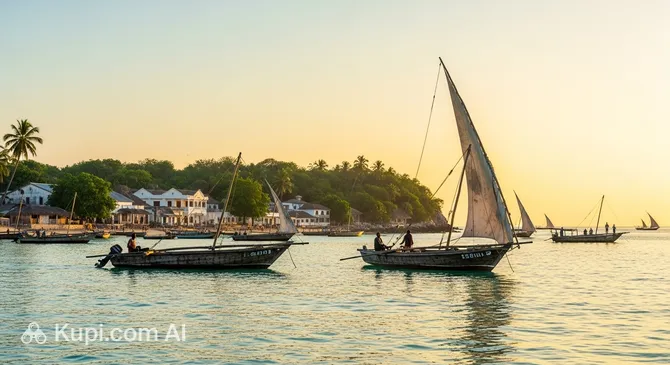
Kilwa Masoko. Source: Kupi.Binoculars

The town is globally renowned as the launching point for visiting the UNESCO World Heritage ruins on the nearby islands of Kilwa Kisiwani and Songo Mnara. Travelers interested in the history of Kilwa Masoko and the region can explore magnificent structures like the Great Mosque and the Husuni Kubwa Palace, which date back to the height of the Swahili Coast trade.

Beyond its historical allure, Kilwa Masoko boasts beautiful natural surroundings, including the pristine Jimbiza Beach and the lively local market that gives the town its name. Whether you are looking to dive into ancient civilizations or simply unwind by the Indian Ocean, Kilwa Masoko invites you to experience a unique and unforgettable side of the country.

Weather Overview

Kilwa Masoko enjoys a tropical climate with consistent warmth throughout the year, creating an inviting atmosphere for visitors. Temperatures remain fairly stable, with daily averages hovering between 25°C in the cooler months like July and reaching around 28°C during the warmest period in February. Highs typically peak near 30°C, while nights stay comfortable, rarely dropping below 22°C.

The town's seasons are defined more by rainfall than temperature changes. The dry season, running from June to October, is generally considered the best time to visit, with months like July and August seeing almost no precipitation and very few wet days. Conversely, the wet season lasts from November to May, bringing frequent showers; April is particularly notable for its high frequency of rain, recording up to 26 wet days. To plan your trip around these patterns, you can view more detailed information about the weather in Kilwa Masoko.

Interesting Facts

Beyond its reputation as a gateway to ancient ruins, Kilwa Masoko holds historical secrets and cultural nuances that echo its past grandeur as a trade empire. Here are some intriguing facts about this coastal town and its legacy:

  • A Link to Australia: In a discovery that rewrote maritime history, copper coins minted in Kilwa were found on the Wessel Islands in Northern Australia. These artifacts, dating back to the 12th century, suggest that trade networks originating from Tanzania may have extended thousands of miles further than previously thought.

  • The Meaning of "Masoko": The name of the town is deeply rooted in its commercial identity. "Masoko" literally translates to "markets" in Swahili, reflecting its enduring role as a central trading hub for the mainland and the surrounding archipelago.

  • A Royal Swimming Pool: The nearby Husuni Kubwa palace, accessible from the town, features the remains of a unique octagonal swimming pool. This structure was part of a complex that once stood as the largest pre-European building in sub-Saharan Africa.

  • High Praise from History: The famous Moroccan explorer Ibn Battuta visited the area in 1331 and was struck by its splendor. He described the Kilwa Sultanate as one of the most beautiful and well-constructed places in the world, famed for its elegant coral stone architecture.

How to Get There

Reaching this historic coastal town is an adventure in itself, offering travelers a chance to see the changing landscapes of the Swahili Coast. For a comprehensive guide on all transport options, including road travel and bus schedules, you can read more about how to get to Kilwa Masoko.

The most direct and convenient way to arrive is via the local Kilwa Masoko Airport (KIY). Located just 0.9 km from the town center, this facility is situated right within Kilwa Masoko. While it handles a very small volume of traffic, primarily serving domestic charters and light aircraft, it allows you to land practically at your destination. The transfer from the airstrip to the main hotels or ruins takes only about 20 minutes walking or a quick drive.

For most international visitors, the journey begins at Julius Nyerere International Airport (DAR) in the major city of Dar es Salaam. It is the primary international gateway to the country and is located approximately 228 km north of Kilwa Masoko. From Dar es Salaam, you can either catch a connecting flight or arrange for ground transport. A taxi or bus ride from Dar es Salaam to Kilwa Masoko typically takes around 6 hours, depending on road conditions and traffic.

Another viable option for regional travelers is Mtwara Airport (MYW), situated in the city of Mtwara, about 173 km south of Kilwa Masoko. This airport serves the southern coast and can be a good alternative if you are exploring the southern circuit. The drive from Mtwara to Kilwa Masoko generally takes about 4.5 hours by taxi.

For clarity, here is a summary of the main airports:

Airport Name City Passenger Traffic Km from City
Julius Nyerere International AirportDar es SalaamHigh228.3
Zanzibar International AirportZanzibar CityHigh299.8
MafiaMafia IslandLow112.4
Mtwara AirportMtwaraLow173.5
Kilwa Masoko AirportKilwa MasokoVery Low0.9

Main Attractions

The most prominent attraction in the area is undoubtedly the Kilwa Kisiwani Ruins, a UNESCO World Heritage Site located on an island just a short boat ride across the water. Once a powerful trading city that controlled the gold trade along the Swahili Coast, the site features magnificent coral stone architecture. Visitors can explore the impressive Great Mosque, which is the oldest standing mosque in East Africa, and the Husuni Kubwa Palace, a grand structure that once housed the sultan and included a unique octagonal swimming pool.

For those seeking a more remote and atmospheric historical experience, the Songo Mnara Ruins offer an incredible journey into the past. Located on a neighboring island, this site is often described as the "twin" to Kilwa Kisiwani but is less visited, allowing for a tranquil exploration among the mangroves and baobab trees. The ruins here are exceptionally well-preserved, featuring a layout of mosques, cemeteries, and domestic dwellings that provide a clear picture of how the Swahili community lived centuries ago.

Back on the mainland, Jimbiza Beach is the perfect spot to unwind after a day of historical sightseeing. This stretch of pristine white sand is not only a place for swimming and sunbathing but also a hub of local culture. You can watch traditional dhows sailing in from the ocean and visit the bustling fish market where the day's catch is auctioned. It offers a genuine slice of coastal life, combining natural beauty with the friendly spirit of the local community.

To truly understand the town's modern identity, a visit to the Kilwa Masoko Market is essential. The name "Masoko" itself means "markets," and this lively center is the heartbeat of the town. Here, travelers can wander through stalls piled high with fresh tropical fruits, vegetables, and aromatic spices. It is a vibrant place to interact with residents, purchase colorful fabrics, and experience the relaxed yet busy rhythm of this Tanzanian port town.

Local Cuisine

The cuisine of Kilwa Masoko is a delightful reflection of its coastal heritage, offering a culinary journey defined by fresh ocean catches and aromatic Swahili spices. As a historic trading hub, the local food culture blends African traditions with Arab and Indian influences, resulting in dishes that are rich in flavor and often cooked with creamy coconut milk. Whether you are dining in a hotel or a small local eatery, the emphasis is always on freshness.

Seafood is undoubtedly the star of the show here. Visitors should not miss the chance to try Samaki wa Kupaka, a signature coastal dish where fresh fish is grilled over charcoal and then smothered in a rich, spiced coconut sauce. Another local favorite is Mchuzi wa Pweza (octopus curry), often simmered until tender and served with Wali wa Nazi, fragrant rice steamed with coconut milk. For a festive meal, look for Pilau, a spiced rice dish cooked with meat and seasoned with cardamom, cloves, and cinnamon.

For a more casual dining experience, the town's name—"Masoko," meaning markets—hints at the vibrant street food scene. In the evenings, the air fills with the scent of grilling meats. You can sample Mishkaki, marinated beef or goat skewers grilled to perfection, or try the ubiquitous Tanzanian comfort food, Chipsi Mayai, which is a french fry omelet often served with a side of fresh salad and chili sauce. The local market and the area around Jimbiza Beach are excellent spots to mingle with locals and enjoy these affordable treats.

To beat the tropical heat, nothing compares to Madafu, fresh coconut water drunk straight from the shell, which is widely available from street vendors. Tea culture is also strong, with Chai often brewed with ginger and spices, enjoyed in the mornings or evenings. While Kilwa Masoko is predominantly Muslim and alcohol is not served in ordinary local eateries, tourists can find cold local beers and international spirits at hotels and beach resorts catering to visitors.

Travel Tips

Welcome to Kilwa Masoko! While this historic port town is incredibly welcoming, it operates at a relaxed pace and has specific cultural norms that differ from typical resort destinations. To ensure your visit to this gem of Tanzania is as smooth and enjoyable as possible, here are some practical tips to keep in mind.

  1. Dress Modestly and Lightly: The climate is hot and humid, so breathable fabrics like cotton or linen are essential. However, Kilwa Masoko is a culturally conservative, predominantly Muslim town. When walking in the center or visiting the ruins, ensure your shoulders and knees are covered. Save swimwear for the beach or your hotel grounds, and bring slip-on shoes, as you will need to remove them when entering active mosques.

  2. Local Transportation: The town is small enough to explore parts of it on foot, but for longer distances, the most convenient options are bajajis (auto-rickshaws) and boda-bodas (motorcycle taxis). They are affordable and readily available. Always agree on the fare with the driver before starting your journey, as meters are not used.

  3. Cash is Essential: While there are ATMs in town (typically NMB and CRDB branches), they can occasionally be out of service or out of cash. Credit cards are rarely accepted outside of upmarket lodges and hotels. It is highly recommended to carry enough Tanzanian Shillings to cover meals, transport, and market purchases.

  4. Health and Hydration: As in much of the coastal region, malaria is a risk, so bring strong insect repellent and consider sleeping under a mosquito net. Pharmacies in town are basic, so carry a personal medical kit with essentials. strictly stick to bottled water for drinking and brushing your teeth to avoid stomach issues.

  5. Communication and Connectivity: Swahili is the primary language. While staff at hotels and guides at the ruins speak English, it is less common among shopkeepers and drivers. Learning a few phrases like "Jambo" (Hello) and "Asante" (Thank you) goes a long way. You can easily buy a local SIM card (Vodacom, Airtel, or Tigo) in the town center for affordable data access.

  6. Etiquette and Greetings: Greetings are a vital part of social interaction here; it is polite to exchange pleasantries before asking a question or starting a transaction. Always use your right hand for eating, shaking hands, or passing money, as the left hand is considered unclean in local culture.

  7. What to Avoid: Avoid public displays of affection, such as kissing or hugging, as this is frowned upon in the local community. Additionally, do not take photographs of people without asking for their permission first; many locals are private and may find it intrusive.

  8. Ruins Permit Logistics: To visit the famous Kilwa Kisiwani or Songo Mnara ruins, you must obtain a permit from the local Antiquities Office, usually located near the port or the cultural center. It is best to arrange this in the morning or have your hotel assist you, as the office may close early or for lunch breaks.

By respecting these local customs and coming prepared, you will find that the people of Kilwa Masoko are warm, helpful, and eager to share their heritage with you. Embrace the slow pace of life on the Swahili Coast, and you are sure to have an unforgettable adventure.

Entertainment & Nightlife

Nightlife in Kilwa Masoko is defined by its tranquil, small-town atmosphere rather than a bustling club scene. Travelers expecting neon-lit districts or thumping discos will find a different kind of charm here: evenings are typically spent enjoying the ocean breeze, socializing in open-air settings, and savoring long dinners under the stars. The town operates at a relaxed pace, and the entertainment focuses on connection and relaxation.

The primary hub for evening activity is the area around Jimbiza Beach. This is where most of the tourist-friendly lodges and hotels are located, serving as the de facto "bars" for visitors. Venues like Kimbilio Lodge and Kilwa Pakaya Hotel are popular spots to unwind. Here, you can enjoy a cold Kilimanjaro beer or a glass of wine while looking out over the Indian Ocean. The vibe is casual and friendly, often involving conversations with fellow travelers or the welcoming staff. There is no strict dress code; casual resort wear is entirely appropriate.

For a more authentic local experience, head to the town center and the Masoko Market area. As the sun sets, this part of town comes alive with a different energy. It is not a party district in the Western sense, but rather a social hub where locals gather to eat and chat. The streets fill with the aroma of grilling meats, and you can grab a plastic chair at a roadside stall to enjoy fresh mishkaki (skewered meat) or chipsi mayai. It is a fantastic place to soak up the culture, though alcohol is generally not sold in these strictly local, Halal-compliant food stalls.

If you are looking for a dedicated bar setting outside of the hotels, there are a few "groceries"—local Tanzanian pubs—scattered along the main road leading into town. These are simple, no-frills establishments playing Bongo Flava music where you can buy bottled beer at local prices. They offer a lively, unpretentious atmosphere, but it is best to visit with a local guide or a group of friends if you are unfamiliar with the language and customs.

Practical advice for a night out includes planning your transport in advance. Bajajis (tuk-tuks) are the main mode of transport, but they become scarcer after 10:00 PM. It is wise to get the phone number of a reliable driver if you plan to stay out late. The town is generally safe, but street lighting can be sparse or non-existent away from the main road, so carrying a flashlight is recommended. Average prices are very affordable; a beer at a local spot might cost around 3,000 TZS, while hotel prices are slightly higher.

Regarding daytime entertainment, Kilwa Masoko does not feature modern amusement parks, cinemas, or shopping malls. The "entertainment" here is rooted in nature and history. Visitors spend their days exploring the UNESCO ruins on the islands, snorkeling in the pristine waters, or taking dhow excursions. The beaches offer a natural playground for swimming and relaxation, serving as the perfect precursor to the town's laid-back evenings.

Parks & Museums

Kilwa Masoko redefines the traditional concept of cultural and recreational spaces. Rather than manicured city parks and enclosed glass-cabinet museums, this coastal town offers pristine natural landscapes and islands that serve as magnificent open-air museums. The region's "green spaces" are its untouched beaches and mangrove forests, while its "galleries" are the centuries-old stone ruins that tell the story of the Swahili Coast's golden age.

For nature lovers, Jimbiza Beach serves as the town's primary natural playground. Unlike a formal park, this stretch of coastline offers a raw and relaxing environment shaded by swaying palm trees and casuarinas. It is the perfect spot for an afternoon picnic or a leisurely walk along the white sands. The beach is also a hub of local life, where visitors can watch traditional dhows glide across the turquoise water, blending natural beauty with cultural observation.

Another significant natural area involves the extensive Mangrove Forests that line the creeks and surround the nearby islands. These dense, green ecosystems are vital to the region's biodiversity. Exploring these "water parks" by small boat offers a peaceful escape into nature, where you can spot various bird species and see the complex root systems that protect the shoreline. It provides a stark, beautiful contrast to the open ocean and the stone towns.

In terms of museums, the Kilwa Kisiwani Ruins effectively function as a vast, living museum located just a short boat ride from the harbor. While not a building with exhibits, this UNESCO World Heritage Site preserves the physical history of a medieval sultanate. Visitors walk through the remnants of the Great Mosque and the Husuni Kubwa Palace, experiencing history in situ. The site offers a profound connection to the past that no indoor gallery could replicate, showcasing the architectural prowess of the 12th to 15th centuries.

Similarly, the Songo Mnara Ruins offer a quieter, more atmospheric historical experience. Located on a neighboring island, this site is less cleared than Kilwa Kisiwani, giving it the feel of a "secret garden" of history hidden among baobabs and scrub. It acts as an untouched gallery of Swahili urban planning, with well-preserved domestic rooms and mosques that allow you to visualize the daily lives of the ancient trading community.

For a glimpse into the colonial era, the local Antiquities Office in Kilwa Masoko (often the first stop for arranging permits) sometimes houses small displays or information about the archaeological findings. While modest, it provides essential context before you head out to the islands. Additionally, architectural enthusiasts will appreciate the German colonial buildings scattered around the region, which stand as silent monuments to a later chapter in the town's history.

Insider Tip: For a truly authentic experience, visit the Jimbiza beach area in the late afternoon when the fishermen return. It is not a formal attraction, but the bustling activity acts as a "living museum" of Swahili maritime culture that has remained largely unchanged for centuries.

Getting Around

Public transport in Kilwa Masoko is informal and scaled to the size of this relaxed coastal town. There is no complex system of metros, trams, or large municipal buses. Instead, the streets are dominated by bajajis (auto-rickshaws) and boda-bodas (motorcycle taxis). These are the most convenient and popular ways for both locals and tourists to navigate the town, offering a breezy and agile means to travel between the market, the port, and the beach resorts.

For longer journeys, such as traveling to neighboring villages or connecting to the main regional highways, daladalas (minibuses) are the primary option. These vehicles run on fixed routes and are the most budget-friendly mode of transport. However, they can be crowded and often wait until they are fully loaded before departing, making them less suitable for short, time-sensitive trips within the town center itself.

The payment system operates entirely on cash. There are no travel cards, mobile apps, or electronic ticket machines. For daladalas, fares are fixed and collected by a conductor during the ride. When using bajajis or boda-bodas, there are no meters, so it is essential to negotiate and agree on the price with the driver before you start your journey. A typical trip within the town is very affordable, but prices can vary based on distance and the time of day.

Travelers should keep a few practical tips in mind. Always carry small denominations of the local currency, as drivers rarely have change for large notes. While transport is easy to find during daylight hours, the availability of bajajis drops significantly after dark. If you plan to dine out late, it is wise to arrange your return transport in advance or keep the phone number of a reliable driver. Additionally, safety helmets are required for boda-boda passengers, so ensure your driver provides one.

Regarding alternatives, standard taxi cabs are not commonly found cruising the streets for passengers; they are typically private hires arranged through hotels for airport transfers or specific excursions. Modern services like car-sharing apps or automated bike rentals do not exist in Kilwa Masoko. However, walking is a pleasant and viable option for short distances, allowing you to enjoy the peaceful atmosphere of the town at your own pace.

A unique feature of transport in this region is the reliance on boats. To visit the historic UNESCO sites on Kilwa Kisiwani or Songo Mnara, water transport is mandatory. Visitors must hire traditional dhows or motorized boats from the harbor. These trips are generally organized as private charters through the antiquities office or local guides, rather than as a scheduled ferry service, adding a sense of adventure to your daily commute.

Accommodation

Where to Stay:

Accommodation in Kilwa Masoko reflects the town's laid-back, non-commercialized character. Unlike the sprawling resorts found in Zanzibar or the high-rise hotels of Dar es Salaam, the options here are intimate, small-scale, and generally blended with the natural environment. The range primarily consists of mid-range beach lodges, eco-friendly bungalows, and simple budget guesthouses. There are no large international hotel chains, which preserves the authentic and peaceful atmosphere of the area.

The most popular area for tourists is undoubtedly Jimbiza Beach. Located about 2 to 3 kilometers from the town center, this coastal strip is home to the majority of visitor-oriented lodges. Staying here offers direct access to the ocean, cooling sea breezes, and a front-row seat to the local fishing culture. It is also the social hub for travelers, where you can easily find dinner or a drink in the evenings. For those on a tighter budget or looking for a more local experience, the town center (Masoko) offers basic guesthouses. These are convenient for accessing the bus station and the market but lack the scenic views and resort amenities of the beachside properties.

Well-known establishments in the Jimbiza area, such as Kimbilio Lodge and Kilwa Pakaya Hotel, set the standard for comfort in the region. These venues typically offer self-contained cottages or rooms with thatched roofs, mosquito nets, and restaurants serving fresh seafood. They provide a comfortable base for exploring the nearby ruins and are accustomed to hosting international travelers.

Booking Tip: Because the number of tourist-standard beds is relatively low, it is highly advisable to book your accommodation in advance, especially during the peak dry season (June to October) and around holidays. While you might find a room upon arrival in the low season, the best sea-facing bungalows fill up quickly.

In terms of pricing, Kilwa Masoko is generally affordable. Most beach lodges fall into the mid-range category, offering good value for money compared to more developed tourist destinations in Tanzania. Budget options in town are very cheap but basic. While the main lodges appear on major online booking platforms, some smaller guesthouses may require direct contact via phone or email. It is also worth noting that while larger lodges accept credit cards, smaller establishments often prefer cash payments in Tanzanian Shillings.

Nearby Cities

For those looking to explore the surroundings, Kilwa Masoko serves as an excellent base for day trips to several interesting nearby locations:

Kilwa Kivinje is the most historically significant and accessible destination for a quick day trip, located roughly 30 kilometers north of Masoko. Unlike the medieval ruins on the islands, Kivinje flourished in the 19th century as a hub for the southern slave and ivory trade. Today, visitors can walk through its quiet streets to see fading German colonial administrative buildings and Omani-style architecture, offering a hauntingly atmospheric contrast to the bustling market life of Masoko.

For a change of pace, the town of Lindi lies approximately 100 kilometers to the south. As the regional capital, it offers a glimpse into a larger coastal settlement that still retains a sleepy, welcoming charm. The drive itself is scenic, passing through sisal plantations and coastal vegetation. Lindi features its own historic quarter with Indian and Arab influences, as well as expansive, uncrowded beaches that are perfect for a relaxing afternoon by the ocean.

While often considered a transit point, the major metropolis of Dar es Salaam is the primary urban connection for the region. Although it requires a long journey for a single day, it serves as the gateway for those looking to combine the tranquility of Kilwa with the vibrant markets, national museums, and modern amenities of Tanzania's largest city for a short visit.

City Population Distance (km)
Dar es Salaam7962000234
Morogoro207000309
Zanzibar City205870306
Kibaha128488255
Ifakara99000323

These nearby destinations offer a glimpse into the diverse culture and landscapes of the region.

Shopping & Souvenirs

Shopping in Kilwa Masoko offers a genuine slice of local life rather than a high-end retail experience. As a small coastal town in Tanzania, the commercial scene here is focused primarily on daily necessities, fresh produce, and functional goods. Travelers will not find luxury boutiques or duty-free promenades; instead, they will encounter a vibrant, informal economy driven by small family-run shops and bustling open-air stalls. It is an excellent place to purchase fresh tropical fruits, basic supplies, and authentic local textiles while interacting with the friendly residents.

The main commercial activity is concentrated along the Main Road that runs through the center of the town towards the harbor. This strip serves as the town's "high street," lined with small concrete shops known locally as dukas. Here, you can find everything from mobile phone credit and toiletries to plasticware and hardware. The area is walkable and safe, allowing visitors to browse at a leisurely pace while observing the daily rhythm of this historic port town.

Visitors should be aware that there are no modern shopping malls or large department stores in Kilwa Masoko. The retail infrastructure is traditional, consisting of standalone kiosks and general stores. If you require specialized electronic equipment, branded clothing, or specific pharmaceutical items, it is highly advisable to purchase these in Dar es Salaam before traveling south, as selections here are limited to basic essentials.

True to its name—"Masoko" means "markets" in Swahili—the town's heartbeat is its central Kilwa Masoko Market. This lively hub is the best place to immerse yourself in the local culture. Stalls are piled high with seasonal produce like mangoes, pineapples, coconuts, and bananas, as well as aromatic spices that reflect the region's trading history. For a unique spectacle, visit the Fish Market near the Jimbiza beach area in the late afternoon. You can watch fishermen auctioning off the day's catch, including kingfish, tuna, and octopus, offering a fascinating glimpse into the town's maritime economy.

When it comes to souvenirs, the options are modest but meaningful. The best buy is undoubtedly Kanga and Kitenge fabrics. These colorful, patterned cotton cloths are a staple of East African culture and are sold in several shops around the market area. They make excellent gifts, sarongs, or tablecloths. Additionally, you may find locally woven mats or baskets made from palm leaves. While there are no dedicated "souvenir shops" for tourists, these functional local crafts serve as authentic mementos of your trip.

Most shops and market stalls operate from around 8:00 AM to 6:00 PM, Monday through Saturday. Some smaller kiosks may stay open later into the evening, while Sunday hours are often reduced. Cash is the only method of payment accepted in virtually all shops and markets. Credit cards are useless outside of the major hotels, so ensure you have plenty of Tanzanian Shillings (TZS) in small denominations, as vendors often struggle to make change for large notes.

Tax-free shopping or VAT refunds are not available in Kilwa Masoko. The tax refund system in the country is generally limited to specific designated outlets in major international airports and is not applicable to the informal purchases made in small towns like this.
Reached the end of the page?

That means the route is fully explored