Support

Lichinga

About

Perched high on a plateau in the remote north, Lichinga is a city that surprises many visitors with its unique character and refreshing atmosphere. As the capital of the Niassa Province, it serves as an important administrative and commercial hub for the region. Unlike the humid coastal areas of Mozambique, Lichinga is famous for its cool, temperate climate and high altitude, offering a pleasant escape from the tropical heat.

The city is surrounded by extensive pine forests, which were planted decades ago and give the area a distinct, almost alpine feel. With a population of approximately 142,000 people, it balances the vibrancy of a provincial capital with a laid-back, welcoming pace. Exploring the history of Lichinga reveals its transformation from a military settlement formerly known as Vila Cabral into the bustling agricultural center it is today.

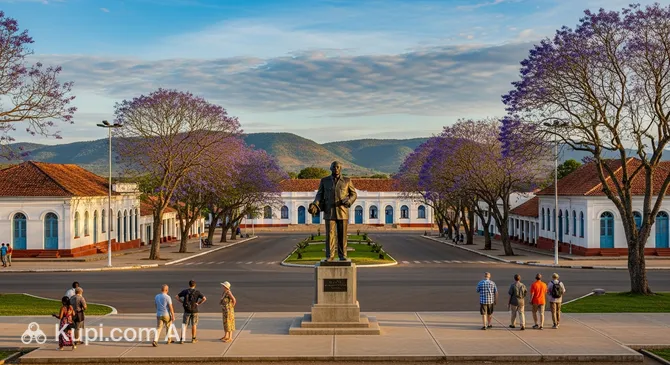
Lichinga. Source: Kupi.Binoculars

Travelers often use the city as the primary gateway to the pristine waters of Lake Niassa (also known as Lake Malawi), which lies just a short drive to the west. Within the city itself, the central market is a colorful highlight, bustling with vendors selling fresh produce and vibrant capulana fabrics. The main square, featuring a statue of Samora Machel, offers a glimpse into the local daily life and architectural style.

Whether you are passing through on your way to the lake's sandy beaches or stopping to enjoy the crisp mountain air, Lichinga provides a memorable and authentic experience. It is a destination that invites you to slow down and appreciate a different, quieter side of this beautiful country.

Weather Overview

Thanks to its location on a high plateau, the city benefits from a temperate climate that is distinct from the tropical heat found elsewhere in the country. The weather is generally mild, though it varies significantly between the wet and dry seasons. To help plan your trip effectively, you can view more comprehensive data on the weather in Lichinga.

Expect a mix of warm days and cool nights, with distinct precipitation patterns throughout the year. The rainy season runs from November through April, peaking in January when rain occurs on up to 29 days of the month. The dry season, lasting from May to October, offers sunny skies and crisp air; June and July are typically the coldest months with average temperatures around 17.5°C and lows near 12°C, while the warmest weather arrives in October and November with highs reaching nearly 30°C.

Interesting Facts

Beyond its refreshing climate and pine-scented air, Lichinga holds fascinating secrets that highlight its unique position in the region. Here are some intriguing details about this highland city that often surprise visitors.
  • The Protective Wall: The name "Lichinga" is derived from the local Yao word N'chinga, which translates to "wall" or "corral." This poetic moniker refers to the ring of mountains that encircles the plateau, creating a natural barrier that protects the city and defines its distinct geography.

  • Fireplaces in the Tropics: It is one of the rare locations in Mozambique where residential architecture frequently includes functional fireplaces. While the rest of the country seeks relief from the tropical heat, local homes and hotels here often light fires in the evenings to combat the crisp highland chill.

  • Capital of the Wild: Lichinga serves as the administrative center for Niassa, which is the largest province in the country by surface area yet the least populated. This unique status gives the city the atmosphere of a bustling urban island surrounded by a vast, largely untouched wilderness of reserves and savannahs.

  • Grand Urban Design: Unlike many towns that grew organically, the city was meticulously planned during the colonial era (when it was known as Vila Cabral) with exceptionally wide avenues and geometric layouts. This design intent has left a legacy of spacious streets that feel surprisingly grand for a remote provincial capital.

How to Get There

Reaching this northern provincial capital is an adventure in itself, often involving a connection through major regional hubs or a scenic journey across the border. For a complete overview of travel options, including road routes and border crossings, you can read more about how to get to Lichinga.

The most convenient entry point is the local Lichinga Airport (IATA: VXC), situated just 3.6 km from the city center. As the primary air gateway for the Niassa Province, it welcomes domestic flights and connects the region to the rest of the country. A taxi or shuttle ride from the terminal to the heart of the city is quick, typically taking around 10 to 15 minutes.

For international travelers, Lilongwe International Airport (IATA: LLW) in the neighboring country of Malawi is a significant alternative. Located in the city of Lilongwe, approximately 168 km from Lichinga (in a straight line), it serves as a larger regional hub with more frequent international connections. However, choosing this route involves a cross-border journey by road. The transfer by taxi or bus generally takes approximately 6 to 7 hours, though travel times can vary depending on road conditions and border procedures.

For clarity, here is a summary of the main airports:

Airport Name City Passenger Traffic Km from City
Lilongwe International Airport Lilongwe Medium 167.7
Chileka Airport Blantyre Medium 264.6
Lichinga Airport Lichinga Small 3.6
Ngala Airfield Ngala Small 294.5

Main Attractions

While Lichinga is often viewed as a gateway to the wider wilderness of the province, the city and its immediate surroundings offer several compelling sites for visitors. From architectural landmarks to bustling centers of local culture, these locations provide insight into the daily life and history of this northern highland capital.

Lake Niassa (Lake Malawi) is undoubtedly the region's crown jewel and the primary reason many travelers journey to Lichinga. Although the city sits on a plateau, the pristine beaches of Chuanga are just a short, scenic drive of about 60 kilometers to the west. Here, visitors can swim in the crystal-clear fresh water, relax on white sandy shores, and enjoy a tranquil atmosphere that feels worlds away from the busy coast. It is the perfect spot for a day trip or a weekend retreat to experience the stunning natural beauty of the Rift Valley.

In the heart of the city stands the Catedral de São José (Saint Joseph’s Cathedral), a striking example of colonial-era architecture. Built from local stone, this imposing structure features a robust, fortress-like design that distinguishes it from the lighter styles seen in southern Mozambique. It serves as a spiritual anchor for the community and offers tourists a chance to admire the unique craftsmanship and serene interior that reflect the city's historical roots.

For a taste of local vibrancy, the Mercado Municipal (Central Market) is an essential stop. This bustling hub is where the city comes alive, with vendors displaying colorful piles of fresh fruits, vegetables, and the region's famous potatoes. Beyond produce, it is an excellent place to find traditional handicrafts, including woven baskets and vibrant capulana fabrics. Wandering through the stalls offers an authentic glimpse into the local economy and is a great opportunity to interact with the friendly residents.

Praça da Independência (Independence Square) serves as the civic center of Lichinga. Dominated by a statue of Samora Machel, the country's first president, the square is surrounded by government buildings and jacaranda trees that bloom in brilliant purple hues during the warmer months. It is a peaceful place for a stroll, allowing visitors to observe the city's planned layout and enjoy the cool highland breeze that defines this unique urban environment.

Local Cuisine

The culinary scene in Lichinga is distinct within Mozambique, largely defined by its unique high-altitude climate and proximity to the vast Lake Niassa. Unlike the tropical coast where coconut and seafood dominate exclusively, this region is famous for its agricultural bounty. The cool weather allows for the cultivation of crops that are rare elsewhere in the country, making potatoes, peaches, and pears local specialties. Visitors will find that the food here is hearty, fresh, and deeply connected to the land and the nearby lake.

One of the must-try dishes is the freshwater fish from Lake Niassa, particularly the Chambo (a type of Tilapia). It is often served grilled over charcoal or stewed in a rich tomato and onion sauce. Because the lake is fresh water, the flavor is distinct from the saltwater seafood found in coastal cities. This is typically accompanied by xima (a stiff maize porridge) or the region's famous fried or boiled potatoes, which are widely considered the best in the country due to the favorable growing conditions.

For meat lovers, the national staple of Galinha à Zambeziana is widely available and delicious. This dish consists of chicken marinated in lime, garlic, and piri-piri, then grilled and basted with a creamy coconut milk sauce. In Lichinga, you might also encounter hearty bean stews, which provide warmth and comfort during the cool evenings. The local diet is simple but flavorful, relying heavily on the freshness of ingredients rather than complex spices.

When it comes to beverages, the choice often reflects the relaxed pace of the city. Laurentina and 2M (Mac-Mahon) are the most popular national beers and are the perfect accompaniment to a grilled meal. For a non-alcoholic option, you might try Maheu, a traditional fermented maize drink that is thick, slightly sour, and very filling. Fresh fruit juices are also common, taking advantage of the seasonal produce available in the markets.

The food culture in Lichinga is unpretentious and community-oriented. While there are a few formal restaurants in hotels, much of the authentic dining happens in smaller, casual establishments and barracas (informal food stalls). The central market area is a great place to observe the local trade in fresh produce, and street vendors often sell roasted maize or cassava, offering a quick and tasty snack for travelers on the go.

Travel Tips

Visiting Lichinga offers a refreshing change of pace and climate compared to the rest of the country, but this unique environment requires a bit of specific preparation. To help you make the most of your time in this cool highland city, here are some essential practical tips.

  1. Pack for the Chill: Unlike the sweltering coast, Lichinga gets surprisingly cold, especially at night and during the dry season (June–July). Bring a warm sweater, a fleece jacket, and long trousers; you will likely need them once the sun goes down.
  2. Getting Around: The city is quite walkable thanks to its wide avenues and mild weather, but for longer distances, local minibuses known as chapas are the main mode of public transport. Taxis are available but typically do not use meters, so it is essential to negotiate the fare before you get in.
  3. Cash is King: While a few major hotels may accept international cards, most shops, restaurants, and market vendors deal exclusively in cash. ATMs are available in the city center, but they can occasionally run out of money or reject foreign cards, so carry enough Mozambican Meticals for your daily needs.
  4. Health Precautions: Although the high altitude reduces the density of mosquitoes compared to the coast, malaria is still a risk, so taking prophylaxis and using repellent is widely recommended. Stick to bottled water for drinking and brushing your teeth to avoid stomach issues.
  5. Language Essentials: Portuguese is the primary language for communication, and English is rarely spoken outside of specific tourist accommodations. Downloading an offline translation app or learning basic phrases like "Bom dia" (Good morning) and "Obrigado" (Thank you) will be incredibly helpful.
  6. Social Etiquette: Mozambicans are polite and value proper greetings. Always greet someone before asking a question or starting a transaction. Handshakes are common, but wait for the other person to extend their hand first if you are unsure.
  7. Photography Rules: Be very careful not to take photos of government buildings, the airport, police stations, or military personnel. This is strictly prohibited and can lead to serious legal trouble; always ask for permission before photographing locals as well.
  8. Connectivity: Wi-Fi in hotels can be slow or intermittent. For a reliable connection, buy a local SIM card (Vodacom or Movitel are popular choices) from an official store; remember to bring your passport as registration is mandatory.

With these practical details sorted, you can fully relax and enjoy the unique pine-scented air and friendly hospitality of Lichinga. A little preparation goes a long way in ensuring your adventure in this "capital of the north" is smooth, safe, and memorable.

Entertainment & Nightlife

Nightlife in Lichinga is defined by a relaxed and welcoming atmosphere that reflects the city's friendly character. Unlike the frenetic energy of larger coastal metropolises, the evening scene here is more intimate, centered around socializing, enjoying local music, and savoring good conversation. The cool highland climate plays a significant role in how nights are spent; you will often find locals gathering in cozy bars or open-air venues that offer warmth and vibrancy against the chill of the plateau.

The city does not have a single, densely packed nightlife district, but many popular spots are located near the city center and along the main avenues such as Avenida Samora Machel. The area locally referred to as the Feira Popular is also a well-known hub where several bars and eateries cluster together, making it easier to hop from one venue to another. The vibe is generally casual and unpretentious, with a dress code that favors comfort and warmth—bringing a jacket or sweater is essential, as temperatures drop significantly after sunset.

For those looking to experience the local rhythm, Mussuline is a standout venue often recommended by residents. It is known for its lively energy and is a great place to immerse yourself in the local culture, often featuring music that encourages dancing and mingling. Another popular spot is Na Mulata, which offers a vibrant setting for enjoying drinks and is frequently praised for its friendly service and spirited ambiance. If you prefer a more relaxed evening, Complexo Brisa provides a calmer environment, often featuring a poolside area that serves as a refreshing backdrop for a quiet drink under the stars.

Most nightlife venues begin to fill up around 8:00 PM and can stay lively until midnight or later, especially on weekends. Prices are generally affordable compared to international standards. Beer is the drink of choice for many, but you will also find a selection of spirits and soft drinks. When moving around at night, safety should be a priority. While Lichinga is considered safer than many larger cities, it is still advisable to avoid walking alone in poorly lit areas. The best way to get between venues is by using a taxi; since meters are rare, ask your hotel to call a reliable driver or negotiate the fare before starting your journey.

During the day, entertainment options are more traditional and low-key. The city lacks large amusement parks or multiplex theaters, so leisure time is often spent exploring cultural landmarks like the Cathedral of São José or browsing the bustling Mercado Municipal. For a relaxing afternoon, the gardens in Praça da Independência offer a peaceful retreat, while the surrounding nature provides ample opportunity for outdoor excursions before the sun goes down.

Parks & Museums

Lichinga is often described as a "garden city" due to its thoughtful urban planning and the abundance of greenery that thrives in its cool, high-altitude climate. While it may not possess the extensive list of formal museums found in larger capitals, the city itself serves as a living exhibit of colonial history and natural beauty, offering visitors a peaceful environment to explore.

Praça da Independência (Independence Square) serves as the central green lung of the city and is a focal point for both locals and visitors. This spacious public garden is meticulously maintained, featuring lined pathways, manicured lawns, and vibrant jacaranda trees that burst into purple blooms during the warmer months. It is a perfect spot for a leisurely afternoon walk, offering a quiet place to sit and observe the daily rhythm of the city under the watchful gaze of the statue of Samora Machel.

Surrounding the urban center are the extensive Pine Forests, a feature that makes Lichinga unique among Mozambican cities. These man-made forests were planted decades ago and have since matured into dense woodlands that resemble European landscapes more than tropical Africa. They provide a refreshing escape for nature lovers, offering shaded trails for hiking and picnicking while filling the air with the crisp scent of pine resin, which is particularly invigorating in the cool morning air.

In terms of cultural institutions, the Catedral de São José (Saint Joseph’s Cathedral) stands as the city's most significant architectural and historical landmark. While not a museum in the traditional sense, this imposing stone structure functions as a custodian of the region's religious and colonial history. Its robust, fortress-like design and serene interior offer visitors a glimpse into the past era of Vila Cabral, making it an essential stop for those interested in the heritage of the Niassa Province.

Rather than enclosed galleries, the streets of Lichinga act as an open-air architectural museum. A walk through the city center reveals a collection of preserved colonial administrative buildings and houses with functional fireplaces—a rarity in Mozambique. These structures reflect the city's origins as a planned military and administrative post, allowing tourists to appreciate the distinct "alpine" style that was adapted for this remote plateau.

For a truly authentic experience, venture just outside the main city limits into the edge of the pine plantations at sunset. The sound of the wind rushing through the tall trees creates a soothing, almost oceanic roar known locally as the "voice of the mountain," providing a magical and meditative end to the day.

Getting Around

The public transport system in Lichinga is straightforward and informal, reflecting the city's size and relaxed pace. Unlike larger global capitals, there are no metros, trams, or large municipal bus networks here. Instead, the city relies on a network of road-based options that are affordable and widely used by the local population. For visitors, navigating the system is relatively easy once you understand the basic rules of how locals move around.

The most common form of transport is the chapa, which is the local term for minibuses that serve as shared taxis. These vehicles operate on set routes connecting the city center with outlying neighborhoods and the airport. They do not have fixed timetables; instead, they depart from terminals or designated stops only when they are full. While they can be crowded and noisy, they offer the most authentic and inexpensive way to travel alongside residents.

For a more direct and private option, taxis are available, though they differ from what tourists might expect in Europe or North America. Taxis in Lichinga are typically standard sedans and do not have roof signs or meters. You can usually find them parked near major landmarks like the Central Market, the airport, or large hotels. Another popular alternative for short distances is the moto-taxi (motorcycle taxi). These are fast, plentiful, and can navigate smaller streets easily, though passengers should always prioritize safety and ask for a helmet.

The payment system across all modes of transport is exclusively cash. There are no travel cards, mobile apps, or electronic passes. When taking a chapa, you pay the conductor (who usually stands by the sliding door) during the journey. Fares are fixed and very low. For taxis and moto-taxis, prices are not fixed. It is essential to negotiate and agree on the fare with the driver before you get into the vehicle or on the bike. Carrying small change is highly recommended, as drivers often struggle to break large banknotes.

One of the unique features of Lichinga is that it is remarkably pedestrian-friendly compared to other cities in the region. Thanks to the town's planned layout with wide avenues and its cool, temperate climate, walking is a genuine and pleasant alternative to motorized transport. Many of the main attractions, including the market and the cathedral, are within walking distance of each other, allowing you to explore the city at your own pace without breaking a sweat.

Public transport generally operates from early morning, around 5:00 AM, until early evening. After dark, the availability of chapas drops significantly, and it is safer and more reliable to use a private taxi arranged by your hotel or restaurant. If you choose to rent a car, be aware that while the main avenues are wide and paved, secondary roads can be unpaved and bumpy, especially during the rainy season.

Accommodation

Accommodation in Lichinga reflects the city's modest, laid-back character and its unique role as a provincial capital in the highlands. Visitors will not find sprawling luxury resorts or international high-rise chains here. Instead, the city offers a selection of comfortable mid-range hotels, charming local guesthouses (often called pensões), and functional lodges designed to cater to business travelers, NGO workers, and adventurous tourists.

One of the most distinctive features of staying in Lichinga is the architecture designed for the cool climate. Unlike the rest of Mozambique, where air conditioning is a priority, many hotels and guesthouses here feature fireplaces in the rooms or common areas. Curling up by a crackling fire on a chilly evening is a signature experience of the local hospitality, adding a cozy, mountain-lodge atmosphere that is rare in tropical Africa.

In terms of location, most accommodation options are clustered around the city center. Staying in this area is highly convenient, placing you within walking distance of the Mercado Municipal, banks, and restaurants. For those seeking a quieter experience, there are a few lodges situated slightly further out, often nestled near the pine forests, offering peace and the refreshing scent of the woodlands.

Booking and Prices:

The price range for accommodation is generally affordable to moderate. Budget travelers can find simple but clean rooms in local pensões, while mid-range hotels offer amenities like en-suite bathrooms, hot water (essential here!), and breakfast. While a few larger establishments are listed on major online booking platforms, many smaller guesthouses still rely on direct bookings via phone or email. It is advisable to carry enough cash (Meticals) to pay for your stay, as card machines can be unreliable or unavailable in smaller establishments.

Travel Tip: Although the city rarely feels overcrowded, room availability can tighten during major government conferences or the peak dry season (June to August). It is smart to book your accommodation in advance during these times to ensure you secure a room with a working fireplace or heater.

Nearby Cities

Nearby Cities:

Lichinga serves as the primary administrative and commercial center for the vast Niassa Province. Due to the region's remote nature and sparse population density, the nearest major cities are located at significant distances. Travelers should be aware that journeys to these neighboring urban hubs often involve long drives through the diverse landscapes of Northern Mozambique.

The following table lists the closest major cities, along with their population and approximate distance from Lichinga:

City Population Distance
Malema 195,077 281 km
Gurue 120,000 304 km
Tete 152,909 360 km
Nampula 743,000 479 km
Quelimane 192,876 534 km

Shopping & Souvenirs

To explore shopping in Lichinga is to dive into the authentic rhythm of daily life in northern Mozambique. Unlike the polished retail hubs found in larger global cities, the shopping scene here is modest, community-focused, and deeply traditional. You will not find sprawling luxury complexes or international designer boutiques; instead, the city offers bustling open-air markets, small family-run shops, and a few modern supermarkets that cater to essential needs. It is a place where commerce is conducted with a handshake and a smile, offering a genuine connection to the local culture.

The commercial heart of the city beats in the Baixa (downtown) area and along the main thoroughfares, particularly Avenida Samora Machel. This wide, tree-lined avenue is flanked by various small stores selling everything from electronics and hardware to clothing and household goods. A stroll down this street allows you to browse through an eclectic mix of merchandise while enjoying the cool highland breeze. The area surrounding the central market is also a hive of activity, where informal vendors set up stalls on the sidewalks, offering a vibrant and chaotic contrast to the quieter residential zones.

Travelers should be aware that Lichinga does not have large-scale shopping malls in the western sense. There are no multiplex cinemas or food courts attached to retail centers here. However, for those seeking modern conveniences and imported goods, there are well-stocked supermarkets that serve as the city's "department stores." Frescos Nariyula and VIP Supermercado are among the most popular spots for tourists and expats. In these establishments, you can find a reliable supply of toiletries, bottled water, snacks, and even some international food brands that might be hard to find elsewhere in the province.

The undisputed highlight of the local shopping experience is the Mercado Municipal (Central Market). This sprawling hub is where the true spirit of the province comes alive. It is famous for its agricultural bounty, showcasing piles of the region's renowned potatoes, fresh peaches, and leafy vegetables. Beyond food, it is a treasure trove for traditional items. For a different kind of browsing, you might encounter the Mercado de Calamidade, a local term for the bustling markets selling second-hand clothing. It is a fascinating place to observe local fashion trends and perhaps find a unique vintage piece at a bargain price.

When looking for keepsakes to bring home, focus on goods that reflect the artistry of the Niassa Province. The most iconic purchase is the Capulana, a vibrant cotton fabric used by Mozambican women as a wrap-around skirt. You can buy these colorful textiles in the market or at specialized fabric shops to use as sarongs, tablecloths, or wall hangings. Woven baskets made from local reeds and bamboo are another regional specialty, known for their durability and intricate patterns. For a curated selection of handicrafts, look for A Casa Dos Presentes, a charming local gift shop known for selling high-quality artisanal products, including jewelry and wood carvings, which make for perfect gifts.

Business hours in Lichinga generally follow a standard schedule, with most shops opening around 08:00 and closing by 17:30 or 18:00 on weekdays. Many establishments take a lunch break between 12:00 and 14:00, although larger supermarkets often remain open. On Saturdays, shops typically close early, around 13:00 or 14:00, and almost everything is closed on Sundays.

Cash is the absolute rule for almost all transactions. While a few top-tier supermarkets and hotels may accept Visa or Mastercard, the vast majority of shops, and certainly all market vendors, deal exclusively in Mozambican Meticals (MZN). It is highly recommended to withdraw sufficient cash from an ATM in the city center before heading out to shop, especially if you plan to visit the markets or smaller boutiques.

Tourists should note that tax-free shopping or VAT refund schemes are not available in Lichinga. The price you see on the item is the final price you pay. In the markets, however, prices are often not fixed, and polite bargaining is expected and welcomed, adding a fun and interactive element to your shopping adventure.
Reached the end of the page?

That means the route is fully explored