Support

Harare

About

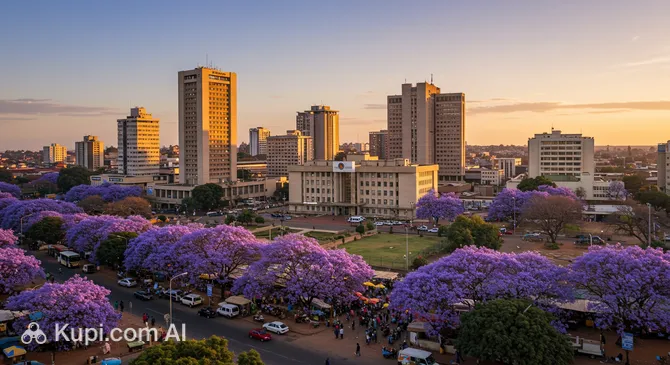
Welcome to Harare, the vibrant capital and most populous city of Zimbabwe. Often affectionately known as the "Sunshine City," it serves as the country's political, economic, and cultural heartbeat. With a population exceeding 2 million residents, the city offers a dynamic atmosphere where modern skyscrapers stand alongside preserved historical buildings, creating a unique urban landscape that reflects the nation's spirit.

Geographically, the city is situated on the Highveld plateau at an elevation of nearly 1,500 meters. This high altitude gifts the region with a pleasant subtropical highland climate, ensuring that the weather remains comfortable for exploration throughout most of the year. Visitors interested in the past can delve into the fascinating history of Harare, tracing its evolution from a colonial settlement formerly known as Salisbury into the bustling modern metropolis it is today.

Harare. Source: Kupi.Binoculars

Harare is celebrated for its lush greenery and cultural depth. Travelers should not miss the National Gallery of Zimbabwe, which houses an impressive collection of contemporary African art and stone sculptures. Nature lovers will appreciate the Harare Gardens, the city's largest park, and the nearby Mukuvisi Woodlands, where you can spot wildlife just a stone's throw from the city center. The city is particularly stunning in September and October, when thousands of jacaranda trees bloom, carpeting the avenues in vibrant purple.

Whether you are starting a safari adventure or looking to experience authentic local culture, Harare provides a warm and inviting entry point. Its friendly locals, diverse dining scene, and relaxed pace make it a delightful destination to discover.

Weather Overview

Due to its high altitude, the city enjoys a temperate climate that is generally comfortable year-round. To help you pack appropriately, it is useful to review the detailed weather in Harare, as conditions shift distinctly between the wet and dry seasons.

The warmer months typically run from September through March. October is often the hottest month, with average temperatures around 22.1°C and highs peaking near 28.7°C. Following this heat, the rainy season sets in from November to March. January is usually the wettest month, featuring approximately 21 rainy days, so a waterproof jacket is essential if you visit during this period.

Conversely, the cooler, drier season spans from May to August. During June and July, the average temperature drops to about 15°C, and nights can be quite crisp with lows reaching 8.1°C. Rainfall is virtually non-existent from May through September, providing clear blue skies for sightseeing.

Overall, visitors can expect warm, humid summers with frequent showers and cool, sun-filled winters that remain largely dry.

Interesting Facts

Beyond the main attractions, Harare holds many fascinating secrets and unique features that define its character. From innovative architecture to historical urban legends, the city offers curious travelers plenty of intriguing details to discover.
Eastgate Market. Source: Kupi.Binoculars
  • The city is home to an architectural wonder inspired by nature. The Eastgate Centre, which houses the Eastgate Market, was designed using biomimicry principles observed in termite mounds. This innovative natural cooling system allows the building to regulate temperature without conventional air conditioning, consuming significantly less energy than standard structures.

  • The exceptional width of the city's avenues is rooted in colonial history and urban planning. The streets were originally laid out to be wide enough to allow a wagon drawn by a span of sixteen oxen to make a complete U-turn without having to back up.

  • Harare derives its name from a legendary Shona chief, Neharawa. His name roughly translates to "He Who Does Not Sleep," a reference to his constant vigilance against enemies from the kopje (hill) where the city was historically founded.

  • Just outside the city limits lie the famous Balancing Rocks of Epworth. These granite formations are so geometrically improbable and iconic that they were featured on the country's currency notes, symbolizing the stability of the nation's natural environment.

How to Get There

Reaching the vibrant capital of Zimbabwe is relatively straightforward, with air travel being the most convenient method for international visitors. For a comprehensive guide on all transport options, including road and bus connections, you can read more about how to get to Harare on our detailed page.

The primary gateway for most travelers is Harare International Airport (HRE), which is conveniently located within the city limits. As the country's main aviation hub, it handles a significant number of passengers annually and offers various international and regional connections. The airport is situated approximately 12.5 km from the city center. A taxi ride to downtown is generally quick and efficient, taking about 40 minutes, depending on traffic conditions.

While the capital has its own major airport, there are other regional airstrips in neighboring areas, though they are significantly further away and may require crossing borders. For example, the Jeki airport (JEK) is located in Lower Zambezi National Park, roughly 288 km from Harare. A journey from there would be a long expedition, taking approximately 7.5 hours by road. Similarly, Chimoio Airport (VPY) is located in the city of Chimoio, about 291 km away, which also translates to a travel time of around 7.5 hours.

For clarity, here is a summary of the main airports:

Airport Name City Passenger Traffic Km from City
Harare International Airport Harare Large 12.5
Chimoio Airport Chimoio Small 290.9
Royal Airstrip Lower Zambezi National Park Small 298.2
Jeki Lower Zambezi National Park Small 287.6

Main Attractions

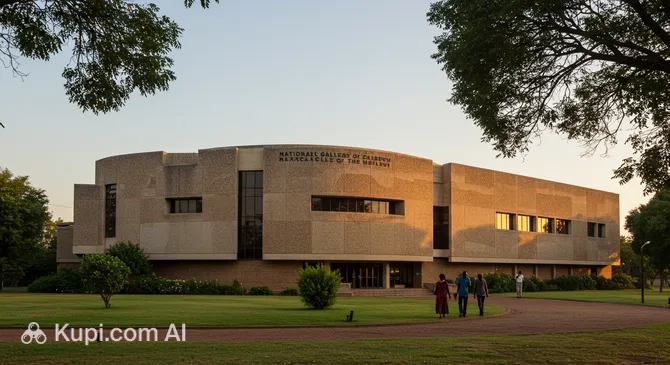
Harare offers a compelling mix of culture, nature, and modern urban life. For art enthusiasts, the National Gallery of Zimbabwe is an essential stop. Located in the southeast corner of the Harare Gardens, this institution is dedicated to the presentation and conservation of Zimbabwe's contemporary art and visual heritage. It is particularly famous for its collection of Shona stone sculptures, an art form that has gained international acclaim. Visitors can explore various exhibitions that showcase the depth of local talent and buy unique pieces at the gallery shop.

National Gallery of Zimbabwe. Source: Kupi.Binoculars

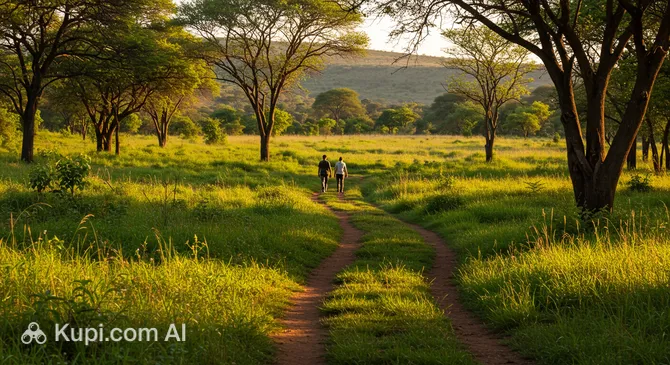
For those wishing to experience Zimbabwe's wildlife without traveling far from the capital, Mukuvisi Woodlands provides a perfect escape. This nature reserve spans over 260 hectares and offers a genuine bush experience just minutes from the city center. Tourists can enjoy walking safaris or horseback rides to see giraffes, zebras, impalas, and a wide variety of bird species in their natural habitat. It serves as a fantastic educational center and a tranquil spot for a picnic amidst the indigenous Miombo woodlands.

Mukuvisi Woodlands. Source: Kupi.Binoculars

Dominating the city skyline, Joina City represents the modern face of Harare. This imposing glass and steel skyscraper is one of the tallest buildings in the country and serves as a major hub for upscale shopping and entertainment. Inside, visitors will find a multi-story mall featuring fashion boutiques, restaurants, a gym, and a cinema. It is an interesting place to visit to witness the contemporary urban lifestyle of the locals and enjoy the architecture that defines the central business district.

Joina City. Source: Kupi.Binoculars

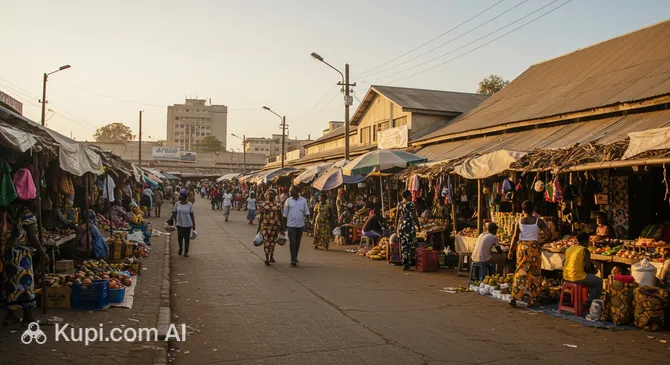
Adjacent to the famous eco-friendly office complex, the Eastgate Market offers a more traditional and bustling shopping experience. This vibrant area is packed with stalls selling everything from fresh produce and electronics to colorful African fabrics and handmade crafts. It is a fascinating spot for tourists to immerse themselves in the daily rhythm of the city, practice their bargaining skills, and pick up authentic souvenirs at reasonable prices.

Local Cuisine

The culinary landscape of Harare is a delightful reflection of Zimbabwe's rich agricultural heritage, blending traditional African flavors with modern international influences. Food plays a central role in the city's social life, and visitors can expect hearty, filling meals prepared with fresh, locally sourced ingredients. Whether you are dining in an upscale restaurant or grabbing a bite at a bustling market, the hospitality is always warm and inviting.

At the heart of the local diet is Sadza, a thick white porridge made from maize meal that is consumed almost daily. It typically serves as a canvas for savory accompaniments known as "relish." This often includes leafy greens like rape or covo, prepared with onions and tomatoes, or rich meat stews. For the adventurous eater, a must-try delicacy is Madora (mopane worms). These are high-protein caterpillars that are usually dried and then fried or stewed, offering a crunchy texture and a unique, nutty flavor.

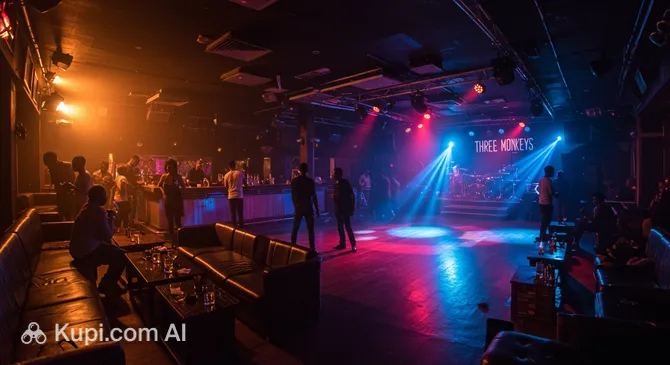
Meat lovers will feel right at home with the local Braai (barbecue) culture. On weekends, the air is often filled with the smoky aroma of grilling beef, pork, and chicken. It is more than just a cooking method; it is a social event where friends and family gather. If you are looking for a vibrant atmosphere to enjoy good food and perhaps a grilled feast, The Three Monkeys is a popular restaurant and bar that captures the energetic spirit of the city's dining scene.

The Three Monkeys. Source: Kupi.Binoculars

To wash down a hearty meal, locals often turn to Zambezi Lager, a crisp national beer that is perfect for hot days. For a more traditional experience, you might encounter Chibuku, a sorghum-based opaque beer served in cartons, colloquially known as "shake-shake." Non-alcoholic options are also plentiful, with Maheu—a traditional fermented grain drink—being a favorite energy booster. Another staple in many households is Mazoe Orange Crush, a concentrated juice that is iconic in the region.

The city's food culture is diverse, ranging from street vendors selling roasted maize on the cob to sophisticated eateries. For those wanting to explore the nightlife and enjoy a drink in a stylish setting, Pariah State Avondale offers a relaxed environment where you can mingle with residents and expatriates alike. Exploring these local spots provides a genuine taste of life in the Sunshine City.

Travel Tips

To help you navigate the "Sunshine City" with ease and confidence, we have compiled a list of essential travel advice. Harare is a welcoming metropolis, but like any capital, knowing a few local nuances regarding transport, money, and etiquette will make your stay significantly smoother and more enjoyable.

  1. Clothing and Gear: Thanks to the city's subtropical highland climate, layers are your best friend. Pack lightweight, breathable fabrics for the warm days, but definitely bring a warm jacket or sweater for the evenings and early mornings, which can be surprisingly chilly. Comfortable walking shoes are a must for exploring parks and markets. While there is no strict religious dress code, Zimbabweans generally dress smartly and modestly; avoiding overly revealing attire is respectful. Don't forget a Type G (British-style) or Type D power adapter for your electronics.
  2. Transportation: For most tourists, private taxis or ride-hailing apps like Vaya or Hwindi are the safest and most convenient ways to get around. The local minibuses, known as kombis, are ubiquitous and cheap but can be chaotic, crowded, and driven aggressively, so they are best avoided unless you have a local guide. If you choose to rent a car, drive defensively, keep doors locked, and be aware that some traffic lights may not be operational due to power cuts.
  3. Finances: The currency situation in Zimbabwe can be complex, but the US Dollar is widely accepted and is the most practical currency for tourists to carry. It is critical to bring plenty of small denomination notes ($1, $5, $10), as vendors and shops often do not have change for larger bills. International Visa and Mastercard are accepted in major hotels and supermarkets, but cash is king in local markets and smaller establishments. Tipping is customary; leaving 10% for good service in restaurants is appreciated.
  4. Health and Safety: Harare is generally safe, but standard urban precautions apply. Avoid walking alone at night, especially in the downtown area or unlit streets. Tap water is not always reliable, so stick to bottled water for drinking. Pharmacies are well-stocked, and you can find 24-hour services in areas like Avondale or Borrowdale. Medical facilities like the Avenues Clinic provide good care for travelers should the need arise.
  5. Communication: English is an official language and is spoken fluently by almost everyone in Harare, making communication very easy. To stay connected, you can buy a local SIM card from providers like Econet or NetOne at the airport or supermarkets; you will need your passport for registration. Wi-Fi is available in most hotels and cafes, though speeds can vary. Learning a greeting in Shona, like "Mhoro" (Hello), will earn you warm smiles from locals.
  6. Local Etiquette: Zimbabweans are polite and value greetings highly. It is polite to ask "How are you?" before starting a transaction or asking for directions. Handshakes are the common greeting, often done in a three-part grasp that you might learn quickly from locals. When receiving a gift or handing something to someone, it is respectful to use your right hand, or both hands, rather than just the left.
  7. What to Avoid: Strictly avoid taking photographs of government buildings, military personnel, police officers, the President's residence (State House), or the airport. This is considered a serious offense and can lead to confiscation of your camera or even arrest. Also, do not wear camouflage clothing, as it is reserved solely for the military.
  8. Power Supply: Be prepared for occasional power outages, locally known as "load shedding." Many hotels and restaurants have backup generators, but it is a good idea to carry a portable power bank to keep your phone charged while you are out exploring the city.

By keeping these practical tips in mind, you will be well-prepared to embrace the warmth and energy of Harare. The city's charm lies in its people and its relaxed pace, so carry some small change, a friendly smile, and enjoy everything this unique African capital has to offer.

Entertainment & Nightlife

Entertainment and Nightlife:

When the sun sets over the Sunshine City, Harare transforms into a lively hub of entertainment, particularly in the upscale northern suburbs. While the central business district tends to quiet down after business hours, areas like Avondale, Borrowdale, and Newlands come alive with activity. The nightlife here is diverse and vibrant, ranging from sophisticated cocktail lounges and open-air beer gardens to energetic nightclubs playing a mix of Afro-beats and international hits.

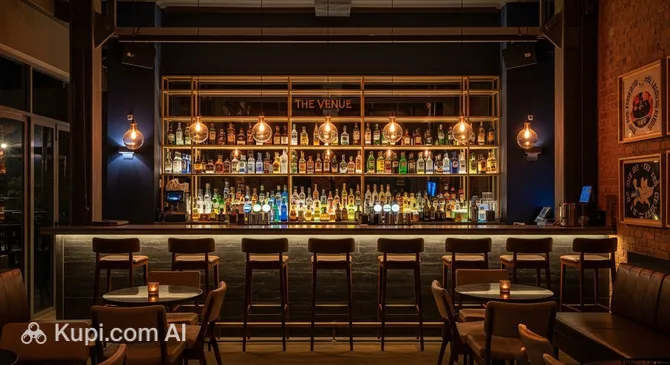
For those seeking a stylish evening out, The Venue in Avondale is a fantastic choice. It combines a chic bar atmosphere with quality music, making it an excellent spot for socializing with the city's trendy crowd. If you are looking for a more dynamic party scene, WOOD Sensations Club & Craft Beer House offers a high-energy environment where you can dance the night away and enjoy a wide selection of beverages. These establishments typically attract a friendly mix of locals and expatriates, creating a welcoming and cosmopolitan vibe.

The Venue. Source: Kupi.Binoculars

The atmosphere in Harare's nightlife districts is generally relaxed yet upbeat. The dress code is usually smart casual; locals take pride in looking good when they go out, so it is best to avoid wearing shorts or flip-flops to clubs. Most bars and clubs stay open late, often until the early hours of the morning on weekends. Prices are relatively affordable compared to many international capitals, but it is essential to carry small denominations of US dollars in cash, as card machines can sometimes be offline.

Safety is a priority when enjoying the city at night. While the entertainment districts in the suburbs are generally safe, it is strongly advised not to walk between venues or roam the streets after dark. Instead, rely on reputable taxi services or ride-hailing apps like Vaya to get from door to door. If you are staying in a hotel, the concierge can recommend trusted drivers to ensure your safe return.

Beyond the nightlife, Harare offers engaging daytime entertainment options. Culture enthusiasts can visit the historic Reps Theatre for local dramatic productions or explore various smaller galleries scattered across the city. For families or those looking for lighthearted fun, there are several recreational centers and amusement parks, such as Longcheng Plaza, which features unique architecture and activities for all ages.

Parks & Museums

Harare lives up to its reputation as the "Sunshine City" not just through its weather, but also through its abundance of leafy avenues, manicured gardens, and rich cultural institutions. For tourists, the city offers a refreshing mix of outdoor relaxation and intellectual exploration, with numerous green spaces and heritage sites located within easy reach of the center.

Among the city's most impressive natural areas is the National Botanic Gardens, situated in the suburb of Alexandra Park. Spanning approximately 58 hectares, this vast green lung is home to nearly all of Zimbabwe's 750 indigenous tree species, as well as exotic plants from around the world. It is a perfect spot for a leisurely walk or a picnic, featuring specialized sections like the Desert House. Right in the heart of the city, you will find Harare Gardens, the capital's largest public park. It serves as a popular recreational spot for locals and provides a lush, tranquil setting for a break between sightseeing stops.

For a true bush experience without leaving the city limits, the Mukuvisi Woodlands remains a top choice for nature lovers. This conservation area allows visitors to see game animals such as giraffes, zebras, and antelopes roaming freely in a preserved Miombo woodland environment. It is an excellent location for walking safaris and bird watching, offering a quick immersion into Zimbabwe's wildlife heritage.

Culturally, the city is anchored by several key institutions. The Zimbabwe Museum of Human Sciences is essential for those interested in archaeology and anthropology. It houses the famous seven-hundred-year-old Ngoma Lungundu, a replica of the Ark of the Covenant, alongside fascinating Stone Age tools and exhibits on traditional Shona culture. Art enthusiasts should head to the National Gallery of Zimbabwe, which plays a pivotal role in promoting the country's renowned stone sculpture movement and contemporary visual arts.

A significant historical and architectural landmark is the National Heroes Acre, located on a ridge overlooking the city. While it serves as a monument to those who fought for independence, it is also notable for its imposing brutalist architecture and murals that depict the country's history. For panoramic views, a trip to The Kopje is recommended. This granite hill is the site where the city was founded and offers a 360-degree vantage point of the modern skyline, making it a favorite spot for photographers.

For a unique local experience, seek out the smaller, private sculpture gardens scattered across the suburbs. Places like the Chapungu Sculpture Park (if open) or various roadside open-air galleries in areas like Newlands often display incredible craftsmanship, allowing you to meet the artists and understand the stories behind the stone.

Getting Around

The public transport system in Harare is primarily road-based, serving the city without an underground metro, tram, or trolleybus network. Instead, the capital relies on a combination of formal large buses and an extensive, informal network of minibuses. Understanding how these operate is key to navigating the city like a local, though the system can seem chaotic to first-time visitors.

The most ubiquitous form of transport is the minibus, locally known as a kombi. These 15-to-18-seater vans connect the city center with various suburbs. They are fast, frequent, and stop at designated points, though they will often stop anywhere along the route if signaled. In the city center, they operate from specific "ranks" (bus terminals) such as Copacabana, Market Square, or Charge Office, depending on the destination. While efficient, they are often crowded and driven aggressively.

For a more regulated alternative, you can look for the large buses operated by the Zimbabwe United Passenger Company (ZUPCO). These buses are generally safer and more affordable than kombis. However, they can be less frequent and are often packed during peak commuting hours. They follow major routes and are easily engaging for those who prefer a slower, steadier pace compared to the frenetic energy of the minibuses.

Payment for both kombis and buses is almost exclusively in cash. There are no travel cards, passes, or ticket validation machines for the average tourist to worry about. You simply pay the conductor on board. Fares are very low, typically ranging from $0.50 to $1.00 USD for a standard trip within the city limits. It is essential to carry small denomination notes (especially $1 bills), as conductors frequently lack change for larger bills.

Given the complexity of the public bus system, many tourists find private transport to be the most practical option. Ride-hailing apps such as Vaya and Hwindi are popular and reliable alternatives. They function similarly to international ride-sharing services, offering the safety of tracked journeys and transparent pricing. Traditional taxis are also available outside major hotels and at designated stands; however, they often lack meters, so you must negotiate and agree on the fare before getting into the car.

If you choose to use public transport, operating hours typically run from very early in the morning (around 5:00 AM) until the early evening. It is highly advisable to avoid using kombis or waiting at bus ranks after dark (around 7:00 PM or 8:00 PM), as availability drops significantly and safety risks increase. For evening travel, always opt for a pre-booked taxi or a ride-hailing service.

Car rentals are another option for those who prefer total independence, with several agencies operating at the airport and in the city center. However, driving in Harare requires alertness due to local driving habits, potholes, and frequent police checkpoints. Unless you are comfortable with these conditions, using ride-hailing apps remains the most stress-free way to explore.

Accommodation

Harare offers a diverse range of accommodation options that cater to everyone from business travelers to safari-bound tourists. The city’s hospitality sector includes large international-standard hotels, charming boutique lodges, and budget-friendly guesthouses. While the backpacker scene is smaller compared to other capitals, there is a wide selection of comfortable lodges and bed-and-breakfast establishments that offer a homely atmosphere.

For those visiting for work or short stopovers, the Central Business District (CBD) is the most convenient location, placing you within walking distance of government offices, banks, and major commercial centers. However, for a more relaxed and scenic stay, the northern suburbs such as Avondale, Borrowdale, and Newlands are the most popular choices among international tourists. These areas are characterized by their quiet, tree-lined avenues, enhanced security, and close proximity to upscale shopping malls and dining precincts. Staying in these suburbs often provides a more tranquil experience compared to the hustle of downtown.

Pricing varies widely depending on the level of comfort and location. Budget travelers can expect to pay between $30 and $60 per night for simple guesthouses or B&Bs. Mid-range hotels and lodges generally cost between $80 and $150, often featuring lush gardens and swimming pools. Luxury stays, including 5-star hotels and exclusive boutique resorts, typically start from $200 per night. Most properties accept international credit cards, but it is always useful to have some cash on hand for smaller incidentals.

Booking Tip: It is highly recommended to book your accommodation in advance, particularly during the dry season (peak safari months) or when major business conferences are held in the city. When choosing a place to stay, specifically check if the property has a backup generator and a reliable water storage system. Given that power outages can occur, ensuring your hotel has these facilities will make your stay significantly more comfortable and stress-free.

Nearby Cities

For those looking to explore the surroundings, Harare serves as an excellent base for day trips to several interesting nearby locations. Just a short drive south lies Chitungwiza, a bustling urban hub often referred to as "Chi-Town." It is particularly famous for the Chitungwiza Arts Centre, a vibrant cooperative where visitors can watch local sculptors carve intricate works from stone and purchase unique souvenirs directly from the artists. Another excellent option is the town of Norton, located to the west. It is best known for its proximity to Lake Chivero, a massive reservoir that offers fantastic opportunities for fishing, boating, and viewing wildlife such as rhinos and crocodiles in the adjacent game park.

City Population Distance (km)
Chitungwiza 371,244 21
Kwekwe 93,072 178
Norton 87,038 40
Kadoma 79,174 133
Chegutu 65,800 101

These nearby destinations offer a glimpse into the diverse culture and landscapes of the region, ranging from artistic communities to agricultural heartlands.

Shopping & Souvenirs

Shopping in Harare offers a fascinating contrast between modern retail experiences and vibrant, traditional African commerce. For tourists, the city provides an excellent opportunity to purchase high-quality local crafts, art, and textiles alongside standard international goods. The shopping scene is split between the bustling Central Business District (CBD), which hums with daily activity, and the more relaxed, upscale suburban centers where visitors often feel more comfortable browsing at a leisurely pace.

The city center is the commercial heartbeat, where you will find a mix of department stores, fashion boutiques, and street vendors. For a concentrated shopping experience in the downtown area, Joina City is the premier destination. This towering glass and steel complex is one of the capital's most recognizable landmarks, housing a variety of shops, restaurants, and a cinema. It offers a clean, modern environment that serves as a convenient escape from the busy streets outside.

In the northern suburbs, the atmosphere is distinctly different. The area of Borrowdale is home to Sam Levy's Village, a prestigious open-air mall designed to resemble an old English village. It is a favorite among tourists and expatriates, featuring landscaped walkways, coffee shops, and high-end boutiques. Another popular suburban hub is the Avondale Shopping Centre, which balances everyday conveniences with a selection of specialty stores and cafes.

For those seeking a more authentic local vibe, the city's markets are unmissable. In the CBD, adjacent to the eco-friendly office complex, the Eastgate Market offers a bustling array of stalls selling clothing, accessories, and fresh produce. It is a great place to witness the energetic trade of the city. More geared towards visitors is the Avondale Flea Market, located behind the main shopping center in Avondale. Here, you can hunt for second-hand books, vintage clothes, and an array of handicrafts in a relatively safe and relaxed setting.

When it comes to souvenirs, Harare is world-famous for its Shona stone sculptures. You can find everything from small, suitcase-sized carvings to massive garden statues at roadside galleries, particularly in Newlands. Other excellent keepsakes include intricate wood carvings, basketry, and colorful African fabrics. For a taste of Zimbabwe to take home, look for locally produced items like Biltong (dried meat), coffee, or the iconic Mazoe Orange Crush cordial found in supermarkets.

Most shops in the city center operate from 08:00 to 17:00 on weekdays and close around 13:00 on Saturdays, remaining closed on Sundays. However, suburban malls like Sam Levy's Village and Joina City often have extended hours and are open on weekends. Regarding payment, the US Dollar is the primary currency used for transactions. It is highly recommended to carry cash in small denominations ($1, $5, $10), as vendors often struggle to provide change for larger notes. International credit cards are accepted in major supermarkets and hotels, but cash is king in markets and smaller shops.

Tourists visiting Zimbabwe may be eligible for a VAT refund on goods purchased for export. To qualify, you must buy goods from registered retailers who can provide a tax invoice, and the total value usually needs to exceed a certain minimum amount. Be sure to keep all your receipts and present the goods to customs officials at the airport upon your departure to claim any applicable refund.
Nearby cities

Reached the end of the page?

That means the route is fully explored