Support

Mfuwe

About

Mfuwe is a vibrant settlement that serves as the primary gateway to one of Africa's most pristine wildlife sanctuaries. Located in the Eastern Province of Zambia, this bustling village offers a unique blend of local culture and world-class safari experiences. It is far more than just a transit point; for many travelers, the adventure begins the moment they arrive in this atmosphere filled with anticipation and the sounds of the African bush.
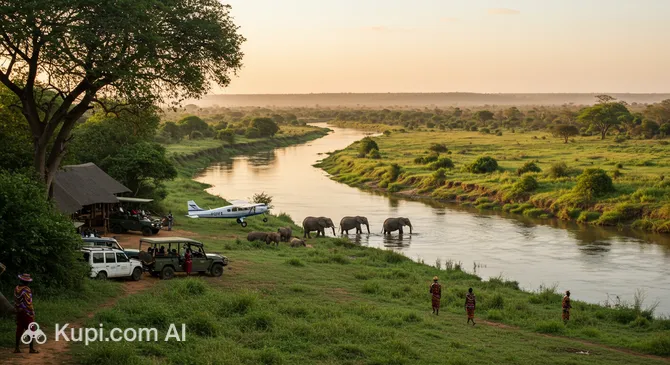
Mfuwe. Source: Kupi.Binoculars

Geographically, the area is defined by the winding Luangwa River, which provides life to the surrounding ecosystem. With a population of approximately 16,000 residents, the community is small but welcoming, thriving on the tourism industry that the region attracts. While the climate can be quite hot, especially in October, the warmth of the local hospitality matches the temperature. Visitors interested in the history of Mfuwe will discover that its growth has been inextricably linked to the conservation of the incredible natural heritage that surrounds it.

The main attraction here is undoubtedly the South Luangwa National Park, often cited as one of the best national parks in Africa for game viewing. Mfuwe is famous for being the birthplace of the walking safari, offering an immersive way to experience nature on foot. The region is renowned for its high density of leopards and large herds of elephants, along with the river's impressive populations of hippos and crocodiles.

Whether you are arriving for a luxury lodge experience or a rustic camping adventure, Mfuwe promises an unforgettable journey into the wild. It is a destination where nature reigns supreme, inviting you to disconnect from the modern world and reconnect with the raw beauty of the wilderness.

Weather Overview

Understanding the local climate is essential for planning your safari adventure, as the weather in Mfuwe dictates the rhythm of life in the bush. The region generally experiences a tropical climate marked by distinct wet and dry periods. Throughout the year, average temperatures range from a mild 21°C in the cooler months to a sweltering 30°C during the heat of late spring.

The rainy season typically spans from November through April. January and February are the wettest months, often recording over 20 wet days each, which transforms the landscape into a lush, green paradise. During this time, temperatures remain warm, averaging around 25°C, though the humidity can be noticeable.

In contrast, the dry season from May to October brings clear skies and virtually no rainfall, especially between June and September. This period includes the coolest weather, with July nights dipping to a minimum of around 15°C. However, as the dry season concludes in October, the heat intensifies significantly, with maximum temperatures frequently climbing above 36°C. Expect hot, dry conditions if you visit late in the year, while the mid-year winter months offer cooler days perfect for outdoor activities.

Interesting Facts

Beyond the main attractions, Mfuwe holds fascinating secrets and unique natural phenomena that set it apart from other safari destinations. Here are some intriguing facts that make this settlement and its surroundings truly special:
  • The "Lobby" Elephants: One of the most unusual urban legends come to life here involves a specific family of elephants at Mfuwe Lodge. Every year, when the wild mangoes ripen, these giant patriarchs and matriarchs casually walk through the tiled reception area of the lodge to reach the trees in the courtyard, ignoring the furniture and staff in a behavior learned over generations.

  • Exclusive Giants: The area is the only place on Earth where you can find the Thornicroft’s giraffe. This subspecies is geographically isolated in the Luangwa Valley and cannot be found in any other part of Zambia or the rest of Africa, making every sighting a globally unique encounter.

  • Hippo Capital: The river that defines the region supports one of the highest densities of hippos in the world. Studies have estimated that there can be up to 60 hippos for every kilometer of the river, meaning you are never far from their characteristic honking sounds.

  • Artistic Hub: Mfuwe is home to a thriving artistic community centered around Tribal Textiles. In this bustling workshop, locals create hand-painted fabrics using a traditional starch-resist technique, turning the village into a colorful exporter of culture that supports hundreds of local families.

How to Get There

Reaching this remote wildlife haven is the first exciting step of your safari adventure. While the location feels delightfully secluded, it is well-connected by air, which is the preferred method for most international visitors. You can find more about how to get to Mfuwe and the various travel logistics on our detailed transport page.

The most convenient and popular entry point is Mfuwe (IATA: MFU). Located directly in the settlement of Mfuwe, this airport serves as the primary hub for the South Luangwa National Park. Since it is situated just 0.6 km from the center, the transfer is incredibly quick, taking approximately 5 minutes by taxi or lodge shuttle. It handles a significant volume of regional traffic, catering specifically to the influx of tourists heading to the lodges.

Another option for travelers is Lilongwe International Airport (IATA: LLW), located in the city of Lilongwe. Although it is about 209 km away from Mfuwe, it is a larger international facility. The journey from there involves a longer road trip, estimated to take around 5 hours by taxi, often requiring a border crossing, which leads many travelers to book a connecting flight instead.

For clarity, here is a summary of the main airports:

Airport Name City Passenger Traffic Km from City
Lilongwe International Airport Lilongwe Large 208.6
Mfuwe Mfuwe Medium 0.6
Ngala Airfield Ngala Small 121.5

Main Attractions

South Luangwa National Park is the crown jewel of the region and the primary reason travelers flock to this corner of Zambia. Renowned as one of the greatest wildlife sanctuaries in the world, the park is unfenced, allowing animals to roam freely between the reserve and the surrounding areas. It is particularly famous for its intense concentration of leopards and is widely credited as the birthplace of the "walking safari." Exploring the park on foot with an expert guide offers a thrilling, ground-level perspective of the bush that vehicle safaris simply cannot match.

For a dose of culture and creativity, a visit to Tribal Textiles is a must. Located just outside the park, this busy workshop employs over 100 locals who create stunning, hand-painted fabrics using traditional starch-resist techniques. Visitors can take a free tour to watch the artisans at work, mixing colors and drawing intricate designs inspired by the African wilderness. The on-site shop is perfect for finding unique souvenirs, from cushion covers to wall hangings, knowing that your purchase directly supports the local community.

Those interested in conservation and learning should stop by the Chipembele Wildlife Education Centre. Situated on the banks of the Luangwa River, this facility is dedicated to teaching local children about the value of their natural heritage. Tourists are welcome to visit the interpretation room, which features interesting displays about the local flora and fauna, including skulls, bones, and botanical specimens. It provides a deeper context to the wildlife you see on safari and highlights the critical efforts being made to protect it.

Another fascinating stop is Kawaza Village, which offers an authentic immersion into Kunda culture. Unlike staged tourist performances, this is a working village where visitors can engage with the community in a genuine way. You can meet the village headman, visit the local school, and even participate in daily activities like grinding maize or brewing local beer. It is a heartwarming experience that offers a glimpse into the daily lives of the people who call this wild landscape home.

Local Cuisine

The culinary landscape of Mfuwe offers a delightful contrast between the sophisticated dining experiences found in safari lodges and the hearty, traditional flavors of rural Zambia. For most travelers, food is an integral part of the safari adventure, ranging from bush breakfasts cooked over an open fire to authentic local meals that provide a taste of the region's culture.

At the heart of the local diet is Nshima, a thick porridge made from ground maize flour. It is more than just food; it is a staple of daily life, typically eaten with hands and served with a side dish known as "relish." This relish, or ndiyo, can be anything from stewed chicken or beef to fresh river fish like bream, which is caught in the nearby Luangwa River. Vegetarians will appreciate Ifisashi, a delicious and nutritious dish consisting of green vegetables, such as pumpkin leaves or rape, simmered in a rich peanut butter sauce.

Another unique delicacy worth seeking out is Chikanda, often referred to as "African Polenta" or "African Sausage." Despite its nickname, it is entirely vegetarian, made from wild orchid tubers, ground peanuts, and chili. It has a firm, meat-loaf-like texture and is a popular snack sold in local markets. For those with a sweet tooth, the seasonal abundance of mangoes in Mfuwe is a treat not to be missed, especially around December when the fruit is ripe and plentiful.

When it comes to beverages, the most iconic choice for a hot afternoon is a cold Mosi Lager, the national beer of Zambia, named after the Mosi-oa-Tunya (Victoria Falls). For a non-alcoholic option, you might encounter Maheu, a commercially produced energy drink made from maize meal, often flavored with banana or chocolate. In the tourism sector, the tradition of the "sundowner" is legendary—sipping a gin and tonic or a cold drink while watching the sunset over the river is a quintessential Mfuwe experience.

The food culture in Mfuwe is divided between the inclusive dining at lodges and the vibrant local scene. While lodges serve international cuisine with a local twist, venturing into the village offers a different perspective. Small roadside stalls and the main market are the best places to see what locals eat, from roasted maize cobs to fresh produce. The atmosphere is casual and welcoming, allowing visitors to connect with the community through the universal language of food.

Travel Tips

Visiting Mfuwe is a true immersion into the African bush, requiring a bit more preparation than a standard city break. To help you navigate this remote and beautiful destination with ease, here are some essential practical tips for your journey.

  1. Clothing and Gear: Pack neutral-colored clothing in khaki, beige, or brown to blend in with the environment; bright colors can startle animals, while dark blue and black attract painful tsetse flies. Since temperatures fluctuate, bring layers for chilly morning game drives and a wide-brimmed hat for the midday sun. Comfortable, closed-toe shoes are a must for walking safaris.

  2. Transportation: There is no public transport system for tourists within the area. Most visitors rely on transfers arranged by their lodges or open-sided game viewing vehicles. If you need to travel between the airport and the village independently, arrange a taxi in advance through your accommodation, as hailing a ride on the street is not a reliable option.

  3. Finances: The official currency in Zambia is the Kwacha. While larger lodges usually accept Visa and Mastercard, connection failures can occur due to the remote location, so carrying backup cash is wise. ATMs are available at the airport and the main trading center, but they can occasionally run out of funds, so bring enough US dollars (newer notes) to exchange if needed.

  4. Health and Safety: Mfuwe is located in a malaria zone, so consulting a doctor about prophylaxis and using strong insect repellent is highly recommended. Be critically aware that the village is unfenced and wildlife, including elephants and hippos, roams freely through the area. Never walk alone at night, and always use a torch (flashlight) if moving around your lodge grounds after dark.

  5. Communication: English is widely spoken and is the primary language for tourism, though the local language is Nyanja (Chewa). Buying a local SIM card (Airtel or MTN) at the airport is the best way to stay connected, as Wi-Fi outside of the lodges is often scarce or slow.

  6. Local Etiquette: Greetings are taken seriously here; it is polite to say "Hello" and ask "How are you?" (Muli bwanji?) before starting any conversation or transaction. When photographing locals, always ask for permission first. Respect is also due to the wildlife—keep your voice down on safaris and never try to attract an animal's attention.

  7. What to Avoid: Strictly avoid wearing camouflage clothing, as it is illegal for civilians in the country and can lead to questioning by authorities. Additionally, never swim in the Luangwa River, no matter how inviting it looks, as it is teeming with crocodiles and hippos.

  8. Shopping Tip: For essential supplies, head to the area locally known as "Cropping," which serves as the central business district of Mfuwe. Be mindful that shops often close early, and "bush time" means the pace of service is relaxed, so patience is a virtue.

With these tips in hand, you are well-equipped to enjoy the rustic charm and thrilling wildlife of Mfuwe without any logistical hiccups. Embrace the slower pace of life, respect the environment, and you are sure to have a safe and memorable adventure.

Entertainment & Nightlife

Nightlife in Mfuwe is a world away from the neon lights and thumping bass of a typical city. Here, entertainment is defined by the rhythm of the African bush, where the soundtrack consists of hippos grunting in the river rather than DJs spinning tracks. The evening scene is divided into two distinct experiences: the sophisticated, relaxed atmosphere of the safari lodges along the riverbanks, and the energetic, raw vibe of the local bars in the village center.

For most visitors, the quintessential night out revolves around the popular lodge bars. These venues are often open to non-residents (though it is polite to call ahead) and serve as social hubs where guides, locals, and tourists mingle. Flatdogs Camp is particularly renowned for its lively bar and restaurant, offering a casual, friendly setting where you can swap safari stories over a cold Mosi lager. Another favorite is the bar at Croc Valley Camp, which offers a laid-back atmosphere right on the river's edge, perfect for unwinding after a dusty day on a game drive. Track and Trail River Camp also provides a cozy spot to enjoy a drink by the fire pit, often accompanied by the sights of wildlife passing nearby.

If you are looking for a more authentic local experience, head to the area known as "The Cropping," the commercial heart of the settlement. Here, small taverns and "bottle stores" play loud Zambian music and serve affordable drinks to a vibrant local crowd. This is where the village comes alive, especially on weekends. The atmosphere is boisterous and welcoming, but it is a stark contrast to the quiet luxury of the lodges. Dress codes everywhere are extremely casual; safari gear or comfortable cotton clothing is the norm.

Practicality is key when planning an evening out. Most excitement happens early, starting with "sundowners" at dusk and winding down by around 10:00 PM or 11:00 PM, as most people have early morning safari starts. Prices are generally reasonable, with local beers costing very little in the village and slightly more at the lodges. Payments are usually in cash (Kwacha), so ensure you have small denominations handy.

Safety is the most critical aspect of nightlife in Mfuwe. Do not walk between venues at night. This rule cannot be overstated. The settlement is unfenced, and elephants, hippos, and leopards frequently roam the streets and paths after dark. Even a short walk from a restaurant to your room can be dangerous if you are not alert. Always use a taxi or arrange a transfer with your lodge, even for short distances within the village area.

While the nights are for relaxing, daytime entertainment offers its own charm beyond the game drives. Visitors can explore the colorful local markets in the village center to buy fresh fruit or chitenge fabric. Cultural visits to local schools or the nearby textile workshops provide a meaningful way to spend the midday hours between morning and afternoon safaris, offering a glimpse into the daily life and creativity of the community.

Parks & Museums

In Mfuwe, the concept of parks and museums is redefined by the wilderness itself. Instead of manicured city gardens, the region offers vast, untamed landscapes, and in place of traditional glass-case museums, you will find living workshops and conservation centers that actively shape the area's history. The cultural and natural heritage here is not stored in the past; it is a vibrant part of daily life.

South Luangwa National Park (Mfuwe Sector) serves as the region's primary natural sanctuary. While it is the main attraction for safaris, the area immediately surrounding the Mfuwe Gate acts as a sprawling public park where the boundaries between human settlement and the wild blur. This sector is famous for its "park-like" scenery of open grassy plains and magnificent ebony groves, which provide a shaded, cathedral-like atmosphere perfect for observing puku and impala. It is the most accessible green space, offering a direct connection to the raw beauty of the valley just minutes from the village center.

The Luangwa River itself functions as the community's central "green belt" and scenic promenade. Although you cannot stroll along its banks on foot everywhere due to wildlife, the riverfront areas at various lodges and viewing points offer a natural theater. Here, the "exhibits" are live: massive pods of hippos basking on sandbanks and crocodiles gliding through the water. It is a dynamic natural area that changes with the seasons, swelling to a mighty torrent in the rains and shrinking to a series of pools in the dry season, dictating the movement of all life in the valley.

For a unique cultural experience that blends art with conservation, a visit to Mulberry Mongoose is essential. This jewelry workshop functions as a gallery of innovation, where local women transform brutal snare wire—removed from the bush by anti-poaching patrols—into stunning pieces of jewelry. It is a poignant reflection of the region's struggle and success in protecting wildlife. Visitors can tour the workshop to see the creative process, making it a compelling stop that tells the story of conservation through craftsmanship.

Conservation South Luangwa (CSL) offers an educational insight that rivals any specialized museum. While primarily an operations base for anti-poaching efforts, their headquarters often welcomes interested visitors to learn about the history of wildlife protection in the valley. You can see displays of confiscated snares and poaching tools, which provide a stark, powerful narrative about the challenges the region faces. It is a place that highlights the human effort behind the scenery, offering a deeper understanding of modern conservation history.

For an insider tip, ask about visiting the local market near the bridge on a busy trading day. While not a formal gallery, it acts as a living exhibition of local commerce and color, where you can see traditional basketry and vibrant chitenge fabrics being sold. It offers an authentic slice of life that many tourists miss by staying solely within the lodge circuit.

Getting Around

Travelers arriving in Mfuwe should adjust their expectations regarding public transportation, as the system here is vastly different from major urban centers. There is no metro, tram, or municipal bus network within the settlement. Instead, the local transport infrastructure is informal and rural, designed primarily to serve the local community moving between the airport, the main trading center known as "The Cropping," and the larger town of Chipata. For visitors, navigating this system requires a sense of adventure and patience.

The most common form of public transport is the minibus. These vehicles are the lifeline of the region, easily identifiable by their blue color or simply by the number of people waiting around them. They operate on a "fill up and go" basis rather than a strict timetable, meaning a bus will only depart once every seat (and often the aisle) is occupied. While this offers an authentic glimpse into local life and is incredibly affordable, it is not recommended for travelers on a tight schedule or those carrying significant amounts of luggage.

Taxis are the primary alternative for independent movement, though they differ from standard city cabs. You will typically find them waiting at the airport or near the market area. These vehicles rarely have meters, so negotiation is essential. It is standard practice to agree on a fare with the driver before getting into the car. Prices are generally reasonable for short hops within the village, but fares can increase significantly at night or for longer distances.

Regarding payment, the system is exclusively cash-based. There are no travel cards, passes, or mobile transport apps like Uber or Bolt available in the area. You must pay the driver directly in the local currency (Kwacha). It is highly advisable to carry small denominations, as drivers frequently do not have change for large notes. Payment is usually collected at the start of a taxi ride or during the journey on a minibus.

For most tourists, the most practical and stress-free "transport system" is actually the private transfer service provided by safari lodges. Almost all accommodations offer shuttle services to and from the airport and will arrange transport for any activities. Relying on these services is not only more convenient but also safer. While you may see locals riding bicycles, bike rentals are generally not available or recommended for tourists due to the presence of dangerous wildlife, such as elephants, which frequently cross the roads.

A crucial piece of advice for navigating Mfuwe is to be mindful of the operating hours. Public transport and taxis are most active during daylight hours, from roughly 06:00 AM to 06:00 PM. After dark, the availability of independent transport drops sharply, and moving around becomes risky due to active wildlife. Always plan your movements to ensure you are back at your accommodation before sunset, or arrange a secure transfer with your lodge if you need to travel at night.

Accommodation

Accommodation in Mfuwe is almost entirely defined by its proximity to the wilderness, offering a range of options that cater to diverse budgets and travel styles. The selection spans from rustic campsites and affordable self-catering chalets to some of the most exclusive and luxurious safari lodges in Africa. Unlike standard city hotels, accommodations here are designed to blend with the environment, featuring thatched roofs, open-air decks, and eco-friendly designs that immerse you in the sounds and sights of the bush.

The most popular and strategic area to stay is along the banks of the Luangwa River, specifically clustered near the main bridge and the Mfuwe Gate entrance to the South Luangwa National Park. Staying in this riverfront zone offers a dual advantage: it minimizes travel time for morning game drives, and it turns your accommodation into a viewing platform. It is not uncommon for guests to watch hippos, crocodiles, and even elephants from the safety of the lodge terrace or their own private verandas.

For those seeking a high-end experience, the region is famous for its all-inclusive luxury lodges. These establishments typically provide exceptional service, gourmet meals, and guided safari activities as part of the package. On the other end of the spectrum, there are well-equipped campsites and mid-range lodges located just outside the park boundaries. These are perfect for self-drive tourists and backpackers, often offering lively bars and swimming pools that serve as social hubs for travelers.

A vital tip for booking is to plan well in advance, particularly if you are visiting during the peak dry season from June to October. This is the prime wildlife-viewing period, and the most sought-after camps often reach full capacity months ahead of time. Conversely, the "Green Season" (rainy season) offers more availability and lower rates, though some remote bush camps may close due to accessibility issues.

The price range in Mfuwe is vast. Budget options are quite reasonable, especially for camping, while luxury resorts command premium international rates reflecting their exclusivity and all-inclusive nature. While some accommodations can be found on major online booking platforms, many of the smaller, specialized camps are best booked directly through their websites or via safari travel agents to ensure all park fees and transfer logistics are correctly handled.

Nearby Cities

Mfuwe is situated in the remote wilderness of the Eastern Province, far removed from the country's bustling metropolitan centers. While its isolation is part of its charm, travelers planning a broader itinerary may be interested in the major urban hubs located in the surrounding provinces. These cities, though geographically distant due to the vastness of the landscape, serve as important administrative and commercial gateways for the region.

The closest major city by distance is Kasama, the capital of the Northern Province, located approximately 344 km away. It is a significant town known for its nearby waterfalls and historical rock art. To the west lie the industrial powerhouses of the Copperbelt, including Ndola and Kitwe. These cities are vital to the nation's economy and offer a completely different atmosphere from the safari life of Mfuwe, featuring large populations and modern amenities.

Other notable regional centers include Mansa in the Luapula Province and the mining town of Chingola. Due to the road network and terrain, travel to these cities often requires significant time or connecting flights, but they remain key points on the map for those exploring Zambia extensively.

City Population Distance (km)
Kasama 200,000 344
Ndola 528,330 357
Mansa 129,185 402
Kitwe 504,194 406
Chingola 147,448 450

Shopping & Souvenirs

Shopping in Mfuwe offers a refreshing departure from the commercialized retail experiences of modern cities. In this remote corner of Zambia, you will not find high-street brands or sprawling department stores. Instead, the shopping scene is intimate, authentic, and deeply connected to the local culture and conservation efforts. Visitors can expect to find unique, handcrafted items that tell a story, with many purchases directly supporting the local community and wildlife protection initiatives.

The primary commercial hub of the settlement is an area affectionately known by locals as "The Cropping." This is the closest thing Mfuwe has to a high street or downtown district. It is a bustling collection of general dealers, small grocery stores, and roadside stalls where residents buy their daily essentials. For tourists, this is the place to stock up on basic supplies, snacks, or toiletries, and to soak in the energetic atmosphere of daily village life.

Travelers should be aware that there are no shopping malls in Mfuwe. The retail infrastructure is rural and functional, designed to serve the needs of a small community and the safari lodges. The concept of "window shopping" here involves walking past open-air stalls rather than glass storefronts. If you are looking for luxury goods or electronics, it is best to purchase them in larger cities like Lusaka before traveling to the bush.

For a taste of local flavor, the village markets are a must-visit. Located primarily around the bridge and The Cropping area, these markets are vibrant and colorful. They are the best places to buy fresh, seasonal produce such as mangoes, bananas, and tomatoes. You will also find stalls selling Chitenge, the brightly colored patterned fabric worn by Zambian women. Buying a few meters of this fabric is a popular choice for tourists, as it can be used as a sarong, a tablecloth, or tailored into clothing back home.

When it comes to souvenirs, Mfuwe punches well above its weight with high-quality, ethical craftsmanship. The region is famous for Tribal Textiles, a large workshop where local artisans create stunning hand-painted fabrics using a traditional starch-resist technique. You can buy everything from cushion covers to wall hangings here. Another unique shopping destination is Mulberry Mongoose, where local women craft beautiful jewelry using snare wire removed from the bush by anti-poaching patrols. Additionally, roadside curio stalls near the airport and park gate offer traditional wood carvings, woven baskets, and beadwork.

Opening hours in Mfuwe generally follow the sun and the rhythm of safari life. Most shops and markets open around 08:00 AM and close by 05:00 PM or 06:00 PM. Do not expect late-night shopping; once the sun sets, commerce largely ceases. Sunday is typically a quiet day with many businesses closed or operating on reduced hours.

Regarding payment, cash is king. While the larger craft workshops and some lodge gift shops accept Visa and Mastercard, connectivity issues can occur. The local markets and small roadside stalls deal exclusively in Zambian Kwacha. It is highly recommended to carry smaller denominations, as vendors often struggle to find change for large notes. There is no formal tax-free refund system for tourists within the village shops, so the price you see is generally the final price, though polite bargaining is acceptable at informal curio stalls.

Nearby cities

Reached the end of the page?

That means the route is fully explored