Support

Tolagnaro

About

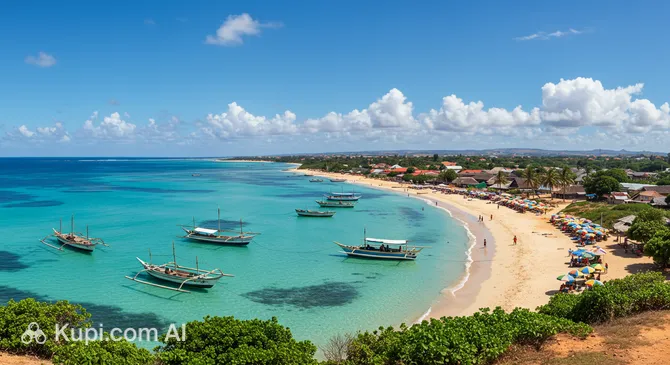
Welcome to Tolagnaro, frequently referred to by its colonial name, Fort Dauphin. This picturesque coastal city is a jewel located on the southeastern tip of Madagascar (Malagasy). With its stunning backdrop of mountain peaks, lush greenery, and azure waters, it offers a unique blend of natural beauty and cultural richness that sets it apart from other destinations in the Anosy Region.

The city holds a significant place in the island's past, having served as one of the earliest French settlements. Exploring the history of Tolagnaro reveals a fascinating narrative of trade and exploration that has deeply influenced its character. Geographically, the area is fascinating for its transition between the wet eastern climate and the dry southern spiny forests. With a population of approximately 67,000 residents, the city maintains a vibrant yet laid-back atmosphere that instantly charms visitors.

Tolagnaro. Source: Kupi.Binoculars

Nature enthusiasts will find themselves in paradise here. Tolagnaro serves as the perfect gateway to the famous Berenty Reserve, renowned worldwide for its friendly ring-tailed lemurs and dancing sifakas. Closer to town, the Nahampoana Reserve offers a chance to see exotic flora and fauna in a tranquil setting, often accessible by a short boat ride. For those seeking pure relaxation, the pristine sands of Libanona Beach provide an idyllic spot to unwind and watch the sunset over the Indian Ocean.

Whether you are an adventurer eager to explore unique ecosystems or a traveler looking for a peaceful seaside retreat, Tolagnaro promises an unforgettable experience. We invite you to discover the magic of this southern gem and create memories that will last a lifetime.

Weather Overview

Tolagnaro experiences a climate that is generally warm and inviting, though distinct seasonal changes can influence your travel plans. The warmest period typically spans from December to February, where the average temperature hovers around 25°C, with daytime highs reaching up to 28.8°C. Travelers should be aware that this is also the wetter season; January, for instance, records approximately 22 wet days, making rain gear essential for summer visits.

Conversely, the months from June to August bring cooler and drier conditions, ideal for those who prefer milder weather. During this "winter" period, average temperatures dip to around 19°C, and nightly lows can reach 15.8°C. Rainfall becomes less frequent, with August seeing only about 8 wet days. For a comprehensive overview to help you pack, you can check the detailed weather in Tolagnaro page.

Overall, you can expect warm summers with occasional rain and mild, drier winters, providing a comfortable atmosphere for exploring the region year-round.

Interesting Facts

Beyond the main attractions, Tolagnaro holds many fascinating secrets that add depth to its coastal charm. Here are a few intriguing details that make this city truly unique.

  • Named for a Child King: The city's colonial name, Fort Dauphin, was bestowed in 1643 by early French settlers. It was named in honor of the future King Louis XIV of France, who was merely a five-year-old prince and the "Dauphin" (heir apparent) at the time of the settlement's founding.

  • The Lobster Capital: Culinary travelers are in for a treat, as the city is widely celebrated as the lobster capital of Madagascar (Malagasy). The local waters are teeming with shellfish, making fresh crayfish and lobster affordable staples available everywhere from beach shacks to fine restaurants.

  • A Surfer’s Secret: While the island is renowned for its lemurs, Tolagnaro is an unsung hero for surfing enthusiasts. It is considered one of the premier surf destinations in the Indian Ocean, regularly hosting competitions and offering world-class waves at spots like Libanona Beach.

  • A Geographic Crossroads: A hike up the nearby Pic Saint Louis offers more than just a view; it reveals a rare ecological phenomenon. From the summit, you can clearly see the sharp boundary where the lush, tropical rainforests of the east abruptly meet the arid, spiny deserts of the south, showcasing two distinct climates in one panorama.

How to Get There

Reaching the beautiful coastal city of Tolagnaro (Fort Dauphin) is an adventure in itself, with air travel being the most practical and popular option for visitors. Due to the vast distances and challenging road conditions in southern Madagascar (Malagasy), flying saves significant time and offers spectacular aerial views of the coastline. For a comprehensive guide on planning your journey, you can read more about how to get to Tolagnaro and the logistics of travel in this region.

The city is served by its own aviation hub, Marillac Airport (FTU). It is conveniently located within the municipality, just 2.9 km from the city center. This close proximity makes arrival stress-free; a taxi or transfer to downtown hotels typically takes only 5 to 10 minutes. Although it is a smaller regional facility with an annual passenger traffic of around 55,000, it is the primary gateway for tourists connecting from the capital, Antananarivo, and other major towns.

For clarity, here is a summary of the main airport:

Airport Name City Passenger Traffic Km from City
Marillac AirportTolagnaroSmall2.9

While flying is the standard choice for comfort, overland travel is possible for the intrepid explorer. Reaching Tolagnaro by road involves navigating the RN13 highway, which connects the city to the interior. Travelers should be aware that this route can be demanding and time-consuming, often requiring a 4x4 vehicle or a long journey by taxi-brousse (bush taxi). However, it offers an authentic look at the changing landscapes of the Anosy Region for those with ample time and a spirit of adventure.

Main Attractions

Nahampoana Reserve is widely considered the premier attraction in the Tolagnaro area and is an absolute must-visit for nature lovers. Located just a short distance from the city center, this well-maintained botanical garden and reserve offers an accessible way to experience Madagascar's unique biodiversity without traveling deep into the wild. Visitors can walk through lush bamboo forests and exotic flora while encountering several species of lemurs, including the iconic Ring-tailed lemur and the dancing Verreaux's Sifaka, which roam freely and are often quite comfortable around humans. A highlight of the visit is a peaceful canoe ride through the mangroves, providing a serene perspective of this tropical paradise.

For those seeking adventure and breathtaking coastal scenery, a trip to Lokaro Bay is an unforgettable experience. Accessible primarily by a scenic boat journey through winding mangroves and lagoons, this secluded paradise feels worlds away from civilization. The area is defined by its pristine golden beaches, calm turquoise waters perfect for swimming, and dramatic granite rock formations. It is an ideal spot for a day trip that combines hiking along the coastal paths with relaxation on untouched sands, offering some of the most photogenic landscapes in the region.

Towering over the city, Pic Saint Louis offers the best vantage point for understanding the unique geography of the Anosy Region. Rising to approximately 529 meters, the peak is a popular destination for hikers willing to tackle the steep ascent. The effort is rewarded with a spectacular 360-degree panoramic view that encompasses the city of Tolagnaro, the vast Indian Ocean, and the striking contrast between the lush eastern rainforests and the arid semi-desert of the west. It is recommended to hike in the morning to avoid the midday heat and to catch the clearest views.

If you prefer a more relaxed day by the sea within the city limits, Libanona Beach is the most famous stretch of sand in Tolagnaro. Known for its clean environment and laid-back atmosphere, it is a favorite gathering spot for both locals and tourists. The beach is protected by a headland, creating conditions that are excellent for swimming and surfing. It is particularly renowned for its stunning sunsets, making it the perfect place to unwind with a drink in hand after a day of exploring the surrounding reserves.

Local Cuisine

The culinary scene in Tolagnaro is inextricably linked to the ocean, making it a premier destination for seafood enthusiasts. As the unofficial "lobster capital" of Madagascar, the city offers an exceptional opportunity to indulge in fresh crayfish, lobster, and crabs at prices that are often surprisingly affordable. Whether grilled simply with garlic butter or prepared in a rich sauce, the shellfish here is caught daily by local fishermen, ensuring a quality and freshness that defines the coastal dining experience.

For a taste of traditional Malagasy culture, visitors should look beyond the seafood and try the island's national dishes, which are staples in local households. Rice is the centerpiece of every meal, typically accompanied by Romazava, a savory meat stew cooked with a variety of local greens known as brèdes. Another must-try is Ravitoto, a hearty dish made from mashed cassava leaves, often cooked with coconut milk and pork, offering a unique, earthy flavor profile that pairs perfectly with the tropical climate.

The beverage culture in Tolagnaro is equally vibrant, with options ranging from refreshing to spirited. To quench your thirst like a local, try Ranovola (also known as Ranonapango), a distinct non-alcoholic drink made by boiling water with the toasted rice stuck to the bottom of the cooking pot. For something stronger, the region is famous for Rhum Arrangé, a homemade rum infused with local fruits like lychees, mangoes, or aromatic spices such as vanilla and cinnamon, often served as a digestif.

Dining in the city reflects its laid-back atmosphere and historical influences. You will find a delightful mix of French-style bakeries serving fresh baguettes and pastries alongside "gargottes"—small, informal street-side eateries where you can enjoy authentic local cuisine in a bustling setting. For a more relaxed evening, many restaurants along the coast offer open-air seating, allowing you to enjoy the catch of the day while listening to the sounds of the Indian Ocean.

Travel Tips

Preparing for a trip to Tolagnaro ensures you can fully enjoy its stunning landscapes and laid-back vibe without any hassle. To help you navigate this unique coastal city where the rainforest meets the sea, here is a set of essential practical tips for your journey.

  1. Clothing and Gear: Since the weather can change quickly, pack lightweight, breathable clothing for the heat, but bring a sturdy raincoat or poncho, especially if visiting between December and February. Comfortable hiking boots are a must for trekking in the Nahampoana or Berenty reserves. Don't forget a universal travel adapter (types C and E are standard) and a power bank, as electricity can be intermittent.

  2. Transportation: The most popular and convenient way to get around the city is by tuk-tuk (locally known as a bajaj). They are affordable, abundant, and perfect for short trips. For excursions outside the city, such as to Lokaro Bay or distant reserves, renting a 4x4 vehicle with a driver is highly recommended due to the rugged road conditions.

  3. Finances: The local currency is the Malagasy Ariary (MGA). While there are ATMs in town (such as BNI or Bank of Africa), they can occasionally be out of service or run out of cash, so it is wise to carry a reserve of Euros or USD to exchange. Credit cards are rarely accepted outside of major hotels and high-end restaurants, so always carry enough cash for daily expenses and tipping.

  4. Health and Safety: Tolagnaro is generally safe, but standard precautions apply; avoid walking alone on deserted beaches or unlit streets at night. Malaria is present in the region, so bring strong insect repellent and consult your doctor about prophylaxis before traveling. Always drink bottled water and avoid ice cubes in smaller establishments to prevent stomach issues.

  5. Communication: The main languages are Malagasy and French. English is not widely spoken, so learning a few basic phrases in French or Malagasy will be very helpful. Buying a local SIM card (Telma or Orange) is easy and affordable, providing you with reliable 4G data for maps and translation apps.

  6. Local Etiquette: The pace of life here follows the concept of Mora Mora (slowly, slowly). Do not rush service staff or show impatience, as it is considered rude. Always greet people with a friendly "Salama" (Hello) before asking a question. Be respectful of local taboos, known as Fady, especially regarding sacred sites or specific animals; your guide will inform you of any restrictions.

  7. What to Avoid: Avoid taking photos of locals, especially children or people in rural villages, without asking for permission first. It is also advisable not to hand out candy or money directly to children on the street, as this encourages begging; donating to local schools or organizations is a more sustainable way to help.

  8. Be Prepared for "Delestage": Power outages, known locally as delestage, can occur. Packing a small flashlight or a headlamp is a practical "life hack" that will come in handy if the lights go out while you are walking back to your hotel or dining out.

With these practical tips in mind, you are well-equipped to embrace the adventure that awaits in southern Madagascar. Relax, adopt the local rhythm, and enjoy the incredible nature and warm hospitality of Tolagnaro!

Entertainment & Nightlife

While Tolagnaro (Fort Dauphin) is primarily known for its stunning daytime nature, the city transforms as the sun sets, offering a vibrant and authentic nightlife scene. The entertainment here is less about massive superclubs and more about atmospheric local spots, lively bars, and open-air venues where the rhythm of the Indian Ocean meets the beat of Malagasy music. The nightlife is concentrated in two main areas: the bustling Town Center, where the energy picks up after dark, and the Libanona Beach district, which offers a more laid-back, scenic setting for evening drinks.

For those looking to experience the local party spirit, Mafana Club is a standout venue. Known as one of the city's premier nightclubs, it features a mix of Western hits and energetic Malagasy tracks, often drawing a crowd ready to dance until the early hours. If you prefer a more relaxed environment with a unique character, Cafe Bar Colorado is a must-visit. Located in the heart of the city, this spot blends a "Wild West" aesthetic with coastal charm, serving as the go-to place for ice-cold beers, cocktails, and live sports screenings. It is a favorite among both expats and locals for its friendly, welcoming vibe.

For a chill start to the evening, head towards the coast to find Chez Sonny. This beach bar is famous for its reggae influence and rustic atmosphere, making it the perfect location to enjoy a rum cocktail while watching the sunset over the water. The crowd in Tolagnaro is generally a diverse mix of friendly locals, business travelers, and tourists, creating an inclusive and unpretentious environment. Dress codes are casual almost everywhere; shorts and t-shirts are the norm, even in clubs.

When planning a night out, safety and logistics are important. The streets of Tolagnaro can be poorly lit and quiet at night, so it is strongly advised not to walk alone after dark. Instead, rely on official taxis to move between venues or back to your hotel. Taxis are affordable and readily available, but it is wise to have your hotel arrange one for you or keep the number of a reliable driver. Most venues do not accept credit cards, so ensure you carry enough cash (Ariary) for drinks and transport.

Before the nightlife begins, the city offers modest but interesting daytime entertainment. You can immerse yourself in local history at the Fort Flacourt museum, which details the area's colonial past, or explore the vibrant Tanambao Market. The market is a sensory experience filled with colorful textiles, spices, and crafts, providing a perfect cultural introduction to the region before you unwind in the evening.

Parks & Museums

Tolagnaro is a destination where history and nature are deeply intertwined, offering visitors a chance to explore lush botanical sanctuaries alongside remnants of the city's colonial past. From world-renowned reserves teeming with wildlife to historical sites that tell the story of early European settlement in Madagascar (Malagasy), the region provides a rich cultural and ecological tapestry for travelers to discover.

While the city is famous for its nearby reserves, Berenty Reserve stands out as one of the most significant natural attractions in the southern region. Although located about 90 kilometers west of the city, it is the most popular excursion for visitors to Tolagnaro. This private gallery forest along the Mandrare River is world-famous for its population of ring-tailed lemurs and "dancing" Verreaux's sifakas, which are remarkably habituated to humans. The reserve offers broad, easy walking paths through ancient tamarind trees, making it an accessible and magical experience for wildlife enthusiasts and photographers alike.

Another ecological gem is the Andohahela National Park, a UNESCO World Heritage site located a short drive from the city. This park is unique because it covers the transition zone between the humid rainforests of the east and the dry spiny forests of the south. Visitors can witness a dramatic change in vegetation and wildlife within a relatively small area. It is a haven for biodiversity, home to rare reptiles, numerous bird species, and several types of lemurs, offering a wilder and more rugged trekking experience compared to the private reserves.

For those interested in the region's heritage, the Fort Flacourt Museum is the primary cultural institution. Located near the military base, this museum preserves the history of the 17th-century French settlement. It houses a collection of artifacts recovered from shipwrecks, old maps, and displays that explain the interactions between early European settlers and the local Antanosy people. The museum provides essential context for understanding why this remote coast played such a pivotal role in the maritime history of the Indian Ocean.

Just outside the museum lies the Fort Flacourt site itself, which serves as an open-air historical landmark. While much of the original structure has weathered over time, the stone gateway (Porte de la Caserne) remains a poignant symbol of the city’s colonial origins. Walking through these ruins offers a tangible connection to the past, allowing visitors to stand where the first French trading post in Madagascar was established in 1643.

For a truly authentic experience off the beaten path, consider a trip to the Sainte Luce Reserve. Located to the northeast of Tolagnaro, this community-managed conservation area protects fragments of littoral forest that are critically endangered. It is less crowded than other parks and offers night walks where you can spot nocturnal lemurs and the rare mouse lemur, providing an intimate look at conservation efforts in action.

Getting Around

Public transport in Tolagnaro is informal, vibrant, and quite different from the structured systems found in major global capitals. There are no metros, trams, or large municipal bus networks here. Instead, the city relies on a fleet of smaller, more agile vehicles that navigate the streets with ease. For tourists, this offers a unique and authentic way to experience local life, though it requires a bit of adjustment to the relaxed pace and cash-based economy of the region.

The most popular and ubiquitous form of transport is the tuk-tuk, locally referred to as a bajaj. These three-wheeled motorized rickshaws are the heartbeat of the city's transit system. They are abundant, affordable, and perfect for the relatively short distances within the town center and to nearby beaches like Libanona. You can hire them privately for a direct trip or flag one down to share the ride with other passengers for a lower fare, acting essentially as a hop-on, hop-off service along main routes.

Traditional taxis are also available, often easily recognizable as vintage cream or yellow vehicles, frequently classic Renault models that add a touch of nostalgia to the streetscape. Unlike the tuk-tuks, taxis are generally hired for private journeys and are the preferred option if you are traveling with heavy luggage or heading to the airport. For travel to the outskirts or neighboring villages, taxi-brousse (minibuses) serve as the primary link, departing from designated stations (gare routière) once they are full, rather than following a strict timetable.

The payment system across all forms of public transport is strictly cash-only. There are no travel passes, electronic cards, or mobile ticketing apps. You must pay the driver directly in local currency (Ariary). Fares for tuk-tuks within the city limits are generally fixed at a very low standard rate per person for shared rides, while private hires and taxi rides require negotiation. It is essential to carry small denominations, as drivers often struggle to make change for large bills.

For a smooth experience, it is highly recommended to agree on the price before entering a taxi or a private tuk-tuk to avoid misunderstandings at your destination. While transport is active throughout the day, the frequency of tuk-tuks drops significantly after dark. If you plan to be out late, it is safer and more reliable to arrange a pick-up in advance with a trusted taxi driver or ask your hotel or restaurant venue to call one for you.

As for alternatives, the compact nature of the city center makes walking a pleasant and viable option for exploring the main markets and harbor area during the day. For those wishing to visit distant attractions like the reserves or bays, public transport is not practical; instead, the standard practice is to rent a car with a driver (usually a 4x4). This provides the flexibility and durability needed for the region's rugged roads, serving as a personalized alternative to the public system.

Accommodation

Finding the perfect place to stay in Tolagnaro (Fort Dauphin) is relatively easy, as the city offers a welcoming mix of accommodation options suited to various travel styles. While you will not find massive all-inclusive resort chains here, the available lodgings are characterful and intimate. The selection ranges from comfortable mid-range hotels catering to business travelers and tourists, to rustic beach bungalows and eco-lodges that immerse you in the region's natural beauty. For budget-conscious travelers, there are also several modest guesthouses and hostels that offer basic but clean amenities.

When choosing where to base yourself, location is key to the experience. The most popular area for tourists is undoubtedly the Libanona Beach neighborhood. Staying here places you right next to the city's best swimming spot and offers stunning views of the sunset over the bay, all within a quiet, relaxed atmosphere. Alternatively, the City Center is a practical choice if you prefer quick access to banks, supermarkets, the main market, and nightlife venues. This area is bustling during the day and provides a more authentic glimpse into daily local life.

For those planning a trip, it is highly recommended to book your accommodation in advance. Tolagnaro is a hub for both tourism and mining industries, meaning the best hotels can fill up quickly, especially during the peak travel seasons or when conferences are in town. Additionally, confirming your reservation directly with the hotel a few days before arrival is a good practice to ensure everything is ready for your stay.

In terms of pricing, the city is generally affordable compared to international destinations. You can expect a solid mid-range room to cost significantly less than in Europe or North America, offering excellent value for money. While major hotels usually accept credit cards and may be bookable on large online platforms, many smaller guesthouses and bungalows still rely on cash payments and direct bookings via email or phone. It is always wise to carry enough local currency (Ariary) to cover your stay if you choose a smaller, family-run establishment.

Nearby Cities

For those looking to explore the surroundings, Tolagnaro serves as an excellent base for day trips to several interesting nearby locations:

City Population Distance (km)
Ambovombe 114,230 92
Behara 27,285 61
Mahatalaky 25,000 28
Analapatsy 20,000 34
Ampasimena 20,000 83

While the immediate vicinity of Tolagnaro is famous for its nature reserves, heading further afield reveals the authentic pulse of southern Madagascar (Malagasy). Ambovombe, the capital of the Androy region, is a fascinating destination for those interested in culture. It serves as the commercial heart of the Antandroy people and offers a bustling market atmosphere that contrasts sharply with the relaxed coastal vibe of Fort Dauphin. The journey there takes you through the unique spiny forest landscapes that define the south.

Closer to the city lies Mahatalaky, a smaller town that provides an intimate look at rural daily life in the Anosy region. It is often a transit point for those exploring the countryside and offers a view of the local agricultural lifestyle. Visiting these communities allows travelers to experience the genuine hospitality of the Malagasy people away from the primary tourist trails.

These nearby destinations offer a glimpse into the diverse culture and landscapes of the region.

Shopping & Souvenirs

Shopping:

Shopping in Tolagnaro offers a genuine immersion into the daily life of the Anosy region, far removed from the glitz of international luxury retail. Instead of sprawling shopping complexes and designer boutiques, visitors will find a vibrant landscape of bustling open-air markets, small roadside stalls, and artisanal workshops. The experience is less about acquiring high-end fashion and more about discovering unique local craftsmanship, fresh tropical produce, and the friendly, chaotic energy of Malagasy commerce.

The commercial heartbeat of the city is concentrated in the Town Center. The main streets crisscrossing the downtown area are lined with a variety of small shops selling everything from hardware and textiles to electronics. A stroll along these avenues allows travelers to browse through "boutiques" that often spill out onto the sidewalk, offering a colorful array of sarongs (lambas), sandals, and household goods. It is a walkable district where you can easily hop from one store to another while soaking in the local atmosphere.

While Tolagnaro does not feature Western-style mega-malls, the Kaleta commercial complex serves as the city's modern retail hub. Located centrally, this building houses a well-stocked supermarket where tourists can find imported goods, toiletries, and familiar food items. It is also a convenient spot for services, often hosting a bank and other utility shops. For travelers needing to restock on supplies or craving a taste of home, this is the most reliable destination.

For a truly authentic experience, a visit to the Tanambao Market (often referred to as Bazary Be) is essential. This sprawling marketplace is a sensory explosion of sights, smells, and sounds. Here, vendors display mounds of seasonal fruits like lychees and mangoes, fresh vegetables, and the day's catch from the ocean. Beyond food, the market is a treasure trove for flea-market enthusiasts, offering second-hand clothing and an assortment of local curiosities. It is the best place to interact with locals and observe the traditional pace of trade.

When it comes to souvenirs, the region is famous for its exceptional craftsmanship. The Anosy region is particularly renowned for its weaving (vannerie), utilizing the local "mahampy" reed. You can find beautifully crafted hats, baskets, and mats that are both durable and stylish. Additionally, Madagascar is a geological paradise, and Tolagnaro offers opportunities to purchase polished semi-precious stones and crystals. Spices, particularly vanilla and pink peppercorns, are also popular and aromatic gifts to bring back home.

Store hours in Tolagnaro typically follow a relaxed schedule. Most shops open around 8:00 AM and close for a midday break (siesta) from roughly 12:00 PM to 2:00 PM, reopening until 5:00 PM or 6:00 PM. The markets start much earlier, often at sunrise, and wind down by late afternoon. Sunday is generally a quiet day with many businesses closed.

Regarding payment, cash is king throughout the city. While the main supermarket in the Kaleta complex may accept credit cards, virtually all market vendors, artisan stalls, and smaller shops deal exclusively in the local currency, the Malagasy Ariary. It is crucial to carry sufficient small denominations, as getting change for large bills can sometimes be difficult in smaller establishments.

Tourists should note that a tax-free or VAT refund system is not typically available or easily accessible for standard retail purchases in Tolagnaro. Visitors should plan their shopping with the expectation that the listed price is the final cost, though polite bargaining is often welcomed and expected in the markets and with artisan street vendors.
Reached the end of the page?

That means the route is fully explored