Support

Mahajanga

About

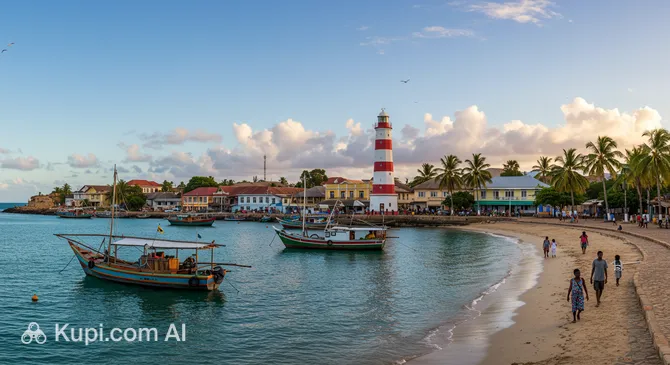
Welcome to Mahajanga, a vibrant port city located on the northwestern coast of Madagascar (Malagasy). Often referred to as "The City of Flowers," it is the capital of the Boeny Region and is celebrated for its warm, sunny climate and cosmopolitan atmosphere. With a population of approximately 246,000 people, the city sits at the mouth of the Betsiboka River, serving as a bustling gateway that blends traditional Malagasy culture with diverse international influences.

Mahajanga. Source: Kupi.Binoculars

The city's strategic location has made it a significant trade hub for centuries. Those interested in the history of Mahajanga will find a rich tapestry of heritage reflected in the colonial architecture of the old district and the lively multicultural vibe of its streets. The weather here is typically hot and dry, but the constant ocean breeze from the Mozambique Channel makes it a pleasant destination for travelers seeking sun and sea.

One of the most iconic sights in the city is the colossal Baobab tree, a natural monument located on the seafront that is centuries old and serves as a symbol of the city. Visitors also flock to the famous seaside promenade, known as the Corniche or "Le Bord," which comes alive at sunset with street food stalls, music, and locals enjoying the cool evening air. For nature lovers, the nearby Cirque Rouge offers a stunning landscape of red and ochre sedimentary formations that are particularly breathtaking in the late afternoon light.

Whether you are looking to explore beautiful beaches like Amborovy or simply want to soak up the friendly local culture, Mahajanga offers a unique and memorable travel experience. We invite you to discover the charm and warmth of this sunny coastal gem.

Weather Overview

Mahajanga is renowned for its hot and sunny climate, making it a popular destination for those seeking warmth throughout the year. The city typically experiences a tropical weather pattern divided into a distinct dry season and a humid wet season. Expect warm temperatures year-round with average highs often reaching above 30°C, balanced by a rainy period in the summer and months of cloudless skies during the winter.

The driest part of the year occurs from May to September, where rainfall is virtually non-existent and months like June and July see zero wet days with pleasant average temperatures around 25.5°C to 26°C. Conversely, the wet season kicks in from November to April, with January seeing rain on up to 28 days, though it remains warm with averages of 27.0°C. For a more detailed breakdown to help plan your trip, you can check the current weather in Mahajanga.

Interesting Facts

Beyond the main attractions, Mahajanga holds many fascinating secrets that reveal its deep connection to nature and history. Here are a few unique insights into this coastal city:

  • The "Bleeding" Coastline: The city is located at the mouth of the Betsiboka River, which carries massive amounts of red laterite sediment into the ocean. This natural phenomenon turns the estuary waters a vivid reddish-brown, creating a sight so distinctive that astronauts have famously described it as Madagascar (Malagasy) "bleeding" into the sea.

  • A Name of Healing: While commonly nicknamed the "City of Flowers," the name Mahajanga is historically believed to derive from the phrase "Maha janga," meaning "that which heals." Legend tells of a Boina Kingdom monarch who was cured of an illness after staying in the city's warm, breezy climate.

  • The Sacred Traffic Circle: The city’s iconic giant baobab tree is so revered that urban planners had to build the streets around it. Instead of removing the ancient giant for road expansion, it was preserved in the middle of a major intersection, effectively becoming one of the world's oldest natural traffic roundabouts.

  • Architectural Echoes of Zanzibar: A walk through the older "Quartier Arabe" reveals intricately carved wooden doors that are rare elsewhere on the island. These beautiful structures are a testament to centuries of maritime trade with Arab and Swahili merchants, bearing a striking resemblance to the famous architecture of Stone Town.

How to Get There

Reaching Mahajanga is relatively straightforward, with options ranging from quick flights to scenic road trips across the diverse landscapes of the Boeny Region. For a comprehensive breakdown of routes and transportation advice, you can read more about how to get to Mahajanga before you travel.

The most convenient and fastest way to arrive is by air. The city is served by Amborovy (IATA: MJN), also known as Philibert Tsiranana Airport. Located approximately 6.7 km from the city center, it connects Mahajanga with the capital, Antananarivo, and other regional destinations. The journey from the airport to the heart of the city is short, typically taking around 30 minutes by taxi or shuttle bus. While it is a smaller facility, it is an essential hub for tourists visiting the northwestern coast.

For clarity, here is a summary of the main airport:

Airport Name City Passenger Traffic Km from City
Amborovy Mahajanga Small 6.7

For those who prefer overland travel, Mahajanga is accessible via the RN4 highway from Antananarivo. This route is popular among travelers who want to see the changing landscapes of the "Red Island," although it is a long journey that usually takes a full day. Bus services, known locally as taxi-brousse, and private car hires are the standard options for this road trip, as there are no passenger railway services connecting to the city.

Main Attractions

While the city center is famous for its vibrant promenade and historic baobab, the true magic of Mahajanga often lies just a short journey away. The region offers a diverse array of natural wonders, from geological marvels to sacred cultural sites, making it a perfect base for exploration. Here are some of the most interesting places to visit during your stay.

Cirque Rouge is undoubtedly one of the most spectacular natural sites in the Boeny region, located about 12 kilometers from the city. This sedimentary formation resembles a natural amphitheater carved by erosion, displaying a stunning palette of colors ranging from pastel pinks and ochres to vibrant reds. It is fascinating for tourists not only for its photogenic beauty but also for its geological history; the area is known for containing fossils dating back millions of years. The best time to visit is late in the afternoon, as the setting sun intensifies the red hues of the earth, creating a breathtaking landscape.

For a mix of culture and nature, a visit to the Sacred Lake Mangatsa (Lac Sacré) is highly recommended. Situated approximately 18 kilometers east of the city, this lake is renowned for its crystal-clear waters which allow visitors to see large, sacred fish swimming peacefully. According to local beliefs, these fish embody the spirits of ancestors, and fishing is strictly prohibited. The site is surrounded by massive tamarind trees and offers a serene atmosphere where visitors can learn about local customs and the spiritual significance of the land to the Sakalava people.

Across the bay from Mahajanga lies the charming village of Katsepy, which makes for an excellent day trip. Reaching it involves a scenic boat or ferry ride across the reddish waters of the Betsiboka estuary. Once there, you can hike up to the historic lighthouse for a panoramic view of the Mozambique Channel. The area is also a haven for wildlife enthusiasts; the surrounding forests are home to the Crowned Sifaka (Propithecus coronatus), a rare species of lemur that can often be spotted leaping between the trees near the village.

If you are looking for a beach experience that is quieter and more pristine than the busy city shores, head to Antsanitia. Located to the north, this area is known for its long stretches of white sand and the peaceful encounter between the river and the sea. It is an eco-tourism destination that offers a more secluded and relaxing environment, perfect for swimming, canoeing, or simply unwinding under the sun away from the crowds.

Local Cuisine

The culinary scene in Mahajanga is a delicious reflection of its multicultural heritage, blending traditional Malagasy flavors with strong influences from Comorian, Arab, and Indian cuisines. As a coastal hub, the city is a paradise for seafood lovers, but it is perhaps best known for its vibrant street food culture which comes alive as the sun sets. Rice, known locally as vary, remains the staple of every meal, often served with rich, flavorful accompaniments that distinguish the region's gastronomy.

One cannot talk about food in Mahajanga without mentioning the legendary Masikita. These are succulent skewers of marinated zebu meat, grilled over open fires and sold by vendors throughout the city, particularly along the seaside promenade. They are typically served with a side of spicy peanut sauce and a portion of achards—pickled vegetables made from green papaya, carrots, or mangoes that add a tangy crunch to the rich meat. Another local favorite, especially for breakfast or a snack, is Mokary, a sweet, round rice cake made with coconut milk and cooked in special molds.

For a heartier sit-down meal, seafood is the star. Visitors should try fish prepared in Sauce Coco (coconut milk sauce), a creamy and savory dish that highlights the abundance of fresh coconuts in the region. Crab and prawns are also widely available and are often cooked with vanilla or green peppercorns, showcasing the island's famous spices. While traditional Malagasy dishes like Romazava (a meat stew with leafy greens) are available, the coastal versions often feel lighter and feature more aromatic spices like turmeric and ginger.

To quench your thirst in the tropical heat, locals turn to a variety of refreshing drinks. Ranonapango (or Ranon'ampango), a drink made from boiling water with the toasted rice stuck to the bottom of the pot, is a standard accompaniment to lunch. Given the abundance of fruit, fresh juices are everywhere; be sure to try juice made from the baobab fruit, which is tart, creamy, and packed with vitamins. On the alcoholic side, the national favorite is THB (Three Horses Beer), but the region is also famous for Rhum Arrangé, a homemade rum infused with local fruits and spices like lychee, ginger, or vanilla.

The heart of Mahajanga's food culture beats strongest at the Corniche (Le Bord). In the evenings, this seaside promenade transforms into a massive open-air dining room. Tourists and locals mingle here to enjoy grilled skewers, samosas (locally called sambos), and grilled cassava while enjoying the cool ocean breeze. It is a casual, communal dining experience that offers an authentic taste of the city's friendly and laid-back lifestyle.

Travel Tips

Planning a trip to Mahajanga means preparing for endless sunshine and a relaxed coastal rhythm that is quite different from the capital. To help you navigate the "City of Flowers" with ease and confidence, we have compiled a list of essential practical tips for your journey.

  1. Clothing and Sun Protection: Given the city's reputation as one of the hottest in Madagascar, lightweight, breathable fabrics like cotton or linen are a must. A wide-brimmed hat, high-SPF sunscreen, and sunglasses are non-negotiable accessories. While beachwear is fine at the resort areas, dress modestly when visiting the city center or religious sites (such as mosques), covering your shoulders and knees.
  2. Getting Around: The most popular and convenient way to navigate the city is by bajaj (a motorized three-wheeler or tuk-tuk). They are affordable, breezy, and everywhere. For shorter distances, you can experience the traditional pousse-pousse (rickshaw). Always agree on the fare with the driver before you start your journey, as meters are rarely used.
  3. Managing Finances: The local currency is the Malagasy Ariary (MGA). While some major hotels may accept credit cards, cash is king in Mahajanga, especially for street food, markets, and transport. ATMs are available in the city center near the banks, but they can occasionally be out of service, so it is wise to carry enough cash for a few days. Tipping is not mandatory but is greatly appreciated for good service.
  4. Health and Hydration: Tap water is generally not safe to drink; always stick to sealed bottled water. Due to the tropical climate, mosquitoes are present, so bring strong insect repellent and consider taking malaria prophylaxis after consulting your doctor. Pharmacies are available in the city center, but it is best to bring a basic travel medical kit with you.
  5. Communication: French is widely spoken and understood, serving as the primary language for tourism and business. English is less common outside of major hotels. Learning a few words of Malagasy will endear you to the locals; try "Salama" (Hello) and "Misaotra" (Thank you). For internet access, buying a local SIM card (Telma or Orange) is cheap and usually offers better connectivity than hotel Wi-Fi.
  6. Local Etiquette: The pace of life here is governed by the philosophy of mora mora (slowly, slowly). Do not be impatient if service takes a little longer than expected; rushing is often seen as rude. Always greet people before asking a question or starting a transaction. Respect for elders and ancestors is deeply ingrained, so be polite and observant of local customs.
  7. What to Avoid: Avoid pointing at people or sacred objects with a single finger, as this is considered offensive; gesture with your whole hand instead. Also, never take photographs of locals, especially in rural areas or markets, without asking for their permission first.
  8. Siesta Time: Be aware that Mahajanga takes the midday heat seriously. Many shops, markets, and offices close for a "siesta" between 12:00 PM and 2:30 PM. Plan your shopping and errands for the morning or late afternoon, and use the hottest part of the day to rest or relax in the shade like the locals do.

By keeping these practical tips in mind, you will be well-prepared to embrace the laid-back lifestyle and vibrant culture of this coastal gem. We hope your stay in Mahajanga is filled with warm encounters, delicious discoveries, and unforgettable sunsets along the Corniche.

Entertainment & Nightlife

As the sun sets and the intense tropical heat subsides, Mahajanga transforms into one of Madagascar's liveliest cities. The nightlife here is legendary, characterized by a relaxed, open-air atmosphere that invites everyone from families to party-goers to enjoy the cool evening breeze. Unlike the more enclosed club scenes in other capitals, entertainment in Mahajanga spills out onto the streets, making it a vibrant and welcoming experience for visitors.

The epicenter of evening entertainment is undoubtedly the Corniche, also known as "Le Bord." This seaside promenade is the beating heart of the city's social life. As night falls, the area fills with locals and tourists strolling along the palm-lined waterfront. Here, the nightlife is casual and communal; you can grab a table at one of the many kiosks, enjoy a cold THB beer, and feast on grilled skewers while listening to music that ranges from traditional Salegy to international pop. It is the perfect place to start your evening and soak up the local vibe.

For those looking for a more structured venue or a place to dance, the city offers several popular options. Coco Lodge is a well-known establishment that frequently hosts themed dinner parties, cabaret nights, and live jazz performances, offering a more upscale yet friendly environment. Another staple of the local scene is the New York Club, a favorite for those who want to dance late into the night with a mix of local hits and global dance tracks. Additionally, the bar area at the Hotel des Roches Rouges offers a more laid-back setting with stunning views, perfect for a quiet cocktail.

Practicality is key to enjoying a night out in Mahajanga. The dress code is generally very casual; shorts and light shirts are acceptable almost everywhere, given the warm climate. Prices are very affordable compared to Western standards, with beers and cocktails costing a fraction of what you might expect. To get around safely, rely on the ubiquitous bajajs (tuk-tuks). They are plentiful even late at night and are the safest and most convenient way to travel between the Corniche and your hotel. While the main promenade is safe due to the crowds, avoid walking alone in unlit side streets or beach areas away from the center.

While the nights are energetic, daytime entertainment in Mahajanga offers a quieter cultural immersion. Before the evening festivities begin, you might visit the Mozea Akiba, a regional museum located at the University of Mahajanga, which houses interesting collections regarding the paleontology and ethnography of the Boeny region. Alternatively, a stroll through the bustling Bazary Be (Big Market) during the day provides a colorful spectacle of spices, textiles, and crafts, offering a different kind of excitement before the sun goes down.

Parks & Museums

While Mahajanga is famous for its seaside promenade and baobab tree, the city and its surroundings also offer distinct green spaces and cultural institutions that provide a deeper understanding of the Boeny Region. From shaded gardens with panoramic views to museums safeguarding the area's heritage, there are several worthwhile stops for travelers looking to explore beyond the beaches.

Jardin d'Amour (Garden of Love) is one of the city's most charming historic green spaces. Perched on a hill near the old colonial district, this small but scenic park offers commanding views over the Mozambique Channel and the bustling port below. It is a peaceful retreat shaded by large trees, making it an ideal spot for a midday break or a romantic sunset walk. The garden's vantage point allows visitors to watch dhows sailing across the bay, providing a picturesque backdrop that captures the maritime soul of the city.

For a true immersion in Madagascar's wildlife, a trip to Ankarafantsika National Park is essential. Although located about a two-hour drive from the city, it serves as the primary nature reserve for the region and is frequently visited by tourists based in Mahajanga. The park is a haven of dry deciduous forest and wetlands, home to the famous Coquerel's sifaka lemurs and some of the island's rarest bird species. Well-marked trails allow visitors to explore the diverse ecosystem, including the sacred Lake Ravelobe, making it a perfect day trip for nature enthusiasts.

In terms of cultural preservation, the Mozea Akiba stands out as the city's premier museum. Located within the University of Mahajanga campus, this facility is dedicated to the paleontology, archaeology, and ethnography of the region. The museum houses an impressive collection of fossils, including remains of prehistoric dinosaurs discovered in the Majunga Basin, as well as artifacts that tell the story of the Sakalava people and the varied migrations that have shaped the local population. It is a fascinating educational stop for those interested in the deep history of the island.

History lovers should also explore the Old Town (Quartier Arabe), which serves as an open-air museum of architecture. Walking through these streets reveals a collection of Indian and Arab-influenced buildings dating back to the height of the spice trade. The area is renowned for its intricately carved wooden doors and stone masonry, reminiscent of Zanzibar's Stone Town. These structures stand as silent witnesses to the centuries of maritime commerce that connected Madagascar with the wider Indian Ocean world.

For an authentic local experience, try to locate the Doany Miarinarivo, a sacred site housing royal relics of the Boina Kingdom. While access to the inner sanctuary is often restricted to practitioners or requires specific permission and respectful attire, the exterior area provides a unique insight into the enduring spiritual traditions of the Sakalava monarchy. It is a powerful reminder of the region's royal past that exists alongside the modern city.

Getting Around

Navigating Mahajanga is a unique and colorful experience, distinct from many other cities in the region. The public transport system here does not rely on subways, trams, or large municipal buses. Instead, the streets are dominated by the bajaj, a motorized three-wheeled auto-rickshaw that serves as the primary mode of transportation for locals and tourists alike. These nimble vehicles are everywhere, painted in bright colors (often yellow), and offer a breezy, convenient way to get around the city's sunny avenues. Alongside them, you will still see the traditional pousse-pousse (man-powered rickshaw), although these are slower and generally used for very short distances or carrying heavy goods.

For those looking to travel further afield or to the outskirts, taxi-be (minibuses) operate on fixed routes. However, they can be crowded and their schedules are somewhat informal, waiting until they are full before departing. Because of this, most visitors prefer the speed and flexibility of the bajajs. Standard taxis (regular cars) are less common on the streets for hailing but can be found parked near major hotels, the airport, or markets, and are typically used for longer trips or when travelers have significant luggage.

The payment system in Mahajanga is entirely cash-based. There are no travel cards, mobile apps, or electronic ticket machines. You must pay the driver directly in local currency (Ariary) upon reaching your destination. It is highly recommended to carry small denominations, as drivers often do not have change for large bills. Fares for bajajs are generally standardized for trips within the city center during the day, but the price can increase for longer distances or if you are traveling at night.

When using a bajaj or a pousse-pousse, a crucial piece of advice is to agree on the fare before you step into the vehicle. While there is a "standard" rate known to locals, tourists may sometimes be quoted a higher price, so a polite negotiation or confirmation of the standard fee is wise. To catch a ride, you simply need to wave your hand from the side of the road; they are so plentiful that you rarely have to wait more than a minute. While bajajs operate late into the evening, especially near the popular seaside promenade, service reduces significantly after midnight.

Walking is also a viable and pleasant alternative, particularly in the compact city center and along the famous Corniche in the evening. There are no formal bike-sharing schemes, but the flat terrain makes the city quite walkable. Ultimately, riding in a bajaj is not just a necessity but a quintessential part of the Mahajanga experience, allowing you to enjoy the warm coastal breeze as you travel from the historic district to the beach.

Accommodation

Finding a place to stay in Mahajanga is generally a hassle-free experience, with options that cater to a variety of preferences and budgets. The city is not typically known for ultra-luxury international chains; instead, it offers a charming selection of mid-range hotels, colonial-style guesthouses, and beachside bungalows. The atmosphere in most establishments is relaxed and friendly, reflecting the warm hospitality of the Boeny Region.

Travelers usually choose between two main areas depending on the nature of their trip. The City Center and the area around the Corniche are perfect for those who want to be in the heart of the action. Staying here places you within walking distance of the vibrant nightlife, the historic Old Town, and the famous seaside promenade. This area is home to some of the city's most iconic establishments, including historic hotels that offer commanding views of the bay and central lodges known for their culinary events.

Alternatively, visitors looking for a quieter, resort-style experience often head to Amborovy or the Petite Plage area. Located closer to the airport and away from the urban bustle, this zone is lined with holiday bungalows and hotels that offer direct access to the beach. It is an ideal choice for families and travelers who wish to spend their days swimming and relaxing by the sea, while still being just a short taxi or tuk-tuk ride away from the city center for evening entertainment.

Booking Tip: Mahajanga is a favorite holiday destination for domestic travelers, particularly during the school holidays in July and August. During this peak season, as well as around major festivities, hotels can fill up quickly. It is highly recommended to book your accommodation several weeks in advance to secure your preferred spot.

In terms of pricing, the city is generally very affordable compared to other major tourist hubs in the region. You can find comfortable, air-conditioned rooms at reasonable rates. While the larger and more established hotels appear on major online booking platforms and accept credit cards, many smaller guesthouses and beach bungalows may prefer direct bookings via phone or email and often operate on a cash-only basis.

Nearby Cities

For those looking to explore the surroundings, Mahajanga serves as an excellent base for day trips to several interesting nearby locations.

One of the most historically significant towns in the vicinity is Marovoay, located approximately 56 kilometers southeast of Mahajanga. Its name translates to "Many Crocodiles," a reference to the reptiles that were once abundant in the local rivers. As the former capital of the Boina Kingdom, the town retains a sense of history and is surrounded by vast, picturesque rice paddies that serve as a major agricultural hub for the region.

Another intriguing destination is Mitsinjo, situated across the Betsiboka estuary. While the town itself is modest, it acts as a crucial gateway to the Antrema Forest Station, a protected area famous for its population of crowned sifaka lemurs. It is also an excellent starting point for nature enthusiasts wishing to visit Lake Kinkony, a vital wetland habitat that attracts birdwatchers from around the world.

City Population Distance (km)
Madirovalo 66,000 84
Marovoay 65,000 56
Ankazomborona 25,000 58
Manaratsandry 20,000 56
Mitsinjo 19,000 59

These nearby destinations offer a glimpse into the diverse culture and landscapes of the region.

Shopping & Souvenirs

Shopping in Mahajanga offers a vibrant and authentic experience that reflects the city's role as a historic trading hub. Unlike destinations known for sprawling luxury malls, the commercial charm here lies in its bustling markets, family-run boutiques, and the unique blend of Malagasy, Indian, and Arab influences. Visitors can expect to find a wide array of goods ranging from exotic spices and tropical fruits to handcrafted artisanal products, all within a lively and colorful atmosphere.

The main commercial activity is concentrated in the City Center, particularly in the streets surrounding the Town Hall and the port area. This district, often referred to as the commercial heart, is lined with shops selling textiles, electronics, and general merchandise. A walk down the main avenues reveals a mix of colonial-era storefronts and modern stalls, where the "Indo-Pakistani" influence is visible in the variety of fabrics and imported goods available. It is a great place to wander, soak in the local energy, and find everyday essentials alongside curious local items.

While Mahajanga does not feature large, Western-style shopping malls, it does have several well-stocked supermarkets and smaller commercial centers that cater to modern needs. These establishments are ideal for purchasing toiletries, imported foods, or bottled water. For a more curated shopping experience, there are a few boutiques near the major hotels and the seaside promenade that specialize in high-quality handicrafts and beachwear, offering a more relaxed environment than the street-side stalls.

The true highlight of the local shopping scene is Bazary Be (Big Market). Located in the heart of the city, this sprawling market is a sensory overload of colors and scents. It is the best place to immerse yourself in daily Malagasy life. Here, vendors display mounds of fresh produce, dried fish, and aromatic spices. For tourists, the sections dedicated to local crafts are particularly interesting, offering woven baskets, textiles, and traditional remedies. It is a place where bargaining is part of the experience, and friendly interaction with stallholders is the norm.

When it comes to souvenirs, Mahajanga is famous for its unique sand bottles. Local artisans carefully layer naturally colored sands—often sourced from the nearby geological formations—into glass bottles to create intricate landscapes and geometric patterns. These make for a distinct and artistic memento of the region. Other popular items include raffia products such as hats and bags, which are widely available and of excellent quality. Foodies should look for jars of achards (pickled vegetables) and locally grown pink peppercorns to bring a taste of the island home.

Store opening hours in Mahajanga are heavily influenced by the tropical climate. Most shops open early, around 8:00 AM, but close for a long midday break or "siesta" from approximately 12:00 PM to 2:30 PM to avoid the peak heat. Business resumes in the late afternoon and continues until around 6:00 PM or 7:00 PM. Supermarkets may stay open during lunch hours, but smaller boutiques will almost certainly be closed.

Cash is the primary method of payment throughout the city. While a few larger supermarkets and upscale hotels may accept credit cards, the vast majority of shops, and certainly all market vendors, operate exclusively with the Malagasy Ariary (MGA). It is advisable to carry small denominations, as change can sometimes be scarce in smaller stalls. Tax-free shopping or VAT refund schemes are generally not available for tourists in standard retail environments in Mahajanga.
Reached the end of the page?

That means the route is fully explored