Support

Nekemte

About

Welcome to Nekemte, a bustling market town and a significant cultural hub located in the western highlands of Ethiopia. As the capital of the East Welega Zone in the Oromia Region, this city offers a vibrant atmosphere where the charm of traditional life blends seamlessly with the energy of a growing urban center. Known for its red soil and lush green surroundings, Nekemte serves as a gateway to the western frontiers of the country.

Geographically, the city is situated at a pleasant elevation, endowing it with a moderate climate that is comfortable for travel throughout most of the year. With a population of approximately 148,000 residents, it is a lively community that thrives on trade and agriculture. The region is particularly renowned for producing some of the finest coffee in the country, and the scent of fresh roasting beans is a common and welcoming delight in the local streets.
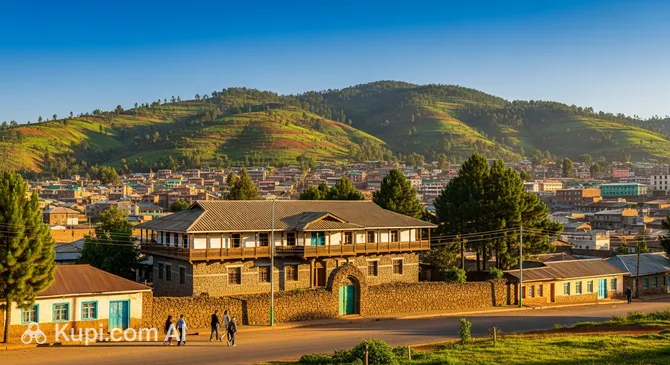
Nekemte. Source: Kupi.Binoculars

Travelers interested in the past will find the history of Nekemte deeply fascinating. The city was once the seat of local rulers, and this heritage is best preserved at the Kumsa Moroda Palace. This historical residence offers a glimpse into the lives of the former governors of Welega. Another key attraction is the Wollega Museum, which houses a collection of cultural artifacts, traditional tools, and crafts that celebrate the rich heritage of the Oromo people.

Whether you are a history buff eager to explore royal grounds or a nature lover looking to enjoy the scenic landscapes of western Ethiopia, Nekemte is a destination worth adding to your itinerary. Its warm hospitality, combined with its unique cultural landmarks and famous coffee ceremonies, ensures a memorable experience for every visitor.

Weather Overview

Nekemte experiences a moderate climate that varies significantly between its distinct dry and wet seasons. The city generally enjoys comfortable conditions, though travelers should be prepared for different patterns depending on the time of year. For a more detailed breakdown of what to expect during your specific travel dates, you can consult the guide to the weather in Nekemte.

The warmest and driest period typically runs from November to March. During these months, average temperatures hover around 22°C to 24°C, with daytime highs often reaching nearly 30°C in February and March. Precipitation is minimal during this time, creating ideal conditions for outdoor exploration and sightseeing.

Conversely, the rainy season sets in from June to September, bringing cooler air and frequent showers. August and September are among the wettest months, with rain recording up to 32mm and wet days occurring almost daily. During this period, average temperatures drop to around 19°C, so packing a light jacket and waterproof gear is essential. Expect warm, sunny days during the dry season and cooler, damper conditions with regular rainfall during the wet months.

Interesting Facts

Beyond the main attractions, Nekemte holds many fascinating secrets that reveal its deep historical and cultural roots. Here are a few intriguing details that most visitors might miss:

  • A Literary Pioneer's Resting Place: The city is the final resting place of Onesimos Nesib, also known as Abba Gammachiis. He was a legendary scholar and educator who is celebrated for translating the Bible into Afaan Oromoo (the Oromo language) in the late 19th century, a monumental task that preserved the language and fostered literacy in the region.

  • Seat of a Kingdom: Long before it became a modern administrative zone, Nekemte was the capital of the Leqa Naqamte, a powerful autonomous Oromo kingdom. The local rulers, particularly the Kumsa Moroda family, maintained a sophisticated governance structure and diplomatic relations with the central Ethiopian empire.

  • Hidden Natural Retreat: Just a short distance from the bustling town center lies the Sorga Dam. While primarily a water source for the city, this tranquil spot is a favorite local secret for birdwatching and enjoying peaceful sunsets away from the urban noise.

  • The "Red" City: Nekemte is visually distinct due to its incredibly vibrant red soil. This laterite soil is not only a hallmark of the landscape but also highly fertile, supporting the lush vegetation and coffee plantations that surround the urban area.

How to Get There

Reaching Nekemte involves traveling through the scenic landscapes of western Ethiopia. While the city is a key regional hub, most international and long-distance travelers will first arrive at a major airport in a neighboring city before continuing their journey by road. For a comprehensive overview of all transport options, including bus routes and driving tips, you can read more about how to get to Nekemte.

The most common entry point for visitors is Addis Ababa Bole International Airport (IATA: ADD), located in the capital, Addis Ababa. This is the country's primary international gateway and busiest hub. Although it is situated approximately 247 km from Nekemte, it offers the best connectivity for global travelers. From the airport, you can hire a private vehicle or take a bus to reach your destination. The drive typically takes around 6 hours and 30 minutes, depending on traffic and road conditions, offering a chance to see the transition from the bustling capital to the rolling hills of Oromia.

Another option, which is geographically closer, is Jimma Airport (IATA: JIM) in the city of Jimma. Located about 160 km from Nekemte, this regional airport serves domestic flights. While it is significantly closer than the capital, the journey by road still takes time due to the terrain. You can expect a taxi or bus ride of approximately 4 hours and 20 minutes from Jimma to Nekemte. This route is often chosen by travelers who are already exploring the western or coffee-growing regions of the country.

For clarity, here is a summary of the main airports in the wider region that can serve as starting points for your trip:

Airport Name City Passenger Traffic Km from City
Addis Ababa Bole International Airport Addis Ababa Large 246.9
Jimma Airport Jimma Medium 160.2
Asosa Airport Asosa Small 239.4
Gambela Airport Gambela Small 243.7
Bahar Dar Airport Bahir Dar Medium 291.0

Main Attractions

Nekemte offers a compelling mix of historical depth and natural beauty, making it a rewarding destination for travelers exploring western Ethiopia. The city's attractions provide a window into the region's royal past while also showcasing the vibrant culture and scenic landscapes that define the Oromia Region.

Kumsa Moroda Palace is undoubtedly the most significant historical landmark in the city. Once the residence of the powerful local rulers of the Leqa Naqamte kingdom, this renovated palace serves as a symbol of the area's rich political heritage. Visitors can tour the compound to learn about the Kumsa Moroda family and the governance of the Welega region in the 19th and early 20th centuries. It is an essential stop for history enthusiasts keen to understand the local dynamics that shaped western Ethiopia.

Located near the palace grounds, the Wollega Museum complements the historical narrative with cultural insights. This institution houses a fascinating collection of ethnographic artifacts, ranging from traditional Oromo clothing and jewelry to ancient agricultural tools and household items. A visit here offers a deeper appreciation of the Oromo people's enduring traditions and craftsmanship, providing context to the daily life you will observe around the city.

For a change of pace, the Sorga Dam provides a tranquil escape into nature just a few kilometers from the town center. While it functions as a critical water reservoir, the site has developed into a lush habitat for local wildlife. It is particularly interesting for birdwatchers and nature lovers, offering a quiet environment to spot various bird species and enjoy the serene reflection of the surrounding hills on the water.

No trip to Nekemte is complete without experiencing the energy of the Nekemte Market. As a central hub for the surrounding coffee-growing districts, the market is bustling with activity and filled with the aroma of fresh beans and spices. It is the perfect place for tourists to witness the authentic rhythm of local trade, interact with friendly merchants, and perhaps purchase some of the region's famous coffee or locally woven baskets as souvenirs.

Local Cuisine

The culinary scene in Nekemte offers a flavorful journey into the heart of the Oromia Region, blending beloved Ethiopian staples with distinct local specialties unique to the Welega zone. As a major agricultural hub, the city benefits from fresh produce and high-quality livestock, resulting in rich, hearty meals that are deeply tied to the land. Visitors will find that food here is not just about sustenance but is a central part of social life and hospitality.

A true signature dish of this region is Anchote, a nutritious root vegetable that holds a special place in the local culture. Unlike the potato, Anchote is a tuber rich in calcium and is indigenous to western Ethiopia. It is typically boiled, sliced, and mixed with a generous amount of spiced butter (niter kibbeh) and local spices. While it is traditionally associated with festivities like the Meskel holiday, travelers can often find it in local restaurants, offering a taste that is distinctively characteristic of the Welega Oromo cuisine.

Alongside local specialties, the ubiquitous Injera serves as the foundation of almost every meal. This sour, fermented flatbread is used to scoop up various spicy stews known as wats. In Nekemte, you should try the Doro Wat (spicy chicken stew) or savory lamb Tibs (sautéed meat chunks), which are often prepared with fresh ingredients from the nearby markets. For breakfast, Chechebsa—shredded flatbread fried with butter and chili powder—is a popular and comforting choice to start the day.

No description of Nekemte's gastronomy would be complete without mentioning coffee. The city gives its name to "Nekemte Coffee," a variety renowned worldwide for its fruity and spicy flavor profile. Drinking coffee here is a ritual; the traditional coffee ceremony involves roasting green beans over hot coals, grinding them by hand, and brewing the coffee in a clay pot called a jebena. It is an unmissable cultural experience that takes place in homes, hotels, and roadside stalls throughout the city.

For those looking to explore local libations, Tej is a traditional honey wine that pairs excellent with spicy food. It is often served in flask-like glass vessels and varies in sweetness and potency. Dining in Nekemte is generally a communal affair, often enjoyed in the restaurants of local hotels or open-air establishments where the atmosphere is relaxed and friendly. Whether you are sharing a platter of Injera or sipping freshly brewed coffee, the warmth of the local hospitality makes every meal memorable.

Travel Tips

Visiting Nekemte offers a unique glimpse into the heart of Ethiopia's coffee country, but navigating a regional town requires a bit of local know-how. To ensure your journey through this vibrant city is as smooth and enjoyable as possible, we have compiled a list of essential practical tips to help you prepare.

  1. Dress for the "Red City": The climate is generally moderate, so packing breathable layers is the best strategy; you will want light clothes for the warm afternoons and a sweater for the cooler evenings. Crucial tip: Nekemte is famous for its vibrant red soil, which can easily stain clothing and footwear. Avoid wearing white shoes or delicate fabrics if you plan on walking around the town or visiting the market.

  2. Getting Around Locally: The most convenient and common way to navigate the city is by Bajaj (three-wheeled auto-rickshaw). They are abundant, affordable, and perfect for short distances. Taxis are also available but less frequent. If you are staying within the town center, walking is a pleasant option, but always be mindful of traffic as sidewalks can be uneven or non-existent.

  3. Cash is King: While larger hotels may accept international cards, daily life in Nekemte runs almost exclusively on cash. You will need the local currency, the Ethiopian Birr (ETB), for meals, transport, and shopping. There are ATMs available in the city, primarily from Commercial Bank of Ethiopia and Dashen Bank, but they can occasionally be out of service, so it is wise to carry enough cash for a few days.

  4. Health and Hygiene: Pharmacies are available in the town center for basic supplies, but you should bring any specific prescription medications you need from home. Tap water is not safe for drinking; always stick to sealed bottled water. While the elevation lowers the risk of malaria compared to the lowlands, it is still advisable to carry insect repellent, especially if you travel to the outskirts or lower altitudes nearby.

  5. Language and Connectivity: The primary language spoken is Afaan Oromoo, though Amharic is also widely understood. English proficiency varies and is mostly found among younger people and hotel staff. Learning a simple greeting like "Akkam" (Hello/How are you?) goes a long way. For internet access, Wi-Fi in hotels can be slow, so buying a local Ethio Telecom SIM card with a data package is highly recommended for staying connected.

  6. Dining and Etiquette: When eating traditional food like Injera, always use your right hand, as using the left is considered unclean. If you are invited to a traditional coffee ceremony, consider it an honor. It is a slow, social ritual, so sit back, relax, and do not rush the process—it is the perfect time to bond with locals.

  7. Photography Precautions: Avoid taking photos of people without asking for their explicit permission first; this is considered rude and can lead to confrontation. Also, refrain from photographing government buildings, police stations, or military personnel, as this is strictly prohibited and can cause serious legal issues.

  8. Coffee Lover's Secret: Since you are in a major coffee-growing zone, do not miss the chance to buy fresh green coffee beans at the local market. They are incredibly cheap compared to prices back home and of superior quality. Ask a local to help you negotiate the price and identify the best beans for roasting at home.

With these practical insights in hand, you are fully prepared to immerse yourself in the warm culture and energetic daily life of Nekemte. Embrace the local rhythm, enjoy the world-renowned coffee, and let the friendly spirit of the community make your trip truly unforgettable.

Entertainment & Nightlife

Entertainment and nightlife in Nekemte offer a distinctively local flavor, far removed from the high-energy clubbing scenes of international metropolises. The city's evening culture is relaxed, social, and deeply rooted in hospitality. Instead of sprawling nightclub districts, the nightlife here revolves around hotel bars, traditional music houses, and the unique Ethiopian phenomenon known as "groceries"—shops that double as casual bars serving beer and grilled meat.

The bustling heart of the city, particularly along the main asphalt roads radiating from the center, is where most of the evening activity concentrates. As the sun sets, the atmosphere transforms from a commercial hub into a lively social scene. The vibe is generally welcoming and informal, with locals gathering to discuss the day's events over drafts of local beer or Tej (honey wine). The dress code is casual; there is rarely a need for formal attire unless you are attending a specific event at a high-end hotel.

For visitors looking for a reliable place to spend the evening, the city's established hotels are the primary hubs. The Wama Hotel is a well-known local institution where travelers and locals mix. It often features a lively bar atmosphere and restaurant service that extends into the evening, making it a safe and comfortable starting point. Another notable spot is the restaurant and bar area at the Sorga Resort, located a bit further out near the dam. While quieter, it offers a serene setting for evening drinks with a view, perfect for those seeking conversation over loud music.

If you want to experience the true rhythm of the Oromia Region, look for venues playing traditional Oromo music. The music scene here is vibrant, characterized by upbeat rhythms and expressive dance. While specific "nightclubs" in the western sense are fewer, many local bars and hotel lounges turn into dance floors on weekends. The crowd is typically friendly, and foreigners are often welcomed with curiosity and warmth. However, it is important to note that nightlife here ends relatively early compared to the capital, with many places winding down before midnight.

Practicality and safety are key for a night out in Nekemte. The streets are not brightly lit everywhere, so it is advisable to stick to the main roads and avoid walking alone in dark alleys. The best way to get around at night is by hiring a Bajaj (auto-rickshaw). They are affordable and readily available, but ensure you agree on a price before starting your journey. Prices for drinks and entertainment are generally very reasonable, significantly lower than in Addis Ababa.

While the nights are for socializing, daytime in Nekemte offers its own array of cultural entertainment. Before the sun goes down, visitors can immerse themselves in the region's heritage at the Wollega Museum or explore the architectural history at the Kumsa Moroda Palace. These sites provide the cultural context that makes the evening conversations with locals even more engaging.

Parks & Museums

Nekemte may not be famous for manicured botanical gardens or sprawling art districts, but its location in the lush western highlands offers a unique blend of natural beauty and profound historical heritage. The city serves as a custodian of Oromo culture, with institutions and natural sites that allow visitors to connect deeply with the region's royal past and its vibrant, verdant present.

For those seeking fresh air and greenery, the areas surrounding the city provide a perfect escape into nature. Sorga Dam is the most accessible natural retreat, functioning as an informal park for locals and visitors alike. Located just a few kilometers from the town center, this reservoir is surrounded by rolling hills and dense vegetation. It is an excellent spot for a leisurely walk, a picnic by the water, or birdwatching, as the wetland environment attracts various local bird species. The calm waters reflecting the green landscape offer a peaceful contrast to the bustling market streets.

A short distance from the city lies the Komto Forest, a significant natural reserve that appeals to hikers and eco-tourists. This protected state forest is a remnant of the dense woods that once covered much of the Welega area. It offers trails that wind through indigenous trees and coffee bushes growing wild in the understory. The forest is a sanctuary for diverse wildlife, including monkeys and numerous bird species, making it a rewarding destination for a day trip focused on exploring Ethiopia's highland biodiversity.

In terms of cultural institutions, the Wollega Museum stands as the city's premier facility for preserving local heritage. It is dedicated to showcasing the rich history and traditions of the Oromo people of the Welega region. Inside, visitors can examine a wide array of exhibits, including traditional hand-woven clothes, ancient battle gear, household utensils, and musical instruments. It provides an educational context to the customs you observe on the streets, making it an invaluable stop for anyone wanting to understand the cultural fabric of the area.

While primarily a historical site, the Kumsa Moroda Palace functions as a living museum of political history. The compound allows tourists to walk through the halls where the powerful rulers of the Leqa Naqamte kingdom once governed. The architecture itself is an exhibit, displaying a mix of local craftsmanship and foreign influences from the late 19th century. Exploring the grounds offers a tangible connection to the era when Nekemte was an autonomous center of power in western Ethiopia.

Insider Tip: If you plan to visit the Komto Forest, try to go in the early morning. The mist clinging to the canopy creates a mystical atmosphere, and the birds are most active at this time. Afterwards, stop by a small roadside stall on the way back to town to taste freshly roasted corn, a popular local snack.

Getting Around

The public transport system in Nekemte is informal, road-based, and relies heavily on smaller vehicles rather than large municipal buses or rail networks. There is no metro, tram, or trolleybus system in the city. Instead, the streets are dominated by three-wheeled auto-rickshaws, locally known as Bajajs. These agile blue vehicles are the backbone of local mobility, zipping through traffic and navigating narrow lanes that larger vehicles cannot access. They are the most convenient way for tourists to travel between hotels, the market, and local attractions.

For slightly longer distances or travel along main arterial roads, minibuses serve as the primary form of mass transit. These vans operate on roughly fixed routes, picking up and dropping off passengers at designated stops or simply wherever it is safe to pull over. They are generally painted in specific colors to denote their role as public taxis. While they are an authentic way to travel like a local, they can be crowded and may wait until they are full before departing from their starting point.

The payment system is entirely cash-based; there are no electronic travel cards, apps, or passes available. You pay the driver or the conductor (assistant) directly once you are on board or upon reaching your destination. Fares are generally very low and are fixed for shared routes. However, if you hire a Bajaj privately (known as a "contract" ride) to take you to a specific location off the standard route, you must negotiate and agree on the price before you get in. It is essential to carry small denominations of the local currency, as drivers often struggle to make change for large bills.

Operating hours are not strictly regulated, but transport is most readily available from early morning, around 6:00 AM, until shortly after sunset. After dark, the number of minibuses and shared Bajajs drops significantly, and finding a ride can become difficult. Tourists are advised to plan their return trips before nightfall. There are no tickets to validate; the transaction is simple and immediate. When hailing a vehicle, a simple wave of the hand is enough to signal a driver.

Alternatives to public transport are limited but functional. Walking is a viable and pleasant option for exploring the town center, as many key spots are clustered relatively close together. Standard four-door taxis exist but are far less common than Bajajs and are typically found parked near major hotels or the bus station. Rideshare apps and bike rental schemes are not currently active in the city, so relying on the ubiquitous three-wheelers or your own two feet remains the most practical strategy for getting around.

Accommodation

Accommodation in Nekemte is primarily designed to cater to local traders, business travelers, and occasional tourists passing through the Oromia Region. Visitors should manage their expectations, as the city does not currently host international luxury hotel chains or sprawling all-inclusive resorts. Instead, the hospitality scene is dominated by functional, locally-run establishments ranging from basic budget pensions to comfortable mid-range hotels that offer a good standard of service and cleanliness.

The most convenient area to stay is the town center, particularly along the main asphalt roads. Staying here places you within walking distance of the bustling market, banks, and transport hubs, making it easy to catch a Bajaj or minibus. For those seeking a more tranquil environment away from the urban noise, there are options located on the outskirts of the city, particularly towards the Sorga Dam area. These locations often offer more spacious grounds and a relaxing atmosphere closer to nature.

In terms of amenities, the better hotels in Nekemte typically provide en-suite bathrooms with hot water, on-site restaurants serving both Ethiopian and international dishes, and secure parking. Wi-Fi is available in most mid-range establishments, though connection speeds can vary. Budget options, often referred to as "pensions," are plentiful and very cheap but may offer shared facilities and limited services.

Booking Tip: Unlike in major tourist capitals, most hotels in Nekemte do not have a strong presence on large international booking platforms. While a few top-tier local hotels might be bookable online, the most reliable method is often to call directly or simply find a room upon arrival. Since the city is rarely fully booked by tourists, finding a room as a walk-in guest is usually quite easy, except perhaps during major religious festivals or large regional conferences.

Travelers will find the prices to be extremely affordable by international standards. A clean and comfortable room in a mid-range hotel can often be secured for a fraction of the cost of accommodation in Addis Ababa. Payment is almost exclusively expected in cash (Ethiopian Birr). Credit card machines are rare and often out of service, so it is essential to carry sufficient local currency to cover your stay.

Nearby Cities

Nearby Cities:

Nekemte serves as a strategic gateway to western Ethiopia, situated in the East Welega Zone of the Oromia Region. While the city itself is a bustling hub, its location in the highlands places it within reach of several other significant urban centers. Travelers looking to extend their journey can explore these neighboring cities, each offering its own unique blend of culture, history, and commerce. Due to the mountainous terrain of the region, travel times by road can vary, but these destinations represent the closest major settlements to Nekemte.

The following table lists the nearby cities, providing details on their population and distance from Nekemte to help you plan your itinerary:

City Population Distance (km)
Adama (Nazret) 94,342 152
Jimma 200,000 159
Giyon 114,534 167
Debre Markos 197,900 189
Finote Selam 55,567 192

Jimma is particularly notable for coffee enthusiasts, as it lies in the heart of the region where coffee originated. Debre Markos and Finote Selam offer a glimpse into the Amhara Region's culture, while Adama is a major transportation hub and a popular weekend getaway known for its warmer climate.

Shopping & Souvenirs

Shopping in Nekemte is an immersive experience that centers less on luxury retail and more on the vibrant, authentic trade of the Oromia Region. As a major commercial hub for western Ethiopia, the city offers a bustling atmosphere where travelers can find everything from fresh agricultural produce to unique local handicrafts. The shopping scene here provides a direct window into the daily lives of the residents, making it as much a cultural activity as a purchasing opportunity.

The primary shopping activity is concentrated along the main asphalt roads in the town center. These streets are lined with small, independent boutiques and stalls selling clothing, electronics, and household goods. A stroll down these busy thoroughfares allows visitors to browse a variety of shops while soaking in the energetic urban vibe. The area surrounding the central transport hubs is particularly lively, packed with traders selling goods to travelers passing through the region.

While you will not find sprawling western-style shopping malls in Nekemte, the city does feature several multi-story commercial buildings or plazas in the downtown area. These buildings house a collection of smaller shops under one roof, offering a slightly more modern shopping environment. Here, you can typically find mobile phone shops, clothing stores offering both modern and traditional attire, and small internet cafes.

The true highlight of the local shopping scene is the Nekemte Market. This extensive open-air market is the economic heartbeat of the city and a feast for the senses. It is divided into various sections, with areas dedicated to spices, grains, livestock, and housewares. The market is colorful and chaotic in the best possible way, offering a chance to interact with local farmers and merchants. It is the perfect place to observe the traditional trade of the region's famous agricultural products.

For souvenir hunters, the most essential purchase is undoubtedly coffee. Nekemte is world-renowned for its coffee production, and buying fresh green beans or locally roasted coffee here guarantees high quality at a fraction of the export price. Additionally, look for traditional Oromo woven baskets, which are known for their intricate geometric patterns and vibrant colors. Hand-woven traditional cotton clothing and locally made leather goods also make for meaningful and durable keepsakes.

When planning your shopping trips, keep in mind that business hours generally run from around 8:00 AM to 7:00 PM, Monday through Saturday. Many smaller shops and market stalls may close for a lunch break between 1:00 PM and 2:00 PM. Cash is the primary method of payment everywhere, from the open market to the hotel shops. Credit cards are rarely accepted outside of a few major hotels, so it is crucial to carry enough Ethiopian Birr in smaller denominations, especially when bargaining in the market.

Travelers should be aware that tax-free shopping and VAT refund schemes are not available in Nekemte. The prices you see or negotiate are final. Bargaining is expected and encouraged in the market and with street vendors, but prices in fixed-price stores and boutiques are generally non-negotiable.

Reached the end of the page?

That means the route is fully explored