Support

Asosa

About

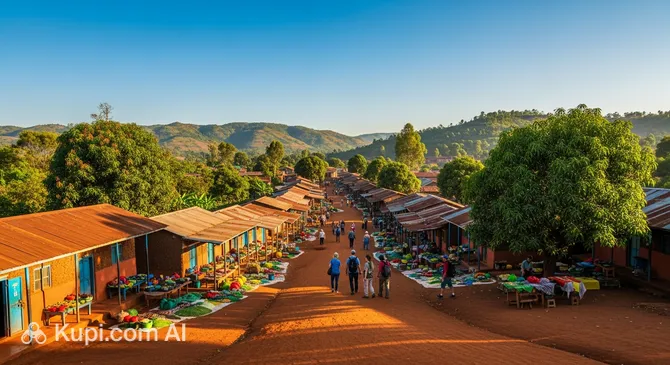
Asosa is a captivating destination located in the western reaches of Ethiopia, serving as the administrative center of the Benishangul-Gumuz Region. With a population of approximately 30,500 residents, this city offers a distinct atmosphere that differs from the country's cooler highland areas, characterized by a warmer tropical climate and lush surroundings.

Asosa. Source: Kupi.Binoculars

The city is a melting pot of cultures, predominantly inhabited by the Berta people, who contribute to the vibrant local music and customs. Exploring the history of Asosa reveals its longstanding importance as a trade hub near the Sudanese border, where diverse communities have interacted for centuries. The town retains a friendly, small-town charm while acting as a vital economic node for the region.

Travelers are often drawn to the area's unique natural resources and agricultural bounty. Asosa is widely celebrated for its high-quality mangoes and is historically known for traditional gold mining activities in the vicinity. Additionally, the surrounding landscape is home to some of the largest bamboo forests in East Africa, offering a scenic backdrop for nature enthusiasts.

Whether you are interested in cultural immersion or exploring the untamed landscapes of the west, Asosa provides a memorable and authentic stop on your journey through the region.

Weather Overview

Asosa experiences a distinct tropical climate with clear differences between the dry and wet seasons. Travelers planning a trip should check the detailed weather in Asosa to choose the most suitable time for their activities, as conditions change significantly throughout the year.

The dry season typically runs from late November through March. During this period, rainfall is virtually non-existent, and temperatures climb steadily. March is generally the hottest month, with average daytime highs reaching approximately 34.1°C. These months offer sunny skies and warm evenings, ideal for exploring the city and its surroundings without interruption from rain.

From April to October, the region shifts into its rainy season. Precipitation becomes frequent, with the number of wet days peaking between June and September. As the rains arrive, the heat subsides significantly; July and August are usually the coolest months, with average daily highs dropping to around 24.6°C. Expect hot, dry conditions at the start of the year and cooler, frequently rainy weather from late spring to early autumn.

Interesting Facts

Beyond its reputation as a trade hub, Asosa holds fascinating secrets that reveal its deep historical roots and unique cultural identity. This city is not just a gateway to the west but a living museum of traditions that are distinct from the rest of the country.

  • The Sound of Waza: The local Berta people are famous for their unique musical tradition involving the Waza. These are large, trumpet-like instruments made from hollowed-out calabash gourds joined together with beeswax. They are played in ensembles of up to a dozen men, each producing a single note in a rhythmic "hocket" style to create complex melodies, often accompanying community festivities.

  • A Sacred Namesake: The region's name, Benishangul, is derived from the local Berta phrase Bela Shangul, which translates to "Rock of Shangul." This refers to a specific sacred stone located in the nearby mountains where the ancestors of the local population are believed to have first settled, marking the area with deep spiritual significance.

  • Hilltop Strongholds: The traditional architecture of the Berta people reflects a history of resilience and adaptation. Historically, villages were constructed on rocky hills and outcrops to provide natural defense against raids. A distinct feature of these settlements is the use of granaries raised on stone pillars, a clever design ensuring that harvested crops remain safe from pests and ground moisture.

  • A Historical Buffer Zone: For centuries, Asosa and its surroundings served as a "no man's land" and buffer zone between the Ethiopian Empire and the Funj Sultanate of Sennar in modern-day Sudan. This unique position allowed it to develop a hybrid culture that blends Highland Ethiopian traditions with Nilo-Saharan influences, evident today in the local architecture and Islamic heritage.

How to Get There

Reaching this western Ethiopian city is an adventure in itself, with air travel being the most practical and time-saving method for most visitors. While road trips offer scenic views of the countryside, the distances can be vast. For a comprehensive breakdown of all transport options, routes, and tips, you can read more about how to get to Asosa on our detailed page.

The primary gateway for travelers is Asosa Airport (IATA: ASO), which is conveniently located just 7 km from the city center. It is a regional hub that connects the area with the capital, Addis Ababa. A taxi or shuttle ride from the terminal to the downtown area typically takes about 30 minutes. For those considering alternatives in the wider region, Gambela Airport (IATA: GMB) is the closest facility geographically, situated approximately 214 km away in a straight line. However, it is important to note that the overland journey from Gambela to Asosa is indirect and covers roughly 500 km by road, making it a significantly longer and more challenging route than the straight-line distance suggests.

For clarity, here is a summary of the main airports:

Airport Name City Passenger Traffic Km from City
Asosa Airport Asosa Medium 7.0
Gambela Airport Gambela Small 214.0

Currently, there are no railway services connecting Asosa to the rest of the country. Travelers who prefer land transport typically rely on long-distance buses or private 4x4 vehicles driving from Addis Ababa. This overland journey allows you to witness the changing landscapes from the highlands to the lush western lowlands, though it requires a full day of travel.

Main Attractions

While Asosa is often viewed as a transit point, the city and its immediate surroundings offer several compelling sites for those eager to delve into the region's unique heritage. The attractions here are less about grand monuments and more about the living history and cultural tapestry of the Benishangul-Gumuz people.

One of the most significant historical landmarks is the Sheikh Hojali Palace. This residence once belonged to Sheikh Hojali, a prominent local ruler who played a crucial role in the region's history during the late 19th and early 20th centuries. The building stands as a testament to the area's complex past, reflecting the architectural influence of the era and serving as a focal point for understanding the integration of this borderland into the wider Ethiopian state. It offers a rare glimpse into the legacy of the local governance and the Islamic heritage that has shaped the town.

For a vibrant taste of daily life, a visit to the Asosa Market is essential. This bustling marketplace is the economic heartbeat of the city, where traders from various ethnic groups—including the Berta, Gumuz, and Oromo—converge to sell their goods. Unlike the tourist-centric markets found in larger cities, this is an authentic local affair where you can find everything from mounds of fresh mangoes and agricultural produce to traditional handicrafts. It is also a place where the region's famed alluvial gold is sometimes traded in small quantities, adding a layer of intrigue to the lively atmosphere.

To gain a deeper appreciation of the local customs, the Asosa Cultural Museum is a worthwhile stop. The facility houses a collection of artifacts that celebrate the diverse ethnic identities of the region. Visitors can view traditional clothing, agricultural tools, and the famous bamboo trumpets known as Waza, which are central to Berta festivities. The museum provides context to the unique traditions you might encounter in the city, explaining the social significance of the objects and the resilience of the communities that created them.

Religious architecture also defines the city's skyline, with the Asosa Grand Mosque being a central spiritual landmark. The region has a long-standing Islamic history, and the mosques here are not just places of worship but community centers that have fostered social cohesion for generations. The architecture often features distinct styles that differ from the highlands, showcasing the cross-cultural exchange between Ethiopia and Sudan that has occurred here for centuries.

Local Cuisine

The culinary landscape of Asosa is a delightful reflection of its diverse cultural heritage and tropical climate. Unlike the teff-dominated cuisine of the Ethiopian highlands, the food culture here is heavily influenced by the Berta and Gumuz communities, resulting in unique flavors and staple ingredients. The region is often celebrated as the "mango capital" of Ethiopia, and the abundance of fresh, high-quality fruit is the first thing many visitors notice upon arrival.

One of the most distinct features of the local diet is the widespread use of sorghum. While traditional injera (flatbread) is eaten here, it is frequently made from sorghum flour rather than teff, giving it a slightly darker color and a nuttier, heartier flavor. This staple is typically served with spicy stews known as wats, which can be made from lentils, chickpeas (shiro), or meat. Travelers should also look out for traditional porridges, a comfort food often enjoyed by the local Berta people, served with a dollop of spiced butter or yogurt.

No description of Asosa’s gastronomy would be complete without highlighting its famous mangoes. During the harvest season, the city is awash with this golden fruit, which is renowned for its sweetness and lack of fiber. You can enjoy them sliced fresh from a street vendor or blended into a thick, refreshing juice that provides a perfect respite from the afternoon heat. Papayas and avocados are also widely available and exceptionally flavorful due to the fertile soils of the Benishangul-Gumuz region.

For drinks, the traditional coffee ceremony remains a central part of social life, just as it is across the rest of the country. However, given the region's grain production, you may also encounter local variations of traditional fermented beverages. Tella, a home-brewed beer made from barley, maize, or sorghum, is a common sight in local households and small distinct pubs. It offers an authentic taste of the local lifestyle, though it can be quite potent.

Dining in Asosa is generally a casual and communal affair. Most "hotels" (the local term for restaurants) serve generous portions of Ethiopian staples in a no-frills setting. For a more immersive experience, a walk through the bustling market reveals the raw ingredients of the region's cuisine, from mounds of red peppers and spices to the ubiquitous piles of tropical fruits. It is here that the agricultural richness of this western frontier truly comes to life.

Travel Tips

Visiting Asosa offers a unique glimpse into the diverse culture and tropical landscapes of western Ethiopia, but the experience differs significantly from the well-trodden northern historical circuit. To ensure your journey to this vibrant regional capital is comfortable and hassle-free, we have compiled a list of essential practicalities.

  1. Dress for the Tropics. Unlike the cool highlands of Addis Ababa, Asosa is warm and humid. Pack lightweight, breathable fabrics like cotton or linen to stay cool. However, remember that the region has a significant Muslim population, so it is respectful to dress modestly; cover your shoulders and knees, especially when walking in town or visiting markets.

  2. Mastering Local Transport. The most convenient and common way to navigate the city is by Bajaj (three-wheeled auto-rickshaw). They are affordable and agile, perfect for short trips. Always agree on the fare with the driver before you get in, as meters are rarely used. Taxis are less common, and walking is a viable option for the compact city center.

  3. Cash is King. While Ethiopia is modernizing, Asosa remains a cash-based economy. Credit cards are rarely accepted outside of a few major hotels or government offices. Ensure you carry enough Ethiopian Birr for your daily expenses. There are ATMs in the city, but they can occasionally be out of service or run out of cash, so bringing a reserve from the capital is wise.

  4. Health Precautions. Asosa is located in a lowland area where malaria is a risk, unlike in the high-altitude regions. It is crucial to bring strong insect repellent, wear long sleeves in the evenings, and sleep under a mosquito net. Additionally, stick to bottled water for drinking and brushing your teeth to avoid stomach issues.

  5. Language and Connection. Amharic is widely spoken as a working language, but you will also hear Berta and Oromo. English proficiency is generally lower here than in major tourist hubs. Learning a few basic phrases like Selam (Hello) or Ameseginalehu (Thank you) will go a long way in breaking the ice. Buying a local SIM card (Ethio Telecom) is recommended for maps and translation apps, as Wi-Fi can be spotty.

  6. Dining Etiquette. When eating traditional food, which is often a communal experience from a shared plate, always use your right hand. Using the left hand is considered unclean. If you are invited to a local home, washing your hands before the meal is a mandatory ritual, often assisted by the host pouring water from a pitcher.

  7. Photography Rules. Be very cautious about what you photograph. Avoid taking pictures of government buildings, military installations, or police officers, as this is strictly prohibited and can lead to questioning. Always ask for explicit permission before taking photos of locals, particularly in the market, to respect their privacy.

  8. Market Day Hack. If you are in town on a market day, go early in the morning to get the best produce, especially the region's famous mangoes. Not only is the fruit fresher, but the temperature is cooler, making the bustling crowds easier to navigate before the midday heat sets in.

By keeping these tips in mind, you will be well-prepared to embrace the warm hospitality and distinct rhythm of life in Asosa. Enjoy the lush greenery, the golden mangoes, and the friendly smiles that make this western frontier truly special.

Entertainment & Nightlife

Entertainment in Asosa is defined by its relaxed, community-focused atmosphere rather than a high-energy club scene. The nightlife here is delightfully laid-back, taking full advantage of the region's warm tropical evenings. Instead of neon-lit discos, you will find lively hotel bars, open-air garden restaurants, and cozy local lounges where the sound of conversation mixes with traditional and modern Ethiopian music.

The heart of the city's social life often beats within its major hotels, which serve as gathering spots for locals, travelers, and the NGO community. The Blendana Hotel, located in the city center, is a prime example of this. Its outdoor bar and restaurant area is a bustling hub after dark, offering a comfortable environment to enjoy a cold St. George or Dashen beer under the stars. It is an excellent place to meet people and soak up the friendly vibe that characterizes the Benishangul-Gumuz region.

For those seeking a genuine local experience, Arumela Bar and Restaurant is a standout option. Conveniently situated near the Fisha Guest House, this venue is known for its spirited atmosphere and authentic setting. It provides a welcoming space where visitors can enjoy local dishes and drinks alongside residents, offering a look into the unpretentious and vibrant social culture of the city without the formalities of the larger hotels.

Most nightlife activity is concentrated along the main thoroughfares and the central business district. The dress code is almost exclusively casual; jeans and a t-shirt are perfectly acceptable everywhere. Venues typically stay open until around midnight or 1:00 AM, though hotel bars may serve guests a bit later. Prices are generally very affordable compared to the capital, making a night out easy on the wallet.

When it comes to getting around at night, the ubiquitous three-wheeled Bajajs are your best friend. They are cheap, plentiful, and can zip you between your hotel and restaurants quickly. While Asosa is generally safe, street lighting can be inconsistent away from the main roads. It is advisable to use a Bajaj rather than walking long distances in the dark, and always carry enough cash, as electronic payments are rarely accepted at night spots.

During the daylight hours, entertainment shifts towards cultural and natural exploration. If you have already visited the museum, you might enjoy a trip to the bustling Asosa Market to watch the daily trade in mangoes and crafts, or take a short excursion to the city's outskirts to see the lush bamboo forests that define the region's landscape.

Parks & Museums

Asosa is a city where culture and nature intertwine seamlessly, offering visitors a chance to explore lush landscapes and deep-rooted heritage sites. While the city may not feature manicured urban parks in the traditional sense, its location in the fertile western lowlands creates a garden-like atmosphere, complemented by institutions dedicated to preserving the unique history of the Benishangul-Gumuz region.

The most defining natural feature of the area is the extensive Bamboo Forest coverage. The region is home to a significant portion of Ethiopia's natural bamboo vegetation, specifically the lowland variety. A short drive to the outskirts of the city immerses travelers in these towering green thickets, which are not only scenic but vital to the local economy and construction. Walking near these groves offers a serene escape and a chance to see the raw materials used in traditional Berta house building and furniture making.

Within the city limits, the environment itself serves as a living green space. Asosa is often described as a "garden city" due to the abundance of Mango Groves and large shade trees lining the streets. Unlike the arid landscapes found in some parts of the country, the tropical climate here ensures year-round greenery. Strolling through the neighborhoods provides a relaxing experience, where the air is often sweet with the scent of ripening fruit and the canopy offers respite from the midday sun.

For those interested in history and ethnography, the Asosa Cultural Museum is the premier institution in the city. It serves as a custodian of the region's diverse identity, housing a collection that spans the Berta, Gumuz, and Shinasha communities. Visitors can examine intricate traditional costumes, agricultural implements, and the famed Waza trumpets. It is an essential stop for understanding the social fabric of this borderland region and offers a narrative distinct from the Solomonic history often highlighted in the north.

Another significant site that functions as a historical gallery is the Sheikh Hojali Palace. Although it is a heritage site rather than a curated museum, the building itself is an architectural exhibit. Constructed in the late 19th century, it showcases a unique blend of local and Sudanese architectural styles. Exploring the grounds allows tourists to visualize the era when Asosa was a pivotal trade hub connecting the Ethiopian highlands with the Nile Valley.

For a truly authentic experience, look for the small, informal gold panning sites along the riverbanks outside the city. While not a formal tourist attraction, observing the traditional methods of gold extraction—a practice that has existed here for millennia—offers a fascinating glimpse into the local way of life. Always ask for permission and go with a local guide to ensure a respectful visit to these community areas.

Getting Around

Navigating Asosa is a straightforward and informal experience, reflecting the city's modest size and relaxed pace. Unlike the capital or larger international hubs, there are no complex metro systems, trams, or municipal bus networks operating within the city limits. Instead, the public transport system relies heavily on small-scale, road-based vehicles that provide flexible and affordable mobility for residents and visitors alike.

The undisputed king of local transport is the Bajaj, a three-wheeled auto-rickshaw that functions as the city's primary taxi service. These agile vehicles are everywhere, easily recognized by their distinctive blue and white coloring. They are perfect for short hops across town, offering a breezy way to beat the heat while navigating the streets. Bajajs can be hired individually for a private ride (often called a "contract") or shared with other passengers going in the same direction for a lower fare.

For travel to the outskirts or neighboring villages, minibuses are the standard option. These vans operate on fixed routes, departing only when every seat is filled. They serve as the backbone of regional connectivity, linking the city center with residential areas and nearby markets. While they are the most economical way to travel, they can be crowded and less comfortable than a private Bajaj, making them better suited for adventurous travelers or those looking to experience local life up close.

The payment system in Asosa is exclusively cash-based. There are no travel cards, electronic passes, or mobile ticketing apps for local transport. Fares are paid directly to the driver or the assistant (known as a weyala) in minibuses. It is essential to carry small denominations of the Ethiopian Birr, as drivers often struggle to make change for large bills. Prices are generally very low, but for private Bajaj rides, it is customary and necessary to negotiate the fare before getting into the vehicle to avoid misunderstandings upon arrival.

Walking is a highly viable and pleasant alternative for getting around the city center. Asosa is relatively compact, and many key locations, such as the market, the museum, and major hotels, are within a reasonable walking distance of one another. Exploring on foot allows you to appreciate the mango-lined streets and the friendly atmosphere at your own pace, though it is best done in the morning or late afternoon to avoid the peak midday sun.

Tourists should be aware that public transport availability decreases significantly after dark. Bajajs and minibuses operate frequently from roughly 6:00 AM to 8:00 PM. While you can still find a Bajaj later in the evening, especially near popular hotels or restaurants, the price will likely increase, and they become scarce as the night goes on. Ride-sharing apps like Uber or Bolt do not operate in Asosa, so if you plan to stay out late, it is wise to arrange a pick-up with a trusted driver beforehand or ask your hotel to call a vehicle for you.

Accommodation

Accommodation in Asosa is primarily practical and functional, catering largely to business travelers, NGO workers, and the occasional adventurous tourist. Visitors should not expect international luxury chains or sprawling resorts. Instead, the city offers a selection of locally run hotels and guest houses that range from basic budget rooms with shared facilities to modest mid-range establishments that provide private bathrooms and restaurant services.

Most lodging options are conveniently clustered around the city center and along the main arterial roads. Staying in this central area is highly recommended as it places you within easy walking distance of the Asosa Market, various dining spots, and the main stands for Bajajs (auto-rickshaws). This proximity makes it simple to explore the town without needing to arrange complex transport logistics.

Among the most well-known establishments is the Blendana Hotel, which is often considered the premier choice in the city. It serves as a social hub for the area and is frequently recommended for travelers seeking reliable amenities, such as consistent water supply and Wi-Fi, which can be intermittent elsewhere. Another reputable option is the Bamboo Paradise Hotel, known for its decent standards and service. These hotels typically feature on-site restaurants and bars, making them convenient bases for your stay.

Booking Tip: Online booking platforms are rarely used by hotels in Asosa. The most effective way to secure a room is to find the hotel's phone number and call directly a few days in advance. However, outside of major regional conferences or government events, walk-ins are generally accepted, and finding a room upon arrival is usually straightforward.

Price Range and Payment: The cost of accommodation is generally very affordable by international standards. Budget guest houses offer extremely low rates, while the "top-tier" local hotels remain inexpensive. It is crucial to be prepared to pay in cash (Ethiopian Birr). Credit card terminals are virtually non-existent at reception desks, so ensure you have withdrawn sufficient funds from an ATM in the city center before checking out.

Nearby Cities

For those looking to explore the surroundings, Asosa serves as an excellent base for day trips to several interesting nearby locations:

City Population Distance (km)
Bahir Dar 243300 354
Debre Markos 197900 351
Nekemte 148613 246
Finote Selam 55567 305
Dangila 53225 284

While the distances in this expansive region often turn these excursions into short visits rather than quick day trips, the journey is well worth the effort for travelers eager to see more of Ethiopia.

Nekemte is a significant cultural and economic hub located to the east of Asosa. As a center for the Oromo people, it offers a vibrant atmosphere and is renowned for its high-quality coffee production. Visitors can explore the Wollega Museum to gain deeper insights into the local history and traditions, or simply enjoy the bustling market life that defines this key transit city.

Further afield lies Bahir Dar, one of the country's most picturesque destinations. Situated on the southern shores of Lake Tana, the source of the Blue Nile, it is famous for its wide, palm-lined avenues and relaxed lakeside vibe. Travelers making the trip here can visit ancient island monasteries or take an excursion to the spectacular Blue Nile Falls, making it a perfect next stop for those touring the northern circuit.

These nearby destinations offer a glimpse into the diverse culture and landscapes of the region.

Shopping & Souvenirs

Shopping in Asosa offers a genuine glimpse into the daily life and economic rhythm of western Ethiopia. Unlike the polished retail experiences found in the capital, the scene here is characterized by bustling local trade, vibrant open-air stalls, and small, family-run businesses. Visitors will not find high-end luxury brands, but they will discover an authentic atmosphere where commerce is driven by agricultural bounty and traditional craftsmanship.

The primary shopping activity is concentrated along the city's main asphalt road, which cuts through the center of town. This strip serves as the commercial backbone of Asosa, lined with small shops, kiosks, and "boutiques" selling everything from clothing and shoes to electronics and household goods. A stroll down this thoroughfare allows travelers to pick up basic necessities while observing the relaxed, friendly interactions between shopkeepers and residents.

Travelers looking for large, modern shopping malls will not find them in Asosa. The retail landscape is defined by traditional trading methods rather than large complexes. Instead of department stores, you will encounter small shopping arcades or mixed-use buildings where independent vendors operate side-by-side, offering a more personalized service.

The undisputed highlight of the local shopping scene is the Asosa Market. This is the beating heart of the city, where the diversity of the Benishangul-Gumuz region is on full display. On market days, the area teems with traders from the Berta, Gumuz, and Oromo communities selling mounds of spices, grains, and fresh produce. It is the best place to find the region's famous mangoes during the harvest season, as well as locally produced honey and coffee.

When it comes to souvenirs, Asosa offers unique items that reflect its specific cultural heritage. The region is historically known for gold mining, and visitors can sometimes find locally crafted gold jewelry in town, often sold by specialized smiths. Additionally, given the abundance of bamboo forests nearby, bamboo crafts such as woven baskets, mats, and small furniture items are excellent, lightweight gifts to take home. Traditional musical instruments and colorful local fabrics also make for memorable keepsakes.

Store hours in Asosa generally run from around 8:00 AM to 7:00 PM, Monday through Saturday. Many smaller shops and market stalls may close for a lunch break during the hottest part of the day, typically between 1:00 PM and 2:00 PM. On Sundays, activity is significantly quieter, though the main market may still have vendors, and essential kiosks often remain open.

Cash is the only reliable payment method throughout the city. Credit cards are virtually unknown in local shops and markets, and digital payment systems are rare. Travelers should ensure they carry sufficient Ethiopian Birr in small denominations, as getting change for large bills can sometimes be difficult for smaller vendors.

Tax-free shopping and VAT refund schemes are not available in Asosa. The prices you see are final, though friendly bargaining is expected and encouraged in the open markets and with street vendors.
Reached the end of the page?

That means the route is fully explored