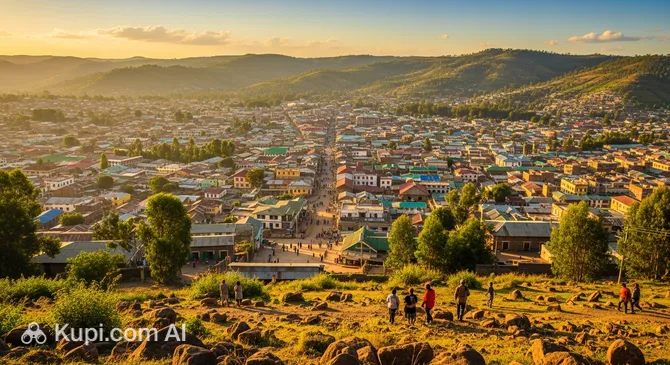
Shopping in Dembi Dolo offers a distinct departure from the polished, air-conditioned malls of capital cities. Here, commerce is deeply traditional, vibrant, and centered around personal interaction. The city serves as a major trading hub for the surrounding Oromia Region, meaning the shopping scene is dominated by the flow of agricultural goods, local craftsmanship, and daily necessities. For visitors, it is an opportunity to engage directly with local producers and experience the authentic rhythm of Ethiopian trade.
The primary commercial activity is concentrated along the main arterial roads that run through the town center. These streets are lined with small, independent boutiques and family-run kiosks selling everything from electronics and housewares to clothing. A stroll down these bustling thoroughfares allows you to browse a variety of goods while soaking in the energetic atmosphere of the town. There are no designated "shopping districts" in the western sense; instead, the entire town center functions as an open-air commercial zone.
Travelers should be aware that large, Western-style shopping malls do not exist in Dembi Dolo. While you may find a few multi-story buildings housing collections of small shops and offices, the retail experience is overwhelmingly street-based. These smaller commercial centers, often referred to locally as "plazas" or "buildings," typically feature textile shops, tailors, and mobile phone vendors, but they lack the international brands and entertainment facilities found in larger metropolitan areas.
The undisputed heart of the city's shopping scene is the Dembi Dolo Market. This sprawling open-air marketplace is where the true character of the region shines. It is a sensory overload of colors, smells, and sounds, where farmers from the Welega zone bring their produce to sell. Sections are often dedicated to specific goods, such as grains, spices, livestock, and vegetables. It is the best place to observe the local economy in action and to find fresh, organic items at local prices.
When it comes to souvenirs, Dembi Dolo offers high-quality local products that reflect the region's natural bounty. The most prized purchase is undoubtedly coffee. As a major coffee-growing area, you can buy raw green beans of the highest quality directly from the source, often at a fraction of the export price. Another specialty is honey; the region is famous for its apiculture, and a jar of pure, locally harvested honey makes for a sweet and unique gift. Additionally, look for traditional Oromo textiles, which are known for their colorful patterns and cultural significance.
Opening hours in the city generally follow the daylight. Most shops and market stalls open early, around 8:00 AM, and close shortly after sunset, typically by 7:00 PM or 8:00 PM. The market is often busiest in the mornings. Regarding payment, Dembi Dolo is almost exclusively a cash economy. Credit cards are rarely accepted outside of major banks or perhaps the very top tier of hotels. Visitors should carry sufficient amounts of Ethiopian Birr in smaller denominations to facilitate easier transactions with vendors who may not have much change.
There is no tax-free shopping or VAT refund system available for tourists in Dembi Dolo. The prices you see or negotiate are final. Bargaining is common and expected in the market and with street vendors, but prices in fixed shops are generally non-negotiable.