Support

Mekelle

About

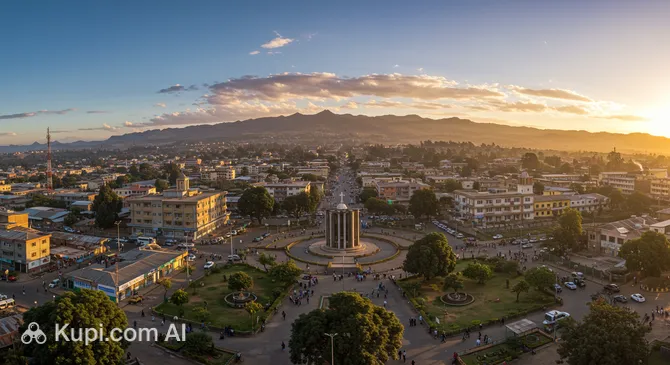
Mekelle, the capital of the Tigray Region, is a city that blends historical grandeur with a lively, welcoming atmosphere. Situated in the northern highlands of Ethiopia, it is distinguished by its well-planned streets, distinctive stone architecture, and bustling markets. As a major economic and cultural hub, the city offers a unique window into the traditions of the north.

Geographically, the city sits at an altitude of over 2,000 meters above sea level, which gifts it with a moderate and pleasant climate year-round, despite its proximity to hotter lowland areas. With a population of approximately 323,700, Mekelle feels vibrant yet approachable, serving as a vital center for trade and education in the region.

Mekelle. Source: Kupi.Binoculars

The city's heritage is deeply connected to Emperor Yohannes IV, who chose it as his capital in the late 19th century. His grand palace, now a museum, stands as a testament to this era and is a must-visit for architecture enthusiasts. Travelers interested in the region's past can delve deeper into the history of Mekelle to learn how it evolved from a collection of villages into a royal seat. Beyond its own landmarks, the city is widely known as the primary gateway for expeditions to the spectacular Danakil Depression and the ancient rock-hewn churches scattered throughout the surrounding countryside.

Whether you are using it as a base for desert adventures or exploring its cobblestone streets and local cafes, Mekelle invites you to experience its unique charm and hospitality. It is a destination that perfectly combines cultural depth with the scenic beauty of the Ethiopian highlands.

Weather Overview

Thanks to its high elevation, Mekelle enjoys a mild and temperate climate that remains comfortable for most of the year. The city typically experiences warm days and cooler nights, avoiding the extreme heat found in the lower-lying regions of the country. Visitors can generally expect pleasant conditions, with average monthly temperatures ranging from approximately 16°C to 21°C.

To plan your trip effectively, it is helpful to check the weather in Mekelle before you go, as the city has distinct wet and dry seasons. The warmest months are usually April, May, and June, where daytime highs can reach up to 27.4°C. This period is followed by the main rainy season in July and August, characterized by frequent rainfall—often occurring daily—which cools the air and brings lush greenery to the region.

The driest time of the year spans from October to February, offering sunny skies and crisp air perfect for exploration. During these months, particularly in December and January, the weather is cooler, with nighttime lows occasionally dipping to around 9.5°C. Travelers visiting during this season should pack layers to stay warm in the evenings, while lightweight clothing is suitable for the sunny afternoons.

Interesting Facts

Beyond the main attractions, Mekelle holds several fascinating secrets that reveal its unique character. Uncovering these details offers a deeper appreciation of the city's role in history and modern daily life.

  • The Salt Caravan Terminus: For centuries, Mekelle has served as the primary distribution hub for the famous salt caravans coming from the Danakil Depression. Traders traditionally transport bars of salt, known as amole, which were once used as a form of currency throughout Ethiopia and are still traded in local markets today.

  • An Italian Architect’s Legacy: The grand palace of Emperor Yohannes IV, the city's most iconic landmark, was actually constructed with the expertise of Giacomo Naretti, an Italian carpenter and engineer. His influence resulted in a sturdy and unique fusion of European building techniques and local Ethiopian masonry that has withstood the test of time.

  • The Cobblestone City: Visitors often remark on the city's distinctive look, characterized by miles of neatly paved cobblestone streets. This extensive paving project has not only beautified the urban landscape but also earned Mekelle a reputation as one of the cleanest and most dust-free cities in the region.

  • A Hub for Cycling: Unlike many other highland cities where steep terrain makes biking difficult, Mekelle has a vibrant cycling culture. Thanks to its relatively moderate topography and wide avenues, bicycles are a favorite mode of transport for locals, creating a lively and eco-friendly street scene.

How to Get There

Reaching the capital of the Tigray Region is relatively straightforward, as the city serves as a major transportation hub for northern Ethiopia. Most travelers choose to fly, taking advantage of the domestic flight network that connects the highlands to Addis Ababa and other regional centers. For those planning their journey, you can find more about how to get to Mekelle and the various transport options available.

The most convenient entry point is Makale Airport (IATA: MQX), also known as Alula Aba Nega Airport. Located just 7.2 km from the city center, it is the primary gateway for visitors. The airport handles a moderate volume of passenger traffic and offers regular connections to the capital. Once you land, the journey into town is quick and easy; a taxi or shuttle ride typically takes around 30 minutes.

Alternatively, travelers exploring the historical circuit might consider arriving via Axum Airport (IATA: AXU) in the neighboring city of Aksum. While this airport is approximately 104.5 km away from Mekelle, it is a viable option for those who wish to visit the ancient obelisks of Aksum before heading to the regional capital. The overland trip from Aksum to Mekelle by bus or taxi takes approximately 4 to 5 hours, offering scenic views of the Tigrayan landscape along the way.

For clarity, here is a summary of the main airports in the vicinity:

Airport Name City Passenger Traffic Km from City
Asmara International Airport Asmara Medium 207.8
Makale Airport Mekelle Medium 7.2
Axum Airport Aksum Small 104.5
Lalibela Airport Lalibela Small 176.6
Indaselassie Shire 145.0

Main Attractions

The city offers a compelling mix of historical landmarks and cultural experiences that reflect its status as a royal capital in the 19th century. Visitors can explore well-preserved palaces, bustling markets, and nearby natural wonders that showcase the unique heritage of the northern highlands. Here are some of the most interesting places to visit during your stay.

One of the most significant sites is the Emperor Yohannes IV Palace Museum. Built in the 1870s, this grand structure served as the residence of the Emperor and is a striking example of architecture that blends local stone masonry with European influence. Today, it functions as a museum, housing a fascinating collection of royal artifacts, including the Emperor’s throne, historical weaponry, and religious manuscripts. It is an essential stop for anyone wishing to understand the royal history of the region and see the intricate design of a bygone era up close.

For a glimpse into the region's feudal past, travelers should visit Dejat Abraha Castle. Constructed in the early 20th century for the governor of Tigray, this impressive building sits on a hill overlooking the city. Its fortress-like appearance and commanding location make it a photographer's favorite. While access to the interior can sometimes be restricted, the exterior architecture and the panoramic views of Mekelle from the grounds are well worth the visit.

A truly unique experience awaits at the Mekelle Market, particularly the section dedicated to the salt trade. For generations, this market has been the final destination for camel caravans transporting salt bars, known as amole, from the harsh Danakil Depression. witnessing the arrival and trading of these salt blocks offers a rare insight into an ancient economic system that has survived into the modern age. The market is lively and colorful, providing a perfect opportunity to observe daily local life.

Just a short drive from the city center lies the beautiful Romanat Falls. This natural attraction offers a peaceful escape from the urban environment, featuring a cascading waterfall set against a backdrop of rugged cliffs and greenery. It is an excellent spot for a light hike or a picnic, allowing tourists to enjoy the scenic beauty of the Ethiopian highlands without venturing too far from their accommodation.

Local Cuisine

The local cuisine in Mekelle offers a distinct and flavorful journey into the heart of the Tigray Region, differing slightly from the standard Ethiopian fare found elsewhere. The undisputed star of the local table is Tihlo, a dish that is deeply rooted in the cultural identity of the area. It consists of smooth, soft balls made from roasted barley flour, which are traditionally skewered with a two-pronged wooden fork and dipped into a rich, spicy meat stew called zigni. Sharing a meal of Tihlo is a ceremonial experience and a "must-try" for any visitor wanting to taste the authentic flavor of the north.

Beyond this regional specialty, the staple of daily life remains Injera, a sour fermented flatbread made from teff flour. In Mekelle, it is typically served on a large shared platter, topped with an array of colorful stews. You should try Doro Wat, a spicy chicken stew with hard-boiled eggs, or the various vegetarian pulse dishes like Hilbet (a paste made from fava beans or lentils), which are particularly popular during fasting periods. The communal style of eating, where everyone gathers around a single large plate and eats with their right hand, lies at the core of the city's warm hospitality.

When it comes to drinks, Mekelle is famous for its Tej, a potent and sweet honey wine that is often brewed at home or in specialized "Tej houses." It is traditionally served in a flask-like glass vessel called a berele. For a lighter option, you can try Tella, a traditional homemade beer brewed from grains like barley or sorghum and flavored with gesho leaves. Coffee lovers will also find themselves at home here; the traditional Coffee Ceremony (Bunna) is a leisurely ritual performed in many homes and restaurants, where frankincense is burned, and popcorn is served alongside strong, aromatic cups of coffee.

Dining out in the city ranges from casual street-side eateries to traditional cultural restaurants. Locals often frequent the bustling areas near the markets to enjoy fresh, hot dishes. If you visit the Mekelle Market, you can see the raw ingredients of this cuisine firsthand, from the mounds of red spices and yellow teff grain to the blocks of salt that were once the region's currency. Whether you are sitting on a low stool in a small café or enjoying a feast in a larger hall, the food culture here is always welcoming and centered on connection.

Travel Tips

Visiting Mekelle offers a unique opportunity to experience the rich history and highland culture of northern Ethiopia. To help you navigate the city with ease and respect local customs, here are some practical travel tips to ensure your journey is smooth and enjoyable.

  1. Clothing and Gear: Due to the city's elevation of over 2,000 meters, the weather can be changeable. It is best to pack layers; while days are often sunny and warm, evenings can get quite chilly, so a fleece or light jacket is essential. Comfortable walking shoes are a must for navigating the cobblestone streets. If you plan to visit churches or religious sites, dress conservatively: cover your shoulders and knees, and women may find a light scarf useful for covering their head.

  2. Transportation: The most convenient and popular way to get around Mekelle is by Bajaj (a three-wheeled auto-rickshaw). They are abundant, affordable, and perfect for short distances. Always agree on the fare with the driver before you start your journey, as meters are rarely used. For longer trips outside the city, minibuses are the standard option, though hiring a private 4x4 with a driver is recommended for comfort and flexibility.

  3. Finances: The local currency is the Ethiopian Birr (ETB). Mekelle is primarily a cash-based economy, so do not rely on credit cards, which are accepted only in high-end hotels and a few major restaurants. ATMs are available throughout the city, but they can occasionally be out of service or out of cash, so it is wise to carry enough cash for a few days. Exchange foreign currency only at banks or authorized hotels to ensure you get a fair rate.

  4. Health and Safety: Mekelle is generally a safe and welcoming city for tourists, but standard precautions apply. Avoid walking alone in poorly lit areas late at night. Since the city is at high altitude, stay hydrated and take it easy for the first day to acclimatize. Pharmacies are available in the city center for basic needs, but you should bring any specific prescription medications with you. Drink only bottled or filtered water.

  5. Communication: The primary language spoken is Tigrinya, though Amharic is also widely understood. English is taught in schools and spoken by many younger people and those in the hospitality industry, but learning a few local phrases like Selam (Hello) or Yekenyeley (Thank you) will go a long way. To stay connected, you can purchase a local SIM card from Ethio Telecom; you will need your passport to register it.

  6. Local Etiquette: Ethiopians are known for their hospitality and polite greetings. Handshakes are common, often accompanied by touching your right shoulder to the other person's right shoulder if you are acquainted. When eating traditional food like Injera, always use your right hand, as using the left is considered unclean. It is polite to wash your hands before and after the meal, usually with a pitcher and basin brought to the table.

  7. What to Avoid: Public displays of affection are culturally frowned upon and should be avoided. Additionally, be cautious about photography; always ask for permission before taking photos of individuals, especially the elderly or religious figures. Avoid photographing government buildings, military installations, or airports, as this is strictly prohibited.

  8. Local Insight: Do not rush through a coffee break. In Mekelle, drinking coffee is a ritual known as the Coffee Ceremony. It is a time to relax and socialize, often lasting an hour or more. Accepting an invitation to a ceremony is a great honor and the best way to connect with locals.

By keeping these practical tips in mind, you will be well-prepared to embrace the warmth and rhythm of daily life in Mekelle. The city's blend of history, culture, and friendly locals ensures that your visit will be a memorable adventure in the Ethiopian highlands.

Entertainment & Nightlife

As a university city and a major regional hub, Mekelle boasts a vibrant and youthful energy that extends well into the evening. The nightlife here offers a pleasant mix of modern entertainment and traditional cultural experiences, making it easy for visitors to find something that suits their mood. While it may not have the overwhelming bustle of a capital metropolis, the city's evening scene is welcoming, lively, and centered around socializing with friends and enjoying music.

The heart of the action is typically found in the city center and around the major hotels, which often host their own clubs and lounges. One of the most popular destinations is the Planet Hotel. This complex is not just for accommodation; it is a nightlife hub in itself, featuring a lively bar and a nightclub that attracts both locals and international visitors. It is an excellent place to start your evening in a safe and upscale environment. Another highly recommended venue is Uptown Lounge, known for its modern atmosphere and chic decor. It serves as a favorite gathering spot for those looking to enjoy well-crafted cocktails and contemporary music in a stylish setting.

For those seeking a more authentic local experience, the city has several "cultural houses" or traditional restaurants that transform into entertainment venues at night. Here, you can enjoy live music featuring traditional instruments like the krar (lyre) and masinko (single-stringed fiddle). The atmosphere in these venues is warm and communal, often involving the eskista, a traditional shoulder-shaking dance. The dress code throughout the city is generally smart-casual; while high-end hotel clubs might expect neat attire, most local bars are relaxed and informal.

Nightlife in Mekelle usually picks up after 9:00 PM and can go on until the early hours of the morning, especially on weekends. Prices are generally very affordable compared to Western standards. A local beer or a glass of Tej (honey wine) costs a fraction of what you would pay internationally. When moving between venues, it is best to use a Bajaj (auto-rickshaw) for short trips or a contract taxi for longer distances. While the city is generally safe, it is advisable to stick to well-lit main roads and avoid walking alone late at night. Asking your hotel to call a trusted taxi is always the safest option for getting back to your accommodation.

Beyond the nightlife, Mekelle offers modest but enjoyable daytime entertainment options. Cultural enthusiasts can visit local cinemas to catch the latest Ethiopian films, which provide a great insight into contemporary culture. For a relaxing afternoon, the city's parks and the grounds around the Hawelti monument offer pleasant spaces for walking and people-watching. Whether you are dancing the night away or enjoying a quiet evening stroll, the city's friendly spirit ensures a memorable experience.

Parks & Museums

Mekelle is widely recognized not only for its historical significance but also for its pleasant urban planning and access to nature. The city offers a refreshing mix of well-maintained green spaces and cultural institutions that allow visitors to dive deeper into the heritage of the Tigray Region. From royal collections to scenic natural retreats, there are several spots where history and relaxation meet.

Key Parks and Green Spaces

One of the most prominent public spaces in the city is the area surrounding the Hawelti Monument. Located on a hill overlooking the town, this expansive site serves as both a historical landmark and a recreational area. The park grounds are spacious and well-kept, making it a popular spot for locals to walk, read, or simply enjoy the panoramic views of Mekelle below. The towering spiraling monument is visible from almost anywhere in the city, and the surrounding greenery offers a peaceful atmosphere for a late afternoon stroll.

For those willing to venture just outside the city limits, Romanat Falls provides a spectacular natural escape. Situated a short drive from the center, this site features a stunning waterfall that cascades down a cliff into a pool below. It is a favorite location for picnics and nature walks, offering a cool and refreshing break from the urban environment. The trek down to the base of the falls allows visitors to enjoy the rugged beauty of the Ethiopian highlands and spot local birdlife.

Museums and Galleries

The cultural crown jewel of the city is undoubtedly the Atse Yohannes IV Palace Museum. Housed in the 19th-century palace of the Emperor, the museum preserves a crucial chapter of the region's past. Visitors can wander through the royal chambers and view an impressive collection of artifacts, including royal attire, rifles, household items, and religious manuscripts. The architecture itself is a museum piece, showcasing a unique blend of local masonry and European design that reflects the Emperor’s interactions with the wider world.

Another significant venue is the museum located within the Hawelti complex. This facility is dedicated to preserving the modern history of the region. While the monument outside dominates the skyline, the museum inside offers exhibits that document the resilience and struggles of the local people over the decades. It provides a somber but educational insight into the events that have shaped the current identity of the region.

Historical and Architectural Sites

Beyond the museums, the city is dotted with architectural gems like Dejat Abraha Castle. Built in the early 20th century, this fortress-like structure sits atop a hill and is often compared to medieval castles due to its imposing stone walls and turrets. Although it has served various functions over the years, including as a hotel, its exterior remains a striking example of the feudal architecture that characterizes the northern highlands.

Authentic Experiences

For a quieter, less touristy experience, take a walk through the older neighborhoods near the main market. Here, the famous cobblestone streets are lined with traditional stone houses and small, family-run coffee shops. Finding a small café in these alleyways to enjoy a traditional coffee ceremony offers an intimate look at the slow, community-focused pace of life in Mekelle.
Getting Around

Navigating Mekelle is a straightforward and authentic experience, as the city does not rely on complex metro or tram systems. Instead, the public transport network is road-based, informal, and deeply integrated into the daily rhythm of local life. For tourists, getting around is generally affordable and offers a great opportunity to interact with residents while seeing the city from street level.

The undisputed king of transport in the city is the Bajaj, a three-wheeled auto-rickshaw that you will see buzzing around every corner. These vehicles are the primary mode of transit for short to medium distances. They operate in two distinct ways: "shared" and "contract." Shared Bajajs run along fixed routes much like a bus, picking up and dropping off passengers along the way for a very low fixed fare. "Contract" Bajajs, on the other hand, function like private taxis; you hire the entire vehicle to take you directly to your destination. This is often the most convenient option for visitors carrying luggage or those unfamiliar with the local routes.

For longer journeys across town or to the outskirts, minibuses are the standard choice. Often referred to locally as "taxis" or by their color (usually blue and white), these vans operate on set routes that typically start and end at major hubs or markets. They are the most economical way to travel but can get crowded. A conductor, usually hanging out the side door, shouts the destination and collects the fare. It is a chaotic but efficient system once you know your general direction.

The payment system throughout the city is exclusively cash-based. There are no travel cards, apps, or electronic passes for public transport here. You pay the driver or the conductor directly in local currency. It is highly recommended to carry small denominations of notes and coins, as drivers often struggle to find change for large bills. For shared Bajajs and minibuses, the price is fixed and non-negotiable. However, if you are hiring a private "contract" Bajaj or a sedan taxi, you must negotiate and agree on the fare before getting into the vehicle to avoid misunderstandings later.

Operating hours are generally tied to the daylight. Transport is most abundant from early morning, around 6:00 AM, until the evening. While you can find Bajajs after dark, they become less frequent, and prices for private hires tend to increase. If you plan to be out late, it is advisable to arrange a ride in advance or ask your hotel or restaurant to call a trusted driver for you.

Alternatives to public transit include walking and cycling. Thanks to Mekelle's extensive network of cobblestone streets and relatively moderate terrain compared to other highland cities, walking is a pleasant and practical way to explore the city center. Cycling is also quite popular among locals; while formal bike rental shops for tourists may be scarce, some guesthouses might offer bicycles for rent. Standard sedan taxis exist but are less common than Bajajs and are typically found parked near the airport or major hotels waiting for passengers.

Accommodation

Mekelle provides a welcoming array of accommodation options that cater to various budgets and travel styles. While the city may not feature the ultra-luxury international chains found in major global capitals, it boasts a solid selection of mid-range hotels, reputable business lodgings, and affordable guesthouses. Visitors will find that hospitality here is a priority, with many establishments offering clean, comfortable rooms and friendly service that reflects the warm culture of the Tigray Region.

The most convenient area for tourists to stay is undoubtedly the city center. Choosing a hotel near the main avenues puts you within walking distance of key attractions like the Emperor Yohannes IV Palace Museum, as well as a variety of restaurants, cafes, and the bustling local markets. Staying centrally also ensures easy access to transportation, particularly the ubiquitous Bajajs (auto-rickshaws), making it simple to navigate the city or head to the airport.

For travelers seeking higher-end comfort, there are several reputable hotels that offer amenities such as Wi-Fi, on-site dining, and conference facilities. These establishments often serve as social hubs and provide reliable services for international visitors. On the other end of the spectrum, backpackers and budget-conscious travelers can find numerous locally run pensions and small hotels. These places are often basic but provide great value for money and a chance to interact more closely with local residents.

When planning your stay, it is helpful to keep a few practical tips in mind:

  • Booking: While major hotels can often be booked via international online platforms, many smaller guesthouses rely on direct phone bookings or walk-ins. It is advisable to have a reservation confirmed before arrival, especially if you are landing late.
  • Payment: Cash is the preferred method of payment for most accommodation. Although some top-tier hotels accept credit cards, the network can be intermittent, so carrying enough local currency to cover your stay is highly recommended.
  • Timing: If you plan to visit during major religious festivals like Timket (Epiphany) or Meskel, it is essential to book your room well in advance, as the city fills up quickly with pilgrims and domestic tourists.

Overall, accommodation in Mekelle is generally affordable compared to international standards. Whether you choose a modern hotel with panoramic views of the highlands or a modest room in the heart of the town, you will find a comfortable base from which to explore the historic and scenic wonders of Northern Ethiopia.

Nearby Cities

For those looking to explore the surroundings, Mekelle serves as an excellent base for day trips to several interesting nearby locations:

The most famous destination within reach is undoubtedly Aksum. Located northwest of Mekelle, this ancient city is a UNESCO World Heritage site and was once the center of the powerful Aksumite Empire. Visitors travel here to marvel at the giant granite obelisks (stelae) that pierce the sky and to explore the archaeological remains of royal tombs and palaces. It is a place of immense historical and religious significance, offering a profound connection to Ethiopia's ancient past.

Another scenic option is Adigrat, situated to the north. Nestled beneath a dramatic backdrop of sandstone cliffs and mountains, it serves as a key gateway for those venturing into the Gheralta range. The journey to Adigrat is visually striking, passing through the rugged highlands that define the region's geography. It is an ideal stop for travelers interested in the stunning landscapes and the rock-hewn churches scattered throughout the surrounding countryside.

City Population Distance (km)
Adigrat 116,193 86
Weldiya 98,911 185
Shire 95,491 145
Aksum 66,800 107
Mersa 41,253 204

These nearby destinations offer a glimpse into the diverse culture and landscapes of the region, making them perfect additions to your itinerary.

Shopping & Souvenirs

Shopping in Mekelle offers a vibrant mix of traditional commerce and modern convenience, providing visitors with an authentic glimpse into the daily life of the Tigray Region. Unlike the sprawling luxury malls found in global capitals, the shopping scene here is defined by bustling open-air markets, small boutiques, and commercial plazas. It is an excellent place to find unique cultural artifacts, organic produce, and handcrafted items that reflect the rich heritage of northern Ethiopia.

The heartbeat of the city's commercial activity is undoubtedly the Mekelle Market (often referred to locally as Edaga Mekelle). This vast, open-air marketplace is one of the most fascinating in the country. It is neatly divided into sections, making it relatively easy to navigate despite the crowds. Here, you can wander through alleys stacked high with aromatic spices, grains, and woven baskets. A highlight for many is the salt market section, where you can see the famous bars of salt (amole) that have been transported by camel caravans from the Danakil Depression, a trade tradition that dates back centuries.

For a more modern shopping experience, visitors should explore the streets radiating from the city center. The main avenues are lined with multi-story commercial buildings and shopping arcades that house clothing stores, electronics shops, and pharmacies. While you won't find large international department stores, these plazas offer a variety of imported goods and modern fashion. The area around the central piazza is particularly lively, perfect for window shopping and soaking in the urban atmosphere.

When it comes to souvenirs, Mekelle is famous for several high-quality local products. The region is renowned for its white honey, considered some of the finest in Ethiopia due to the unique flora of the highlands; it makes for a delicious and portable gift. Another popular purchase is traditional gold and silver jewelry. The local smiths are skilled in creating intricate designs that are part of the traditional Tigrayan attire. Additionally, look for Frankincense and Myrrh, which are often sold in their raw resin form, as well as the beautiful hand-woven cotton dresses known as Habesha Kemis.

Practicality is key when shopping here. The primary method of payment is cash in Ethiopian Birr (ETB). While a few larger hotels or upscale shops might accept credit cards, they are the exception rather than the rule, and terminals can be unreliable. In the open markets and smaller stalls, bargaining is expected and is part of the social interaction; start with a friendly smile and negotiate a price that feels fair to both parties.

Store hours generally run from around 8:00 AM to 7:00 PM, Monday through Saturday. It is important to note that many smaller shops and market stalls may close for a lunch break between 1:00 PM and 2:00 PM. Sunday is typically a quieter day, though the main market often remains active. Tax-free shopping or VAT refunds are not generally available for tourists in local markets or standard retail stores, so the price you pay is final.

Reached the end of the page?

That means the route is fully explored