Support

Gonder

About

Welcome to Gonder, a city that feels like a page torn from a medieval fairy tale. Often referred to as the "Camelot of Africa," this remarkable destination in northern Ethiopia is famous for its stunning collection of 17th-century castles and palaces. Nestled in the foothills of the Simien Mountains, Gonder offers a unique blend of royal history and vibrant culture, set against a backdrop of dramatic highland scenery.

Gonder. Source: Kupi.Binoculars

Geographically, the city is situated in the Amhara Region, just north of Lake Tana, the source of the Blue Nile. With a population of approximately 323,900, it serves as a bustling hub for trade and tourism while retaining its historical charm. The high altitude provides a pleasant, temperate climate, making it comfortable for exploring the fascinating history of Gonder and its architectural marvels year-round.

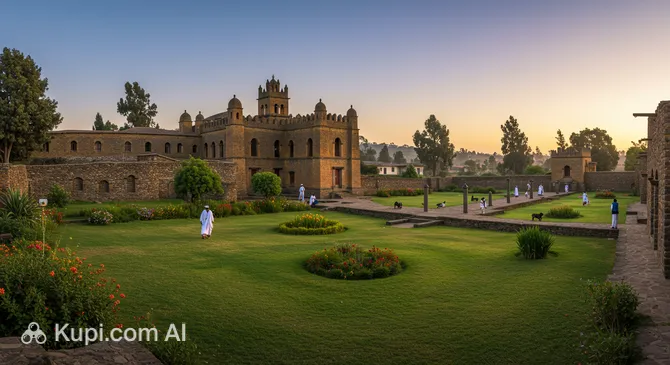
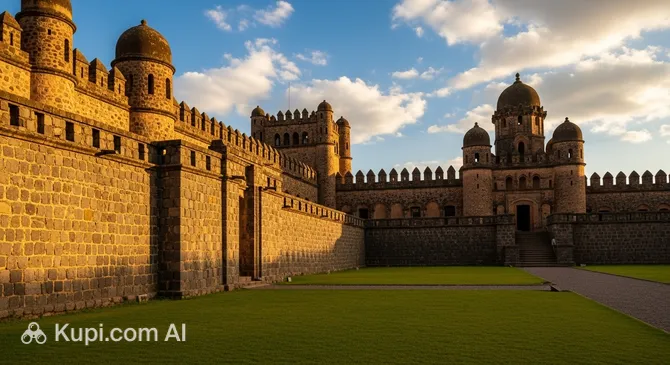
The crown jewel of the city is undoubtedly Fasil Ghebbi, a UNESCO World Heritage site known as the Royal Enclosure. Here, visitors can wander through ancient stone castles that reflect a mix of Nubian, Arab, and Baroque influences. Another must-see is the Debre Berhan Selassie Church, renowned for its ceiling beautifully painted with row upon row of winged angels, looking down with serene expressions.

Whether you are captivated by the legends of emperors or simply wish to experience the warm hospitality of the locals, Gonder promises an unforgettable journey. It is an essential stop for anyone wishing to delve deep into the rich heritage of the Horn of Africa.

Weather Overview

Gonder enjoys a generally mild and pleasant climate, largely influenced by its high elevation. The weather in Gonder is characterized by distinct wet and dry seasons, ensuring that visitors can plan their trips according to their preferences. Temperatures remain relatively moderate throughout the year, avoiding extreme heat or freezing cold, which makes exploring the local historical sites comfortable in almost any month.

The warmest period typically occurs from March to May, where average temperatures hover around 23°C, with daily highs occasionally reaching roughly 30°C. In contrast, the months of July and August are generally the coolest, with average temperatures dipping to approximately 18°C. Even during these cooler months, the climate remains agreeable, though you might need a light jacket for the evenings when minimum temperatures can drop to around 14°C.

Precipitation patterns are quite specific, dividing the year into two main phases. The dry season, spanning from November to March, sees almost no rainfall and clear sunny skies, making it a popular time for outdoor activities. Conversely, the wet season runs from June through September, peaking in July and August when rain occurs almost daily. Expect warm, dry conditions at the start of the year, transitioning into a cooler, wetter season by mid-year.

Interesting Facts

Beyond the main attractions and imperial grandeur, Gonder holds many fascinating secrets and local legends that bring its history to life. Here are a few unique details that reveal the deeper character of this ancient city.

  • The Legend of the Bees: While many of Gonder’s churches were destroyed during the Mahdist invasions in the 1880s, the famous Debre Berhan Selassie Church survived unscathed. According to local folklore, when the soldiers approached to sack the church, a massive swarm of bees descended from the compound, attacking the invaders and forcing them to flee, thus preserving the stunning ceiling of angels for future generations.

  • A Unique Construction Recipe: The incredible durability of the castles within Fasil Ghebbi has puzzled many observers over the centuries. Oral tradition claims that the mortar used to bind the massive stones was mixed with lime and thousands of egg whites, a technique believed to give the structures the resilience to withstand both time and earthquakes.

  • The Once-a-Year Pool: The famous Bath of Fasiladas remains dry and empty for nearly the entire year, often mistaken by visitors for a simple ruin. However, it is actually a functioning hydraulic marvel; a nearby river is diverted to fill the massive pool solely for the Timkat (Epiphany) celebration, after which the water is released back, leaving the bath empty until the next year.

  • The Scottish Explorer: In the 18th century, the Scottish traveler James Bruce lived in Gonder for several years, claiming to be the first European to discover the source of the Blue Nile nearby. While he was treated as a curiosity and even appointed to the royal court, his grandiose tales were largely met with skepticism when he eventually returned to Britain.

Fasil Ghebbi. Source: Kupi.Binoculars

How to Get There

Reaching the historic heart of the Amhara Region is an adventure in itself, often involving a scenic flight over the Ethiopian highlands. Most travelers choose to fly, as it is the fastest and most comfortable way to navigate the country's mountainous terrain. For a complete guide on planning your journey, you can read more about how to get to Gonder via various routes.

The most direct entry point is Gondar Airport (IATA: GDQ), conveniently located within the city limits. It is a key domestic hub with an annual passenger traffic of approximately 300,000, connecting the city to the capital, Addis Ababa, and other historical sites. Since the airport is only about 8.9 km from the center, the transfer is quick and easy; a taxi ride typically takes around 35 minutes.

Another viable option is Bahar Dar Airport (IATA: BJR), situated in the neighboring city of Bahir Dar. While it is located about 110.5 km away from Gonder, it is a busier hub serving roughly 876,000 passengers annually. Many tourists choose to land here to visit Lake Tana first and then proceed to Gonder by road. The drive between the two cities takes approximately 3 hours and offers beautiful views of the countryside.

For clarity, here is a summary of the main airports:

Airport Name City Passenger Traffic Km from City
Gondar Airport Gonder Medium 8.9
Bahar Dar Airport Bahir Dar High 110.5
Lalibela Airport Lalibela Small 180.1
Indaselassie Shire - 186.3
Axum Airport Aksum Small 223.2

Currently, there are no railway services connecting Gonder to the rest of Ethiopia. Travelers who prefer land transport typically rely on long-distance buses or private minibuses, which link the city to Bahir Dar and Addis Ababa. While the road network has improved, journeys can still be long, so flying remains the most popular choice for international visitors.

Main Attractions

Gonder is a city where history is etched into every stone, offering visitors a journey through time to the era of emperors and princesses. The city’s attractions range from imposing castles to spiritual sanctuaries and vibrant cultural spots, making it a diverse destination for explorers.

The most iconic site is undoubtedly Fasil Ghebbi, a massive fortress-city that served as the residence of the Ethiopian emperors during the 17th and 18th centuries. Enclosed by a 900-meter-long wall, this UNESCO World Heritage site contains palaces, churches, monasteries, and unique public and private buildings. Tourists are fascinated by the architectural style, which blends Hindu, Arab, and Baroque influences with local building traditions, creating a "Camelot of Africa" right in the heart of the highlands.

Another spiritual and artistic masterpiece is the Debre Berhan Selassie Church. While it may look modest from the outside with its stone walls and thatched roof, the interior is breathtaking. It is famous for its ceiling, completely covered with the painted faces of 135 cherubs looking down on the congregation. The walls are adorned with vivid murals depicting biblical scenes and saints, offering a profound insight into Ethiopian Orthodox art and faith.

A short distance from the main castle complex lies Fasiladas' Bath, a large rectangular pool overlooked by a two-story vacation home attributed to Emperor Fasiladas. For most of the year, the pool stands empty and peaceful, surrounded by ancient tree roots that snake over the stone walls. However, during the Timkat festival (Epiphany) in January, it is filled with water for a grand ceremony where hundreds of pilgrims plunge in to renew their baptismal vows, creating a spectacular cultural event.

The Four Sisters Restaurant. Source: Kupi.Binoculars

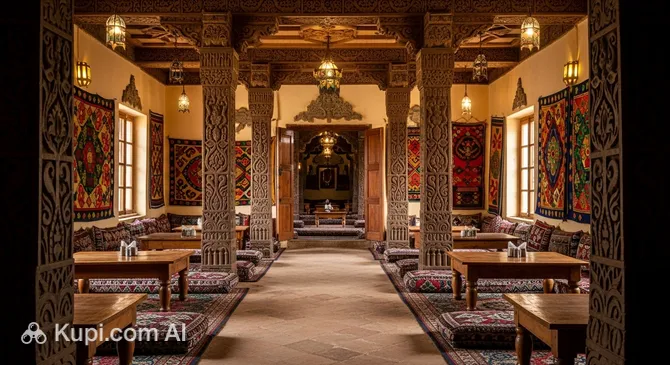
For a taste of local culture and cuisine, The Four Sisters Restaurant is a beloved stop for many travelers. Run by four real-life sisters, this establishment is celebrated not just for its delicious traditional dishes like injera and doro wat, but also for its warm hospitality and atmosphere. It offers a perfect setting to experience the famous Ethiopian coffee ceremony and enjoy traditional music, providing a flavorful break after a day of sightseeing.

Local Cuisine

Dining in Gonder is a vibrant immersion into the culinary traditions of the Amhara Region, offering flavors that are as rich and historical as the city's castles. The foundation of almost every meal is injera, a spongy, sour fermented flatbread made from teff flour. It serves as both the plate and the utensil; diners tear off pieces of injera to scoop up various stews and sautéed dishes, making the meal a tactile and communal experience.

Among the dishes you must try, Doro Wat stands out as the most celebrated. This spicy chicken stew is slowly simmered in a rich, red sauce made from berbere—a complex spice blend containing chili peppers, garlic, ginger, basil, and more. It is traditionally served with a hard-boiled egg and is considered a festive dish, often prepared for guests or special occasions. For meat lovers, Tibs is another favorite, consisting of sliced beef or lamb pan-seared with butter, garlic, and onions, often served sizzling hot in a clay pot.

Due to the strong influence of the Ethiopian Orthodox Church, Gonder also offers an incredible variety of vegetarian and vegan dishes, known as "fasting food." A staple is Shiro, a smooth and flavorful stew made from ground chickpea or broad bean flour mixed with spices. It is hearty, delicious, and widely available. You will often find "Bayenetu" on menus, which is a colorful platter of various vegetable stews, lentils, and greens served atop a large round of injera, perfect for sampling multiple flavors at once.

No culinary journey here is complete without exploring the local drinks. Gonder is particularly famous for Tej, a traditional honey wine that dates back centuries. It is typically served in a flask-like glass vessel called a berele. The sweetness of the honey balances the alcohol, making it a deceptive but delightful beverage. For a lighter option, you might try Tella, a traditional home-brewed beer made from teff, barley, or maize.

The food culture in Gonder is deeply rooted in hospitality. While there are modern establishments, many tourists and locals alike prefer the atmosphere of traditional restaurants where the coffee ceremony is performed. This ritual, involving roasting fresh coffee beans over charcoal and wafting the smoke toward guests, is a sign of friendship and respect. Whether you are eating at a popular spot like The Four Sisters Restaurant or a small local eatery, the act of sharing a meal from a common plate signifies a bond between diners.

Travel Tips

Exploring the "Camelot of Africa" is a highlight of any trip to Ethiopia, but navigating the local customs and logistics requires a bit of preparation. Here is some practical advice to help you enjoy Gonder’s royal heritage and vibrant street life with ease.

  1. Pack Layers and Sturdy Shoes: Gonder sits at a high altitude, meaning days can be warm but nights get surprisingly crisp; a fleece or light jacket is essential for the evenings. Since you will be walking on centuries-old cobblestones at Fasil Ghebbi, comfortable, closed-toe walking shoes are a must to prevent twisting an ankle.

  2. Embrace the Bajaj: The most convenient way to navigate the city is by Bajaj, the ubiquitous blue and white three-wheeled auto-rickshaws. They are affordable and agile, perfect for short trips; just remember to agree on the fare with the driver before you hop in, as meters are rarely used.

  3. Carry Cash in Small Denominations: While some high-end hotels accept international cards, the local economy runs almost entirely on the Ethiopian Birr. ATMs can be unreliable or out of cash, so it is wise to exchange money at a bank upon arrival and keep small notes handy for tips, souvenirs, and transport.

  4. Respect Religious Customs: When visiting holy sites like the Debre Berhan Selassie Church, modesty is key; both men and women should cover their shoulders and knees. You must remove your shoes before entering any church, and women are often expected to cover their heads with a scarf or shawl.

  5. Stay Connected and Speak Up: English is spoken by most guides and hotel staff, but less so by the general public. Learning a few Amharic words like "Selam" (Hello) and "Ameseginalehu" (Thank you) creates an instant connection. For internet access, purchase a local SIM card from Ethio Telecom, as hotel Wi-Fi speeds can vary.

  6. Mind Your Table Manners: If you are sharing a traditional meal of injera, always eat with your right hand only, as the left is considered unclean for dining. It is also polite to accept a gursha (a hand-fed morsel) from a host as a gesture of friendship and hospitality.

  7. Ask Before You Click: Avoid taking photographs of people, especially priests, monks, or worshippers, without asking for permission first. While the architecture is free to snap, locals appreciate respect for their privacy and religious practices.

  8. Timing Your Castle Visit: To avoid the midday heat and the largest tour groups, try to visit the Royal Enclosure in the early morning or late afternoon. The golden hour light makes the stone castles look even more majestic and provides the best conditions for photography.

With these tips in hand, you are ready to immerse yourself in the history and hospitality of Gonder without the stress of the unknown. Enjoy the rich coffee, marvel at the ancient architecture, and let the unique charm of this highland city captivate you.

Entertainment & Nightlife

Nightlife in Gonder offers a refreshing departure from the high-energy clubbing scenes found in major global capitals. Instead of neon-lit discos, the city’s evening entertainment is deeply rooted in cultural expression, live music, and social dining. The atmosphere is generally laid-back and welcoming, allowing visitors to immerse themselves in the authentic rhythms of the Amhara Region without the need for a strict dress code or VIP lists.

The true heartbeat of the city after dark is the traditional Azmari Bet. These intimate music houses are scattered throughout the city, with a high concentration found around the Piazza area and the backstreets near the city center. Here, you will find an Azmari—a traditional minstrel playing the masinko (a one-stringed fiddle)—improvising witty, often humorous lyrics about the audience and daily life. It is a highly interactive experience where locals clap, dance, and drink Tej (honey wine) late into the night. It is the quintessential Gonder nightlife experience and a fantastic way to mingle with friendly residents.

For those seeking a more structured evening that combines fine dining with entertainment, The Four Sisters Restaurant is an excellent choice. While primarily a restaurant, it transforms in the evenings into a vibrant cultural venue. Guests can enjoy a traditional coffee ceremony followed by a spirited performance of Eskista, the shoulder-shaking traditional dance of the region. It is a perfect spot for families or travelers who want to experience the local culture in a comfortable and safe setting.

Another popular venue for a relaxed night out is the Dashen Beer Garden. As the home of one of Ethiopia's most famous breweries, this spot attracts a lively crowd of locals and tourists alike. The outdoor setting is spacious and leafy, offering fresh draft beer straight from the source and a menu of grilled meats. It is a great place to start your evening, chat with locals, and enjoy the cool highland breeze before heading to a music house.

When planning a night out, keep in mind that the city sleeps relatively early compared to Western standards. Most venues are liveliest between 8:00 PM and midnight. In terms of safety, Gonder is generally safe for tourists, but the streets can be dimly lit. It is advisable to avoid walking alone in quiet alleys late at night. The popular three-wheeled Bajajs usually stop running around 9:00 PM or 10:00 PM, so if you plan to stay out later, you should arrange a contract taxi in advance or ask your venue to call one for you.

While the city is famous for its history, daytime entertainment also offers a glimpse into modern local life. Beyond the castles, you can visit the bustling Saturday market, which is a spectacle of commerce and color. For a quieter afternoon, some visitors enjoy the local cinema halls that screen football matches and Amharic films, providing a simple yet authentic slice of daily entertainment in Gonder.

Parks & Museums

While Gonder is primarily celebrated for its stone castles, the city is also a gateway to some of Ethiopia's most dramatic natural landscapes. It does not feature typical manicured city parks; instead, its green spaces are woven into the historical sites and the rugged terrain that surrounds the urban area. The city serves as an open-air museum where nature and history are inextricably linked, offering visitors a chance to explore royal grounds shaded by ancient trees and hills that provide breathtaking panoramas.

For nature lovers, the most significant "green space" is the vast landscape of the Simien Mountains National Park. Although located a few hours' drive from the city, Gonder is the undisputed launchpad for excursions to this UNESCO World Heritage site. Known for its jagged peaks, deep valleys, and unique wildlife like the Gelada baboon, it offers a stark and beautiful contrast to the city's architectural focus. Closer to the city center, the grounds of Fasiladas' Bath act as a tranquil retreat for most of the year. When not in use for the Timkat festival, the empty pool is surrounded by massive, centuries-old sycamore trees whose roots wind over the stone walls, creating a peaceful, shaded haven perfect for a quiet walk.

In terms of museums, Fasil Ghebbi itself serves as the city's premier cultural institution. Rather than a building housing artifacts behind glass, the entire Royal Enclosure is a sprawling museum complex. Visitors can explore the well-preserved structures, including the chancellery and library of Emperor Yohannes I, which offer a tangible connection to the Solomonic dynasty. For a different cultural perspective, the village of Wolleqa, located just north of Gonder, functions as a living museum of the Beta Israel (Ethiopian Jewish) community. Although most of the original community has emigrated, the remaining cooperative preserves the tradition of distinctive black pottery and offers insight into a vital part of the region's history.

Beyond the main royal compound, the Qusquam Complex is a significant historical and architectural gem located on a hill on the outskirts of the city. Built for Empress Mentewab in the 18th century, this site is less crowded than the main castles and offers a more atmospheric experience. The ruins of the palace are interspersed with diverse flora, and the site includes a church that houses the skeletal remains of the Empress, making it a fascinating stop for history enthusiasts.

For an authentic insider experience, take a tuk-tuk up the steep hill to the Goha Hotel terrace, not necessarily to stay, but to catch the sunset. It offers perhaps the best panoramic view of Gonder, allowing you to see the layout of the ancient capital against the backdrop of the mountains. Additionally, look out for the small art galleries and craft shops near the Piazza, where local artists display paintings that continue the traditional style found in the city’s famous churches.

Getting Around

Public transport in Gonder is quite different from the structured systems found in large European or American metropolises. There is no metro, tram, or large municipal bus network operating within the city center. Instead, the system is informal, decentralized, and dominated by smaller, more agile vehicles that navigate the hilly terrain and narrow streets with ease. For a tourist, understanding how to use these local options is key to getting around efficiently and affordably.

The undisputed king of the road in Gonder is the Bajaj, a three-wheeled auto-rickshaw that serves as the primary mode of transport for locals and visitors alike. These vehicles are painted blue and white and can be found on nearly every corner. They operate in two ways: "shared" and "contract." In a shared arrangement, the driver picks up multiple passengers going in the same direction along a fixed route, similar to a bus service. A "contract" ride means you hire the entire vehicle for a private trip to a specific destination, functioning exactly like a taxi.

For slightly longer distances or travel between the city center (Piazza) and the outskirts, minibuses are the standard option. These vans typically wait at designated terminals or major intersections until they are full before departing. A "woyala" (assistant) usually hangs out the door, shouting the destination to potential passengers. While they are incredibly cheap, they can be crowded and less comfortable than a Bajaj, making them less popular with tourists carrying luggage.

The payment system is strictly cash-based; there are no travel cards, apps, or electronic ticket machines. You must pay the driver or the assistant directly in local currency. It is essential to carry small denominations of cash, as drivers often struggle to make change for large notes. Prices for shared Bajaj routes and minibuses are fixed and very low, regulated by the local transport authority. However, if you choose a private "contract" Bajaj ride, there is no meter, and the price is open to negotiation. It is crucial to agree on the fare before you get into the vehicle to avoid misunderstandings upon arrival.

Operating hours are generally tied to the rhythm of the day. Transport is most active from early morning, around 6:00 AM, until the evening. As the city winds down, usually around 9:00 PM or 10:00 PM, the number of available Bajajs drops significantly. If you plan to be out late, it is advisable to arrange transportation in advance or have your hotel or restaurant call a trusted driver for you.

Walking is a viable and pleasant alternative for exploring the city center. Most of the major historical sites, such as the Royal Enclosure and the downtown Piazza area, are located relatively close to one another. The streets are lively and offer a great way to soak in the atmosphere, though the sidewalks can be uneven. Standard sedan taxis exist but are far less common than Bajajs and are typically found parked near the airport or major hotels. Ride-sharing apps and bike rentals are not currently part of the local transport landscape.

Accommodation

Accommodation:

Finding a place to stay in Gonder is generally straightforward, with options that cater primarily to budget and mid-range travelers. The city does not feature ultra-luxury international hotel chains; instead, it offers a selection of locally run hotels, charming hilltop lodges, and simple guest houses known as "pensions." Visitors can expect clean and comfortable amenities, often accompanied by the warm hospitality that Ethiopia is famous for. The architecture of many lodgings reflects the local style, with stone masonry and garden settings being quite common.

When choosing a location, most tourists opt for the city center, particularly the area around the Piazza. Staying here places you within walking distance of the main attractions, including the Royal Enclosure, as well as banks, cafes, and transport links. For those seeking tranquility and spectacular scenery, there are several hotels situated on the hills overlooking the city. While these require a short taxi or auto-rickshaw ride to get to the center, they offer breathtaking panoramic views of the castles and the surrounding countryside, especially at sunset.

A crucial tip for travelers is to plan well ahead if visiting during Timkat (Epiphany), which takes place in January. During this festival, Gonder hosts one of the largest celebrations in the country, and accommodation prices can triple while availability disappears months in advance. For the rest of the year, booking is relatively easy. While major booking platforms list the larger hotels, many smaller establishments rely on direct phone calls or emails. Prices are generally very affordable by international standards, but it is advisable to carry cash, as credit card facilities can be intermittent or non-existent in smaller hotels.

Nearby Cities

While Gonder serves as a magnificent highlight of the northern circuit, its location in the Amhara Region places it within reach of several other fascinating destinations. Travelers with extra time can easily extend their journey to explore neighboring cities that offer a mix of natural beauty, historical significance, and vibrant local life. The region is well-connected by road, allowing for scenic drives through the Ethiopian highlands.

City Population Distance (km)
Bahir Dar 243,300 112
Debre Tabor 119,176 103
Shire 95,491 189
Mota 56,156 174
Dangila 53,225 163

Among these, Bahir Dar is the most popular stop for tourists. Situated on the southern shore of Lake Tana, it is renowned for its wide, palm-lined avenues and relaxed atmosphere. It serves as the gateway to the ancient island monasteries of Lake Tana and the spectacular Blue Nile Falls. Many visitors choose to travel between Gonder and Bahir Dar by road to enjoy the changing landscapes of the countryside.

Another historically significant town is Debre Tabor. Once a capital during the reign of Emperor Tewodros II in the 19th century, it sits at a high altitude and offers a cooler climate. Although less visited than Gonder, it provides an authentic glimpse into the region's history and serves as a junction for those traveling eastwards.

Shopping & Souvenirs

Shopping in Gonder offers a distinctively authentic experience that contrasts sharply with the polished commercialism of modern global cities. Instead of sprawling luxury malls and international chain stores, visitors will find a vibrant scene driven by small family-run boutiques, bustling open-air markets, and stalls filled with handmade crafts. The city is particularly renowned for its traditional Ethiopian textiles, religious artifacts, and aromatic spices, making it an excellent place to hunt for unique cultural treasures rather than mass-produced goods.

The main commercial heartbeat of the city is the Piazza. This central area serves as the primary hub for both locals and tourists, lined with a variety of shops selling everything from electronics and shoes to traditional garments. Walking down the streets radiating from the Piazza, you will encounter numerous small storefronts and arcades. It is here that you can find souvenir shops conveniently located near the major hotels and the entrance to the historical sites.

Travelers looking for a Western-style shopping mall experience might be surprised, as Gonder does not feature large shopping complexes. Instead, retail activity is concentrated in smaller, multi-story commercial buildings often referred to as "plazas" or "buildings." These structures typically house a mix of offices and independent shops. While they may lack the glitz of a mega-mall, they are good places to find clothing, fabrics, and mobile accessories in a more sheltered environment.

For a truly immersive experience, a visit to the Saturday Market (Saturday Gebeya) is essential. Located on the outskirts of the town, this weekly market is a chaotic and colorful spectacle where farmers and traders from the surrounding countryside gather. You can find sections dedicated to livestock, grains, vegetables, and household goods. It is a fantastic place to observe local life, smell the heaps of fresh spices, and perhaps buy some locally produced honey or coffee beans directly from the source.

When it comes to souvenirs, Gonder offers several high-quality local products. The city is famous for its traditional cotton clothing, such as the Shemma or Netela, which are white hand-woven scarves with intricate colorful borders. Another popular buy is Ethiopian spices, particularly Berbere (a chili spice blend) and Shiro powder, which allow you to recreate the flavors of your trip at home. Visitors often purchase intricate Coptic crosses made of wood or metal, basketry (Mesob), and, of course, freshly roasted Ethiopian coffee. You can also find souvenir stalls clustered near the exit of Fasil Ghebbi, offering convenient access to these handicrafts.

Most shops in Gonder generally open around 8:30 AM and close by 7:00 PM, often taking a lunch break between 1:00 PM and 2:00 PM. The markets are best visited in the morning when activity is at its peak. Payment is almost exclusively in cash (Ethiopian Birr). Credit cards are rarely accepted outside of major hotels, so it is crucial to carry enough local currency. Bargaining is expected and accepted in the markets and smaller souvenir shops, but fixed prices are the norm in grocery stores and pharmacies.

Tourists should be aware that tax-free shopping or VAT refund schemes are not typically available or operational for visitors in Gonder. The prices you see or negotiate are the final prices. Focus on the value of the handmade craftsmanship and the experience of the exchange rather than reclaiming taxes.
Reached the end of the page?

That means the route is fully explored