Support

Shire

About

Shire, also widely known as Inda Selassie, is a vibrant city located in the northern highlands of the Tigray Region. Serving as a crucial transportation and commercial hub, this energetic town offers travelers a glimpse into the daily life and culture of Ethiopia. With its strategic location, it often serves as a welcoming stopover for those venturing through the historic northern circuit of the country.

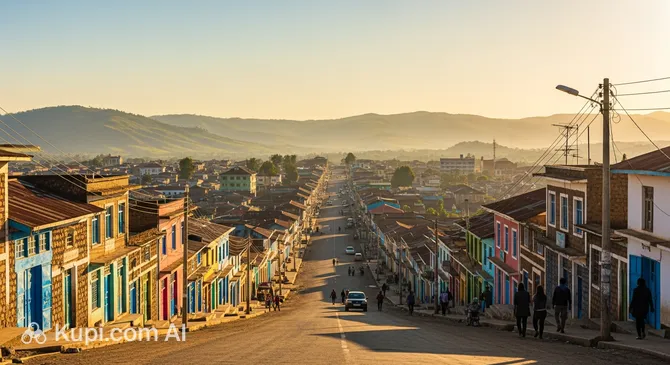
Shire. Source: Kupi.Binoculars

Geographically, the city sits at an elevation of nearly 1,900 meters, providing a generally moderate and pleasant climate. Home to a population of approximately 95,000 residents, it is a place where traditional lifestyles blend with the activity of a growing urban center. The history of Shire is deeply connected to its alternate name, Inda Selassie, which translates to "House of the Trinity," referencing the significant local church dedicated to the Holy Trinity.

Visitors often find Shire to be an excellent gateway to some of the region's most famous sites. It is conveniently situated for travelers heading towards the ancient obelisks of Aksum or the breathtaking landscapes of the Simien Mountains. Within the town itself, the local markets offer a colorful array of goods, allowing tourists to experience the warm hospitality and authentic atmosphere of the region. Whether you are passing through on a larger adventure or stopping to rest, Shire provides a genuine and memorable travel experience.

Weather Overview

The climate in this region is generally mild and pleasant, largely influenced by its highland elevation. Visitors can expect warm temperatures throughout the year, though there are distinct seasonal variations in rainfall. For a more detailed breakdown of conditions for your specific travel dates, you can check the current weather in Shire.

The dry season spans from October through May, offering sunny skies and minimal precipitation. During this period, temperatures gradually rise, peaking in April and May with average daily highs reaching approximately 32.5°C. Nights can be cooler, particularly in December and January, when minimum temperatures dip to around 13.5°C.

In contrast, the wet season arrives in June and lasts through September. July and August are the rainiest months, often seeing precipitation nearly every day. During this time, the average temperature cools slightly to around 20°C. Travelers should generally expect warm, dry weather for most of the year, with a shift to cooler, frequent rains during the summer months.

Interesting Facts

Beyond the main attractions, Shire holds many fascinating secrets that reveal the deep historical and cultural layers of the region. From hidden archaeological treasures to local traditions that have survived for centuries, there is much more to this highland city than meets the eye.

  • Ancient Buried Secrets: Just outside the city limits lies the archaeological site of Mai Adrasha. Excavations here have uncovered artifacts and structures dating back to around 1000 BCE, suggesting that a sophisticated civilization thrived in this area long before the rise of the famous Aksumite Empire.

  • Gold in the Riverbeds: The region surrounding Shire has a long history of traditional gold panning. In local river valleys, residents have practiced artisanal mining for generations, sifting through sediment to find traces of gold, a custom that occasionally unearths ancient pottery shards alongside the precious metal.

  • Gateway to the Gorge: To the south lies the magnificent Tekeze River Gorge, a dramatic natural wonder often likened to the Grand Canyon. The city acts as the northern approach to this rugged landscape, where travelers can witness breathtaking views of the deep canyon carved through the highlands of Ethiopia.

  • The Teff Heartland: The fertile plateau around the city is one of the premier regions for cultivating teff, the tiny ancient grain that is the backbone of the national cuisine. The area's specific highland climate is said to produce some of the finest quality grain used for baking injera, the country's staple flatbread.

How to Get There

Reaching this northern highland city is an adventure that connects travelers with the historic landscapes of the region. While road travel offers scenic views of the mountains, flying is often the most time-efficient method. For detailed information on routes and logistics, you can read more about how to get to Shire to help plan your journey.

The city is served directly by Indaselassie (IATA: SHC), a small airport located just 2.9 km from the center. It provides the most immediate access, with a quick transfer to the town taking approximately 5 to 10 minutes by taxi. This facility primarily handles domestic connections, making it a convenient option for those looking to arrive right at the city's doorstep.

Alternatively, many visitors choose to fly into Axum Airport (IATA: AXU), situated in the historic city of Aksum. Located about 53.1 km from Shire, this airport is a popular gateway for tourists exploring the ancient northern circuit. The drive from Aksum to Shire typically takes around 1.5 hours by taxi or bus, offering a chance to see the countryside along the way. Another regional option is Makale Airport (IATA: MQX) in Mekelle, located roughly 152 km away. The journey from Mekelle involves a longer road trip of approximately 4 hours, but it connects travelers with the regional capital's larger transport network.

For clarity, here is a summary of the main airports in the vicinity:

Airport Name City Passenger Traffic Km from City
Gondar Airport Gonder Medium 197.7
Makale Airport Mekelle Medium 152.3
Axum Airport Aksum Small 53.1
Indaselassie Shire Small 2.9

Main Attractions

While Shire (Inda Selassie) is frequently treated as a transit hub, the city and its immediate surroundings offer several compelling sites for those who take the time to explore. The town serves as a cultural crossroads in northern Ethiopia, where ancient history, religious devotion, and the bustle of modern trade converge.

Inda Selassie Church stands as the city's spiritual heart and its most prominent architectural landmark. Visitors are often captivated by the vibrant religious murals that adorn the interior, depicting scenes from biblical lore in a distinctively local style. It is a living place of worship, offering travelers a chance to witness the quiet devotion of the community and the rhythmic chanting that often fills the air during services.

To experience the vibrant daily life of the region, a stroll through the Shire Market is essential. This bustling commercial center is a sensory delight, where traders from nearby villages display mounds of aromatic spices, woven baskets, and traditional fabrics. It is an excellent spot for photographers to capture candid moments of local culture or for visitors to purchase unique, handcrafted souvenirs directly from the artisans.

For those interested in archaeology, a visit to Mai Adrasha on the city's outskirts provides an accessible look at historical discovery in progress. Rather than just reading about the past, visitors can walk along the perimeter of the excavation trenches to see the exposed stone foundations and layers of earth firsthand. It is a thought-provoking site that allows for a quiet walk while imagining the ancient settlement that once thrived on these slopes.

Nature enthusiasts should plan a drive south to the edge of the Tekeze River Gorge. This location is less about hiking and more about soaking in the sheer scale of the landscape from the plateau's edge. The viewpoints here offer spectacular panoramic vistas that are perfect for landscape photography, especially during the golden light of late afternoon when the shadows accentuate the rugged contours of the canyon.

Local Cuisine

The local cuisine in Shire offers a delightful immersion into the authentic flavors of the Tigray Region. The foundation of almost every meal is injera, a sour, spongy flatbread made from teff flour, which grows abundantly in the surrounding highlands. This bread serves as both the plate and the utensil; diners tear off pieces to scoop up various spicy stews, known as wat, creating a hands-on culinary experience that is deeply rooted in tradition.

Among the dishes worth trying, Tihlo stands out as a regional specialty that is particularly beloved in this part of the country. It consists of soft, white balls made from barley dough, which are traditionally skewered with a special two-pronged fork and dipped into a rich, spicy meat sauce. Another staple is Shiro, a smooth and savory stew made from ground chickpeas or broad beans. It is often prepared with a blend of garlic, onions, and spices, making it a flavorful and comforting meal that can be found in nearly every local eatery.

No gastronomic journey here is complete without experiencing the traditional coffee ceremony. Bunna (coffee) is roasted, ground, and brewed fresh in a clay pot called a jebena, filling the air with an inviting aroma. For a refreshing local beverage, visitors should try Siwa, a homemade beer brewed from fermented grains. It has a distinctively rustic taste and is commonly served in traditional houses and small bars, offering a glimpse into the social fabric of the town.

The food culture in Shire is defined by hospitality and communal dining. Meals are typically served on a large shared platter, encouraging conversation and connection among diners. While there are standard restaurants in the city center, some of the most authentic experiences can be found in smaller, family-run establishments where the atmosphere is warm and the recipes have been passed down through generations.

Travel Tips

Visiting Shire, often referred to locally as Inda Selassie, is a rewarding experience that offers a deep dive into the culture of the northern highlands. To help you navigate the city smoothly and respect local customs, here are some practical travel tips designed to make your stay comfortable and enjoyable.

  1. Clothing and Gear: Due to the elevation of nearly 1,900 meters, the weather can change throughout the day. Pack layers so you can adjust to warm afternoons and cooler evenings. Comfortable, sturdy walking shoes are essential for navigating unpaved streets and archaeological sites. Since this is a conservative area with significant religious sites, modest clothing is required; women should carry a scarf to cover their hair when entering churches, and both men and women should avoid shorts or sleeveless tops in religious precincts.
  2. Transportation: The most common and convenient way to get around the city is by Bajaj (three-wheeled auto-rickshaw). They are affordable and perfect for short distances within town. Taxis are available for longer trips or excursions to nearby sites like Aksum. Public buses are an option for intercity travel but can be crowded. Car rental is generally not necessary for exploring the city itself, but hiring a car with a driver is recommended if you plan to explore the surrounding region independently.
  3. Finances: The local currency is the Ethiopian Birr (ETB). While there are banks and ATMs in the city, they can occasionally be out of service or run out of cash, so it is wise to carry enough cash for your daily needs. Credit cards are rarely accepted outside of major hotels or high-end establishments. Small denominations are very useful for paying for Bajaj rides, market purchases, and tips.
  4. Health and Safety: Pharmacies are available in the town center, but they may not stock specific prescription brands, so bring a sufficient supply of any personal medication. It is highly recommended to drink only bottled or treated water and avoid tap water. The high altitude means the sun can be stronger than it feels, so use sunscreen and stay hydrated. As in any busy town, keep an eye on your belongings in crowded areas like the Shire Market.
  5. Communication: The primary language spoken is Tigrinya, though Amharic is also widely understood. English proficiency varies; while hotel staff and younger people may speak it, it is less common among taxi drivers and market vendors. Learning a few basic phrases like Selam (Hello) and Yekenyeley (Thank you) will be greatly appreciated. For mobile data, you can purchase a SIM card from Ethio Telecom, but be prepared to show your passport for registration.
  6. Local Etiquette: Greetings are taken seriously here; a handshake often accompanied by touching your right shoulder to the other person's is a common sign of respect. When dining, always wash your hands before the meal and use only your right hand to eat injera and other dishes. If you are invited to a home for a coffee ceremony, it is polite to stay for at least three rounds of coffee (known as abol, tona, and bereka).
  7. What to Avoid: Do not take photographs of people, especially the elderly or religious figures, without asking for permission first, as this can be considered intrusive. Avoid showing public displays of affection, such as kissing, as the culture is conservative. Additionally, never enter a church with your shoes on; always leave them at the gate or designated area.
  8. Market Insight: If your schedule permits, try to visit the market on a Saturday. This is typically the busiest market day when farmers from the surrounding countryside bring their produce and livestock to town. It offers the most vibrant atmosphere and the best opportunity to buy local spices, honey, and traditional handicrafts.

By keeping these practicalities in mind, you will be well-prepared to embrace the rhythm of daily life in Shire. The city's charm lies in its people and traditions, so approaching your visit with patience and an open heart will ensure you leave with wonderful memories of this unique highland hub.

Entertainment & Nightlife

Nightlife in Shire (Inda Selassie) is defined by a relaxed and communal atmosphere rather than a high-energy club scene. As a transit hub in the Tigray Region of Ethiopia, the evening entertainment here focuses on socializing, dining, and enjoying traditional beverages in a laid-back setting. Travelers should not expect the pulsing discos found in larger capitals; instead, the night offers a chance to unwind with locals and fellow travelers in hotel lounges or traditional houses.

The most reliable and comfortable options for an evening out are typically found within the city's major hotels. These venues provide a safe and welcoming environment where you can enjoy cold beers, spirits, or soft drinks. The Gebar Shire Hotel is a standout location for this, featuring a well-appointed bar and lounge area. It is a popular spot for both visitors and local business people to gather, offering a terrace where you can enjoy the cool highland breeze with your drink.

For a dining experience that transitions into a pleasant evening, the restaurants located within the main hotel complexes often offer a mix of Ethiopian and international cuisine. These venues provide a refined setting for a late dinner. If you are looking for something more deeply rooted in the local culture, the town's various local eateries are known for serving authentic regional dishes. Exploring these spots is a great way to experience local hospitality and enjoy a hearty meal before settling in for the night.

A quintessential part of the evening culture in this region is the Tej Bet (Honey Wine House). These traditional establishments serve Tej, a potent honey wine served in flask-like glass vessels called berele. While specific names of these small, often family-run spots change frequently, asking a local guide or your hotel receptionist for a reputable recommendation can lead you to a genuine cultural experience. These places are usually lively, filled with conversation and sometimes traditional music, offering a glimpse into the social fabric of the town.

Practical advice for enjoying the night includes starting early. Most venues in Shire wind down relatively early compared to major cities, with many places closing by 10:00 PM or 11:00 PM. Dress codes are casual, but it is respectful to dress modestly. Prices are generally very affordable, with local beers and meals costing a fraction of what they would in international hubs. Always carry cash, as credit cards are rarely accepted outside of the top hotels.

Safety is an important consideration after dark. While the town is generally welcoming, street lighting can be inconsistent or non-existent in some areas. It is advisable to stick to the main roads and avoid walking alone in unlit neighborhoods at night. If you are moving between your hotel and a restaurant, asking your hotel to arrange a Bajaj (three-wheeled taxi) is the safest and most convenient way to get around.

During the daylight hours, entertainment is centered around cultural exploration. Visitors can explore the bustling markets or visit the local churches which are hubs of activity. The coffee culture is also a major form of daytime social entertainment; sitting at a roadside stall for a traditional coffee ceremony is the perfect way to pass the time and engage with residents before the sun sets.

Parks & Museums

While Shire may not boast the manicured botanical gardens or sprawling national museum complexes found in larger capitals, its cultural and natural offerings are deeply woven into the fabric of the town and its surroundings. The "museums" here are often living institutions of faith, and the "parks" are the dramatic landscapes of the Tigrayan highlands themselves, offering visitors an authentic connection to the history and geography of Ethiopia.

For those seeking green spaces and natural beauty, the town serves as a base for exploring the rugged charm of the region. The Church Compounds within the city often act as serene sanctuaries. In Ethiopian tradition, the grounds surrounding Orthodox churches are considered sacred groves. These areas are typically preserved with indigenous trees and provide a peaceful, shaded atmosphere where locals come to pray, read, or simply sit in quiet reflection away from the bustle of the main streets.

Just beyond the city limits, the Tigrayan Highlands offer an expansive natural playground for hikers and nature enthusiasts. Unlike a fenced city park, the rolling hills and terraced farmland around Shire provide open access to nature. Walking along the footpaths used by local farmers offers panoramic views of the plateau and a chance to see the unique flora of the region, including the endemic diverse birdlife that thrives in this elevated ecosystem. It is an ideal setting for a sunset walk to appreciate the golden light over the mountains.

In terms of museums, the primary repository of culture and history is the Inda Selassie Church Treasury. Like many historic churches in the region, the Inda Selassie Church maintains a collection of ecclesiastical treasures that function as a small museum. Visitors can often ask to see ancient parchment manuscripts (Birana), ceremonial crosses made of gold and silver, and elaborate priestly vestments. These artifacts are not just displays but are actively used in religious ceremonies, providing a tangible link to centuries of tradition.

Another significant site that functions as an open-air museum is the Mai Adrasha Archaeological Site. While it lacks the glass cases of a traditional gallery, this active excavation site offers a raw and fascinating look into antiquity. Visitors can observe the layers of history exposed in the earth, viewing the foundations of ancient structures and pottery fragments that date back thousands of years. It provides an educational experience where the landscape itself tells the story of the civilizations that once flourished here.

Architecturally, the Inda Selassie Church remains the city's most significant landmark. Its design reflects a blend of modern construction and traditional Ethiopian motifs. The building is renowned for its vibrant murals and ceiling paintings, which serve as a visual gallery of biblical narratives and Ethiopian saints. These artworks are essential for understanding the local artistic heritage and religious storytelling methods.

For a truly authentic experience, try to visit the church grounds early in the morning. This is when the "living museum" aspect of the city is most palpable, as the faithful gather in white traditional robes (Gabi and Netela) for prayers, creating a timeless scene against the backdrop of the waking city. It is a moment of cultural immersion that offers more insight into the local spirit than any static exhibit could.

Getting Around

Public transport in Shire is informal, decentralized, and heavily reliant on small-scale operators rather than a large, state-run network. Unlike major metropolises with subways or tram lines, this city functions on a flexible system of three-wheeled vehicles and minibuses. For a visitor, this offers a highly authentic and immersive way to navigate the streets, though it requires a bit of local know-how to use effectively.

The undisputed king of the road here is the Bajaj, a three-wheeled auto-rickshaw that serves as the primary mode of transit for residents and tourists alike. These agile blue vehicles are ubiquitous and can navigate both the paved main roads and the narrower, dustier side streets with ease. They operate in two distinct ways: "shared," where you pay a small fixed fare to ride along a set route with other passengers, or "contract," where you hire the entire vehicle to take you directly to a specific destination, similar to a private taxi.

For travel to the outskirts or neighboring villages, minibuses are the standard option. These vans typically wait at designated informal terminals or major intersections until they are full before departing. They do not have numbered routes or digital displays; instead, an assistant, known as a weyala, hangs out the window shouting the destination. While less comfortable than a Bajaj, they are the most economical way to cover longer distances around the city's perimeter.

The payment system is exclusively cash-based. There are no travel cards, mobile apps, or electronic ticket machines. Fares are collected directly by the driver (in a Bajaj) or the assistant (in a minibus) during the journey. It is crucial to carry small denominations of the local currency, as drivers often struggle to make change for large bills. Prices for shared routes are generally fixed and very low, while "contract" rides require polite negotiation before you get in to agree on a fair price.

Operating hours are dictated by demand rather than a strict schedule. Transport is most active from early morning, around 6:00 AM, until shortly after sunset. As the evening progresses, finding a Bajaj becomes significantly harder, and prices for the few available ones tend to rise. Tourists should plan to complete their crosstown movements during daylight hours. There are no designated bus stops for Bajajs; you simply wave your hand at the side of the road to flag one down.

Given the city's compact size, walking is often a viable and pleasant alternative to motorized transport, especially within the town center where markets, hotels, and restaurants are clustered close together. Standard sedan taxis are rare and usually reserved for airport transfers or long-distance travel rather than hopping around town. For most daily exploration, a combination of walking and short Bajaj hops is the most efficient strategy.

Accommodation

Accommodation in Shire (Inda Selassie) primarily caters to transit travelers and those exploring the northern circuit, resulting in a hospitality landscape that is functional and unpretentious. Visitors will not find international luxury chains or sprawling five-star resorts here. Instead, the city offers a selection of budget guesthouses and mid-range hotels. These establishments are generally clean and comfortable, providing a safe place to rest before continuing a journey to Aksum or the Simien Mountains.

The most convenient area to stay is along the main road that runs through the heart of the town. Hotels situated here offer easy access to transportation links, including the bus station and Bajaj stands, as well as proximity to local restaurants and the vibrant market. Staying centrally means you are never far from essential services, which is particularly helpful for travelers arriving late or planning an early morning departure.

For those seeking the most comfortable experience available, the local "mid-range" options typically provide en-suite bathrooms, reliable electricity, and occasionally Wi-Fi, though connectivity can be intermittent. These hotels often feature their own restaurants and bars, serving as social hubs for the town. Budget accommodations are plentiful but basic, often with shared facilities and cold water showers, suitable for backpackers or those prioritizing economy over amenities.

Booking Tips: Advanced online booking is rarely an option for most properties in Shire, as few establishments are listed on major international travel platforms. The most effective way to secure a room is to call directly if you have a local contact or simply find a place upon arrival. Since the town is a transit hub, turnover is high, and finding a room is usually not difficult, except perhaps during major religious festivals when pilgrims pass through the region.

In terms of pricing, accommodation here is very affordable by international standards. A comfortable room in a decent hotel can cost a fraction of what it would in the capital. It is important to note that cash is king; credit cards are almost never accepted for accommodation payments. Travelers should ensure they have sufficient Ethiopian Birr on hand to cover their stay, as well as any incidental expenses like meals or laundry services.

Nearby Cities

For those looking to explore the surroundings, Shire serves as an excellent base for day trips to several interesting nearby locations:

City Population Distance (km)
Gonder 323,900 189
Mekelle 323,700 145
Adigrat 116,193 129
Aksum 66,800 48
Adwa 40,500 66

Among these destinations, Aksum is the most compelling option for a day trip. Located less than an hour away, it is a UNESCO World Heritage site and the ancient capital of the Aksumite Empire. Visitors can marvel at the towering granite obelisks, explore royal tombs, and visit the Church of Our Lady Mary of Zion, which is famously believed to house the Ark of the Covenant. It offers a profound dive into the deep historical roots of the country.

Another significant nearby town is Adwa, situated just a short drive past Aksum. This location holds immense importance in Ethiopian history as the site of the 1896 battle where imperial forces defeated colonial troops, securing the nation's sovereignty. Beyond its historical weight, the town is surrounded by the dramatic Soloda Mountains, offering breathtaking scenery and opportunities for rugged trekking.

These nearby destinations offer a glimpse into the diverse culture and landscapes of the region, making them perfect additions to any itinerary centered in Shire.

Shopping & Souvenirs

Shopping in Shire (Inda Selassie) offers travelers a genuine immersion into the commercial life of the Tigray Region. Unlike the polished retail experiences of major global cities, the shopping scene here is vibrant, informal, and centered around local needs and traditions. Visitors will not find high-end luxury boutiques or sprawling department stores; instead, the city serves as a major trading hub for the surrounding agricultural communities, providing an authentic opportunity to purchase regional goods, textiles, and spices directly from the source.

The main shopping activity is concentrated along the primary asphalt road that cuts through the center of town. This bustling thoroughfare is lined with small, family-run shops and kiosks selling everything from electronics and housewares to clothing and fabrics. Walking down this strip allows visitors to browse a variety of goods while soaking in the energetic atmosphere of the city. The area surrounding the main bus station is another commercial hotspot, packed with vendors catering to travelers and locals alike.

Travelers should manage their expectations regarding shopping malls. Shire does not have Western-style mega-malls with food courts and cinemas. However, there are several multi-story mixed-use buildings—often referred to locally as "plazas" or "shopping centers"—scattered throughout the town center. These buildings typically house a collection of independent boutiques, tailors, and electronics repair shops under one roof, offering a slightly more modern retail environment than the street-side stalls.

The absolute highlight of the local shopping scene is the Shire Market. This open-air marketplace is the economic heartbeat of the zone. While it is active throughout the week, it truly comes alive on Saturdays, when farmers and traders from the entire region converge to sell their wares. Here, you can wander through aisles of colorful spices, piles of fresh produce, livestock, and handmade crafts. It is a sensory experience where the aroma of coffee and spices fills the air, and bargaining is the standard mode of transaction.

When looking for souvenirs, the best items to bring back are those that reflect the region's culture. Shire is renowned across Ethiopia for the quality of its Shiro powder (a spiced ground chickpea or broad bean flour used to make the national staple stew). Buying authentic, locally prepared Shiro is a culinary treasure. Additionally, look for traditional Tigrayan gold jewelry, which is often crafted with intricate designs by local smiths. Handwoven cotton fabrics, such as the Gabi or Netela, also make for beautiful and practical gifts.

Opening hours for most shops are generally from 8:00 AM to 7:00 PM, Monday through Saturday. Many smaller businesses may close for a lunch break between 1:00 PM and 2:00 PM. On Sundays, activity slows down significantly, though the market and some essential shops remain open. Regarding payment, cash is the absolute rule. Credit cards are virtually useless in local shops and markets. Visitors must carry sufficient Ethiopian Birr in small denominations, as vendors often struggle to make change for large notes.

Tax-free shopping or VAT refund schemes are not available in Shire. The tax-free systems found in international airports do not apply to purchases made in the local markets or small shops of this highland city. The price you negotiate is the final price you pay.
Reached the end of the page?

That means the route is fully explored