Support

Jinka

About

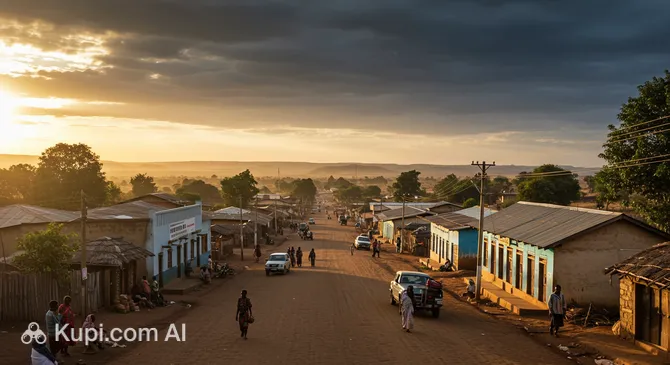
Jinka is a vibrant market town nestled in the hills of the South Ethiopia Regional State. Known as the administrative center of the Debub Omo Zone, it serves as the perfect launching pad for exploring the diverse cultures of southern Ethiopia. With a population of approximately 30,000, the town offers a bustling yet welcoming atmosphere, combining essential amenities with deep-rooted traditions.

Jinka. Source: Kupi.Binoculars

Geographically, Jinka sits at a higher elevation, providing a cooler and more temperate climate compared to the sweltering lowlands of the surrounding valley. This makes it a comfortable base for travelers. While the town has modernized in recent years, the history of Jinka is enduringly linked to its role as a commercial hub and a meeting point for various ethnic groups who come to trade and socialize.

The city is most famous for being the gateway to the Lower Omo Valley. Tourists flock here to facilitate visits to nearby tribes, particularly the Mursi people, known for their unique lip plates, and the local Ari villages, which are often just a short walk from the town center. Another cultural highlight is the South Omo Research Center & Museum, perched on a hill overlooking the town, which offers fascinating insights into the region's anthropological richness.

Whether you are visiting to witness the colorful Saturday market or preparing for an expedition into the nearby Mago National Park, Jinka promises an unforgettable experience. It is a destination where cultural discovery meets the stunning landscapes of the African Rift Valley, inviting adventurers to explore its many wonders.

Weather Overview

Jinka enjoys a moderate and generally pleasant climate year-round, largely due to its elevation. Temperatures are remarkably stable, with monthly averages hovering comfortably between 20°C and 24°C. Days are typically warm, with maximum temperatures peaking around 29°C in February, while nights can be refreshing, dipping to around 17°C.

When planning your travel dates, it is useful to consult the detailed guide to the weather in Jinka. The town experiences significant variation in rainfall frequency; January and February are the driest months, seeing fewer than 15 wet days on average. In contrast, April, May, and October are characterized by very frequent precipitation, often recording up to 30 wet days per month, though the rainfall is usually manageable. Expect warm, sunny spells mixed with regular showers during the wetter seasons.

Interesting Facts

Beyond its reputation as the primary gateway to the Omo Valley, Jinka holds several intriguing details that often escape the casual eye. Here are some unique aspects of this vibrant highland town:
  • A Hub of Anthropological Study: The local South Omo Research Center (SORC) is far more than a typical museum. Founded with the help of German ethnologists, it houses one of the most comprehensive anthropological libraries in the region and serves as a vital academic institution dedicated to documenting and preserving the diverse cultures of southern Ethiopia.

  • The Identity of Bako: Travelers flying into the region might notice their baggage tags read "BCO." This code refers to Bako, a historic village located nearby. Jinka developed later as an administrative center and eventually outgrew its neighbor, but the airport retains the code and name of the older settlement.

  • The Ari Artistic Touch: While many tourists pass through Jinka to see the Mursi tribe, the town itself is the heartland of the Ari people. The Ari are renowned for their settled agricultural lifestyle and their distinctively painted homesteads, where walls are often decorated with beautiful murals using natural clay pigments and cow dung.

  • A Climate Anomaly: Despite being located in a region famous for its hot, semi-arid lowlands, Jinka sits at an elevation of roughly 1,490 meters. This altitude creates a unique microclimate that allows for the cultivation of highland crops like coffee and false banana (Enset), creating a lush green landscape that contrasts sharply with the dry savanna just a few kilometers away.

How to Get There

Reaching the heart of the Omo Valley is an exciting part of the journey, with air travel being the most practical and time-efficient method. For a complete overview of travel options, you can read more about how to get to Jinka. Most travelers choose to fly from Addis Ababa to the local airstrip or a nearby city to avoid long hours on the road.

The town is served directly by Jinka (BCO), which is conveniently located just 0.4 km from the city center. As the primary gateway for tourists visiting the southern tribes, this small airport handles regular domestic flights. Because it is situated practically within the town, the transfer to your accommodation is incredibly quick; a taxi or local three-wheeler ride takes only about 5 minutes.

Alternatively, you can fly into Arba Minch Airport (AMH) in the city of Arba Minch, which is approximately 117 km away. While this requires a longer transfer, the drive is scenic and offers a chance to see the changing landscapes of the region. The journey by taxi or bus from Arba Minch to Jinka generally takes around 3 hours, depending on the road conditions.

For clarity, here is a summary of the main airports:

Airport Name City Passenger Traffic Km from City
JinkaJinkaSmall0.4
Arba Minch AirportArba MinchSmall116.9
Jimma AirportJimmaMedium209.6
AwassaAwasaSmall256.6

Main Attractions

As the administrative and commercial hub of the region, Jinka serves as the ideal base for exploring the cultural riches of the Omo Valley. The town itself and its immediate surroundings offer several compelling attractions that provide deep insight into the local way of life before you venture further into the remote tribal lands.

One of the most significant stops for any visitor is the South Omo Research Center & Museum. Perched on a hill with panoramic views over the town, this institution is more than just a museum; it is a vital educational hub. It houses an extensive collection of ethnographic artifacts, including clothing, tools, and ritual objects from the various ethnic groups of the region. A visit here provides essential context and understanding of the complex tribal cultures you will encounter, making your subsequent village visits much more meaningful.

If your schedule allows, try to be in town for the weekly Jinka Market, held every Saturday. This bustling marketplace is a vibrant melting pot where different ethnic groups, primarily the local Ari and Banna, as well as occasional visitors from the Mursi tribe, come to trade. It is a sensory experience filled with the sights of colorful traditional attire and the sounds of lively bargaining over livestock, local honey, butter, and agricultural produce.

Just a short distance from the town center, you can explore the traditional Ari Villages. The Ari people are the largest ethnic group in the zone and are known for their settled, agricultural lifestyle. Walking through their lush, green villages offers a peaceful contrast to the arid lowlands. Visitors are often welcomed into compounds to observe daily activities such as pottery making, blacksmithing, and the distillation of areke, a potent local liquor made from sorghum or maize.

Jinka is also the primary gateway to Mago National Park, located roughly 30 kilometers away. While the park is the famous home of the Mursi people, known for their unique lip plates, the journey itself is an adventure through the wild landscapes of the African Rift Valley. Although wildlife is not as abundant as in other Ethiopian parks, keep your eyes peeled for dik-diks, baboons, kudus, and a variety of bird species that inhabit the dense bushland and savannah.

Local Cuisine

The culinary scene in Jinka offers a genuine taste of southern Ethiopia, characterized by fresh, organic ingredients sourced directly from the surrounding fertile hills. While you will find the national staple, injera (a sour fermented flatbread), served with almost every meal, the region is also distinct for its consumption of kocho. This thick, bread-like food is made from the pulverized and fermented root of the enset plant, often called the "false banana." Trying kocho with a spicy stew is an essential gastronomic experience that connects you to the agricultural traditions of the local Ari people.

For meat lovers, Jinka is an excellent place to enjoy tibs, a dish of sliced beef or goat sautéed with onions, garlic, and green chilies. Given the town's role as a market hub, the meat is typically very fresh. Another popular dish is kitfo, minced beef marinated in mitmita (a chili powder blend) and spiced clarified butter. Since the region enjoys a lush microclimate, you should also take advantage of the abundance of tropical fruits; locally grown avocados, mangoes, papayas, and bananas are incredibly flavorful and widely available at street stalls.

No meal in Jinka is complete without participating in a traditional coffee ceremony. As the town is situated in a coffee-growing zone, the brew is exceptionally fresh, often roasted by hand over charcoal right in front of you. For those interested in local alcoholic beverages, tej (honey wine) is a sweet and potent favorite, reflecting the high-quality honey produced in the Omo zone. You might also encounter areke, a strong, clear grain spirit distilled in the nearby villages, though it is best approached with caution due to its high alcohol content.

Dining in Jinka is a communal and unpretentious affair. Most tourists tend to eat at the restaurants attached to the main hotels and lodges, which offer a mix of Ethiopian and simple international dishes in a comfortable setting. However, for a more authentic atmosphere, visiting a local "buna bet" (coffee house) or a small town-center restaurant allows you to eat as the locals do—sharing a large platter (gebeta) with hands, a tradition that signifies friendship and loyalty.

Travel Tips

Welcome to Jinka, the bustling gateway to the Omo Valley! To ensure your adventure into this culturally rich region of Ethiopia is as smooth and enjoyable as possible, we have compiled a list of essential practicalities. These tips will help you navigate the local customs, logistics, and unique environment of this fascinating highland town.

  1. Clothing and Gear: Despite its proximity to the hot lowlands, Jinka sits at a higher elevation, meaning evenings can be surprisingly cool. Pack layers, including a light fleece or jacket for the night. For excursions into the villages or Mago National Park, breathable, neutral-colored clothing and sturdy, closed-toe walking shoes are essential to protect against dust, thorns, and insects. Don't forget a rain jacket if you are visiting during the wet months (April, May, October).
  2. Transportation: Within the town itself, the most convenient and affordable way to get around is by Bajaj (three-wheeled auto-rickshaws). They are ubiquitous and can zip you from the airport to your hotel or the market for a small fee. However, for visiting the tribal villages or the national park, you will absolutely need a robust 4x4 vehicle. These can be rented with a driver through local tour operators or hotels; self-driving is generally not recommended due to rough road conditions.
  3. Finances: Cash is king in Jinka. While there are banks with ATMs (such as CBE and Dashen Bank) in the town center, they can suffer from network failures or run out of cash. It is highly advisable to bring enough Ethiopian Birr from Addis Ababa to cover your stay. Be sure to carry plenty of small denominations (10, 50, and 100 Birr notes), as these are crucial for paying "photo fees" in tribal villages and for small purchases at the market.
  4. Health and Safety: Although Jinka's altitude reduces the risk compared to the lower valley, malaria is still a consideration; carry mosquito repellent and sleep under a net. Pharmacies in town sell basic supplies, but you should bring any specific prescription medications with you. Stick to sealed bottled water for drinking and brushing your teeth. Generally, the town is safe, but avoid walking alone in unlit areas at night to prevent encounters with stray dogs or hyenas that sometimes roam the outskirts.
  5. Communication: The primary language is Amharic, though local languages like Ari are widely spoken. English is understood by hotel staff and professional guides, but less so by the general public. It is smart to buy a local SIM card (Ethio Telecom) in Addis Ababa or at the shop in Jinka for data access, as Wi-Fi in hotels can be slow or intermittent. Download offline maps and a translation app before you arrive.
  6. Local Etiquette: In Jinka and the surrounding Omo Valley, photography is a transaction. Never take a photo of a person without asking permission first. In tribal villages, there is often a specific fee per photo per person; negotiate this clearly beforehand to avoid conflict. When greeting locals in town, a handshake and a friendly "Selam" (Hello) go a long way. Eat with your right hand if sharing a communal meal.
  7. What to Avoid: refrain from handing out candy, empty plastic bottles, or money to children on the street or in villages. This practice encourages begging and dependency. If you wish to help, it is better to donate school supplies or funds to a recognized local organization or school through your tour guide.
  8. Market Day Tip: If your itinerary allows, plan your stay to include a Saturday. This is the main market day in Jinka, where you can see a fascinating mix of Ari, Banna, and sometimes Mursi people trading goods. It offers a brilliant cultural experience right in the town center without the need for a long drive.

Jinka is a place where preparation truly pays off, allowing you to look past the logistics and fully immerse yourself in the incredible anthropology and scenery of the region. With these tips in hand, you are ready to explore the heart of the Omo Valley with confidence and respect.

Entertainment & Nightlife

Nightlife in Jinka is a world away from the neon-lit clubs of major international cities, offering instead a raw and authentic slice of Ethiopian social culture. The town does not have a designated "nightlife district," but the energy tends to concentrate along the main asphalt road that cuts through the center and the streets surrounding the bus station. Here, the evening entertainment revolves around conversation, music, and the enjoyment of local beverages in a laid-back, friendly atmosphere.

The most common evening venues are local establishments known as "groceries." These are hybrid shops and bars where you can buy bottled beer or soft drinks and sit at plastic tables, often accompanied by loud, upbeat Ethiopian pop or traditional music. For a more traditional experience, you should visit a Tej Bet (Honey Wine House). These dimly lit, rustic spots serve tej, the famous honey wine, in flask-like glass vessels called berele. It is a fantastic place to mingle with locals, though the setting is usually very basic and the crowd predominantly male.

For tourists seeking a more familiar setting, the bars within the town's major hotels are the best options. The Jinka Resort is a popular gathering spot where the outdoor terrace often fills up in the evenings. It offers a comfortable environment to enjoy a cold St. George beer or a glass of wine while swapping stories with other travelers. Another reliable venue is the restaurant and bar at the Eco-Omo Lodge, which provides a quieter, more serene atmosphere, perfect for a relaxing drink by the river after a dusty day of exploration.

The "dress code" in Jinka is entirely casual; jeans and t-shirts are the norm. Entertainment usually winds down relatively early compared to the capital, Addis Ababa. Most local bars are liveliest between 8:00 PM and 10:00 PM, and many places start closing around 11:00 PM. Prices are incredibly affordable, with beers and local spirits costing a fraction of what you would pay back home.

When it comes to safety and logistics, caution is key after dark. Street lighting can be sporadic or non-existent away from the main road. While crime against tourists is rare, Jinka is known for having hyenas that roam the outskirts and sometimes the streets at night to scavenge. Therefore, walking long distances alone late at night is not recommended. Bajajs (three-wheeled auto-rickshaws) are the primary mode of transport, but they stop running later in the evening. If you plan to stay out late, arrange a ride back with your hotel driver or a trusted taxi beforehand.

During the daylight hours, entertainment in Jinka is less about amusement parks and more about cultural immersion. Apart from the famous market and museum, visitors can spend leisure time at local coffee houses ("buna bets"). Here, you can watch the elaborate traditional coffee ceremony, a form of daytime social entertainment that can last for hours, serving as the community's main way to catch up on news and gossip.

Parks & Museums

While Jinka is primarily known as a logistical hub for expeditions into the Omo Valley, the town itself sits in a lush, mountainous region that offers a refreshing contrast to the arid lowlands nearby. Visitors will find that the area's green spaces and cultural institutions provide a vital context for understanding the diverse ethnic groups and landscapes of southern Ethiopia before venturing further into the wilderness.

The most significant cultural institution in the city is the South Omo Research Center & Museum (SORC). Perched on a hill overlooking the town, this museum is an essential stop for anyone interested in anthropology. Unlike many small regional museums, SORC is an active research hub founded to document and preserve the traditions of the sixteen ethnic groups inhabiting the South Omo Zone. Inside, visitors can explore well-curated exhibits featuring ritual objects, traditional clothing, musical instruments, and agricultural tools. It serves as an excellent educational primer, helping tourists understand the complex social structures and customs of tribes like the Mursi, Hamar, and Ari before meeting them in person.

Although Jinka does not have a wide array of formal art galleries, the nearby Ari Villages function effectively as living museums of local craftsmanship and culture. Located just a short walk or drive from the town center, these settlements showcase the artistic traditions of the Ari people, who are known for painting their house walls with intricate murals using natural pigments. Walking through these verdant, garden-like compounds offers a firsthand look at pottery making, blacksmithing, and the distillation of local spirits, providing a cultural immersion that rivals any static gallery display.

In terms of natural areas, the undisputed highlight is Mago National Park. While the park's entrance is located about 30 kilometers from Jinka, the town is the exclusive gateway for accessing this vast protected area. Spanning over 2,000 square kilometers, the park is dominated by dense acacia woodland and open savannah. It is most famous for being the homeland of the Mursi people, but nature lovers also visit to spot wildlife such as dik-diks, lesser kudus, and buffaloes. The journey from Jinka into the park is a scenic descent from the cool highlands into the warm Rift Valley floor, offering spectacular views of the changing vegetation.

For those looking to enjoy nature within the town limits, the banks of the Neri River offer a peaceful escape. This small river winds along the edge of Jinka, bordered by large shade trees and small vegetable gardens cultivated by local residents. It is a quiet spot for a morning walk, where you can observe a variety of highland bird species and enjoy the cool, misty air that characterizes this elevation. The greenery here is a stark reminder of the fertile microclimate that separates Jinka from the dry plains below.

An insider tip for a memorable experience is to hike up to the South Omo Research Center in the late afternoon, not just for the exhibits, but for the sunset views. The museum's hilltop location offers a panoramic vantage point over Jinka and the surrounding green hills. It is a tranquil place to watch the sun dip below the horizon while enjoying the fresh mountain breeze, far removed from the dust and bustle of the town center.
Getting Around

Public transport in Jinka is characterized by its simplicity and informality, reflecting the town's size and rural setting. Unlike major metropolitan areas, there is no metro, tram, or large municipal bus network here. Instead, the system relies almost entirely on small, flexible vehicles that navigate the town's hilly terrain and unpaved side streets with ease. For the average tourist, getting around is straightforward, though it requires a shift in expectations from scheduled timetables to on-demand service.

The undisputed king of local transport is the Bajaj, a three-wheeled auto-rickshaw that functions as a taxi. These blue or bi-colored vehicles are ubiquitous and serve as the primary means of moving between the airport, hotels, the market, and the museum. They can be hailed from the side of the road anywhere in the town center. You can hire a Bajaj for a "contract" (private ride) or share it with other passengers going in the same direction for a lower fare.

For travel to nearby villages or the outskirts, minibuses are the standard option. These congregate at the central bus station, which is the transport hub of the town. Minibuses do not run on a fixed time schedule; rather, they depart only when they are full. This means you might wait anywhere from ten minutes to an hour for the vehicle to fill up with passengers and cargo. It is an authentic, albeit crowded, way to travel like a local.

The payment system in Jinka is exclusively cash-based. There are no travel cards, mobile apps, or electronic ticket machines. You must pay the driver directly in local currency. For Bajaj trips, it is standard practice to negotiate and agree on the fare before you get in, especially if you are a foreigner, as prices are not fixed by a meter. Carry plenty of small denomination notes, as drivers often struggle to make change for larger bills.

Regarding alternatives, conventional taxis are rare and usually operate more like private hire vehicles arranged through hotels. Rideshare apps like Uber do not exist here. If you plan to visit the surrounding tribal villages or national parks, you cannot rely on public transport; instead, you must rent a 4x4 vehicle with a driver. These are typically organized by tour operators or your accommodation. Within the town center itself, walking is a viable and pleasant alternative, as Jinka is compact and the climate is generally moderate.

Tourists should be aware that public transport operating hours are limited. Bajajs are most active from early morning until around 8:00 PM or 9:00 PM. After dark, their availability drops significantly, and for safety reasons—including the presence of wildlife on the outskirts—it is advisable to arrange evening transport in advance through your hotel rather than trying to flag down a vehicle on the street.

Accommodation

As the primary logistical base for expeditions into the Omo Valley, Jinka offers a range of accommodation options that are functional and comfortable, though generally modest by international standards. Travelers should not expect five-star luxury chains; instead, the town specializes in mid-range eco-lodges, local hotels, and budget-friendly pensions designed to serve as a resting point between adventures. The hospitality here is warm, but amenities are often basic, reflecting the remote nature of the region.

The choice of where to stay largely depends on your preference for convenience versus atmosphere. The Town Center is the best area for backpackers and those on a tight budget. Staying here puts you within walking distance of the bus station, the ethnological museum, and the vibrant Saturday market. However, this area can be dusty and noisy, particularly in the mornings. In contrast, the Outskirts and Hillsides offer a more serene experience. The better lodges are typically located here, set in lush gardens or overlooking the Neri River, providing a peaceful retreat from the bustle of the town.

For those seeking the most comfortable experience, the "resort" or "lodge" style accommodations are the recommended choice. These establishments often feature bungalow-style rooms or permanent tented structures that blend with the natural environment. They typically offer reliable amenities such as private bathrooms, mosquito nets, and on-site restaurants serving international and local cuisine. These venues are popular with tour groups and provide a greener, more scenic setting for relaxing after a day of visiting tribal villages.

Budget travelers will find a multitude of "pensions" scattered throughout the town. These are simple guesthouses offering a bed and a shared or private bathroom. While very affordable, the standards can vary significantly, so it is often wise to ask to see the room before checking in. Water shortages and power outages can happen in Jinka, though the higher-end lodges usually have backup generators and water tankers to mitigate these issues.

Booking Tip: If you are traveling during the peak dry seasons (January to February and June to September), it is highly advisable to book your accommodation in advance. The top-tier lodges have limited capacity and are often fully booked by organized tour groups months ahead of time. For budget pensions, you can usually find a room upon arrival, but the best ones fill up fast.

In terms of pricing, Jinka is quite affordable. Budget pensions cost very little, while the best lodges fall into a mid-range price bracket compared to global rates. Payment methods vary; while the top hotels may accept credit cards or bank transfers, the vast majority of smaller establishments require cash in Ethiopian Birr. It is safer to carry enough cash to cover your stay, as network issues can sometimes render card machines unusable.

Nearby Cities

For those looking to explore the surroundings, Jinka serves as an excellent base for day trips to several interesting nearby locations:

Arba Minch is the most prominent destination within reachable distance, located approximately 113 kilometers from Jinka. Known for its spectacular geography, the city sits between two massive Rift Valley lakes, Abaya and Chamo, which are separated by a ridge of land famously called the "Bridge of God." It is a fantastic spot for a short visit to see the "Crocodile Market" on Lake Chamo or to explore the diverse wildlife of Nechisar National Park.

Sodo (often called Wolaita Sodo) serves as another significant regional hub to the north. As the center of the Wolaita Zone, it offers a lush, green landscape characterized by rolling hills and fertile agricultural land. While it requires a longer drive, Sodo provides a deep dive into the unique culture of the Wolaita people and sits at the foot of the impressive Mount Damota, offering great hiking opportunities for the adventurous traveler.

City Population Distance (km)
Awasa350,000255
Jimma200,000211
Sodo194,977178
Arba Minch192,043113
Hosaina179,761241

These nearby destinations offer a glimpse into the diverse culture and landscapes of the region.

Shopping & Souvenirs

Shopping in Jinka is less about high-end retail therapy and more about immersing yourself in the vibrant trade traditions of the Omo Valley. The town does not boast luxury boutiques or sprawling department stores; instead, it offers a raw and authentic commercial experience where commerce serves as a social glue between different ethnic groups. Visitors will find that buying goods here is an interactive process, often involving friendly bargaining and a chance to observe the daily rhythm of life in southern Ethiopia.

The main commercial activity is concentrated along the singular asphalt road that runs through the center of town, particularly around the central roundabout and the area adjacent to the bus station. Here, small shops and stalls line the streets, selling everything from plastic wares and clothing to mobile phone accessories. This strip is the heartbeat of the town's economy, where you can find basic supplies, bottled water, and dry goods. It is a bustling area during the day, filled with three-wheeled vehicles and pedestrians.

Travelers looking for Western-style shopping malls will not find them in Jinka. The retail landscape is dominated by small, family-run kiosks and open-fronted stores. While there are a few multi-story concrete buildings that function as small commercial centers, they typically house offices, banks, and simple shops rather than the branded fashion outlets or food courts one might expect in a capital city.

The undisputed highlight of the local shopping scene is the weekly Saturday Market. Located in an open field near the town center, this market is a fascinating cultural spectacle where members of the Ari, Banna, and occasionally Mursi tribes gather to trade. It is not just a place to buy goods but a sensory overload of sights and smells. You can find mounds of local spices, grains, butter, and livestock. For tourists, it is the perfect place to see traditional commerce in action, although you should always ask for permission before taking photos of the traders.

When it comes to souvenirs, Jinka offers unique items that reflect the craftsmanship of the region. Look for Borkoto, the traditional wooden headrests used by many Omo Valley tribes, which are carved with distinct geometric patterns. Local pottery, particularly the black clay wares made by the Ari people, makes for a beautiful and authentic keepsake. Additionally, the region is famous for its high-quality honey and coffee, both of which can be purchased fresh from the market or local specialty shops to take home.

Practicality is key when shopping here. Stores typically open around 8:00 AM and close by 7:00 PM or 8:00 PM. Payment is almost exclusively in cash. Credit cards are rarely accepted outside of the very top hotels, so it is essential to carry enough Ethiopian Birr. Small denominations are particularly useful when shopping at the market or buying small items from street vendors, as change for large notes can be hard to come by. Tax-free shopping or VAT refunds are not available in Jinka.

Reached the end of the page?

That means the route is fully explored