Support

Bosaso

About

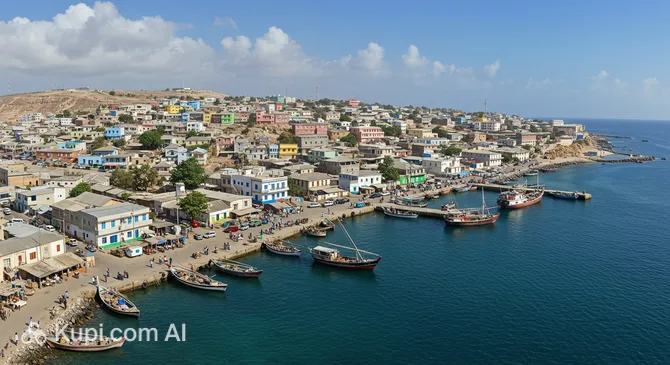
Bosaso is a vibrant commercial hub and a major port city located in the northeastern region of Somalia. Situated in the Puntland State along the southern coast of the Gulf of Aden, it serves as a vital economic gateway for the country. The city is characterized by its energetic atmosphere, bustling trade, and a diverse community that reflects its status as a key connecting point in the Horn of Africa.

With a population reaching approximately 2,000,000 residents, the city has expanded significantly in recent years. The climate here is generally hot and arid, offering sunny days that highlight the stark beauty of the coastal landscape. This strategic location has deeply influenced the history of Bosaso, evolving it from a traditional maritime settlement into a sprawling metropolis that bridges the region with the Arabian Peninsula.

Bosaso. Source: Kupi.Binoculars

Travelers visiting the area can enjoy the scenic views of the Gulf of Aden and the activity around the port, which is the heartbeat of the city. The local markets offer an authentic taste of Somali culture, where one can find fresh seafood and regional goods. Nearby, the dramatic backdrop of the Al-Miskat Mountains provides a stunning contrast to the sandy coastline, offering unique opportunities for sightseeing.

Bosaso invites visitors to experience its unique blend of coastal charm and commercial vitality. Whether you are interested in the local culture or simply want to witness the dynamic pace of a major port city, it is a destination that offers a distinct and memorable perspective.

Weather Overview

Bosaso experiences a hot, arid climate characterized by abundant sunshine and consistently high temperatures throughout the year. Before packing for your trip, it is helpful to review the detailed weather in Bosaso to ensure you are prepared for the heat. The city is known for its dry conditions, making it a destination where clear skies are the standard.

The temperatures vary between seasons, though the weather remains generally warm to hot. The hottest months are typically from June to August, with average temperatures reaching around 32.6°C and daily highs climbing up to 35.6°C. For a milder experience, the period from December to February offers more comfortable conditions, with average temperatures settling between 23.4°C and 23.9°C.

Rainfall is exceptionally rare in this coastal city. Most of the year, including the peak summer months, sees virtually 0mm of precipitation. Even during the transitional months like May or November, rainfall is negligible, often recording just 1mm over a few days. Travelers can generally expect hot summers and warm, extremely dry winters.

Interesting Facts

Beyond its bustling port and sandy shores, Bosaso holds a treasure trove of history and unique local lore that surprises many visitors. This dynamic city is not just a commercial center but a place where ancient legends and global trade have intertwined for millennia.

  • The Legend of the Camel: Local tradition suggests that the city’s name has a rather affectionate origin. It is said to be named after "Boosaas," the beloved camel of the city's 14th-century founder, Bandar Qasim. While the settlement was historically known as Bandar Qasim (Qasim's Port), the name of his trusted animal eventually prevailed to designate the growing town.

  • Ancient Spice Hub: Historians widely believe that Bosaso stands on the site of Mosylon, an ancient trading emporium mentioned in the Periplus of the Erythraean Sea. In antiquity, this port was famous for exporting vast quantities of cinnamon and spices, connecting the Horn of Africa with the Roman Empire and India long before modern shipping lanes were established.

  • World Frankincense Capital: The mountainous terrain surrounding the city is one of the few places on Earth where the Boswellia sacra tree grows wild. As a result, Bosaso serves as a primary global hub for the processing and export of high-grade frankincense, continuing a fragrant tradition that dates back to the time of the Pharaohs.

  • A Livestock Giant: The port of Bosaso is one of the busiest livestock terminals in the world. During peak seasons, millions of goats, sheep, and camels are transported from here to the Arabian Peninsula, making the city a critical economic lifeline for the pastoral communities of the entire region.

How to Get There

Reaching this bustling port city is primarily done by air, which connects the region efficiently to other parts of the country and the Horn of Africa. For a comprehensive overview of all available routes and travel tips, you can read more about how to get to Bosaso to help plan your journey.

The most direct and convenient entry point is Bossaso (IATA: BSA), officially known as Bender Qassim International Airport. It is conveniently located just 4.2 km from the city center, making the transfer to your accommodation quick and easy. A taxi or private transfer from the terminal to the heart of the city typically takes around 25 to 30 minutes. As a key regional hub, the airport handles a significant volume of traffic, connecting the commercial capital of Puntland with destinations like Mogadishu and Dubai.

For clarity, here is a summary of the main airport serving the city:

Airport Name City Passenger Traffic Km from City
Bossaso Bosaso Medium 4.2

There are currently no railway services operating in Bosaso or the wider region. While the city is a major maritime hub, passenger rail infrastructure is not available. Travelers looking for alternative overland methods typically rely on the main highway connecting Bosaso to Garowe and the southern regions, although flying remains the most popular choice for international visitors.

Main Attractions

Bosaso offers a fascinating mix of natural beauty and lively urban energy, making it a unique destination for travelers in the region. From its pristine coastline to the lush oases hidden in the nearby mountains, the city provides a variety of experiences. Visitors can explore bustling markets filled with the scent of frankincense or escape to serene natural spots just a short drive from the city center.

Bosaso Beach is one of the city's most popular recreational spots, drawing both locals and visitors to its sandy shores. The beach features crystal-clear blue waters that are perfect for swimming and sunbathing. In the evenings, it becomes a lively social hub where people gather to enjoy the cooling sea breeze and watch the sunset over the Gulf of Aden. It is an ideal place to relax and witness the coastal lifestyle of the region.

A short distance from the city lies Biyo Kulule, a natural hot spring oasis that serves as a favorite weekend getaway. Surrounded by palm trees and rocky terrain, this area features natural pools of warm mineral water believed by locals to have therapeutic properties. The contrast between the arid landscape and the lush greenery around the springs makes it a picturesque location for picnics and relaxation.

For those interested in local culture and trade, the Central Market offers an authentic glimpse into the daily life of the city. As a major commercial hub, the market is a maze of stalls selling everything from fresh tropical fruits and seafood to colorful textiles. It is also one of the best places to find high-quality frankincense and myrrh, which are harvested in the nearby mountains and are a signature product of the region.

Another refreshing escape is Laag, a scenic area located near the foothills of the mountains surrounding the city. Known for its natural freshwater springs and small streams, Laag provides a cool and green environment that stands out against the desert backdrop. It is a tranquil spot where visitors can enjoy nature, see local farms, and experience the diverse landscapes that define this part of the country.

Local Cuisine

Bosaso’s position on the Gulf of Aden makes it a paradise for seafood lovers, defining a culinary landscape that is distinct from the inland regions. The local cuisine is heavily influenced by the daily catch brought into the bustling port, ensuring that restaurants and markets are always stocked with the freshest ingredients. Visitors can expect to feast on high-quality lobster, kingfish, and tuna, often grilled to perfection over charcoal or fried with a blend of aromatic spices like cumin and coriander.

Despite the abundance of seafood, traditional Somali staples remain the heart of the diet. Bariis (rice) is a daily essential, typically fragrant with cardamom, cloves, and cinnamon. It is commonly served with hilib ari (goat meat) or the highly prized hilib geel (camel meat), which is a must-try delicacy in the region. The Italian colonial legacy is also visible in the widespread popularity of baasto (pasta), often served with a rich, spiced meat sauce and accompanied by a banana—a unique local custom that adds a sweet contrast to the savory dish.

Mornings in the city usually begin with canjeero, a fermented, pancake-like flatbread that is spongy and slightly sour. It is traditionally eaten with sesame oil and sugar or dipped into a savory stew of liver and vegetables. This hearty breakfast provides the energy needed to navigate the lively streets and markets of this commercial hub, setting the tone for the day.

The beverage culture revolves around shaah, a spiced Somali tea brewed with cardamom, cinnamon, and plenty of sugar, often made with milk. It is the social lubricant of the city, enjoyed in roadside cafes where locals gather to discuss trade and news. Due to cultural and religious norms, alcohol is not available; instead, visitors can cool off with refreshing, freshly squeezed juices made from tropical fruits like mango, papaya, and guava, which are perfect for the hot coastal climate.

Travel Tips

Visiting Bosaso offers a unique opportunity to witness the commercial heartbeat of Puntland, but navigating this bustling port city requires some local know-how. To help you settle in and enjoy your stay with confidence, here are some practical tips designed to make your trip smoother and more culturally respectful.

  1. Clothing and Gear: Given the hot, arid climate, lightweight and breathable fabrics like cotton or linen are essential. However, modesty is paramount in Somalia. Men should wear long trousers rather than shorts, and women are expected to wear loose-fitting clothes that cover the arms and legs, along with a headscarf. A sturdy pair of sandals is practical for the sandy and dusty streets, and sunglasses are a must against the intense glare.

  2. Transportation: The most common and convenient way to get around the city is by bajaj (auto-rickshaw). They are affordable and readily available, but it is best to agree on the fare before starting your journey. For longer distances or a more comfortable ride, private taxis are available, though they are often unmetered. Self-driving is generally not recommended for visitors; hiring a car with a local driver is a safer and more stress-free option.

  3. Finances: The US Dollar is widely accepted and functions almost as a primary currency alongside the Somali Shilling. Ensure you bring enough cash in USD, specifically newer bills with no tears or markings, as older notes are often rejected. Credit cards are rarely accepted outside of a few high-end hotels. Mobile money services are extremely popular locally, but as a short-term visitor, cash remains your most reliable payment method.

  4. Health and Safety: Due to the high temperatures, staying hydrated is critical; always drink bottled water and avoid tap water. Pharmacies are available in the city center, but it is wise to bring a personal supply of any prescription medications. When exploring, stick to well-lit, populated areas and it is highly advisable to have a local guide or host accompany you, especially if you are unfamiliar with the city's layout.

  5. Communication: Somali is the official language. While you may find English speakers among business owners and younger people near the port, it is not universally spoken. Learning a few basic phrases like "Assalamu Alaikum" (Peace be upon you) goes a long way in establishing rapport. For internet access, purchasing a local SIM card from providers like Golis is easy and offers reliable 4G data coverage.

  6. Local Etiquette: Greetings are an important part of the culture. A handshake is common between men, but men should generally wait for a woman to extend her hand first, or simply nod respectfully. Always use your right hand for eating, exchanging money, or shaking hands, as the left hand is considered unclean. Respect for religious customs is essential, particularly during prayer times when shops may briefly close.

  7. What to Avoid: Strictly avoid taking photographs of government buildings, military installations, the port, or the airport, as this is prohibited and can lead to questioning. Additionally, never photograph people without their explicit permission. Alcohol is strictly illegal in the country, and possessing or consuming it can result in serious legal trouble.

  8. Timing Your Day: Bosaso observes a distinct rhythm due to the heat. The city often slows down significantly in the afternoon (from roughly 1:00 PM to 4:00 PM) as locals take a break from the sun. Plan your outdoor activities for the early morning or late afternoon. The evenings are when the city truly comes alive, with markets and cafes bustling with activity.

By keeping these practicalities in mind, you can navigate Bosaso with ease and focus on the rich experiences the city has to offer. Embracing the local customs and moving with the rhythm of the city will ensure your visit is both memorable and welcoming.

Entertainment & Nightlife

Entertainment and nightlife in Bosaso offer a distinct experience that differs significantly from Western concepts of partying. Instead of nightclubs, bars, or discos, the evening scene here is defined by a relaxed, social atmosphere centered around conversation, dining, and enjoying the cooler night air. As the sun sets and the intense heat of the day subsides, the city streets become lively with residents gathering to socialize in a way that reflects the local culture and traditions.

Travelers should be aware that alcohol is strictly prohibited throughout the region in accordance with local laws and religious customs. Consequently, there are no pubs or cocktail bars. The "nightlife" revolves around bustling tea shops, open-air cafes, and restaurants where friends meet to discuss news, business, and daily life over cups of spiced Somali tea (shaah) or fresh fruit juices. The atmosphere is welcoming and communal, often lasting late into the night.

One of the most popular areas for evening activity is the district near the waterfront and the main thoroughfares of the city center. Here, the sea breeze provides a refreshing respite, making it a favored spot for locals to walk and congregate. The Gacayte Hotel is a well-known establishment where visitors can enjoy a meal in a comfortable setting, often serving as a social hub for business travelers and locals alike. Similarly, the restaurant at the Juba Hotel offers a reliable venue for evening dining, providing a safe and relaxed environment to sample local dishes.

For those looking to experience the local vibe, the numerous roadside cafes offer an authentic taste of the city. It is common to see groups of men sitting outside on plastic chairs, enjoying the evening breeze. While the dress code remains modest—long trousers for men and conservative attire for women—the mood is casual. Another notable spot is the International Village, which provides a secure and pleasant atmosphere for dinner and quiet socialization.

Practical advice for enjoying the evening includes timing your outings for after 7:00 PM when the city is most active. Prices for dining and drinks are generally very affordable. However, safety is a priority. It is highly recommended to stick to well-lit, populated main streets and avoid walking alone in secluded areas. For transportation, utilize the ubiquitous bajaj (auto-rickshaws) or arrange a private taxi through your hotel or a trusted local contact rather than hailing one on the street late at night.

Regarding daytime entertainment, Bosaso does not feature large amusement parks, theaters, or museums. The primary forms of recreation are outdoor and nature-based. The city's beaches and the nearby mountains provide the main backdrop for leisure activities. Visitors often spend their days exploring the natural landscapes or visiting the vibrant markets, as the city lacks formal entertainment infrastructure like cinemas or bowling alleys.

Parks & Museums

While Bosaso is primarily celebrated as a bustling commercial hub in Somalia, its approach to leisure and history is defined by the raw beauty of its landscape and the lived-in heritage of its streets. Visitors will not find manicured Western-style gardens or enclosed national museums here. Instead, the "parks" are natural oases found in the surrounding desert, and the "museums" are the historical quarters where the city's maritime legacy is written in stone and coral.

Biyo Kulule stands out as the region's most refreshing natural retreat. Located just a short drive from the city, this lush palm grove offers a stark and welcome contrast to the arid coastal plains. It is famous for its natural hot springs, where locals and travelers alike come to bathe in the mineral-rich waters. Beyond the springs, the area serves as a green sanctuary for picnics and relaxation, shaded by date palms that have thrived here for generations.

For those seeking a more rugged connection with nature, the foothills of the Al-Miskat Mountains provide a spectacular backdrop. Rising dramatically behind the city, these limestone heights are part of the Golis Range and offer opportunities for hiking and scenic drives. The mountain valleys, or wadis, often retain moisture that supports unique flora, including the famous frankincense trees that have driven the region's trade for millennia.

In the absence of a formal indoor museum, the Old Town District functions as an evocative open-air gallery of history. Wandering through these established neighborhoods, visitors can observe a blend of architectural styles that narrate centuries of trade across the Gulf of Aden. The area features white-washed Arab-style houses with intricate wooden details alongside sturdy administrative structures dating back to the colonial era, reflecting the diverse influences of Indian, Arab, and European merchants.

Among the historical landmarks, the Old Lighthouse remains a notable point of interest on the coastline. Standing as a silent sentinel from the colonial period, this stone structure offers a tangible link to the mid-20th century. While it is no longer in active maritime use, it serves as a striking photographic subject against the blue waters, reminding visitors of the city's enduring strategic importance.

Nature enthusiasts should also look for the seasonal wadis on the city's outskirts. Following rare rain showers, these dry riverbeds briefly transform into vibrant green corridors. This fleeting bloom attracts local livestock and birdlife, offering a beautiful glimpse into the resilience of the ecosystem in this coastal desert region.

Getting Around

The public transport system in Bosaso differs significantly from those found in many international cities, relying on a decentralized and informal network rather than scheduled municipal services. There are no metros, trams, or large public bus fleets operating within the urban area. Instead, the city's transit is defined by the ubiquitous three-wheeled auto-rickshaws, locally known as bajaj. These agile vehicles are the backbone of daily commuting, offering a quick and breezy way to navigate the busy streets. For travel between different districts or to the outskirts, privately operated minibuses serve as shared transport, following set routes but without fixed timetables.

Payment for all forms of transport is straightforward but strictly low-tech compared to Western standards. There are no travel passes, magnetic cards, or mobile apps for ticketing. Fares are settled directly with the driver, either in cash or through popular local mobile money services. The cost of a ride is generally very low, often amounting to a small fraction of a US dollar. While the US dollar is widely used in the region, transport fares are one of the few instances where having the local currency or a mobile payment setup is particularly useful to avoid issues with change.

For visitors, the most practical advice is to use the bajaj for short trips around the city center and port area. They are easily hailed from the roadside, but it is standard practice to negotiate and agree on the price before getting in, as meters are not used. Transport operates from the early hours of the morning until late in the evening, though the frequency of vehicles diminishes significantly after dark. It is advisable to have exact change if paying with cash, as drivers may not always have small bills.

Alternatives to public transport include private taxis, which offer a higher level of comfort and air conditioning—a significant benefit in the coastal heat. Unlike the auto-rickshaws, taxis are best arranged through your hotel or a trusted local contact rather than flagged down on the street. Self-driving car rentals are not standard; instead, visitors typically hire a vehicle that comes with a local driver. This is often the safest and most stress-free option for those planning to explore areas beyond the immediate city center.

Accommodation

Accommodation in Bosaso caters primarily to business travelers, trade delegations, and returning diaspora, reflecting the city's status as a commercial hub rather than a typical leisure destination. Visitors will not find sprawling luxury resorts or global hotel chains here. Instead, the hospitality landscape is defined by a selection of functional mid-range hotels, secure guesthouses, and simple budget lodgings. These establishments focus on providing essential amenities such as air conditioning, Wi-Fi, and reliable electricity, which are crucial for comfort in the hot coastal climate.

The most convenient areas to stay are generally located within the city center or along the main arterial roads connecting the port to the airport. Staying in these central zones allows for easier access to business districts, government offices, and local markets. Many of the preferred hotels operate as self-contained compounds. This layout is popular as it offers a higher degree of privacy and security, often featuring internal courtyards or gardens where guests can relax away from the noise and dust of the bustling streets.

Among the well-known establishments, the Gacayte Hotel is frequently cited as a premier choice in the city, offering comprehensive facilities including a popular restaurant and conference spaces. It is a common meeting point for international visitors and local dignitaries. Another notable option is the International Village, which offers a distinct style of accommodation with individual cottages in a village-like setting, making it a favorite for those planning longer stays or seeking a quieter environment. The Juba Hotel also remains a reliable option, known for its central location and service oriented towards commercial travelers.

When planning your stay, it is important to be aware that major international online booking platforms are rarely used or updated for properties in this region. The most effective way to secure a room is through direct contact via telephone or by having a local host, guide, or business partner make arrangements on your behalf. Booking in advance is highly recommended, as the best hotels can fill up quickly during peak trade seasons or when large delegations are visiting.

Regarding costs, accommodation in Bosaso is generally affordable by international standards, falling largely into the budget to mid-range price brackets. Payment is almost exclusively conducted in cash, with the US Dollar being the preferred currency. Credit cards are not widely accepted at hotel reception desks, so ensuring you have sufficient cash to cover your accommodation expenses upon arrival is a practical necessity for a smooth trip.

Nearby Cities

For those looking to explore the surroundings, Bosaso serves as an excellent base for day trips to several interesting nearby locations:

The most accessible city for a cultural excursion is Qardho. Located approximately 195 km south of the port, it is historically significant as a traditional seat of the local sultanates. Visitors to Qardho can experience a deep sense of heritage and tradition, making it a compelling destination for those interested in the history of the Puntland region. The journey offers scenic views of the changing landscape from the coast to the interior plateau.

Further south lies Garowe, the administrative capital of the state. While it requires a longer drive, making it perhaps better suited for a very early start or an overnight stay, it is the political and educational heart of the region. Garowe is known for its rapidly developing infrastructure, libraries, and universities, offering a distinct contrast to the commercial bustle of Bosaso. It provides a glimpse into the modern governance and academic growth of the area.

City Population Distance (km)
Galkayo 950000 532
Burao 750211 444
Berbera 478000 466
Garowe 385000 326
Qardho 365000 195

These nearby destinations offer a glimpse into the diverse culture and landscapes of the region.

Shopping & Souvenirs

Shopping in Bosaso offers a vivid immersion into the commercial heartbeat of Puntland. As the region's primary port city and economic capital, it serves as the entry point for a vast array of goods entering Somalia. The shopping experience here is less about polished, high-end luxury boutiques and more about the energy of trade, where imported electronics and textiles sit alongside traditional local products. Visitors will find a bustling atmosphere driven by the city's status as a major trading hub on the Gulf of Aden.

The main shopping activity is concentrated in the City Center, particularly along the main arterial roads leading toward the port. This downtown district is a hive of activity where wholesalers and retailers operate side by side. Walking through these streets, you will find rows of shops selling everything from mobile phones and home appliances to clothing and shoes. The density of stores here makes it the most convenient area for travelers to find general supplies and observe the local mercantile culture.

While Bosaso does not feature expansive, Western-style shopping malls with entertainment complexes, the city has seen the development of several modern shopping plazas and multi-story commercial centers. These buildings typically house a collection of independent boutiques and offices under one roof. They are good places to look for imported fashion, perfumes, and electronics in a more air-conditioned and organized environment compared to the open streets.

The true soul of shopping in Bosaso lies in its markets. The Central Market (Suuqa Weyn) is an essential stop for any visitor. It is a sprawling labyrinth of stalls offering fresh tropical fruits, vegetables, and meats, alongside colorful sections dedicated to clothing and household goods. For a unique local experience, the Fish Market near the shore is a must-visit, especially in the morning when the catch is fresh. Here, you can see the bounty of the Gulf of Aden, including yellowfin tuna and kingfish, being traded with rapid energy.

When it comes to souvenirs, Bosaso is arguably the best place in the world to buy frankincense and myrrh. The Puntland region is known as the "Land of Aromas," and the highest grades of these resins, harvested from the nearby mountains, are sold here at a fraction of international prices. You can find them in raw crystal form or as essential oils. Other excellent keepsakes include gold jewelry, which is sold by weight and often features intricate designs, as well as traditional Somali fabrics like the colorful dirac for women or the plaid ma'awis sarongs for men.

Opening hours in Bosaso are dictated by the climate. Shops typically open early, around 7:00 AM or 8:00 AM, and remain busy until roughly 1:00 PM. The city then takes a pause during the hottest part of the day, with many businesses closing for a siesta. Activity resumes around 4:00 PM or 5:00 PM and continues well into the evening, often until 9:00 PM or 10:00 PM. Friday is the holy day, and most shops will be closed in the morning, opening only in the late afternoon.

Regarding payment, cash is the primary method of transaction. The US Dollar is widely accepted and is the standard currency for most significant purchases. Small change may be given in Somali Shillings. Mobile money is incredibly popular and is the preferred payment method for locals; however, as a tourist without a local SIM card and registered account, you should rely on cash. Credit cards are rarely accepted in shops or markets, so carrying sufficient small-denomination dollar bills is highly recommended.

Tourists should be aware that there is no formal tax-free shopping or VAT refund system available in Bosaso. The price you see or negotiate is the final price. Bargaining is common and expected in markets and smaller shops, so feel free to negotiate politely to get a fair deal.
Reached the end of the page?

That means the route is fully explored