Support

Wajir

About

Wajir is a fascinating destination that offers a glimpse into the unique cultural tapestry of the northeastern region of Kenya. As the administrative capital of Wajir County, this city serves as a vital economic and social hub for the area. With a population of approximately 90,000 residents, Wajir stands as a significant urban center amidst the vast, arid landscapes that characterize this part of the country.

The city possesses a distinct character shaped by its geographical location and heritage. Travelers interested in the past can explore the history of Wajir, which is marked by interesting colonial-era architecture and local traditions. One of the most prominent landmarks is the historic Fort Wajir, a structure that stands as a testament to the town's strategic importance over the decades and adds a unique architectural element to the city center.
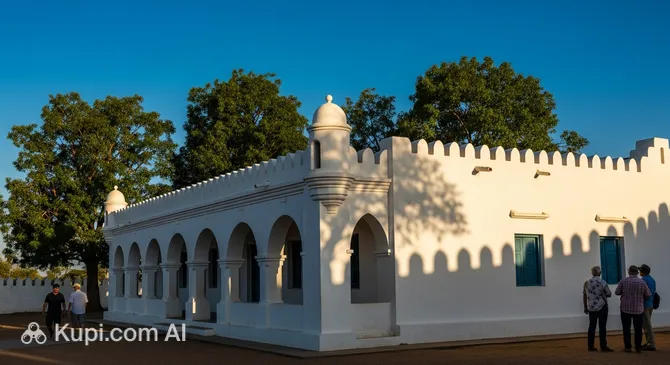
Wajir. Source: Kupi.Binoculars

Beyond its historical sites, Wajir is renowned for its vibrant livestock market, which is often cited as one of the largest in the region. Here, visitors can witness the traditional trade of camels and other animals, providing an authentic insight into the local economy and way of life. The city's atmosphere is further enriched by its rich Somali cultural influence, offering a different perspective compared to other Kenyan destinations.

Whether you are passing through on a broader journey or visiting to experience the specific charm of the northern frontier, Wajir welcomes travelers with its warm hospitality and unique sights. It is a place where tradition meets resilience, making it a memorable stop for those looking to explore the diverse facets of the nation.

Weather Overview

Wajir is known for its hot and arid climate, characterized by high temperatures year-round. The weather in Wajir typically sees average temperatures hovering between 27°C and 30°C, making lightweight clothing a must for visitors regardless of when they choose to travel.

The heat tends to peak in February and March, where average maximum temperatures can reach up to 36.1°C. Even during the relatively cooler period around July, the weather remains warm with daily averages sitting at approximately 26.9°C. While precipitation is generally scarce, there are distinct wetter periods; April and November see the highest frequency of rain, with up to 14 wet days recorded, whereas the months from June to September are typically very dry.

Interesting Facts

Beyond its role as a regional hub, Wajir is a city defined by unexpected contrasts and enduring legends that few travelers know about. From humorous colonial history to mythical origins, the town holds secrets that offer a deeper understanding of its unique character.
  • The Royal Wajir Yacht Club: Perhaps the most ironic institution in the region's history, this club was established during the colonial era despite Wajir being hundreds of miles from the nearest ocean. It is said that the "yacht club" members would jokingly sail a small dinghy in a water tank or simply toast to the irony of their arid surroundings, leaving behind a quirky legacy that is still remembered today.

  • The Legend of the Giants: Local folklore attributes the construction of the ancient Orahey Wells to the Mandanle, a legendary race of giants who once inhabited the area. These wells are engineering marvels that tap into a shallow water table, allowing the city to thrive as an oasis in the desert, and they remain a vital part of the community's daily life.

  • Lake Yahud: Visitors are often surprised to discover a permanent body of water in this semi-arid landscape. The lake was accidentally created when a quarry used for the construction of Wajir Airport filled with water, and it has since transformed into a scenic habitat that attracts various bird species, offering a cool respite from the heat.

  • Italian Bunkers: History enthusiasts can find tangible remnants of World War II scattered around the town, particularly near the Orahey grounds. These concrete bunkers and trenches were built by Italian forces during their brief occupation of the area, standing as silent monuments to a time when global conflict reached this remote frontier of Kenya.

  • A Name of Unity: The name "Wajir" is widely believed to be derived from a Borana word meaning "coming together." This reflects the town's centuries-old role as a critical meeting point where different nomadic clans would converge to water their livestock and trade, a tradition of convergence that continues to shape its bustling atmosphere.

How to Get There

Reaching this unique destination in the northeastern part of the country is an adventure in itself, with air travel being the most convenient and popular option for visitors. For those planning their journey, you can find more about how to get to Wajir and the various transport options available.

The primary gateway to the city is Wajir Airport (WJR), which is conveniently located within the city limits. Situated just 4.1 km from the center, it serves as a vital link for travelers and locals alike. A taxi ride from the terminal to the heart of the city is quick, typically taking just a few minutes. This regional hub handles a significant number of passengers annually, connecting Wajir to Nairobi and other major Kenyan cities.

Another option in the wider region is Mulika Lodge Airport (JJM), although it is located quite far away in the city of Meru. The distance to Wajir is approximately 271.8 km, which translates to a long journey by road. While it is a smaller facility primarily serving the national park area, it is listed as an alternative landing point in the broader vicinity.

For clarity, here is a summary of the main airports:

Airport Name City Passenger Traffic Km from City
Wajir Airport Wajir Medium 4.1
Mulika Lodge Airport Meru Small 271.8

Main Attractions

While Wajir is often viewed as a transit hub or administrative center, it holds several unique landmarks that offer travelers a chance to understand the region's deep-rooted history and culture. The city's attractions are less about polished tourism and more about authentic experiences, ranging from colonial architecture to vibrant local traditions that have survived for centuries.

Fort Wajir is arguably the most recognizable building in the city and a must-see for anyone interested in the area's past. Constructed in the early 20th century, this distinct white-washed fortress features castellated walls and a central tower that evokes the style of classic desert outposts. Originally built to establish administrative control over the Northern Frontier District, it now serves as a powerful symbol of the town's heritage. Tourists appreciate the fort for its unique architecture, which stands in stark contrast to the surrounding modern structures, providing excellent photo opportunities and a tangible link to the colonial era.

For a deep dive into the local way of life, a visit to the Wajir Livestock Market is an unforgettable experience. As one of the largest markets of its kind in East Africa, it becomes a bustling epicenter of trade, particularly in the mornings. Visitors can watch hundreds of camels, goats, and cattle being traded by merchants from across the region. It is fascinating for tourists because it offers a raw, sensory immersion into the nomadic economy that sustains the county, filled with the sounds and sights of traditional bargaining and pastoral culture.

The Orahey Wells represent the historical lifeline of Wajir. These ancient wells are legendary, with local folklore suggesting they were dug by a mythical race of giants known as the Madanle. Located near the town center, the grounds are historically significant not just for water, but also for the presence of World War II-era bunkers nearby. The site is interesting to tourists as it showcases the ingenuity required to survive in an arid landscape and serves as a communal gathering point where the daily rhythm of watering livestock continues as it has for generations.

Nature lovers might be surprised to find Lake Yahud located on the outskirts of the town. Originally formed from a quarry excavation that filled with water, this permanent lake has developed its own ecosystem in the middle of the semi-arid environment. It attracts various bird species, including flamingos at certain times of the year. It provides a peaceful escape from the dusty city streets and is an intriguing spot for birdwatching or simply seeing how nature reclaims man-made landscapes.

Local Cuisine

The local cuisine of Wajir offers a distinct culinary journey that reflects the region's rich Somali heritage and its pastoralist lifestyle. Food here is hearty, flavorful, and designed to sustain life in an arid environment. The gastronomic scene is dominated by meat dishes, particularly camel and goat meat, which are considered staples and prepared with a variety of aromatic spices that showcase the area's trade history.

Visitors should definitely try the local rendition of Bariis, a fragrant rice dish often cooked with saffron, cardamom, cloves, and cinnamon, usually served with a generous portion of tender goat meat or camel steak. Another popular dish is Baasto, a pasta dish that serves as a delicious reminder of the region's colonial past, typically served with a rich, spiced meat sauce. For breakfast or a lighter meal, Anjero—a sponge-like, fermented pancake similar to Ethiopian injera but smaller and often sweeter—is a common choice, usually eaten with liver stew or simply drizzled with sesame oil and sugar.

When it comes to beverages, the culture in Wajir is centered around tea and milk rather than alcohol. Shaah is the signature spiced tea, brewed strong with milk, ginger, cardamom, and plenty of sugar; it is the primary social drink and is enjoyed throughout the day. For a truly authentic experience, adventurous travelers can try fresh camel milk, which is prized by locals for its nutritional value and slightly salty, smoky taste. Due to the predominantly Muslim population and conservative culture, alcohol is generally not available in local eateries, and the social scene revolves around tea shops and coffee houses.

Dining in Wajir is a communal and hospitable affair. Most locals and visitors eat at establishments locally known as "hotels," which are essentially casual restaurants serving freshly prepared meals. The atmosphere is relaxed, and it is common to see large platters of rice and meat being shared among groups. Street food is also prevalent, particularly in the evenings near the market areas, where you can find vendors selling fried snacks like samosas and kebab, offering a quick and tasty bite of the local flavor.

Travel Tips

Visiting Wajir offers a truly unique adventure into the heart of Northern Kenya, but the region's distinct climate and deep-rooted traditions require a bit of specific preparation. To ensure your journey is as comfortable and culturally respectful as possible, we have compiled a list of essential practical tips for your trip.

  1. Dress Conservatively and Lightly: Given the hot, arid climate, lightweight and breathable fabrics like cotton or linen are essential. However, Wajir is a conservative area with a predominantly Muslim population. It is important to dress modestly; both men and women should cover their shoulders and knees. Women may find carrying a light scarf useful for covering their head when visiting religious sites or to protect against the strong sun and dust.

  2. Getting Around: The most common and convenient way to navigate the city is by tuk-tuk (three-wheeled auto-rickshaw) or taxi. Public buses are generally for intercity travel rather than getting around town. Always agree on the fare with the driver before starting your journey, as meters are rarely used. For excursions outside the town center, hiring a private 4x4 vehicle with a local driver is highly recommended due to the rough terrain.

  3. Cash is King: While larger establishments might accept cards, cash is the primary mode of transaction in Wajir. The local currency is the Kenyan Shilling (KES). Ensure you have enough small denominations for markets and transport. Mobile money, specifically M-Pesa, is extremely widespread and often preferred over cash, so registering for a local SIM to use this service is a great life hack.

  4. Stay Hydrated and Safe: The heat in Wajir can be intense, so carry plenty of bottled water and stay hydrated. Regarding health, malaria is a concern in many parts of the country, so bring mosquito repellent and consider sleeping under a net. For medical needs, the Wajir County Referral Hospital is the main facility, but packing a basic first-aid kit with your specific medications is advisable.

  5. Language and Communication: While English is an official language and widely understood in government and business circles, Somali and Swahili are the languages of the street. Learning a few basic Somali greetings like "As-salamu alaykum" (Peace be upon you) will go a long way in breaking the ice and earning respect from the locals. Wi-Fi is available in hotels, but buying a local SIM card (Safaricom is reliable here) is best for staying connected.

  6. Respect Local Etiquette: Greetings are an important social ritual; take the time to shake hands (usually with the right hand) and ask about well-being. When eating, especially if sharing a communal meal of rice and meat, always use your right hand. If you are invited into a local home or a mosque, remember to remove your shoes at the entrance.

  7. Photography and Behavior: Avoid taking photos of government buildings, the airport, or military personnel, as this is strictly prohibited. Additionally, always ask for permission before taking photographs of local people. Public displays of affection are culturally inappropriate and should be avoided. Also, be aware that alcohol is not generally sold or consumed in public due to religious norms.

  8. Beat the Heat: Life in Wajir revolves around the sun. The middle of the day is often too hot for strenuous activities. Follow the local lead by planning your explorations for the early morning or late afternoon and taking a rest during the peak heat hours around noon.

By keeping these tips in mind, you will be well-equipped to navigate the vibrant streets and dusty trails of Wajir with confidence. Embracing the local customs and preparing for the environment will allow you to fully appreciate the warm hospitality and fascinating culture of this resilient desert city.

Entertainment & Nightlife

Entertainment and nightlife in Wajir offer a distinct cultural experience that stands in stark contrast to the bustling club scenes of Nairobi or Mombasa. Due to the region's conservative Islamic traditions, you will not find western-style nightclubs, dance halls, or bars serving alcohol. Instead, the "nightlife" here is a social affair centered around community, conversation, and culinary traditions, coming alive as the scorching daytime heat gives way to cooler evening breezes.

The heart of the evening social scene beats in the open-air tea shops and restaurants, often referred to locally as "hotels." The atmosphere is relaxed but vibrant, filled with the hum of animated conversations in Somali and Swahili. The most bustling areas are typically found in the Town Center and along the main roads leading to the market. Here, groups of men gather on low stools or mats to enjoy Shaah (spiced tea) and discuss everything from local politics to livestock prices. This tradition of late-night tea drinking is the social equivalent of a pub culture elsewhere.

For visitors looking for a place to dine and soak in the evening atmosphere, the restaurants within the city's major accommodations are the best options. The Wajir Palace Hotel is a popular venue where travelers and locals mix, offering a safe and comfortable environment to enjoy a hearty meal of rice and goat meat well into the evening. Another well-known spot is the Wajir Hilton Palace (not related to the international chain), which serves as a landmark and a hub for social gatherings. These venues usually stay open late, often until 10:00 PM or 11:00 PM, allowing for long, leisurely dinners.

Another unique aspect of the night culture in Wajir is the chewing of Miraa (khat), a mild stimulant plant. While not an activity for every tourist, it is a ubiquitous part of the local male social life. You will often see groups sitting together for hours in "mafrishes" (social halls) or on street corners, chewing miraa and socializing. It is a peaceful, sedentary activity that defines the rhythm of the night for many residents.

Practical Advice for the Evening:

  • Safety: Wajir is generally safe, but street lighting can be sporadic. It is advisable to avoid walking alone in unlit areas. Stick to the main streets near the town center or your hotel.
  • Transport: After dark, the best way to get around is by tuk-tuk or taxi. It is recommended to arrange transport through your hotel or get the number of a reliable driver, as flagging one down late at night can be difficult.
  • Dress Code: The conservative dress code applies strictly at night. Men should wear long trousers, and women should dress modestly, covering shoulders and legs.
  • Alcohol: Alcohol is prohibited in almost all local establishments. Do not expect to find beer or wine on the menu, and consuming it in public is culturally offensive and illegal in many contexts.

During the daytime, entertainment options are limited but culturally rich. Apart from the famous livestock market, visitors can explore the architecture of the town or visit the grounds near the Fort Wajir. While there are no modern amusement parks or large museums, the town itself serves as a living museum of nomadic culture and colonial history, best explored in the cooler morning hours before the sun reaches its peak.

Parks & Museums

While Wajir may not possess the lush, manicured botanical gardens found in wetter climates, it offers a distinct kind of natural beauty and cultural depth that is fascinating to explore. The city's "green spaces" are defined by its resilience in an arid environment, while its approach to preserving history is woven directly into the fabric of its oldest buildings and community gathering spots.

Lake Yahud stands out as the city's most significant natural area, functioning as an unexpected oasis on the outskirts of town. Originally a quarry used during the construction of the airport, it has since filled with water and evolved into a permanent lake that supports a surprising amount of biodiversity. It is a favorite spot for nature enthusiasts, as it attracts flocks of migratory birds, including flamingos and marabou storks. For tourists, it offers a rare chance to enjoy a cool breeze and birdwatching opportunities in the middle of a semi-desert landscape.

Another key outdoor space is the area surrounding the Orahey Wells. While not a park in the traditional sense, this historic ground serves as a vital public space that has sustained the community for centuries. The site is dotted with ancient wells and the remnants of defensive bunkers, creating an open-air historical reserve. It is an excellent place for visitors to witness the daily rhythms of local life, where the convergence of history, utility, and social interaction creates a unique atmosphere unlike any standard city park.

For those interested in diving deeper into the region's heritage, the Wajir Museum is the primary cultural institution. Often associated with the historic Fort Wajir complex, this museum is dedicated to preserving the traditions of the local communities. It houses a collection of ethnographic artifacts, including traditional Somali household items, jewelry, and tools used by pastoralists. It provides tourists with valuable context regarding the nomadic lifestyle and the rich cultural tapestry of Northern Kenya.

Fort Wajir itself acts as a living museum and is the architectural crown jewel of the city. Built in the early 20th century, this whitewashed fortress with its castellated towers is not just a government building but a monument to the town's colonial past. While access to the interior can sometimes be restricted due to its administrative use, the exterior and the surrounding grounds offer a powerful visual history lesson. It is interesting to tourists as a backdrop for understanding the strategic importance of Wajir throughout the decades.

For a truly authentic experience, take a walk through the Old Town area near the market. This neighborhood functions as an informal open-air gallery of vernacular architecture, where traditional flat-roofed houses and narrow alleys tell the story of the city's development. It is here that the "living museum" concept truly comes alive, offering an unfiltered look at the enduring customs and architectural ingenuity of the region's inhabitants.

Getting Around

Public transport in Wajir is quite different from the structured systems found in large metropolitan areas. There is no metro, tram, or extensive public bus network operating within the city limits. Instead, the local transport system is informal, decentralized, and relies heavily on smaller vehicles that are better suited to the town's compact layout and narrow streets. For visitors, this means adapting to a more flexible and personal way of getting around.

The most popular and convenient mode of transport for short distances is the tuk-tuk (auto-rickshaw). These three-wheeled vehicles are ubiquitous and serve as the primary taxis for the local population. They are ideal for the hot climate as they are open-sided, allowing for a breeze while protecting passengers from the direct sun. Alongside tuk-tuks, boda-bodas (motorcycle taxis) are extremely common. They are the fastest way to navigate the city, especially during busy market hours, though they are best suited for single passengers traveling light.

For those preferring more comfort or carrying luggage, standard taxis are available, though they are less visible on the streets than tuk-tuks. Unlike in major capital cities, you will not typically find metered taxis or ride-hailing apps like Uber operating here. Taxis are usually older sedan cars parked at specific stands, particularly near the airport, major hotels, and the town center. If you plan to explore areas outside the immediate city limits, hiring a 4x4 vehicle with a driver is the standard alternative, as the terrain can be rough and sandy.

The payment system is straightforward but strictly cash-based or digital via mobile money. There are no travel cards, passes, or ticket machines. The local currency is the standard method of payment, but M-Pesa (mobile money transfer) is widely accepted and often preferred by drivers due to its convenience and safety. Fares are generally very affordable, but they are not fixed. It is customary to agree on the price before starting your journey to avoid misunderstandings later.

Tourists should keep a few practical tips in mind to navigate the system smoothly. Since there are no fixed schedules, transport operates on demand. Tuk-tuks and boda-bodas are readily available from early morning until sunset. However, availability drops significantly after dark, and for safety reasons, it is advisable to arrange evening transport through your hotel or use a trusted driver. Always negotiate the fare politely but firmly before hopping in, and try to carry smaller denominations of cash if you are not using mobile money, as drivers often have limited change.

Accommodation

Accommodation in Wajir is functional and hospitable, primarily catering to business travelers, NGO workers, and government officials rather than leisure tourists seeking luxury. The city does not host international hotel chains or sprawling five-star resorts. Instead, the range of options consists mainly of mid-range hotels, guesthouses, and budget lodges. These establishments are generally clean and comfortable, offering essential amenities such as air conditioning—a necessity in the arid climate—and on-site dining, though they may lack the polished frills of accommodation in larger Kenyan cities.

The most convenient areas to stay are located within the Town Center. Staying here places you within walking distance of the main administrative offices, the vibrant markets, and local eateries. This central location allows visitors to easily soak up the local atmosphere and access transport like tuk-tuks. Alternatively, there are a few options situated closer to Wajir Airport, which are practical for travelers with early morning flights or those on short transit stops who prefer to avoid the hustle of the main town.

Among the well-known establishments, the Wajir Palace Hotel is frequently cited as a reliable choice for visitors. It serves as a social hub in the city, offering secure rooms and a popular restaurant where locals and travelers mingle. Another notable option is the Wajir Hilton Palace, which, despite its name, is a locally run hotel known for its accessibility and decent facilities. These hotels typically provide self-contained rooms and are accustomed to hosting international visitors working in the region.

Booking accommodation in Wajir often requires a more direct approach than in other destinations. While some of the larger hotels may be listed on major online booking platforms, many smaller guesthouses rely on phone reservations or walk-ins. It is highly recommended to book in advance if you are visiting during a major government event or conference, as rooms can fill up quickly due to the limited supply of high-quality lodging.

Regarding prices and payment, the cost of staying in Wajir is generally affordable. Most options fall into the budget to mid-range categories. Luxury pricing is virtually non-existent here. Travelers should be aware that cash is the preferred method of payment for many smaller establishments. While larger hotels may accept mobile money transfers like M-Pesa, credit card facilities can be unreliable, so carrying sufficient cash is a smart travel tip.

Nearby Cities

For those looking to explore the surroundings, Wajir serves as an excellent base for day trips or onward travel to several interesting nearby locations:

Habaswein is the closest significant town, situated approximately 100 kilometers southwest of Wajir. It serves as a vital trading hub for the region's pastoralist communities. A trip here offers a deeper insight into the local economy and the daily rhythms of life in Wajir County, with the journey itself showcasing the vast, scenic beauty of the semi-arid plains.

For those willing to travel further, Garissa offers a striking change of scenery. Located on the banks of the Tana River, it provides a lush contrast to the dry landscapes of the north. The town is known for the Bour-Algi Giraffe Sanctuary, where visitors can see giraffes and other wildlife in their natural habitat close to the riverine ecosystem, making it a rewarding destination for nature lovers.

Meru, though quite a distance away, represents the gateway to the lush central highlands and the slopes of Mount Kenya. It offers a completely different climate and agricultural landscape, famous for its green hills and vibrant markets, presenting a unique opportunity to see the diversity of Kenya's geography within a few hundred kilometers.

City Population Distance (km)
Meru 1,833,000 328
Habaswein 174,134 103
Ramu 143,850 274
Lafey 83,457 200
Garissa 65,881 248

These nearby destinations offer a glimpse into the diverse culture and landscapes of the region.

Shopping & Souvenirs

Shopping in Wajir offers a distinct experience that contrasts sharply with the polished retail environments of major metropolitan cities. Instead of browsing through high-end boutiques or sprawling modern malls, visitors here are immersed in a traditional trading atmosphere that reflects the region's position as a commercial hub for Northeastern Kenya. The shopping scene is authentic, vibrant, and centered around daily necessities and cultural items, providing a fascinating window into the local Somali-influenced lifestyle.

The primary shopping activity is concentrated in the Town Center. This bustling district serves as the commercial heart of the city, where narrow streets are lined with small, family-run shops known as "dukas." Here, travelers can find a variety of goods ranging from electronics and hardware to textiles and household items. The energy in this area is palpable, with traders and customers engaging in lively negotiations against a backdrop of dusty streets and historic architecture.

Travelers looking for large-scale retail complexes will not find western-style shopping malls in Wajir. The retail landscape is dominated by standalone stores and small commercial plazas rather than department stores. However, there are several well-stocked supermarkets and wholesalers within the city center where visitors can purchase bottled water, toiletries, snacks, and other travel essentials. These establishments offer a more conventional shopping experience with fixed prices.

The soul of the city's commerce resides in its markets. The Wajir Main Market is the most accessible spot for tourists, offering a colorful array of fresh produce, spices, and clothing. It is a sensory experience filled with the aroma of exotic spices and the bright colors of fresh fruits. While the famous Livestock Market is primarily for trading animals, it is also a place where one can observe the sheer scale of commerce that drives the local economy, though it is less of a place for tourists to make purchases.

For those seeking unique souvenirs, Wajir offers beautiful local handicrafts that make for meaningful keepsakes. The most popular items are the vibrant Somali fabrics and textiles. Visitors can purchase colorful diracs (long, loose dresses worn by women) or kikois and macawis (sarongs worn by men), which are known for their intricate patterns and breathability in the heat. Additionally, hand-woven mats, traditional wooden headrests, and beaded jewelry are excellent examples of local craftsmanship worth bringing home.

Opening hours in Wajir generally follow the rhythm of the sun and the local religious customs. Most shops open around 8:00 AM and close by 6:00 PM or 7:00 PM. It is common for smaller businesses to close for a short period during the midday heat and for prayer times, particularly on Fridays. As for payment, cash is king. While some larger supermarkets may accept cards, the vast majority of transactions, especially in markets, are done in Kenyan Shillings. Mobile money, specifically M-Pesa, is universally accepted and is often the most convenient way to pay.

Nearby cities

Reached the end of the page?

That means the route is fully explored