Support

Lodwar

About

Welcome to Lodwar, the vibrant capital of Turkana County and the largest town in north-western Kenya. Situated west of the stunning Lake Turkana, this bustling town serves as a vital commercial and administrative hub in the Great Rift Valley region. With a population of approximately 83,000 residents, Lodwar offers a unique blend of rugged landscapes and lively urban energy, making it a fascinating stop for intrepid travelers exploring this remote part of the country.

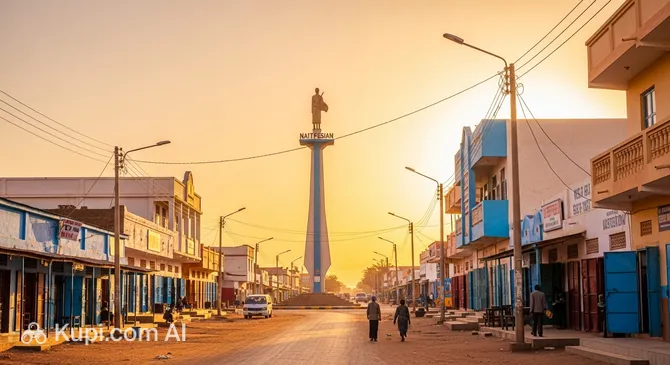
Lodwar. Source: Kupi.Binoculars

The town is characterized by its hot, semi-arid climate and its strategic location along the banks of the Turkwel River. While it stands today as a modern gateway to the north, the history of Lodwar adds a layer of depth to the visitor experience, tracing its evolution from a small trading post to a significant regional center. The imposing silhouette of the Loima Hills in the distance provides a scenic backdrop to the town's daily life.

Travelers often use Lodwar as a convenient base for visiting the legendary Lake Turkana, often referred to as the "Jade Sea," which is renowned for its striking green color and rich biodiversity. Within the town itself, a hike up to the Christ the King statue is a popular activity; perched on a prominent hill, it offers sweeping panoramic views of the town and the vast surrounding plains. Visitors should also explore the local markets to discover intricate traditional basketry and beadwork, which beautifully showcase the cultural heritage of the Turkana people.

Whether you are embarking on a desert safari or seeking to experience a distinctive side of East Africa, Lodwar invites you to discover its unique atmosphere and warm local hospitality.

Weather Overview

Lodwar experiences a consistently hot and semi-arid climate, characterized by high temperatures and abundant sunshine throughout the year. The heat is a defining feature of the region, so travelers should pack light, breathable clothing and plan to stay hydrated. For a more detailed breakdown of conditions during your specific travel dates, you can consult the guide to weather in Lodwar.

Temperatures remain high across all seasons, with February typically being the hottest month, featuring average highs of 36.3°C. Even during the relatively cooler month of July, the weather stays warm, with average temperatures around 28.1°C and nightly lows rarely dipping below 24°C. The heat is intense and steady, providing a true desert-like atmosphere for visitors.

Rainfall is minimal and sporadic, keeping the landscape dry for the majority of the year. April is generally the wettest month, seeing about 11 days with some precipitation, though the actual accumulation remains very low. Expect scorching hot days year-round with scarce rainfall, mostly limited to light showers during the brief wet season in April.

Interesting Facts

Beyond the main attractions, Lodwar holds many fascinating secrets that reveal its importance to both the history and future of the region. This desert outpost is not just a transit hub; it is a place where ancient history, geological marvels, and modern resilience intersect in surprising ways.

  • The "Rio" of the North: High above the town stands a statue of Christ the King, which bears a striking resemblance to the famous Christ the Redeemer in Rio de Janeiro. A hike up the hill to this monument rewards visitors with the best panoramic views of the town and the distant Loima Hills, making it a favorite spot for sunset watchers.

  • A Hidden Ocean: Despite its scorching, arid climate, the region surrounding Lodwar sits atop one of the largest underground water reserves in Africa. Discovered in 2013, the massive Lotikipi Basin Aquifer holds vast quantities of water beneath the dry surface, a geological irony that highlights the hidden potential of this desert landscape.

  • A President's Prison: Before becoming the first president of Kenya, Jomo Kenyatta was detained here under house arrest from 1959 to 1961. The modest bungalow where he lived, known as the Kenyatta House, still stands today as a national monument, offering a tangible connection to the country's struggle for independence.

  • Gateway to the Cradle: Lodwar is the primary launchpad for expeditions to the shores of Lake Turkana, a region globally recognized as the "Cradle of Mankind." It was near here that some of the world's most significant human fossils, including the famous "Turkana Boy," were unearthed, changing our understanding of human evolution forever.

  • Masters of the Doum Palm: The town is a center for a unique form of basketry woven from the leaves of the indigenous doum palm. These resilient and colorful baskets are not merely souvenirs but are deeply embedded in the local culture, showcasing the remarkable craftsmanship and resourcefulness of the Turkana people.

How to Get There

Reaching the capital of Turkana County is an adventure that takes you through some of Kenya's most dramatic landscapes. The most convenient and time-efficient way to arrive is by air. For a complete guide on travel options and logistics, you can check all ways to reach the city. The town is served by Lodwar Airport (IATA: LOK), which sits right on the edge of the town center. Daily scheduled flights connect Lodwar primarily with Nairobi (usually departing from Wilson Airport) and Eldoret. The flight takes roughly one and a half hours, offering spectacular views of the Great Rift Valley and the arid plains as you approach.

For travelers preferring land transport, Lodwar is accessible via the A1 road. This route connects the town to Kitale and points further south. While the road infrastructure has seen upgrades, the journey is long and passes through hot, remote regions, so a sturdy vehicle is recommended if you are driving yourself. Several bus companies and shuttle services also operate between Lodwar and major cities like Kitale and Eldoret, providing a budget-friendly option. Please note that there is no railway service available to this part of the country, making road and air the exclusive means of entry.

Main Attractions

While Lodwar is often viewed as a transit hub, it serves as the primary gateway to some of Northern Kenya's most spectacular and rugged destinations. The town and its surroundings offer a mix of historical intrigue, cultural depth, and breathtaking natural landscapes that define the Turkana region.

Undoubtedly the most famous attraction in the vicinity is Lake Turkana, located just a short drive east of the town. Known as the "Jade Sea" due to its striking turquoise color, it is the world's largest permanent desert lake and a UNESCO World Heritage site. Visitors can travel to the shores near Kalokol to witness the vast, shimmering expanse of water set against a backdrop of volcanic earth. The lake is home to a massive population of Nile crocodiles and hippos, and its remote, lunar-like scenery offers a travel experience unlike any other in East Africa.

For a blend of history and panoramic views, a visit to the Christ the King Statue is a must. Standing atop Sanjait Hill, this imposing statue overlooks the entire town and offers the best vantage point for seeing the distant Loima Hills and the Turkwel River winding through the arid landscape. The hike up the hill is relatively short and is best done in the early morning or late afternoon to avoid the midday heat, rewarding climbers with a serene atmosphere and spectacular photo opportunities.

History enthusiasts should explore the Kenyatta House, a site of immense national significance. This modest house served as the detention quarters for Jomo Kenyatta, the country's first president, during his imprisonment by the colonial government in roughly 1959. Now preserved as a national monument, the site offers a poignant glimpse into the struggle for independence. The simple architecture and the isolation of the location tell a powerful story of resilience in the face of adversity.

About 50 kilometers east of Lodwar lies Eliye Springs, a popular resort area on the western shore of Lake Turkana. Often described as an oasis in the desert, this spot features sandy beaches, palm trees, and natural springs that create a stark and beautiful contrast with the surrounding dry terrain. It is an excellent spot for travelers looking to relax, swim, or enjoy fresh fish from the lake after exploring the dusty tracks of the north.

Local Cuisine

The culinary scene in Lodwar offers a distinct taste of Northern Kenya, heavily influenced by the pastoralist traditions of the Turkana people and the proximity of the "Jade Sea." While the region is arid, the presence of the massive lake ensures that fresh fish is a staple here, a rarity in many other desert towns. Visitors should not miss the opportunity to try Nile Perch or Tilapia, freshly caught from the lake. These are typically served deep-fried or stewed in a rich tomato and onion gravy, accompanied by the ubiquitous ugali (maize meal) or chapati.

For meat lovers, the local goat meat is widely considered some of the best in the country. The goats in this region graze on natural shrubs and herbs in the semi-desert, which locals claim gives the meat a unique, sweet flavor. You will find Nyama Choma (roasted goat) at many local eateries and open-air grills. It is usually seasoned simply with salt to let the natural quality of the meat shine, often served with a side of kachumbari, a fresh salsa made of tomatoes, onions, and coriander.

Dining in Lodwar is generally a casual and social affair. Most locals eat at establishments locally known as "hotels," which are often simple, open-air restaurants designed to catch the breeze and offer respite from the heat. Due to the high temperatures, staying hydrated is essential, and while bottled water is a must for travelers, the social fabric of the town revolves around chai. Despite the heat, sweet, milky tea is consumed throughout the day, serving as a gesture of hospitality and a way to cool down by inducing perspiration.

Travel Tips

Preparing for a trip to Lodwar requires a bit of extra planning due to its remote location and distinct desert environment. To help you navigate this fascinating town comfortably and respectfully, here are some essential practical tips for your journey.

  1. Clothing and Gear: The climate in Turkana County is extremely hot and dry, so pack lightweight, breathable fabrics like cotton or linen. A wide-brimmed hat, high-quality sunglasses, and strong sunscreen are absolute necessities to protect against the intense equatorial sun. While the town is relatively relaxed, it is respectful to dress modestly; avoid very short skirts or shorts, especially when visiting markets or rural communities.

  2. Transportation: Within the town, the most common and convenient way to get around is by boda-boda (motorcycle taxi). They are affordable and agile, but always agree on the fare before hopping on and ask for a helmet. Standard taxis are rare. If you plan to explore the surrounding areas or visit Lake Turkana, hiring a 4x4 vehicle is essential due to the rough, sandy terrain.

  3. Finances: The local currency is the Kenyan Shilling (KES). While major hotels may accept credit cards, cash is king in Lodwar, especially for local eateries, markets, and transport. There are a few ATMs in town (such as KCB and Equity Bank), but they can occasionally be out of service, so carrying sufficient cash is wise. Mobile money (M-Pesa) is widely accepted and very convenient if you can set it up.

  4. Health and Safety: Lodwar is a malaria-endemic zone, so taking prophylaxis and using insect repellent is highly recommended. Dehydration is a real risk here; always carry bottled water and drink frequently, even if you don't feel thirsty. Pharmacies are available in the town center for basic supplies, and the Lodwar County Referral Hospital handles medical emergencies. The town is generally safe, but avoid walking alone in poorly lit areas at night.

  5. Communication: English and Swahili are widely spoken in town, making communication relatively easy. However, the local language is Turkana; learning a simple greeting like "Ejoka?" (How are you?) will earn you warm smiles from the locals. Safaricom offers the best mobile network coverage in the region. Wi-Fi is available in better hotels but can be spotty elsewhere.

  6. Local Etiquette: Greetings are an important social ritual in Kenya. Always take a moment to greet people with a handshake before asking questions or starting a transaction. The Turkana people are proud of their culture, but they can be sensitive about being treated as tourist attractions. Always ask for clear permission before taking photos of people, and respect their answer if they decline.

  7. What to Avoid: Do not drink tap water under any circumstances; stick to sealed bottled water for drinking and brushing your teeth. Additionally, avoid taking photographs of government buildings, police stations, or military personnel, as this is strictly prohibited and can lead to legal trouble.

  8. Market Tip: When buying the famous Turkana baskets or beadwork, bargaining is expected and is part of the friendly interaction. However, keep it good-natured and remember that for many locals, this is their primary livelihood.

By keeping these practicalities in mind, you can focus on the incredible experiences that await you in the north. Whether you are there for business or adventure, Lodwar's unique charm and the hospitality of its people ensure a memorable visit.

Entertainment & Nightlife

Despite its remote location and arid surroundings, Lodwar boasts a surprisingly vibrant and energetic nightlife scene. As the scorching heat of the day subsides, the town comes alive with locals and visitors seeking cool refreshments and lively music. The atmosphere is distinctively welcoming and unpretentious, often characterized by open-air venues that allow the desert breeze to flow through. You will find a mix of modern beats, Swahili pop, and traditional Turkana rhythms filling the air, creating a unique social environment where travelers can easily mingle with friendly residents.

The heart of the action is often found along Nawoitorong Street and the roads leading towards the main town center. Here, the nightlife is not just about drinking; it is a community event where people gather to dance, watch football matches, and enjoy Nyama Choma (roasted meat) well into the night. The dress code is generally casual to smart-casual; comfort is key in this warm climate, but locals do dress up for a night out on the weekends.

For those looking to experience the local party scene, Lodwar Club is a legendary spot that often serves as the "heartbeat" of the town's entertainment. It is a great place to enjoy a cold Tusker beer and immerse yourself in the local culture. Another popular venue is Club Marble (also known as Marble Arena), which offers a more modern clubbing experience with a spacious dance floor and resident DJs spinning the latest hits. If you are looking for a verified local favorite to unwind and socialize, Club Homeland is another excellent option known for its spirited atmosphere.

Practical advice for a night out includes carrying cash, as many smaller bars may not accept cards, though M-Pesa (mobile money) is widely used. The best time to go out is Friday and Saturday nights when the energy is at its peak. To get around, boda-bodas (motorcycle taxis) are the most common mode of transport. However, for safety at night, it is strictly recommended to use trusted riders or arrange a taxi through your hotel, rather than hailing random motorcycles on dark streets.

While the town is generally safe, visitors should exercise common sense by avoiding unlit backstreets and walking alone late at night. Stick to the busy, well-lit areas where the crowds are. During the day, entertainment options shift towards cultural immersion. Instead of specific monuments, spend your time exploring the bustling local markets. Here, you can witness the vibrant trade of basketry and beadwork, or simply take a walk to observe the daily rhythms of life in this resilient corner of Kenya.

Parks & Museums

While Lodwar is situated in a semi-arid landscape and does not feature traditional manicured city parks, its "green spaces" are defined by the rugged beauty of the Great Rift Valley and the life-giving waters that flow through the region. The town's cultural heritage is deeply intertwined with the history of Kenya's independence, offering visitors a poignant glimpse into the past through its preserved historical sites.

The most significant natural feature functioning as a recreational area is the Turkwel River. Cutting through the dusty plains, the riverbanks create a ribbon of greenery that contrasts sharply with the surrounding desert. This area is shaded by indigenous trees, particularly the resilient doum palms, which are iconic to the region. It serves as a vital social space where locals gather and livestock graze, offering tourists a peaceful spot to observe the daily rhythms of Turkana life and enjoy a reprieve from the intense sun. Walking along the banks provides a chance to see various bird species attracted to the water, making it a modest but rewarding spot for nature enthusiasts.

For a different kind of natural experience, Sanjait Hill serves as the town's primary vantage point. Although not a park in the conventional sense, this rocky outcrop functions as a public space for hiking and sightseeing. The climb is manageable for most fitness levels and offers the only elevated green (or rocky) space within the town limits. From the top, the view encompasses the sprawling town, the winding river, and the distant mountain ranges, providing a spectacular setting for sunrise or sunset.

In terms of museums, the standout facility is the Kenyatta House. Also known as the Lodwar Detention Camp, this site is a National Monument of immense historical value. It preserves the modest bungalow where Jomo Kenyatta, the founding father of the nation, was detained by the colonial administration in roughly 1959. The site has been maintained to reflect the conditions of that era, serving as a museum that narrates the struggle for freedom. Visitors can walk through the simple rooms and see the stark reality of political detention in such a remote outpost, offering a powerful educational experience regarding the country's path to sovereignty.

While there are no large art galleries, the town itself acts as a living museum of Turkana culture. The architectural highlight is the towering Christ the King Statue atop Sanjait Hill. Modeled after the famous statue in Rio de Janeiro, it is a significant religious and architectural landmark. The site is open to the public and includes a small chapel, merging spiritual significance with tourism. It stands as a testament to the strong influence of the Catholic mission in the development of the town.

For an authentic insider experience, visitors should seek out the local basket weaving cooperatives near the town market. While not a formal museum, these centers display the intricate artistry of the Turkana people. Watching the women weave complex patterns using dried palm leaves offers a deeper understanding of local craftsmanship than any static exhibit could, and it provides a unique opportunity to interact with the artisans directly.

Getting Around

The public transport system in Lodwar is informal and quite different from the structured networks found in major global metropolises. There is no metro, tram, or train service within the city. Instead, the town relies on a flexible network of road-based transport that caters to the rugged terrain and the needs of the local population. For visitors, navigating the town is relatively straightforward once you understand the dominance of smaller, more agile vehicles over large buses.

The most ubiquitous form of transport is the boda-boda (motorcycle taxi). These are the backbone of local mobility, offering a fast and convenient way to navigate the dusty streets and reach areas that cars might find difficult to access. You will find riders waiting at almost every street corner, market entrance, and outside major hotels. For slightly more comfort and shade from the intense sun, tuk-tuks (three-wheeled auto-rickshaws) are also available. They are ideal for short trips within the town center, especially if you are carrying luggage or shopping bags, as they offer a bit more stability and protection than motorcycles.

Matatus (minibuses) operate in Lodwar, but they generally serve a different purpose than in larger cities like Nairobi. Rather than hopping on and off for short city blocks, matatus here are primarily used for longer distances, connecting the town center to the outskirts or neighboring settlements like Kalokol near the lake. They do not run on a strict timetable; instead, they depart from the main bus park only when they are fully loaded with passengers. This means patience is often required if you choose this mode of travel.

The payment system is entirely cash-based or digital via mobile money. There are no travel cards, passes, or ticketing apps. You will need to pay the driver directly at the end of your journey. The local currency, the Kenyan Shilling, is used exclusively. While cash is preferred, especially for small fares, most boda-boda riders and tuk-tuk drivers accept M-Pesa, the country's mobile money service. Prices are generally low but are not fixed by a meter; a short trip within town typically costs between 50 to 100 shillings, while longer rides will cost more.

For tourists, the golden rule of using transport in Lodwar is to negotiate the fare before the journey begins. Since there are no meters, agreeing on a price upfront prevents misunderstandings upon arrival. It is advisable to ask a local or your hotel receptionist for the standard rate to your destination so you can bargain fairly. Additionally, safety is paramount; if you take a boda-boda, always insist on a helmet, although they are not always automatically offered. Transport operates from early morning until late at night, but it is recommended to use trusted riders or arrange transport through your accommodation after dark.

Alternatives to public transport are limited. Standard taxi cabs are rare and usually need to be booked in advance rather than hailed on the street. Car sharing apps like Uber generally do not operate in this region. If you plan to explore beyond the town limits, such as visiting the lake or the desert, renting a 4x4 vehicle with a driver is the most practical option. Walking is possible for very short distances within the central business district, but due to the extreme heat, it is often more comfortable to take a cheap ride even for a few blocks.
Accommodation

Accommodation in Lodwar has developed steadily to meet the needs of business travelers, NGO workers, and intrepid tourists heading to Lake Turkana. The options typically range from basic budget guesthouses to mid-range hotels and resorts that offer a surprising level of comfort in the semi-arid environment. While you will not find ultra-luxury international hotel chains, the town boasts several well-equipped establishments that provide essential amenities such as air conditioning, swimming pools, and reliable Wi-Fi.

Most accommodation options are conveniently located within the town center or along the main A1 road, providing easy access to the airport and local markets. Staying centrally allows for quick travel to restaurants and transport hubs. However, travelers seeking a quieter experience may prefer lodges situated slightly on the outskirts, where larger compounds often feature lush gardens and a more serene atmosphere away from the bustling commercial streets.

For those looking for the best experience, the top-tier hotels in Lodwar often blend modern facilities with local aesthetics. It is common to find establishments that offer tented cottages or "bandas" alongside standard hotel rooms, giving visitors a safari-like feel. These venues frequently serve as social hubs, featuring on-site restaurants and bars where guests can unwind by the pool after a hot day exploring the region.

Booking Tip: Lodwar is a significant administrative capital and often hosts government delegations and NGO conferences. Consequently, the best hotels can fill up quickly during these events. It is advisable to book your room in advance, particularly if you require specific comforts like air conditioning, which is a highly sought-after feature in this climate.

Price Range and Booking: The cost of accommodation is generally affordable compared to Kenya's major tourist hubs. Budget options are extremely wallet-friendly, while mid-range to upper-tier rooms are moderately priced. While the larger hotels are listed on major online booking platforms, many smaller guesthouses still operate primarily through direct phone bookings or walk-ins. Be prepared to pay in cash or via M-Pesa (mobile money), although the top establishments usually accept credit cards.

Nearby Cities

For those looking to explore the surroundings, Lodwar serves as an excellent base for day trips or short excursions to several interesting nearby locations:

Eldoret is the nearest major city to the south and offers a refreshing change of climate due to its high altitude. Known globally as the "City of Champions," it is the heart of Kenya's athletics community, where many elite runners live and train. Travelers can enjoy the cooler weather, explore the vibrant agricultural markets, and witness the lush landscapes of the Uasin Gishu plateau, which contrasts sharply with the arid beauty of Turkana.

Further towards the west lies Kakamega, a destination celebrated for its incredible biodiversity. It is the gateway to the Kakamega Forest, the only surviving remnant of the ancient Guineo-Congolian rainforest in Kenya. This area is a paradise for nature lovers and birdwatchers, offering guided forest walks where you can spot rare primates, butterflies, and massive indigenous trees in a serene, green environment.

For those interested in scenic landscapes, Nandi Hills provides breathtaking views of rolling green hills covered in tea plantations. It is a peaceful retreat perfect for hiking and photography, offering a tranquil atmosphere and a deep dive into the region's colonial and agricultural history.

City Population Distance (km)
Eldoret 193830 290
Mumias 99987 332
Kimilili 94927 276
Kakamega 91778 327
Nandi Hills 73626 336

These nearby destinations offer a glimpse into the diverse culture and landscapes of the region.

Shopping & Souvenirs

Shopping in Lodwar is a unique experience that blends the practicality of a remote commercial hub with the rich cultural artistry of the Turkana people. Unlike the sprawling shopping complexes found in major cities like Nairobi, the retail scene here is centered around functional necessity and traditional craftsmanship. Visitors will find a bustling town center filled with general stores and wholesalers, alongside vibrant open-air markets that offer a colorful glimpse into the local way of life. Whether you are stocking up on supplies for a desert expedition or looking for authentic handmade souvenirs, the town provides everything you need.

The main shopping activity is concentrated in the town center, particularly along the primary road that cuts through the business district. This area is a hive of activity from dawn until dusk, lined with hardware stores, pharmacies, and shops selling electronics and clothing. It is the best place to find travel essentials, such as bottled water, sun protection, and camping gear, which are crucial for anyone venturing further into the arid landscapes of Northern Kenya.

While Lodwar does not have large-scale luxury shopping malls, it hosts several modern supermarkets and shopping centers that cater to the growing population and visitors. These establishments are well-stocked with groceries, toiletries, and packaged foods, offering a comfortable, air-conditioned environment for shopping. They are particularly useful for travelers needing to purchase provisions before heading to Lake Turkana or the surrounding national reserves.

For a more authentic and atmospheric experience, a visit to the Lodwar Market is essential. This sprawling open-air market is the economic heartbeat of the town. Here, you can wander through stalls piled high with fresh produce, dried fish from Lake Turkana, and colorful fabrics. It is a sensory experience, with the smell of smoked fish and the sound of lively bargaining filling the air. This is the best place to interact with local traders and observe the daily trade that sustains the region.

When it comes to souvenirs, Lodwar is a treasure trove of Turkana handicrafts. The region is famous for its intricate basketry, woven from the leaves of the indigenous doum palm. These baskets are known for their durability and beautiful, earthy geometric patterns. Additionally, visitors should look for traditional beadwork, including vibrant necklaces and bracelets that play a significant role in local cultural identity. Other unique items include the ekicholong (traditional wooden headrest/stool) and carved walking sticks, which make for meaningful keepsakes.

Most shops and markets in Lodwar operate from around 8:00 AM to 6:00 PM, Monday through Saturday. Supermarkets may stay open later and often open on Sundays with reduced hours. In terms of payment, cash is the primary mode of transaction, especially in the open-air markets and smaller kiosks. However, M-Pesa (mobile money) is almost universally accepted and is often preferred over cash for its convenience and safety. Credit cards are generally accepted only at larger supermarkets and hotels, so it is advisable to carry sufficient loose change or have your mobile money account ready.

Reached the end of the page?

That means the route is fully explored