Support

Niger

Cities in the country

About the Country

Niger is a vast, landlocked country in West Africa, attracting travellers with its endless Saharan expanses and unique culture. Much of the country's territory is desert, which defines its hot, dry climate, but it is here, among the sands and rocks, that its true gems are hidden. The River Niger, which gives the country its name, is a vital artery, along whose banks a significant portion of life and activity is concentrated.

Niger has a rich cultural heritage, shaped by the influence of numerous ethnic groups, including the Hausa, Tuareg, Fulbe, and Songhai. Historically, this land was an important crossroads for trans-Saharan trade routes, which has left its mark on the architecture and traditions of its towns. The nation's capital, Niamey, located on the banks of the River Niger, is a bustling centre where you can experience modern Niger and visit iconic sites like the Great Mosque of Niamey.
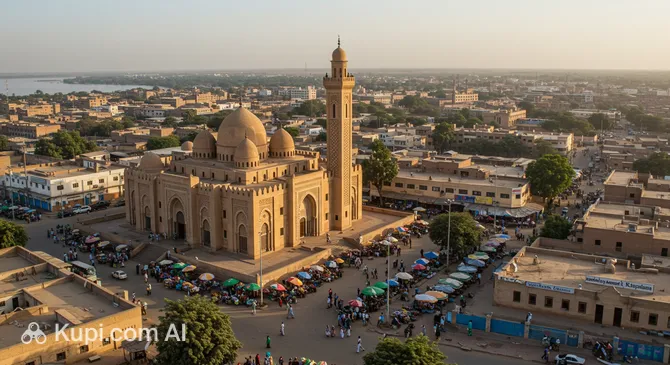
Niamey. Source: Kupi.com Binoculars

A journey through Niger promises unforgettable experiences for those seeking authenticity and adventure. Here, you can explore ancient cities such as Agadez with its famous minaret, connect with the culture of the desert's nomadic peoples, and admire the stark beauty of the Sahelian landscapes. The country's atmosphere is steeped in the spirit of ancient traditions and a sense of boundless space, opening up a completely different world to travellers. As Niger is a predominantly Muslim country, visitors are advised to dress modestly and respect local customs.
Currency

The official currency of Niger is the BCEAO CFA franc (international code: XOF), which is also used in the seven other member countries of the West African Economic and Monetary Union. The banknotes and coins of the CFA franc have a uniform design across all member states, distinguished only by letter codes to indicate the issuing country. The notes feature important cultural and natural symbols from the region.

Foreign currency can be exchanged for CFA francs at banks and official exchange offices in the capital, Niamey, and other major cities. For travellers from the UAE, it is advisable to carry euros (EUR) or US dollars (USD) for exchange, as the UAE Dirham (AED) is not commonly accepted at currency exchange counters in Niger. It is strongly recommended to avoid exchanging money with street vendors due to the high risk of fraud and counterfeit banknotes. Credit card acceptance is limited and mainly confined to large hotels, some restaurants, and airlines in the capital. Outside of Niamey, and for most daily transactions, it is essential to have a sufficient amount of cash on hand.

Visa Requirements

Travellers from the UAE require a visa to enter Niger; there is no visa-free access for UAE passport holders. It is essential to apply for a tourist visa in advance through the Embassy or Consulate of Niger. The option to obtain a visa on arrival is extremely limited and is not a standard procedure, so it should not be relied upon.

The primary document for entry is a valid passport, which must be valid for the entire duration of your intended stay. Be prepared to present other standard documents, such as return flight tickets, hotel booking confirmation, proof of sufficient funds for your trip, and possibly a medical insurance policy. It is extremely important to always check the most up-to-date information on visa requirements and the complete list of necessary documents on the official websites of Niger's embassies or consular sections, as visa regulations are subject to change.

We'll tell you if you need a visa

Specify where you are going, or
Your citizenship
Destination

Time Zones

When planning a trip to Niger, you will not have to worry about changing time zones within the country. The entire territory of Niger operates on a single time zone: UTC+1 (West Africa Time, WAT). For travellers from the UAE, this means Niger is three hours behind UAE time (UTC+4). This means the time is the same in all cities and regions, including the capital, Niamey.

This uniformity makes it much simpler to plan transfers and activities during your trip around this West African nation. Simply set your watch to UTC+1 upon arrival, and you will be synchronised with the local time for the duration of your stay in Niger.

How to Get There

The most convenient way to reach Niger is by air. The country's main international gateway is Diori Hamani International Airport (NIM), located in the capital city, Niamey. The airport accommodates flights from various African and European countries, and travellers from the UAE will typically have a layover in a major hub. Common connecting airlines for this route include Turkish Airlines, Ethiopian Airlines, and Royal Air Maroc. It is advisable to confirm current schedules and available routes with airlines well in advance.

As Niger is a landlocked nation, arrival by sea is not possible. However, for those who prefer overland travel, it is possible to enter through land borders with neighbouring countries such as Nigeria, Benin, Burkina Faso, Mali, Algeria, Libya, and Chad. This can be done by bus or private vehicle, but travellers should be aware that road conditions can vary significantly. Furthermore, crossing borders requires strict adherence to all visa and customs regulations. It is essential to check information on route availability and road safety before you travel.

Regardless of your chosen method of travel, it is always wise to book tickets and plan your itinerary in advance, especially if your trip coincides with the peak tourist season. Before your journey to Niger, please ensure you have checked the latest visa requirements for your nationality and residency status.

For your reference, here is a summary of the main airport:

Airport Name City Passenger Traffic
Diori Hamani International AirportNiameyMedium

Niger, a country with a rich history and a distinctive culture, invites travellers to discover its unique cities, each with its own charm. From bustling centres to historic oases, these settlements offer a variety of experiences for the curious tourist.

For many, the main starting point is the capital, Niamey. It is not only the country's administrative and economic centre but also a place to experience modern life in Niger, visit the National Museum, see the Grand Mosque, and explore the colourful markets. The historic heart of the Sahara beats in Agadez, which is famous for its mud-brick Old Town, a designated UNESCO World Heritage site, and its majestic minaret. For centuries, this city was a vital hub for caravan trade.

Niamey. Source: Kupi.com Binoculars

Equally interesting is Zinder, the former capital of Niger, which has preserved the atmosphere of the past in its old quarters and the Sultan's Palace. The city of Maradi is known as an important commercial and agricultural hub, offering a glimpse into the country's business side. For those wishing to feel closer to nature, Ayorou, situated on the banks of the Niger River, offers picturesque views and an introduction to the local river culture. Each of these cities opens its own page in the remarkable book of Niger.

Top Attractions

Niger, a country with a rich culture and history, offers travellers unique experiences. While it may not be the most obvious tourist destination, it has its own interesting sites, especially in the capital city, Niamey, where the main attractions are concentrated.

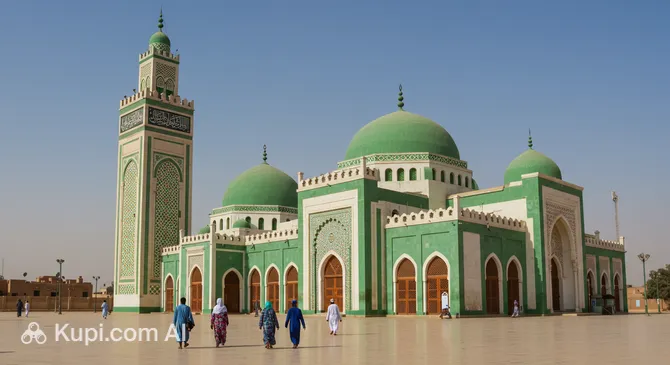
One of the capital's main architectural and spiritual landmarks is the Grand Mosque of Niamey. This impressive structure, with its tall minaret, is a fine example of Islamic architecture and an important centre for the local community. As it is an active place of worship, visitors are advised to dress modestly, and women should consider covering their hair as a sign of respect. A visit to the mosque offers a chance to connect with the country's culture and traditions.

Great Mosque of Niamey. Source: Kupi.com Binoculars

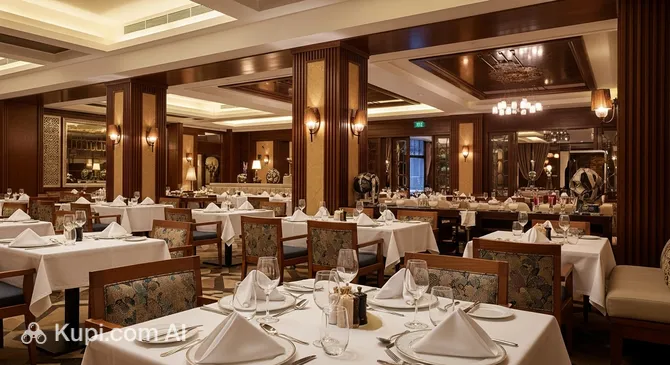
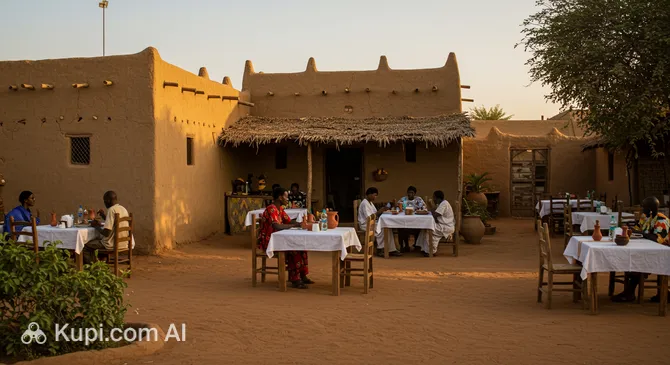
After exploring the cultural sites, you can relax and enjoy local or international cuisine at one of the capital's popular restaurants. For instance, the Cote Jardin restaurant offers a pleasant atmosphere where you can unwind and try a variety of dishes, with options that may be suitable for those seeking halal-friendly meals.

Côté Jardin. Source: Kupi.com Binoculars

Another interesting place for culinary discoveries in Niamey is the New York Restaurant. Here, you can expect a more cosmopolitan menu and a lively setting, making it a good choice for an evening meal or for those looking for familiar tastes far from home. The menu often includes dishes that can be prepared to suit halal dietary needs.

New York Restaurant & Bar. Source: Kupi.com Binoculars

Best Time to Visit

When planning a trip to Niger, it is important to consider its distinct climate seasons to ensure your journey is as comfortable as possible. The high season runs from October to February. During this time, the weather is dry and relatively cool, particularly in the northern regions and the Sahara Desert, where daytime temperatures become more tolerable and nights can be cool. This is the ideal time for exploring desert landscapes, visiting cities such as Agadez, and learning about the nomadic culture. The main advantage of this period is the comfortable temperature for sightseeing and outdoor activities. Niger does not typically experience the drawbacks of mass tourism, as it is not a major tourist destination.

The low season covers two periods: a hot, dry season from March to May, and a rainy season from June to September. From March to May, temperatures can reach extreme levels, often exceeding 40°C, particularly in the southern regions, including the capital, Niamey, making daytime activities challenging. The rainy season brings some relief from the heat but can be accompanied by high humidity and travel difficulties due to washed-out roads, especially in rural areas. The advantages of this period can include lower prices for accommodation and fewer travellers. However, you should be prepared for unpredictable weather. One significant cultural event to consider when planning your trip is the Cure Salée (Festival of Salt) nomadic festival, which usually takes place at the end of the rainy season (September-October) in the In-Gall region, near Agadez. This vibrant event attracts various Tuareg and Fulani (Wodaabe) groups.

Given the country's size, the climate can vary from one region to another. The northern desert areas are consistently drier, while the southern regions along the Niger River receive more rainfall. Therefore, when choosing the time for your trip, use the general seasonal patterns as a guide, but be prepared for potential local weather variations.

Traditions

A trip to Niger is an opportunity to connect with a unique culture where traditions play a vital role in daily life. Understanding and respecting local customs will make your journey more rewarding and help you build a rapport with the hospitable locals. Greetings are a ritual in themselves; handshakes are common, can be quite lengthy, and are always performed with the right hand. After a handshake, it is customary to ask about the other person's health and family. In conversation, it is best to be reserved in showing emotion; direct and prolonged eye contact, especially with elders or people of the opposite sex, can be seen as a challenge or disrespectful. Hospitality is a cornerstone of Nigerien society. If you are invited into a home, it is a sign of great favour. It is customary to bring small gifts for your hosts, such as tea, sugar, or fruit, although this is not a strict requirement.

Given that Niger is a predominantly Muslim country, it is important to dress modestly. Women are advised to wear clothing that covers their shoulders and knees, while men should avoid very short shorts in public places. When visiting mosques, women may be required to cover their heads. At the dining table, especially if food is served on a communal dish, it is customary to eat with the right hand, as the left hand is traditionally considered unclean. Try to avoid pointing at people or objects with a finger; it is better to use an open palm. Always ask for permission before taking photographs of local residents. Demonstrating patience and respect for the local, more measured pace of life will also be appreciated. Important festivals that reflect the nation's culture include Tabaski (known in the UAE as Eid al-Adha, the Festival of Sacrifice) and Republic Day (18th December), both of which are celebrated with great enthusiasm and family feasts. Avoid public displays of affection and try not to use your left hand to give or receive items, so as not to offend the local people.

Entertainment

Niger offers travellers a unique experience, where entertainment is closely interwoven with the country's rich culture and nature. You will not find bustling theme parks or huge shopping centres here, but you can immerse yourself in an authentic atmosphere, get to know local traditions and enjoy the beauty of the Sahara.

For lovers of active recreation, Niger can offer exciting desert journeys, for example, in the area of the legendary Agadez, and an introduction to unique natural landscapes, such as the rock formations of the Aïr Massif. Cultural entertainment is centred around learning about local life, music and dance, especially during the numerous festivals and celebrations. Visiting the colourful markets in cities such as Niamey or Zinder is an exciting adventure in itself, where you can see and buy products from local artisans. In the capital, you can find the National Museum of Niger, which provides insight into the country's history and culture.

Nightlife in Niger is quite subdued and mainly concentrated in the capital, Niamey. Here you can find restaurants offering both local and international cuisine, such as Cote Jardin or New York Restaurant & Bar. While many establishments serve international dishes, it is advisable to confirm if food is prepared according to halal standards. Shopping in Niger is primarily about buying authentic souvenirs: Tuareg silver jewellery, leather goods, painted ceramics, vibrant fabrics and wooden masks. The best places for such purchases are local markets and craft cooperatives.

As for family entertainment, Niger offers more of an educational and informative holiday. It can be interesting for children to observe life in the desert, get to know local animals (such as camels), visit villages and learn about the traditional way of life. When visiting local communities, it is important to respect Islamic customs by dressing modestly. Although there are few specialised entertainment centres for children, the very atmosphere of the country and the hospitality of the local people will make a family trip unforgettable.

Currency rates

Planning a trip? That's wonderful! To ensure the financial aspects of your journey don't come as a surprise, it's important to remember that currency exchange rates are constantly fluctuating. Therefore, we strongly recommend monitoring the latest rates both before you depart and throughout your trip. To help with this, you can use the data provided below—we monitor currency exchange rates 24/7 and strive to provide the most up-to-date information.

XOF currency exchange rate as of 02.01.2026

1 AED
~ 151.31 XOF
1 AMD
~ 1.46 XOF
1 AUD
~ 370.86 XOF
1 AZN
~ 326.88 XOF
1 BYN
~ 189.02 XOF
1 CAD
~ 404.81 XOF
1 EUR
~ 652.90 XOF
1 GBP
~ 748.70 XOF
1 HUF
~ 1.70 XOF
1 INR
~ 6.17 XOF
1 KGS
~ 6.35 XOF
2.60 KRW
~ 1 XOF
1 KZT
~ 1.10 XOF
1 PLN
~ 154.80 XOF
1 RUB
~ 7.05 XOF
1 SAR
~ 148.16 XOF
1 SGD
~ 432.24 XOF
1 TRY
~ 12.94 XOF
1 UAH
~ 13.14 XOF
1 USD
~ 555.57 XOF
21.62 UZS
~ 1 XOF

Reached the end of the page?

That means the route is fully explored