Support

Saint Helena

Cities in the country

About the Country

Saint Helena is an amazing and secluded destination in the heart of the South Atlantic, offering travellers a unique experience far from the well-trodden tourist paths. This small volcanic island, part of a British Overseas Territory, is most famous as the place of Napoleon Bonaparte's final exile and death. Its capital, the charming Jamestown, is nestled in a narrow valley and preserves numerous historic buildings and reminders of the island's rich maritime past.
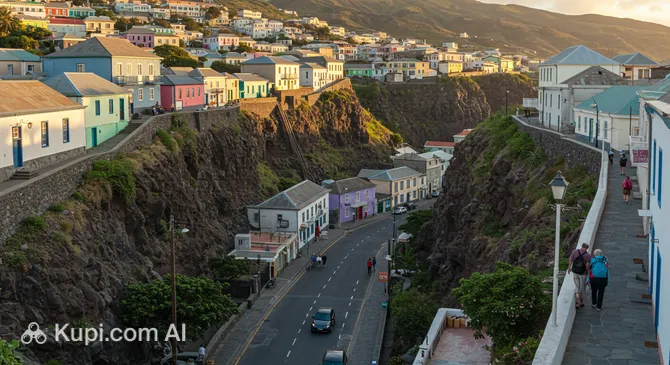
Jamestown. Source: Kupi.com Binoculars

The nature of Saint Helena is striking in its pristine beauty: from rugged volcanic landscapes and green hills to unique endemic flora and fauna, which can be seen, for example, in Diana's Peak National Park. The climate here is mild year-round, making the island attractive for hiking, bird watching, and exploring the underwater world. An atmosphere of peace and tranquillity pervades every corner of this remote paradise.

A visit to Saint Helena is an opportunity to immerse yourself in a completely different rhythm of life, meet the hospitable local residents, known as "Saints", and discover a history closely intertwined with the great maritime powers. This is a place for those seeking not just a holiday, but a true adventure. Other notable places in the territory include such a remote and isolated corner as Edinburgh of the Seven Seas on the island of Tristan da Cunha.

Currency

The official currency of Saint Helena is the Saint Helena Pound (SHP). This currency is pegged to the British Pound Sterling (GBP) at a 1:1 ratio. In circulation are banknotes and coins which are similar in denomination to their British counterparts but feature unique designs, often depicting local flora, fauna, and iconic island views. Although British Pounds Sterling are also widely accepted on the island, you will typically receive your change in Saint Helena Pounds.

It is recommended to exchange foreign currency (preferably British Pounds, though US Dollars or Euros can also be exchanged) for local money at the Bank of Saint Helena, located in the capital, Jamestown. It is best to do this shortly after arrival, as exchange facilities outside the capital are very limited. As for credit cards, their use on Saint Helena is extremely difficult. Only a few large establishments, such as some hotels or the tourist office, may accept cards for payment. Therefore, it is strongly advised to carry a sufficient amount of cash for daily expenses during your trip.

Visa Requirements

When planning a trip to Saint Helena Island, it is important to familiarise yourself with the entry requirements in advance. According to the official St. Helena eVisa website, passport holders from the United Arab Emirates do not need to apply for a visa before travelling. However, all visitors will need to obtain a short-term entry permit upon arrival.

To be granted an entry permit, you must present a passport valid for at least six months from your date of arrival. You will also need to provide proof of return tickets, confirmed accommodation, and comprehensive medical insurance that covers medical evacuation up to a value of at least £175,000. There is a fee of £20 for the entry permit, which is payable on arrival in cash (GBP, EUR, USD, or ZAR are accepted). As entry rules can change, it is highly recommended to check the latest information on the official Saint Helena Government immigration website before your journey.

We'll tell you if you need a visa

Specify where you are going, or
Your citizenship
Destination

Time Zones

When planning a trip to Saint Helena, you will not have to worry about changing time zones within the territory. The island operates on a single time zone, which is Greenwich Mean Time (GMT) or Coordinated Universal Time (UTC+0). This simplifies the planning of your stay and travel, as the time is consistent across all parts of the island. For residents and travellers from the UAE, it is useful to note that Saint Helena is 4 hours behind Gulf Standard Time (GST).

How to Get There

Saint Helena is a remote island in the South Atlantic, and the most common way to reach it is by air. The island's main air gateway is Saint Helena Airport (HLE), located near the capital, Jamestown.

For travellers originating from the UAE, there are no direct flights to Saint Helena. The journey typically involves connecting flights via South Africa. Major UAE carriers such as Emirates and Etihad Airways offer regular flights to South African hubs like Johannesburg (JNB) and Cape Town (CPT). From there, the South African carrier Airlink operates scheduled flights to Saint Helena. The seasonal service from Cape Town operates on Saturdays during the summer, while the Johannesburg service runs on Tuesdays for the same period.

As Saint Helena is an island, arrival by land transport is not possible. Historically, sea travel was the only way to reach the island. While regular passenger sea lines have largely been replaced by air travel, the island is occasionally visited by cruise ships. For most tourists, flying remains the primary and most practical option.

When planning a trip to Saint Helena, it is highly recommended to book flights well in advance. Due to the limited number of flights and growing interest in this unique destination, tickets can sell out quickly, especially during popular travel periods. Careful planning, including the coordination of connecting flights, will help ensure a smooth start to your adventure on this remarkable island.

For clarity, here is a summary of the main airport:

Airport Name City Passenger Traffic
Saint Helena AirportJamestownSmall

Saint Helena Island, along with the other islands in its overseas territory, offers travellers not so much typical bustling resorts, but rather unique and secluded places with a rich history and a distinctive atmosphere. The main settlements here are true gems for explorers and lovers of authenticity, each with its own character and attractions.

The heart of Saint Helena Island is undoubtedly its capital, Jamestown. This charming town, nestled in a narrow valley that opens out to the sea, is striking for its Georgian architecture and historical heritage. Here, you can stroll through historic streets, visit museums dedicated to Napoleon Bonaparte's exile, and, of course, test your endurance by climbing the famous Jacob’s Ladder, which offers breathtaking views. Jamestown is the perfect place to immerse yourself in the island's history and culture.

Jamestown. Source: Kupi.com Binoculars

Another significant, though extremely remote, settlement within the overseas territory is Edinburgh of the Seven Seas, located on the island of Tristan da Cunha. This settlement proudly holds the title of the most isolated inhabited archipelago in the world. A trip here is a true adventure for those seeking solitude and wanting to experience the unique way of life of its resilient inhabitants, while enjoying the rugged yet captivating beauty of nature.

Top Attractions

Saint Helena Island, lost in the vast expanse of the Atlantic Ocean, is not just a remote patch of land but a place of rich history and astonishing nature. Unique attractions await travellers here, each telling its own fascinating story.

The main draw for many tourists is undoubtedly Longwood House. It was in this house that Napoleon Bonaparte spent the final years of his life. Today, visitors can walk through the rooms where the deposed emperor lived and worked, and see personal belongings and furniture from that era, immersing themselves in the atmosphere of one of the most dramatic periods in world history.

An equally impressive attraction in the island's capital, Jamestown, is the famous Jacob's Ladder. This grand structure, which has 699 steps, rises steeply up the hillside. Those who conquer the climb are rewarded not only with a sense of accomplishment but also with stunning panoramic views of the town and the picturesque harbour.

For lovers of nature and hiking, a visit to Diana's Peak National Park is a must. It is the highest point on Saint Helena, where unique relict forests with endemic plant species, such as tree ferns and cabbage trees, have been preserved. Marked trails of varying difficulty allow you to explore this amazing nature reserve and enjoy its untouched beauty.

Best Time to Visit

Saint Helena possesses a mild oceanic climate, making it an appealing destination to visit all year round; however, certain periods may be more suitable depending on your preferences. The high season on the island typically lasts from November to April. During this time, the weather is generally warmer and drier, creating ideal conditions for hiking along picturesque trails, exploring the island's unique flora and fauna, and for marine activities such as diving and boat excursions. The sea is often calmer in these months, which makes water-based recreation more comfortable. Possible disadvantages include a greater number of tourists and, consequently, potentially higher prices for accommodation and some services.

The low season, or off-season, occurs from May to October. The weather at this time can be cooler and more changeable, with an increased likelihood of rain and wind, particularly during the southern hemisphere's winter months (June-August). Nevertheless, the island maintains its emerald-green scenery and unique atmosphere. The advantages of this period include fewer tourists, which makes for a more secluded holiday, and the opportunity to find better value deals. An important natural event that attracts travellers is the migration of humpback whales, which can be observed off the coast of the island from June to December. Although the peak season for whale shark sightings falls within the high season months (mainly from January to March), Saint Helena offers unique encounters with wildlife almost all year round.

Traditions

The culture of Saint Helena is a unique blend of British traditions and a distinctive island way of life, shaped by centuries of isolation. The local people, known as 'Saints', are distinguished by their friendliness and politeness. Greetings are usually informal; a smile and a nod are sufficient, although a handshake is also appropriate when meeting someone for the first time. Eye contact is important as it signifies openness and respect. In conversation, a calm tone and restraint are valued; loud talking or excessive gesturing may be perceived ambiguously. The locals take great pride in their history and the island, so a sincere interest in their culture will always be warmly received.

Hospitality is highly valued on Saint Helena. If you are invited into someone's home, it is considered a great honour. A small souvenir from your home country or something to contribute to the meal would be a thoughtful gesture, though it is not strictly required. There are no special dress codes for daily life, but modest attire (covering shoulders and knees) is recommended when visiting churches. General European table manners are observed. One of the main public holidays is Saint Helena's Day, celebrated on 21 May, the anniversary of the island's discovery. This is a time for public festivities, sports competitions, and cultural events, offering a deeper immersion into the island's atmosphere.

To ensure your stay on the island is as comfortable as possible and to avoid unintentionally offending the local people, it is best to show respect for their way of life. Avoid making comparisons with other places, especially in a negative way. Appreciate the unhurried pace of life—'island time' is more than just a phrase here. It is also important to treat the unique natural environment of Saint Helena with care, by not leaving litter and by following the established rules in protected areas. Simple courtesies, such as 'please' and 'thank you', are always appropriate and will help you connect with the hospitable 'Saints'.

Entertainment

Saint Helena Island offers its guests a unique range of diversions, centred around its incredible nature and rich history. For fans of active holidays, the island is a true paradise. There are numerous walking trails of varying difficulty, leading through breathtaking volcanic landscapes to viewpoints with panoramic vistas. The Atlantic Ocean waters surrounding the island are ideal for diving and snorkelling, allowing you to explore the underwater world. Boat trips are also popular, during which you can watch for whales and dolphins.

The cultural programme on Saint Helena Island is closely linked to its historical heritage. Travellers can visit several small but informative museums detailing the times of the East India Company and, of course, the exile of Napoleon Bonaparte. The evening life here is not defined by noisy nightclubs but offers the cosy atmosphere of local eateries and restaurants, especially in the capital, Jamestown. This is an excellent opportunity to enjoy fresh seafood and traditional dishes in a calm setting. Visitors are advised to inquire about halal options at restaurants.

As for shopping, tourists typically bring back unique handmade souvenirs, items from local artisans, and memorabilia related to Napoleon from Saint Helena Island. The local coffee is particularly popular, considered one of the rarest and most expensive in the world. For a family holiday, the island offers a tranquil and safe environment. Although there are no large theme parks, children and adults will find joy in shared walks, exploring the unique flora and fauna, and discovering the fascinating history of this remote yet hospitable corner of the planet.

Currency rates

Planning a trip? That's wonderful! To ensure the financial aspects of your travels do not come as a surprise, it is important to remember that currency exchange rates are constantly changing. Therefore, we strongly advise you to monitor the current rates both before you fly and throughout your trip. To do this, you can use the data provided below — we monitor currency rates 24/7 and strive to provide the most up-to-date information.

Reached the end of the page?

That means the route is fully explored