Support

Liberia

Cities in the country

About the Country

Liberia is a remarkable country in West Africa, washed by the waters of the Atlantic Ocean. It has a unique history as the oldest republic on the continent, founded by freed African Americans. This historical characteristic has left its mark on the country's culture and traditions. The capital, Monrovia, named in honour of American President James Monroe, is the economic and cultural hub of Liberia.
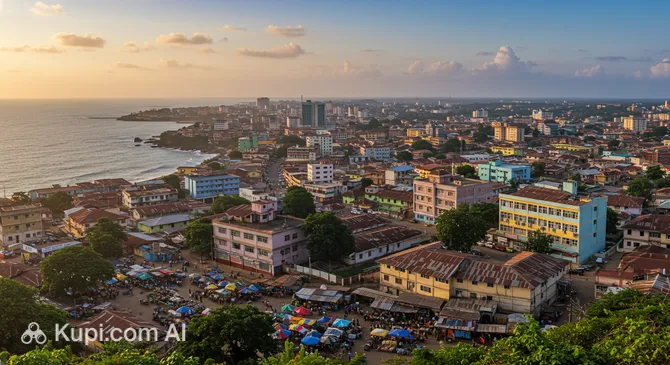
Monrovia. Source: Kupi.com Binoculars

Liberia's nature is strikingly diverse, from dense tropical forests, which are home to rare species of animals and plants, to long sandy beaches perfect for relaxation and surfing. The country has significant reserves of untouched nature, including the Nimba mountain range, part of which is a UNESCO World Heritage Site. The climate here is hot and humid, typical of the equatorial zone.

Liberia attracts travellers with its authenticity, vibrant culture, and the hospitality of its local people. Despite a difficult history, the country is actively developing, offering tourists the chance to get acquainted with its distinctive traditions, music, and crafts. Coastal towns such as Robertsport are famous for their water sports opportunities and relaxed atmosphere. A trip to Liberia promises unforgettable experiences and a deep immersion into West African life.

Currency

The national currency of Liberia is the Liberian dollar, which has the international code LRD. Banknotes often feature portraits of the country's former presidents, alongside images significant to Liberian culture and nature. Coins in various denominations are also in circulation.

It is important for travellers to know that the US dollar (USD) is also legal tender and is widely used across the country. For many transactions, especially larger ones, USD is often the preferred currency. It is advisable to exchange foreign currency for Liberian dollars at official banks or licensed currency exchange points, which are found in Monrovia and other major cities. You should avoid street money changers due to the risk of fraud or receiving an unfavourable exchange rate. The use of credit cards in Liberia is very limited and they are mainly only accepted in major hotels, some restaurants, and supermarkets in the capital. ATMs are also not widely available and can be unreliable. Therefore, it is highly recommended to carry a sufficient amount of cash, in both Liberian dollars and US dollars, particularly when travelling outside of Monrovia.

Visa Requirements

A visa is required for UAE passport holders to enter Liberia for tourism or business. This cannot be obtained on arrival, so travellers must organise their visa in advance through a Liberian embassy or consulate. While some sources indicate an e-visa option may be available, it is most common to apply for a paper or embassy visa, which is a stamp or sticker added to your passport.

To apply for a visa and enter the country, you will need a valid passport with at least six months of validity remaining from your intended date of arrival in Liberia. Other commonly required documents include proof of onward or return travel, hotel booking confirmations, and travel insurance. As visa regulations can change, it is highly recommended to confirm the latest information and application procedures with the Consulate General of Liberia in Dubai before planning your trip. This will help ensure your travel preparations are smooth and without unforeseen difficulties.

We'll tell you if you need a visa

Specify where you are going, or
Your citizenship
Destination

Time Zones

When planning your travels to Liberia, you will not need to worry about adjusting for different time zones within the country. The entirety of Liberia observes a single time zone, Greenwich Mean Time (GMT), which is equivalent to UTC+0. For visitors from the UAE, it is important to note that this is four hours behind Gulf Standard Time (UTC+4).

This means the local time in the capital, Monrovia, is identical to the time in any other part of the country. This consistency simplifies planning your itinerary and scheduling activities throughout your visit to Liberia.

How to Get There

There are several ways to get to Liberia, but the most common and convenient is by air. The country's main international gateway is Roberts International Airport (ROB), located near the capital, Monrovia.

Currently, there are no direct flights from the UAE to Liberia, but travellers can find convenient connecting flights. Options from Dubai (DXB) and Abu Dhabi (AUH) typically involve a single stop in a major African or European hub. Popular airlines for this route include Ethiopian Airlines, with a layover in Addis Ababa, and Royal Air Maroc, with a stop in Casablanca. Other carriers like Qatar Airways and Turkish Airlines also offer flights with connections. The average flight time, including layovers, is approximately 13 hours or more. It is always advisable to check with airlines for the most current routes and schedules, as these can change.

For those who prefer to travel overland, it is possible to enter Liberia from neighbouring countries such as Sierra Leone, Guinea, and Côte d'Ivoire. However, travellers should be aware that road conditions can be unpredictable, and such journeys require more thorough preparation and may involve some challenges. As for sea travel, Liberia's maritime services are primarily focused on cargo. Regular international passenger ferries or cruise ship calls to the country's ports are rare.

Regardless of your chosen mode of transport, it is highly recommended to book your tickets in advance, especially if your trip coincides with the peak tourist season or major holidays. This will not only help you save money but also guarantee your seats on your preferred flights or transport.

For your reference, here is a summary of the main airports:

Airport Name City Passenger Traffic
Roberts International AirportMonroviaMedium
Wissua AirportBopoluLow

Liberia offers travellers both bustling urban centres and tranquil coastal retreats, each with its own unique charm. The country has several key destinations that attract tourists with their history, culture, natural beauty, or recreational opportunities.

Monrovia. Source: Kupi.com Binoculars

The main draw for many is undoubtedly the capital, Monrovia. It is not only the country's administrative and economic hub but also a place where you can immerse yourself in local life, visit lively markets, discover historical landmarks, and feel the energy of a West African city. For enthusiasts of beach holidays and water sports, Robertsport is an excellent choice, known for its superb surfing conditions and picturesque coastlines. The city of Buchanan, an important port, also offers beautiful beaches and serves as a gateway to exploring the country's southeastern regions.

If you are drawn to nature and the opportunity to see unique ecosystems, then the Nimba region, famous for its mountains and biodiversity, is well worth your attention. Each of these cities and regions offers its own distinct experience, allowing travellers to discover the different facets of Liberia.

Top Attractions

Liberia is a country with a unique culture and rich natural beauty, gradually opening up to travellers seeking authentic experiences. Although its tourism sector is still developing, you can already find remarkable places that offer a glimpse into the character of this West African nation. While the list of well-known attractions may not be as extensive as in other countries, Liberia offers its own unique points of interest.

For example, in the capital, Monrovia, one of the notable spots is the Boulevard Palace Hotel. It is valued not only for its comfortable accommodation but also for its restaurant, where guests can enjoy local and international culinary delights. The menu features a dedicated Arabic corner and other dishes suitable for Muslim travellers, ensuring a welcoming dining experience. This place has become a point of attraction for those who want to combine relaxation with gastronomic discoveries in the heart of the city.

Boulevard Palace Hotel. Source: Kupi.com Binoculars

Best Time to Visit

When planning a trip to Liberia, it is important to consider its tropical climate, which has distinct wet and dry seasons. The high season runs from November to April. During this time, the weather is predominantly sunny and dry, making it ideal for visiting beaches such as those in Robertsport or Marshall, and for exploring national parks, for instance, in Nimba County. Roads are more passable during this period, which makes travelling around the country easier. However, you should be prepared for heat and dust, especially away from the coast.

The low season, or rainy season, lasts from approximately May to October. It is characterised by heavy rainfall, high humidity, and frequent thunderstorms. Travel into the country's interior can be difficult due to washed-out roads. Nevertheless, this period has its advantages: nature comes alive, the landscape turns a vibrant emerald green, and there are significantly fewer tourists. Accommodation prices may also be lower. If you decide to visit during this time, be prepared for potential changes to your plans due to the weather. An important event to consider is the celebration of Liberia's Independence Day on 26th July; despite the rainy season, this is a time of vibrant national festivities, especially in the capital, Monrovia.

Overall, the dry season is considered the optimal time to visit Liberia for most tourist activities. However, if you are drawn to the lushness of tropical nature and are not deterred by rain, the shoulder season (for example, October–November, when the rains are subsiding but nature is still fresh) can also offer an interesting experience. The climate is generally similar throughout the country, but coastal areas can be slightly windier and more humid than the central regions.

Traditions

The culture of Liberia is rich and multifaceted, and understanding local customs will make your journey more pleasant and respectful. Greetings play an important role: a handshake is common, often accompanied by a light finger snap at the end in casual situations. Eye contact is valued but should not be too intense, especially when speaking with elders, to whom it is customary to show special respect. Hospitality in Liberia is not just a word but a way of life. Being invited into a home is a great honour. A small gift for the hosts, such as fruit or sweets, will be gratefully received, although it is not obligatory. When communicating, try to be polite and patient; loud conversations or public displays of displeasure are considered poor form.

Regarding clothing, Liberians tend to be quite conservative, especially outside the capital, Monrovia. It is advisable to choose modest attire that covers the shoulders and knees, particularly when visiting villages or religious sites. This is a sign of respect for the local culture. During meals, especially when sharing food, it is customary to eat with the right hand; the left hand is considered unclean for eating. It is also important to wash your hands before a meal. While halal food may be difficult to find outside the capital, it is available in some restaurants and markets in Monrovia. One of the main national holidays is Independence Day, celebrated on 26th July with great fanfare, parades, and cultural events. This is an excellent opportunity to see the country in all its diversity. It is also important to remember that photographing people without their permission is considered impolite – it is always best to ask first.

Entertainment

Liberia offers travellers diverse opportunities for leisure, especially for those who appreciate nature and active pastimes. The country's extensive Atlantic coastline is ideal for watersports enthusiasts, including surfing, particularly in well-known spots like Robertsport, as well as for relaxing beach holidays. The inland areas of Liberia are rich in national parks and nature reserves, for example, in the vicinity of the Nimba mountain range, where you can go hiking and observe the unique local flora and fauna.

Cultural life and the main entertainment options are primarily centred in the capital, Monrovia. Here, tourists can visit the Liberian National Museum to gain a deeper insight into the country's history and traditions, and to see works by local artists and artisans. In the evening, the capital comes alive: numerous restaurants, including establishments like the Boulevard Palace Hotel, and lounges invite you to immerse yourself in the local atmosphere, where live music is often featured. The evening scene offers options for every taste, from quiet dinners to more lively venues, and travellers will find that many establishments can cater to a range of dietary requirements, including halal.

For those who enjoy shopping, Liberia offers the chance to purchase authentic souvenirs and items from local artisans. Traditional vibrant fabrics, known as "country cloth," ritual masks, wooden sculptures, and other handmade crafts are particularly popular. The main places for such purchases are the colourful markets and craft shops found in Monrovia, as well as in other cities such as Buchanan or Gbarnga. Families with children will also find plenty to do: the calm beaches are perfect for relaxation, while educational walks through the country's natural areas will be of interest to both adults and young travellers.

Currency rates

Planning a trip? Excellent! To avoid any financial surprises during your travels, it's important to remember that currency exchange rates are constantly changing. Therefore, we strongly advise you to monitor the latest rates, both before you fly and throughout your trip. You can use the data provided below for this purpose; we monitor currency rates 24/7 and strive to provide the most up-to-date information.

Reached the end of the page?

That means the route is fully explored