Mali is a country in West Africa, striking in its scale and immensely rich historical heritage. Spanning a vast territory where the Sahara Desert meets the savannas of the Sahel region, Mali was once the heart of powerful empires that left behind unique cultural treasures. The country's modern centre is its capital, the bustling city of Bamako, situated on the banks of the Niger River.
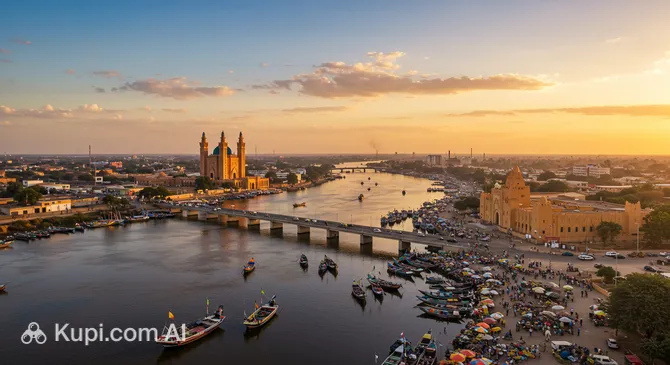
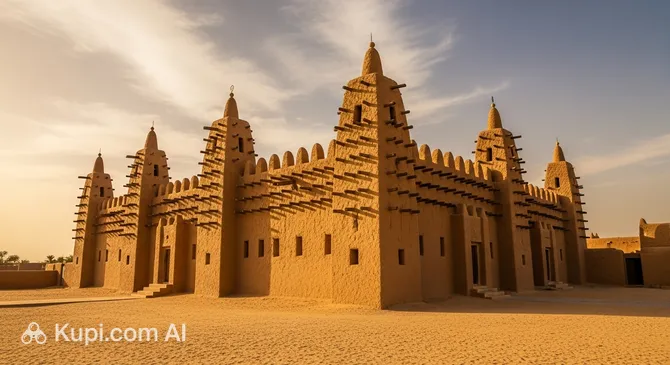
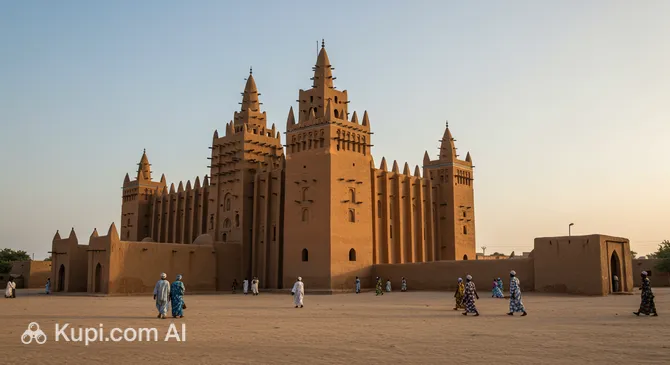
A journey to Mali is an immersion into ancient history and a distinctive culture deeply rooted in Islamic tradition. The country is famed for its legendary cities, such as Timbuktu, once a vital centre of Islamic scholarship and trade, and Djenné, known for its impressive Great Mosque, the largest mud-brick building in the world. Mali's architecture, especially its mud-brick mosques like the famous Djingareyber Mosque in Timbuktu, is recognised as a UNESCO World Heritage Site and attracts those who appreciate authenticity from all over the world. Furthermore, Mali is the homeland of vibrant musical traditions, the sounds of which can be heard everywhere.
For travellers from the UAE, Mali offers a unique opportunity to explore a shared Islamic heritage in a West African context. UAE passport holders can visit Mali visa-free for up to 90 days. Flights from Dubai and Abu Dhabi to Bamako are available on several airlines, typically with one stopover. As Mali is a predominantly Muslim country, halal food is widely available, and prayer facilities are common. When visiting mosques and religious sites, a modest dress code is expected. However, prospective travellers should be aware that several governments, including those of the UK, US, and Australia, currently advise against all or all non-essential travel to Mali due to significant security risks, including terrorism and kidnapping. The security situation is volatile, particularly outside the capital, Bamako. It is crucial to check the latest travel advisories from your government before planning a trip.
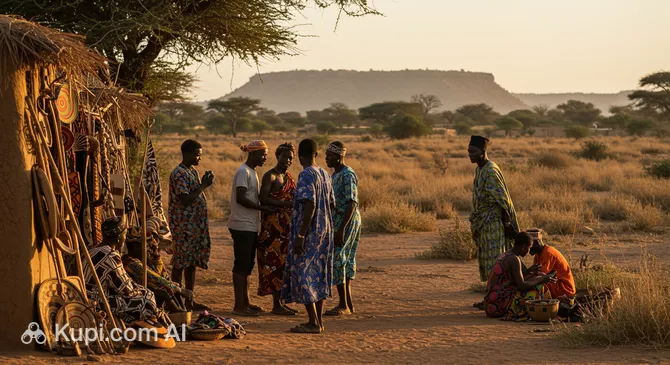
Mali's natural landscape is diverse, from the sand dunes of the Sahara in the north to the fertile lands along the Niger River, which is the country's vital artery. The climate is predominantly hot and dry, especially in the northern regions. The atmosphere of Mali is steeped in the spirit of antiquity, the hospitality of its local people, and a sense of connection to something genuine and timeless. This is a destination for those seeking not just a holiday, but a true adventure and deep cultural immersion.