Support

Benin

Cities in the country

About the Country

Benin, located on the coast of the Gulf of Guinea in West Africa, is a country with a rich history and a distinctive culture. Though small in size, it holds the legacy of the powerful Kingdom of Dahomey and is the birthplace of the Vodun religion, which still plays a significant role in the lives of many Beninese people. An amazing combination of ancient traditions and modern African life awaits travellers here.

The country's economic heart and de facto capital is Cotonou, a bustling port city known for its vast Dantokpa Market. The official capital is Porto-Novo, which offers a calmer atmosphere and interesting architectural monuments from the colonial era. One cannot overlook the unique village of Ganvié, built entirely on stilts on Lake Nokoué and often called the "Venice of Africa".
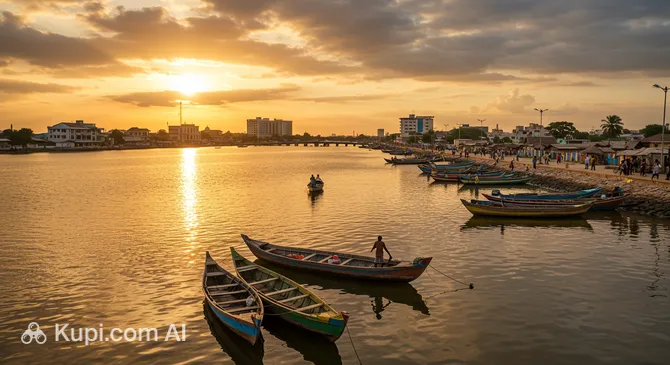
Cotonou. Source: Kupi.com Binoculars

Beyond its cultural treasures, Benin attracts visitors with its diverse nature: from the sandy beaches of the Atlantic Ocean in the south to the savannahs and hilly landscapes in the north, which are home to national parks with rich wildlife. The climate here is tropical, hot, and humid, especially in the coastal area. Benin leaves the impression of a vibrant, authentic country, where every corner is imbued with a spirit of history and the hospitality of its local people, who are ready to share their unique culture.
Currency

The official currency of Benin is the BCEAO CFA franc (international code: XOF). This currency is also used in seven other member states of the West African Economic and Monetary Union (UEMOA). The BCEAO CFA franc is pegged to the Euro at a fixed exchange rate. Banknotes and coins are issued by the Central Bank of West African States (BCEAO) in various denominations, often with designs that reflect the region's cultural and natural heritage.

It is advisable to exchange foreign currency for CFA francs at official banks or licenced exchange offices (bureaux de change), which can be found in major cities like Cotonou and at the airport. You should avoid exchanging money with street vendors due to the risk of receiving counterfeit notes or an unfavourable rate. The easiest currencies to exchange are Euros and US Dollars. While it may be possible to exchange the UAE Dirham at some larger exchange offices in Cotonou, it is recommended to carry Euros or US Dollars for a more straightforward process. The use of credit cards in Benin is not widespread; they are mainly accepted in large hotels, some upmarket restaurants, and major shops in the capital. For most daily expenses, especially outside of large cities and at local markets, carrying a sufficient amount of cash is essential.

Visa Requirements

To visit Benin, citizens of the United Arab Emirates are required to obtain an e-visa before their trip. This electronic visa is for short-term stays, such as tourism or business, and the application process is completed entirely online, which simplifies the procedure. A visa on arrival is not available for UAE citizens.

In addition to an e-visa, you must ensure your passport is valid for at least six months beyond your planned date of entry into Benin. When crossing the border, authorities may also ask for proof of onward or return travel, confirmation of your hotel booking, and valid medical insurance. As visa regulations can change, it is highly recommended to verify the latest information on Benin's official e-visa portal or with the nearest Embassy or Consulate of Benin before planning your travel.

We'll tell you if you need a visa

Specify where you are going, or
Your citizenship
Destination

Time Zones

When planning a trip to Benin, you will not have to worry about changing time zones within the country. The whole of Benin operates on a single time zone – West Africa Time (WAT), which is GMT+1. This means the time is the same in all of the country's cities and regions, including the capital, Cotonou.

For travellers from the UAE, it is useful to know that Benin is 3 hours behind Gulf Standard Time (GMT+4). For example, when it is 12:00 PM in Dubai, it is 9:00 AM in Benin.

This single time zone makes internal travel in Benin exceptionally convenient, as you will not need to adjust your watch or account for time differences when planning meetings or visiting attractions.

How to Get There

When planning a trip to Benin from the UAE, air travel is the most common choice for the majority of travellers. The country's main international gateway is Cotonou Cadjehoun Airport (IATA: COO), located near the economic capital, Cotonou. While there are no direct flights from the UAE, convenient connecting flights are available. Travellers can fly from Dubai and Abu Dhabi with a single stop via major African or European hubs. Popular airlines for this route include Ethiopian Airlines, Turkish Airlines, and Qatar Airways.

For those already travelling within the West African region, reaching Benin by land is a viable option. The country shares land borders with Togo to the west, Nigeria to the east, and Burkina Faso and Niger to the north. International bus and taxi services connect Benin with its neighbours, but it is advisable to confirm current schedules and road conditions in advance. Sea transport, such as ferries or cruise liners, is not a common method of arrival for most international tourists, as the port of Cotonou is primarily focused on cargo.

Regardless of your chosen mode of travel, it is recommended to book your tickets well in advance, especially if your trip coincides with the peak tourist season. This will not only help you secure a better price but also ensure availability on your preferred dates.

For your reference, here is a summary of the main airport:

Airport Name City Passenger Traffic
Cotonou AirportCotonouMedium

Benin offers travellers a kaleidoscope of experiences, from bustling urban centres to unique cultural enclaves and picturesque coastal areas. The country is rich in history and natural beauty, which is reflected in its diverse cities and towns. One of the key hubs is Cotonou, the largest city and economic capital, which pulses with life, offering modern conveniences and access to the Atlantic coast. It serves as the gateway to the country for many visitors and is a convenient starting point for exploring Benin. As a country with a significant Muslim population of about 25-30%, visitors will find mosques in major cities, with the Cotonou Central Mosque being a prominent landmark.

Cotonou. Source: Kupi.com Binoculars

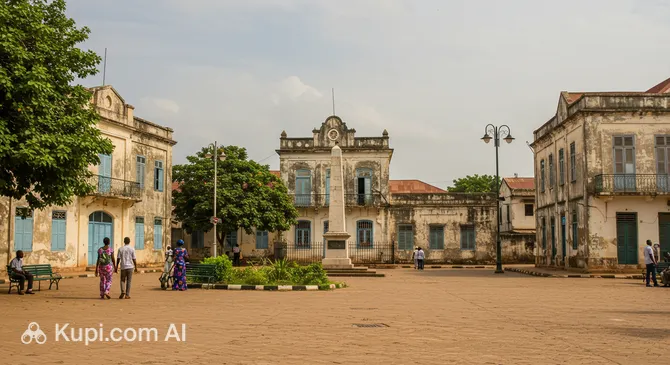
Equally interesting is Porto-Novo, the official capital, which preserves its colonial heritage and offers an insight into the administrative and cultural life of the nation. For those interested in history, a visit to Ouidah is essential. This city has deep historical roots, known for its role in the transatlantic slave trade and as a major centre of the Vodun religion. If you are looking for something truly unique, head to Ganvié – an astonishing village built on stilts, often called the "Venice of Africa," where all life takes place on the water.

Enthusiasts of ancient African kingdoms should visit Abomey, the former capital of the powerful Kingdom of Dahomey, where the royal palaces, a UNESCO World Heritage site, are preserved. Each of these cities, along with other popular destinations like the vibrant Parakou or the scenic Dassa-Zoumé, provides a unique perspective on Benin's rich culture, history, and natural splendour, making a journey through the country both enriching and memorable.

Top Attractions

Benin, a country with a rich history and culture, offers travellers unique experiences. Here, one can find both bustling urban centres and places that preserve the memory of the past. Here are a few key attractions to include in your itinerary.

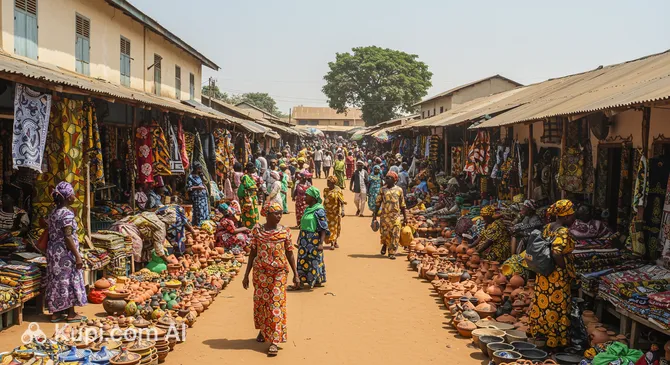
One of the most colourful places in Benin is undoubtedly the Dantokpa Market in Cotonou. It is one of the largest open-air markets in West Africa, where you can find absolutely everything: from fresh produce and vibrant textiles to traditional crafts and Voodoo ritual items. Immersing yourself in the atmosphere of this market is a real adventure and an opportunity to feel the pulse of local life.

Dantokpa Market. Source: Kupi.com Binoculars

For those interested in history and architecture, a visit to the Red Star Square (Place de l'Étoile Rouge) in Cotonou is a must. This is a landmark with a monumental composition in its centre, reflecting a significant period in the country's history. The square often hosts various events and is an important point on the city map.

Red Star Square. Source: Kupi.com Binoculars

Another place connected with historical memory is the Place of Remembrance (formerly Martyrs' Square). Also located in Cotonou, it serves as a reminder of important events in Benin's history and is a place to honour the fallen. It is a quiet and meaningful space for reflection.

Place of Remembrance (formerly Place of the Martyrs). Source: Kupi.com Binoculars

If you are travelling with family or simply want to relax in nature, visit the Calavi Holy Land Park. This amusement park offers various attractions and green areas for recreation, where you can have a pleasant time and enjoy a more tranquil atmosphere.

Holy Land Park Calavi. Source: Kupi.com Binoculars

Best Time to Visit

The best time to visit Benin is during the dry season, which typically lasts from November to February. During this period, the weather is most comfortable for travelling: it is sunny, with less rain and moderate humidity, especially in the south of the country. This is an ideal time to explore cultural attractions and visit national parks like Pendjari, where wildlife is easier to spot. However, it is worth noting that this is also the high season, so there may be more tourists, and prices for accommodation and services could be slightly higher.

The low season in Benin coincides with the rainy seasons. The south of the country has two: the main one from April to July and a shorter one from September to October. The northern regions experience a single long rainy season from May to September. Although the rain can make travelling on some roads difficult and the weather more hot and humid, this time has its advantages: nature comes alive with lush greenery, there are significantly fewer tourists, and prices can be more attractive. However, some tourist sites or roads may be temporarily inaccessible, particularly in remote areas.

Of particular interest to travellers is the annual Voodoo Festival (Fête du Vodoun), which takes place on the 10th of January, with the most vibrant celebrations held in the city of Ouidah. If you are planning a trip around this date, it is highly recommended to book accommodation and transport in advance. Overall, for most activities and a comfortable introduction to the country, the dry season is recommended. Before travelling to the northern regions, especially in the transitional months, it is wise to check the weather conditions, as the climate there differs somewhat from the coastal part of Benin.

Traditions

The culture of Benin is rich and multifaceted, and showing respect for local customs will make your journey more enjoyable. Greetings play an important role; it is customary to shake hands (usually with the right hand) and enquire about the other person's wellbeing, with elders being greeted first. Beninese people are renowned for their hospitality; if you are invited into a home, refusing a refreshment may be considered impolite. A small gift for the hosts, such as fruit or sweets, is a thoughtful gesture, although not obligatory. Always ask for permission before photographing people, and avoid loud behaviour or public criticism, as this can be perceived negatively.

In daily life, especially outside major tourist areas and when visiting religious sites (such as churches, mosques, or traditional Voodoo shrines), it is advisable to wear modest clothing in Benin that covers the shoulders and knees. At the table, particularly if you are eating traditional dishes with your hands as is often the custom, it is important to use only your right hand, as the left hand is considered unclean in many local cultures, a practice that may be familiar to those accustomed to Islamic etiquette. Key cultural events include the National Voodoo Day on 10 January, a unique and colourful festival that showcases the country's deep-rooted traditional beliefs, and Independence Day on 1 August, which is celebrated nationwide. Understanding and respecting these traditions will help you to immerse yourself more deeply in the authentic atmosphere of Benin and build warm relationships with its people.

Entertainment

Benin, a country with a rich cultural heritage and picturesque nature, offers travellers a diverse range of entertainment. Here, you can find activities to suit any taste, from outdoor adventures in nature to immersing yourself in unique local traditions and city life.

For lovers of outdoor activities, Benin provides opportunities to explore national parks, where you can observe wildlife, or enjoy the beauty of the Atlantic coast. The country's cultural programme is equally rich: guests can visit historical museums and discover the traditional art, music, and dance that are an integral part of Beninese identity. Of particular interest are the local festivals and ceremonies, which offer a deeper understanding of unique traditions, including the rich heritage of Vodun. In cities such as Porto-Novo or Abomey, you can find numerous historical monuments and learn more about the country's past.

Evening entertainment and shopping are mainly concentrated in the larger cities, especially in Cotonou. Here, you will find a variety of restaurants offering both local and international cuisine, with many providing halal options for Muslim visitors. You will also find cafes and lounges where you can relax after a busy day. For those seeking authentic souvenirs, Benin is a true paradise. Local markets, such as the famous Dantokpa Market in Cotonou, are filled with handcrafted items: bronze statuettes, carved wooden masks, vibrant fabrics, and unique jewellery. While Benin does not have large theme parks, families with children can enjoy educational excursions, nature discovery, and cultural activities, making the trip unforgettable.

Currency rates

Planning a trip? That's wonderful! To ensure the financial side of your journey doesn't come as a surprise, it is important to remember that currency exchange rates are constantly changing. Therefore, we strongly advise monitoring the current rates both before you fly and throughout your trip. To do so, you can use the data provided below — we monitor exchange rates 24/7 and strive to provide the most up-to-date information.

XOF currency exchange rate as of 02.01.2026

1 AED
~ 151.31 XOF
1 AMD
~ 1.46 XOF
1 AUD
~ 370.86 XOF
1 AZN
~ 326.88 XOF
1 BYN
~ 189.02 XOF
1 CAD
~ 404.81 XOF
1 EUR
~ 652.90 XOF
1 GBP
~ 748.70 XOF
1 HUF
~ 1.70 XOF
1 INR
~ 6.17 XOF
1 KGS
~ 6.35 XOF
2.60 KRW
~ 1 XOF
1 KZT
~ 1.10 XOF
1 PLN
~ 154.80 XOF
1 RUB
~ 7.05 XOF
1 SAR
~ 148.16 XOF
1 SGD
~ 432.24 XOF
1 TRY
~ 12.94 XOF
1 UAH
~ 13.14 XOF
1 USD
~ 555.57 XOF
21.62 UZS
~ 1 XOF

Reached the end of the page?

That means the route is fully explored