Support

Ivory Coast

About the Country

Côte d'Ivoire, located on the picturesque coast of West Africa, entices travellers with its unique blend of tropical nature, rich cultural heritage, and dynamic modern life. This country, also known as the Ivory Coast, offers a remarkable variety of experiences, from bustling urban centres like the economic capital Abidjan, to the tranquil beaches of the Atlantic Ocean.
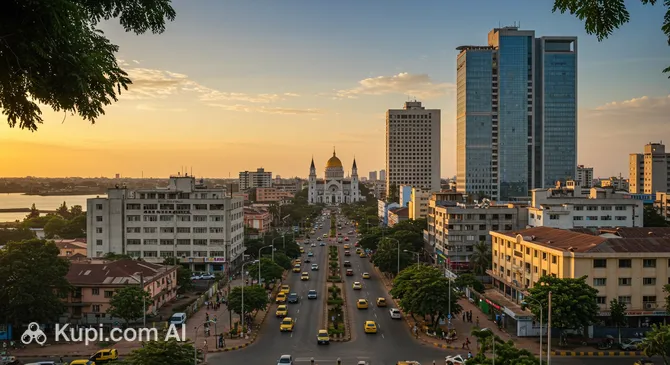
Abidjan. Source: Kupi.com Binoculars

The nature of Côte d'Ivoire is strikingly diverse: here you can find dense, humid tropical forests, such as Banco National Park, as well as savannas and magnificent sandy beaches. The country's climate is equatorial in the south and tropical in the north, ensuring warm weather year-round, perfect for exploring both its natural beauty and cultural treasures. The historic town of Grand-Bassam, a former French colonial capital, is a UNESCO World Heritage site that charms visitors with its architecture and atmosphere.

The cultural mosaic of Côte d'Ivoire, comprising over 60 ethnic groups, is vividly reflected in its music, dance, art, and traditions. The political capital, Yamoussoukro, is astonishing for its grand structures, most notably the famous Basilica of Our Lady of Peace, one of the largest Christian churches in the world. The overall atmosphere in the country is welcoming and vibrant, offering tourists an unforgettable experience of authentic West African culture.
Currency

The official currency of Ivory Coast is the BCEAO CFA franc (West African CFA franc), which has the international code XOF. This currency is used in the eight countries of the West African Economic and Monetary Union. Banknotes of various denominations are in circulation, often featuring cultural symbols and fauna significant to the region. Coins are also widely used for smaller transactions.

It is recommended to exchange foreign currency for CFA francs at official banks or licensed exchange offices, which can be found in major cities like Abidjan and at the airport. Avoid exchanging money with street vendors, as this can carry a risk of fraud or an unfavourable exchange rate. Credit cards, mainly Visa and Mastercard, are accepted in large hotels, some restaurants, and supermarkets in the capital and other tourist centres. However, for daily expenses, especially in smaller towns and at markets, it is preferable to have cash on hand. ATMs are also available, but their concentration is higher in major urban areas.

Visa Requirements

To visit Côte d'Ivoire, citizens of the United Arab Emirates and residents of all nationalities must obtain a visa prior to travel. The most convenient option is the electronic visa (e-Visa), which can be applied for online. The e-Visa is typically valid for 90 days from the date of issue and permits a single entry into the country. Upon arrival at Abidjan's Port Bouet Airport, you will complete the process with biometric enrolment.

In addition to a visa, you must have a valid passport with at least six months of validity remaining from your date of arrival to enter the country. It is also recommended to carry copies of your return flight tickets, proof of hotel booking, and a medical insurance certificate. A Yellow Fever vaccination certificate is also a mandatory requirement for entry. As visa regulations can change, we strongly advise checking the most current information on official government websites or with authorised visa centres before your trip.

We'll tell you if you need a visa

Specify where you are going, or
Your citizenship
Destination

Time Zones

When planning your trip to Ivory Coast, you will not need to worry about changing time zones within the country. The entire nation operates on a single time zone.

It is set to Greenwich Mean Time (GMT), or UTC+0. For travellers from the UAE, please note that the time in Ivory Coast is four hours behind Gulf Standard Time (UTC+4). This consistency means the time in Abidjan is the same as in any other part of the country, simplifying the planning of your itinerary and activities.

How to Get There

The easiest way to get to Côte d'Ivoire is by air. The country's main international air hub is Félix-Houphouët-Boigny Airport, located in Abidjan. For travellers from the UAE, Emirates offers flights from Dubai to Abidjan. Other options are available with convenient connections through various African and Middle Eastern hubs. Direct flights are also available from many major European and African cities for travellers from other parts of the world. It is recommended to check the current schedule and flight availability with the airlines.

For those who prefer overland travel or combined routes, Côte d'Ivoire shares land borders with several neighbouring countries, such as Ghana, Liberia, Guinea, Mali, and Burkina Faso. International bus services may connect Abidjan and other cities with destinations in these countries; however, it is advisable to check visa requirements and border crossing security in advance. Sea transport mainly consists of cargo ports, and passenger ferries or cruise liners are not a primary means of arrival for most tourists. Regardless of the chosen method, we advise booking tickets in advance, especially if your trip falls during the peak tourist season, to secure the best prices and availability.

For clarity, here is a summary of the main airports:

Airport Name City Passenger Traffic
Félix-Houphouët-Boigny AirportAbidjanLarge
San-Pédro AirportSan-PédroMedium
Bouaké AirportBouakéSmall
Man AirportManSmall
Korhogo AirportKorhogoSmall

Ivory Coast offers travellers a kaleidoscope of experiences, from dynamic metropolises to serene resort towns on the Atlantic coast. The country's economic and cultural heart is undoubtedly Abidjan. This bustling city impresses with its contrasts, where modern skyscrapers stand alongside colourful traditional markets, and the fast pace of business gives way to a relaxed atmosphere along its waterfronts. As a major city, it offers numerous halal dining options and prominent mosques for prayer.

Abidjan. Source: Kupi.com Binoculars

For those dreaming of a beach holiday steeped in history, Ivory Coast has gems such as Grand-Bassam. The former capital of the French colony, this city is a UNESCO World Heritage site, attracting visitors with its colonial architecture and beautiful, family-friendly beaches. Another important coastal city is San-Pédro, known for its major port and also offering opportunities for relaxation by the ocean.

The nation's political capital, Yamoussoukro, offers a completely different experience. This grandly planned city is most famous for the Basilica of Our Lady of Peace, one of the largest churches in the world, and other impressive modern structures. When visiting religious sites, guests are advised to dress modestly, ensuring shoulders and knees are covered, as a sign of respect. Each of these destinations reveals a unique side of Ivory Coast, inviting you to explore its rich heritage and natural beauty.

Top Attractions

Ivory Coast, a country of contrasts and rich culture, offers travellers a host of fascinating places. From majestic religious buildings to pristine nature, there is something for everyone here. As a destination with a significant Muslim population, visitors from the UAE will find a welcoming atmosphere. Halal food is widely available in major cities, and mosques for prayer are common throughout the country. Let's explore some of the most iconic attractions of this West African gem.

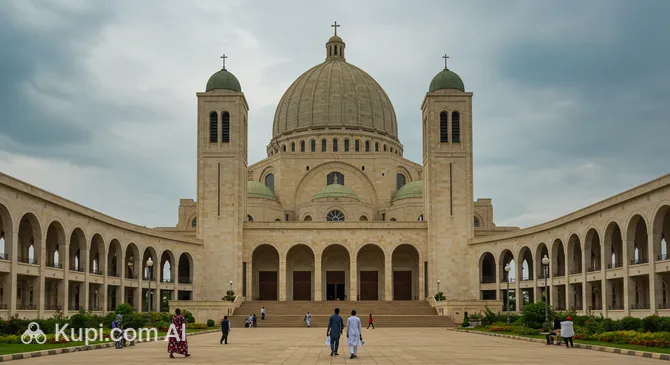
One of the most impressive landmarks is the Basilica of Our Lady of Peace in Yamoussoukro. It is one of the largest Christian places of worship in the world, astounding visitors with its scale and magnificent architecture. Its dome is visible from afar, and the interior decor and stained-glass windows leave a lasting impression. As a sign of respect, visitors are advised to dress modestly when entering this sacred site, ensuring shoulders and knees are covered.

Basilica of Our Lady of Peace. Source: Kupi.com Binoculars

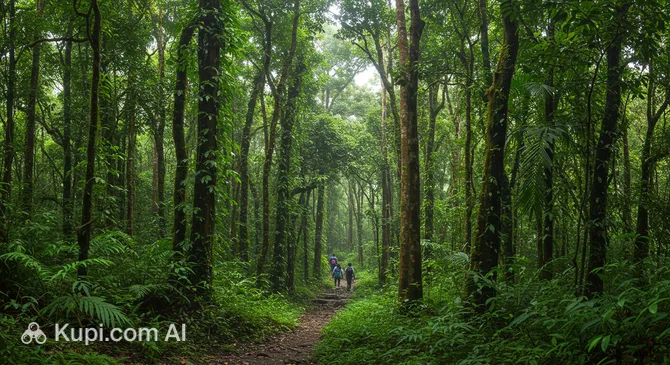
For nature and ecotourism enthusiasts, a visit to Banco National Park, located near Abidjan, is a must. This ancient tropical forest is a true oasis of tranquillity, where you can stroll along shaded paths, observe monkeys and a variety of birds, and learn more about the local flora.

Banco National Park. Source: Kupi.com Binoculars

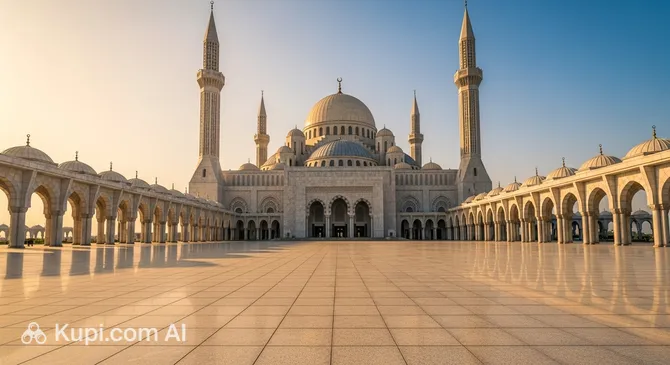
Another significant religious building, this time a Muslim one, is the Great Mosque of Yamoussoukro. This beautiful structure with its elegant minarets is an important spiritual centre and an architectural landmark in the city, reflecting the country's cultural diversity. To respect local customs, visitors should dress modestly, with arms and legs covered. Women may also be asked to wear a headscarf.

Yamoussoukro Grand Mosque. Source: Kupi.com Binoculars

If you are dreaming of a beach holiday, the San-Pédro beach resort offers excellent opportunities for relaxation. Located in the port city of the same name, it attracts tourists with its sandy beaches and options for water sports, allowing you to enjoy the Atlantic Ocean coastline.

Beach Resort San Pedro. Source: Kupi.com Binoculars

Best Time to Visit

The best time to visit Côte d'Ivoire largely depends on your plans and preferences. Generally, the high season falls during the dry periods. For the southern coastal regions, including cities like Abidjan and Grand-Bassam, these are the months from December to April, and also during a short dry season from August to September. During this time, sunny, hot, and humid weather prevails, which is ideal for beach holidays and sightseeing. The northern regions of the country also experience a dry season from November to March; however, the dry and dusty Harmattan wind can blow during this period. The advantages of this period include comfortable conditions for travel and outdoor activities, but it is worth considering a potential increase in tourists and higher prices for services.

The low season, or off-season, coincides with the rainy seasons. In the south, these are the periods from May to July (the main rainy season) and from October to November (the short rainy season). In the northern part of the country, the rains last from April to October. Although there are fewer tourists and prices may be lower, you should be prepared for frequent and sometimes heavy downpours, which can make travel difficult and limit certain activities. The landscapes become particularly lush and green during the rainy season. When planning your trip, it is also worth paying attention to local festivals, such as the famous Fêtes des Masques (Festival of Masks), which takes place in various regions, often in February, and can be a vibrant addition to your journey. Given the climate differences between the south and the north, it is advisable to check the weather conditions for the specific regions you plan to visit.

Traditions

When travelling to Côte d'Ivoire, it is important to be mindful of local cultural customs to ensure your journey is smooth and leaves you with pleasant memories. Greetings are an important ritual here. This usually involves a handshake with the right hand (as the left is considered unclean), often accompanied by questions about one's health and family. It is customary to greet everyone present, starting with the elders. Ivorians are very hospitable, and refusing offered refreshments can be seen as impolite. If you are invited into someone’s home, bringing a small token gift, such as fruit or sweets, is a thoughtful gesture, although not strictly required.

In daily life, Ivorians appreciate modest attire, particularly outside the cosmopolitan city of Abidjan and when visiting religious sites like mosques and churches; try to ensure your shoulders and knees are covered. According to the 2021 census, Islam and Christianity are the two main religions in the country, with 42.5% of the population identifying as Muslim and 39.8% as Christian. Meals are often eaten by hand, using only the right hand; if you are offered cutlery, it is perfectly acceptable to use it. Do not be surprised if your host insists on offering you more food – this is a sign of hospitality. To avoid causing offence, refrain from taking photographs of people without their permission, keep your voice down in public places, and always show respect to your elders. One of the main national holidays is Independence Day (7th August), which is celebrated with great enthusiasm. Remember that patience and a smile will help you connect with people and better understand this fascinating country.

Entertainment

Côte d'Ivoire offers diverse opportunities for leisure and entertainment, catering to the tastes of many different travellers. Fans of active pursuits will appreciate the Atlantic coast, with its beaches suitable for water sports, as well as national parks like Banco National Park, where you can go hiking and observe nature. For those interested in culture, the country provides an introduction to traditional art, music, and dance. In the cities, particularly in Abidjan, you can find museums and galleries that showcase both the contemporary and historical heritage of the country.

Evening entertainment is most vibrant in major cities such as Abidjan and Cocody. Here you will find numerous lounges and restaurants offering local and international cuisine, with many establishments providing halal options. There are also nightclubs where you can dance to lively African rhythms. Some venues, such as Pam's Plus or Prestige Lounge Bar, provide a special atmosphere for an evening out. Shopping in Côte d'Ivoire is an opportunity to purchase unique souvenirs: traditional masks, items made of wood and bronze, batik, and colourful fabrics. Local markets and craft shops are filled with authentic goods, while for a more modern shopping experience, you can visit shopping centres like Cap Sud Mall in Abidjan or COSMOS Yopougon. Prayer facilities are often available in larger establishments, and a mosque is located near Cap Sud Mall.

Families with children will also find plenty to do in Côte d'Ivoire. Besides relaxing on the beaches, many hotels and resort areas offer entertainment for younger guests. A visit to the nature parks can be an exciting adventure for the whole family. Overall, the country provides a hospitable atmosphere and a variety of leisure options, from the peaceful contemplation of nature to active urban entertainment.

Currency rates

Planning a trip? That's wonderful! To ensure the financial aspects of your journey do not come as a surprise, it is important to remember that currency exchange rates are constantly changing. Therefore, we strongly advise you to track the latest rates both before your departure and throughout your trip. You can use the data provided below for this purpose; we monitor currency rates 24/7 and strive to provide the most up-to-date information.

XOF currency exchange rate as of 02.01.2026

1 AED
~ 151.31 XOF
1 AMD
~ 1.46 XOF
1 AUD
~ 370.86 XOF
1 AZN
~ 326.88 XOF
1 BYN
~ 189.02 XOF
1 CAD
~ 404.81 XOF
1 EUR
~ 652.90 XOF
1 GBP
~ 748.70 XOF
1 HUF
~ 1.70 XOF
1 INR
~ 6.17 XOF
1 KGS
~ 6.35 XOF
2.60 KRW
~ 1 XOF
1 KZT
~ 1.10 XOF
1 PLN
~ 154.80 XOF
1 RUB
~ 7.05 XOF
1 SAR
~ 148.16 XOF
1 SGD
~ 432.24 XOF
1 TRY
~ 12.94 XOF
1 UAH
~ 13.14 XOF
1 USD
~ 555.57 XOF
21.62 UZS
~ 1 XOF

Reached the end of the page?

That means the route is fully explored