Support

San Pedro

About

Welcome to San Pedro, a vibrant coastal city that serves as a crucial economic hub and a gateway to stunning natural landscapes. As the second-largest port in Ivory Coast, this bustling metropolis combines the energetic rhythm of international trade with the relaxed atmosphere of seaside living. It is a place where industrial significance meets the beauty of the Atlantic coast, offering visitors a unique perspective on the country's development and culture.

Located in the Bas-Sassandra District in the southwestern part of the nation, the city enjoys a tropical climate with warm temperatures year-round. With a population of approximately 390,000 residents, it is a major urban center that continues to grow. The transformation from a small village to a major economic powerhouse began with the construction of its deep-water port in the late 1960s, a project that fundamentally shaped the modern history of San Pedro and defined its character.
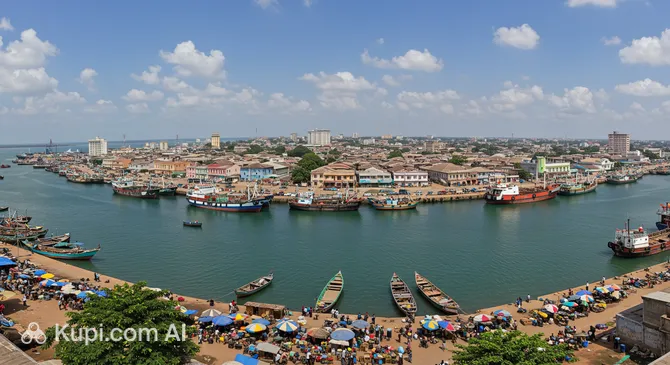
San Pedro. Source: Kupi.Binoculars

Travelers are drawn to San Pedro not just for business, but for its proximity to some of the region's most beautiful natural attractions. The city is famous for its lively beaches where locals and tourists alike gather to enjoy the ocean breeze and fresh seafood. It also serves as the perfect base for visiting the pristine shores of nearby Grand-Béréby or embarking on an adventure to the renowned Taï National Park, one of the last remaining primary rainforests in West Africa.

Whether you are interested in exploring bustling markets, relaxing by the sea, or discovering the rich biodiversity of the surrounding forests, San Pedro offers a dynamic and welcoming environment. We invite you to experience the warmth and energy of this key Ivorian city on your next journey.

Weather Overview

San Pedro enjoys a warm tropical climate year-round, making it a destination where the temperature remains comfortable for seaside activities. The weather in San Pedro is characterized by stability, with average temperatures typically ranging from lows of around 23°C to highs just above 30°C. The warmest period generally occurs from January to April, where daily maximums can reach nearly 31°C, while July and August are slightly cooler, with averages hovering around 25°C.

Travelers should be prepared for frequent precipitation patterns, as the region records a high number of wet days across all seasons. October is often the most active month, seeing rain on up to 30 days, while the beginning of the year is somewhat drier, though still experiencing around 19 wet days per month. Despite the frequency of these wet days, the warm temperatures ensure that the climate remains inviting for visitors looking to explore the coast.

Interesting Facts

Beyond its industrial hustle, San Pedro holds fascinating stories of rapid transformation and global influence. This coastal powerhouse is more than just a port; it is a city defined by chocolate, nature, and ambitious planning.
  • San Pedro is often hailed as the "Cocoa Capital of the World." As the primary export hub for the globe's top cocoa producer, the port handles an immense volume of beans, often filling the surrounding air with the faint, distinctive aroma of raw chocolate.

  • Unlike many historic settlements in the region, this city is a marvel of modern planning. Until the late 1960s, it was merely a small fishing village; its transformation into the country's second economic lung was a deliberate and massive infrastructure initiative designed to unlock the potential of the southwest.

  • The city serves as the ultimate gateway to the wild. It is the primary jumping-off point for expeditions into the Taï National Park, a UNESCO World Heritage site that protects one of the last remaining primary rainforests in West Africa and is home to the rare pygmy hippopotamus.

  • While the port dominates the economy, the coastline offers a serene escape. The littoral zone, including the area around the Beach Resort San Pedro, is celebrated for its pristine sands and is part of a region often compared to the most beautiful bays on the continent.

Beach Resort San Pedro. Source: Kupi.Binoculars

How to Get There

Reaching this coastal city is relatively straightforward, with options suiting different travel preferences and time constraints. Whether you prefer a quick flight or a scenic drive along the coast, the journey offers a glimpse into the region's landscape. For a detailed breakdown of all available routes and transport modes, you can read more about how to get to San Pedro.

The fastest and most convenient way to arrive is by air. The city is served by its own domestic hub, San Pedro (SPY), which is located just 2.8 km from the city center. This airport plays a vital role in connecting the southwestern region with Abidjan, facilitating both business and leisure travel. While it is a smaller facility compared to international hubs, it handles a steady flow of passengers. Once you land, the journey to the downtown area is very short; a taxi ride typically takes around 5 to 10 minutes, allowing you to settle in quickly.

For clarity, here is a summary of the main airports:

Airport Name City Passenger Traffic Km from City
San Pedro San Pedro Medium 2.8

Currently, there are no railway stations serving San Pedro directly, as the national rail network does not extend to the southwestern coast. Consequently, travelers who do not fly usually arrive by road. Regular bus services and shared taxis connect the city with Abidjan and other major towns, offering a more economical way to travel. The coastal drive can be quite picturesque, though visitors should check current road conditions and travel times before setting out.

Main Attractions

San Pedro offers a fascinating blend of industrial energy and tropical serenity, making it a unique destination on the Ivorian coast. While the city is primarily known as an economic powerhouse, it also boasts access to some of the country's most spectacular natural landscapes. From relaxing seaside resorts to dense primary rainforests, the area provides diverse experiences for travelers looking to explore the southwestern region.

One of the most prominent spots for relaxation within the city is the Beach Resort San Pedro. Located along the Atlantic shoreline, this area allows visitors to unwind by the ocean while enjoying the convenience of nearby amenities. It is a popular gathering place where the rhythm of the waves provides a refreshing counterpoint to the bustling activity of the port city, offering a comfortable setting for sunbathing and enjoying fresh local cuisine.

For nature enthusiasts, San Pedro serves as the ideal gateway to the magnificent Taï National Park. As one of the last remaining primary rainforests in West Africa and a UNESCO World Heritage site, it offers an unforgettable adventure into the wild. The park is renowned for its rich biodiversity, including chimpanzees and the elusive pygmy hippopotamus. Guided tours starting from the region allow visitors to immerse themselves in this ancient ecosystem, observing rare flora and fauna in their natural habitat.

Just a short drive west of the city lies the coastal paradise of Grand-Béréby. Often considered to have some of the most beautiful beaches in the country, this area is famous for the "Bay of Sirens" and the pristine sands of Monogaga. The calm, clear waters here are perfect for swimming and snorkeling, offering a tranquil escape from the urban environment. The scenic drive along the coast to reach these secluded spots is an attraction in itself, showcasing the lush greenery and rugged cliffs of the Ivorian littoral.

Within the city limits, Balmer Beach stands out as a local favorite. It is a lively spot where the community comes together, especially on weekends. Visitors can watch local fishermen bring in their daily catch, play beach soccer, or simply enjoy a cold drink at one of the rustic beach bars known as "maquis." This beach captures the authentic spirit of San Pedro, blending the daily life of its residents with the natural beauty of the Atlantic coast.

Local Cuisine

The culinary scene in San Pedro is a vibrant reflection of its coastal geography, making it a true paradise for seafood enthusiasts. The city's gastronomy is centered around the daily catch from the Atlantic, blended with traditional Ivorian spices and cooking techniques. Dining here is not just about sustenance; it is a flavorful journey that highlights the freshness of local ingredients, from the ocean depths to the surrounding tropical plantations.

A visit to San Pedro is incomplete without trying the iconic Poisson Braisé (grilled fish). Freshly caught fish, such as carp or grouper, is marinated in a savory spice blend and grilled over open charcoal, resulting in a smoky and tender delight. This dish is traditionally served with Attiéké, a fermented cassava semolina that serves as the national side dish. The meal is typically garnished with a fresh salad of onions and tomatoes, and for those who enjoy heat, a side of spicy pepper sauce is essential. Another beloved staple is Alloco, sweet fried plantains that are perfect as a snack or a side to savory dishes.

Beyond grilled items, the region is famous for its rich stews. Kedjenou is a spicy, slow-cooked stew prepared in a sealed clay pot to lock in the aroma, often featuring chicken or fish with vegetables. Sauce Graine, a thick soup made from palm fruit extract, is another hearty option, usually eaten with Foutou (pounded yam or banana). These dishes offer a deep dive into the comforting and robust flavors that define West African home cooking.

To complement these meals, locals enjoy a variety of refreshing drinks. Bissap, a deep red juice made from hibiscus flowers, and Gnamankoudji, a spicy ginger juice, are perfect non-alcoholic options to cool down in the tropical weather. For a taste of tradition, adventurous travelers might try Bandji, or palm wine, a natural alcoholic beverage tapped from palm trees. It is best consumed fresh and offers a unique, slightly sweet, and yeasty taste.

The best places to experience this food culture are the local Maquis—informal, open-air eateries that pulse with life and music. These spots offer an authentic vibe where you can eat with your hands and mingle with residents. For those seeking a dining experience accompanied by the sound of the waves, the restaurants located within the Beach Resort San Pedro area provide excellent seafood platters in a more serene, seaside setting.

Travel Tips

Visiting San Pedro offers a unique opportunity to experience the industrial heartbeat of Ivory Coast alongside its relaxing coastal charm. To help you navigate the city with ease and make the most of your stay, we have compiled a list of practical tips designed to ensure a smooth and enjoyable journey.

  1. Clothing and Gear: Given the tropical climate, lightweight and breathable fabrics like cotton or linen are essential to stay cool. Since rain can occur frequently, especially in October and the mid-year months, packing a compact umbrella or a light raincoat is highly recommended. Comfortable walking shoes are best for exploring the city, while sturdy sandals are perfect for the beaches. If you plan to visit religious sites, remember to dress modestly, covering your shoulders and knees.

  2. Transportation: The most convenient way to get around San Pedro is by taxi. You will see orange or differently colored taxis; it is customary to negotiate the fare before starting your ride, as meters are rarely used. For longer excursions, such as visiting the beaches at Grand-Béréby, hiring a private car with a driver is often the safest and most comfortable option. Public buses exist but can be crowded and confusing for first-time visitors.

  3. Finances: The local currency is the West African CFA Franc (XOF). While upscale hotels and some major restaurants may accept credit cards (Visa is more common than Mastercard), cash is king in San Pedro. You will need small bills for taxis, local markets, and maquis (local eateries). ATMs are available in the city center near bank branches, but it is wise to withdraw sufficient cash during the day. Tipping is not mandatory but is appreciated; leaving loose change or about 5-10% for good service is a kind gesture.

  4. Health and Safety: As in much of the region, malaria is a concern, so carrying and using a strong insect repellent is crucial, especially in the evenings. Drink only bottled or filtered water. Pharmacies are generally well-stocked and marked with a green cross; look for a "pharmacie de garde" for after-hours needs. San Pedro is generally safe, but exercise standard precautions: avoid walking alone in poorly lit areas at night and keep valuables secure.

  5. Communication: The official and most widely spoken language is French. English is not commonly spoken outside of major hotels or international business circles. Learning a few basic phrases like "Bonjour" (Good morning) and "Merci" (Thank you) will go a long way. For mobile data, purchasing a local SIM card from providers like Orange, MTN, or Moov is easy and affordable; you will just need your passport for registration.

  6. Local Etiquette: Greetings are extremely important in Ivorian culture. Always say "Bonjour" or "Bonsoir" and ask how someone is doing before launching into a question or request. When shaking hands or handing something to someone, always use your right hand, as the left is considered reserved for hygiene purposes. Being polite and patient is key to positive interactions with locals.

  7. What to Avoid: Strictly avoid taking photographs of government buildings, military personnel, police officers, or the port infrastructure. This is considered a security risk and can lead to serious trouble with the authorities. Always ask for permission before taking photos of local people.

  8. Dining Tip: Do not miss the experience of eating at a traditional Maquis. These open-air restaurants are the heart of social life in San Pedro. For the freshest meal, arrive around lunch time when the catch of the day is brought in. It is common to eat grilled fish and attiéké with your hands, so don't be afraid to dive in like a local!

By keeping these practicalities in mind, you will be well-prepared to embrace the warmth and vibrancy of San Pedro. Whether you are here for the bustling markets or the serene beaches, a little local knowledge will ensure your adventure is as relaxing as it is memorable.

Entertainment & Nightlife

As the sun sets over the Atlantic, San Pedro shifts from a busy industrial port to a lively hub of evening entertainment. The nightlife here is distinct from the frantic pace of Abidjan; it is more relaxed, breezy, and heavily influenced by the city's coastal location and diverse population of locals, expatriates, and sailors. Whether you are looking for a quiet drink by the ocean or a vibrant dance floor, the city offers a welcoming atmosphere for night owls.

The heartbeat of San Pedro's nightlife is undoubtedly the Balmer district. This area is famous for its concentration of bars, restaurants, and open-air lounges. It is the place to be on Friday and Saturday nights, where the streets come alive with music ranging from Ivorian Coupé-Décalé and Zouglou to international pop. The crowd is a friendly mix, and the dress code is generally smart-casual. While shorts are acceptable at beach bars, long trousers and a nice shirt are better suited for indoor clubs.

For a sophisticated yet laid-back evening, the Beach Resort San Pedro is a top choice. Located right on the waterfront, it offers a serene setting where you can enjoy a cocktail while listening to the waves crashing against the shore. It is an ideal spot for starting your night with a sunset dinner before heading to more energetic venues. Another staple of the local scene is visiting an allocodrome, a type of bustling open-air food court found in many Ivorian cities. Here, you can sample grilled meats and local snacks in a vibrant, authentic setting that captures the true spirit of Ivorian conviviality.

If you prefer a more "local" experience, dive into the culture of the Maquis. These open-air eateries turn into lively bars at night, serving large bottles of beer and playing loud music. They are scattered throughout the city, particularly in the Cité area, and offer a great way to mingle with residents. The atmosphere is unpretentious, loud, and incredibly fun.

While San Pedro is primarily known for its nature and nightlife, daytime entertainment options are more modest. The city lacks large amusement parks or major museums, but visitors can explore local artisan markets or take cultural walks through the older fishing neighborhoods. The focus of leisure here remains heavily tied to the outdoors and the beach lifestyle.

Practical Nightlife Tips:

  • Safety: San Pedro is generally safe, but it is wise to avoid walking alone on the beach after dark. Stick to well-lit streets in the Balmer district.
  • Transport: The best way to get around at night is by taxi. They are plentiful and affordable. It is recommended to have your hotel or restaurant call a trusted driver for you late at night.
  • Timing: The party starts late. Most bars fill up around 10:00 PM, and nightclubs often don't get busy until after midnight.
  • Prices: Entertainment is relatively affordable. A beer in a maquis costs very little, while cocktails in hotel bars or clubs will be priced at international standards.

Parks & Museums

While San Pedro is primarily known as an industrial power and a seaside destination, its cultural and natural offerings are largely defined by the great outdoors rather than enclosed exhibition halls. The city does not have a dense concentration of formal museums or manicured botanical gardens; instead, its "green spaces" are the wild, lush landscapes that surround it, and its "galleries" are often the vibrant workshops of local artisans. Visitors here will find that the region's heritage is best experienced by exploring its living landscapes and bustling creative hubs.

The most significant natural area in the vicinity is undoubtedly the Taï National Park. Although located outside the immediate city limits, it is the ecological soul of the entire southwest region. This UNESCO World Heritage site is one of the last major remnants of the primary tropical forest in West Africa. For nature lovers staying in San Pedro, it serves as a massive, wild park offering opportunities to see towering trees, rare monkeys, and diverse bird species in a truly pristine environment. It stands in stark contrast to the urban setting, providing a deep dive into the continent's ancient natural history.

Closer to the city center, the natural beauty is concentrated along the coastline and the lagoon areas. The area surrounding the Beach Resort San Pedro acts as a de facto recreational park for many visitors. Here, the boundary between the lush tropical vegetation and the Atlantic Ocean blurs, creating a scenic environment for walking and relaxation. The mouth of the San Pedro River also offers a glimpse into the mangrove ecosystems, where the calm waters provide a habitat for various water birds, offering a peaceful retreat from the port's activity.

In terms of museums and galleries, San Pedro offers a more grassroots cultural experience. The city lacks large national museums, but the Village Artisanal (Artisanal Center) serves as a vital cultural repository. This collection of workshops acts as a living gallery where tourists can watch master craftsmen at work. It is the best place to observe the creation of traditional Ivorian art, including intricate wood carvings, masks, and jewelry. Unlike a static museum, this space allows for interaction with the artists, providing insight into the cultural significance of the objects they create.

Another avenue for cultural exploration is the city's vibrant markets, which function as open-air exhibitions of daily life and local craftsmanship. While not galleries in the traditional sense, these spaces display the colorful diversity of Ivorian fabrics, such as the famous pagne, and locally made pottery. For those interested in history, the architecture of the older colonial-era buildings near the port offers a silent narrative of the city's rapid development from a fishing village to a major economic hub.

For a truly authentic experience, look out for small, informal art displays often found in the lobbies of major hotels or local cultural centers like the Alliance Française, if active during your visit. These venues occasionally host exhibitions by local painters and sculptors, offering a window into the contemporary artistic scene of the Bas-Sassandra District that you won't find in guidebooks.

Getting Around

The public transport system in San Pedro is primarily road-based, straightforward, and currently undergoing a phase of modernization. Unlike major global capitals, the city does not possess a metro, tram, or rail network for urban transit. Instead, getting around relies heavily on a mix of formal bus services and the ubiquitous taxi network, which serves as the lifeline of daily mobility for residents and visitors alike.

A significant development in the city's transport landscape is the presence of SOTRA (Société des Transports Abidjanais), which has expanded its operations to San Pedro. These large, modern buses operate on fixed routes connecting key districts, such as the port area, the administrative center, and residential neighborhoods like Bardot and Balmer. They offer a safer and more comfortable alternative to informal transit, with clearly defined stops and scheduled operating hours, typically running from early morning until the evening.

For most tourists, taxis remain the most convenient and flexible option. You will easily spot them on the streets, as they are the most common vehicle for hire in the city. These taxis operate in two modes: "shared" (woro-woro style), where the driver picks up multiple passengers heading in the same direction for a low fixed fee, and "private" (often called a "dépôt"), where you hire the entire vehicle for a specific trip. The latter is highly recommended for travelers carrying luggage or those who prefer direct transport to their destination without stops.

Modern convenience has also arrived in the form of ride-hailing services. Travelers can now use the Yango app in San Pedro to book rides. This is an excellent option for those who prefer price transparency and the ease of setting a destination via a smartphone interface, avoiding the need to hail a vehicle on the street or negotiate fares in a foreign language.

Another common form of transport is the minibus, locally known as a "Gbaka." These vans ply specific corridors and connect the city center with outlying suburbs. While they are the most economical way to travel, they are often crowded, lack air conditioning, and can be confusing for those unfamiliar with the local geography. They are best suited for adventurous travelers who want to experience the local rhythm of life rather than for those seeking comfort.

Regarding payment, cash is king for most transport options in San Pedro. For taxis and minibuses, you must pay the driver directly in local currency. It is crucial to carry small bills and coins, as drivers often struggle to make change for large denominations. However, if you choose to use the SOTRA buses, note that they are moving towards cashless systems; you may need to purchase a prepaid travel card or a ticket at designated kiosks or terminals before boarding.

While car rentals are available, they almost exclusively come with a driver. This is a popular alternative for tourists who plan to visit nearby beaches or explore the region for a full day, offering peace of mind regarding navigation and road safety. If you are taking a standard taxi, always remember to negotiate the fare before entering, especially for a private "dépôt" ride, as meters are generally not used.

Accommodation

Accommodation in San Pedro caters to a diverse mix of business travelers, expatriates, and holidaymakers, offering a range of options that reflect the city's dual identity as a bustling port and a seaside destination. Visitors can choose from functional mid-range hotels located near the commercial center, modest guesthouses for budget-conscious travelers, and more scenic resorts dotted along the coastline. The hospitality infrastructure has improved significantly over the years, ensuring comfortable stays with modern amenities like air conditioning and Wi-Fi in most reputable establishments.

For tourists, the most desirable area to stay is undoubtedly along the coast, particularly in the Balmer district and the neighborhoods stretching towards the sea. Staying in this area places you close to the most popular beaches, restaurants, and nightlife spots, allowing for a relaxed atmosphere away from the industrial noise of the port. Conversely, the city center and the areas near the administrative district are more suited for business travelers who need quick access to banks, government offices, and the harbor facilities.

If you are looking for a stay that combines comfort with immediate access to the ocean, the Beach Resort San Pedro is a notable option. Hotels in this category typically offer a resort-style experience with swimming pools, on-site dining, and views of the Atlantic, making them perfect for travelers who want to unwind after a day of exploring the region's natural attractions.

Beach Resort San Pedro. Source: Kupi.Binoculars

Regarding costs, accommodation prices in San Pedro are generally reasonable compared to Abidjan, though they can vary based on location and amenities. Budget options and small local inns are quite affordable, while mid-range and luxury establishments charge rates comparable to international standards. While major hotels can be booked via popular online platforms, many smaller guesthouses and local lodgings rely on direct bookings via phone or email. It is highly recommended to book your accommodation in advance, especially if you plan to visit during the peak dry season or major holidays like Easter, when domestic tourism sees a sharp increase.

Nearby Cities

For those looking to explore the surroundings, San Pedro serves as an excellent base for day trips to several interesting nearby locations. One of the most appealing destinations for a nature-focused trip is Soubre. Located relatively close to the coast, it is renowned for the spectacular Nawa Falls on the Sassandra River. These falls are a powerful display of nature and a popular spot for both locals and tourists seeking a refreshing escape.

Further inland lies Gagnoa, often referred to as the heart of the country's cocoa belt. A visit here offers a chance to see the lush agricultural landscapes that drive the Ivorian economy and to experience the bustling atmosphere of a key trading town. Similarly, the city of Daloa serves as a major commercial crossroads for coffee and cocoa, providing further insight into the region's agricultural significance.

For travelers interested in architecture and history, a trip to Yamoussoukro is highly recommended, even if it requires a longer journey. As the political capital, it is home to the Basilica of Our Lady of Peace, the largest church in the world, which stands as a stunning monumental achievement amidst the savannah. Finally, those venturing towards the economic capital may pass through Yopougon, a lively district known for its vibrant street culture and social scene.

City Population Distance (km)
Soubre 272,773 115
Gagnoa 277,044 173
Daloa 421,871 238
Yamoussoukro 355,573 274
Yopougon 1,571,065 289

These nearby destinations offer a glimpse into the diverse culture and landscapes of the region, from natural wonders to architectural landmarks.

Shopping & Souvenirs

Shopping in San Pedro offers a distinctively local experience that contrasts sharply with the polished retail environments of global capitals. While you will not find sprawling luxury avenues, the city provides a vibrant commercial atmosphere driven by bustling open-air markets and practical modern conveniences. Visitors can expect a mix of colorful street stalls, artisanal workshops, and well-stocked supermarkets, making it easy to find everything from daily essentials to unique Ivorian handicrafts.

The primary hub for commerce is located in the City Center (Centre-Ville) and the areas surrounding the port. This district is where the energy of the city is most palpable, with streets lined with small boutiques selling clothing, electronics, and hardware. For a more relaxed shopping environment, the Balmer neighborhood offers a selection of smaller shops and convenience stores that cater to the expatriate community and tourists, often stocking imported goods and beach accessories.

For those seeking a more conventional shopping experience with air conditioning and fixed prices, the Sococé Shopping Center is the main destination. Located centrally, it serves as the city's primary mall, featuring a large supermarket that is excellent for stocking up on groceries, toiletries, and beverages. Inside the complex, you can also find a few smaller boutiques offering apparel, telecommunications services, and pharmacies, providing a comfortable respite from the tropical heat.

To truly understand the local culture, a visit to the Grand Marché (Big Market) is essential. This sprawling marketplace is the beating heart of San Pedro, offering a sensory overload of sights, sounds, and smells. Here, vendors display mounds of fresh tropical fruits, vegetables, and the day's catch from the ocean. Beyond food, it is a fantastic place to browse for vibrant textiles, particularly the famous "Wax" prints that are central to West African fashion. Be prepared to navigate narrow aisles and engage in friendly bargaining, which is an expected part of the transaction.

When it comes to souvenirs, San Pedro has plenty to offer. The city is known for its skilled artisans, so look for wood carvings, traditional masks, and intricate jewelry. Since this is the world's cocoa capital, you might also find locally processed chocolate or cocoa-based products, which make for delicious gifts. Additionally, purchasing a few yards of colorful Ivorian fabric (Pagne) is a popular choice; many local tailors can even stitch a custom outfit for you within a few days.

Store opening hours generally follow a standard pattern. Formal shops and the Sococé center typically open around 8:30 AM or 9:00 AM and close by 7:00 PM or 8:00 PM. Markets start much earlier, often at sunrise, and wind down in the late afternoon. Sunday is usually a quiet day, with many shops closed or operating on reduced hours.

Regarding payment, cash is king in San Pedro. The local currency, the West African CFA Franc (XOF), is required for almost all transactions in markets, street stalls, and taxis. While the major supermarket and some upscale hotels accept credit cards (Visa is widely preferred), it is crucial to carry sufficient cash for your daily shopping needs. Tax-free shopping or VAT refunds are not typically available or easily processed for tourists in this region, so the price you negotiate or see on the shelf is the final price.

Nearby cities

Reached the end of the page?

That means the route is fully explored