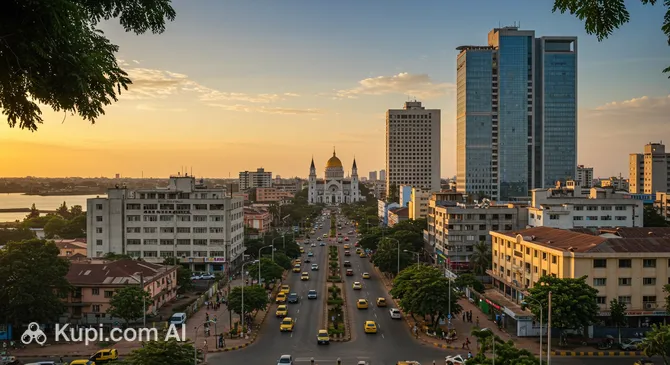
Welcome to Abidjan, the vibrant economic capital and the most populous city in Ivory Coast. Often referred to as the "Manhattan of the Tropics" or the "Paris of West Africa," this bustling metropolis is a fascinating blend of modern skyscrapers, French colonial heritage, and traditional African energy. It serves as the country's major urban center, offering a dynamic atmosphere that captivates visitors from the moment they arrive.
Abidjan. Illustration.
Source: Kupi.com AI
Geographically, Abidjan is uniquely situated along the Ébrié Lagoon, separated from the Atlantic Ocean by a sandbar known as the Vridi Plage. With a population of approximately 4.98 million people, it is one of the most populous French-speaking cities in Africa. The city enjoys a tropical wet and dry climate, ensuring warm temperatures year-round, which adds to its appeal as a destination for sun-seekers and cultural explorers alike.
The city's past is as intriguing as its present. Delving into the history of Abidjan reveals its remarkable transformation from a small fishing village into a major port and a powerhouse of West African commerce. Today, this rich background is reflected in the diverse architecture and the multicultural fabric of its neighborhoods.
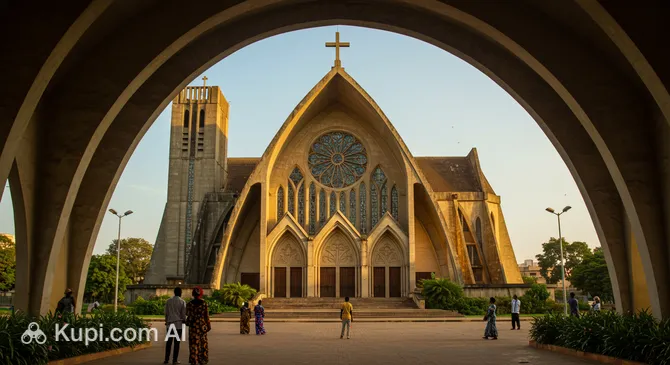
Travelers will find plenty to admire, from the futuristic architecture of St. Paul's Cathedral to the towering skyline of the Le Plateau district. Nature lovers should not miss Banco National Park, a sprawling rainforest reserve located right within the city limits, offering a rare escape into nature amidst the urban sprawl. Whether you are exploring the lively markets of Treichville or enjoying the nightlife in Zone 4, Abidjan promises an unforgettable experience.
Weather Overview
Abidjan experiences a tropical climate characterized by consistent warmth and humidity throughout the year. Visitors can expect steady temperatures, with monthly averages hovering between 25.0°C and 28.4°C. The warmest period typically occurs early in the year, particularly in February when average highs can reach nearly 32°C, while August tends to be the mildest month with average lows dipping to around 22.7°C.
Precipitation is a significant factor in the city's weather patterns. The region sees a high frequency of wet days across all seasons, ranging from about 18 days a month in January and February to as many as 30 days in October. Although the recorded precipitation volume in the summary varies from 2mm to 11mm, the consistency of wet days suggests that rain is a regular occurrence. For a comprehensive look at what to expect during your specific travel dates, you can consult the guide to weather in Abidjan.
Overall, the climate is stable but humid. Expect warm temperatures year-round with a very high likelihood of rain, making lightweight, breathable clothing and waterproof gear essential items for your packing list.
Average monthly temperature
Average monthly precipitation
Interesting Facts
Beyond its bustling boulevards and lagoon views, Abidjan holds fascinating stories and unique features that often surprise visitors. From linguistic legends to ecological wonders, the city offers more than meets the eye.
The city's name is said to stem from a linguistic misunderstanding. According to local legend, when a European explorer asked a villager for the name of the place, the man—who was trimming branches—replied "tchan me bidjan," which translates to "I was just cutting leaves." The explorer mistook this sentence for the settlement's name.
Abidjan is home to a rare ecological treasure. Banco National Park is one of the very few primary rainforests in the world located entirely within the limits of a major metropolis. This protected area acts as a massive "green lung" for the urban center, filtering the air and providing a sanctuary for diverse wildlife.
The architecture of St. Paul's Cathedral is rich in symbolism. Designed by architect Aldo Spiritok, the futuristic structure evokes the shape of a figure with arms outstretched, physically tethered to the cross behind it by seven cables, which represent the seven sacraments of the church.
This metropolis is a heavyweight in the Francophone world. Abidjan is widely considered the third-largest French-speaking city on the globe, following only Paris and Kinshasa, making it a vibrant hub for French culture and language in West Africa.
St. Paul's Cathedral. Illustration.
Source: Kupi.com AI
Traveler photos:
How to Get There
Reaching this bustling West African metropolis is relatively straightforward, as it serves as a major transportation hub for the region. Whether you are arriving directly from overseas or traveling from neighboring areas, there are several options available. For a detailed breakdown of all transport modes and routes, you can read more about how to get to Abidjan.
The primary gateway for most international visitors is Felix Houphouet Boigny Airport (ABJ). Located directly in Abidjan, it is the country's largest and busiest air hub. The airport is situated approximately 12.5 km from the city center. A taxi or shuttle ride to the downtown area typically takes around 40 minutes, depending on traffic conditions. As a major international facility, it offers a wide range of connections and services for travelers.
For those exploring the wider region, other airports exist but are significantly further away. Takoradi Airport (TKD) is located in Sekondi-Takoradi, Ghana, about 253 km from Abidjan. Traveling from there would require a long overland journey crossing the border. Domestic options include the San Pedro airport (SPY) in the southwest and Bouake Airport (BYK) in the central region. However, these airports are roughly 300 km from the economic capital, making them better suited for regional exploration rather than as direct entry points to the city.
For clarity, here is a summary of the main airports:
Abidjan is a city of contrasts where spiritual landmarks, modern leisure spots, and natural beauty coexist. Exploring its diverse attractions offers visitors a chance to understand the cultural and social heartbeat of this West African metropolis. Here are some of the key places to visit.
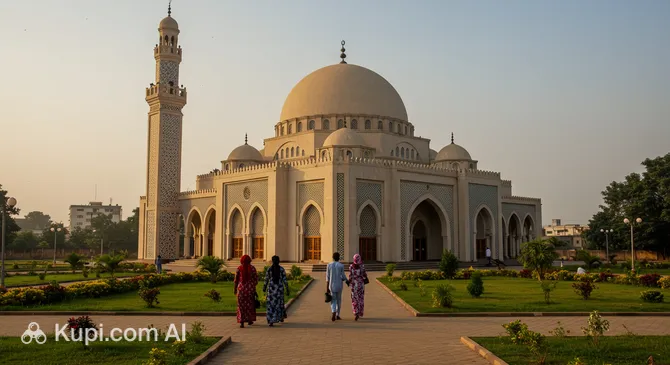
One of the most striking architectural landmarks in the city is the Plateau Salam Mosque. Located in the heart of the business district, this religious site stands out against the backdrop of modern skyscrapers and office buildings. The mosque is admired for its elegant design, featuring tall minarets and a distinctive blue dome that glistens in the sunlight. For tourists, it offers a peaceful glimpse into the spiritual life of the city amidst the hustle and bustle of the commercial center.
Plateau Salam Mosque. Illustration.
Source: Kupi.com AI
Traveler photos:
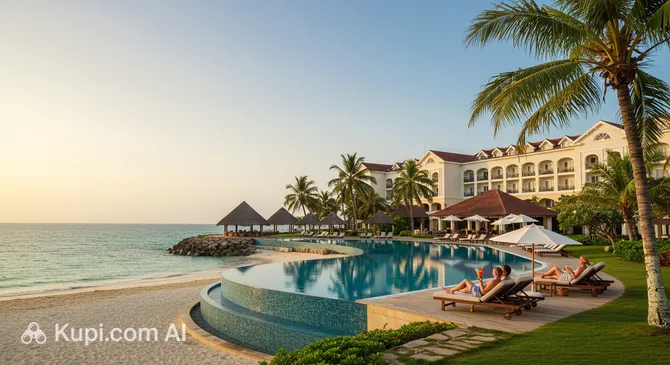
For a complete change of pace, travelers often take a short boat ride across the lagoon to visit the Boulay Beach Resort. Situated on Boulay Island (Île Boulay), this destination is a favorite weekend getaway for both locals and tourists seeking to escape the urban noise. The resort area provides a tropical setting with palm trees and calmer lagoon waters, making it ideal for relaxation, sunbathing, and enjoying fresh local cuisine by the water's edge.
Boulay Beach Resort. Illustration.
Source: Kupi.com AI
Traveler photos:
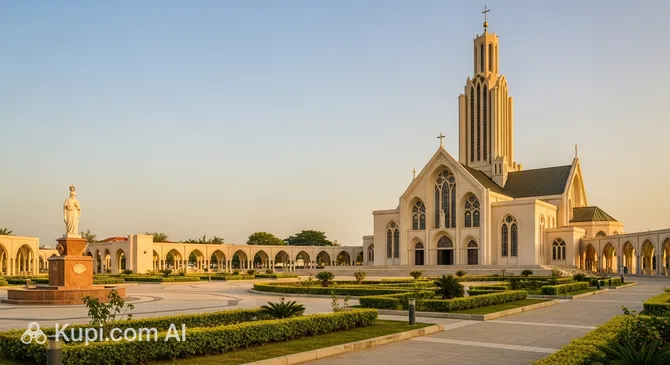
Another significant site for architecture enthusiasts is the Marian Shrine (Sanctuaire Marial). This important Catholic pilgrimage site is renowned for its unconventional and modern design, particularly its spiral bell tower that twists dramatically towards the sky. The shrine is set within tranquil grounds, offering a serene atmosphere for reflection. Its unique structure makes it a fascinating subject for photography and a testament to the city's religious heritage.
Marian Shrine. Illustration.
Source: Kupi.com AI
Traveler photos:
To experience the vibrant coastal energy of Abidjan, a visit to Lido Beach is highly recommended. While swimming in the open Atlantic can be dangerous due to strong currents, this beach remains a popular social hub. It is a fantastic place to walk along the sand, watch the crashing waves, and immerse yourself in the local culture at the nearby beach bars and restaurants, where the atmosphere is always lively and welcoming.
Local Cuisine
The culinary landscape of Abidjan is as diverse and energetic as the city itself, offering a mouthwatering mix of traditional Ivorian flavors and international influences. Known as a gastronomic hub in West Africa, the city invites visitors to explore a world of bold spices, fresh seafood, and hearty staples. Whether you are grabbing a quick bite at a roadside stall or dining in an upscale establishment, the food here is a central part of the cultural experience.
A trip to Abidjan is incomplete without tasting Garba, the city's undisputed street food king. This popular dish consists of attiéké (fermented cassava couscous) served with deep-fried tuna chunks and garnished with chopped peppers, onions, and tomatoes. Another local favorite is Alloco, which are sweet, fried plantain slices often served with a spicy chili sauce or grilled fish. For a slow-cooked delight, look for Kedjenou, a spicy stew usually made with chicken or fish and cooked in a sealed terracotta pot to preserve the flavors.
When it comes to beverages, the locals have plenty of refreshing options to beat the tropical heat. You should try Bissap, a sweet and tangy drink made from hibiscus flowers, or Gnamakoudji, a potent ginger juice that packs a spicy punch. For those interested in alcoholic drinks, Bandji (palm wine) is a traditional choice, often enjoyed fresh. The city also has a strong beer culture, with large bottles of local lager being a common sight at social gatherings.
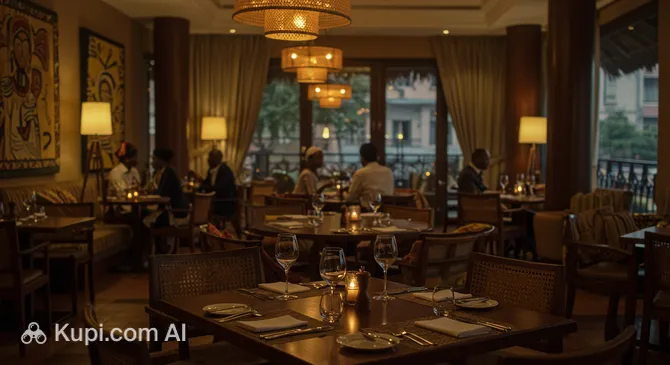
Dining in Abidjan ranges from the informal to the elegant. A quintessential experience is eating at a maquis, an open-air restaurant that serves authentic local dishes in a relaxed, communal setting. These spots are the heart of the city's social life. For travelers seeking a more formal dining atmosphere with a diverse menu, Azalaï Restaurant is a well-regarded option that blends local ingredients with international culinary techniques.
Azalaï Restaurant. Illustration.
Source: Kupi.com AI
Traveler photos:
The city also boasts a variety of establishments catering to different tastes, from French bistros to Lebanese eateries. If you are looking for a place to enjoy a meal in a pleasant setting, Parenthese is another venue worth visiting. Whether you choose to eat with your hands at a wooden table in a maquis or enjoy fine dining in the Plateau district, Abidjan promises a memorable gastronomic journey.
Travel Tips
Preparing for a trip to Abidjan means getting ready for warmth, energy, and a unique cultural rhythm that defines this West African metropolis. To ensure your visit to this dynamic lagoon city is as enjoyable and hassle-free as possible, we have compiled a list of essential travel advice.
Clothing and Gear: Due to the tropical climate, lightweight and breathable fabrics like cotton or linen are your best friends here. The humidity can be high, so pack loose-fitting clothes to stay cool. Since rain is frequent, especially between May and July, a sturdy umbrella or a light raincoat is essential. While casual wear is acceptable, Ivorians take pride in their appearance; aim for "smart casual" when dining out or visiting the Plateau district to blend in comfortably.
Transportation: Getting around Abidjan is an adventure in itself. The most convenient option for tourists is the orange taxi, which can access all parts of the city; always negotiate the fare before getting in or insist on the meter. Ride-hailing apps like Uber and Yango are also widely available, safe, and overcome language barriers. For a scenic commute between districts separated by the lagoon, consider taking the public ferry boats, which offer great views and beat the traffic jams.
Finances: The local currency is the West African CFA Franc (XOF). While upscale hotels, malls, and larger restaurants accept Visa and Mastercard, cash is absolute king in local markets, taxis, and smaller eateries (maquis). ATMs are plentiful in safe areas like Cocody and Le Plateau. Tipping is not mandatory but is highly appreciated; leaving some loose change or rounding up the bill is a kind gesture.
Health and Safety: Pharmacies in Abidjan are generally well-stocked and recognizable by a green cross; many operate on a rotational 24/7 duty system (pharmacie de garde). Malaria is a risk, so bring strong insect repellent and consider taking prophylaxis. As a general precaution, drink only bottled water and avoid walking alone at night in poorly lit areas or crowded markets like Adjamé; stick to well-populated zones.
Communication: The official and most widely spoken language is French. English is not commonly spoken outside of major international hotels and business circles. Learning a few basic phrases such as Bonjour (Good day), Merci (Thank you), and Ça va? (How are you?) will go a long way in breaking the ice. For connectivity, you can easily purchase a SIM card from providers like Orange or MTN at the airport or official stores with your passport.
Local Etiquette: Greetings are a crucial part of Ivorian culture. It is considered impolite to ask a question or start a transaction without first saying "Bonjour" and inquiring about the person's well-being. Handshakes are the standard greeting. If you are invited to a local's home, it is customary to bring a small gift, such as fruit or chocolates, as a token of appreciation.
What to Avoid: Be very careful with photography. Never take photos of military personnel, police officers, government buildings, or strategic infrastructure like bridges and the airport, as this can lead to serious legal trouble. Also, avoid using your left hand to eat, shake hands, or exchange money, as it is traditionally considered unclean.
Local Insight: To truly experience the city's pulse, spend an evening at a maquis. These are open-air restaurants that serve authentic local food and offer a vibrant atmosphere. They are the center of social life in Abidjan, and visiting one is the best way to enjoy delicious poulet braisé (braised chicken) while mingling with friendly locals.
Abidjan is a city that rewards curiosity and openness with its warm hospitality and lively spirit. By keeping these practical tips in mind, you will be well-equipped to navigate the streets with confidence and focus on creating unforgettable memories in the "Paris of West Africa."
Entertainment & Nightlife
Entertainment and Nightlife:
Abidjan has a well-deserved reputation as one of the premier party capitals of West Africa. When the sun sets, the city transforms into a vibrant playground of music, dance, and gastronomy. The nightlife here is energetic and diverse, catering to everyone from lovers of live reggae music to those seeking high-end clubbing experiences. The atmosphere is generally welcoming, with a mix of locals, expats, and tourists mingling until the early hours of the morning.
The epicenter of Abidjan's nightlife is undoubtedly Zone 4 in the Marcory district. This area is packed with bars, lounges, and nightclubs, making it easy to hop from one venue to another. The streets here are bustling with neon lights and activity all night long. For a slightly more upscale and relaxed vibe, the neighborhood of Cocody offers chic rooftop bars and lounges, while Le Plateau tends to quiet down after business hours but still hosts some sophisticated hotel bars perfect for an evening drink.
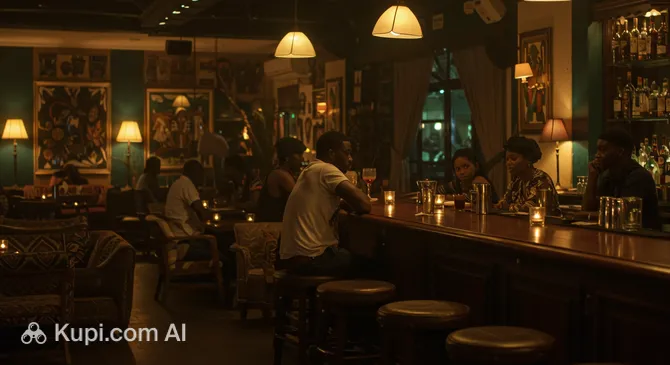
For music enthusiasts, the city offers a treat. Reggae is hugely popular in Ivory Coast, and there is no better place to experience it than Parker Place. This legendary venue in Zone 4 draws a crowd dedicated to good vibes and live performances, offering an authentic taste of the local music scene. It is a must-visit for anyone wanting to feel the rhythmic pulse of the city.
Parker Place. Illustration.
Source: Kupi.com AI
Traveler photos:
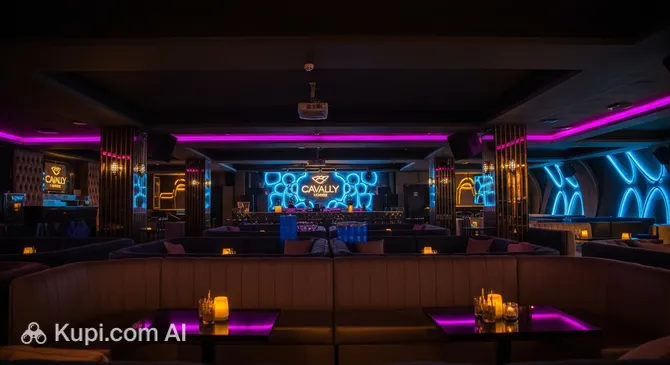
If you are looking for a pulsing dance floor and modern beats, Cavally Lounge is a popular destination. Like many clubs in the city, the real action here starts late, often after midnight, and continues until dawn. The crowd is stylish, so it is advisable to dress well—"smart casual" to "chic" is the standard dress code for most nightclubs in Abidjan.
For a more laid-back evening or a pre-club drink, West provides a cool atmosphere with a great selection of beverages. It is an excellent spot to socialize and soak in the local ambiance before the night fully kicks into gear. Another option for night owls is OSIRIS, known for its vibrant setting and energetic parties.
Cavally Lounge. Illustration.
Source: Kupi.com AI
Traveler photos:
Practical Advice for Night Out:
Timing: Bars are lively from 9:00 PM, but nightclubs rarely fill up before 11:30 PM or midnight.
Safety & Transport: While areas like Zone 4 are busy, it is not safe to walk long distances alone at night. Always take a taxi between venues. Use ride-hailing apps or official orange taxis to ensure a safe journey back to your accommodation.
Costs: Entry fees for clubs can range from 5,000 to 10,000 XOF, often including a drink. Beers are affordable, while cocktails in upscale venues are priced similarly to European standards.
While nightlife dominates the entertainment scene, Abidjan also offers engaging daytime activities. Shopaholics can explore modern retail hubs like the Ivoire Trade Center or the expansive Cap Sud Mall, which feature international brands and food courts. For families or groups looking for active fun, Laser Park Angré offers a fantastic indoor amusement experience perfect for escaping the afternoon heat.
Parks & Museums
While Abidjan is primarily known as a bustling commercial hub, the city offers surprising pockets of greenery and a rich tapestry of cultural institutions. Between the modern high-rises and the lagoon, visitors can find ancient rainforests and galleries that showcase both the traditional heritage and the contemporary artistic pulse of Ivory Coast.
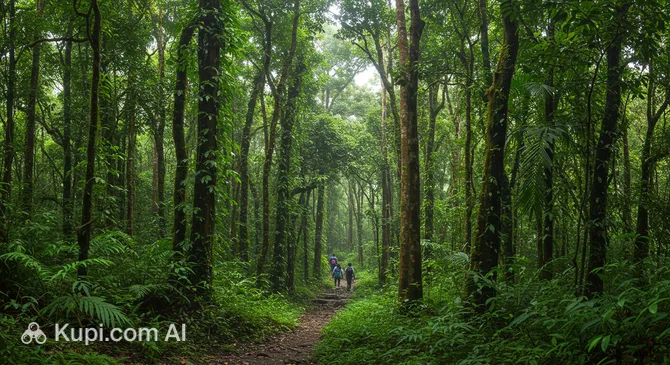
The most significant natural landmark in the city is undoubtedly Banco National Park. Located in the heart of the metropolis, this protected area preserves over 3,000 hectares of primary rainforest. It is often referred to as the "green lung" of Abidjan. Visitors can explore its network of hiking trails, admire the towering tropical trees (some reaching 40 meters high), and spot various bird species and primates. It provides a rare and refreshing escape from the urban heat and noise without ever leaving the city limits.
Banco National Park. Illustration.
Source: Kupi.com AI
Traveler photos:
Another delightful green space is the Bingerville Botanical Garden, situated just a short drive from the city center in the suburb of Bingerville. Created during the colonial era, this peaceful garden is meticulously landscaped and features a vast collection of exotic plants, bamboos, and palm trees. It is a favorite spot for locals to enjoy a picnic or a quiet walk, offering a glimpse into the region's botanical diversity in a serene, historical setting.
For those interested in history and culture, the Museum of Civilizations of Côte d'Ivoire (Musée des Civilisations) in the Plateau district is an essential stop. This state museum houses an impressive collection of over 15,000 artifacts, including traditional masks, statues, musical instruments, and royal insignia from the country's various ethnic groups. It offers a comprehensive overview of Ivorian heritage, helping tourists understand the complex social structures and artistic traditions that define the nation.
Abidjan is also a thriving center for modern African art. The Galerie Cécile Fakhoury is a standout venue dedicated to contemporary creativity. Located in the Cocody district, this gallery exhibits cutting-edge works by artists from Ivory Coast and across the continent. With its minimalist architecture and thought-provoking exhibitions, it provides a sharp, modern contrast to the traditional artifacts found in the state museum, highlighting the city's evolving cultural identity.
For a more hands-on cultural experience, consider visiting the CAVA (Centre Artisanal de la Ville d’Abidjan). While technically a market, it functions as an open-air gallery where you can watch artisans at work. It is an excellent place to see traditional craftsmanship in action, from wood carving to textile weaving, and offers a more authentic atmosphere than typical souvenir shops.
Getting Around
Navigating Abidjan is an adventure in itself, with a transport system that is as dynamic and bustling as the city. The metropolis relies on a mix of formal public transit and a vibrant network of informal options. While the highly anticipated Abidjan Metro is a major infrastructure project currently under construction to ease congestion, the city presently depends on buses, taxis, and its unique lagoon transport network to keep people moving.
The backbone of the official public transport is managed by SOTRA (Société des Transports Abidjanais). They operate large green-and-white buses that run on fixed routes connecting the major districts. SOTRA buses are generally safer and more organized than informal alternatives. In addition to standard lines, they offer "Express" lines which are more comfortable and faster, albeit slightly more expensive. A distinctive and highly efficient feature of Abidjan's transport is the water bus (bateau-bus). Since the city is built around the Ébrié Lagoon, these public ferries are often the quickest way to travel between districts like Le Plateau, Treichville, Cocody, and Yopougon, bypassing the notorious bridge traffic.
For a more local and flexible experience, the city is filled with Woro-woro and Gbaka. Woro-woros are shared taxis that operate on specific routes within a single neighborhood. They are easily recognizable by their colors, which change depending on the commune (for example, they are yellow in Cocody and blue in Marcory). Gbakas are minibuses that handle longer distances between suburbs. While these are very cheap and culturally immersive, they are often overcrowded, drive aggressively, and can be confusing for first-time visitors.
Regarding payment, cash is king for most modes of transport. If you are taking a Woro-woro or Gbaka, you must pay the driver or the conductor (apprenti) in cash; carrying small change is essential as they often struggle to break large bills. For the official SOTRA buses and water buses, the system has modernized. You typically need to purchase a recharge card or a single-trip ticket from a SOTRA kiosk or terminal before boarding. Prices are very affordable, with bus rides costing a few hundred francs depending on the distance and service level.
For tourists, the most recommended option for comfort and ease is the Orange Taxi (Taxi Compteur). Unlike the shared Woro-woros, these can legally drive anywhere in the city and take you directly to your destination. Theoretically, they run on a meter, but in practice, drivers may claim the meter is broken or prefer a flat rate. It is crucial to negotiate and agree on the fare before getting into the car to avoid disputes. Alternatively, ride-hailing apps like Uber, Yango, and Heetch are extremely popular, reliable, and overcome the language barrier since the price is fixed upfront.
Practical advice for travelers includes avoiding peak hours (7:00 AM to 9:00 AM and 5:00 PM to 8:00 PM), known locally as "descente," when traffic jams can be severe. If you choose to use the water buses, the terminals are usually well-marked and operate from early morning until evening, offering a scenic and breezy commute. Always keep your belongings close when using crowded public transport, and if you are unsure about a route, the locals are generally helpful in pointing you in the right direction.
Accommodation
Finding the perfect place to stay in Abidjan is relatively easy, as the city offers a wide spectrum of accommodation options to suit various budgets and travel styles. From high-end luxury towers in the business district to charming boutique guesthouses and budget-friendly lodgings, the "Manhattan of the Tropics" is well-equipped to host international visitors. Whether you are here for a business conference or a cultural exploration, you will find facilities that range from world-class standards to cozy, locally-run establishments.
Choosing the right neighborhood is key to enjoying your trip. Le Plateau is the ideal base for business travelers, offering proximity to government offices, banks, and corporate headquarters, though it tends to be quiet at night. For a more upscale and residential vibe, Cocody is highly recommended; it is known for its leafy streets, embassies, and the majestic Hotel Ivoire. Meanwhile, Marcory—specifically Zone 4—is the preferred spot for those who want to be in the heart of the action, surrounded by the city's best restaurants, bars, and nightlife.
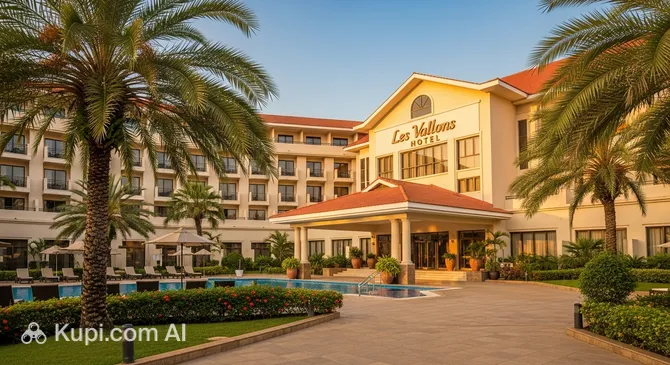
Travelers looking for specific examples of quality accommodation have excellent choices available. Les Vallons Hotel is a notable option that provides a comfortable and convenient base for exploring the city. It is well-regarded for its amenities and service, making it a solid choice for both short and long stays.
Les Vallons Hotel. Illustration.
Source: Kupi.com AI
Traveler photos:
For those seeking an escape from the urban hustle without leaving the region, the Boulay Beach Resort offers a unique alternative. Located on an island in the lagoon, it provides a tranquil, resort-style atmosphere where guests can relax by the water, making it perfect for a weekend getaway or a serene end to a busy trip.
Booking Tips and Prices: It is advisable to book your accommodation in advance, especially during major business events or the peak dry season (December to March). Prices in Abidjan can be higher than in other West African cities. Budget options typically start around 30,000 XOF (approx. $50), while mid-range hotels average between 60,000 and 100,000 XOF. Luxury stays can easily exceed 150,000 XOF per night. International booking platforms work well for major hotels, but direct contact may be necessary for smaller guesthouses.
Nearby Cities
For those looking to explore the surroundings, Abidjan serves as an excellent base for day trips to several interesting nearby locations. The district of Abidjan is vast, and its various communes function like distinct cities, each offering a unique atmosphere and cultural experience just a short distance from the central plateau.
One of the most popular areas to visit is Cocody. Known for its upscale residential streets, embassies, and lush greenery, it offers a more relaxed pace compared to the busy commercial center. Visitors can admire the grand architecture, explore local markets, or simply enjoy a quiet afternoon in one of its many chic cafes. It represents the modern and sophisticated face of the region.
In contrast, Yopougon is the beating heart of popular culture and nightlife. Often referred to as "Yop City," it is famous for its vibrant energy and joyful atmosphere. It is the perfect destination for travelers who want to experience the authentic local lifestyle, taste traditional street food in a bustling maquis, and witness the dynamic social scene that makes the area legendary.
For those drawn to the coast, Port Bouët offers a seaside escape. Located along the Atlantic Ocean, this area is home to the international airport and the Vridi Canal. While swimming requires caution due to strong currents, the beaches here are excellent for walking, watching the waves, and enjoying the fresh ocean breeze away from the inner city heat.
These nearby destinations offer a glimpse into the diverse culture and landscapes of the region, allowing visitors to experience everything from high-end living to authentic local vibrancy within a short radius.
Shopping & Souvenirs
Shopping in Abidjan is a vibrant reflection of the city itself, offering a seamless mix of high-end modernity and traditional African commerce. As a major fashion and economic hub in West Africa, the city caters to all tastes, from luxury seekers looking for international brands to travelers hunting for authentic local crafts. Whether you prefer the air-conditioned comfort of a contemporary mall or the sensory overload of a bustling open-air market, Abidjan provides a diverse retail landscape.
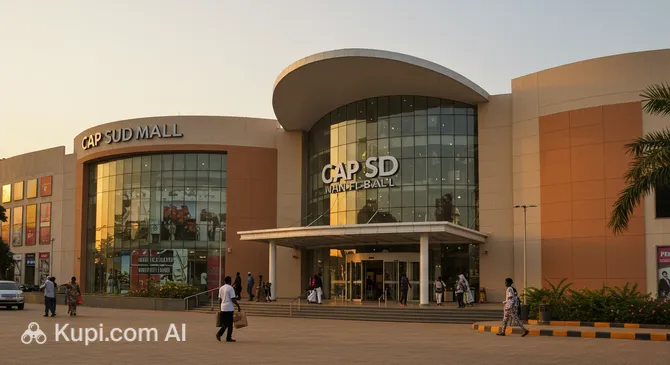
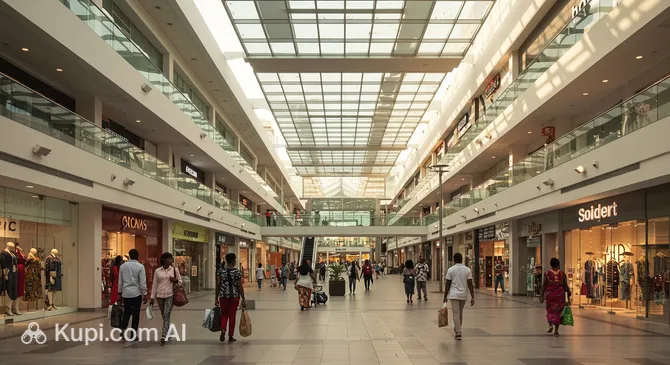
For those who enjoy a Western-style shopping experience, the city boasts several impressive shopping centers, particularly in the affluent districts of Marcory and Cocody. One of the most popular destinations is the Cap Sud Mall. Located in Zone 4, this expansive complex features a wide array of fashion boutiques, electronics stores, and a large supermarket. It is a favorite spot for both locals and expatriates to shop for global brands and enjoy a meal at the food court.
Cap Sud Mall. Illustration.
Source: Kupi.com AI
Traveler photos:
Another upscale option is the Ivoire Trade Center in Cocody. This modern facility combines retail space with business offices, offering a curated selection of high-quality shops and services. It is an excellent place to find premium goods in a sophisticated atmosphere, distinct from the chaotic energy of the street markets.
Ivoire Trade Center. Illustration.
Source: Kupi.com AI
Traveler photos:
To truly experience the local culture, visiting the traditional markets is a must. The Treichville Market is legendary—a sprawling, multi-story labyrinth where you can find absolutely everything from fresh spices and colorful textiles to electronics and household goods. It is loud, crowded, and incredibly lively. For a more specialized experience, the Marché de Cocody offers a slightly more organized setting with a focus on food, flowers, and crafts, making it easier to navigate for first-time visitors.
When it comes to souvenirs, Abidjan is a treasure trove. The city is famous for its textiles, particularly the vibrant Wax prints (Pagne). You can buy high-quality fabrics from local brands like Uniwax to take home or have tailored into clothing. Other popular items include intricate wood carvings, traditional masks, pottery, and beadwork. Given the country's status as a top cocoa producer, purchasing locally made chocolate is also highly recommended as a delicious gift.
For the best selection of artisanal goods, the CAVA (Centre Artisanal de la Ville d’Abidjan) is the premier destination. Unlike the general markets, this center is dedicated specifically to craftsmanship. Here, you can wander through huts filled with painters, leatherworkers, and sculptors, allowing you to purchase unique pieces directly from the artists. It is the ideal spot to find high-quality souvenirs without the intense hustle of Treichville.
Most shops and malls typically operate from 9:00 AM to 7:00 PM, though supermarkets and some mall outlets may stay open later. Markets usually start bustling early in the morning and wind down by late afternoon. regarding payment, cash (West African CFA Franc) is essential for markets and smaller boutiques, where bargaining is expected and part of the fun. Major malls, hotels, and supermarkets generally accept credit cards, but it is always wise to carry some cash for smaller transactions.