Support

Sekondi-Takoradi

About

Welcome to Sekondi-Takoradi, a vibrant metropolis often referred to as the "Twin City" due to the seamless merger of two distinct towns. As the capital of the Western Region, this bustling urban hub serves as a critical industrial and commercial center in Ghana. With a population of approximately 445,000 residents, it offers a unique blend of energetic city life and the laid-back atmosphere typical of coastal communities.

The city is renowned for its strategic importance as a major port and, more recently, as the "Oil City" following the discovery of oil in the region. Despite its industrial growth, the area retains a rich cultural heritage. Exploring the history of Sekondi-Takoradi reveals a fascinating past, from its role in the colonial era to the development of its railway infrastructure, which has long connected the coast to the resource-rich interior.
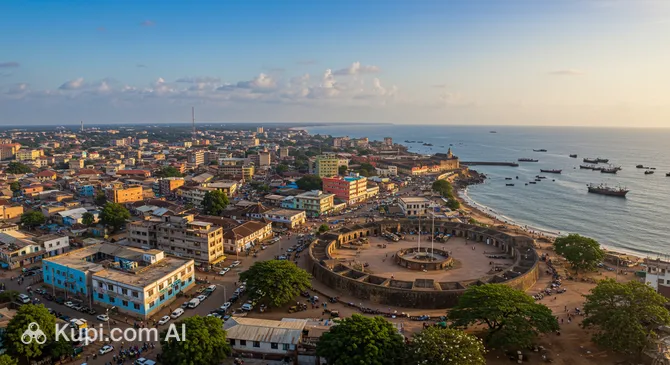
Sekondi-Takoradi. Source: Kupi.Binoculars

Travelers are often drawn to the city's unique mix of old and new. You can visit Fort Orange in Sekondi, a historical fortification that offers a glimpse into the 17th century and provides sweeping views of the harbor. For a taste of local life, the Takoradi Market Circle is an absolute must-visit; it is an incredibly lively spot where vendors sell everything from fresh produce to colorful textiles. Additionally, the city serves as a perfect gateway to some of the country's most beautiful beaches located nearby.

Whether you are here for business or leisure, Sekondi-Takoradi promises a warm welcome and an authentic West African experience. Its combination of historical intrigue, seaside charm, and friendly locals makes it a compelling destination for any itinerary.
Weather Overview

The city experiences a consistently warm tropical climate throughout the year, making it a destination where light, breathable clothing is recommended. Temperatures remain fairly stable, with the warmest period occurring in February, where highs can reach around 31.1°C. Even during the cooler months like August, the weather remains pleasant with average temperatures hovering around 25.0°C.

Rainfall is a frequent occurrence in the region, characterized by a high number of wet days throughout the calendar. The month of October records the highest frequency, with rain possible on up to 30 days of the month, while May and June typically see slightly higher precipitation volumes. Travelers should be prepared for frequent showers, although the "Twin City" enjoys plenty of warm intervals.

For more specific forecasts and monthly breakdowns to help plan your packing, you can view the detailed weather in Sekondi-Takoradi. Generally, the period around January and December offers the fewest wet days, making it a popular time for visitors seeking slightly drier conditions.

Interesting Facts

Beyond its reputation as an industrial powerhouse and a bustling port, Sekondi-Takoradi holds many fascinating secrets and historical milestones that often go unnoticed by casual visitors. From pivotal wartime roles to unique cultural traditions, the "Twin City" offers a depth of character that surprises many travelers.
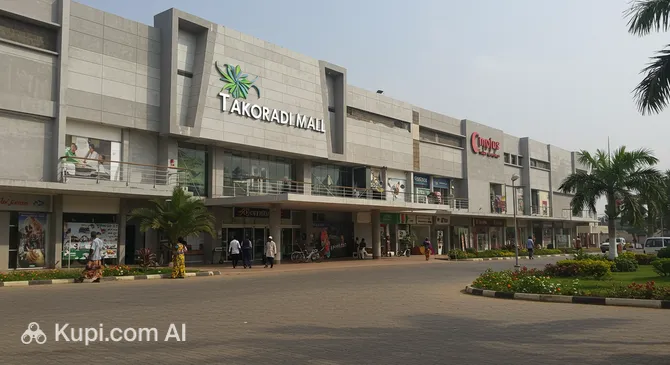
Takoradi Mall. Source: Kupi.Binoculars
  • A Critical WWII Hub: During World War II, Takoradi played a vital but often overlooked role in global history. The city was the starting point of the "Takoradi Route," a strategic air supply line where disassembled aircraft arrived by sea, were reassembled, and then flown across Africa to Egypt to support the Allied forces in the North African campaign.

  • The Ankos Masquerade: The city hosts a unique carnival tradition known as the Ankos Masquerade, which is distinct to this region. Every Christmas, massive "Fancy Dress" clubs take to the streets in elaborate, colorful costumes accompanied by brass bands, a vibrant practice that dates back to the early 20th century.

  • The Largest Roundabout: Locals proudly claim that the Takoradi Market Circle is the largest roundabout in West Africa. This massive circular road doesn't just manage traffic; it encircles the city's main market, creating a chaotic yet organized hub of commerce that defines the city's layout.

  • Birthplace of Ghana's Railways: Sekondi is the historic home of the country's railway system. The very first rail line in the Gold Coast began construction here in 1898, designed to transport gold and timber from the interior to the coast, laying the foundation for the nation's modern infrastructure.

  • A Modernizing Skyline: While the city retains much of its colonial charm, it is rapidly evolving into a modern commercial center. New developments like the Takoradi Mall are springing up, symbolizing the economic boost from the region's oil discovery and offering a contemporary contrast to the historic markets.

How to Get There

Reaching this coastal metropolis is relatively straightforward, with options suiting various travel styles and budgets. For a detailed breakdown of all available routes and transport modes, you can read more about how to get to Sekondi-Takoradi.

The most convenient entry point for most visitors is the city's own Takoradi Airport (TKD), located just 1.1 km from the center. While it is a smaller facility, it serves as a vital link for domestic travel, particularly for connecting flights from the capital. The commute from the terminal to the heart of the city is incredibly quick, taking approximately 5 to 10 minutes by taxi. For international travelers, the primary gateway is Kotoka International Airport (ACC) in Accra. Situated about 195 km away, it receives the majority of overseas flights. From Accra, you can either catch a short connecting flight or travel by road, a journey that typically takes around 5 hours depending on traffic.

For clarity, here is a summary of the main airports:

Airport Name City Passenger Traffic Km from City
Kotoka International Airport Accra Large 195.3
Felix Houphouet Boigny Airport Abidjan Large 241.0
Kumasi Airport Kumasi Medium 201.6
Takoradi Airport Sekondi-Takoradi Small 1.1

Main Attractions

For those looking to experience the modern lifestyle of the city, the Takoradi Mall is a premier destination. As the first shopping mall in the Western Region, it serves as a bustling hub for both locals and tourists. Visitors can explore a variety of retail stores, enjoy a meal at the food court, or simply soak in the contemporary atmosphere that contrasts with the traditional markets nearby. It is an excellent spot for families and anyone needing a break from the heat while browsing international and local brands.

Dining is an integral part of the travel experience here, and Noble House stands out as a culinary landmark. Known for its extensive menu featuring authentic Chinese and Indian cuisine, this establishment is a favorite among those seeking a high-quality meal in a refined setting. The restaurant offers a comfortable ambiance that makes it perfect for a relaxing dinner after a day of exploring the city's historical sites and coastal views.

Noble House. Source: Kupi.Binoculars

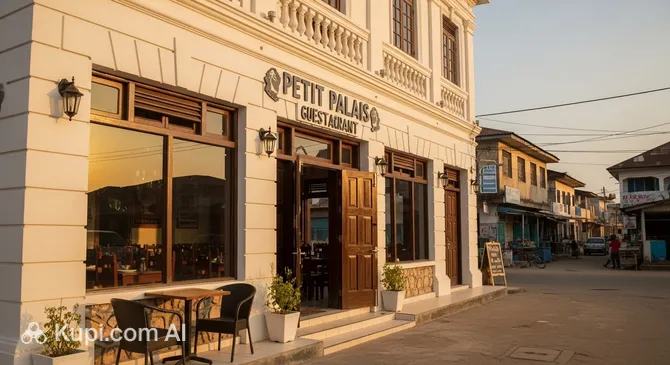
Another delightful spot to visit is the Petit Palais GuestHouse, which is celebrated not just for its accommodation but for its exceptional dining options. Often praised for its serene environment and delicious seafood dishes, particularly lobster, it provides a quiet retreat from the city's energetic pace. The garden setting offers a charming backdrop for a leisurely lunch or an evening drink, allowing visitors to enjoy the famous Ghanaian hospitality.

Petit Palais GuestHouse. Source: Kupi.Binoculars

Local Cuisine

The culinary landscape of Sekondi-Takoradi is deeply influenced by its location along the Atlantic coast, making it a paradise for seafood lovers. Fresh catches arrive daily at the harbor, meaning dishes often feature the freshest grilled tilapia, red snapper, or grouper. The city's food scene is a delightful mix of traditional Ghanaian flavors and unique regional specialties that reflect the distinct culture of the Western Region.

A definitive "must-try" dish while in the city is Fante Kenkey. Unlike the Ga version found in Accra, this fermented corn dough dumpling is wrapped in dried plantain leaves, giving it a distinct flavor and texture. It is typically served with spicy black pepper sauce (shito), ground red pepper, and fried fish. Another popular delicacy in this part of the country is Akyeke (also known as Acheke), a steamed cassava couscous that originated from neighboring Côte d'Ivoire but has become a local staple, usually paired with avocado and grilled fish.

When it comes to beverages, the local options are refreshing and varied. You will frequently encounter Sobolo, a chilled hibiscus drink spiced with ginger, which is perfect for cooling down on a hot afternoon. For something sweet and creamy, try Asaana, a non-alcoholic drink made from fermented corn and caramelized sugar. For those interested in stronger local spirits, Palm Wine is a traditional favorite often tapped fresh from palm trees in the surrounding areas.

The eating culture in the "Twin City" caters to all preferences, ranging from vibrant street food stalls to relaxed dining establishments. The area around the Market Circle is famous for its "chop bars," where locals gather to enjoy hearty meals in a communal atmosphere. For travelers seeking a quieter setting to enjoy the region's famous seafood, places like Petit Palais GuestHouse offer a refined menu that highlights local ingredients, providing a perfect introduction to the coastal gastronomy.

Travel Tips

Visiting Sekondi-Takoradi offers a unique glimpse into the energetic heart of the Western Region, but like any destination, a little preparation goes a long way. To ensure your trip to the "Twin City" in Ghana is as smooth as it is memorable, here are some essential practical tips to keep in mind.

  1. Clothing and Essentials: Due to the tropical climate, the weather is generally hot and humid. Pack lightweight, breathable fabrics like cotton or linen to stay cool. Comfortable walking shoes are a must, especially if you plan to explore the markets or the old colonial streets of Sekondi. Don't forget to bring a Type G power adapter (the British three-pin style), which is the standard here.

  2. Getting Around: Public transport is dominated by tro-tros (minibuses), which are an affordable and authentic way to travel between towns, though they can be crowded. For more comfort, taxis are abundant. Most taxis do not use meters, so you must negotiate the fare with the driver before starting your journey. Ride-hailing apps are becoming available, but catching a standard taxi is often faster and easier in the city center.

  3. Money Matters: The local currency is the Ghanaian Cedi (GHS). While modern establishments like the Takoradi Mall and major hotels accept credit cards, cash is absolute king in the city. You will need small bills for street food, taxis, and shopping at the Market Circle. ATMs are widely available at bank branches and shopping centers, so withdrawing cash is convenient.

  4. Health and Safety: Malaria is present in the region, so it is crucial to carry and use strong insect repellent, especially in the evenings. Always drink bottled or filtered water rather than tap water to avoid stomach issues. Pharmacies (often called "chemical shops") are easy to find for basic supplies. The city is generally safe, but exercise standard caution by avoiding unlit areas at night and keeping valuables secure.

  5. Communication: English is the official language and is widely spoken, making communication very easy for tourists. The local dialect is Fante; locals will appreciate it if you learn a few basic phrases like "Ete sen?" (How are you?). For mobile data, purchasing a local SIM card (MTN or Vodafone) is cheap and requires only your passport for registration.

  6. Local Etiquette: Greetings are extremely important in Ghanaian culture. It is polite to acknowledge people with a "Good morning" or "Good afternoon" before asking a question or starting a transaction. Always use your right hand for eating, shaking hands, or passing money; using the left hand is considered culturally rude and unclean.

  7. What to Avoid: Avoid taking photographs of people, especially in the market or near government buildings, without asking for permission first. It is seen as intrusive. Also, try to avoid public displays of anger or shouting, as maintaining composure and respect is highly valued in social interactions.

  8. Market Tip: If you plan to visit the famous Takoradi Market Circle, try to go in the morning when the weather is cooler and the produce is freshest. It is an excellent place to buy colorful local fabrics, but be prepared to haggle politely, as it is a standard part of the shopping experience there.

By keeping these simple guidelines in mind, you will be well-equipped to navigate the bustling streets and relaxed coastal vibes of Sekondi-Takoradi. Embrace the local customs, interact with the friendly residents, and enjoy everything this dynamic dual city has to offer.

Entertainment & Nightlife

As the sun sets over the Atlantic, the "Oil City" transforms from an industrial hub into a lively playground. The nightlife in Sekondi-Takoradi is vibrant and diverse, reflecting the city's unique blend of local Ghanaian culture and expatriate influence. While Sekondi tends to be quieter and more residential, Takoradi is the undisputed center of evening entertainment, with a high concentration of bars, clubs, and lounges clustered around the central business district and the beach roads.

For those seeking a high-energy experience, Vienna City Beach is a legendary establishment in the region. Located along the coast, it functions as a massive entertainment complex featuring a casino, a restaurant, and a pulsating nightclub that stays open late into the night. It is a favorite among both locals and visitors for its "all-in-one" atmosphere, where you can enjoy a poolside drink, try your luck at the tables, or dance to the latest Afrobeats and international hits.

If you prefer a modern and secure environment for your night out, the Takoradi Mall is an excellent destination. Inside, you will find The Arena Lounge and Club, a contemporary venue known for its stylish decor and top-tier DJs. Because it is located within the mall premises, it offers a safe and accessible option for tourists who want to experience the clubbing scene without navigating obscure streets. The crowd here is typically young and trendy, often sporting smart-casual attire.

For a more relaxed evening focused on dining and conversation, the city offers superb options. Noble House is a perfect starting point for the night, offering a refined atmosphere where you can enjoy a hearty meal before hitting the town. Alternatively, if you are looking for a quiet drink in a garden setting, the Petit Palais GuestHouse provides a serene escape from the loud music of the city center, ideal for a romantic evening or a laid-back nightcap.

Beyond the major venues, the streets of Takoradi are dotted with open-air pubs and "spots" like AcquahBar and Paragon Bar & Grill, where the vibe is casual and communal. These places are great for mingling with friendly locals, watching football matches, and enjoying affordable local drinks.

Practical Advice for Nightlife:

  • Timing: The nightlife scene really comes alive on Friday and Saturday nights. Most clubs do not get busy until after 11:00 PM.
  • Dress Code: While pubs are casual, nightclubs like The Arena or the club at Vienna City generally expect smart-casual wear. Avoid flip-flops and beachwear if you plan to dance.
  • Safety & Transport: Takoradi is generally safe, but it is advisable to avoid walking alone in poorly lit areas at night. The best way to get around is by "drop taxi" (a chartered taxi) rather than shared transport, especially late at night. Agree on a fare before you get in.

During the daylight hours, entertainment shifts towards the coast and culture. You can explore the historical Fort Orange in Sekondi for a dose of history or relax at nearby beaches. The city's cultural centers and the bustling Market Circle also offer plenty of daytime engagement before the sun goes down and the music turns up.

Parks & Museums

While Sekondi-Takoradi is primarily known as an industrial and commercial powerhouse, the "Twin City" surprises visitors with its pockets of greenery and rich historical tapestry. Beyond the bustle of the markets and the harbor, there are serene natural areas and significant cultural landmarks that preserve the region's heritage and offer a breath of fresh air.

Monkey Hill (Takoradi Forest Reserve) is the city's most unexpected natural treasure. Located right in the heart of Takoradi near the Paa Grant Roundabout, this lush botanical sanctuary serves as the "green lung" of the metropolis. It is a haven for nature lovers, offering a rare chance to see wild monkeys swinging from the trees and a variety of bird species without leaving the urban center. The hill provides a cool, shaded retreat perfect for a short hike or a quiet moment away from the city heat.

For those who prefer the ocean breeze, the city's coastline acts as a natural playground. Although not a traditional park, the Sekondi-Takoradi Coastline offers scenic spots where visitors can walk along the cliffs and enjoy panoramic views of the Atlantic. The area near the Sekondi Fishing Harbour is particularly picturesque, allowing travelers to observe the colorful wooden canoes and the daily rhythms of the local fishing community against a backdrop of rolling waves.

On the cultural front, the Bisa Aberwa Museum in Sekondi is a standout institution that has quickly become a must-visit destination. Dedicated to preserving the history and values of the African people, this world-class facility houses one of the largest private collections of sculpture, ceramics, and artifacts in the region. The exhibits focus on the heroes of African history and the civil rights movement, providing a deeply educational and moving experience that connects the local heritage to the global Black narrative.

History enthusiasts should also explore Fort Orange, a fortification that stands as a silent witness to the city's colonial past. Originally built by the Dutch in the 17th century as a trading post, it sits on a bluff overlooking the Sekondi harbor. While it has served various purposes over the centuries, including as a lighthouse, its structure remains a significant architectural landmark. Walking around its perimeter offers not only a lesson in history but also some of the best vantage points for photographing the ocean and the bustling port below.

For a truly authentic experience, take a walk through the European Town area in Sekondi. Here, you will find a collection of colonial-era buildings that, while some are in disrepair, showcase the architectural style of a bygone era. It is a fascinating open-air gallery of history that contrasts sharply with the modern developments springing up in Takoradi.

Getting Around

Public transport in Sekondi-Takoradi is dominated by road-based options, offering a functional and authentic way to navigate the "Twin City." The most ubiquitous form of transport is the tro-tro, which are privately owned minibuses that serve as the backbone of the transit system. These vehicles operate on fixed routes connecting residential areas, the central business districts of both towns, and the main markets. While they do not run on a strict timetable, they are frequent and depart from designated stations or stops once they are full.

For a more comfortable and direct journey, taxis are widely available and come in two distinct forms. "Shared taxis" operate similarly to tro-tros, picking up multiple passengers along a set route for a fixed low fare. Alternatively, you can hire a "dropping taxi" (charter taxi), which takes you directly to your destination without other passengers. In recent years, ride-hailing apps like Uber and Bolt have also established a presence in the city, providing a convenient and often safer alternative for tourists who prefer transparent pricing and tracked rides.

A unique feature of the local transport network is the commuter railway service connecting Sekondi, Takoradi, and Kojokrom. Unlike many other cities in the region where passenger rail is non-existent, this suburban train line was revitalized to help ease traffic congestion. While the schedule can be limited compared to road transport, taking a train ride offers a scenic, traffic-free, and historically interesting way to travel between the two main hubs of the metropolis.

The payment system across almost all forms of public transport is strictly cash-based. There are no travel cards, electronic passes, or tap-to-pay systems for tro-tros, trains, or street taxis. You will pay the conductor (known locally as the "mate") on the bus or the driver directly. Fares are generally very affordable. If you use ride-hailing apps, you can link a credit card, but many drivers still prefer cash payments.

Travelers should keep a few practical tips in mind. When using a "dropping taxi," it is essential to negotiate and agree on the fare before getting into the car, as meters are rarely used. Always carry small denominations of the local currency, as drivers often struggle to find change for large bills. Tro-tros operate from early morning (around 5:00 AM) until late at night, but frequency drops significantly after 9:00 PM. Stops are not always clearly marked with signs; instead, listen for the mate shouting the destination or simply wave a vehicle down and ask.

While walking is a feasible option within specific compact areas like the Takoradi Market Circle or the European Town in Sekondi, distances between the two main towns are too great for pedestrians. Car rentals are available but typically come with a driver, which is often the best choice for visitors who want flexibility without the stress of navigating unfamiliar roads.

Accommodation

Where to Stay:

Finding the right place to stay in Sekondi-Takoradi is largely a matter of balancing convenience with atmosphere. As the region's commercial and industrial hub, the accommodation landscape is dominated by options catering to business travelers, ranging from modern mid-range hotels to functional guesthouses. While you may not find an abundance of ultra-luxury resorts, the "Oil City" offers a solid selection of comfortable establishments, particularly in Takoradi, where the standard of hospitality has risen significantly to meet international demand.

Takoradi is generally the preferred base for most visitors due to its concentration of amenities and access to transport. The area around Beach Road is particularly popular, offering a scenic setting near the Atlantic Ocean while remaining close to the city center. Staying here provides easy access to the best restaurants and nightlife, making it a convenient choice for leisure travelers. In contrast, Sekondi offers a much quieter, more residential experience. Accommodation options there are fewer and tend to be smaller, family-run lodgings, ideal for those wishing to be closer to the historical colonial districts and the fishing harbor.

Travelers should be aware that hotel prices in Sekondi-Takoradi can be slightly higher than in other parts of the region, influenced by the influx of corporate visitors connected to the oil and gas industry. Mid-range hotels typically offer amenities like air conditioning, Wi-Fi, and on-site dining, which are essential for a comfortable stay in the tropical climate. Budget travelers can find affordable guesthouses and hostels, though it is advisable to check reviews regarding water and power reliability before booking the cheapest options.

Booking Tips:

For most of the year, finding a room is relatively easy, and you can often book directly upon arrival or via major online platforms. However, the city transforms completely during the Christmas and New Year period for the famous Ankos Masquerade. During this festival, thousands of people flock to the city, and accommodation is often fully booked weeks or even months in advance. If you plan to visit in December, securing your reservation early is absolutely critical.

Payment methods vary by establishment. Upscale hotels and modern business lodges readily accept credit cards (Visa and Mastercard), but smaller guesthouses and budget spots usually require cash in Ghanaian Cedis (GHS). It is always a good idea to carry enough cash for your first night's stay just in case card machines are offline.

Nearby Cities

For those looking to explore the surroundings, Sekondi-Takoradi serves as an excellent base for day trips to several interesting nearby locations:

A short drive along the coast leads to Cape Coast, a city of immense historical significance and a major tourist hub. It is renowned for the imposing Cape Coast Castle, a UNESCO World Heritage site that offers a poignant insight into the history of the trans-Atlantic slave trade. Many visitors also combine their trip with a visit to the nearby Kakum National Park, famous for its thrilling canopy walkway suspended high above the rainforest.

Further east lies Winneba, a coastal town known for its relaxed atmosphere and the colorful Aboakyer Festival. It features beautiful beaches and a lagoon, making it a pleasant spot for nature lovers. For those interested in Ghana's industrial heritage, the town of Obuasi offers a different perspective as one of the world's major gold mining centers, located inland from the coast.

City Population Distance (km)
Obuasi 180460 144
Cape Coast 169894 62
Swedru 68216 138
Oda 60604 145
Winneba 55331 138

These nearby destinations offer a glimpse into the diverse culture and landscapes of the region, ranging from historical landmarks to rich natural resources.

Shopping & Souvenirs

Shopping in Sekondi-Takoradi offers a fascinating contrast between the vibrant chaos of traditional West African commerce and the growing presence of modern retail convenience. Visitors can expect a lively experience where the search for goods often involves interacting with friendly locals. While the city is not primarily known for high-end luxury fashion, it is an excellent place to purchase authentic local products, fresh produce, and everyday essentials, reflecting the industrious spirit of the Western Region.

The commercial heartbeat of the city is undoubtedly centered around the famous Market Circle area in Takoradi. The streets radiating from this central hub are lined with countless small shops, kiosks, and street vendors selling everything from electronics and hardware to clothing and shoes. Walking through this district provides a sensory overload of sights and sounds, serving as the primary destination for general shopping needs. In Sekondi, the atmosphere is slightly more laid-back, with smaller clusters of shops located near the old colonial district and the fishing harbor.

For a more contemporary shopping experience, the Takoradi Mall stands out as the premier destination. As the first modern shopping complex in the region, it offers a stark contrast to the outdoor markets. Here, tourists can find a well-stocked supermarket, international retail brands, telecommunication shops, and a pharmacy in a cool, air-conditioned environment. It is the best place to visit if you are looking for imported goods, fixed prices, or simply a break from the tropical heat.

The absolute highlight of the shopping scene is the Takoradi Market Circle. Often cited as one of the largest markets in West Africa, it is a sprawling maze of stalls located within a massive traffic roundabout. This is where the true soul of the city resides. You can wander through narrow alleys piled high with colorful fabrics, mountains of fresh vegetables, smoked fish, and household wares. It is a bustling, energetic place where bargaining is expected and the variety of goods is endless.

Travelers looking to take a piece of Ghana home should focus on locally crafted items. The region is known for its vibrant textiles, particularly "tie-dye" and "batik" fabrics, which can be purchased in the market and tailored into custom clothing. Hand-painted beads, traditional wood carvings, and woven baskets are also popular choices. Additionally, you might consider buying locally processed cocoa products or packaged plantain chips as tasty edible souvenirs.

Most formal shops and the mall operate from around 9:00 AM to 8:00 PM or 9:00 PM. However, the traditional markets start much earlier, often at sunrise, and begin to wind down by 5:00 PM or 6:00 PM. While the mall and major supermarkets accept credit cards (Visa and Mastercard), cash is the absolute rule in the markets and smaller street shops. It is highly recommended to carry the Ghanaian Cedi in smaller denominations to make transactions smoother.

Tax-free shopping or VAT refunds are not typically available for tourists in Sekondi-Takoradi. Prices in the markets are negotiable, while prices in the mall and supermarkets are fixed and include all applicable taxes.

Nearby cities

Reached the end of the page?

That means the route is fully explored