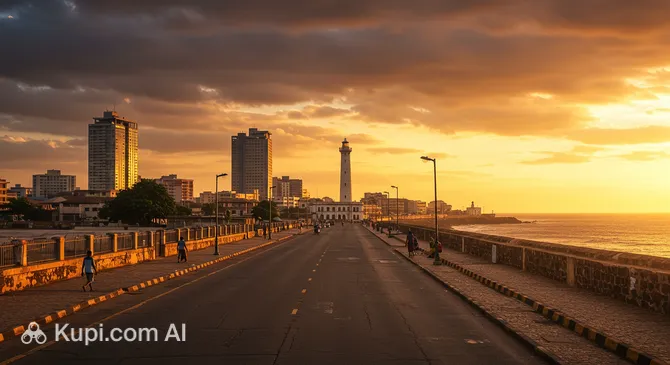
Welcome to Accra, the beating heart and capital city of Ghana. This bustling metropolis is a vibrant blend of modern architecture, colonial heritage, and traditional culture, offering visitors a unique and energetic atmosphere. As the economic and administrative center of the country, the city pulses with life, from its busy streets to its serene coastal spots.
Located along the shores of the Gulf of Guinea on the Atlantic Ocean, the city enjoys a tropical savanna climate with warm temperatures year-round. With a population of over 2.3 million people, it is the largest city in the country and serves as a melting pot of diverse cultures and languages within the Greater Accra Region.
Accra. Illustration.
Source: Kupi.com AI
The city has evolved significantly over the centuries. Originally settled by the Ga people, it grew from a collection of fishing villages into a thriving urban center. To understand the deep roots and colonial past of this fascinating place, exploring the history of Accra provides essential context for your visit.
Travelers are drawn to its colorful sights and sounds. The chaotic yet captivating Makola Market offers an authentic shopping experience, while the Kwame Nkrumah Memorial Park stands as a peaceful tribute to the nation's independence. For those seeking relaxation, the sandy stretches of Labadi Beach provide the perfect escape with ocean breezes and local entertainment.
Whether you are interested in history, cuisine, or simply soaking up the local vibe, this city promises an unforgettable West African adventure. It is a destination that truly welcomes every visitor with open arms and warm hospitality.
Weather Overview
Visitors to this coastal capital can expect a tropical climate with warm temperatures prevailing throughout the year. The weather in Accra is generally humid, making it a destination where lightweight, breathable clothing is essential regardless of when you visit.
Expect consistently warm days with average temperatures typically ranging between 25°C and 29°C, accompanied by distinct wet and dry periods. The early months of the year, particularly February and March, are the hottest, with maximum temperatures reaching nearly 33°C and very little rainfall. In contrast, the period from May to October sees a significant increase in precipitation, with June and October recording the highest number of wet days, while August offers the coolest average temperatures of the year at around 25.5°C.
Average monthly temperature
Average monthly precipitation
Interesting Facts
Beyond the main attractions, Accra holds many fascinating secrets that reveal the depth of its history and culture. These unique details offer a glimpse into the city's evolution from a small coastal settlement to a bustling capital.
The name "Accra" is derived from the Akan word Nkran, which translates to "ants." This name refers to the numerous anthills that the early Ga settlers encountered on the plains surrounding the city when they first arrived.
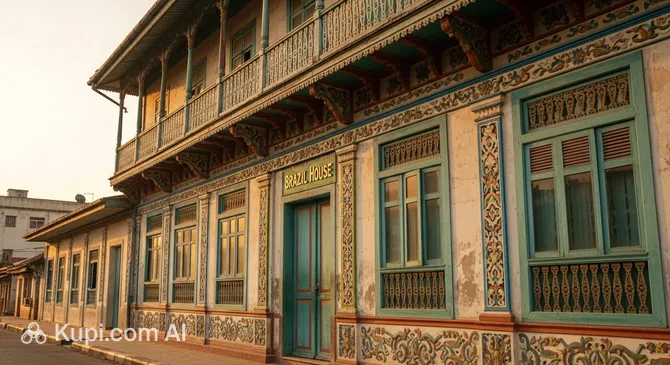
The historic district of Jamestown is home to the Brazil House, a symbol of the "Tabom" people. These were Afro-Brazilian returnees who settled in the area during the 19th century, bringing with them unique skills in architecture, tailoring, and irrigation that left a lasting mark on the local culture.
Accra is world-renowned for its "fantasy coffins," a tradition pioneered by local artisans in the Teshie neighborhood. These elaborate caskets are carved into shapes representing the deceased's profession or passion—ranging from giant cocoa pods and fish to airplanes and luxury cars.
The city was not always the capital of the Gold Coast. It only replaced Cape Coast as the administrative capital in 1877, largely because the British colonial authorities found Accra's drier climate to be more favorable and healthier than the humid conditions of the west.
The famous American civil rights activist W.E.B. Du Bois spent the final years of his life in this city. His former home is now the W.E.B. Du Bois Memorial Centre for Pan-African Culture, serving as a museum and his final resting place.
Brazil House. Illustration.
Source: Kupi.com AI
Traveler photos:
How to Get There
Reaching the vibrant capital of Ghana is relatively straightforward, with air travel being the most convenient method for international visitors. As a major hub in West Africa, the city is well-connected to various global destinations. For a detailed overview of all travel options, you can read more about how to get to Accra to help plan your journey effectively.
The primary gateway to the city is Kotoka International Airport (ACC), which is conveniently located within Accra itself, just 6.1 km from the city center. As a large international airport, it handles the majority of visitor traffic. The journey from the airport to the downtown area is quite short, typically taking around 30 minutes by taxi or bus, depending on traffic conditions.
Travelers may also consider regional alternatives, though they require a longer ground transfer. Lome Airport (LFW) is located in the city of Lome (Togo), approximately 174 km away. A trip from there to Accra would take about 4 hours and 40 minutes. Another option is Kumasi Airport (KMS) in the city of Kumasi, situated about 200 km from the capital, with a travel time of roughly 5 hours and 20 minutes by road.
For clarity, here is a summary of the main airports:
A visit to the city would be incomplete without exploring the Kwame Nkrumah Memorial Park & Mausoleum. Dedicated to Ghana's first president, this serene park is located in the heart of the city and serves as the final resting place of Dr. Kwame Nkrumah and his wife. The site features a museum that displays personal artifacts and photographs, offering a deep dive into the country's struggle for independence and its political history.
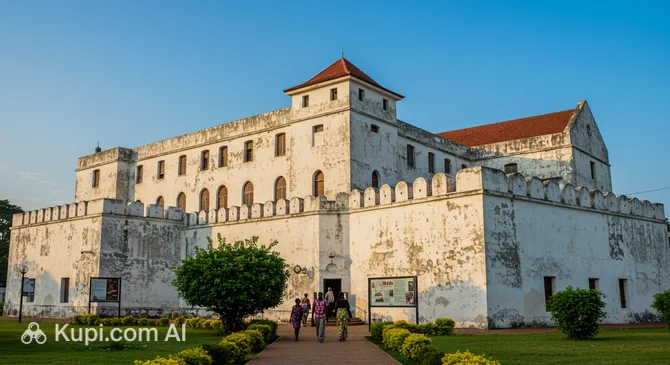
For those interested in colonial history, Osu Castle, also known as Fort Christiansborg, is a significant landmark. Built by the Danes in the 17th century, it has served various purposes throughout history, including as a seat of government. Sitting on the coast overlooking the Atlantic, the white-washed structure is a powerful reminder of the region's complex past and offers visitors a chance to learn about the trans-Atlantic trade and colonial governance.
Osu Castle. Illustration.
Source: Kupi.com AI
Traveler photos:
Another iconic symbol of the city is the Jamestown Lighthouse. Located in one of the oldest districts, this red-and-white structure towers over a vibrant fishing community. Visitors can explore the surrounding area to witness the daily life of local fishermen, see colonial-era architecture, and enjoy panoramic views of the harbor and the bustling streets of Jamestown.
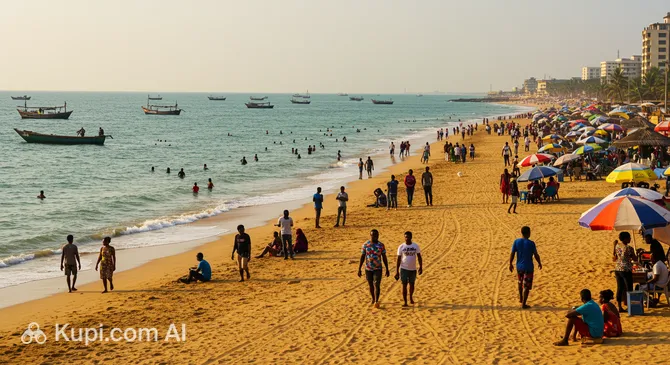
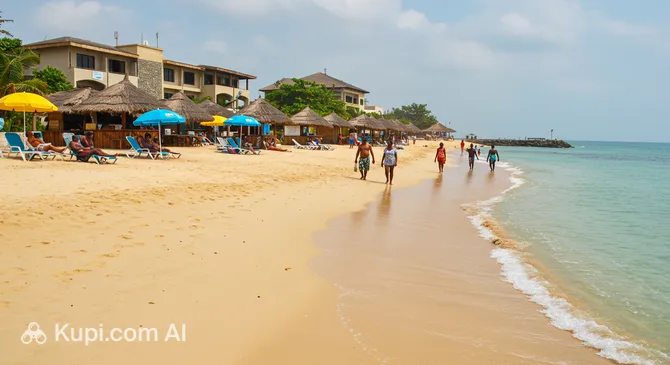
If you are looking to relax by the ocean, Labadi Beach is the most popular stretch of sand in the capital. It is not just a place to swim; it is a cultural hub where locals and tourists mingle. During the weekends, the beach comes alive with drumming, dancing, acrobatics, and plenty of local food stalls serving fresh fish and spicy kebabs, making it a perfect spot to experience the city's energetic vibe.
Labadi Beach. Illustration.
Source: Kupi.com AI
Traveler photos:
Finally, immerse yourself in the chaotic yet colorful atmosphere of the Makola Shopping Mall and the surrounding market area. This is the commercial heart of the city, where you can find everything from brightly colored traditional fabrics and beads to fresh produce and electronics. It is an intense sensory experience that offers a true taste of everyday life in West Africa.
Local Cuisine
The culinary scene in Accra is a vibrant explosion of flavors, characterized by the heavy use of fresh spices, tomatoes, onions, and chili peppers. At the heart of the local diet is the world-famous Jollof Rice, a one-pot dish cooked in a rich tomato stew that is a source of immense national pride. Visitors simply must try the Ghanaian version, often served with chicken, fried plantains, or salad, to understand why it is so beloved across West Africa.
Another staple that defines the city's gastronomy is Banku and Tilapia. Banku is a fermented dough made from corn and cassava, possessing a slightly sour taste and a soft, elastic texture. It is traditionally eaten with your hands and dipped into hot pepper sauce (shito) or okra stew, accompanied by perfectly grilled fresh tilapia. For a hearty breakfast or lunch, look for Waakye (pronounced "waa-che"), a delicious mixture of rice and beans cooked with dried millet sorghum leaves, which give it a distinctive reddish-brown color.
Street food is an integral part of the culture here, offering a quick and authentic way to taste local favorites. As you explore the city, the aroma of Kelewele—spiced, fried plantain cubes—will likely tempt you in the evenings. It is a popular snack often paired with peanuts. For those seeking a refreshing beverage, Sobolo is a must-try non-alcoholic drink made from hibiscus leaves, ginger, and pineapple. On the stronger side, adventurous travelers might sample Akpeteshie, a potent local spirit distilled from palm wine or sugar cane.
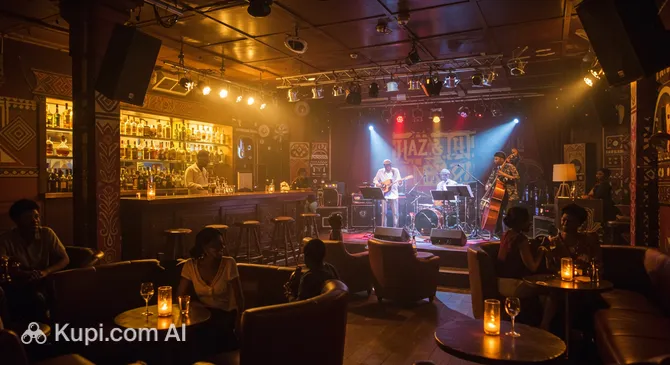
The city offers a mix of traditional "chop bars" and modern dining establishments. For a lively atmosphere that combines great food with live music, +233 Jazz Bar & Grill is a favorite among locals and tourists alike, offering grilled meats and refreshing drinks under the stars. If you prefer a more contemporary setting to enjoy a meal, Pomona provides a delightful dining experience with a varied menu.
+233 Jazz Bar & Grill. Illustration.
Source: Kupi.com AI
Traveler photos:
For a slower pace, you can explore the evolving cafe culture in the historic districts. Jamestown Coffee offers a unique spot to enjoy locally sourced coffee in an artistic setting. Whether you are grabbing a quick bite at a roadside stall or sitting down for a full meal, the hospitality and rich flavors of the capital will leave a lasting impression on your palate.
Travel Tips
Traveling to Accra is an exciting immersion into West African culture, but the city's fast pace and unique customs can be a bit overwhelming for first-time visitors. A little preparation goes a long way, so here are some practical tips to help you navigate the bustling streets with confidence and ease.
Dress for the Heat: The climate is hot and humid year-round, so pack lightweight, breathable fabrics like cotton or linen to stay cool. While casual summer wear is standard, remember to dress modestly if you plan to visit religious sites or traditional communities. A pair of sturdy, comfortable walking shoes is essential for navigating the sometimes uneven city pavements, and bringing a Type G power adapter will keep your devices charged.
Navigating the City: For tourists, the most convenient and stress-free way to get around is by using ride-hailing apps like Uber or Bolt. They offer transparent pricing and air-conditioned comfort. The ubiquitous local minibuses, known as tro-tros, are an inexpensive and authentic way to travel, but their routes can be chaotic and confusing for newcomers. Be prepared for heavy traffic, locally called "go-slow," especially during morning and evening rush hours.
Managing Your Money: The official currency is the Ghanaian Cedi (GHS). While upscale hotels, restaurants, and malls accept international credit cards, cash is absolute king in local markets, taxis, and street stalls. ATMs are widely available throughout the city. Tipping is not mandatory but is warmly received; rounding up your taxi fare or leaving a 5-10% tip at restaurants is a great way to show appreciation.
Health and Safety Essentials: Malaria is a risk in Ghana, so packing a strong insect repellent containing DEET and wearing long sleeves in the evenings is highly recommended. Stick to drinking bottled water strictly—avoid tap water and be cautious with ice in street drinks. Pharmacies are common in Accra for basic needs, and the city is generally safe, but you should exercise standard precautions with your valuables in crowded areas like Makola Market.
Staying Connected:English is the official language and is widely spoken, so you will have no trouble communicating. However, locals love it when visitors try a few words in Twi, the most common local language; try saying Medaase (Thank you) or Akwaaba (Welcome). Buying a local SIM card (MTN or Telecel) is quick and easy at the airport or authorized shops, providing you with reliable data for maps and apps.
Respect Local Etiquette: Ghanaians are famous for their hospitality and politeness. It is customary to greet people with a warm "Good morning" or "Good afternoon" before asking a question or starting a transaction. Crucially, always use your right hand for eating, shaking hands, or giving and receiving items. Using the left hand for these actions is considered culturally unclean and disrespectful.
Behaviors to Avoid: refrain from taking photographs of people, police officers, or government buildings without asking for explicit permission first, as this can cause offense or legal issues. Additionally, avoid public displays of anger or frustration; Ghanaians value patience and harmony, so a smile and a calm demeanor will resolve issues much faster than raising your voice.
Master the Art of Bargaining: If you are shopping for souvenirs or crafts in open-air markets, haggling is part of the experience. Vendors often quote a starting price higher than the standard rate. Negotiate politely and with a smile—it is meant to be a friendly social interaction, not an argument.
With these essentials in mind, you are ready to embrace the warmth, rhythm, and vibrant energy of Accra. Enjoy the incredible hospitality and the unforgettable experiences that await you in this dynamic capital!
Entertainment & Nightlife
When the sun sets, Accra transforms into one of the most vibrant entertainment hubs in West Africa. The city is famous for its electric nightlife, fueled by the rhythmic beats of Afrobeats, Highlife, and Hip-Hop. Whether you are looking for a sophisticated lounge, a pulsating dance floor, or a relaxed open-air bar, the capital offers an endless array of options that keep the energy high until the early hours of the morning.
The epicenter of the city's nightlife is undoubtedly the Osu district, particularly around Oxford Street. This area is packed with bars, casinos, and clubs that draw a diverse mix of locals, expatriates, and tourists. For a more upscale and polished experience, the neighborhood of East Legon offers stylish lounges and rooftop bars where the city's elite gather to socialize. Another emerging hotspot is the beach front, where ocean breezes mix with DJ sets for a unique party atmosphere.
One of the premier destinations for those seeking a chic seaside vibe is Sandbox Beach. Located along the coast, this exclusive beach club is renowned for its modern design, impressive ocean views, and lively events. It is the perfect place to sip cocktails while watching the sunset before the tempo picks up for a night of dancing under the stars.
Sandbox Beach. Illustration.
Source: Kupi.com AI
Traveler photos:
For those who prefer the intense energy of a city club, Level Bar & Lounge in Osu provides a dynamic setting. Known for its great music selection and vibrant crowd, it captures the essence of a classic Accra night out. If you are looking for something slightly more laid-back but still buzzing with character, Suncity Bar is another popular spot where you can enjoy drinks and conversation in a welcoming environment.
The nightlife culture here usually kicks off late. While bars are open earlier, clubs typically do not get busy until after 11:00 PM or midnight, often staying open until dawn on weekends. The dress code varies by venue; while casual wear is acceptable at beach bars and local pubs, upscale clubs and lounges in East Legon often expect a "smart casual" or "dress to impress" look. Prices can range significantly, with beers being relatively affordable, while cocktails and bottle service in high-end venues are comparable to international standards.
Safety is an important consideration for night owls. While the main nightlife districts are generally safe and well-populated, it is advisable to avoid walking alone in dark or quiet areas at night. The best way to get around is by using ride-hailing apps like Uber or Bolt, which are reliable and track your journey. Avoid hailing random taxis on the street late at night if you are unfamiliar with the city.
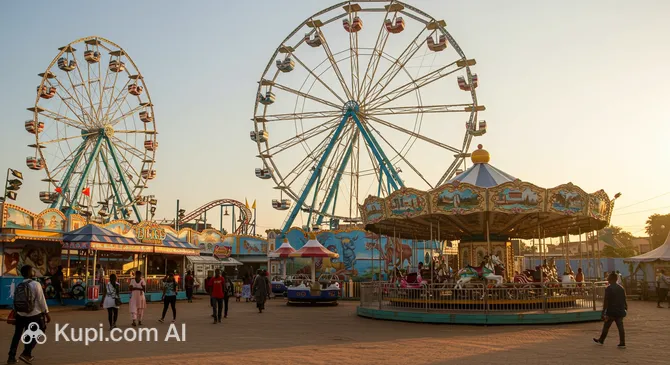
Beyond the nightlife, the city offers engaging daytime entertainment. Families and thrill-seekers can visit Bliss Family Entertainment, an amusement park featuring rides and games suitable for all ages. For a dose of culture, the Centre for National Culture (often called the Arts Centre) is a bustling hub where you can browse traditional crafts, watch artisans at work, and occasionally catch daytime cultural performances.
Bliss Family Entertainment. Illustration.
Source: Kupi.com AI
Traveler photos:
Whether you are exploring the artistic stalls by day or dancing to the latest Afrobeats hits by night, the entertainment landscape in Accra is as diverse as it is welcoming, promising memorable experiences for every type of traveler.
Parks & Museums
Beyond its bustling markets and lively beaches, the capital of Ghana offers a wealth of green spaces and cultural institutions that preserve the nation's heritage. Exploring the city's parks and museums provides a deeper understanding of its history, art, and natural beauty, offering a peaceful respite from the urban energy.
For nature lovers, the Legon Botanical Gardens is a must-visit destination located near the University of Ghana. This expansive green area features a canopy walkway, rope courses, and serene areas for birdwatching, making it a perfect spot for families and outdoor enthusiasts. Another significant green landmark is the Kwame Nkrumah Memorial Park & Mausoleum. While it serves primarily as a monument to the country's first president, its beautiful water features and manicured gardens offer a tranquil environment in the heart of the downtown area.
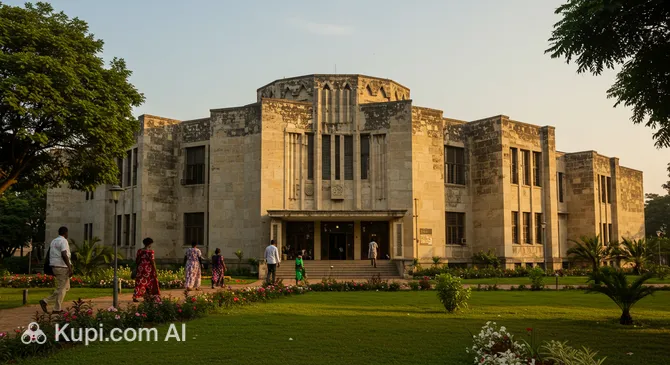
To immerse yourself in the country's intellectual history, a visit to the W.E.B. Du Bois Memorial Centre for Pan-African Culture is essential. This complex was the final home of the prominent American civil rights activist and sociologist W.E.B. Du Bois. Today, it functions as a museum housing his personal library and manuscripts, serving as a significant pilgrimage site for those interested in Pan-African history and the global struggle for civil rights.
W.E.B. Du Bois Memorial Centre for Pan-African Culture. Illustration.
Source: Kupi.com AI
Traveler photos:
The city's coastline is dotted with historical fortifications that tell the story of the trans-Atlantic trade. Ussher Fort, built by the Dutch in the 17th century, stands as a poignant reminder of the colonial era. Recently restored, it now houses a museum dedicated to the history of the slave trade and the region's past. Nearby, you can also view Fort James, another colonial structure that, although currently serving as a prison, remains a significant historical marker in the Jamestown district.
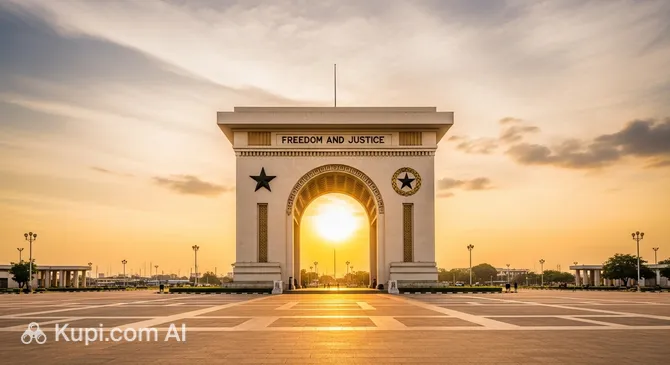
One of the most recognizable symbols of the city is the Independence Arch, located in Black Star Square. This imposing monument commemorates Ghana's independence and is a focal point for national celebrations. Its grandeur and architectural significance make it a popular stop for photographers and history buffs alike.
Independence Arch. Illustration.
Source: Kupi.com AI
Traveler photos:
For an authentic cultural experience off the beaten path, consider visiting the Artists Alliance Gallery in Labadi. This three-story gallery showcases a stunning collection of traditional and contemporary Ghanaian art, from kente cloth and antique Asafo flags to intricate sculptures. Unlike some larger institutions, you can often meet the artists or knowledgeable curators who provide fascinating insights into the local art scene.
Getting Around
Navigating the public transport system in Accra is an adventure in itself, offering a genuine slice of local life. Unlike many European or North American cities, the capital does not currently have a metro, tram, or extensive rail network for urban commuting. Instead, the system relies almost entirely on road-based transport, ranging from large buses to the ubiquitous and colorful minibuses known locally as tro-tros.
The tro-tro is the undisputed backbone of public transportation in the city. These privately owned minibuses cover virtually every corner of the metropolis and are the most affordable way to get around. There are no fixed timetables or official bus stops in many areas; instead, you hail them from the side of the road or board at designated stations locally called "lorry parks." A conductor, known as a "mate," hangs out of the window shouting the destination and collecting fares. While they can be crowded and lack air conditioning, riding a tro-tro is an essential cultural experience for any visitor.
For a slightly more organized and comfortable journey, you can look for the Aayalolo buses or the Metro Mass Transit (MMT) buses. The Aayalolo service was introduced as a Bus Rapid Transit (BRT) system, operating on specific corridors with dedicated lanes in some areas. These buses are generally newer, air-conditioned, and spacious. However, their routes are less extensive than the tro-tro network, serving mainly major arterial roads and business districts.
When it comes to payment, cash is king. For tro-tros and traditional taxis, you must pay in Ghanaian Cedis. It is crucial to carry small denominations (coins and smaller notes), as conductors often struggle to change large bills. Fares are fixed for specific distances but are rarely displayed; you simply pay the mate during the journey. The Aayalolo buses use a digital card system, but for short-term visitors, buying a card might be inconvenient, so checking if cash tickets are available at specific terminals is advisable.
If you prefer a more direct and comfortable mode of transport, ride-hailing apps are the best alternative for tourists. Services like Uber, Bolt, and Yango are widely available, reliable, and offer the safety of tracked journeys and fixed pricing. This eliminates the need to haggle, which is standard practice when taking traditional "dropping" taxis (taxis that you charter for a private trip). Traditional taxis are painted with orange corners on the fenders; if you use them, always agree on the fare with the driver before getting into the car.
Public transport operates from very early in the morning, often starting around 4:00 AM, and runs late into the night. However, frequency drops significantly after 9:00 PM, especially for tro-tros on less popular routes. Traffic congestion, locally known as "go-slow," is a major factor in the city, particularly during morning and evening rush hours. It is wise to plan your travel with extra time buffers or, if possible, travel during off-peak hours to avoid sitting in gridlock.
Accommodation
Finding the perfect place to stay in Accra is relatively easy, as the city offers a diverse range of accommodation options to suit every preference and budget. From high-end luxury hotels and polished business suites to charming boutique guesthouses and budget-friendly hostels, the hospitality landscape is growing rapidly. Whether you are visiting for business, leisure, or a cultural immersion, you will find a comfortable base to explore the capital.
When choosing where to stay, location is key. The district of Osu is a favorite among tourists who want to be in the heart of the action, offering easy access to nightlife, restaurants, and shops. For those seeking a quieter, more upscale environment, the Airport Residential Area and Cantonments are excellent choices, known for their leafy streets and proximity to diplomatic missions. Travelers looking for ocean views and a breeze often opt for accommodations along the coastline or in the historic Jamestown area.
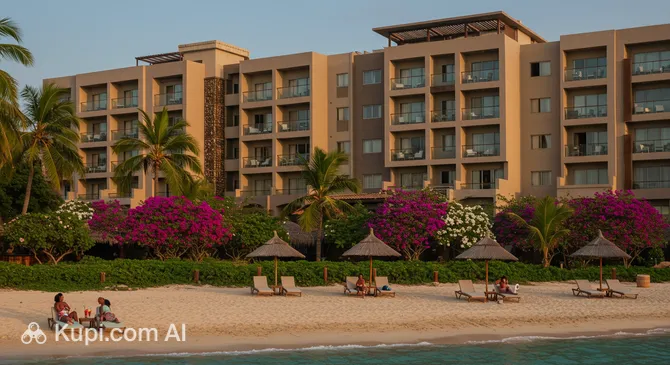
For visitors who wish to combine their stay with a resort-style experience near the water, the city has several notable options. The Oceanic Resort is one such establishment, providing guests with a relaxing atmosphere and amenities designed for comfort. It serves as a great retreat after a long day of exploring the busy streets of the capital.
Oceanic Resort. Illustration.
Source: Kupi.com AI
Traveler photos:
Another venue worth considering for a beachside feel is the Royal Dede Beach Resort. Places like this allow travelers to enjoy the coastal ambiance of the Gulf of Guinea while remaining within reach of the city's major attractions. These resorts often feature on-site dining and leisure facilities, making them convenient "one-stop" locations for relaxation.
Booking Tip: Accra is a major hub for business and tourism in West Africa, and hotels can fill up quickly, especially during the peak tourist season in December ("Detty December") and during major international conferences. It is highly advisable to book your accommodation well in advance to secure your preferred dates and rates.
In terms of pricing, the city accommodates all wallets. Budget travelers can find hostels and simple guesthouses ranging from modest prices, while mid-range hotels offer good value with modern amenities. Luxury establishments charge international rates comparable to major global cities. Most accommodations can be easily booked through major online travel platforms, though contacting smaller guesthouses directly can sometimes yield better deals or more personalized service.
Nearby Cities
For those looking to explore the surroundings, Accra serves as an excellent base for day trips to several interesting nearby locations:
One of the most significant neighboring destinations is Tema. Situated just a short drive along the coast, this planned city is the industrial heartbeat of the nation and home to its largest seaport. It offers a fascinating contrast to the capital with its organized layout and maritime atmosphere. Uniquely, the city lies directly on the Greenwich Meridian (Longitude 0°), a geographical highlight for many visitors.
Venturing further inland towards the Eastern Region, travelers can visit Koforidua, affectionately known locally as "Kof-Town." Nestled among lush hills, it provides a refreshing escape with a slightly cooler climate. The city is renowned for its vibrant weekly bead market, which is a treasure trove for those interested in traditional Ghanaian crafts. It also serves as a perfect gateway for nature lovers heading to nearby waterfalls and scenic rock formations.
These nearby destinations offer a glimpse into the diverse culture and landscapes of the region.
Shopping & Souvenirs
Shopping in Accra is a vibrant adventure that perfectly mirrors the city's diverse character. Visitors can experience two distinct worlds: the air-conditioned comfort of modern Western-style shopping centers and the intense, colorful energy of traditional open-air markets. From high-end fashion boutiques to bustling stalls overflowing with local crafts, the capital offers a wide array of goods that cater to both luxury seekers and bargain hunters.
For a lively street shopping experience, the district of Osu, particularly along the famous Oxford Street, is the place to be. This thoroughfare is lined with shops selling everything from electronics and shoes to African prints and jewelry. The sidewalks are often crowded with vendors, and the area pulses with music and activity, making it a great spot to find unique items while soaking up the local urban atmosphere.
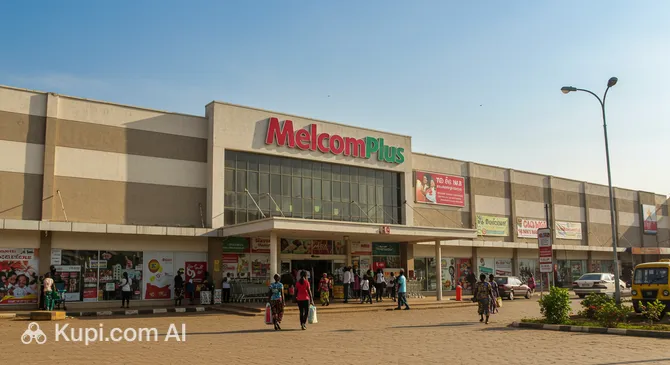
If you prefer a more conventional retail environment, the city has seen a rise in modern shopping complexes. Melcom Plus is a notable department store chain where travelers can find a vast assortment of general merchandise, household goods, and groceries in a structured setting. It is a convenient stop for picking up travel essentials or everyday items at fixed prices.
Melcom Plus. Illustration.
Source: Kupi.com AI
Traveler photos:
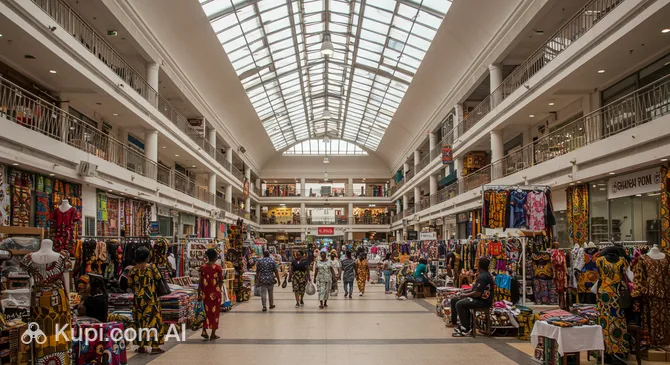
However, the true heartbeat of commerce in the city is found in its traditional markets. The Makola Shopping Mall and the surrounding market district offer an overwhelming sensory experience that is quintessentially Ghanaian. Despite the name, this is not a typical mall but a sprawling commercial hub where traders sell brightly colored fabrics, fresh produce, herbal medicines, and imported goods. It is the best place to witness the daily rhythm of the city and purchase authentic wax prints.
Makola Shopping Mall. Illustration.
Source: Kupi.com AI
Traveler photos:
When searching for souvenirs, made-in-Ghana goods are highly recommended. The most popular items include Kente cloth, a handwoven fabric with vibrant patterns that holds significant cultural value. Other excellent keepsakes are intricate wood carvings, beaded jewelry, and leather goods. Don't forget to look for high-quality Ghanaian cocoa products and unrefined shea butter, which are renowned worldwide for their quality.
Store hours in Accra generally run from 8:00 AM to 5:00 PM or 6:00 PM, Monday through Saturday. Many smaller shops and markets are closed on Sundays, although major supermarkets and malls usually remain open. While credit cards are accepted in modern malls, hotels, and upscale boutiques, cash is essential for street vendors and traditional markets. Bargaining is expected in the markets, so be prepared to negotiate politely to get a fair price.
Regarding taxes, a Value Added Tax (VAT) is typically included in the price of goods and services. While a VAT refund scheme exists for international visitors at the airport, the process can be complex and is not as widely utilized or streamlined as in some other tourist destinations, so it is best not to rely heavily on it for small purchases.