Support

Kumasi

About

Welcome to Kumasi, a vibrant metropolis that serves as the cultural heartbeat of the Ashanti Region. Often referred to as the "Garden City" due to its lush greenery and beautiful plant life, this bustling urban center offers a unique blend of ancient tradition and modern dynamism. As the second-largest city in Ghana, it holds a significant place in the nation's identity, boasting a population of over two million residents who contribute to its lively atmosphere.

The city is renowned for its deep-rooted traditions and royal heritage. Visitors interested in the history of Kumasi will find themselves immersed in the legacy of the Ashanti Kingdom. It is the seat of the Asantehene, the traditional ruler, and the customs preserved here offer a fascinating glimpse into the past. The city's location in the transitional forest zone ensures a tropical wet and dry climate, making it a pleasant destination for exploration throughout much of the year.
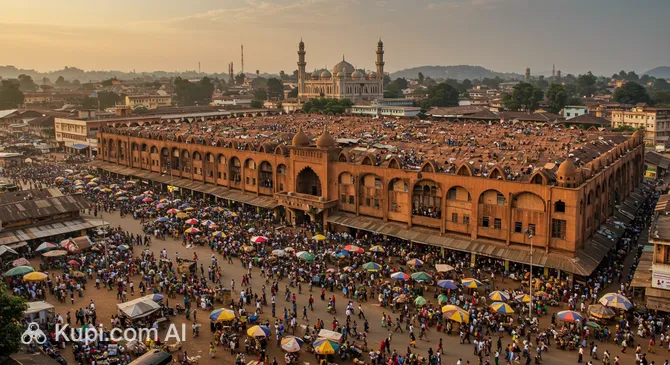
Kumasi. Source: Kupi.Binoculars

Travelers are often drawn to the magnificent Manhyia Palace Museum, where they can learn about royal history and view rare artifacts. Another unmissable experience is the sprawling Kejetia Market, often cited as the largest open-air market in West Africa. Here, the energy is palpable as vendors sell everything from colorful kente cloth to handcrafted pottery and fresh produce. For a touch of legend, the Okomfo Anokye Sword Site marks the spot where the Golden Stool was commanded down from the sky, a pivotal moment in local folklore.

Whether you are navigating the busy streets, admiring the colonial architecture, or enjoying the hospitality of the locals, Kumasi promises an unforgettable journey. It is a destination that perfectly captures the spirit of the region, inviting every guest to discover its rich stories and vibrant daily life.
Weather Overview

Kumasi experiences a tropical climate characterized by consistent warmth and distinct seasonal changes in rainfall. Temperatures remain generally high throughout the year, with the hottest period occurring around February, where average temperatures reach nearly 30°C and daily highs can climb to 35°C. In contrast, the months of July and August offer slightly cooler conditions, with averages hovering around 25.5°C, providing a bit of relief from the heat.

Travelers should be mindful of the precipitation patterns when planning their itinerary. The city sees a prolonged rainy season that spans from roughly March through October, with September and October often recording the highest frequency of wet days, reaching up to 26 days a month. Conversely, December and January are typically very dry, often seeing little to no rainfall. For a more detailed breakdown of what to expect during your specific travel dates, you can check the weather in Kumasi to help pack accordingly. Expect warm days year-round with frequent rain during the middle of the year and dry, sunny weather in the winter months.

Interesting Facts

Beyond its bustling markets and royal heritage, Kumasi holds many fascinating secrets and urban legends that often escape the casual observer. From immovable artifacts to unique historical origins, the city offers intriguing stories that deepen the understanding of the Ashanti Kingdom's spiritual home.
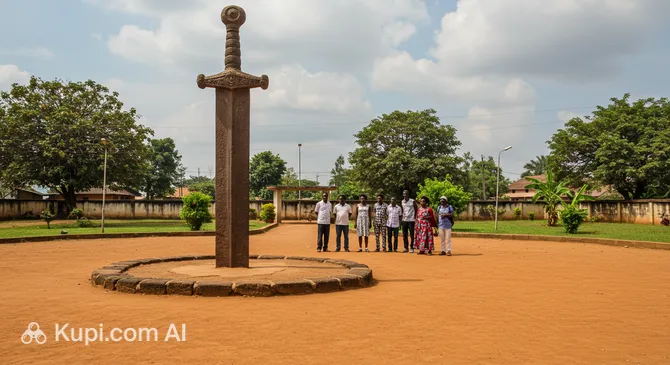
Komfo Anokye Sword Site. Source: Kupi.Binoculars
  • One of the most enduring mysteries in the city is found at the Komfo Anokye Sword Site. Legend states that the sword planted here by the high priest Okomfo Anokye over 300 years ago is immovable; it is believed that if the sword is ever pulled from the ground, the Ashanti Kingdom will collapse. Despite numerous attempts, including a famous try by heavyweight champion Muhammad Ali, the sword remains firmly stuck in the earth.

  • Kumasi is widely known as the "Garden City of West Africa," a nickname that is often attributed to Queen Elizabeth II. During her visit in 1961, she was reportedly so impressed by the city's lush flora and cleanliness that she bestowed the title upon it, highlighting a greener past that the city is striving to restore today.

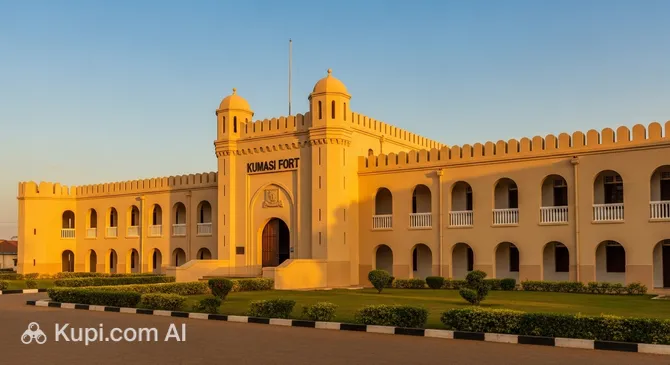
  • The Armed Forces Museum is housed in the Kumasi Fort, which holds the distinction of being the only inland fort in Ghana. Unlike the coastal castles built for trade, this structure played a pivotal role during the Yaa Asantewaa War of 1900, serving as a refuge for the British governor during the fierce siege led by the Ashanti Queen Mother.

  • While the Manhyia Palace built in 1925 was originally intended as a gift from the British colonial government to King Prempeh I upon his return from exile, the gesture was respectfully declined. The Ashanti people chose to pay for the building themselves to ensure their king would not be indebted to the British, turning the palace into a symbol of independence and pride.

How to Get There

Reaching the "Garden City" is relatively straightforward, with options to suit different travel styles and budgets. Whether you prefer the speed of a domestic flight or a scenic drive through the Ghanaian countryside, you can easily plan your journey. For a comprehensive guide on all transport options, you can read more about how to get to Kumasi on our detailed page.

The most direct way to arrive is via Kumasi Airport (IATA: KMS), which is conveniently located within the city limits, just 6 km from the center. This regional hub handles a significant volume of domestic traffic, making it a busy and efficient entry point. A taxi ride from the airport to the heart of the city typically takes about 30 minutes. While it primarily serves domestic routes, it is the fastest link for travelers coming from the capital.

Most international visitors will first land at Kotoka International Airport (IATA: ACC) in Accra, the country's bustling capital. Situated approximately 199 km from Kumasi, this is a large international facility welcoming millions of passengers annually. From here, you can transfer to a domestic flight to Kumasi or opt for ground transport. If you choose to travel by road from Accra, the journey by taxi or bus takes around 5.5 hours, offering a chance to see the changing landscapes of southern Ghana.

For clarity, here is a summary of the main airports:

Airport Name City Passenger Traffic Km from City
Kotoka International Airport Accra Large 198.8
Felix Houphouet Boigny Airport Abidjan Large 299.3
Kumasi Airport Kumasi Medium 6.0
Takoradi Airport Sekondi-Takoradi Small 196.6

While the city does not currently have a major railway service for tourist passengers, it is exceptionally well-connected by road. A network of comfortable air-conditioned buses and express shuttles links Kumasi to Accra and other major regional capitals. These road trips are a popular and affordable way to travel, allowing visitors to experience the vibrant local culture along the way.

Main Attractions

Kumasi is a treasure trove of history, culture, and nature, offering visitors a deep dive into the heritage of the Ashanti Kingdom. From royal residences to serene green spaces, the city's landmarks provide a captivating mix of the ancient and the modern.

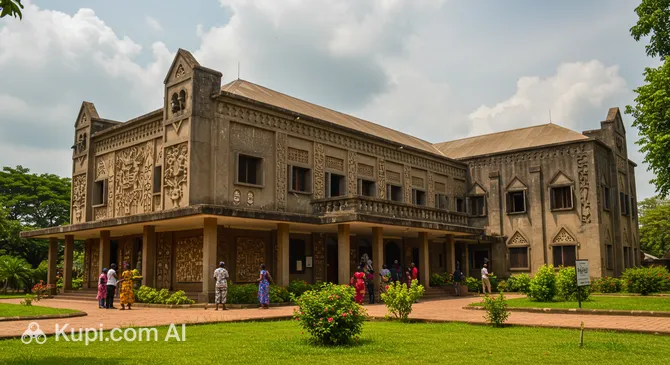
One of the most significant stops for any traveler is the Manhyia Palace. As the official seat of the Asantehene, the King of the Ashanti people, this site is pivotal to understanding the region's cultural fabric. The palace complex includes a museum that houses a remarkable collection of gold regalia, furniture, and palanquins used by past kings. It offers a fascinating insight into the court's history and the resilience of the Ashanti culture over centuries.

Manhyia Palace. Source: Kupi.Binoculars

For those interested in military history, the Armed Forces Museum is an essential destination. Housed within the historic Kumasi Fort, the only inland fort in the country, the museum displays a wide array of military equipment, weapons, and medals dating back to the colonial era and the World Wars. Walking through its halls, visitors can learn about the Ghana Armed Forces' evolution and explore the very grounds that played a crucial role in the Yaa Asantewaa War.

Armed Forces Museum. Source: Kupi.Binoculars

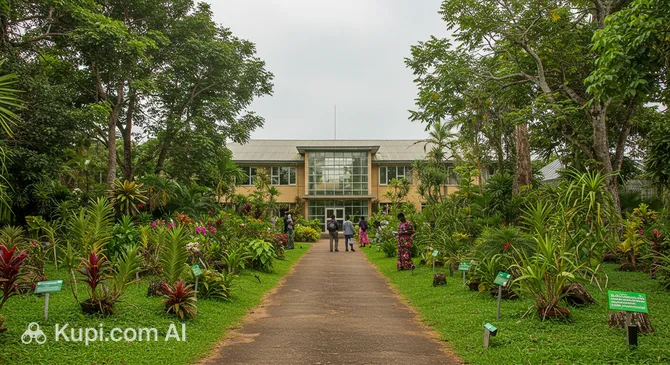
To experience why Kumasi is called the "Garden City," a trip to the KNUST Botanical Garden is highly recommended. Located on the campus of the Kwame Nkrumah University of Science and Technology, this sprawling green oasis is perfect for a relaxing afternoon. The garden features a diverse collection of indigenous and exotic plants, towering trees, and peaceful pathways, making it a favorite spot for picnics, bird watching, and escaping the city's bustle.

KNUST Botanical Garden. Source: Kupi.Binoculars

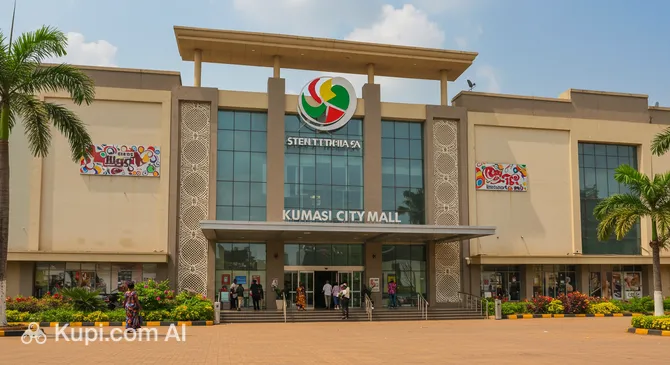
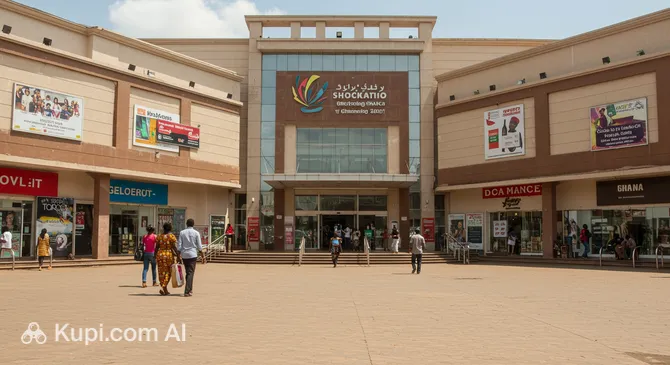
For a taste of modern Kumasi, the Kumasi City Mall offers a contemporary shopping and leisure experience. As one of the largest malls in the region, it serves as a vibrant social hub where tourists can find international brands, enjoy local and western cuisine at the food court, or catch a movie. It is a great place to unwind and observe the modern lifestyle of the city's residents.

Kumasi City Mall. Source: Kupi.Binoculars

Local Cuisine

Kumasi is often regarded as the culinary heart of the Ashanti Region, offering a food scene that is as rich and vibrant as its culture. The local cuisine is characterized by hearty, flavorful meals that make generous use of fresh tropical ingredients, spices, and locally grown tubers. For any visitor, dining here is not just about sustenance; it is an immersion into the traditions of the Ashanti people, who take great pride in their hospitality and culinary heritage.

The undisputed king of the local table is Fufu. This staple dish, made by pounding boiled cassava and plantains into a smooth, stretchy dough, is swallowed rather than chewed and is almost always served submerged in a bowl of aromatic soup. The most popular accompaniments are Light Soup (a spicy tomato and eggplant base, often with goat meat) and Groundnut Soup (a rich, creamy peanut-based broth). Trying authentic Fufu at a local "chop bar" is an essential experience for anyone wanting to understand the local way of life.

Beyond the main staples, the streets of Kumasi are filled with the tempting aroma of Kelewele. This popular evening snack consists of ripe plantain cubes seasoned with ginger, chili, and onions, then fried until golden and caramelized. It is often eaten on its own or with peanuts. Another favorite is Jollof Rice, a one-pot rice dish cooked in a flavorful tomato stew, which is a source of friendly rivalry across West Africa but is prepared with a distinct, spicy flare in Ghana.

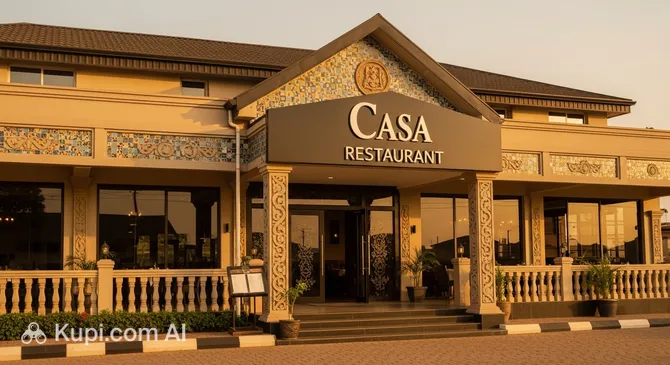
Casa Restaurant. Source: Kupi.Binoculars

The beverage culture in Kumasi is equally diverse. Traditional alcoholic drinks like Palm Wine (locally known as Nsafufuo), tapped from palm trees, offer a sweet and potent taste of the countryside. In the northern-influenced communities, you might find Pito, a fermented sorghum beer served in calabash gourds. For non-alcoholic options, Sobolo is a refreshing drink made from hibiscus leaves, ginger, and pineapple, perfect for cooling down on a hot afternoon.

Dining options in the city range from humble roadside stalls to upscale establishments. For travelers looking to enjoy a meal in a comfortable, modern setting, Casa Restaurant is a well-known spot that serves a variety of dishes. Those seeking a blend of fine dining and leisure might visit the Ridge Condos Hotel, which offers a sophisticated atmosphere. If you are looking to experience the local nightlife and grab a drink after dinner, venues like the Ice Man Pub provide a lively environment to mingle with locals and enjoy the city's energy.

Travel Tips

Preparing for a trip to Kumasi means getting ready for a vibrant immersion into the heart of Ashanti culture. To help you navigate the bustling streets and rich traditions of the "Garden City" with ease, here are some essential practical tips for a smooth journey.

  1. Clothing and Gear: Due to the tropical climate, lightweight and breathable fabrics like cotton or linen are your best friends. Pack a sturdy umbrella or a light raincoat, especially if you are visiting during the rainy season (March to October). Comfortable walking shoes are a must for exploring the sprawling Kejetia Market. While casual wear is generally acceptable, dress modestly when visiting the Manhyia Palace or religious sites; avoid overly revealing clothing to show respect for local customs. Don't forget a Type G power adapter (British style) for your electronics.
  2. Transportation: The most convenient way for tourists to get around is by using ride-hailing apps like Uber or Bolt, which offer transparent pricing and comfort. Traditional taxis are abundant, but they do not use meters, so you must negotiate the fare before getting in. For a truly local experience, you can hop on a "tro-tro" (shared minibus), which is very cheap but often crowded and can be confusing for first-time visitors.
  3. Finances: The local currency is the Ghanaian Cedi (GHS). While major hotels and the mall accept cards, cash is king in Kumasi, especially at markets, street stalls, and smaller restaurants. ATMs are widely available, particularly near banks and the mall. It is wise to carry smaller denominations for everyday purchases. Tipping is not strictly mandatory but is highly appreciated; rounding up the bill or leaving a small amount for good service is a kind gesture.
  4. Health and Safety: Kumasi is generally safe, but standard precautions apply: keep your valuables secure, especially in crowded areas like the central market. Malaria is a risk in Ghana, so bring strong insect repellent and consider taking prophylaxis prescribed by your doctor. Always drink bottled water and avoid tap water. Pharmacies, often called "Chemical Shops," are easy to find for basic supplies, while major hospitals like the Komfo Anokye Teaching Hospital provide 24-hour emergency care.
  5. Communication: English is the official language and is widely spoken, so you will have no trouble communicating in hotels, restaurants, and tourist sites. However, the local language, Twi, is the heartbeat of the city. Locals love it when visitors try a few words; a simple "Ete sen?" (How are you?) can open many doors. Buying a local SIM card (MTN or Telecel) is recommended for reliable data; you can easily register one with your passport at official kiosks.
  6. Local Etiquette: Greetings are extremely important in Ashanti culture. Always acknowledge people when entering a room or a shop with a friendly "Good morning" or "Good afternoon." Handshakes are common, often ending with a unique finger snap. Respect for elders and traditional rulers is paramount; if you are lucky enough to meet a chief, follow the lead of your guide on how to show proper deference.
  7. What to Avoid: The most critical rule is to never use your left hand for giving or receiving items, eating, or gesturing. In local culture, the left hand is considered unclean, and using it socially is seen as highly disrespectful. Also, avoid taking photographs of people, especially elders or palace guards, without asking for their permission first.
  8. Market Shopping Tip: When shopping at Kejetia or other open-air markets, bargaining is expected and is part of the fun. Vendors will often quote a higher starting price for tourists. Smile, be polite, and try to negotiate a price that is fair for both parties. It is not just a transaction; it is a social interaction.

With these tips in hand, you are well-equipped to embrace the warmth, history, and energy of Kumasi. Respect the local traditions, stay open to new experiences, and enjoy the legendary hospitality that makes this city so special.

Entertainment & Nightlife

When the sun sets over the "Garden City," Kumasi transforms into a lively hub of entertainment, offering a nightlife scene that is both energetic and welcoming. While it may be more laid-back compared to the frenetic pace of Accra, the city boasts a vibrant culture of open-air pubs, sophisticated lounges, and pulsing nightclubs that cater to a variety of tastes. From the upscale neighborhoods of Ahodwo and Nhyiaeso to the bustling streets of Bantama, there is always somewhere to enjoy music, dance, and good company.

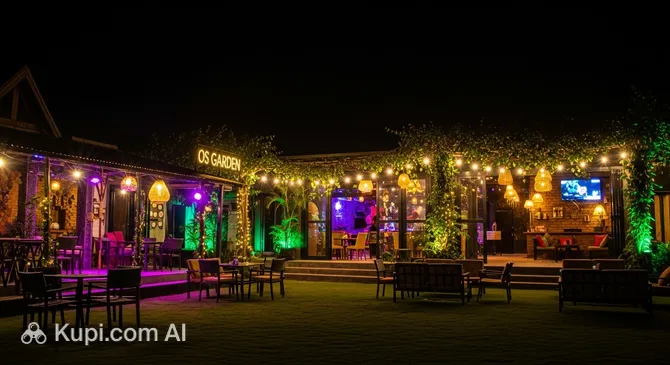
For those looking to experience the modern pulse of the city, OS Garden is a standout destination. This popular venue combines the atmosphere of a nightclub with an outdoor lounge, making it a favorite among the trendy youth and expats. It is the perfect place to enjoy Afrobeats, Hip-Hop, and Hiplife music while sipping on cocktails. The vibe here is electric, especially on weekends when the crowd is dressed to impress and the energy remains high until the early hours of the morning.

OS Garden. Source: Kupi.Binoculars

If you prefer a spot that balances a relaxed bar setting with a party mood, The Inside is another excellent choice. Known for its well-stocked bar and lively ambiance, it attracts a diverse crowd looking to unwind after a long week. It is a great venue to mingle with locals, enjoy a cold beer, and soak in the authentic Kumasi nightlife experience without the need for an overly formal dress code.

The Inside. Source: Kupi.Binoculars

For a more sophisticated evening, arguably suitable for a romantic night out or a quiet drink with friends, the Ridge Condos Hotel offers a refined setting. Its restaurant and lounge areas provide a chic backdrop for enjoying premium drinks and conversation away from the louder street-side pubs. The atmosphere here is upscale, so a smart-casual dress code is recommended to blend in with the stylish clientele.

When planning a night out, it is best to head out around 10:00 PM when the venues start to fill up. Prices are generally affordable, with local beers costing significantly less than imported spirits or cocktails. For transportation, it is highly advisable to use ride-hailing apps like Uber or Bolt rather than hailing random taxis on the street at night. These services offer safety, tracking, and transparent pricing. While the main nightlife districts are safe, always stick to well-lit areas and avoid walking alone in quiet neighborhoods after dark.

Beyond the nightlife, Kumasi offers plenty of entertainment during the day. The Kumasi City Mall is a central hub for families and friends, featuring a modern cinema where you can catch the latest blockbuster movies. For a dose of culture, the Centre for National Culture frequently hosts traditional drumming and dancing performances, providing a colorful and rhythmic contrast to the modern beats of the city's nightclubs.

Parks & Museums

Kumasi lives up to its "Garden City" moniker by offering a refreshing array of green spaces that complement its profound historical depth. Beyond the bustling streets, the city provides serene sanctuaries and cultural institutions where visitors can unwind and connect with the rich heritage of the Ashanti Kingdom.

For a modern recreational experience, Rattray Park stands out as a premier destination for families and fitness enthusiasts. This beautifully landscaped park features paved walkways perfect for jogging, a children's playground, and its signature "dancing fountain," which lights up the evenings. For those seeking a quieter escape into nature, the KNUST Botanical Garden offers a lush retreat. Located within the university campus, its dense bamboo groves and peaceful creek provide a stark, calming contrast to the urban energy, making it an ideal spot for a leisurely walk or birdwatching.

To dive deeper into the local artistic and royal traditions, a visit to the Centre for National Culture is highly recommended. This vibrant hub is home to the Prempeh II Jubilee Museum, which safeguards a unique collection of personal artifacts belonging to the Ashanti Kings, including war attire and royal insignia. The centre is also a bustling artisan village where you can watch skilled craftsmen weaving Kente cloth, molding pottery, and casting brass, offering a tangible connection to the region's living culture.

While the Manhyia Palace remains the central pillar of royal history, and the Armed Forces Museum offers a glimpse into military valor within the old fort, the city's historical landscape is dotted with other intriguing sites. Just a stone's throw away lies the legendary Komfo Anokye Sword Site, a place of mystery that continues to captivate visitors with the story of the immovable sword that symbolizes the unity of the Ashanti nation.

Getting Around

Public transport in Kumasi is almost entirely road-based, offering a lively and authentic way to experience the city's daily rhythm. Unlike some global capitals, the city does not have a metro, tram, or urban railway system. Instead, the streets are dominated by a mix of minibuses, taxis, and ride-hailing services that connect every corner of the metropolis. For a visitor, navigating this network is an adventure that requires a bit of patience but rewards you with a genuine connection to local life.

The most popular and ubiquitous form of transport is the tro-tro. These are privately owned minibuses that operate on fixed routes throughout the city. They are the backbone of public transit, easily identifiable by their often colorful decorations and the "mate" (conductor) leaning out the window to shout the destination. Tro-tros are incredibly affordable and run frequently, making them the choice for the vast majority of residents. However, they can be crowded and do not have a fixed schedule; they typically depart from terminals only when every seat is filled.

For a more comfortable and direct journey, taxis are widely available. In Kumasi, taxis are generally painted with yellow and orange fenders. There are two ways to use them: "dropping" (charter) or "shared." A "dropping" taxi takes you directly to your destination like a private cab, while a shared taxi picks up multiple passengers heading in the same general direction along a specific route. Shared taxis are cheaper than chartering, but if you value privacy and speed, hiring the taxi for yourself is the better option.

The payment system across the city is predominantly cash-based. For tro-tros and street taxis, you will need physical currency in small denominations. Fares for tro-tros are fixed depending on the distance, and you pay the conductor during the ride. For taxis, especially "dropping" services, there are no meters. You must negotiate and agree on the fare with the driver before you get into the car. It is helpful to ask a local or hotel staff for the approximate price beforehand to avoid overpaying.

Modern alternatives have made getting around much easier for tourists. Ride-hailing apps such as Uber, Bolt, and Yango are active in the city. These services offer the convenience of booking a ride from your smartphone with transparent pricing, eliminating the need to haggle. You can pay via the app or with cash at the end of the trip. This is often the most stress-free option for visitors unfamiliar with the city's layout.

If you choose to use the public system, the central transport hub is the area around Kejetia Market. It serves as a massive terminal where you can find vehicles heading to almost any part of the city or neighboring towns. Operating hours are long, with transport available from very early in the morning until late at night, though frequency drops significantly after 10:00 PM. Be aware that traffic congestion can be heavy during peak hours (morning and late afternoon), so it is wise to plan your movements with some extra time buffer.

Accommodation

Finding the perfect place to stay in Kumasi is relatively easy, as the city offers a wide spectrum of accommodation options to suit various budgets and preferences. While it may not have the sheer density of five-star luxury resorts found in some coastal capitals, it boasts a solid selection of comfortable mid-range hotels, charming guesthouses, and budget-friendly hostels. The hospitality sector here is growing, with many establishments blending modern amenities with the traditional warmth of Ashanti culture.

For travelers seeking peace, quiet, and a touch of luxury, the neighborhoods of Nhyiaeso and Ahodwo are the most recommended areas. These residential districts are known for their leafy streets, upscale atmosphere, and proximity to some of the city's best restaurants and nightlife spots. Staying here places you a short drive away from the city center while allowing you to retreat to a serene environment after a day of exploring. Many of the city's higher-end hotels and boutique lodges are situated in these zones.

If you prefer to be in the heart of the action, the Adum area and its surroundings serve as the central business district. Accommodation here ranges from older, colonial-style hotels to practical budget lodgings. Staying in the center offers unbeatable access to the bustling Kejetia Market and major transport terminals, making it a convenient choice for backpackers or those who want to immerse themselves in the city's daily rhythm. However, be prepared for higher noise levels and heavy traffic during the day.

A crucial tip for booking accommodation in Kumasi is to check the local festival calendar. During the Akwasidae Festival, which occurs every six weeks to honor the Ashanti ancestors and the King, the city sees an influx of visitors and dignitaries. During these periods, as well as the Christmas season, hotels can fill up quickly, so it is highly advisable to book your room several weeks in advance to secure your preferred spot.

In terms of pricing, budget travelers can find decent rooms ranging from simple guesthouses to basic hotels for approximately $15 to $40 per night. Mid-range options, offering air conditioning, Wi-Fi, and breakfast, typically fall between $50 and $100. While major international booking platforms are widely used by the larger hotels, many smaller guesthouses still rely on direct phone bookings or walk-ins. It is always a good idea to have some cash on hand for deposits if you are staying at a smaller, family-run establishment.

Nearby Cities

For those looking to explore the surroundings, Kumasi serves as an excellent base for day trips to several interesting nearby locations:

One of the most intriguing destinations for a day trip is Obuasi, located approximately 52 kilometers south of the city. Known globally for its gold mining heritage, it is home to one of the largest gold mines on the continent. Visitors here can get a unique glimpse into the industrial history that has played a pivotal role in the region's economic development, set against a backdrop of rolling hills.

For those willing to travel a bit further, Sunyani offers a refreshing change of pace. Often celebrated as one of the cleanest and best-planned cities in Ghana, it serves as the capital of the Bono Region. The journey there takes you through lush agricultural landscapes, and the city itself is known for its friendly atmosphere and greenery, making it a pleasant stop for travelers interested in seeing more of the country's diverse urban life.

City Population Distance (km)
Sunyani 208,496 107
Obuasi 180,460 52
Techiman 104,212 108
Ahenkro 80,813 24
Konongo 71,238 45

These nearby destinations offer a glimpse into the diverse culture and landscapes of the region.

Shopping & Souvenirs

Shopping in Kumasi is a vibrant experience that perfectly mirrors the city's energetic character. As a historic trading hub, the city offers a fascinating mix of traditional open-air commerce and modern retail therapy. Visitors can expect to find everything from authentic African crafts and textiles to contemporary fashion and electronics. The city is particularly famous for its production of Kente cloth and traditional sandals, making it an excellent destination for those looking to take a piece of Ghanaian culture home with them.

The beating heart of the city's commercial life is undoubtedly the Adum district. This central business area is always buzzing with activity, lined with colonial-era buildings that now house banks, offices, and a myriad of shops. Walking through Adum, you will encounter street vendors selling fabrics and footwear alongside established brick-and-mortar stores. It is the primary spot for purchasing general goods and experiencing the daily hustle of the locals.

For a more regulated and modern shopping environment, the city boasts several shopping centers. The most prominent is the Kumasi City Mall, a massive complex that introduced a western-style retail experience to the region. Here, you can browse through international brands, visit a well-stocked supermarket, or relax at the food court. Another notable location is the Adum Shopping Mall, which, situated in the commercial center, provides a convenient stop for clothing and accessories amidst the busy streets.

Adum Shopping Mall. Source: Kupi.Binoculars

No shopping trip to Kumasi is complete without visiting its legendary markets. The Kejetia Market is often cited as the largest open-air market in West Africa, featuring over 11,000 stalls. It is a labyrinth of sights, sounds, and smells where you can buy fresh produce, spices, and handcrafted items. For those specifically interested in arts and crafts, the Centre for National Culture is a treasure trove. It serves as an artisan village where you can watch craftsmen at work and purchase authentic souvenirs directly from the makers.

When it comes to souvenirs, Kente cloth is the top recommendation. While the nearby village of Bonwire is the weaving capital, you can find high-quality strips and full cloths throughout Kumasi's markets. Other popular items include Ashanti sandals (Ahenema), which are symbols of royalty and prestige, as well as carved wooden masks, pottery, and colorful glass beads. These items are not just keepsakes but tangible representations of the Ashanti heritage.

Most shops and markets typically operate from around 8:00 AM to 6:00 PM, Monday through Saturday. Sunday is generally a quiet day for traditional businesses, although the modern malls and some supermarkets remain open. Regarding payment, cash is king in the markets and smaller street shops, so it is essential to carry Ghanaian Cedis in smaller denominations. Credit cards are generally accepted at the large malls, hotels, and upscale restaurants, but mobile money has also become a very popular payment method across the city. Tax-free shopping facilities are not widely available for tourists, so visitors should expect to pay the standard VAT included in the price of goods.

Reached the end of the page?

That means the route is fully explored