Support

Ghana

About the Country

Ghana is a remarkable country in West Africa, washed by the waters of the Gulf of Guinea, which greets travellers with a warm tropical climate and an incredible kaleidoscope of cultures. It is a place where history comes alive at every turn, and nature astounds with its diversity. The nation's capital, the vibrant city of Accra, is an excellent starting point for exploring Ghana, offering both modern conveniences and authentic markets. For travellers from the UAE, direct flights make it an accessible destination.
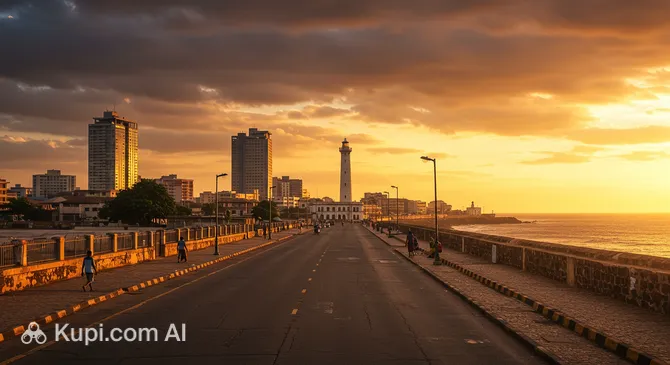
Accra. Source: Kupi.com Binoculars

Ghana is known for its rich historical heritage, linked to the "Gold Coast" era and the transatlantic slave trade. Numerous forts and castles along the coast, such as those in Cape Coast and Elmina, stand as silent witnesses to those times and are UNESCO World Heritage sites. Further inland, in the Ashanti Region, you can discover the culture of this powerful kingdom, centred around the city of Kumasi. Beyond its historical landmarks, Ghana captivates with its national parks, featuring lush tropical forests, waterfalls, and diverse wildlife.

The atmosphere in Ghana is filled with the friendliness and hospitality of its local people, who often call their country "Africa for beginners" due to its relative safety and ease of travel. Vibrant festivals, lively highlife music, colourful kente fabrics, and bustling markets like Makola Market in Accra create a unique flavour. For Muslim visitors, major cities like Accra have a significant Muslim community, offering numerous mosques and a variety of halal food options. The Ghana National Mosque in Accra is the second largest in West Africa and serves as a major community hub. Ghana offers a unique blend of cultural immersion, historical discovery, and relaxation on picturesque beaches, leaving every guest with warm and vivid memories.
Currency

The monetary unit of Ghana is the Ghanaian cedi, with the international code GHS. Cedi banknotes are distinguished by their colourful design, often featuring portraits of the 'Big Six' – the leaders who led the country to independence – as well as significant national symbols and monuments. Coins, called 'pesewas', are also in circulation.

It is recommended to exchange foreign currency for Ghanaian cedis at official banks or licensed exchange offices (Forex Bureau), which can be found at the airport, in major cities such as Accra, and in tourist centres. Try to avoid exchanging money with street money changers, as this can carry the risk of receiving counterfeit notes or an unfavourable exchange rate. Credit cards (mainly Visa and MasterCard) are accepted in large hotels, some restaurants, and supermarkets in the capital and other large cities. However, for everyday expenses, shopping at markets, and in smaller towns, it is preferable to have cash on hand.

Visa Requirements

A visa is generally required for most foreign nationals to enter Ghana. For UAE residents, this must typically be arranged in advance through a Ghanaian embassy or consulate. While some nationalities may be eligible for a visa on arrival, it is crucial for UAE residents to verify their eligibility beforehand as conditions can vary. There are reports of a visa-on-arrival option for UAE residents, but official sources suggest that prior authorisation may be required.

UAE citizens holding ordinary passports can obtain a visa on arrival for a stay of up to 30 days. However, it is strongly recommended to confirm this information with the relevant Ghanaian authorities before travelling.

To cross the border, you will need a valid passport with at least six months' validity from your date of entry. It is also advisable to carry return tickets, proof of accommodation, and medical insurance. A Yellow Fever vaccination certificate is a mandatory requirement. As visa regulations and entry requirements can change, we strongly recommend checking the latest information on the official websites of Ghana's embassies or visa centres before your trip.

We'll tell you if you need a visa

Specify where you are going, or
Your citizenship
Destination

Time Zones

When planning a trip to Ghana, you will not have to worry about changing time zones within the country. The whole of Ghana operates on a single time zone, Greenwich Mean Time (GMT), which is UTC+0. This means the time is the same across all regions, including the capital, Accra.

For travellers from the UAE, it is useful to know that Ghana is 4 hours behind the UAE's Gulf Standard Time (GST, UTC+4). The absence of multiple time zones simplifies the planning of internal travel and activities. You will not need to adjust your watch when travelling from one city to another, making it more convenient to organise your holiday.

How to Get There

Getting to Ghana is most convenient by air. The country's main gateway is Kotoka International Airport (ACC), located in the capital, Accra. For travellers from the UAE, Emirates offers direct flights from Dubai to Accra, making the journey straightforward. Additionally, several other carriers provide convenient one-stop connections from Dubai and Abu Dhabi, including Qatar Airways, Ethiopian Airlines, and Middle East Airlines. These regular services make Ghana highly accessible for both residents and visitors from the region.

For those who prefer overland travel or are exploring West Africa more widely, it is possible to enter Ghana from neighbouring countries such as Côte d'Ivoire, Burkina Faso, and Togo. You can cross the border by bus or private vehicle; however, it is wise to check the latest travel requirements and road conditions in advance. Sea travel for regular passenger services to Ghana is less common and mainly consists of occasional calls by cruise liners at the country's ports. In any case, it is recommended to book your tickets, especially for flights, well in advance to secure the best prices and availability, particularly if your trip coincides with the peak tourist season.

For your reference, here is a summary of the main airports in Ghana:

Airport Name City Passenger Traffic
Kotoka International AirportAccraMajor
Kumasi AirportKumasiMedium
Tamale AirportTamaleSmall
Takoradi AirportSekondi-TakoradiSmall
Wa AirportWaVery Small

Ghana offers travellers an amazing variety of places to explore, from bustling urban centres to tranquil coastal resorts. The heart of the country is undoubtedly its capital, Accra. This dynamic metropolis combines modern architecture, lively markets, historical monuments, and cultural centres, offering guests an immersion into a genuine African atmosphere.

Accra. Source: Kupi.com Binoculars

Beyond the capital, Ghana boasts other significant cities. Kumasi, the historical centre of the Ashanti kingdom, attracts visitors with its rich culture, traditional crafts, and the famous Kejetia Market. For those seeking a blend of history and a beach holiday, the cities of Cape Coast and Elmina will be a true discovery. They are known for their forts, listed as UNESCO World Heritage sites, which tell the story of the colonial past, alongside beautiful beaches on the Atlantic coast.

Every city and resort in Ghana has its own unique charm and is ready to offer unique experiences. Whether it's exploring ancient traditions, relaxing on golden sands, or experiencing vibrant city life, Ghana will not leave any traveller indifferent. Explore these and other destinations to discover all the diversity of this amazing country.

Top Attractions

Ghana is a country with a rich culture and many interesting places that can surprise any traveller. Here you can find lively shopping centres for modern retail therapy, as well as cosy restaurants serving authentic dishes. Let's get to know some of them better.

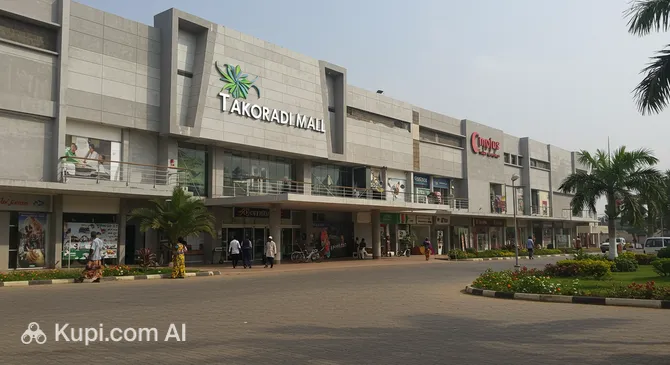
In the city of Sekondi-Takoradi, you will find Takoradi Mall, a modern shopping centre offering visitors a wide selection of shops and entertainment. It is an ideal destination for families, featuring international and local brands, numerous cafes, and dedicated prayer facilities for convenience. You can enjoy a comfortable shopping experience here.

Takoradi Mall. Source: Kupi.com Binoculars

If you find yourself in the city of Tamale, be sure to visit the Tamale Shell restaurant. This establishment is known for its pleasant atmosphere and delicious cuisine, offering both local Ghanaian dishes and familiar European options. While many local eateries offer halal choices, it is always recommended to confirm with the restaurant directly. It is an excellent place for lunch or dinner in the northern part of Ghana.

Tamale Shell. Source: Kupi.com Binoculars

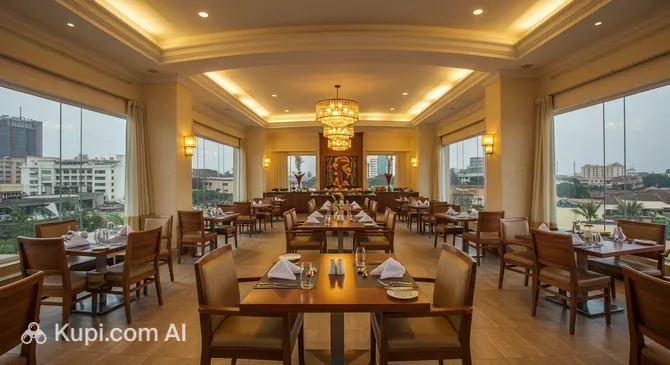
In Ghana's capital, Accra, the Alisa Hotel North Ridge restaurant is worth a visit. Located within the hotel, it offers guests exquisite dishes in an elegant setting. Many upscale hotels in Accra cater to international visitors and are mindful of dietary needs, often providing halal-certified options. This is an excellent choice for a special dinner or a business meeting where you can enjoy quality service and culinary masterpieces.

Alisa Hotel North Ridge Restaurant. Source: Kupi.com Binoculars

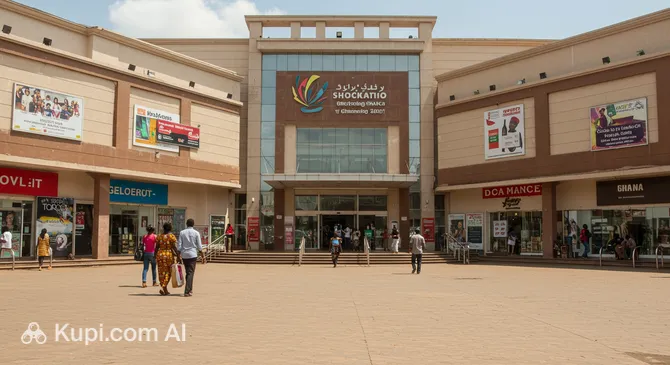
In Kumasi, one of Ghana's largest cities, you will find the Adum Shopping Centre. This is a popular shopping destination for locals and visitors alike, offering a variety of goods from clothing and electronics to souvenirs and produce. A visit to this centre will give you a feel for the commercial spirit of Kumasi. For prayer, nearby mosques are readily accessible in the Adum area.

Adum Shopping Mall. Source: Kupi.com Binoculars

Best Time to Visit

Deciding on the best time to travel to Ghana from the UAE largely depends on your preferences and plans. The flight from Dubai to Accra takes around 8 hours and 40 minutes, making it a relatively convenient destination for a memorable African holiday.

The high season in Ghana typically runs from November to March. During this period, the weather is predominantly dry and sunny, which is ideal for wildlife safaris in the national parks, as animals tend to gather around water sources. The coast is also pleasant for beach holidays. A potential downside of this season is the Harmattan, a dry and dusty wind from the Sahara, which can occasionally reduce visibility and make the air very dry. This period also sees more tourists, and accommodation prices may be higher.

The low season, or rainy season, lasts from approximately April to October. The southern part of the country experiences two rainy periods (typically April-June and September-October), while the north has a single, longer wet season. During this time, nature comes alive in lush, emerald-green landscapes, there are significantly fewer tourists, and prices can be more attractive. However, heavy rains can make travel difficult, especially on unpaved roads in remote areas. Ghana is also known for its many vibrant festivals held throughout the year. For instance, the Homowo festival is celebrated by the Ga people in Accra (usually between August and September), and the Aboakyer festival (a deer-hunting celebration) takes place in Winneba in May. If you wish to immerse yourself in the local culture, it is worth checking the dates of events that interest you in advance.

Overall, Ghana has a tropical climate with regional variations: the coast is generally warmer and more humid, while the northern regions are hotter and drier. If your plans include visiting specific regions, such as Mole National Park in the north or the historic forts on the coast, it is wise to check the weather conditions for those specific locations. For most travellers, the dry season from November to March is the most comfortable, but other months can offer unforgettable experiences, especially if your goal is to see the country in all its natural and cultural diversity.

Traditions

Ghana is a country with a rich culture and deeply rooted traditions, and showing respect for them will make your journey especially pleasant. Ghanaians are very hospitable and friendly. Greetings are an important part of communication: it is customary to exchange a handshake, often a prolonged one, and always with the right hand. The left hand is traditionally considered "unclean," so it should not be used for eating, passing, or accepting items, especially money. Show respect to elders by greeting them first. If you are invited into a home, a small symbolic gift (such as fruit or sweets) will be appreciated, although it is not a strict requirement.

In daily life, there are no special dress requirements, but when visiting villages or religious sites (such as churches, mosques, and traditional shrines), it is wise to choose modest clothing that covers the shoulders and knees. At the dining table, especially if you are eating traditional dishes with your hands, the right hand is also used. Before a meal, water is usually offered for washing hands. Halal food is widely available in urban centres like Accra and Kumasi, and many traditional dishes can be prepared to meet halal standards if requested. It is considered impolite to photograph people without their prior permission. You should also avoid pointing at people or objects with your index finger—it is better to use an open palm. One of the most important national holidays, reflecting the spirit of the country, is Independence Day, which is celebrated on the 6th of March with parades and festivities.

Remember that Ghanaians greatly value politeness and respectful behaviour. Simple gestures, such as a smile and using words like "please" and "thank you" (or "medaase" in the Twi language), will always be appropriate. Avoid public displays of anger or loud arguments, as this is considered poor etiquette. By showing a little consideration for local customs, you will not only avoid awkward situations but also earn the goodwill and sincere hospitality of the people of Ghana.

Entertainment

Ghana offers travellers an amazing variety of entertainment to suit all tastes. For fans of active recreation, there are excellent opportunities here: from relaxing on the numerous beaches of the Atlantic coast, where you can go swimming or surfing, to fascinating hiking trails through national parks and reserves, revealing the richness of the local flora and fauna. The country's cultural life is no less vibrant: guests can expect museums that introduce the rich history and traditions of Ghana, art galleries, and the chance to hear authentic African music and see lively dances.

In the evening, major cities, especially the capital Accra, come alive with a wide array of restaurants and social venues. You can find establishments serving both national and international cuisine, with many local food vendors and restaurants offering halal options. For visitors, it's good to know that major cities like Accra have numerous mosques and prayer facilities, including the Ghana National Mosque, which is the second largest in West Africa. Shopping in Ghana is an adventure in itself. Be sure to visit the colourful local markets, such as Makola Market in Accra, to purchase unique souvenirs: vibrant kente cloths and handmade items from wood, beads, and leather. Families with children will also find plenty of enjoyable activities, whether it's relaxing on the coast, exploring nature in reserves, or visiting cultural and family entertainment centres that offer interactive programmes.

Currency rates

Planning a trip? Wonderful! To ensure the financial aspects of your journey do not come as a surprise, it is important to remember that currency exchange rates are constantly changing. Therefore, we strongly advise you to monitor the latest rates both before your departure and throughout your trip. To do this, you can use the data provided below — we monitor currency exchange rates 24/7 and strive to provide the most up-to-date information.

Reached the end of the page?

That means the route is fully explored