Support

Togo

Cities in the country

About the Country

Togo is a fascinating country in West Africa, forming a narrow strip of land that stretches from the coast of the Atlantic Ocean deep into the continent. Its capital, Lomé, is a bustling port city and an excellent starting point for exploring the country. Togo attracts travellers with its authentic African culture, the hospitality of its local people, and the opportunity to discover something entirely new.
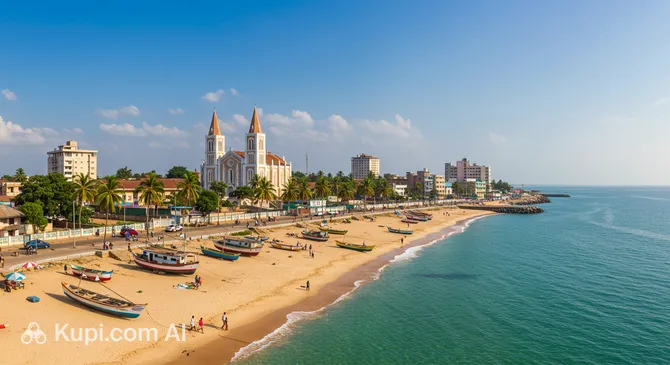
Lome. Source: Kupi.com Binoculars

The cultural heritage of Togo is deep and multifaceted. Ancient traditions, including Voodoo, remain strong and are harmoniously intertwined with Christianity and Islam, creating a unique spiritual atmosphere. The historical past, which bears traces of German and French influence, is noticeable in the architecture and way of life. Bustling and colourful markets, such as the Grand Marché in Lomé, capture the imagination with an abundance of goods, from fresh exotic fruits to authentic handicrafts and famous batik fabrics. For visitors from the UAE, it is worth noting that with a significant Muslim population in Togo, Halal food options can be found, particularly in larger cities like Lomé, which also has numerous mosques.

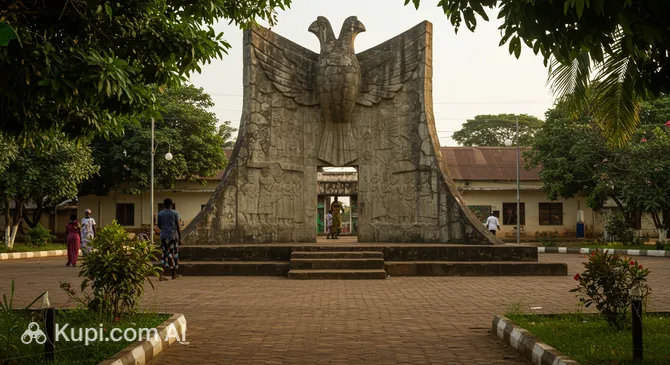
Togo's nature is no less impressive than its culture. Despite its modest size, the country offers a surprising variety of landscapes: from golden sandy beaches in the south to green hills, savannas, and tropical forests in the central and northern regions. For example, the town of Kpalimé, set amidst coffee and cocoa plantations, is famous for its picturesque waterfalls and opportunities for eco-tourism. History enthusiasts may be interested in the Monument of the Dove of Peace in the capital. Togo is a destination for those seeking genuine experiences, cultural enrichment, and the beauty of the African continent.
Currency

The official currency of Togo is the BCEAO CFA franc (currency code: XOF), which is also used in seven other member countries of the West African Economic and Monetary Union. The banknotes and coins of the CFA franc share a common design across all member states, often featuring cultural symbols, local wildlife, or important regional economic sectors. It is advisable to exchange currency at official banks or licenced exchange bureaus in major cities like Lomé. Avoid exchanging money with street vendors, as this carries a risk of fraud or receiving an unfavourable exchange rate.

The use of credit cards in Togo is limited. They are primarily accepted in large hotels, some restaurants, and supermarkets in the capital. For most daily expenses, particularly outside of Lomé, in markets, and at smaller shops, it is preferable to carry cash in CFA francs. ATMs are also not widely available, so it is wise to arrange for a sufficient amount of cash for your trip in advance.

Visa Requirements

Citizens of the United Arab Emirates do not require a visa to visit Togo for stays of up to 15 days. However, for longer stays or for residents of the UAE who hold other passports, a visa is generally required. This can typically be obtained through the official 'Togo Voyage' e-visa portal prior to travel. It is no longer possible to get a visa upon arrival.

For entry, immigration authorities will require a passport that is valid for at least six months beyond your date of entry into Togo. Border officials may also ask for proof of onward or return travel, hotel accommodation bookings, and evidence of sufficient funds. As visa regulations and entry requirements can change, it is strongly recommended to verify the latest information on the official government travel portal or with the nearest Embassy or Consulate of Togo before your trip.

We'll tell you if you need a visa

Specify where you are going, or
Your citizenship
Destination

Time Zones

When planning a trip to Togo, you will not need to worry about changing time zones within the country. The entire territory of Togo is in a single time zone: Greenwich Mean Time (GMT) or UTC+00:00. This means the time is the same in all cities and regions, including the capital, Lomé.

For travellers from the UAE, it is important to note that the UAE operates on Gulf Standard Time (GST), which is UTC+4. Therefore, Togo is 4 hours behind the UAE. This uniformity simplifies planning trips and activities, as there is no need to adjust your watch when moving around the country. Simply set your watch to the local time upon arrival, and it will be correct for the duration of your stay in Togo.

How to Get There

There are several ways to get to Togo, with the best option for travellers from the UAE being by air. The country's main international gateway is Lomé–Tokoin Airport (Gnassingbé Eyadéma International Airport) in the capital, Lomé.

While there are currently no direct flights from the UAE to Togo, several airlines offer convenient one-stop connections. The most popular route is from Dubai International Airport (DXB) to Lomé (LFW). Key airlines serving this route include Ethiopian Airlines (with a layover in Addis Ababa), Qatar Airways (via Doha), and Egyptair (via Cairo). The average flight time, including layovers, is typically between 10 and 13 hours. Flights are also available from Abu Dhabi International Airport (AUH).

For those already travelling in West Africa, ground transport is also a viable option. Togo shares land borders with Ghana to the west, Benin to the east, and Burkina Faso to the north. These borders can be crossed by bus or car, including shared taxis. Although Togo has a coastline and a major port in Lomé, regular international passenger ferry services are less common than cargo shipping. Cruise liners may occasionally call at the port, but this is not a primary means of arrival for most tourists.

Regardless of your chosen method of travel, it is advisable to book your tickets well in advance, particularly if your trip coincides with peak tourist seasons or major holidays. This will not only help you secure a better price but also guarantee your travel arrangements.

For your reference, here is a summary of the main airport:

Airport Name City Passenger Traffic
Lomé AirportLoméMedium

Togo, a country with a rich culture and diverse landscapes, offers travellers both lively urban centres and serene natural retreats. From the Atlantic coast to the hilly inland regions, there is something here for everyone. The cities of Togo reflect a unique blend of traditional African life and colonial heritage.

Lome. Source: Kupi.com Binoculars

The nation's capital, Lomé, is the main economic and cultural hub. This vibrant port city is attractive for its beaches, colourful markets like the Grand Marché, and the opportunity to explore local art. Further north lies the city of Kara, an important regional centre known for its proximity to traditional villages and the Keran National Park. For those seeking cooler temperatures and natural beauty, Kpalimé is an ideal choice, surrounded by forested hills and waterfalls, such as the Kpimé Cascade. This city is famous for its coffee and cocoa, as well as its hiking opportunities.

Other interesting cities, such as Atakpamé, situated on a plateau, and Sokodé, the country's second-largest city, also offer a unique experience of Togo. Sokodé is notable for its predominantly Muslim population and distinctive culture, making it easier for visitors to find halal food and prayer facilities. Each of these cities reveals the multifaceted nature of the country, its history, and its traditions in its own way.

Top Attractions

Togo, a country in West Africa with a rich culture and history, offers travellers a range of interesting places to visit, many of which are concentrated in its capital, Lomé. Exploring these sites provides a deeper understanding of the country's character and its people.

One of the key attractions is the Colombe de la Paix (Dove of Peace) in Lomé. This majestic monument is not only an important symbol of peace and unity but also a popular spot for gatherings and memorable photos, reflecting the spirit of the capital.

Dove of Peace Monument. Source: Kupi.com Binoculars

For those looking to immerse themselves in the local atmosphere and enjoy an evening out, a visit to La Villa is a great option. This popular venue in Lomé attracts both locals and tourists with its lively setting, making it a pleasant place to spend time.

La Villa. Source: Kupi.com Binoculars

For lovers of gastronomic discoveries, a visit to the La Table du DJ restaurant is recommended. Located in the capital, it offers visitors a variety of dishes, allowing them to explore culinary traditions or simply enjoy a delicious meal in a cosy atmosphere. As halal options may not be standard, it is advisable to inquire with the restaurant directly about their offerings.

La Table Du DG. Source: Kupi.com Binoculars

Best Time to Visit

When planning a trip to Togo, it is important to consider the local climate to ensure your journey is as comfortable as possible. Generally, the country has a tropical climate with two main seasons: dry and rainy. The high season for tourism usually falls within the dry period, which lasts from approximately November to March. During this time, the weather is most favourable: sunny, with less rainfall and moderate humidity, especially in the south of the country. This is an ideal time for beach holidays, sightseeing, and exploring national parks. However, it is worth noting that there may be more tourists during this period, and prices for accommodation and services might be slightly higher. Also, from December to February, the dry Harmattan wind blows from the north, which can bring dust and create a light haze.

The low season, or rainy season, in Togo has its regional variations. In the south, there are two rainy periods: the main one from April to June and a shorter one from September to October. In the northern part of Togo, there is a single rainy season from May to October. During this time, rainfall is more frequent and intense, and the air humidity increases. The advantages of travelling in the low season can include fewer tourists and potentially lower prices. Nature comes alive during this period, becoming particularly lush and green. However, the rains can make travelling on some roads difficult, especially in rural areas, and some activities may be limited.

In addition to the weather, your choice of travel time may be influenced by various cultural events and festivals held in Togo throughout the year. For example, the Evala festival, a form of traditional wrestling, takes place among the Kabye people in July in Kara, or the Gbagba festival in the Plateaux Region. Participating in such events can be a unique experience and allow for a deeper immersion into local traditions. If your goal is birdwatching, the best time for this is from November to March, when many European species migrate to Togo.

Traditions

In Togo, you will encounter a culture where respect and tradition play a vital role in everyday life. Greetings are a ritual in themselves: it is customary to exchange handshakes, which can be quite prolonged, and to always enquire about the health and family of the person you are meeting. It is important to remember that for greetings, passing items, and eating, only the right hand is used, as the left hand is considered 'unclean'. Hospitality is highly prized in Togo; an invitation to someone's home is a sign of great respect. A small gift for your hosts, such as fruit or sweets, will be gratefully received. Regarding attire, it is advisable to dress modestly in public places, especially outside the capital Lomé and tourist areas. When visiting religious sites, such as churches and mosques, women should cover their shoulders and knees, and men should wear long trousers.

At the dining table in Togo, many traditional dishes are eaten by hand, and here too, it is important to use your right hand. If you are offered cutlery, you are of course welcome to use it. It is considered impolite to reach across the table for food; it is better to ask for a dish to be passed to you. Significant events that reflect the country's culture include Independence Day (27th April), celebrated nationwide, and traditional festivals like Evala, a vibrant initiation ceremony of the Kabye people in the north of the country. To ensure your interactions with local people are pleasant, always ask for permission before taking photographs of them, avoid public displays of strong emotion or affection, and treat elders with the utmost respect. Showing patience and courtesy will help you to better understand and appreciate the rich culture of Togo.

Entertainment

Togo offers travellers diverse opportunities for leisure and entertainment, combining natural beauty with a rich cultural heritage. Outdoor enthusiasts will appreciate the opportunities for hiking through picturesque hills and plateaus, especially near cities like Kpalimé, where you can explore waterfalls and enjoy the lush greenery. The country's Atlantic coast is appealing for its sandy beaches, which are ideal for relaxation, swimming, and water sports.

The cultural programme in Togo is rich and varied. Travellers can immerse themselves in local life by visiting lively markets, such as the famous Grand Marché in the capital, Lomé, where you can find unique handmade crafts, traditional fabrics, spices, and souvenirs. The country hosts colourful festivals and ceremonies, offering a chance to experience authentic music, dances, and customs. It is also worth visiting the small museums and galleries that present local art and history.

Evening entertainment is most active in Lomé, which has many restaurants offering both local and international cuisine. When dining out, it is advisable to enquire about halal options, as several establishments cater to this preference. You can also spend a pleasant evening in the city's cosy cafés and lounges. For a family holiday, Togo offers calm beaches and the chance to discover nature through gentle walks and excursions. Visiting craft workshops and cultural centres can be a fascinating and educational experience for travellers of all ages.

Currency rates

Planning a trip? Excellent! To ensure the financial aspects of your journey do not come as a surprise, it is important to remember that currency rates are constantly changing. Therefore, we strongly advise monitoring the latest rates both before you depart and throughout your trip. You can use the data provided below for this purpose; we monitor currency rates 24/7 to provide the most current information.

Reached the end of the page?

That means the route is fully explored