Support

Tamale

About

Welcome to Tamale, the vibrant capital of the Northern Region and one of the most dynamic urban centers in Ghana. Known for its warm hospitality and distinct cultural identity, this city serves as a vital commercial and transportation hub for the northern part of the country. Unlike the coastal cities, Tamale offers a unique atmosphere characterized by its flat landscape, traditional architecture, and the energetic rhythm of daily life in the savannah.

Geographically, the city is situated in the Guinea Savanna belt, which gives it a tropical wet and dry climate with plenty of sunshine throughout the year. With a population exceeding 1 million people, it is a bustling metropolis that seamlessly blends modernity with tradition. The city is the traditional home of the Dagomba people, and its streets are alive with history. To understand how this settlement evolved from a cluster of villages into a major economic powerhouse, you can explore the history of Tamale, which reveals a fascinating tale of trade routes and cultural resilience.
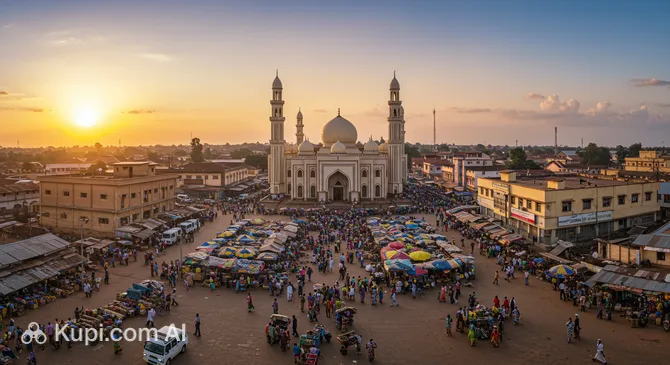
Tamale. Source: Kupi.Binoculars

Travelers are often drawn to the city's unique landmarks and lively markets. The Tamale Central Mosque stands as an architectural centerpiece in the city center, reflecting the area's strong Islamic heritage. For art and culture enthusiasts, the Centre for National Culture is a must-visit destination, offering a wide array of local handicrafts, including high-quality leather goods, textiles, and traditional jewelry. Additionally, the city acts as the perfect gateway for excursions to nearby attractions such as the famous Mole National Park.

Whether you are passing through on a safari adventure or staying to experience the local lifestyle, Tamale promises an unforgettable journey. The city's winning combination of friendly locals, delicious local cuisine, and vibrant markets makes it an essential stop for any traveler venturing into the heart of West Africa.
Weather Overview

The climate in this region is typically tropical, characterized by consistent warmth and distinct seasonal changes. Before packing for your trip, it is helpful to review the detailed weather in Tamale to understand the specific conditions during your stay. Generally, the city experiences high temperatures year-round, with monthly averages ranging from approximately 26°C to 33°C.

The calendar is divided into a dry season and a wet season. From November to February, the weather is hot and arid, with months like January and December seeing virtually 0 wet days and plenty of sunshine. As the year progresses into March and April, the heat intensifies, with maximum temperatures climbing as high as 38.3°C. In contrast, the rainy season, peaking between July and September, brings frequent precipitation; August, for instance, can have up to 24 wet days, providing a cooler atmosphere with average temperatures dipping to around 26.6°C.

Interesting Facts

Beyond the main attractions, Tamale holds many fascinating secrets that reveal the city's unique character and rapid development. Here are a few surprising insights that highlight why this northern metropolis is unlike any other place in the country.
  • Tamale is widely recognized as the "Motorcycle Capital" of Ghana. The streets are dominated by two-wheeled vehicles rather than cars, creating a distinct traffic rhythm; notably, it was one of the first cities in the country to integrate dedicated bicycle lanes into its main road infrastructure to accommodate this local preference.

  • The city has earned the nickname "The NGO Capital of Ghana." Due to its strategic location and role as a development hub for the Northern Region, it hosts an exceptionally high concentration of local and international non-governmental organizations, creating a diverse community of aid workers and expatriates.

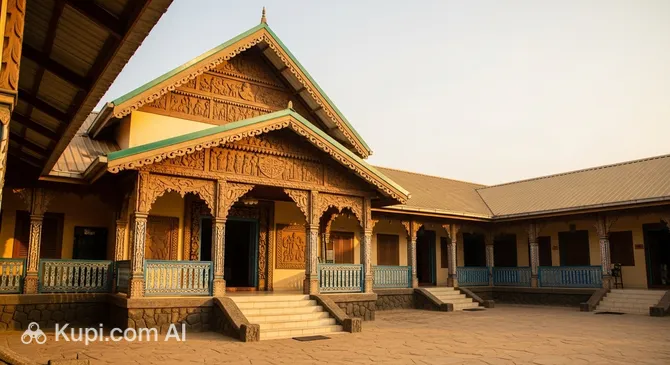
  • Traditional authority remains a powerful force here, coexisting with modern governance. Historic sites like the Sagnarigu Chief's Palace are not merely relics but active seats of power where the Dagbon traditions are preserved, and local disputes are often settled by the chief and elders.

  • Tamale is frequently cited as one of the fastest-growing cities in West Africa. What was once a cluster of traditional villages has rapidly transformed into a sprawling urban center, serving as the critical economic bridge linking Ghana’s coast to the Sahelian countries like Burkina Faso and Mali.

Sagnarigu Chief's Palace. Source: Kupi.Binoculars

How to Get There

Reaching the capital of the Northern Region has become increasingly convenient, with air travel being the most popular option for those looking to save time. For travelers planning their journey, there are several ways to approach the city, and you can find detailed information on all ways to reach the city in our dedicated guide. While road trips from southern Ghana offer scenic views, flying remains the most direct route.

The primary gateway for air travelers is Tamale Airport (IATA: TML), which is situated approximately 17 km from the city center. This facility has seen significant upgrades to accommodate international flights, though it mainly serves domestic connections from Accra. A taxi or shuttle ride from the terminal to downtown typically takes about 45 to 50 minutes. With a passenger volume that reflects its status as a key regional hub, the airport provides a reliable entry point for tourists and business travelers alike.

For clarity, here is a summary of the main airport serving the area:

Airport Name City Passenger Traffic Km from City
Tamale Airport Tamale Medium 17.2

Main Attractions

While Tamale is often viewed as a transit hub, it possesses a distinct charm and a set of local landmarks that offer a deep dive into the culture and social life of Northern Ghana. Visitors can explore traditional seats of power or unwind at popular local hangouts that define the city's modern rhythm.

One of the most significant cultural sites is the Sagnarigu Chief's Palace. This location is more than just a building; it is a custodian of the Dagbon tradition and history. Visitors here can observe the traditional architectural styles unique to the region and gain insight into the chieftaincy system that still plays a vital role in local governance and community cohesion.

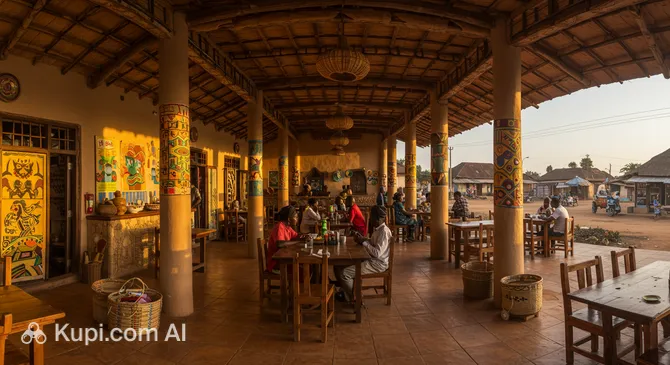
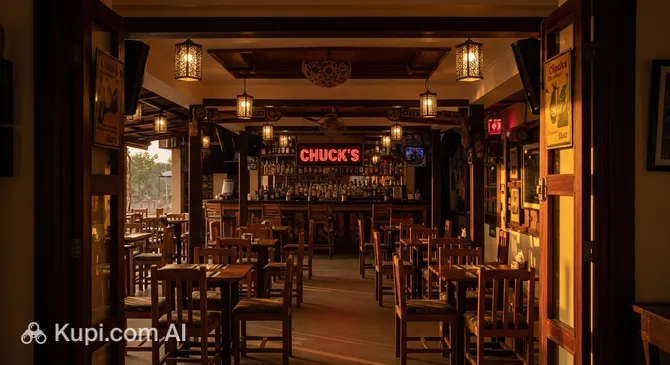
For a taste of the city's vibrant social scene, Chuck's Bar & Restaurant is a favorite stop for both travelers and expatriates. Known for its welcoming garden atmosphere, it offers a perfect setting to relax after a day of sightseeing. The establishment serves a variety of dishes and drinks, making it a great place to meet people and experience the friendly hospitality Tamale is famous for.

Chuck's Bar & Restaurant. Source: Kupi.Binoculars

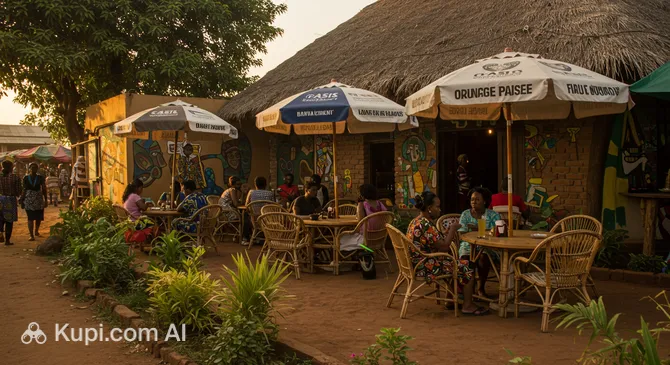
Another excellent venue for leisure is the Oasis Lounge Bar & Restaurant. This spot is appreciated for its comfortable ambiance and is often cited as one of the better places in the city to enjoy a cool evening. Whether you are looking for a hearty meal or a refreshing beverage to escape the savannah heat, this lounge provides a modern and relaxed environment in the heart of the city.

Local Cuisine

The culinary landscape of Tamale offers a distinct departure from the plantain and cassava-heavy diet of southern Ghana, focusing instead on grains like millet, maize, and sorghum. The food culture here is deeply rooted in the agricultural traditions of the savannah, resulting in hearty, earthy flavors. One cannot visit this city without trying its signature dish, Tuo Zaafi (often abbreviated as TZ). This soft, swallowable dough made from maize or millet flour is light and fluffy, traditionally served with a green vegetable soup known as "Ayoyo" and a spicy stew to add depth to the meal.

Another local favorite that defines the gastronomic identity of the region is Wasawasa. Often described as a local couscous, it is made from dried yam peelings which are ground into flour and steamed. It is typically eaten with a spicy black pepper sauce and sliced onions, offering a unique texture and savory taste. Meat lovers will appreciate the city's obsession with Guinea Fowl. Leaner and more flavorful than chicken, grilled guinea fowl seasoned with spicy khebab powder is a ubiquitous street food found on nearly every corner, especially in the evenings.

When it comes to beverages, the traditional drink of choice is Pito, a fermented beer brewed from sorghum or millet. It is usually served in a calabash (a hollowed-out gourd) and ranges from sweet and non-alcoholic to sour and potent, depending on the fermentation stage. For a non-alcoholic refresher, look for Zomkom, a spicy drink made from millet flour, ginger, and chili pepper, often sold by street vendors in chilled bottles.

Tamale Shell. Source: Kupi.Binoculars

Dining in Tamale ranges from vibrant open-air "chop bars" where you can eat like a local to more established restaurants. The street food scene is particularly lively around the central market areas, where the aroma of grilled meat fills the air. For travelers seeking a comfortable spot to enjoy a variety of meals, Tamale Shell is a well-known establishment. It serves as a reliable venue for both local dishes and continental options, making it a convenient stop for visitors adjusting to the local palate.

Travel Tips

Traveling to Tamale offers a unique glimpse into the warm heart of Northern Ghana, but the rhythm here differs significantly from the bustle of the coastal south. To help you navigate the savannah heat, local customs, and daily life with ease, here are some essential practical tips for your journey.

  1. Clothing and Gear: Given the tropical savannah climate, the weather is almost always hot. Pack light, breathable fabrics like cotton or linen. Since Tamale is a predominantly Muslim city with conservative values, it is respectful to dress modestly; cover your shoulders and knees, especially when visiting markets or religious sites. A scarf or dust mask is highly recommended if you are visiting during the Harmattan season (December to February) when the air can be dusty.

  2. Transportation: The most popular and convenient way to get around is by "Yellow Yellow" (motorized tricycles) or motorcycle taxis. They are abundant, affordable, and perfect for short trips. Regular taxis are available but less dominant than in Accra. Ride-hailing apps have a growing presence, but you will often rely on hailing a ride on the street; always agree on the fare before you hop in.

  3. Finances: The currency is the Ghanaian Cedi (GHS). While high-end hotels and modern restaurants may accept Visa or Mastercard, cash is king in Tamale. You will need small bills for transport, street food, and market shopping. ATMs are widely available in the city center (banks like Stanbic, Absa, and GCB), so it is wise to withdraw cash upon arrival.

  4. Health and Safety: Tamale is generally very safe for tourists, but standard precautions apply. Malaria is a risk, so carry mosquito repellent and sleep under a net. Drink only bottled or filtered water to avoid stomach issues. Pharmacies are common along the main roads, and the Tamale Teaching Hospital provides reliable medical care if needed.

  5. Communication: English is the official language and is widely spoken, so you will have no trouble communicating. However, the local language is Dagbani. Locals appreciate it immensely if you try a few words; a simple "Desiba" (Good morning) or "Naa" (a standard response to greetings) goes a long way. SIM cards from major networks like MTN are easy to purchase and usually offer good 4G data speeds.

  6. Local Etiquette: Greetings are a cornerstone of Dagomba culture. Never ask a question or start a business transaction without first greeting the person and asking how they are. Crucially, always use your right hand for eating, shaking hands, or passing money and objects to others; using the left hand is considered unclean and disrespectful.

  7. What to Avoid: Avoid taking photographs of people, especially traditional chiefs or elders, without asking for explicit permission first. It is also advisable to avoid public displays of affection, such as kissing or prolonged hugging, as this can be seen as offensive in the conservative local culture.

  8. Shopping Insight: Tamale is a prime hub for high-quality, unrefined shea butter and traditional hand-woven smocks (known as fugu). Buying these items here is often much cheaper than in the south. Visit the Centre for National Culture or the central market, but remember that bargaining is expected and part of the friendly interaction.

With these practical tips in hand, you are well-prepared to embrace the relaxed pace and rich traditions of the Northern Region. Enjoy the legendary northern hospitality, the vibrant street life, and the unforgettable experiences that await you in Tamale!

Entertainment & Nightlife

When the sun sets and the intense heat of the savannah subsides, Tamale transforms into a lively yet relaxed urban center. The nightlife here is distinct from the high-energy club scene of coastal cities; instead, it revolves around open-air garden bars, vibrant lounges, and street-side spots where locals and visitors gather to socialize under the stars. The atmosphere is generally casual and welcoming, with music ranging from Afrobeat and Highlife to Reggae drifting through the cool evening air.

One of the most popular venues for a night out is Chuck's Bar & Restaurant. Known for its eclectic mix of expatriates, tourists, and locals, it offers a laid-back garden setting that is perfect for enjoying cold drinks and conversation. It is a staple of the city's social scene and often hosts lively evenings. For those seeking a slightly more polished ambiance, Oasis Lounge Bar & Restaurant provides a comfortable environment to unwind with music and good food, making it a top choice for a Friday or Saturday night.

Oasis Lounge Bar & Restaurant. Source: Kupi.Binoculars

For a more local experience, the areas surrounding the central market and the main roads leading out of the city center often buzz with activity. "Spot" bars—small, often open-fronted establishments—line the streets, serving local beers and playing loud music. Dress codes are rarely strict; smart-casual or even casual attire is acceptable almost everywhere. The best time to head out is usually after 8:00 PM, when the air is cooler and the venues start to fill up.

Navigating the nightlife requires some practical planning. While the city is generally safe, it is advisable to use taxis or trusted drivers for late-night transport rather than walking, especially in dimly lit areas on the outskirts. "Yellow Yellow" tricycles are available but become scarcer late at night. Prices for drinks and entry fees (where applicable) are very reasonable compared to the capital, making a night out here quite affordable.

During the day, entertainment shifts towards cultural and leisure activities. Visitors can explore local art centers to see traditional weaving and drumming, or visit the Tamale Shell area, which serves as a convenient stop for food and a break from the heat. Many tourists also spend their afternoons at hotel swimming pools, which are popular social hubs on weekends, offering a refreshing escape from the midday sun before the evening festivities begin.

Parks & Museums

While Tamale is widely known as a commercial hub, it is rapidly emerging as a fascinating destination for cultural tourism and contemporary art. The city offers a unique blend of traditional heritage sites, burgeoning art spaces, and access to some of West Africa's most renowned natural landscapes. Visitors will find that the region's flat savannah geography is complemented by institutions that celebrate both the ancient history of the Dagbon kingdom and the modern creative spirit of Ghana.

For art lovers, the city has become a surprising beacon of creativity through the Savannah Centre for Contemporary Art (SCCA). Founded by the world-renowned Ghanaian artist Ibrahim Mahama, this artist-run project space acts as a hub for research, exhibitions, and education. It hosts retrospectives of older Ghanaian modernists and contemporary avant-garde works, placing Tamale on the global art map. Closely linked to this is Red Clay Studio, located just on the outskirts in nearby Janna Kpendua. This monumental space features massive installations, including repurposed airplanes converted into classrooms, creating a surreal and inspiring environment against the backdrop of the savannah.

To experience the traditional artistic roots of the region, a visit to the Centre for National Culture is essential. Often referred to as the Arts Centre, this venue is the heart of local craftsmanship. Here, you can watch artisans at work and explore galleries filled with authentic leather goods, hand-woven smocks (fugu), and traditional musical instruments. It serves as a living museum where the cultural practices of the Northern Region are preserved and displayed, making it an excellent spot for both education and souvenir hunting.

In terms of nature and green spaces within the city limits, the Tamale Zoo offers a modest but engaging experience. It provides a sanctuary for various local animal species and serves as an educational center for wildlife conservation in the north. While it is smaller than major national zoos, it is a green oasis in the city center where visitors can see antelopes, monkeys, and birds native to the West African savannah. Of course, for a grander natural experience, Tamale acts as the primary gateway to the famous Mole National Park. Although located a few hours away, it is the region's premier ecological attraction, offering walking safaris where tourists can see elephants, baboons, and warthogs in their natural habitat.

History enthusiasts will appreciate the city's architectural landmarks that tell the story of traditional governance. The Sagnarigu Chief's Palace is a prime example of this heritage. As a functioning seat of traditional power, it allows visitors to appreciate the distinctive Sudano-Sahelian architectural style, characterized by round mud-walled structures and thatched roofs. It stands as a testament to the enduring influence of the chieftaincy institution in modern Ghana.

For a truly authentic and lesser-known experience, seek out the traditional leather tanneries in the Zongo district. Unlike formal museums, these open-air workshops offer a raw glimpse into an age-old industry. You can watch the entire process of tanning leather using natural organic compounds, a craft that has been passed down through generations and supplies the material for the region's famous leather boots and bags.

Getting Around

Navigating Tamale is a unique experience that differs significantly from the transport systems found in many Western cities or even in southern Ghana. There is no formal underground metro, tram, or large municipal bus network operating within the city limits. Instead, the public transport system is informal, road-based, and dominated by smaller vehicles that offer flexibility and affordability. The city is famous for its open, flat terrain, which has fostered a culture heavily reliant on two-wheeled and three-wheeled transportation.

The most popular and iconic mode of transport in the city is the "Yellow Yellow" (motorized tricycle). These bright yellow vehicles, known elsewhere as tuk-tuks, are the backbone of local mobility. They operate on shared routes along main roads or can be hired for a specific journey. They are abundant, extremely cheap, and offer a breezy way to get around the city's hot streets. Alongside these, you will see thousands of private motorcycles; Tamale is often referred to as the "Motorcycle Capital" of the region. While motorbike taxis (okadas) are available, the Yellow Yellow is generally considered safer and more comfortable for tourists.

For those preferring a car, traditional taxis are available, though they are less ubiquitous than the tricycles. Taxis operate in two modes: "shared," where you pay a fixed low rate for a seat and the driver picks up other passengers along the way, and "dropping," which is a chartered service taking you directly to your destination. In recent years, ride-hailing apps like Bolt and Uber have established a presence in the city. Using these apps is highly recommended for tourists as they provide a fixed price upfront and eliminate the language barrier involved in explaining destinations.

Minibuses, locally known as "tro-tros," are less central to intra-city commuting here compared to other major urban centers, but they are still used for longer trips to the outskirts or neighboring towns. These vans are often crowded and wait to fill up completely before departing. They are the most economical option for longer distances but are not the most practical choice for short hops between city attractions.

Payment across the entire transport network is almost exclusively in cash. There are no travel cards, electronic passes, or tap-to-pay systems for street-hailed vehicles. When using Yellow Yellows, tro-tros, or regular taxis, you pay the driver directly. It is essential to carry small denominations of the local currency, as drivers often struggle to find change for large bills. If you are taking a "dropping" taxi or a tricycle off a standard route, you must negotiate and agree on the fare before getting in to avoid disputes later.

Transport services generally start very early in the morning, around 5:00 AM, to accommodate market traders and students. While Yellow Yellows and taxis are readily available throughout the day, their frequency drops significantly after 9:00 PM. If you plan to be out late, it is wise to arrange a ride in advance or use a ride-hailing app to ensure a safe return to your accommodation.

Accommodation

Where to Stay:

Accommodation in Tamale caters to a diverse mix of travelers, ranging from development workers and business professionals to tourists exploring the Northern Region. The city generally offers a solid selection of budget guesthouses and mid-range hotels, which are known for their decent amenities and warm hospitality. While ultra-luxury resorts are scarce compared to the southern coast, visitors will find comfortable, modern establishments that provide a relaxing oasis, often featuring air-conditioning and on-site restaurants to combat the savannah heat.

When choosing a location, the city center is the most convenient option for those who want to be in the thick of the action, close to the markets and main transport terminals. However, many travelers prefer the quieter, leafy suburbs located a bit further out. Areas such as the neighborhoods near the Industrial Area or the residential districts offer a more tranquil environment. These locations often host lodges with spacious gardens and are still easily accessible via a short tricycle ride.

Booking Tip: Tamale is a major hub for non-governmental organizations (NGOs) and often hosts large conferences and workshops. Consequently, decent hotels can fill up unexpectedly during these events or during major local festivals. It is highly recommended to book your accommodation in advance to secure your preferred spot.

In terms of pricing, the city is generally very affordable. Budget options are plentiful and cost-effective, while mid-range hotels offer good value for money with modern facilities like Wi-Fi and backup generators. While international booking platforms list the larger and more established hotels, many smaller, family-run guesthouses still operate largely on direct phone reservations or walk-ins. Cash is often the preferred method of payment at smaller establishments, though larger hotels typically accept credit cards.

Nearby Cities

For those looking to explore the surroundings, Tamale serves as an excellent base for day trips to several interesting nearby locations. While the distances in the Northern Region can be vast, the journey often rewards travelers with unique cultural and natural sights that define the diverse character of Ghana.

One of the most notable destinations is Kintampo, located to the south. It is a favorite stop for nature lovers due to the magnificent Kintampo Waterfalls, where the Pumpum River cascades down three steps. The town is also geographically significant as it houses the "Centre of Ghana" monument, marking the precise middle point of the country. Nearby, visitors can also enjoy the more secluded Fuller Falls, offering a peaceful retreat.

To the northwest lies Wa, the capital of the Upper West Region. This city is a treasure trove of traditional Sudano-Sahelian architecture, best exemplified by the historic Wa Naa’s Palace. The distinctive mud-walled structures and the town's rich history offer a stark and fascinating contrast to the modern development seen elsewhere. Additionally, Wa serves as the primary gateway for those hoping to visit the Wechiau Community Hippo Sanctuary on the Black Volta River.

Another vibrant town worth visiting is Techiman. Known as a major commercial crossroads, it hosts one of the largest periodic markets in West Africa, attracting traders from neighboring countries. For wildlife enthusiasts, Techiman is also the jumping-off point for the Boabeng-Fiema Monkey Sanctuary, where mona and colobus monkeys live in harmony with the local villagers and are considered sacred.

City Population Distance (km)
Kintampo 111000 178
Wa 107214 197
Atebubu 105938 183
Techiman 104212 234
Bawku 73594 194

These nearby destinations offer a glimpse into the diverse culture and landscapes of the region, making them well worth the travel time for those wishing to see more of what Northern Ghana has to offer.

Shopping & Souvenirs

Shopping in Tamale offers a distinct experience that contrasts sharply with the polished, air-conditioned malls of the capital. Here, commerce is vibrant, informal, and deeply rooted in the open-air market culture of the Savannah. While you will not find high-end luxury fashion boutiques, the city is a treasure trove for authentic African craftsmanship, agricultural products, and traditional textiles. The shopping scene is driven by utility and tradition, offering tourists a chance to engage directly with local artisans and traders in a lively, friendly atmosphere.

The heartbeat of the city's commercial life is located in the Central Business District. The main streets radiating from the central taxi rank are lined with small shops, kiosks, and vendors selling everything from mobile phones to fabrics. Walking along the busy roads near the main transport hubs, you will find a dense concentration of stores where the energy is palpable. This area is perfect for observing the daily rhythm of the city, although the sidewalks can get quite crowded with merchandise and shoppers.

For those looking for a more modern retail experience, Melcom serves as the city's primary department store. It is the closest equivalent to a shopping mall in Tamale, offering a multi-story building where you can purchase groceries, electronics, household goods, and furniture in a fixed-price, air-conditioned environment. While it does not offer the entertainment complexes found in larger international malls, it provides a convenient one-stop shop for travelers needing supplies, toiletries, or imported snacks.

The true essence of shopping in Tamale, however, is found in its markets. The Tamale Central Market is a sprawling labyrinth of stalls that demands a visit. It is the commercial soul of the region, where traders sell mounds of colorful spices, grains, locally produced shea butter, and vibrant fabrics. For visitors specifically interested in local arts, the Centre for National Culture (often called the Arts Centre) is the most important stop. Unlike the chaotic general market, this area focuses on handicrafts, offering a curated selection of leather goods, jewelry, and carvings directly from the makers.

When it comes to souvenirs, Tamale is arguably the best place in Ghana to buy Northern smocks (known locally as fugu). These heavy, hand-woven tunics are a symbol of Ghanaian heritage and are significantly cheaper here than in the south. Another must-buy item is unrefined shea butter, which is produced in the surrounding villages and sold at excellent prices. The region is also famous for its leatherwork; you can find high-quality handmade leather sandals, bags, and belts that are both durable and stylish.

Most shops and market stalls open around 8:00 AM and close by 6:00 PM, though some supermarkets may stay open until 8:00 PM. Sundays are generally much quieter, with many smaller shops remaining closed or opening late. Cash is the absolute standard for almost all transactions. While larger establishments like Melcom accept debit and credit cards, market vendors and street sellers deal exclusively in Ghanaian Cedis. Mobile Money is also widely accepted, but as a tourist, carrying small denominations of cash is the most practical strategy.

Tax-free shopping or VAT refunds are not a standard feature for tourists in Tamale's markets or general stores. Prices in the open markets are often negotiable, and bargaining is an expected part of the cultural interaction rather than a formal tax-free structure. Visitors should focus on the value gained through friendly negotiation rather than looking for formal tax reclamation opportunities.

Nearby cities

Reached the end of the page?

That means the route is fully explored