Support

Bouaké

About

Bouaké is a vibrant and culturally rich metropolis, serving as a vital crossroads in the heart of the nation. As the second-largest city in Ivory Coast, it pulses with an energy that blends traditional heritage with modern urban life. Located centrally in the Gbêkê region, approximately 350 kilometers north of Abidjan, the city acts as a major hub for commerce, transport, and education, connecting the southern coast with the northern savannahs.

With a population exceeding 650,000 residents, the city offers a bustling atmosphere that is distinctly welcoming. The local climate is tropical wet and dry, characterized by warm temperatures year-round, which makes exploring the lively streets and open-air venues pleasant for most of the year. The city is historically significant as the center of the Baoulé people, one of the largest ethnic groups in the country, whose traditions deeply influence the local way of life.
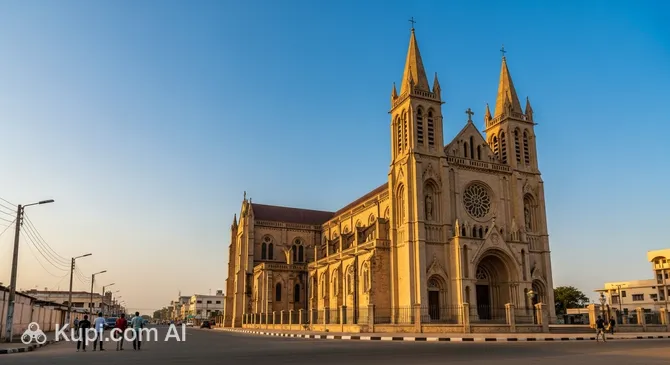
Bouaké. Source: Kupi.Binoculars

To truly understand the depth of this region, one should explore the history of Bouaké. Over the decades, it has evolved from a simple military post and trading center into a sprawling urban landscape. This evolution is reflected in its diverse architecture and the resilience of its community, making it a fascinating study for those interested in the country's past and present dynamics.

For travelers, the city offers several engaging sights. The Saint Michael's Cathedral (Cathédrale Saint-Michel) stands as a prominent religious landmark with striking architecture that dominates the skyline. Visitors can also immerse themselves in the local culture at the grand central market, a sensory experience filled with colorful textiles, fresh produce, and local crafts. Additionally, the city is known for its carnival spirit and the nearby Gonfreville textile complex, which is one of the oldest in West Africa.

Whether you are passing through on a journey across the country or stopping to immerse yourself in the local culture, Bouaké offers a unique glimpse into the soul of the Ivorian interior. It is a destination that promises authentic encounters, warm hospitality, and a memorable travel experience.
Weather Overview

Bouaké experiences a tropical climate characterized by consistently warm temperatures throughout the year, making it a destination where light clothing is appropriate in any season. The city generally sees two distinct phases: a drier period perfect for outdoor exploration and a humid, rainy season that brings lush greenery to the region. To plan your activities effectively, it is helpful to consult the detailed guide to the weather in Bouaké before your trip.

The dry season typically spans from November to February, offering the most stable conditions for travelers. December and January are particularly dry, with almost no precipitation and only one or two wet days on average. During this time, the heat begins to build, leading into the hottest part of the year. February sees some of the highest temperatures, with averages around 29.5°C and daily maximums reaching up to 36.2°C.

From March through October, the region shifts into its wet season. Rainfall becomes much more frequent, peaking in September, which can see rain on as many as 28 days. Despite the increased humidity and frequent showers, the weather remains warm. The coolest month is generally August, where the average temperature dips slightly to 25.5°C, providing a brief respite from the intense heat of the earlier months.

Interesting Facts

Beyond the bustling markets and busy streets, Bouaké holds several fascinating cultural secrets and historical nuances that often surprise visitors. This city is not just a commercial hub but a repository of deep-rooted traditions and artistic heritage.
  • The city's name is actually a francized version of "Gbéké," derived from Chief Kwa Gbéké. He was the Baoulé leader who founded the original village in the 19th century, and the region still bears his name today as the Gbêkê District.

  • Just a short distance from the urban center lies the village of Tanou-Sakassou, which is world-renowned for its unique black pottery. This ancient craft is traditionally practiced exclusively by women, who use a specific firing technique to achieve the distinct dark finish without using modern glazes.

  • Bouaké is famous for hosting one of the most vibrant carnivals in the country. This week-long celebration transforms the city into a kaleidoscope of colors, featuring giant puppets, masked parades, and traditional dances that showcase the rich cultural tapestry of the Baoulé people.

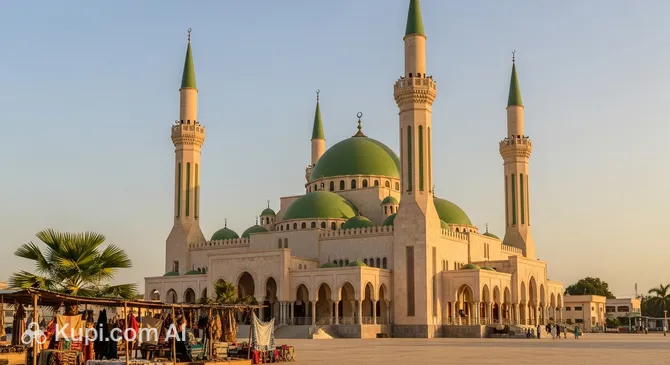
  • The city serves as a harmonious meeting point for diverse faiths, best exemplified by the majestic Bouaké Central Mosque. This architectural landmark stands as a testament to the significant Islamic heritage that coexists peacefully with the city's Christian communities.

Bouaké Central Mosque. Source: Kupi.Binoculars

How to Get There

Reaching the central Ivorian city of Bouaké is relatively straightforward, with options ranging from direct domestic flights to road travel from major hubs. Whether you are arriving from international destinations or traveling within the country, you can find more about how to get to Bouaké and choose the route that best suits your itinerary.

The most convenient entry point is the local Bouake Airport (IATA: BYK), located just 6.6 km from the city center. As a regional hub, it primarily handles domestic connections. The short journey from the airport to the heart of the city typically takes about 30 minutes by taxi or shuttle, making it an efficient choice for travelers looking to save time.

For international visitors, the primary gateway is usually Felix Houphouet Boigny Airport (IATA: ABJ). However, it is important to note that this major international airport is located in Abidjan, approximately 295 km south of Bouaké. Travelers landing here can connect to a domestic flight or continue their journey by road. The overland trip from Abidjan to Bouaké is a well-traveled route, typically taking approximately 4 to 6 hours by taxi or bus, offering a scenic drive through the country's interior.

For clarity, here is a summary of the main airports:

Airport Name City Passenger Traffic Km from City
Felix Houphouet Boigny Airport Abidjan Large 295.5
Korhogo Airport Korhogo Small 196.1
Bouake Airport Bouaké Small 6.6

Beyond air travel, Bouaké is well-connected by a network of roads and highways, making it accessible by bus or private car from neighboring regions. The city serves as a central transport node, so finding bus services from other major Ivorian cities is generally easy and affordable.

Main Attractions

Bouaké is a city where history, culture, and daily life intertwine seamlessly, offering visitors a variety of sites that reflect its diverse heritage. From spiritual landmarks to bustling commercial hubs, the attractions here provide a deep dive into the soul of the region. Exploring these sites reveals the harmonious coexistence of traditions and the creative spirit that defines the local community.

One of the most significant landmarks is the Bouaké Central Mosque. Situated in the heart of the city, this architectural gem dates back to the late 19th century, making it the oldest mosque in Bouaké. It stands as a symbol of the city's rich Islamic heritage and serves as a major center for worship and community gatherings. The mosque is renowned for its peaceful atmosphere and distinct design, which has welcomed generations of worshippers from various ethnic backgrounds, highlighting the city's tradition of unity.

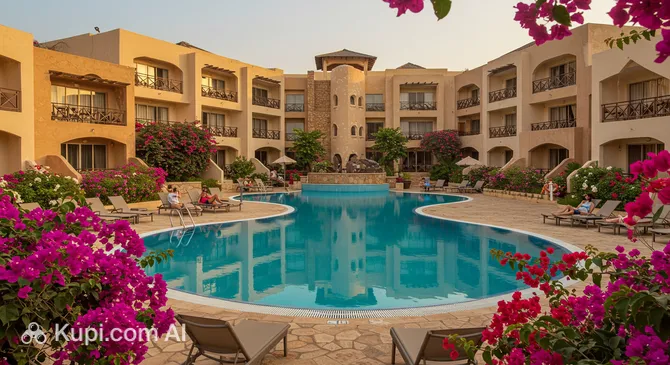
For a truly unique cultural experience, travelers should visit the Hotel of Art Bouaké. Far more than just an accommodation, this establishment is a creative sanctuary that functions as a living museum and art gallery. The property is adorned with an eclectic mix of sculptures, paintings, and repurposed objects—such as old motorcycles and industrial parts turned into decor—that showcase the ingenuity of local artisans. It is a fascinating stop for art lovers looking to see how contemporary creativity merges with hospitality.

Hotel of Art Bouaké. Source: Kupi.Binoculars

No visit to the city is complete without experiencing the vibrant energy of the Grand Market (Grand Marché). As one of the largest open-air markets in West Africa, it is the commercial heartbeat of the region. Here, the air is filled with the scents of exotic spices and street food, while stalls overflow with colorful textiles, fresh produce, and handcrafted goods. It is an excellent place to observe local life, practice bargaining skills, and purchase authentic souvenirs, including the famous Baoulé cloth.

Another prominent religious site is Saint Michael's Cathedral (Cathédrale Saint-Michel), the seat of the Archdiocese of Bouaké. Located near the city center, this imposing structure serves as a key place of worship for the Catholic community. Its modern architectural style and serene interior offer a quiet contrast to the busy streets outside, representing the strong Christian presence that coexists peacefully alongside other faiths in this diverse metropolis.

Local Cuisine

The culinary landscape of Bouaké is a delightful reflection of the region's Baoulé heritage, offering a gastronomic experience that is both hearty and flavorful. As a central hub in the Gbêkê region, the city's cuisine relies heavily on fresh, locally sourced ingredients, particularly tubers like yams and cassava, which are staples of the Ivorian diet. Dining here is not just about sustenance; it is a social event, often enjoyed in open-air settings that allow visitors to soak in the vibrant local atmosphere.

One dish that every visitor must try is Kedjenou, a spicy and aromatic stew that is a specialty of the Baoulé people. Traditionally prepared with chicken or guinea fowl, it is slow-cooked in a sealed terracotta pot called a canari over a wood fire. This cooking method preserves the flavors and juices of the meat, creating a tender and savory meal often served with Attiéké, a fermented cassava couscous that is a national icon. Another favorite is Foutou, a smooth mash made from pounded yams or plantains, typically accompanied by a rich palm nut soup (sauce graine) or peanut sauce.

For a truly authentic dining experience, head to the local maquis. These informal, open-air restaurants are the heart of Bouaké's social life, offering affordable and delicious homemade meals in a relaxed environment. Here, and at street food stalls throughout the city, you can snack on Alloco, which consists of fried plantain chunks often served with a spicy chili sauce or grilled fish. It is a popular choice for a quick lunch or an evening snack while exploring the city's bustling neighborhoods.

To quench your thirst, the local beverage selection offers both refreshing and traditional options. Non-alcoholic favorites include Bissap, a sweet and tangy drink made from hibiscus flowers, and Gnamakoudji, a zesty ginger juice that packs a punch. For those interested in traditional local spirits, Bandji, or fresh palm wine, is a cultural staple often enjoyed in the late afternoon. Whether sipping a cold drink or sharing a communal bowl of stew, the food culture in Bouaké is warm, welcoming, and deeply satisfying.

Travel Tips

Visiting Bouaké offers a genuine taste of Ivorian hospitality in the heart of the country, but a little local know-how goes a long way in ensuring a smooth trip. Here are some practical tips to help you navigate the city with ease and confidence, allowing you to focus on the rich culture and vibrant atmosphere.

  1. Pack for the Heat: Given the tropical climate, lightweight and breathable fabrics like cotton or linen are essential to stay cool. However, always carry a light jacket or sweater, as evenings can sometimes feel cooler, especially during the harmattan season. If you plan to visit religious sites like the Bouaké Central Mosque or the Cathedral, remember to dress modestly, covering your shoulders and knees as a sign of respect.
  2. Mastering Local Transport: While regular taxis are available, the most common and efficient way to get around Bouaké is by moto-taxi. They are affordable and can navigate traffic easily, but always ensure you are comfortable on a bike before hopping on. It is standard practice to negotiate and agree on the fare with the driver before starting your journey to avoid any confusion upon arrival.
  3. Cash is King: The local currency is the West African CFA Franc (XOF). While some upscale hotels might accept credit cards, cash is the primary mode of payment for markets, restaurants (maquis), and transport. ATMs are available in the city center near major banks, so it is wise to withdraw sufficient funds there, as smaller neighborhoods may lack these facilities.
  4. Health and Hydration: Tap water is generally not recommended for tourists; stick to sealed bottled water which is widely available. Since Bouaké is in a tropical zone, carrying strong insect repellent is crucial to protect against mosquitoes, especially in the evenings. Pharmacies are easily engaging and marked with a green cross; many are well-stocked with basic medical supplies.
  5. Language Barrier: The official language is French, and it is the primary means of communication. English is not widely spoken outside of specific tourist circles. Learning a few basic French phrases or downloading an offline translation app will be incredibly helpful. Locals also appreciate it if you know a simple greeting in Baoulé, the local ethnic language, as it shows respect for their culture.
  6. Etiquette Matters: Ivorians value greetings highly. Always take the time to say "Bonjour" (Good day) or "Bonsoir" (Good evening) and ask how someone is doing before asking a question or starting a transaction. Handshakes are common, but remember to always offer your right hand, as the left is considered unclean for social interactions and eating.
  7. Photography Rules: Always ask for permission before taking photos of people, market stalls, or private property. Some locals may be camera-shy or expect a small tip for a photo. Additionally, strictly avoid taking pictures of military personnel, police officers, or government buildings, as this is prohibited and can lead to serious misunderstandings.
  8. Embrace the "Maquis" Culture: Do not miss the chance to eat at a local open-air restaurant, known as a maquis. It is the best way to experience the city's social vibe. Service can be slower than in Western countries, reflecting the relaxed pace of life, so be patient and enjoy the music and conversation while you wait for your meal.

By keeping these tips in mind, you will be well-prepared to immerse yourself in the daily rhythm of Bouaké. The city's warmth lies not just in its weather but in its people, so approach your travels with an open mind and a friendly smile.

Entertainment & Nightlife

Bouaké comes alive after sunset with a vibrant energy that reflects the warm and festive spirit of its inhabitants. The city's nightlife is less about exclusive high-end clubs and more about the authentic Ivorian "Maquis" culture—open-air restaurants and bars where music, food, and conversation flow freely. For visitors, this is the perfect opportunity to experience the famous Ivorian joie de vivre (joy of living) firsthand, often accompanied by the rhythmic beats of Zouglou and Coupé-Décalé music.

The nightlife scene is decentralized, with pockets of activity spread across various neighborhoods. The Air France district is particularly renowned for its concentration of popular spots and lively atmosphere. Other neighborhoods like Nimbo and Koko also host numerous venues where locals gather to unwind. In these areas, the streets bustle with activity well into the night, filled with the aroma of grilled meat and the sound of laughter.

For those seeking a spirited night out, O'paiya is a standout venue known for its electric atmosphere. It functions as a premier nightclub where DJs spin a mix of local hits and international tracks, often sparking spontaneous dance-offs among the crowd. If you prefer a more relaxed but stylish setting, Le Mistral offers a chic environment perfect for enjoying signature cocktails and live music on an outdoor terrace. For a truly traditional experience, Maquis La Reference Chez TG in the Air France district is an institution; it combines hearty local cuisine with a festive bar vibe, making it an excellent starting point for the evening.

The dress code in Bouaké is generally casual to smart-casual. While nightclubs might expect a slightly more polished look, maquis are very laid-back. Most venues stay open late, often until the last customer leaves, especially on weekends. Prices are very affordable compared to the capital, with beers and local spirits costing a fraction of what you might pay in Abidjan. Cash is essential, as very few night spots accept credit cards.

Getting around at night is best done via moto-taxis, which are the lifeblood of the city's transport system. They are plentiful, cheap, and can navigate the streets quickly. However, for safety and comfort late at night, you may prefer a regular taxi (often orange or white). While Bouaké is generally welcoming, it is advisable to travel in groups and stick to well-lit, busy areas like the main streets of the Air France or Commerce districts. Avoid walking alone in quiet neighborhoods after dark.

During the day, entertainment takes a more cultural turn. The Centre Culturel Jacques Aka is a hub for artistic expression, frequently hosting concerts, theater performances, and exhibitions that showcase the region's talent. For a relaxing afternoon, La Promenade Orange offers a pleasant green space in the city center, ideal for a leisurely stroll or a family picnic before the evening festivities begin.

Parks & Museums

While Bouaké is primarily known as a bustling commercial crossroads, the city also offers serene green spaces and distinct cultural venues that preserve the region's artistic heritage. For travelers looking to step away from the lively markets, there are pockets of tranquility and history that provide a deeper understanding of the Baoulé culture and the city's evolution.

In terms of green spaces, La Promenade Orange stands out as a central urban oasis. This beautifully landscaped area offers a refreshing break from the city's heat, featuring paved walkways, manicured gardens, and shaded seating areas. It is a popular spot for families and students to relax, and it frequently hosts small cultural events or open-air exhibitions. For a more rugged natural experience, the area surrounding the Loka Dam (Barrage de la Loka), located just outside the city, provides a scenic backdrop for picnics and nature walks. The calm waters and surrounding vegetation attract various bird species, making it a peaceful retreat for nature enthusiasts.

The cultural scene in Bouaké is anchored by unique institutions that blend art with daily life. The Centre Culturel Jacques Aka is the premier venue for artistic expression in the region. It regularly hosts art exhibitions, theater performances, and concerts, serving as a vital platform for local artists to showcase their work. Another fascinating venue is the Hotel of Art Bouaké. This establishment is truly one-of-a-kind; it functions as a "living museum" where every corner is adorned with sculptures and installations made from recycled materials. Visitors can wander through its corridors to admire the creativity that transforms industrial scrap into meaningful art, reflecting the resourcefulness of the local community.

History and architecture buffs will find significance in the city's religious and industrial landmarks. The Bouaké Central Mosque is not only a place of worship but a historical monument that dates back to the colonial era. Its architecture tells the story of the city's long-standing Islamic heritage and serves as a focal point for the community. Additionally, the historic Gonfreville textile factory offers a glimpse into the industrial past of Bouaké. As one of the oldest textile mills in West Africa, its legacy is woven into the city's identity, influencing the local economy and the famous Baoulé cloth production.

For a truly authentic experience, venture slightly beyond the city limits to the village of Tanou-Sakassou. While not a traditional museum, this village acts as an open-air gallery for black pottery. Here, you can watch female artisans practice an ancient craft that has been passed down for generations, creating stunning pottery without the use of a wheel—a cultural treasure that defines the region's artistic soul.

Getting Around

Navigating Bouaké is a unique experience defined largely by informal transport networks rather than a rigid, scheduled public system. The city does not have a metro, tram, or train service for inner-city travel. Instead, the streets are dominated by moto-taxis (motorcycle taxis), which are the most convenient and popular way to get around. These two-wheeled vehicles can weave through traffic and reach areas that larger vehicles cannot. Complementing them are shared taxis (taxis-ville), which offer a more comfortable ride and typically operate on flexible routes or can be hired for private trips.

In recent years, the transport landscape has modernized with the introduction of SOTRA buses (Société des Transports Abidjanais). This scheduled bus service provides a safer and more affordable alternative for commuting along major arteries. While not as ubiquitous as moto-taxis, these buses connect key districts such as Air France, Commerce, and Broukro. They are easily recognizable by their green and white branding and offer a more regulated travel experience compared to the informal sector.

Payment methods vary depending on the mode of transport. For moto-taxis and regular taxis, cash is the only accepted form of payment. It is essential to carry small denominations of the local currency, as drivers often lack change for large bills. Fares are generally low, ranging from 200 to 500 XOF depending on the distance, but they are rarely metered. For SOTRA buses, the system is different; passengers are typically required to purchase a rechargeable travel card or a single-journey ticket from designated kiosks or terminals before boarding.

Tourists should keep a few practical tips in mind to navigate the city smoothly. When using a moto-taxi, always negotiate and agree on the fare before the journey begins to avoid disputes upon arrival. Safety is also a consideration; while drivers are skilled, it is advisable to ask for a helmet if one is not offered. Public transport operates from early morning until late at night, but bus services may reduce frequency after sunset. Moto-taxis are available 24/7, though finding one late at night in quieter neighborhoods can be difficult.

For those seeking alternatives, walking is a viable and pleasant option within the city center, particularly around the Grand Market and the Commerce district. Car rental services are available but are limited and usually come with a driver. Unlike in larger global capitals, app-based ride-sharing services are not the primary standard here, so relying on the readily available taxis and motos remains the most efficient way to explore the city.

Accommodation

Accommodation in Bouaké caters primarily to practical travelers, offering a range of options from affordable guesthouses to comfortable mid-range hotels. Unlike the coastal luxury found in Abidjan, the hospitality scene here is more modest but deeply welcoming. Visitors can expect clean, functional lodgings that provide a good base for exploring the city, with many establishments emphasizing personal service and a relaxed atmosphere.

When choosing where to stay, location is key. The Commerce district is the heart of the city, making it an ideal choice for those who want to be close to banks, the main market, and transport hubs. For a livelier experience, the Air France neighborhood is highly recommended. This area is known for its vibrant nightlife, numerous maquis (local eateries), and a higher concentration of quality hotels, making it popular among expatriates and tourists seeking entertainment within walking distance.

For a truly unique stay, the Hotel of Art Bouaké offers an experience that goes beyond a simple night's sleep. As the name suggests, this establishment doubles as a gallery, featuring eclectic décor and artistic installations that reflect the creative spirit of the region. It is a standout option for travelers looking for character and local charm rather than a standard hotel chain experience.

Generally, accommodation prices in Bouaké are reasonable. Budget travelers can find basic rooms with fans for a low cost, while air-conditioned suites in mid-range hotels are priced moderately compared to international standards. While major hotels may appear on international booking platforms, many smaller, family-run guesthouses rely on direct phone bookings or walk-ins. It is advisable to carry cash, as credit card facilities may not be available at smaller establishments.

Booking Tip: While it is usually easy to find a room upon arrival, booking in advance is highly recommended if you plan to visit during the Bouaké Carnival or major religious holidays, when the city sees an influx of visitors.

Nearby Cities

For those looking to explore the surroundings, Bouaké serves as an excellent base for day trips to several interesting nearby locations:

Located approximately 100 kilometers south, Yamoussoukro is the most popular choice for a day excursion. As the political capital of Ivory Coast, it is renowned for the Basilica of Our Lady of Peace, a colossal architectural marvel that ranks among the largest churches in the world. Visitors can also observe the famous sacred crocodiles that inhabit the lake surrounding the Presidential Palace.

For travelers interested in deep cultural immersion, Korhogo in the north offers a unique experience. Although it requires a longer journey, it is the spiritual heart of the Senufo people and a hub for traditional Ivorian crafts. The city is celebrated for its skilled woodcarvers, blacksmiths, and the production of the distinctive "toile de Korhogo" cloth paintings.

To the west lies Daloa, a bustling agricultural center known as the "City of Antelopes." It serves as a major hub for the country's cocoa trade and offers a glimpse into the vibrant commercial life of the interior, along with natural attractions like the nearby Monkey Rock.

City Population Distance (km)
Daloa 421871 178
Yamoussoukro 355573 100
Korhogo 286071 206
Gagnoa 277044 198
Oumé 260786 151

These nearby destinations offer a glimpse into the diverse culture and landscapes of the region, allowing visitors to appreciate the varied heritage of the Ivorian interior.

Shopping & Souvenirs

Shopping in Bouaké offers a vibrant immersion into the commercial soul of Ivory Coast, serving as a bustling hub where traditional West African trade meets modern convenience. As a major crossroads city, it is a treasure trove for those looking to discover authentic local products, from intricate handicrafts to fresh regional produce. The shopping scene here is less about glitzy luxury and more about the energetic atmosphere of open-air exchanges and the discovery of unique artisanal goods.

The primary destination for retail therapy is the appropriately named Commerce district. This central neighborhood acts as the city's economic heartbeat, lined with a variety of boutiques, electronics shops, and fabric stores. Walking through these streets provides a comprehensive view of daily life, where vendors sell everything from mobile phones to fashion accessories. It is the best place to find imported goods and everyday necessities while soaking in the lively urban energy.

For travelers seeking a more modern and relaxed shopping environment, Sococé Bouaké is the city's standout shopping center. This large supermarket and mall complex offers air-conditioned comfort and a wide range of products, including groceries, toiletries, and household items at fixed prices. It is a convenient stop for stocking up on supplies or finding western-style goods that might be harder to locate in the traditional stalls.

However, the true essence of shopping in the city is found at the Grand Market (Grand Marché). This sprawling labyrinth of stalls is a sensory explosion of colors, scents, and sounds. It is the go-to place for fresh tropical fruits, aromatic spices, and, most importantly, textiles. Navigating the market requires a bit of patience and a willingness to bargain, but it is the most authentic way to engage with local traders and experience the warm hospitality of the Ivorian people.

When it comes to souvenirs, Bouaké is famous for the Pagne Baoulé, a traditional hand-woven cloth characterized by its vibrant patterns and high quality. It makes for a beautiful and culturally significant keepsake. Visitors should also look for the distinctive black pottery from the nearby village of Tanou-Sakassou. Additionally, for those with an eye for creativity, the Hotel of Art Bouaké serves as a hub of artistic expression, where the inventive use of recycled materials might inspire you to find unique local art pieces to take home.

Most shops and market stalls operate from approximately 8:00 AM to 6:00 PM, Monday through Saturday. Sunday hours are often reduced, and many smaller businesses may close for the day. Cash is the absolute standard for transactions, particularly in markets and smaller boutiques. The currency used is the West African CFA Franc (XOF). While the main supermarket may accept credit cards, it is essential to carry sufficient cash in smaller denominations for bargaining in the markets.

Tourists should note that a tax-free or VAT refund system is generally not available for purchases made within the city. The prices listed or negotiated are final, so it is best to plan your budget without expecting a refund upon departure.

Nearby cities

Reached the end of the page?

That means the route is fully explored