Support

Korhogo

About

Korhogo is a vibrant city that serves as the spiritual and cultural heart of the Senufo people. Situated in the northern region of Ivory Coast, it is the capital of the Savanes District and one of the most significant urban centers in the nation, with a population of approximately 286,000 inhabitants. Known for its warm climate and welcoming atmosphere, the city offers a unique glimpse into the traditional way of life in West Africa, far removed from the coastal bustle.

The city is steeped in tradition, where ancient customs blend seamlessly with daily activities. Visitors interested in the past will find the history of Korhogo fascinating, as it reveals the origins of the Senufo kingdom and its enduring social structures. The mysterious Poro society and traditional mask dances are integral parts of the local identity, making it a captivating destination for cultural enthusiasts seeking authenticity.
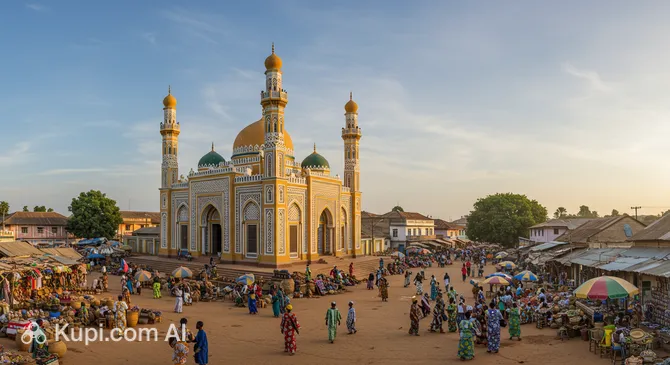
Korhogo. Source: Kupi.Binoculars

One of the city's main draws is its thriving artisan community, which is celebrated throughout the country. The region is famous for the **Péléforo Gbon Coulibaly Regional Museum**, which houses an impressive collection of local artifacts and art. Travelers can also visit nearby craft villages like **Waraniéné**, renowned for its skilled weavers who create distinctive cloth, or the woodcarvers' district where intricate sculptures are brought to life. For nature lovers, a hike up **Mount Korhogo** offers panoramic views of the sprawling city and the surrounding savannah landscape.

Whether you are exploring its bustling markets or admiring the incredible skill of local craftsmen, Korhogo promises an unforgettable journey. It is a must-visit destination for anyone seeking to experience the authentic soul and rich artistic heritage of this fascinating region.

Weather Overview

Korhogo features a tropical climate defined by consistent warmth and clearly distinct seasons. Visitors should consult the detailed forecast for the weather in Korhogo before traveling, as the city transitions from dry heat to humid rainy periods. The hottest time of the year occurs in March and April, where the average temperature rises to roughly 30°C and daytime highs can peak at 36.6°C.

The rainy season takes over from June to September, bringing relief from the peak heat but significantly more moisture. August is typically the wettest and coolest month, with an average temperature of 25.5°C and rain occurring on approximately 27 days. This period transforms the landscape but requires travelers to pack waterproof clothing.

In contrast, the months of December and January are arid, with 0mm of rainfall and plenty of sunshine. Expect hot days with maximums reaching 34°C and cooler nights dipping to around 18°C during this dry season. Generally, you can expect intense heat with dry skies in the winter months, shifting to cooler temperatures with frequent heavy rains during the summer.

Interesting Facts

Beyond the well-known markets and craft villages, Korhogo holds fascinating cultural secrets that deepen its allure. Here are some intriguing facts about this historic city and its surrounding region:

  • Inspiration for Modern Art: It is widely believed that the distinct geometric features of Senufo masks, which are native to this area, were a significant source of inspiration for Pablo Picasso during his "African Period." These traditional artifacts helped shape the aesthetics of Cubism, linking rural Ivory Coast directly to modern Western art history.

  • Storytelling Through Mud: The famous "Korhogo cloth" is not just a textile but a canvas for storytelling. Unlike other fabrics, it is made by painting hand-spun cotton with a fermented mud-based pigment that darkens over time. The symbols drawn on the cloth often depict sacred animals, hunters, and local proverbs, acting as a visual language.

  • The Sacred Woods: Scattered around the city are patches of dense vegetation known as "Sacred Woods." These are not recreational parks but strictly restricted open-air universities where young men undergo the secretive Poro initiation rites. Entry is forbidden to the uninitiated, preserving ancient knowledge away from public eyes.

  • Ancient Metallurgists: Just a short distance from Korhogo lies the village of Koni, home to traditional blacksmiths who still extract iron from ore using clay blast furnaces. This metallurgical technique has remained virtually unchanged for centuries, offering a rare window into pre-industrial technology.

How to Get There

Reaching the heart of the Savanes District requires some planning, but the journey offers a chance to see the diverse landscapes of the country. Whether you prefer the speed of air travel or the scenic route by road, there are several options available. You can read more about how to get to Korhogo and choose the route that best suits your itinerary.

The most convenient entry point is Korhogo Airport (IATA: HGO), located directly in the city. It is a regional hub situated just 10.9 km from the city center. A taxi or shuttle from here typically takes around 36 minutes to reach the downtown area. While it is a smaller facility, it connects the northern region with the capital and other major cities, making it the preferred choice for most travelers seeking to save time.

If direct flights are unavailable, you might consider flying into Bouake Airport (IATA: BYK) in the city of Bouaké. However, travelers should be aware that this airport is approximately 200 km away from Korhogo. The onward journey by road is substantial, taking roughly 5 hours and 20 minutes by taxi or bus. Another alternative is the Odienne airport (IATA: KEO) in Odienné, located about 214 km away, which would require a drive of nearly 5 hours and 40 minutes.

For clarity, here is a summary of the main airports:

Airport Name City Passenger Traffic Km from City
Borgo Bobo-Dioulasso Medium 234.2
Korhogo Airport Korhogo Medium 10.9
Bouake Airport Bouaké Medium 200.2
Odienne Odienné Small 213.9

Main Attractions

Korhogo is widely regarded as the cultural capital of the northern region, offering visitors a deep dive into the traditions of the Senufo people. The city and its surroundings are dotted with sites that showcase artistic heritage, natural beauty, and ancient craftsmanship. Here are some of the most captivating places to explore during your stay.

Péléforo Gbon Coulibaly Regional Museum is an essential stop for anyone wanting to understand the local history and social structure. Located in the city center, this museum houses a rich collection of Senufo artifacts, including ceremonial masks, statues, and traditional musical instruments. It provides tourists with a fascinating context for the Poro secret society and the symbolic meanings behind the art they will see throughout the region.

For those who enjoy outdoor activities and scenic vistas, Mount Korhogo offers a rewarding experience. This small mountain, which watches over the city, is a popular hiking spot that is relatively easy to ascend. Reaching the top grants visitors a stunning panoramic view of the urban landscape and the vast savannah stretching to the horizon. It is also considered a spiritual site by the locals, adding a layer of mystique to the climb.

Just a few kilometers from the city lies the renowned village of Waraniéné, famous for its skilled weavers. This destination is the birthplace of the celebrated Korhogo cloth, a coarse cotton fabric painted with natural pigments. Tourists can watch the artisans at work, observing the traditional looms in action, and purchase unique, hand-crafted textiles directly from the makers, ensuring an authentic souvenir.

Another incredible excursion is a visit to the village of Koni, known for its traditional blacksmiths. Unlike modern metalworkers, the artisans here maintain the ancient practice of extracting iron directly from ore using clay blast furnaces. It is a rare opportunity to witness a pre-industrial metallurgical process that has been passed down through generations, making it a highlight for history and technology enthusiasts.

Local Cuisine

The gastronomy of Korhogo is deeply rooted in the agricultural traditions of the Senufo people and the northern savannah climate. Unlike the plantain-heavy diet found in the southern coastal regions, the cuisine here relies heavily on grains and tubers, particularly yams, maize, millet, and sorghum. The food is hearty, flavorful, and typically centered around a starchy base accompanied by rich, slow-cooked sauces.

One of the most emblematic dishes to try is Kabato (often called Tô), a firm porridge made from corn or millet flour. It has a neutral taste and is traditionally served with savory soups like sauce djoumgblé (dried okra) or sauce arachide (peanut butter stew), often enriched with beef or fish. Another local favorite is Foutou Igname (pounded yam). In this region, yams are considered a prestige crop, making Foutou a dish often associated with welcoming guests or celebrating special occasions. For meat lovers, Kedjenou—a spicy stew of chicken or guinea fowl cooked slowly in a sealed clay pot to retain all the juices—is a culinary highlight.

No visit to the region is complete without tasting Tchapalo, a traditional millet beer that holds significant cultural value. Brewed locally by women, this reddish-brown fermented drink is slightly sour and usually served in calabash gourds; it plays a central role in social gatherings and ceremonies. For non-alcoholic options, you will find refreshing homemade juices everywhere. Bissap (made from hibiscus flowers) and Gnamakoudji (spicy ginger juice) are perfect for cooling down in the northern heat.

The dining scene in Korhogo revolves around the famous Ivorian maquis—open-air eateries that serve as the social hubs of the city. These informal restaurants offer a relaxed atmosphere where tourists can rub shoulders with locals while enjoying affordable, authentic meals. In the evenings, the streets come alive with vendors selling Choukouya, spicy grilled meat (often mutton or beef) seasoned with kankan spice, which is best enjoyed with a side of sliced onions and tomatoes. Visiting a maquis is not just about eating; it is an essential part of experiencing the warm hospitality of the north.

Travel Tips

Traveling to Korhogo offers a distinct experience compared to the coastal cities, immersing you in the rich traditions of the Senufo people. To help you navigate the northern region's customs and climate with ease, here are some essential practical tips for your journey.

  1. Clothing and Gear: The north is significantly hotter and drier than the south. Pack lightweight, breathable natural fabrics like cotton or linen to handle the heat. Since Korhogo is more traditional, modest clothing is recommended; avoid overly revealing outfits out of respect for local norms. If you plan to hike Mount Korhogo, bring sturdy, closed-toe shoes. During the Harmattan season (December to February), a scarf or bandana is useful to protect against dust.

  2. Transportation: The most common way to get around is by moto-taxi (motorcycle taxi), which is fast and affordable. Standard taxis are also available but often operate as shared rides. Always agree on the fare before starting your journey, as meters are rarely used. Ride-hailing apps are generally not active here compared to Abidjan, so having a trusted local driver's number is a good strategy.

  3. Finances: Cash is the primary mode of payment. The local currency is the West African CFA Franc (XOF). While there are ATMs in the city center (look for major banks like SGCI or Ecobank), they can occasionally be out of service, so carry enough cash for daily expenses. Credit cards are rarely accepted outside of top-tier hotels or large supermarkets. Small change is vital for markets and transport.

  4. Health and Safety: Korhogo is generally safe, but standard precautions apply; avoid walking alone in poorly lit areas at night. The heat can be intense, so staying hydrated is crucial—stick to sealed bottled water. Malaria is a risk, so bring strong insect repellent and sleep under a mosquito net. Pharmacies are well-stocked, and you can look for the "Pharmacie de Garde" schedule for after-hours needs.

  5. Communication: French is the official language and is widely spoken, while English is rarely understood outside of specific tourism circles. Learning a few basic phrases in French is essential. Greeting locals in the local Senufo language, such as saying "Fofo" (a common greeting), is deeply appreciated and breaks the ice. SIM cards from providers like Orange or MTN are cheap and easy to buy for data access.

  6. Local Etiquette: Greetings are a formal and important ritual in Ivorian culture. Always take the time to say "Bonjour" and ask about someone's well-being before asking a question or starting a transaction. Handshakes are common, but always use your right hand for eating, shaking hands, or offering money, as the left hand is considered unclean.

  7. What to Avoid: Never attempt to enter a "Sacred Wood" (Forêt Sacrée). These are strictly restricted religious sites used for Poro initiation rites, and entry by non-initiates is a serious cultural offense. Additionally, always ask for explicit permission before photographing people, especially elders or traditional dancers, as some may believe it captures their spirit or simply find it disrespectful.

  8. Market Life Hack: When visiting the artisan villages like Waraniéné, try to arrive in the morning. Not only is the temperature more pleasant, but you are also more likely to see the weavers and painters actively working, giving you a better understanding of the craft before you buy.

By keeping these practicalities in mind, you will be well-prepared to embrace the warm hospitality and fascinating culture of Korhogo. Enjoy your adventure in the heart of the savannah!

Entertainment & Nightlife

Entertainment in Korhogo offers a distinct and authentic experience compared to the frenetic energy of the coastal cities. As the sun sets, the heat of the day gives way to a pleasant evening breeze, and the city's social life shifts to its vibrant open-air venues. The nightlife here is less about exclusive, high-end nightclubs and more about conviviality, music, and conversation. The atmosphere is generally relaxed and welcoming, with locals and visitors mingling freely under the starlit savannah sky.

The heart of Korhogo's nightlife beats in its famous maquis—open-air restaurants and bars that serve as the primary social hubs. These venues are where the true spirit of the city comes alive, accompanied by the rhythmic beats of Zouglou and Coupé-Décalé music. A night out typically involves sharing large bottles of local beer and platters of spicy grilled meat or fish. The vibe is casual, and there is rarely a strict dress code, although smart-casual attire is appreciated if you are visiting hotel bars or indoor clubs.

For those seeking a lively atmosphere, specific venues stand out in the local scene. The nightclub and bar at Hôtel Olympe are popular among both the local elite and international visitors, offering a safe and modern environment to enjoy music and dancing late into the night. Another well-known spot is Maquis 116, which is celebrated for its energetic ambiance and is a great place to experience the local party culture firsthand. Additionally, the bar at Hôtel Mont Korhogo provides a more tranquil setting for a quiet evening drink with a view.

Before the nightlife begins, daytime entertainment in Korhogo offers its own charms, deeply rooted in culture rather than commercial amusement parks. Visitors can spend their afternoons exploring the Péléforo Gbon Coulibaly Regional Museum to admire Senufo artifacts or browsing the bustling central market, which acts as a theater of daily life. For a relaxing break from the heat, many travelers head to the swimming pools available at the major hotels, which often allow non-guests to enter for a small fee.

When planning a night out, it is best to head out around 9:00 PM when the maquis start to fill up. Prices are generally very affordable compared to Abidjan. For transportation, moto-taxis are the most convenient way to get around, but at night, it is safer and more comfortable to hire a regular taxi, especially if you are in a group. While Korhogo is safe, it is advisable to stick to well-lit main roads and avoid walking alone in quiet neighborhoods after dark. Always keep the number of a trusted taxi driver handy for your return journey.

Parks & Museums

Korhogo offers a fascinating blend of rugged natural landscapes and profound cultural heritage, distinct from the manicured green spaces found in many modern capitals. While the city does not feature typical botanical gardens, its surroundings are defined by the raw beauty of the savannah and the spiritual significance of its natural features. The cultural scene is equally compelling, with museums and artisan districts acting as living custodians of the Senufo traditions.

For nature enthusiasts, Mount Korhogo is the premier destination for outdoor activity. Standing as a sentinel over the city, this small mountain offers a moderately challenging hike that rewards visitors with sweeping panoramic views of the urban sprawl and the surrounding plains. It is more than just a hiking spot; it holds spiritual importance for the local population. Another significant natural area is the Korhogo Dam (Retenue d'eau), a peaceful body of water that provides a refreshing contrast to the arid environment. It is a popular spot for locals to cool off and offers a serene setting for a quiet walk or birdwatching along the banks.

The cultural heart of the city beats within the Péléforo Gbon Coulibaly Regional Museum. This institution is a treasure trove for history buffs, housing an extensive collection of Senufo art, including ceremonial masks, statues, and traditional farming tools. The exhibits provide deep insight into the complex social structure of the Poro society and the region's ancestral beliefs. Unlike vast international museums, this venue offers an intimate look at the specific identity of northern Ivory Coast.

Beyond formal institutions, Korhogo itself feels like an open-air gallery, particularly in the Woodcarvers' District. Here, the streets are lined with workshops where artisans carve intricate statues and masks from teak and ebony. Watching these masters at work is a museum-quality experience in itself, allowing visitors to witness the creation of art that has defined the region's aesthetic for centuries. Similarly, the nearby village of Waraniéné serves as a living museum of textile arts, preserving the ancient techniques of painting on cotton cloth.

Architecturally, the region is known for its distinctive Sudanese-style influences, characterized by mud-brick construction and wooden supports. While the most famous grand mosques are located in nearby towns like Kong, smaller examples and traditional Senufo residential compounds within the district showcase this unique adaptation to the Sahelian climate. These structures reflect a harmony between the built environment and the natural materials available in the savannah.

For a truly authentic experience, keep an eye out for the Sacred Woods dotted around the outskirts of the city. While these dense patches of forest are strictly off-limits to tourists and non-initiates, understanding their presence is key to appreciating the local landscape. They are natural sanctuaries preserved not for recreation, but for the spiritual initiation rites of the Poro, reminding visitors that in Korhogo, nature and culture are inseparable.

Getting Around

Getting around Korhogo offers a glimpse into the daily life of the city, featuring a mix of newly introduced formal systems and traditional informal methods. While there is no metro or tram network, the city is well-connected by road. The transport landscape has modernized recently with the expansion of bus services, but informal transit remains the heartbeat of local mobility.

The most significant development for tourists is the presence of SOTRA buses. These large, modern buses operate on fixed routes connecting key neighborhoods, administrative areas, and commercial centers. They provide a safe, affordable, and comfortable option, often equipped with air conditioning. For visitors, these buses are the most straightforward way to travel between major landmarks without the need to negotiate fares.

For more flexible travel, taxis are ubiquitous. You will encounter shared taxis, which follow general routes and pick up multiple passengers, making them a very cost-effective choice. If you prefer a direct route, you can hire a taxi for a private trip, known locally as a "déplacement." Additionally, motorcycle taxis are extremely popular in this region of Ivory Coast. They are agile and can reach areas less accessible by cars, though it is highly recommended to prioritize safety and ensure a helmet is provided.

The payment system in Korhogo is almost exclusively cash-based. There are no digital travel cards or mobile ticketing apps widely available for tourists yet. Fares for buses and shared taxis are fixed and very low. It is essential to carry small change (coins and small notes), as drivers frequently do not have enough change for large bills.

When using taxis for private hire or motorcycle taxis, you must negotiate the price before starting your journey, as meters are rarely used. Public transport is most active during daylight hours, from early morning until the evening. If you need to travel late at night, it is advisable to book a private transfer through your accommodation rather than hailing a ride on the street.

Accommodation

Finding accommodation in Korhogo is generally a straightforward experience, although the options are distinct from the coastal luxury found in the south. The city primarily offers a range of solid mid-range hotels and budget-friendly guesthouses, known locally as auberges. While you won't find sprawling 5-star international resort chains here, the hospitality is warm, and many establishments provide comfortable, air-conditioned rooms suitable for international travelers.

For the most convenient stay, look for hotels located near the city center or along the main arterial roads. Staying centrally places you within easy reach of the vibrant markets, the woodcarving districts, and the main stops for the SOTRA buses. These areas are bustling during the day but offer easy access to transport for your daily excursions into the Savanes District.

Prices in Korhogo are generally very reasonable compared to Abidjan. Accommodation typically falls into the budget to mid-range categories. Standard hotels often feature amenities like on-site restaurants, swimming pools, and Wi-Fi, making them a relaxing base after a day of exploring. Smaller guesthouses offer a more immersive and economical experience but may have fewer facilities.

When planning your trip, it is advisable to book in advance, especially if you are visiting during the dry season or major cultural events. While some larger hotels appear on major online booking platforms, many smaller establishments rely on direct phone reservations or cash payments upon arrival. It is always a good idea to confirm your booking a few days before you arrive.

Nearby Cities

For those looking to explore the surroundings, Korhogo serves as an excellent base for day trips to several interesting nearby locations:

The most accessible destination for a quick day trip is Ferkessédougou, located just a short drive to the east. Often called "Ferké," this town is a major trading hub in the north, famous for its bustling zebu cattle market and vast sugar cane plantations. It offers travelers an authentic look at the commercial life of the Savanes District and is close enough for a relaxed morning or afternoon visit.

For those willing to travel a bit further, Bouaké presents a compelling option. As the second-largest city in Ivory Coast, it is a vibrant cultural center known for its lively carnival and traditional crafts. Although the journey is longer, the city provides a rich contrast to the north with its unique blend of Baoulé traditions and urban energy.

City Population Distance (km)
Bouaké 659,233 206
Daloa 421,871 299
Yamoussoukro 355,573 296
Man 241,969 313
Ferkessédougou 160,267 48

These nearby destinations offer a glimpse into the diverse culture and landscapes of the region.

Shopping & Souvenirs

Shopping in Korhogo is a vibrant cultural experience that goes far beyond simple retail therapy. As the capital of the Senufo people, the city is renowned throughout West Africa for its rich artistic heritage. Visitors here will not find high-end fashion boutiques or sprawling luxury complexes; instead, they will discover a treasure trove of traditional craftsmanship, where every item tells a story of local history and skill.

For the best selection of local arts, the Centre Artisanal (Craft Center) is the premier destination. Located centrally, this cooperative gathers various artisans in one place, allowing tourists to watch woodcarvers, weavers, and painters at work. It is an excellent spot to browse without the intense hustle of the open market. Additionally, the Koko neighborhood is famous for its woodcarvers, where you can visit workshops directly to see the creation of intricate sculptures and furniture.

While Korhogo does not feature large international shopping malls, it has several modern supermarkets and commercial centers where travelers can purchase daily essentials, imported foods, and toiletries. Stores like CDCI or King Cash offer a more conventional shopping environment with fixed prices and air conditioning, providing a comfortable break from the heat when stocking up on supplies.

The heartbeat of the city's commerce is the Grand Marché (Central Market). This sprawling, bustling labyrinth of stalls is where the locals shop for everything from fresh produce and spices to colorful textiles. It is a sensory overload of sights and smells, perfect for adventurous travelers. Here, you can find authentic pagne (wax print fabric) and experience the true rhythm of daily life in Ivory Coast.

When it comes to souvenirs, Korhogo is famous for its unique Toiles de Korhogo (Korhogo cloth). These are hand-painted cotton fabrics decorated with symbolic figures using natural vegetable dyes, a tradition distinct to this region. Other must-buy items include traditional Senufo masks, bronze figurines, and high-quality shea butter (beurre de karité), which is produced locally and sold in its purest form.

Shops and markets typically open around 08:00 AM and close by 06:00 PM, though the main market is most active in the mornings. Payment is almost exclusively in cash (CFA Francs). Credit cards are rarely accepted outside of major hotels or large supermarkets. In the markets and artisan workshops, bargaining is not just expected; it is a friendly and essential part of the transaction process.

Tourists should be aware that tax-free shopping or VAT refund schemes are generally not available for purchases made in local markets or craft shops in Korhogo. It is best to assume that the negotiated price is the final cost.

Reached the end of the page?

That means the route is fully explored