Support

Bobo-Dioulasso

About

Welcome to Bobo-Dioulasso, a city that effortlessly blends traditional charm with a vibrant cultural pulse. Often affectionately called "Bobo" by locals, it serves as the economic capital and the second-largest city in Burkina Faso. Known for its tree-lined streets and a noticeably more relaxed pace than the political capital, Bobo-Dioulasso offers visitors a unique atmosphere filled with music, art, and hospitality.

Geographically situated in the southwest of the country within the Hauts-Bassins Region, the city benefits from a greener landscape and a milder climate compared to the northern Sahelian zones. With a population of approximately 900,000 residents, it is a bustling hub of trade and culture that remains deeply connected to its roots. The city stands as a crossroads for various ethnic groups, creating a rich tapestry of traditions that is evident in its daily life.
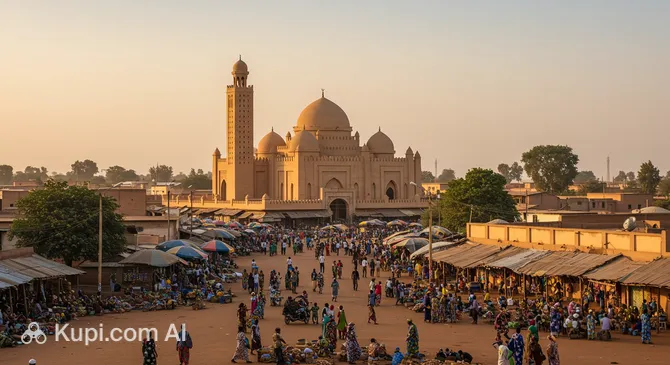
Bobo-Dioulasso. Source: Kupi.Binoculars

The cultural heritage here is profound, with the city often being cited as the center of Burkinabé music and arts. For those interested in the origins of this fascinating settlement, the history of Bobo-Dioulasso reveals a story of ancient trade routes and the convergence of the Bobo and Dyula peoples. This historical depth is best experienced in the old district of Kibidoué, where traditional architecture and customs have been preserved for centuries.

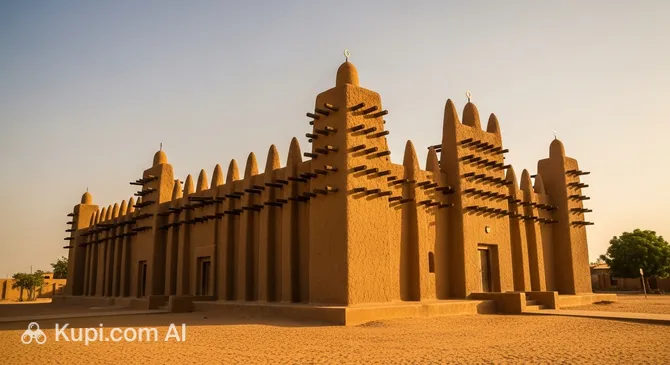
Among the city's most iconic landmarks is the Grand Mosque of Bobo-Dioulasso. Built in the late 19th century, this masterpiece of Sudano-Sahelian architecture is constructed from mud brick and features wooden struts that give it a distinctive appearance. Another highlight is the Grand Marché, a lively market where travelers can find colorful textiles, local crafts, and fresh produce. Nature lovers will also appreciate a trip to La Guinguette, a refreshing forest and natural pool located just outside the city limits.

Whether you are drawn by the rhythms of balafons, the stunning mud-brick architecture, or the friendly smiles of its inhabitants, Bobo-Dioulasso promises an unforgettable experience. It is a destination that invites you to slow down, explore its hidden corners, and immerse yourself in the authentic spirit of West Africa.
Weather Overview

The climate in this region is tropical and generally hot, defined by two distinct seasons that significantly influence travel plans. Before packing, it is helpful to review the current weather in Bobo-Dioulasso, as conditions shift from arid to humid depending on the time of year. Average monthly temperatures typically range between 25°C and 32°C, ensuring a warm atmosphere regardless of when you visit.

The dry season, lasting from November to March, is characterized by sunny skies and virtually no rainfall. December and January are often the most pleasant months, with cooler nights seeing minimum temperatures around 18°C. However, as the dry season concludes in March and April, the heat peaks, with daytime maximums often reaching 38°C. This period is ideal for those who prefer clear weather, though sun protection is essential.

From June to September, the city experiences its rainy season, which brings relief from the scorching heat but introduces higher humidity. August is typically the wettest month, with precipitation occurring on up to 27 days, transforming the landscape into a lush green environment. Expect scorching dry heat early in the year followed by a cooler, frequent rainy season from late spring through early autumn.

Interesting Facts

Beyond the main attractions, Bobo-Dioulasso holds many fascinating secrets that reveal the depth of its cultural heritage. This city is not merely a commercial hub but a place where ancient legends, sacred traditions, and artistic rhythms are woven into the daily lives of its people.
Great Mosque of Bobo-Dioulasso. Source: Kupi.Binoculars
  • The city's name is a linguistic symbol of unity, translating roughly to "The House of the Bobo and Dyula." It reflects the historical coming together of two distinct ethnic groups—the indigenous Bobo farmers and the Dyula traders—who have lived side by side for centuries. However, locals often still refer to the city by its original, pre-colonial name, Sya.

  • The iconic Great Mosque of Bobo-Dioulasso owes its existence to a desperate political alliance. According to local history, the King of Sya pledged to build the mosque in the late 19th century as a reward for a religious leader whose prayers helped the kingdom defeat the invading Kenedougou forces.

  • Just outside the city limits lies the sacred pond of Dafra, a pilgrimage site shrouded in mysticism. It is home to giant catfish that are considered sacred spirits; visitors travel here not to fish, but to offer sacrifices of chickens and food in exchange for blessings and the granting of wishes.

  • Bobo-Dioulasso is widely celebrated as the musical capital of the country, particularly famous for the balafon. It serves as the primary center for crafting this traditional wooden xylophone, and the city's air is frequently filled with its distinct, melodic resonance as master craftsmen tune instruments for musicians across West Africa.

How to Get There

Planning a trip to this vibrant cultural hub requires a bit of preparation regarding logistics. For a comprehensive overview of travel options, you can check all ways to reach the city, but air travel remains the most direct method for many visitors. The city is served by its own facility, Borgo (IATA: BOY), which is conveniently located just 2.9 km from the city center. Given its close proximity, a taxi ride to the downtown area is very quick, typically taking between 5 to 15 minutes.

Alternatively, some travelers might consider Korhogo Airport (IATA: HGO), although it is situated quite a distance away in the neighboring country of Ivory Coast (Côte d'Ivoire). This airport is approximately 239.7 km from Bobo-Dioulasso. Due to the significant distance and the implied international border crossing, ground transportation from Korhogo to Bobo-Dioulasso is a major undertaking, taking around 6 hours and 20 minutes by car. Most visitors prefer the local airport for its convenience, but regional connections make Korhogo a possible, albeit distant, alternative.

For clarity, here is a summary of the main airports:

Airport Name City Passenger Traffic Km from City
Borgo Bobo-Dioulasso Medium 2.9
Korhogo Airport Korhogo Small 239.7

Main Attractions

Bobo-Dioulasso offers a compelling mix of architectural heritage and lively local spots that capture the spirit of the region. From sacred historical sites to vibrant venues for dining and relaxation, the city provides a well-rounded experience for any traveler looking to explore the heart of West African culture.

Standing as the city's most recognizable landmark, the Great Mosque of Bobo-Dioulasso is an essential stop for every visitor. This stunning example of Sudano-Sahelian architecture is not just a place of worship but a symbol of the city's identity. Visitors are often captivated by its intricate mud-brick facade and the iconic wooden struts that support the structure. A guided visit often provides insight into the building's history and allows access to the rooftop, which offers a unique panoramic view of the surrounding Kibidoué district.

Hotel Villa Rose. Source: Kupi.Binoculars

For those looking to experience the city's social scene or simply relax after a day of sightseeing, Hotel Villa Rose is a popular destination. Although it is an accommodation facility, it is well-regarded for its bar and vibrant atmosphere where locals and tourists frequently mingle. It serves as an excellent spot to enjoy a refreshing drink, soak in the laid-back ambiance, and experience the hospitality that the city is famous for.

Restaurant DanKan. Source: Kupi.Binoculars

To truly understand the local culture, one must taste it, and Restaurant DanKan offers a delightful culinary journey. This establishment is favored for its authentic dishes and friendly service, providing a comfortable setting to try traditional Burkinabé cuisine. Whether you are craving hearty local sauces or grilled specialties, it is a fantastic place to refuel and enjoy the rich flavors that define the region's gastronomy.

Local Cuisine

The culinary landscape of Bobo-Dioulasso is as vibrant as its culture, benefiting from its location in the lush Hauts-Bassins region, often regarded as the agricultural heart of the country. Locals take pride in using fresh ingredients to create hearty, flavorful meals. The absolute staple of the daily diet is , a thick, dough-like paste made from millet, sorghum, or corn. It is never eaten alone but serves as a vessel for rich, savory sauces made from okra, peanuts (mafé), or baobab leaves.

For a truly authentic gastronomic experience, visitors must try the famous poulet bicyclette. This free-range grilled chicken is renowned across the region for its firm texture and deep, natural flavor, usually seasoned with local spices and served alongside fried plantains or yams. For the adventurous eater, Bobo-Dioulasso offers a unique regional specialty known as Chitoumou. These are fried shea caterpillars, a protein-rich delicacy harvested from the local shea trees, often seasoned with onions and tomatoes to create a crunchy, savory snack.

Beverages are an integral part of social life in the city. The traditional welcome drink, Zoom-koom, is a refreshing, milky-white blend of millet flour, ginger, and tamarind that offers a sweet and spicy kick. On the alcoholic side, Dolo is the undisputed favorite. This opaque, fermented sorghum beer is traditionally brewed by women and served in calabashes at local gathering spots known as cabarets, where the atmosphere is always lively and communal.

Dining in the city ranges from casual street food stalls to relaxed open-air eateries known as maquis. These venues are perfect for soaking up the slow-paced, friendly rhythm of the city. If you are looking to sample well-prepared traditional dishes in a comfortable setting, Restaurant DanKan is a popular choice among both locals and travelers. For those wishing to unwind with a drink after a hearty meal, the bar at Hotel Villa Rose offers a pleasant environment to enjoy the cool evening breeze.

Travel Tips

Visiting Bobo-Dioulasso is a rewarding experience filled with cultural discoveries, but a little preparation goes a long way in ensuring a smooth trip. To help you navigate the local customs and logistics with ease, here are some practical tips designed to make your stay in this welcoming city as enjoyable as possible.

  1. Clothing and Gear: Given the tropical climate, pack lightweight, breathable fabrics like cotton or linen to stay cool during the day. A sturdy pair of walking shoes is essential for navigating the sandy or unpaved streets. Since the sun can be intense, bring a wide-brimmed hat, sunglasses, and high-SPF sunscreen. If you plan to visit religious sites like the Grand Mosque, remember to dress modestly; women should cover their heads, and both men and women should wear clothing that covers shoulders and knees.
  2. Transportation: The most common way to get around is by taxi. In Bobo-Dioulasso, official taxis are typically green; they operate on a shared basis ("taxi collectif") which is very affordable, or you can hire one privately for a slightly higher fee. Always agree on the fare before starting your journey, as meters are rarely used. Moto-taxis are also ubiquitous, but for safety and comfort, a standard taxi or a rented car with a local driver is recommended for tourists.
  3. Finances: The local currency is the West African CFA franc (XOF). While some upscale hotels might accept credit cards (Visa is more common than Mastercard), cash is definitely king here. ATMs are available in the city center, but they can occasionally be out of service, so it is wise to carry enough cash for daily expenses. Euros are the easiest foreign currency to exchange. Tipping is not strictly mandatory but is highly appreciated; leaving small change at local eateries or for service staff is a kind gesture.
  4. Health and Safety: Malaria is a concern throughout Burkina Faso, so taking prophylactic medication and using strong insect repellent is crucial, especially in the evenings. Drink only bottled or filtered water and avoid ice cubes in street stalls. Pharmacies in the city are generally well-stocked and marked with a green cross; usually, one in each neighborhood stays open 24/7 on a rotational basis. As in any city, keep an eye on your belongings in crowded areas like the Grand Marché.
  5. Communication: The official language is French, and it is widely used in business and tourism. English is not commonly spoken outside of major hotels, so learning a few basic phrases in French will be incredibly helpful. The local trade language is Dyula; greeting locals with a friendly "Dansè" (Welcome/Hello) can open many doors. SIM cards from providers like Orange, Telecel, or Moov are cheap and easy to buy with your passport, offering decent 4G data coverage in the city.
  6. Local Etiquette: Greetings are extremely important in Burkinabé culture. It is considered rude to ask a question or start a transaction without first exchanging a proper greeting—usually a handshake and a polite "Bonjour" or "Bonsoir." Always use your right hand for eating, shaking hands, or passing money, as the left hand is considered unclean. Asking for permission before taking photos of people is not just polite; it is expected.
  7. What to Avoid: Strictly avoid taking photographs of government buildings, military installations, police officers, or the airport. This is prohibited and can lead to serious trouble with the authorities. Additionally, avoid public displays of anger or impatience; raising your voice is seen as a loss of dignity and will not help resolve situations faster.
  8. Local Insight: Do not miss the chance to visit a local "cabaret" to try dolo, the traditional sorghum beer. These are not nightclubs but daytime social gathering spots—often identifiable by a calabash gourd hanging outside—where people sit on benches, sip beer from calabashes, and chat. It is an authentic slice of local life that offers a warm, communal atmosphere.

By keeping these tips in mind, you will be well-equipped to embrace the relaxed rhythm and warm hospitality that define Bobo-Dioulasso. The city's charm lies in its people and traditions, so approach your travels with an open heart and a respectful attitude for a truly memorable adventure.

Entertainment & Nightlife

As the sun sets, Bobo-Dioulasso transforms from a bustling trade hub into a vibrant center of musical and social energy. Known as the cultural capital of Burkina Faso, the nightlife here is less about exclusive nightclubs and more about open-air conviviality, live rhythms, and the warm atmosphere of local "maquis." These informal bars and restaurants are the heartbeat of the city after dark, offering plastic tables under the stars, cold drinks, and often, the sounds of balafons or reggae music drifting through the air.

For a relaxed evening with a touch of comfort, the bar at Hotel Villa Rose is a favorite meeting point. It attracts a mix of expatriates, tourists, and locals, providing a safe and laid-back environment to enjoy a cocktail or a local beer. If you prefer a hearty late-night meal accompanied by a lively buzz, Restaurant DanKan is an excellent choice. It captures the essence of Burkinabé dining, where food and social interaction go hand in hand well into the night.

The city does not have a single "party district," but the streets surrounding the central market and the neighborhoods near the Avenue du Général de Gaulle are generally bustling with activity. The dress code is almost universally casual; light, comfortable clothing is appropriate everywhere. Nightlife usually kicks off around 9:00 PM and can last until the early hours, especially on weekends when live bands take the stage at various venues across town.

Safety is generally good compared to larger capitals, but it is wise to remain cautious. Avoid walking alone in poorly lit areas or on the outskirts of the city late at night. The best way to get around is by taxi. Official green taxis are affordable and readily available; it is recommended to get the phone number of a reliable driver from your hotel reception or a restaurant manager to ensure a safe ride home.

While the nights are for music and socializing, daytime in Bobo-Dioulasso offers its own array of cultural entertainment. Before the heat of the day peaks, visitors can explore the vibrant arts scene, including local craft workshops and the regional museum, which houses fascinating artifacts. Of course, a daylight stroll through the historic Kibidoué district complements the nocturnal experience, grounding your visit in the deep history that supports this lively modern culture.

Parks & Museums

Bobo-Dioulasso is often celebrated as the greenest city in Burkina Faso, offering a refreshing contrast to the arid landscapes of the north. Beyond its bustling markets and musical rhythms, the city preserves its heritage through dedicated cultural institutions and maintains a connection to nature that provides locals and visitors with peaceful escapes from the urban energy.

For nature enthusiasts, the most beloved getaway is undoubtedly La Guinguette. Located about 15 kilometers from the city center within the Kou Forest, this natural bathing spot is fed by crystal-clear springs and surrounded by lush, gallery forest vegetation. It is a favorite picnic destination for families on weekends, offering a rare chance to swim in fresh, cool water while listening to the sounds of the tropical forest. Further afield, the Mare aux Hippopotames (Hippopotamus Pond) offers a true wildlife experience. Recognized as a UNESCO Biosphere Reserve, this protected area allows visitors to observe hippos in their natural habitat, alongside diverse bird species, making it an excellent day trip for eco-tourists.

The city's status as a cultural capital is reflected in its museums, most notably the Musée Communal Sogossira Sanon. Housed in a striking building that blends modern and traditional architectural styles, this museum offers a deep dive into the ethnography of the West African region. Its exhibits showcase a vast collection of traditional masks, statues, and musical instruments, providing context to the customs of the Bobo, Dyula, and other local ethnic groups. Another significant cultural venue is the Musée de la Musique, which celebrates the country's rich auditory history. Here, visitors can admire a wide array of traditional instruments, including the iconic balafon, and learn about the role of music in storytelling and community life.

In terms of historical architecture, the city is an open-air museum in its own right. The Great Mosque of Bobo-Dioulasso remains the centerpiece of this heritage. Its conical mud towers and projecting wooden stakes are the finest example of Sudano-Sahelian religious architecture in the country. Just a short distance away lies the Bobo-Dioulasso Railway Station, a colonial-era gem built in a neo-Sudanese style. Its white facade and distinctive geometric patterns make it one of the most beautiful train stations in West Africa, symbolizing the era when the railway connected the coast of Abidjan to the Sahel.

For a truly authentic experience, venture to the sacred Dafra Pond, located a few kilometers outside the city. This is not a typical park but a revered spiritual site where giant catfish are protected by local custom. Visitors can witness pilgrims offering sacrifices to the spirits of the water, providing a profound glimpse into the animist traditions that coexist harmoniously with other faiths in this vibrant region.

Getting Around

Navigating Bobo-Dioulasso is a unique experience that relies heavily on informal road networks rather than the structured mass transit systems found in many global capitals. The city does not have a metro, tram, or trolleybus system. Instead, public transportation is dominated by a mix of shared taxis, buses, and motorcycles, creating a dynamic flow of traffic that is relatively easy to use once you understand the local customs.

The most convenient option for tourists is the official taxi service. These cars are typically painted green and operate on two distinct models. The first is the "taxi collectif" (shared taxi), where the driver picks up multiple passengers going in the same general direction. This is the most affordable way to travel, with fixed low rates for standard zones. The second option is "déplacement" (private hire), where you rent the entire vehicle for a specific trip. This is more expensive but offers direct service to your destination without stops for other passengers.

In recent years, the formal bus network has expanded with the presence of SOTRACO (Société de Transports en Commun). These buses run on specific routes connecting major neighborhoods to the city center and key locations like the central market. While they are affordable and safer than two-wheeled transport, their schedules can be less predictable than taxis, and they are often crowded during peak hours. Minibuses are also available, primarily for travel to the outskirts or neighboring towns, but they are less commonly used for short trips within the city center.

For payment, cash is the absolute rule. There are no electronic travel cards, tap-to-pay systems, or transport apps currently in use for the general public transit network. Fares for shared taxis and buses are generally fixed, but if you are hiring a taxi for a private trip ("déplacement"), you must negotiate and agree on the price with the driver before getting into the car. It is essential to carry small denominations of the local currency, as drivers often do not have change for large bills.

Motorcycle taxis, often referred to locally, are another ubiquitous form of transport. They are fast and can navigate through traffic jams or narrow streets where cars cannot go. However, safety standards can vary significantly, and helmets are rarely provided for passengers. For tourists, it is generally recommended to stick to four-wheeled taxis for safety reasons, especially if you are unfamiliar with the local traffic flow.

A notable feature of the city's transport infrastructure is the Bobo-Dioulasso Railway Station. While it serves as a stop for the international train line connecting the city to the coast, it is not used for intra-city commuting. However, the station itself is a functioning transit hub and a stunning example of colonial-era neo-Sudanese architecture, making it worth a visit even if you do not plan to catch a train.

Travelers should be aware that public transport generally slows down significantly after dark. While you can find taxis at night, they are fewer in number, and prices for private hires may increase. A practical tip for visitors is to ask your hotel reception or a restaurant manager to call a trusted taxi driver for you, especially for evening outings. Always ensure you have the exact fare ready to avoid delays at the end of your journey.

Accommodation

Finding a place to stay in Bobo-Dioulasso is generally a straightforward and pleasant experience, with options that reflect the city's welcoming and laid-back atmosphere. The accommodation landscape is dominated by small, independent establishments rather than large international chains. Visitors will mostly find charming guest houses, locally known as "auberges," and mid-range hotels that offer comfortable amenities. Luxury resorts are not a feature of the city, but the warmth of the local hospitality often makes up for the lack of five-star opulence.

When choosing where to stay, location plays a key role in the experience. The city center is ideal for travelers who want to be in the thick of the action, close to the central market and major landmarks. Staying here means easy access to transport and street food, though it can be a bit noisy during the day. For a quieter retreat, the residential neighborhoods such as Koko or Sarfalao offer a more relaxed environment. These areas are often greener and provide a glimpse into the daily life of the residents while still being a short taxi ride away from the main attractions.

In terms of pricing, accommodation in the city is quite affordable compared to many other West African hubs. Budget travelers can find basic rooms with fans and shared facilities for very reasonable rates. Mid-range options typically provide air conditioning, private bathrooms, and sometimes a swimming pool—a highly appreciated feature during the hot dry season. While some larger establishments accept credit cards, it is essential to carry sufficient cash, as smaller guest houses often operate exclusively with local currency.

Booking in advance is highly recommended if you plan to visit during the Semaine Nationale de la Culture (SNC), a major cultural festival that attracts visitors from all over the region, causing hotels to fill up months ahead. For the rest of the year, while you can find rooms on arrival, securing a reservation online or via phone is a good practice, especially for the more popular lodgings. Many places rely on direct communication, so a quick call or message can often confirm your stay more effectively than automated web systems.

Nearby Cities

For those looking to explore the surroundings, Bobo-Dioulasso serves as an excellent base for day trips to several interesting nearby locations:

Banfora is widely considered the most scenic destination in the region. Located just a short drive away, it is famous for the stunning Cascades de Karfiguéla (Karfiguéla Waterfalls), where visitors can swim in natural pools surrounded by lush vegetation. Nearby, the Dômes de Fabedougou offer a striking landscape of limestone rock formations that have been sculpted by the elements over centuries.

For a deep dive into local traditions, Gaoua provides a rich cultural experience. It is the heart of the Lobi country, known for its distinctive fortress-like earthen architecture called "soukala." The city is also home to the Poni Museum, which houses an extensive collection of artifacts that offer insight into the mystical and independent spirit of the Lobi people.

City Population Distance (km)
Banfora 117,200 76
Houndé 87,154 93
Dedougou 63,617 170
Gaoua 45,189 155
Reo 33,893 238

These nearby destinations offer a glimpse into the diverse culture and landscapes of the region, making them rewarding additions to any itinerary.

Shopping & Souvenirs

Shopping in Bobo-Dioulasso is a vibrant and sensory experience that centers much more on traditional craftsmanship and bustling open-air trade than on modern retail therapy. As the cultural capital of the country, the city is a treasure trove for authentic African art, textiles, and musical instruments. Visitors will not find high-end fashion boutiques or sprawling department stores here; instead, the shopping scene is defined by colorful stalls, dusty artisan workshops, and the rhythmic sounds of bargaining in the local markets.

The primary hub for commerce is the downtown area surrounding the central market. The streets radiating from this focal point are lined with small shops and vendors selling everything from fabric to electronics. For a more specialized experience, the historic Kibidoué district offers a glimpse into the city's artistic soul. Here, in the narrow alleyways near the Great Mosque of Bobo-Dioulasso, you can often find blacksmiths, potters, and sculptors working directly outside their homes, creating unique pieces that make for perfect keepsakes.

Travelers looking for Western-style shopping malls will likely be disappointed, as they do not exist in the traditional sense. However, for travel essentials, imported groceries, or fixed-price items, there are several well-stocked supermarkets and smaller shopping centers scattered across the city. These venues offer a more familiar, air-conditioned environment but lack the cultural richness found in the local trade centers.

The beating heart of the city's commercial life is undoubtedly the Grand Marché. This sprawling marketplace is one of the most famous in West Africa, offering a labyrinth of stalls that seem to go on forever. It is the best place to immerse yourself in local life, where you can buy mounds of colorful spices, fresh shea butter, and intricate jewelry. The market is also a fantastic place to observe the diversity of the region's ethnic groups, who gather here to trade their goods.

When it comes to souvenirs, Bobo-Dioulasso is arguably the best place in the country to purchase musical instruments. The city is renowned for its balafons (wooden xylophones) and djembes, often crafted by master artisans who supply musicians around the world. Other must-buy items include Bogolan (mud cloth), indigo-dyed fabrics, and bronze statues made using the lost-wax technique. The local shea butter products, often sold in pure, unrefined blocks or as cosmetic creams, are also highly recommended for their quality and low price.

Most shops and market stalls open early, typically around 8:00 AM, and remain active until sunset, roughly 6:00 PM or 7:00 PM. It is common for smaller independent shops to close for a long lunch break between 12:00 PM and 3:00 PM, though the main market stays busy throughout the day. Cash is the primary method of payment everywhere. Credit cards are rarely accepted outside of major hotels and a few large supermarkets. Bargaining is not just expected; it is a cultural norm in markets and with street vendors, so be prepared to negotiate with a smile.

Tax-free shopping and VAT refund schemes are not generally available for tourists in Bobo-Dioulasso. The prices you negotiate or see on the shelf are final, and visitors should not expect to claim taxes back at the airport upon departure.

Nearby cities

Reached the end of the page?

That means the route is fully explored