Support

Sao Tome & Principe

Cities in the country

About the Country

São Tomé and Príncipe is a charming island nation, nestled in the Gulf of Guinea off the western coast of Africa. Comprising two main volcanic islands, São Tomé and Príncipe, as well as several smaller ones, the country is often called the "Galapagos of Africa" due to its unique and largely endemic flora and fauna. It is a place where time flows differently, offering travellers a rare opportunity to immerse themselves in a world of untouched nature and distinctive culture.

The islands' cultural heritage is a fascinating blend of African traditions and European, particularly Portuguese, influences, which is vividly reflected in the colonial architecture, music, language, and local cuisine. The nation's capital, São Tomé, is the heart of this cultural synthesis, where historic buildings stand alongside bustling markets. The famous local principle of 'leve-leve' (meaning 'take it easy' or 'slowly, slowly') defines the unhurried and relaxed pace of life.
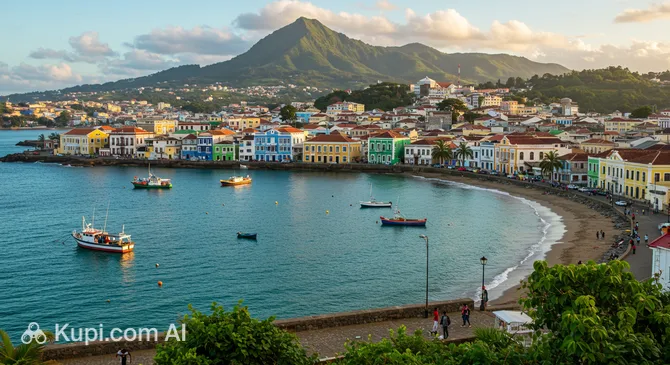
Sao Tome. Source: Kupi.com Binoculars

The natural treasures of São Tomé and Príncipe are a true magnet for lovers of ecotourism and secluded getaways. Lush, emerald rainforests, soaring volcanic peaks, picturesque cocoa and coffee plantations, and idyllic beaches with crystal-clear water and black volcanic sand await exploration. The island of Príncipe deserves special mention; recognised as a UNESCO Biosphere Reserve in 2012, it offers unique opportunities for spotting rare species of birds, sea turtles, and whales. The country's overall atmosphere is one of tranquillity, hospitality, and a sense of pristine beauty, making it an ideal destination for those seeking unforgettable experiences far from the well-trodden tourist paths.
Currency

The national currency of São Tomé and Príncipe is the dobra (STN). On 1 January 2018, a new dobra was introduced, replacing the old dobra (STD) at a rate of 1000 to 1. The new dobra banknotes feature colourful designs, often depicting the islands' unique flora and fauna, such as exotic birds or marine life. It is recommended to exchange foreign currencies, such as euros or US dollars, at banks or official exchange bureaus, which are mainly concentrated in the capital, São Tomé. For travellers from the UAE, it is more practical to carry euros, as they are more widely accepted and exchanged than US dollars; the UAE Dirham is not typically exchanged on the islands. It is strongly advised to avoid exchanging money with street vendors due to the high risk of fraud and unfavourable rates.

The use of credit cards on the islands is very limited and is generally confined to major hotels and a few restaurants in São Tomé. For daily expenses, shopping at markets, or paying for services in smaller establishments, especially outside the capital and on the island of Príncipe, you will need a sufficient amount of cash. ATMs are also uncommon and do not always accept international cards, though Visa has better acceptance than Mastercard. Therefore, you should plan to withdraw enough cash in advance, preferably upon arrival in the capital.

Visa Requirements

When planning a trip to São Tomé and Príncipe, it is essential to familiarise yourself with the visa requirements in advance. For citizens of the United Arab Emirates, visa-free entry is permitted for short-term tourist stays of 15 days or less. For visits exceeding this period, a visa is required. Regardless of your length of stay, a mandatory condition for entry is a valid passport. It is also highly recommended to carry return tickets, proof of hotel booking, and travel insurance for a smooth entry process.

If your travel plans require a stay longer than 15 days, you will need to obtain a visa. The most convenient option is often the electronic visa (e-Visa), which can be applied for online before your departure. This allows you to submit your application and receive an approval letter electronically. As visa regulations can change, it is strongly recommended to verify the latest information on the official São Tomé and Príncipe e-Visa portal or with authorised diplomatic missions before your trip. This will help prevent any unforeseen issues and ensure your travel preparations are stress-free.

We'll tell you if you need a visa

Specify where you are going, or
Your citizenship
Destination

Time Zones

When planning a trip to São Tomé and Príncipe, you will not need to worry about changing time zones within the country. The entire island nation operates on a single, consistent time zone.

The time in São Tomé and Príncipe corresponds to Greenwich Mean Time (GMT), or UTC+0. For travellers from the UAE, this means the local time is four hours behind Gulf Standard Time (GST, UTC+4). This stability simplifies planning excursions and travel between the islands, allowing you to focus entirely on your holiday.

How to Get There

São Tomé and Príncipe is a charming island nation in the Gulf of Guinea, and the most common way to get here is by air. The country's main international gateway is São Tomé International Airport (TMS), located near the capital city, São Tomé.

For travellers originating from the UAE, reaching São Tomé and Príncipe typically involves a connecting flight through a European or African hub. There are no direct flights from the UAE. Key airlines such as TAP Air Portugal offer routes via Lisbon (LIS) or Accra (ACC). Other convenient connections can be found through major African cities like Luanda (LAD) in Angola with TAAG Angola Airlines, or Libreville (LBV) in Gabon with Afrijet. Passengers travelling from Dubai (DXB), Abu Dhabi (AUH), or Sharjah (SHJ) can connect to these services via major international carriers.

As São Tomé and Príncipe is an island nation, there are no land routes for entry. Regular passenger ferry services from the mainland are limited. Occasionally, the islands are visited by cruise ships as part of wider West African itineraries, or by private yachts. However, for most tourists, air travel remains the most practical and quickest option. It is highly recommended to book flights well in advance, especially if your trip is planned during the peak tourist season (typically the dry months from June to September and December to January), to secure the best prices and availability.

For clarity, here is a summary of the main airports:

Airport Name City Passenger Traffic
São Tomé International AirportSão ToméMedium
Príncipe AirportPríncipeSmall

São Tomé and Príncipe is an amazing archipelago in the Gulf of Guinea, attracting travellers with its colourful towns and opportunities for secluded getaways. Here, you can find vibrant towns rich in history as well as quiet resort areas perfect for enjoying nature.

The heart of the country is unquestionably its capital, São Tomé. Located on the island of the same name, this city enchants visitors with its colonial architecture, unhurried pace of life, and friendly locals. Here, you can stroll along the promenade, visit historic churches and forts, and soak up the atmosphere at the local market.

Sao Tome. Source: Kupi.com Binoculars

Equally appealing is the island of Príncipe, a designated UNESCO Biosphere Reserve. Its main town, Santo António, is one of the world's smallest capitals, offering tranquillity and an authentic experience. For those seeking a beach holiday, Porto Alegre on the south of São Tomé island is an excellent choice, known for its picturesque beaches and diving opportunities. Also worth visiting is Santana, a popular spot for water sports enthusiasts and anyone who values being close to nature.

Top Attractions

São Tomé and Príncipe is much more than just a tropical paradise with picture-perfect beaches and lush vegetation. These islands in the Atlantic Ocean attract travellers with their unique natural beauty, including extinct volcanoes, the dense tropical forests of Obo National Park, and the chance to see rare endemic birds. The historical heritage is also impressive: old plantations (roças), the colonial architecture of the capital São Tomé, and forts tell the story of a rich past.

Of course, an introduction to the islands' culture would be incomplete without delving into the local gastronomy. The cuisine of São Tomé and Príncipe is a vibrant fusion of African, Portuguese, and Creole traditions. As the population is predominantly Christian, finding certified halal food can be challenging, but the cuisine's heavy reliance on fresh fish and seafood provides excellent options. Here are a couple of establishments where you can enjoy authentic flavours and experience the local atmosphere:

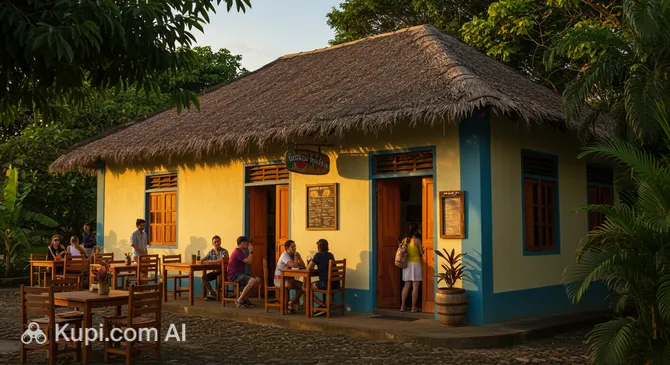
One notable spot is the Restaurante São Tomé. Here, you can taste the freshest seafood prepared according to traditional recipes and experience the capital's welcoming atmosphere. It is an excellent place to try dishes that reflect the islands' culinary heritage.

São Tomé Restaurant. Source: Kupi.com Binoculars

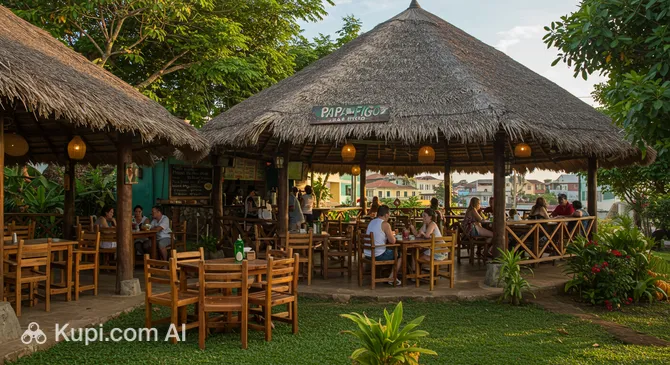
Another establishment worthy of a gourmet's attention is Papa-Figo. This restaurant is known for its creative dishes that skilfully combine local ingredients and for its cosy setting. A visit to "Papa-Figo" offers not only a delicious meal but also a chance to feel the true spirit of the islands through their culinary delights.

Papa-Figo. Source: Kupi.com Binoculars

Best Time to Visit

The best time to visit São Tomé and Príncipe is during the main dry season, known as the 'Gravana', which typically lasts from June to September. During this period, the weather is most favourable for travel, with less rain, more sunny days, and comfortable temperatures ideal for beach holidays, exploring tropical rainforests, and diving. It is also during these months, from July to October, that you can go whale watching for humpback whales off the islands' coasts. Furthermore, the famous Auto de Floripes cultural festival takes place on the island of Príncipe in August. A potential downside of this period is the slightly higher number of tourists and, consequently, higher prices for accommodation.

The rainy season in São Tomé and Príncipe runs from October to May, with a short, drier spell known as the 'Gravanita' in January and February. During the peak of the rainy season, particularly in October-November and March-May, downpours can be frequent, though they are usually brief, and humidity is higher. Nevertheless, this period has its own advantages: the islands are at their most lush and green, there are noticeably fewer tourists, ensuring a more tranquil holiday, and prices for accommodation can be more appealing. A key highlight of this season is the sea turtle nesting period, which lasts from approximately November to March. If you are prepared for changeable weather, travelling during the low season offers a unique experience and the chance to see the islands in a more private atmosphere.

Traditions

The culture of São Tomé and Príncipe is a unique blend of African and Portuguese traditions, making interactions with the local people particularly interesting. Greetings usually involve a handshake with a friendly smile and eye contact. While informal communication is common, respect for elders is highly valued. São Toméans are renowned for their hospitality, and being invited into someone's home is considered a great honour. Although a gift is not required, a small token of appreciation, such as fruit, sweets, or a souvenir from your country, will be gratefully received. The most important thing is to be open, polite, and friendly.

There are no strict dress codes for daily life, but it is advisable to wear modest attire that covers the shoulders and knees when visiting churches or official buildings. Swimwear is perfectly acceptable on the beaches, but it is best to put on light clothing when you are elsewhere. There are no special ceremonies at the dinner table, but it is considered good manners to try the dishes offered and to thank your hosts. To show respect and avoid misunderstandings, always ask for permission before taking photographs of people, especially older individuals or children. It is also wise to refrain from public displays of impatience or openly criticising local customs. One of the main national holidays is Independence Day (12 July), which is celebrated with great fanfare across the country and offers a wonderful opportunity to immerse yourself in the local culture through music, dancing, and public festivities.

Entertainment

São Tomé and Príncipe is a true paradise for nature lovers and explorers, offering a variety of options for active recreation. The islands are famous for their hiking opportunities through dense tropical forests, where you can discover endemic species of plants and animals, as well as picturesque waterfalls and volcanic peaks. Fans of water sports will find excellent conditions for diving and snorkelling in the crystal-clear waters, which are rich in marine life, including sea turtles and colourful fish. Boat trips to watch dolphins and whales during the season are also popular.

The cultural programme in São Tomé and Príncipe allows you to immerse yourself in the unique Creole atmosphere. Although there are no large opera houses or major concert halls, you can enjoy local music and dances, which are often performed in small venues or during local festivals. Small museums and historic plantations (roças) tell the story of the colonial past and the history of cocoa and coffee production. As for shopping, traditional souvenirs to bring back from the country include cocoa products, local coffee, spices, and handicrafts such as carved wooden figurines or textiles. The main souvenir shops and markets are located in the capital, São Tomé.

The nightlife on the islands is quite relaxed and quiet. It is mainly centred around restaurants and bars where you can sample local cuisine, fresh seafood, and exotic fruit cocktails while enjoying the warm atmosphere. It is advisable to inquire about halal food options at dining establishments, as these may require advance requests. Some venues in São Tomé or on the island of Príncipe may offer live music. For a family holiday, São Tomé and Príncipe primarily offers a safe and fascinating introduction to nature, including exploring beaches, bird watching, and gentle forest walks. There are no specialised theme parks or water parks, but the islands' nature itself serves as a huge playground for young explorers.

Currency rates

Planning a trip? That's wonderful! To ensure the financial aspects of your journey don't come as a surprise, it's important to remember that currency exchange rates are constantly changing. Therefore, we strongly advise you to monitor the latest rates both before you fly and throughout your trip. You can use the data provided below for this purpose — we monitor exchange rates 24/7 and strive to provide the most up-to-date information.

Reached the end of the page?

That means the route is fully explored