Support

Sao Tome

About

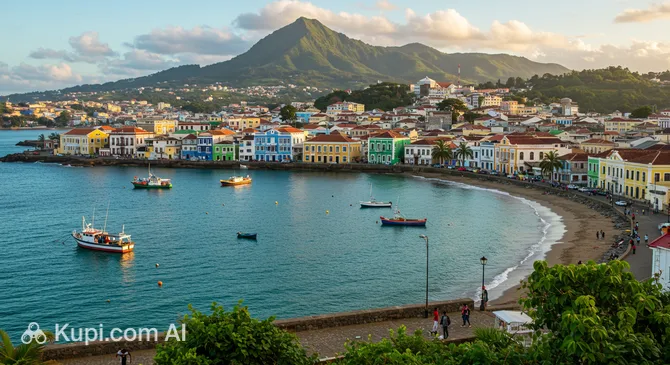
Welcome to Sao Tome, the picturesque capital and largest city of the island nation of Sao Tome & Principe. Known for its laid-back atmosphere and charming colonial architecture, this coastal city serves as the perfect gateway to exploring the lush landscapes and rich culture of the archipelago.

Sao Tome. Source: Kupi.Binoculars

Located on the northeastern coast of São Tomé Island, the city is home to a population of over 56,000 residents. As you wander through its streets, you will encounter a fascinating blend of African and Portuguese influences that define the history of Sao Tome. The city's waterfront location ensures a tropical climate, making it a pleasant destination for travelers seeking warmth and scenic ocean views.

Among the city's top attractions is the Fort of São Sebastião, a historical fortress built in 1575 that now houses the National Museum. Visitors should also admire the Cathedral of Our Lady of Grace (Sé Catedral), a distinct pink-hued structure that stands as a landmark of the city, or immerse themselves in local life at the vibrant Mercado Grande, where fresh fruits and spices abound.

Whether you are strolling along the bay or enjoying the local hospitality, Sao Tome promises an unforgettable experience. It is a destination that invites you to relax, explore, and immerse yourself in the unique rhythm of island life.

Weather Overview

Sao Tome experiences a tropical climate characterized by consistent warmth and high humidity throughout the year. Visitors can generally expect pleasant conditions, although the weather patterns shift distinctly between a wet season and a drier, cooler period. For a detailed breakdown of what to expect during your visit, you can check the weather in Sao Tome.

Temperatures remain quite stable year-round, with average monthly temperatures ranging from a comfortable 24.0°C in July to a warmer 26.8°C in March and April. The warmest months, typically from February to April, see daily maximums reaching nearly 28°C. Conversely, the coolest period occurs from June to August, where average temperatures dip slightly, making it a refreshing time to explore the city.

Precipitation patterns define the seasons more sharply than temperature. The city sees a significant number of "wet days" from October through May, with December experiencing rain on as many as 28 days. In contrast, the middle of the year brings a dry spell; July and August are the driest months, with as few as 3 to 5 wet days recorded. Expect warm, humid days with frequent showers during the long rainy season, and drier, slightly cooler weather if you travel between June and September.

Interesting Facts

Beyond the main attractions, Sao Tome holds many fascinating secrets that reveal its deep cultural roots and unique character. From its reputation among chocolate connoisseurs to its distinctive performing arts, this capital city offers surprises that go far beyond its colonial architecture.
  • Chocolate Capital: The city is the headquarters of Claudio Corallo, a renowned chocolatier who produces what many critics consider the finest chocolate in the world. His laboratory in the capital processes cocoa grown directly on the islands, maintaining a legacy that dates back to the era when the archipelago was the world's largest cocoa producer.

  • A Saintly Discovery: The city owes its name to the specific date of its discovery by Portuguese explorers. They arrived on December 21, 1470, the feast day of Saint Thomas, establishing a tradition of naming locations in the archipelago after the saints honored on the days they were found.

  • Living Theater: Sao Tome is the primary stage for Tchiloli, a dramatic musical tradition unique to the island. This elaborate performance tells the tragedy of Charlemagne and the Marquis of Mantua, blending 16th-century European texts with African masks, dance, and rituals in a mesmerizing cultural synthesis.

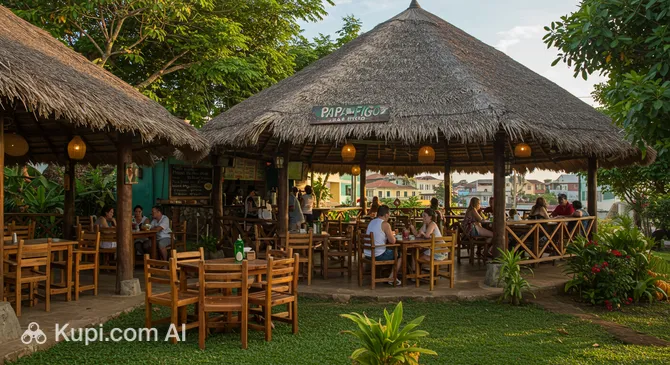
  • Local Flavors: The city's culinary landscape is a vibrant testament to its history, mixing Portuguese influences with fresh local ingredients like flying fish and breadfruit. Travelers can dive into this gastronomic culture at popular local spots like Papa-Figo, which are celebrated for serving authentic dishes in a welcoming atmosphere.

Papa-Figo. Source: Kupi.Binoculars

How to Get There

Reaching Sao Tome is the first step of your adventure, and for most travelers, this means arriving by air. The primary gateway to the city is the Sao Tome Island Airport (TMS), which handles the majority of international and domestic traffic. Conveniently located within the city of Sao Tome itself, the airport is only about 4.9 km from the center. Upon arrival, a transfer to the downtown area typically takes approximately 27 minutes by taxi or shuttle, making it a quick and easy journey. You can find more about how to get to Sao Tome and detailed transport advice on our dedicated page.

If you are traveling from within the region or connecting from other continents, you might transit through Libreville Airport (LBV) in Libreville, Gabon. Situated roughly 299 km away across the ocean, this large international hub offers regular flight connections to the archipelago. Another key entry point, particularly for those island-hopping, is Principe (PCP) airport. Located on the sister island of Principe about 165 km away, it serves as the main link for domestic flights between the two islands.

For clarity, here is a summary of the main airports:

Airport Name City Passenger Traffic Km from City
Port Gentil Port-Gentil High 253.5
Libreville Airport Libreville High 298.9
Sao Tome Island Airport Sao Tome Medium 4.9
Principe Principe Low 165.0
Annobon San Antonio de Palé Low 229.2

The city of Sao Tome does not have a railway station, and there are no trains operating on the island. The local transport infrastructure relies entirely on roads, so visitors typically use taxis, rental cars, or shared minibuses to get around after their flight lands.

Main Attractions

The city of Sao Tome is a captivating blend of colonial history and vibrant island culture. While it is a compact capital, it boasts several key landmarks that offer a glimpse into its past and present. Visitors should start their exploration at the Fort of São Sebastião. Located at the edge of the bay, this 16th-century fortress now houses the National Museum, where you can discover artifacts from the plantation era and religious art, all while enjoying commanding views of the ocean from its ramparts.

Another architectural gem is the Cathedral of Our Lady of Grace (Sé Catedral). Standing proudly in the city center, this imposing structure is easily recognized by its distinct pink façade and twin towers. It serves as a spiritual anchor for the local community and is a fine example of the Portuguese colonial style that characterizes much of the city's older buildings.

For those looking to experience the local gastronomy, the city offers some delightful culinary stops. Papa-Figo is one of the most well-known dining establishments in the capital. Popular among both locals and tourists, it is celebrated for its warm atmosphere and a menu that highlights the fresh flavors of the island, particularly its seafood dishes.

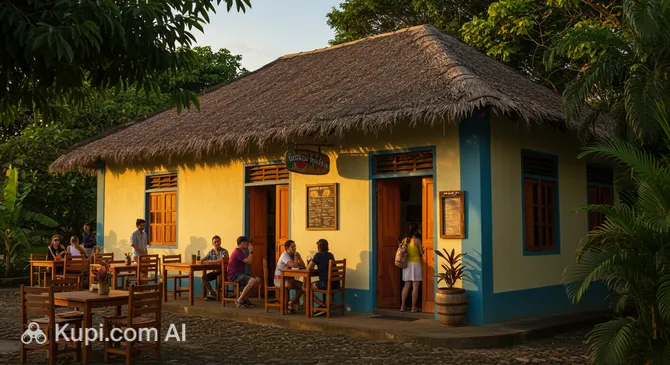
São Tomé Restaurant. Source: Kupi.Binoculars

Dining in the capital is an attraction in itself, allowing visitors to savor the unique fusion of African and Portuguese influences. The São Tomé Restaurant is another venue where you can enjoy traditional hospitality. Situated within the city, it provides a welcoming setting to relax and enjoy a meal after a day of sightseeing, adding to the overall charm of your visit to this friendly island nation.

Local Cuisine

The culinary scene in Sao Tome is a delightful reflection of its cultural heritage, blending Portuguese traditions with West African ingredients and techniques. The abundance of fresh seafood and tropical fruits ensures that every meal is vibrant and flavorful. Visitors will find that the local food culture is deeply connected to the land and sea, with aromatic herbs and spices playing a central role in most recipes.

The undisputed star of the local table is Calulu, a rich and hearty stew that is often considered the national dish. It is traditionally prepared with dried smoked fish or chicken, simmered for hours with okra, eggplant, tomatoes, and local herbs in palm oil. Another must-try is Molho no Fogo, a savory dish typically featuring fried fish accompanied by vegetables and a side of breadfruit or cassava. For the adventurous eater, giant land snails known as Buzio are a unique delicacy often served grilled on skewers.

To accompany these meals, the city offers a variety of refreshing beverages. Given the island's history as a major producer, the local coffee and cocoa are exceptional and widely available. For something stronger, you can try the locally brewed beer, often served in large bottles without labels, or sample fresh palm wine, a traditional alcoholic drink tapped directly from palm trees.

Dining in the city ranges from casual street stalls to established restaurants. The atmosphere is generally relaxed, embodying the local "leve leve" philosophy of taking things easy. Street vendors often sell grilled corn, plantains, and skewers known as espetadas, which make for a perfect quick snack while exploring the city streets.

For a sit-down experience, there are several excellent venues to explore. Papa-Figo remains a favorite for its reliable service and extensive menu of local favorites. Similarly, the São Tomé Restaurant offers a wonderful opportunity to taste authentic dishes in a comfortable setting. Whether you are eating at a bustling market or a quiet seaside eatery, the flavors of Sao Tome are sure to leave a lasting impression.

Travel Tips

Preparing for a trip to Sao Tome means packing for a tropical adventure and adjusting your mindset to the island's relaxed pace of life. To help you navigate the capital with ease and respect for the local culture, here are some essential practical tips.

  1. Clothing and Gear
    Given the tropical climate, pack lightweight, breathable fabrics like cotton or linen to stay cool. However, rain showers can occur suddenly, so a waterproof jacket or poncho is indispensable. Comfortable walking shoes or sandals are best for the city streets, while sturdy hiking boots are recommended if you plan to venture into the surrounding nature. If you visit religious sites like the Cathedral, dress modestly out of respect.

  2. Transportation
    Public transport in the city mainly consists of shared yellow taxis and minibuses, which are affordable but can be crowded. For more freedom, you can hire a private taxi—always agree on the fare before starting the journey. Car rentals are available and are a great option if you want to explore the island at your own pace, though a 4x4 is advisable for road conditions outside the main paved areas.

  3. Finances
    The local currency is the New Dobra (STN). It is crucial to bring enough cash, preferably in Euros, as they are the easiest to exchange at banks or official bureaus. Credit cards (Visa/Mastercard) are rarely accepted outside of major hotels, and ATMs often do not accept international cards. Relying on cash for daily expenses like meals, transport, and souvenirs is the safest strategy.

  4. Health and Safety
    Sao Tome is generally very safe, but standard precautions apply; avoid walking in unlit areas late at night. The risk of malaria exists, so carrying strong insect repellent and wearing long sleeves in the evening is highly recommended. Stick to bottled water for drinking. Pharmacies are available in the city, but it is wise to bring a personal kit with essential medications, as specific brands may not be in stock.

  5. Communication
    The official language is Portuguese. English is not widely spoken amongst the general population, so learning a few basic phrases like "Bom dia" (Good morning) and "Obrigado" (Thank you) will go a long way. Purchasing a local SIM card from providers like CST or Unitel upon arrival is recommended for navigation and translation apps, as public Wi-Fi can be scarce or slow.

  6. Local Etiquette
    Greetings are an essential part of social interaction here; it is polite to greet people when entering a shop or boarding a taxi. The local philosophy is "leve leve", which translates to "easy, easy" or "take it easy." This relaxed attitude towards time is a cultural norm, so patience is key. Always ask for permission before taking photographs of locals.

  7. What to Avoid
    Avoid displaying impatience or aggression if service is slower than what you are used to; rushing people is considered rude and contradicts the local lifestyle. Also, refrain from photographing military installations, police stations, or government buildings, as this is strictly prohibited.

  8. Electrical Adapters
    Sao Tome typically uses European-style two-pin plugs (Type C and F) with a standard voltage of 220V. If you are traveling from a country with a different standard, be sure to pack a universal travel adapter to keep your devices charged.

By embracing the "leve leve" spirit and coming prepared with cash and a few Portuguese phrases, you will find Sao Tome to be a welcoming and stress-free destination. Enjoy the warmth of the city and the genuine hospitality of its people!

Entertainment & Nightlife

The nightlife in Sao Tome perfectly mirrors the island's "leve leve" philosophy—relaxed, welcoming, and unhurried. While you will not find the frantic pace of a major metropolis, the capital comes alive after sunset with a distinct rhythm that blends social dining, open-air drinking, and infectious music. The atmosphere is generally casual, where flip-flops are as common as dancing shoes, and the warm tropical breeze sets the mood for the evening.

The heart of the city's evening activity is often found along the Avenida Marginal, the waterfront promenade. Here, locals and visitors gather to enjoy the ocean views and the cooling air. On weekends, particularly Friday and Saturday nights, the energy levels rise significantly. The streets become busier, and the sound of Kizomba and Semba music spills out from bars and cars, creating a spontaneous street party vibe that is easy to join.

For many, a night out begins with a long, leisurely dinner that transitions into drinks. Papa-Figo is a cornerstone of this social scene. It is more than just a place to eat; it is a vibrant meeting point where people congregate to enjoy fresh seafood, cold beer, and lively conversation well into the night. Similarly, the São Tomé Restaurant offers a classic setting to experience the local hospitality before heading out to later venues.

If you are looking to dance, the city has a few nightclubs and discos that open their doors late, usually around 11:00 PM or midnight. These venues typically charge a small entrance fee and stay open until the early hours of the morning. The crowd is a friendly mix of expatriates, tourists, and locals, all united by a love for rhythm. Don't be surprised if you are invited to the dance floor to learn a few local steps.

During the daylight hours, entertainment in Sao Tome is more culturally and historically focused. While there are no large amusement parks, the city offers engaging experiences like visiting the National Museum within the Fort of São Sebastião or exploring local art galleries that showcase the island's creative talent. The bustling markets also provide a form of daily theater, offering a colorful look into the everyday life of the residents.

Practical Advice for Night Owls:

  • Best Time to Go: Friday and Saturday are the liveliest nights. Weeknights are much quieter and better suited for a relaxed dinner.
  • Getting Around: While the city is walkable, it is safer and more convenient to use taxis at night, especially if you are moving between districts. You can usually find them near major hotels or restaurants, but it is wise to keep a driver's number handy.
  • Safety: Sao Tome is one of the safest capitals in Africa, but standard precautions apply. Avoid walking alone on unlit streets or the beach late at night.
  • Prices: Entertainment is generally affordable. A beer might cost between 1 to 2 Euros, and cover charges for clubs are modest.

Parks & Museums

While Sao Tome is a compact capital, it offers a refreshing mix of green spaces and cultural institutions that provide deep insight into the island's heritage. The city serves as a cultural hub where visitors can explore the rich history of the archipelago through its museums or escape to nature just a short distance from the urban center.

Although the city center itself is defined more by its colonial avenues than vast urban parks, the Avenida Marginal acts as the capital's primary open-air promenade. Stretching along the waterfront, this scenic bay road is lined with palm trees and offers uninterrupted views of the ocean, making it the perfect spot for a sunset walk. For a true immersion in nature, a short trip outside the city limits leads to the Bom Sucesso Botanical Garden. Located at the gateway to the Obo National Park, this lush sanctuary houses over 400 distinct plant species, including a stunning collection of indigenous orchids and giant begonias, showcasing the island's biodiversity.

For culture enthusiasts, the National Museum is an essential stop. Housed within the historic Fort of São Sebastião at the edge of the harbor, the museum preserves the island's complex narrative. Its exhibits range from agricultural and plantation artifacts to religious art, offering a comprehensive look at the colonial era. Another vibrant cultural venue is CACAU (Casa das Artes Criação Ambiente e Utopias). This dynamic arts center occupies a restored colonial building and hosts rotating exhibitions of contemporary local art, music performances, and cultural events, serving as a creative meeting point for the community.

The streets of Sao Tome are dotted with significant architectural landmarks that reflect its past. The Cathedral of Our Lady of Grace (Sé Catedral) stands as a prominent symbol of the city with its simplified neo-Romanesque style and distinctive twin towers. Nearby, the Presidential Palace draws attention with its grand pink neoclassical façade and manicured gardens. While the interior is not open to the public, the exterior remains one of the most photographed sites in the capital, representing the political heart of the nation.

For a more authentic glimpse into local life, visit the bustling Mercado Grande. While not a museum, this central market is a living exhibition of the island's culture, filled with colorful produce, aromatic spices, and the lively banter of vendors. It is an excellent place to observe the daily rhythm of the city and discover ingredients that define the local cuisine.

Getting Around

Navigating Sao Tome is a unique experience, as the city does not possess a formal mass transit network like a metro, tram, or railway system. Instead, the public transport infrastructure relies entirely on road-based vehicles. The most iconic and widely used form of transport is the shared yellow taxi. These vehicles are ubiquitous in the capital and operate somewhat like a bus service, picking up and dropping off multiple passengers along general routes. For destinations outside the immediate city center or to neighboring districts, larger minibuses or vans are the primary mode of travel, typically departing from central hubs near the main markets once they are full.

For shorter distances or quicker trips within the city, motorcycle taxis, locally known as "motoqueiros," are a popular alternative. They are able to weave through traffic and navigate narrower streets with ease. While they offer a fast and convenient way to get around, safety gear like helmets is not always provided for passengers, so tourists should exercise caution. If you prefer a more private and comfortable journey, the yellow taxis can also be hired for private use (charter), essentially functioning as a standard taxi service rather than a shared one.

The payment system in Sao Tome is strictly cash-based; there are no electronic travel cards, mobile apps, or ticket machines. Fares for shared taxi rides and minibuses are generally fixed and very affordable, often costing just a few dobras. You pay the driver directly, usually at the end of the trip or when you exit the vehicle. It is highly recommended to carry small denominations of the local currency, as drivers may not always have enough change for large bills. If you hire a taxi for private use, you must negotiate and agree on the fare before getting into the car to avoid any misunderstandings later.

Tourists should be aware that there are no official timetables or strictly marked bus stops in the traditional sense. To catch a shared taxi or minibus, you simply wait by the side of the road and wave your hand to flag one down. Public transport operates most frequently during daylight hours, starting early in the morning. Service drops off significantly after sunset and can be very scarce on Sundays and public holidays. If you plan to be out late, it is advisable to arrange a private pick-up with a taxi driver you trust or ask your hotel to call one for you.

Given the compact nature of the city center, walking is often the best way to explore the main attractions, colonial architecture, and waterfront. The distances between key sites are short, allowing for a pleasant stroll. For those wishing to explore beyond the city limits at their own pace, renting a car is a common choice, though it is less necessary for staying strictly within the capital. Bike rentals are not a major part of the formal transport system but may be available through specific guesthouses or tour operators.

Accommodation

Finding the perfect place to stay in Sao Tome is a relatively straightforward affair, as the capital offers a modest but welcoming selection of accommodation options. The choices generally range from simple, family-run guesthouses known as residencials to mid-range business hotels and a few more upscale resorts located along the coast. Unlike mass tourism destinations, the city retains a cozy, intimate feel, with most properties offering personalized service and a relaxed atmosphere.

For travelers who prioritize convenience and culture, the city center is the ideal area to base yourself. Staying here places you within walking distance of historical landmarks, government buildings, and the bustling local markets. Alternatively, the waterfront area along the Avenida Marginal is highly popular for its scenic ocean views and refreshing sea breeze. This area is home to several larger hotels that cater to international visitors, offering amenities such as swimming pools and on-site dining while remaining close to the city's main activities.

The price range for accommodation in Sao Tome is generally moderate. Budget travelers can find affordable rooms in smaller guesthouses, though amenities may be basic. Mid-range and luxury options are priced higher, reflecting the cost of importing goods to the island, but they typically provide air conditioning, Wi-Fi, and breakfast. While the luxury segment is not as extensive as in major global resort hubs, the top-tier hotels provide a comfortable and high-standard experience suitable for both leisure and business travelers.

Booking Tip: It is highly recommended to book your accommodation in advance, especially if you plan to visit during the dry season (June to September) or around major holidays like Christmas and Easter. While larger hotels can be booked via major online platforms, many smaller guesthouses may require direct contact via email or phone. Additionally, be prepared to pay in cash (Euros or Dobras) at smaller establishments, as credit card facilities are not universally available.

Nearby Cities

For those looking to explore the surroundings, Sao Tome serves as an excellent base for day trips to several interesting nearby locations:

Located on the northwest coast, Neves is a town known for its industrial heritage and its reputation as a culinary hotspot. It is widely considered the best place on the island to enjoy fresh santola (giant crab), a local delicacy. Beyond the food, Neves offers a glimpse into the island's daily life and serves as a gateway to the scenic western coastal road.

Just a short drive south along the eastern shore is Santana. This town is ideally situated for travelers wishing to visit some of the island's most famous landmarks, such as the historic Roça Água Izé and the dramatic Boca do Inferno (Hell's Mouth), a natural rock formation where ocean waves crash with spectacular force.

Further south lies Porto Alegre, a quiet village that acts as the jumping-off point for the island's most pristine beaches, including Praia Jalé and Praia Inhame. It is also the main harbor for taking a boat to the nearby Ilhéu das Rolas, where visitors can stand directly on the equator line.

City Population Distance (km)
Porto Alegre - 40
Santana 10290 9
Neves 10068 20
Principe 8000 160
Guadalupe 7604 -

These nearby destinations offer a glimpse into the diverse culture and landscapes of the region.

Shopping & Souvenirs

Shopping in Sao Tome offers a distinctively local and authentic experience, far removed from the glitz of massive international retail hubs. Instead of high-end luxury boutiques or sprawling department stores, visitors will find a charming array of small street-side shops, bustling markets, and artisanal workshops. The city is not a destination for fashion hunting but rather a treasure trove for those seeking unique island products, organic flavors, and handcrafted items that reflect the culture of the archipelago.

The main commercial activity is concentrated in the city center, particularly in the streets surrounding the cathedral and the central market. A stroll through this downtown area reveals a mix of local grocery stores, hardware shops, and small boutiques selling clothing and textiles. The atmosphere is vibrant yet relaxed, with vendors often setting up stalls on the sidewalks to sell everything from shoes to household goods.

Travelers looking for a modern shopping mall experience should adjust their expectations, as Sao Tome does not have large Western-style shopping centers. However, there are several well-stocked supermarkets, such as Super CKDO, where you can find imported European foods, wines, and daily necessities. These establishments serve as the closest equivalent to a commercial center and are useful for tourists needing to resupply on toiletries or snacks.

The true heart of the city's commerce beats at the Mercado Municipal, also known as the Mercado Grande. This vibrant, multi-story market is a sensory explosion of colors and scents. It is the best place to mingle with locals and purchase fresh tropical fruits, vegetables, and aromatic herbs. While primarily a food market, it is an essential stop for anyone wanting to see the daily life of the Santomean people up close.

When it comes to souvenirs, Sao Tome is famous for its high-quality cocoa and coffee. Chocolate lovers should look for products from the renowned Claudio Corallo factory, which are widely considered some of the best in the world. Other popular keepsakes include locally produced vanilla, cinnamon, and pepper. For non-edible gifts, look for intricate wooden carvings, traditional masks, and colorful paintings by local artists, often sold in small galleries or directly from artisans in the city.

Store opening hours typically follow a traditional schedule. Most shops open around 8:00 AM or 9:00 AM and close for a long lunch break, usually between 12:30 PM and 3:00 PM, before reopening until roughly 6:00 PM. On Saturdays, many businesses operate on a half-day schedule, closing by 1:00 PM, and most are closed on Sundays. As for payment, cash is king. While a few major supermarkets may accept international credit cards, the vast majority of shops and market vendors only accept the local Dobra. It is advisable to carry sufficient cash in small denominations.

Tourists should be aware that a tax-free or VAT refund system for visitors is not currently established in Sao Tome. Prices displayed are generally final, although friendly bargaining is common and expected when purchasing items from street vendors or in the markets.
Reached the end of the page?

That means the route is fully explored