Support

Principe

About

Welcome to Principe, a breathtakingly beautiful destination that feels like a lost world waiting to be discovered. As the smaller and older of the two major islands that make up the nation of Sao Tome & Principe, this place offers an atmosphere of tranquility and untouched wilderness that is becoming increasingly rare in modern travel. With a population of approximately 8,000 residents, it provides an intimate and serene experience, far removed from the bustle of mass tourism.

Geographically, Principe is a lush, volcanic jewel located in the Gulf of Guinea, off the western coast of Africa. The entire island has been designated a UNESCO Biosphere Reserve, a testament to its rich biodiversity and pristine ecosystems. The climate is tropical and humid, supporting dense rainforests that blanket the jagged phonolitic peaks, creating a dramatic and prehistoric-looking landscape that captivates every visitor.
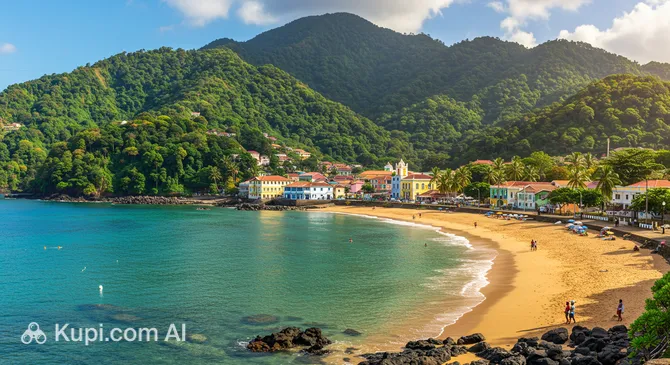
Principe. Source: Kupi.Binoculars

The cultural and economic past of the region is deeply intertwined with agriculture and plantation life. Exploring the history of Principe reveals a fascinating narrative of "roças" (plantation estates) that once produced some of the world's finest cacao and coffee. Today, many of these plantation houses have been restored into charming accommodations or remain as atmospheric ruins slowly being reclaimed by the vibrant jungle.

Travelers are drawn here for unique adventures and spectacular scenery. The main settlement, Santo António, is often affectionately referred to as one of the smallest cities in the world, charming visitors with its colonial architecture and relaxed vibe. Nature enthusiasts should not miss the iconic Pico Papagaio for hiking, or the stunning Banana Beach (Praia Banana), famous for its crystal-clear turquoise waters and perfect curve.

If you are seeking a destination that combines ecological wonder with a slow, peaceful pace of life, Principe is the perfect choice. Its warm hospitality, endemic wildlife, and magical landscapes invite you to disconnect from the daily grind and immerse yourself in pure nature.

Weather Overview

The climate on the island is distinctly tropical, ensuring warm and humid conditions regardless of when you visit. Average temperatures remain remarkably stable, generally fluctuating between 25°C and 27°C. The period from February to April tends to be the warmest, with highs occasionally reaching nearly 29°C, making it an excellent time for sun-seekers.

Rainfall is a persistent part of the experience here, contributing to the island's verdant greenery. You can expect frequent precipitation throughout the year, with the number of wet days ranging from a low of 14 days in July to a high of 28 days in October. Even in the cooler months like August, the weather remains mild with minimum temperatures around 24.5°C. For precise forecasts and monthly averages to help pack your bags, check the guide to weather in Principe.

Interesting Facts

Beyond its lush rainforests and pristine beaches, Principe holds incredible stories that have shaped both local culture and global science. This remote island is not just a tropical paradise but a place of historical significance and ecological wonder.
  • Proof of Relativity: One of the most significant events in modern physics took place here. In 1919, British astrophysicist Arthur Eddington observed a total solar eclipse from the Roça Sundy plantation. His observations confirmed Albert Einstein's Theory of General Relativity, forever changing our understanding of the universe.

  • World's Smallest "Capital": The island's main town, Santo António, is frequently cited as the smallest capital city in the world. Serving as the administrative center for the Autonomous Region of Principe, it maintains a charming, village-like atmosphere despite its official city status.

  • The Galapagos of Africa: Due to its isolation, the island is an evolutionary laboratory with a remarkably high density of endemic species. It is home to unique creatures found nowhere else on Earth, such as the Principe Kingfisher and various rare orchids, making it a dream destination for naturalists.

  • A Chocolate Renaissance: While Sao Tome & Principe was once the world's largest cacao producer, Principe today is renowned for its focus on quality. The island has revived heritage cacao varieties on restored plantations, producing some of the finest organic chocolate in the world directly from tree to bar.

How to Get There

Reaching the secluded paradise of Principe requires a bit of planning, as it is located off the coast of West Africa. For a detailed breakdown of routes and connections, you can read more about how to get to Principe.

The most direct entry point is the local Principe airport (IATA: PCP). Situated just 5.4 km from the city center, this small regional facility primarily handles domestic connections. Once you land, the journey to the main town is short and convenient, taking about 10-15 minutes by taxi or shuttle. Due to its size, the airport offers a relaxed arrival experience, welcoming visitors with the island's characteristic warmth.

Most international travelers will first arrive at Sao Tome Island Airport (IATA: TMS), located in the neighboring city of Sao Tome, about 157 km away. As the main international gateway for the country, it receives flights from Europe and mainland Africa. From there, visitors typically catch a short domestic flight to reach Principe. Additionally, Libreville Airport (IATA: LBV) in Libreville, Gabon, serves as a major regional hub approximately 257 km away, offering further connection possibilities for those traveling from the African mainland.

For clarity, here is a summary of the main airports:

Airport Name City Passenger Traffic Km from City
Libreville Airport Libreville Large 257.3
Bata Airport Bata Medium 269.0
Malabo Airport Malabo Medium 277.6
Sao Tome Island Airport Sao Tome Medium 156.9
Principe Principe Small 5.4

Main Attractions

While the destination is often viewed as a single tranquil hideaway, the main settlement of Santo António serves as the charming heart of the island. Often cited as one of the world's smallest capitals, this riverside town offers a delightful stroll through history. Visitors are captivated by its weathered colonial architecture painted in pastel hues and the peaceful atmosphere of its streets. It is the perfect place to interact with friendly locals, visit the bustling market, and soak in the slow, rhythmic pace of island life.

For beach lovers, Praia Banana is an absolute must-see and arguably the most famous landmark on the island. Shaped like a perfect banana curve, this beach is renowned for its postcard-perfect scenery, featuring golden sands contrasted against emerald-green vegetation and turquoise waters. It is an ideal spot for swimming and picnicking, offering a sense of seclusion that makes you feel as if you have discovered a private paradise.

History and nature converge at Roça Sundy, a beautifully restored plantation estate that offers a glimpse into the island's agricultural past. Once a major producer of cocoa and coffee, the estate is now a hotel and cultural site where you can explore the old grounds and learn about the chocolate-making process. It is also famous for being the site where Arthur Eddington confirmed Einstein’s theory of relativity during a solar eclipse, adding a layer of scientific intrigue to your visit.

Adventurers looking for panoramic views should head to Pico Papagaio. This prominent peak dominates the skyline and offers a challenging but rewarding hike through the dense rainforest. Reaching the summit provides a breathtaking vantage point over the entire island and the surrounding ocean, making the exertion well worth the effort for nature enthusiasts and photographers.

Another gem located on the northern coast is Ilhéu Bom Bom. This small islet is connected to the main island by a long, wooden walkway that stretches over the water, creating a magical setting for walks, especially at sunset. The surrounding waters are teeming with marine life, making it a fantastic location for snorkeling or simply enjoying the serene beauty of the coastline.

Local Cuisine

The culinary scene in Principe is a delightful journey for the senses, deeply rooted in the island's status as a UNESCO Biosphere Reserve. Here, the concept of "farm-to-table" is not a trend but a way of life. The cuisine relies heavily on fresh ingredients sourced directly from the abundant rainforests and the surrounding Atlantic Ocean, resulting in dishes that are organic, flavorful, and prepared with immense care.

Seafood lovers will find themselves in paradise, as fresh fish is the staple of almost every meal. The undisputed star of the local table is Calulu, a rich and hearty traditional stew that takes hours to prepare. It typically consists of dried smoked fish (or sometimes chicken), simmered with local vegetables, herbs, and okra in a flavorful red palm oil sauce. Another must-try is Molho no Fogo, a savory fish dish often served with distinct local sides like fruta-pão (breadfruit), matabala (taro), or fried plantains, which replace rice or pasta in many meals.

For those with a sweet tooth, the island offers an exotic array of tropical fruits such as jackfruit, passion fruit, and the custard-like soursop. However, no gastronomic tour of Principe is complete without tasting its world-renowned chocolate. The island has a rich history of cacao cultivation, and today, local plantations produce some of the finest high-quality dark chocolate in the world. Sampling these treats right where the beans are grown is a unique experience that defines the island's flavor profile.

When it comes to beverages, the locals have mastered the art of natural refreshment. You can quench your thirst with fresh coconut water or juices made from seasonal fruits. On the stronger side, Vinho de Palma (palm wine) is a traditional alcoholic drink tapped directly from palm trees, offering a distinct, slightly yeasty taste that varies depending on fermentation. Coffee enthusiasts will also appreciate the locally grown beans, which yield a robust and aromatic cup, perfect for starting a slow-paced island morning.

Dining in Principe offers two distinct experiences. In the main town of Santo António, you can find small, casual eateries and street vendors serving authentic homemade meals in a relaxed atmosphere. In contrast, the restored plantation houses, known as roças, offer a more refined dining experience. Many of these historic estates have been converted into hotels that serve gourmet versions of local classics, allowing you to enjoy exquisite meals while surrounded by the history and lush nature of the plantations.

Travel Tips

Visiting Principe is a step back in time to a place where nature dictates the pace of life, so a little preparation is key to enjoying its secluded charm without logistical hiccups. Here are some practical tips to help you embrace the island's unique rhythm while staying comfortable and safe.

  1. Clothing and Gear: The climate is tropical and humid, so pack lightweight, breathable fabrics like cotton or linen. However, sudden downpours are common, so a light raincoat or poncho is essential. If you plan to hike the biosphere trails, bring sturdy, waterproof hiking boots, as the jungle paths can get muddy and slippery.

  2. Transportation: Public transport is virtually non-existent for tourists. The best way to get around is by arranging transfers through your hotel or hiring a taxi for the day. Renting a car (usually a 4x4) is possible and gives you freedom, but be prepared for rugged roads; often, hiring a local driver is the more relaxing option.

  3. Finances: The local currency is the New Dobra (STN), and the economy is heavily cash-based. Credit cards are rarely accepted outside of high-end hotels, and ATMs on the island are unreliable for international cards. It is highly advisable to bring sufficient cash in Euros, which are easy to exchange and often accepted for direct payment.

  4. Health and Safety: The island is very safe, but medical facilities in Santo António are basic. Malaria is present in Sao Tome & Principe, so carrying strong insect repellent and wearing long sleeves in the evening is recommended. Always drink bottled or filtered water to avoid stomach issues.

  5. Communication: Portuguese is the official language, and English is not widely spoken amongst the general population. Learning a few basic phrases like "Bom dia" (Good morning) will be warmly received. For internet access, purchase a local SIM card (CST or Unitel) upon arrival, as hotel Wi-Fi can be slow.

  6. Local Etiquette: The island runs on "leve-leve" time, a cultural motto meaning "slowly-slowly." Service may be slower than you are used to, so patience is key. Always greet people politely before starting a conversation, and ask for permission before taking photos of locals.

  7. What to Avoid: Do not get frustrated or show visible anger if things don't run on a strict schedule; rushing is contrary to the local way of life and can be considered rude. Also, avoid walking around the town or villages in swimwear; modest dress is appreciated in populated areas.

  8. Shopping Tip: Take the opportunity to buy local organic products. The island produces exceptional chocolate, vanilla, and coffee. Purchasing these items directly from plantations or the local market guarantees high quality and supports the local community.

With these tips in mind, you are ready to disconnect from the busy world and immerse yourself in the magic of this biosphere reserve. Embrace the slow pace, respect the pristine nature, and let the island's warm hospitality make your trip unforgettable.

Entertainment & Nightlife

When it comes to nightlife, Principe moves to a different rhythm than most travel destinations. Do not expect neon lights, thumping nightclubs, or sprawling entertainment districts. Instead, the evening entertainment here reflects the island's "leve-leve" (slowly-slowly) philosophy. The atmosphere is incredibly laid-back, intimate, and centered around socializing with locals over a cold drink or enjoying the profound silence of a starry equatorial night. The "nightlife" is less about partying and more about connection and relaxation.

The hub of activity, such as it is, can be found in Santo António. As the sun sets, the heat of the day dissipates, and the main streets near the river and the central square become the social living room of the island. Locals gather at small, open-air kiosks and roadside bars known as "barracas." Here, the vibe is unpretentious and welcoming. You will hear the sounds of Kizomba or Semba music playing from portable speakers, children playing nearby, and the hum of friendly conversation. The dress code is entirely casual; shorts and t-shirts are the norm.

For a more upscale evening experience, travelers usually head to the bars located within the island's hotel resorts. Roça Sundy offers a historical setting where you can enjoy sophisticated cocktails in a restored plantation house, surrounded by the ghosts of the past and the sounds of the jungle. Another excellent option is the bar at Sundy Praia, where you can sip a drink with your feet in the sand, listening to the waves crash on the shore. These venues offer a stark contrast to the town's rustic kiosks, providing international service and a curated wine list.

If you are looking for a truly local experience in Santo António, look for spots like Juditinha. While primarily a restaurant, it often serves as a meeting point in the evenings where you can enjoy a local meal and transition into drinks. The drink of choice across the island is almost invariably Rosema, the national beer of Sao Tome & Principe, which is served in handle-less brown bottles. Trying the local palm wine is also an option for the adventurous, though it is an acquired taste.

Practical advice for a night out in Principe is simple but essential. The streets can be very dark, as street lighting is intermittent or non-existent outside the center of Santo António. It is highly recommended to carry a flashlight or use your phone's torch when walking. Taxis are not readily available to be hailed on the street at night; you must arrange transportation in advance with a driver or through your hotel. In terms of safety, the island is one of the safest places in Africa. Violent crime is virtually unheard of, making night walks generally safe, though it is always wise to stay in illuminated areas and avoid walking alone on desolate roads simply to avoid getting lost.

During the daylight hours, entertainment shifts towards cultural and natural exploration. While there are no large amusement parks, the town of Santo António itself acts as a living museum of colonial architecture. You can visit small cultural centers or simply watch the fishermen bring in their daily catch, which is a form of theater in its own right. The true "amusement" here is the island's biodiversity, offering endless engagement for nature lovers before the sun goes down.

Parks & Museums

While Principe is not a destination filled with conventional glass-walled museums or manicured city parks, the entire island serves as a magnificent, living open-air gallery. Its "parks" are vast, untamed rainforests protected by international mandates, and its "museums" are the hauntingly beautiful colonial estates that whisper stories of a bygone era. For travelers, the distinction between nature, history, and culture here is fluid, offering an immersive experience where every hike and building visit teaches you something new.

The crown jewel of the island’s natural heritage is the Principe Natural Park. Covering the southern half of the island, this protected area is the heart of the UNESCO Biosphere Reserve. It is a place of primal beauty, characterized by dramatic phonolitic peaks, such as the table-topped mountainous ridges, and dense primary rainforest that cascades down to the sea. For tourists, this is the ultimate playground for eco-tourism, offering trails that lead to hidden waterfalls and rare wildlife sightings, including the endemic Principe parrot. It is not just a park; it is a sanctuary that feels entirely untouched by the modern world.

For a more curated natural experience, the grounds of Roça Belo Monte offer a stunning example of how history and nature intertwine. Perched high on a cliff in the northeast, this restored plantation features beautifully maintained gardens that provide a stark, elegant contrast to the wild jungle surrounding them. Visitors can stroll through manicured paths lined with tropical flowers and enjoy one of the most spectacular viewpoints on the island, overlooking the pristine beaches below. It serves as a perfect botanical introduction to the island’s flora in a comfortable, accessible setting.

In terms of cultural heritage, the Roça Sundy stands out as the island's most significant historical site, functioning effectively as a museum of science and agriculture. This estate is famous worldwide as the location where Sir Arthur Eddington proved Einstein's Theory of Relativity during the solar eclipse of 1919. Today, visitors can explore the plantation grounds, view the memorial dedicated to this scientific milestone, and learn about the intricate history of cacao production that once drove the island's economy. It provides a fascinating intellectual layer to a tropical vacation.

Another cultural landmark is the main town itself, Santo António. While it doesn't house a large national museum, the town is an architectural exhibit of Portuguese colonial design. Walking its quiet streets reveals a collection of faded yet charming buildings, churches, and administrative centers that have stood for nearly a century. The small, informal cultural centers or community associations often display local crafts and art, reflecting the vibrant spirit of the residents. It is a place to observe the living culture of the island rather than viewing artifacts behind glass.

For a truly authentic insight, look for the smaller, less commercialized Roças scattered across the interior. Many are currently being reclaimed by the forest or lived in by local communities in a way that blends past and present. Visiting a working farm like Roça Paciência allows you to see the transformation of the island's heritage into modern organic farming, offering a "living museum" experience where you can smell, touch, and taste the products of the land.

Getting Around

Navigating the public transport system in Principe is a unique experience that reflects the island's small size and relaxed pace of life. Travelers should be aware that there is no formal public transportation network in the traditional sense; you will not find subways, trams, trains, or large scheduled buses here. Instead, the local "public" transport consists primarily of shared taxis and minibuses that connect the main town of Santo António with smaller communities and the airport. These vehicles often operate without a fixed timetable, leaving when they are full rather than at a specific time.

For payment, the system is entirely cash-based. There are no travel cards, mobile apps, or electronic ticket machines. You simply pay the driver directly upon reaching your destination. Fares are generally very low for shared rides, usually a fixed small amount in the local currency. Since drivers rarely have large amounts of change, it is essential to carry small denominations of cash to pay for your fare exactly or as close to it as possible.

If you decide to use these shared vehicles, practical advice is key to a smooth journey. There are no designated bus stops with signs; instead, you typically flag down a vehicle on the main road or find them waiting at the central market area in Santo António. Operating hours are dictated by daylight and demand. Transport is most frequent in the early morning and late afternoon to accommodate workers and students, but it becomes very scarce after sunset. Do not rely on shared transport for time-sensitive trips, such as catching a flight.

For most tourists, the most viable alternatives are private taxis and motorbike taxis. Standard yellow taxis are available and offer a much more reliable and comfortable way to explore the island. Unlike shared transport, these can be hired for specific trips or even for a full day of touring. Motorbike taxis, locally known as "moto-taxis," are also popular for short distances and solo travelers, offering a breezy way to get around, though safety gear like helmets is not always provided by the driver.

Car rentals are another option, though the fleet on the island is limited and often consists of older 4x4 vehicles suitable for the terrain. Many visitors find that the town of Santo António is compact enough to be explored entirely on foot. Walking allows you to appreciate the colonial architecture and quiet atmosphere at your own pace, which is often the most rewarding way to experience the charm of this small city.

Accommodation

Accommodation in Principe is as unique as the island itself, characterized by a focus on quality, sustainability, and history rather than quantity. You will not find sprawling high-rise hotel chains or massive all-inclusive resorts here. Instead, the lodging landscape is dominated by intimate eco-lodges, charming guesthouses, and the island's signature "plantation hotels." The options generally fall into two distinct categories: luxury eco-tourism experiences immersed in nature and modest, budget-friendly guesthouses located in the main town.

The most distinctive way to stay on the island is by booking a room in a restored Roça. These former colonial plantation estates have been beautifully renovated into boutique hotels that blend historical architecture with modern comfort. Staying in these locations offers a deeply atmospheric experience, often set high in the hills with panoramic views of the rainforest. Areas like the northern and western coasts are home to some of the most exclusive properties, including world-class tented villas that offer direct access to pristine beaches and the jungle.

For travelers on a tighter budget or those who prefer to be closer to local life, the capital city of Santo António is the best area to look. Here, you will find small residential inns (often called "residencial") and simple hotels. These establishments offer basic amenities but provide a warm, authentic welcome and easy access to the town's markets, restaurants, and the riverfront. It is a convenient base if you plan to spend your days exploring the town on foot or interacting with the local community.

Some of the most well-known accommodations on the island have become attractions in their own right. Roça Sundy is a prime example, offering a journey back in time within a scientifically historic site. For beach lovers, Sundy Praia provides a luxury tented experience nestled between the forest and the sea. Another notable mention is Roça Belo Monte, known for its elegant manor house and breathtaking views from the northeast cliffs. These properties are instrumental in the island's sustainable tourism model.

Booking Tip: Due to the limited number of rooms on the island—especially in the high-end category—it is essential to book your accommodation well in advance. During the peak dry seasons or holiday periods, the best spots can fill up months ahead of time. Do not count on finding a luxury room as a "walk-in" guest upon arrival.

In terms of pricing, Principe caters to two extremes. The luxury eco-resorts and restored plantations are priced at an international premium, often charging rates comparable to high-end safari lodges, which usually include full board and activities. Conversely, the guesthouses in Santo António are much more affordable, catering to backpackers and budget-conscious travelers. While the luxury hotels can be booked via major online platforms, many smaller guesthouses in town may require direct contact or booking through a local travel agent, and some may only accept cash payments on site.

Nearby Cities

As an island destination, Principe is defined by its serene isolation in the Gulf of Guinea. The nearest urban centers are located on the larger sister island of Sao Tome, situated approximately 150 kilometers to the south. This geographical separation preserves Principe's tranquil atmosphere while keeping it connected to the rest of the archipelago.

The primary connection to the outside world is the capital city, Sao Tome, which serves as the country's economic and administrative hub. Other significant settlements, such as Neves and Santana, are also found on the main island, offering a contrast to the village-like feel of Principe's own communities.

Below is a list of nearby cities and towns, along with their estimated distances from Principe:

City Population Distance (km)
Porto Alegre 1,490,000 200
Sao Tome 56,166 160
Santana 10,290 167
Neves 10,068 168
Guadalupe 7,604 7,720

Shopping & Souvenirs

Shopping in Principe is a refreshing departure from the commercialized experience found in most tourist destinations. As a designated UNESCO Biosphere Reserve, the island does not offer sprawling shopping complexes, designer boutiques, or duty-free promenades. Instead, the shopping scene here is intimate, authentic, and deeply connected to the local culture and agriculture. Visitors will find that purchasing goods is often a personal interaction with the producer or a small business owner, focusing on organic products and handmade crafts rather than mass-produced items.

The primary hub for any commercial activity is the main town of Santo António. There are no specific "shopping districts" in the traditional sense; rather, the town center features a collection of small, family-run convenience stores and roadside kiosks. A stroll through the quiet streets near the river and the central church will reveal these modest shops, known locally as "lojas," which stock imported essentials, beverages, and basic household goods. For tourists, this area is the best place to restock on supplies or simply observe the slow-paced daily commerce of the island.

Travelers expecting large retail centers should be aware that there are no shopping malls on the island. The retail infrastructure is very basic, reflecting the small population and the remote nature of the destination. If you need specialized equipment, electronics, or fashion items, it is highly advisable to bring them with you from home or purchase them in the larger city of Sao Tome before traveling to Principe.

The heart of the local trade is undoubtedly the Municipal Market in Santo António. This is not a tourist trap but a functioning market for residents, bustling with activity in the mornings. Here, you can find mounds of fresh tropical fruits like jackfruit, bananas, and papayas, as well as locally grown vegetables and freshly caught fish. While it is primarily a food market, it offers a vibrant atmosphere for photographers and those looking to engage with friendly locals. It is the perfect spot to buy fresh snacks for a day of exploring.

When it comes to souvenirs, the island offers high-quality treasures that reflect its agricultural heritage. The most sought-after item is local chocolate. Principe has a rich history of cacao production, and you can buy exquisite organic chocolate directly from plantations or in town. Other excellent gifts include bags of locally grown coffee, vanilla beans, and pepper. You may also find simple handicrafts, such as jewelry made from coconut shells, seeds, or recycled materials, often sold by local artisans near hotels or cultural centers.

Practicality is key when planning to shop here. Most stores and market stalls operate on a cash-only basis. Credit cards are virtually useless for shopping outside of the major hotels, so ensure you carry enough cash. The local currency is the Dobra, but Euros are widely accepted and often preferred for larger purchases. Opening hours are generally from 8:00 AM to 12:00 PM and then from 2:00 PM to 5:00 PM on weekdays, with many shops closing for a long lunch break. On Saturdays, shops close early, and Sunday is typically a day of rest with very limited options available.

Regarding tax refunds, there is no tax-free shopping scheme available for tourists in Sao Tome & Principe. The prices you see are the final prices. However, given the generally low cost of local produce and the direct support your purchases provide to the local community, most visitors find the value to be exceptional without the need for tax incentives.

Reached the end of the page?

That means the route is fully explored